Tuberculous meningitis in infants and children: Insights from nuclear magnetic resonance metabolomics
Abstract
Tuberculous meningitis (TBM) is a prevalent form of central nervous system tuberculosis (CNS-TB) and the most severe common form of bacterial meningitis in infants and children below the age of 13 years, especially in the Western Cape Province of South Africa. Research to identify markers for timely and accurate diagnosis and treatment outcomes remains high on the agenda for TBM, in respect of which the field of metabolomics is as yet largely unexploited. However, the national Department of Science and Technology (DST) recently established several biotechnology platforms at South African institutions, including one for metabolomics hosted at North-West University. We introduce this national platform for nuclear magnetic resonance (NMR) metabolomics by providing an overview of work on TBM. We focus on selected collaborative multidisciplinary approaches to this disease and conclude with the outcomes of an untargeted NMR metabolomics study of cerebrospinal fluid from TBM patients. This study enabled the formulation of a conceptual shuttle representing the unique metabolic plasticity of CNS metabolism towards the energy requirements for the microglia-driven neuroinflammatory responses, of which TBM is one example. From insights generated by this explorative NMR metabolomics investigation, we propose directions for future in-depth research strategies to address this devastating disease. In our view, the timely initiative of the DST, the operational expertise in metabolomics now available and the potential for involving national and international networks in this field of research offers remarkable opportunities for the future of metabolomics in South Africa and for an ever greater understanding of disease mechanisms.
TBM; NMR spectroscopy; cerebrospinal fluid; CSF; hypothesis
Introduction
Metabolomics has become an established scientific field. It provides analytical, chemical and physiological insights into naturally occurring, low-molecular-weight organic metabolites within organisms, cells, tissues and biofluids, and helps to promote understanding of metabolite interactions.12
Tuberculosis is caused by the bacterium Mycobacterium tuberculosis. Although TB commonly presents as a pulmonary disease, systemic spread of the tubercule bacilli can lead to extrapulmonary forms of TB (EPTB), present in up to 20% of reported TB cases,343,5 According to the World Health Organization Global TB Report for 2014, there were 312 380 clinically defined new cases of TB in South Africa alone; of these, 37 709 (12%) were EPTB, which included an estimated 3771 cases of CNS-TB. Among the various manifestations of TB, TBM is not only the most prevalent form of CNS-TB but is also the most severe complication of TB and the most common form of bacterial meningitis in children below the age of 13 years67,8.
Recent reviews have covered various aspects of childhood TBM.9-11 The general consensus emerging from these reports is that: (1) progress in understanding, prevention and treatment of TBM remains inadequate; (2) childhood deaths and disability as a result of TBM constitute a major societal burden; (3) although preliminary results obtained with the Bacillus Calmette-Guérin (BCG) vaccine seem to be promising for protection against TB, future trials of candidate vaccines are still needed; and (4) novel research to improve timely and accurate diagnosis and treatment outcomes remains high on the agenda. TBM is a disease that is largely unexploited by metabolomics technology, which predominantly makes use of hyphenated mass spectroscopy (MS) and NMR spectroscopy - the latter being the focus of this overview.
Pathogenesis and severity of TBM
Tuberculosis is spread via an aerosol route from persons who have active disease. Most people infected with M. tuberculosis have latent disease and are asymptomatic. However, a small proportion of individuals go on to develop active TB - with some developing systemic TB, such as TBM - and have significant morbidity and mortality, even though effective treatment is available.
In the late 19th century, it was thought that TBM resulted from haema-togenous spread to the meninges, as a result of the frequent finding that TBM and miliary TB were occurring in the same patients.121314M. tuberculosis spreads from the lungs to the meninges and crosses the blood-brain barrier151515,16 It is likely that early haematogenous spread to the brain occurs before a T-cell mediated immune response is activated. This mechanism could explain the vulnerability to TBM when T-cell mediated immunity is sub-optimal in persons infected with the human immunodeficiency virus (HIV)9 17M. tuberculosis; together, these eventually lead to granuloma formation. We, and others, have shown that many of the signs, symptoms and sequelae of TBM result from an immunologically directed inflammatory response to the infection.18,19
Greater understanding of the entry of M. tuberculosis into the CNS and the immunological mechanisms allowing survival of the bacilli is crucial for improving prevention and treatment. Fluctuation in cytokine levels affecting immunological function in patients with TBM can directly influence the duration of the disease and its severity.181920,21 The early clinical presentation of TBM is often non-specific, with symptoms such as cough, loss of weight, fever, vomiting and malaise. As the disease progresses, meningism, focal neurological signs, and a depressed level of consciousness can occur. The timing of initiation of treatment is the most critical factor affecting morbidity, mortality, and healthcare costs, which emphasises the importance of early diagnosis of TBM.2223
Accurate prediction of outcome in childhood TBM is difficult owing to the diversity of underlying pathological mechanisms and variation in host immunological response. Multidrug-resistant (MDR) TBM in children has a poor clinical outcome and is associated with increased mortality.24 25111126,27 The criteria that define each stage are as follows: Stage I - Glasgow Coma Scale (GCS) of 15 and no focal neurology; Stage IIa - GCS of 15 plus focal neurology; Stage IIb - GCS of 11-14 with focal neurology; and Stage III - GCS <11.26,27 The importance of early diagnosis corresponding to an early TBM stage is emphasised by the significantly increased risk, as the disease progresses, of severe motor deficit and degree of intellectual disability in children classified as Stage IIb compared to those classified as Stage IIa.272723
CSF diagnostic indicators of TBM
Cerebrospinal fluid findings are integral to the diagnosis of TBM. Typical CSF findings consist of leukocytosis with lymphocyte predominance, elevated protein and abnormally decreased CSF glucose (hypoglycorrhachia).28 29
There is potential for the use of CSF lactate in children with TBM, as CSF lactate has been shown to differentiate between bacterial and aseptic meningitis.30313211M. tuberculosis showed the potential value of CSF interleukin-13, vascular endothelial growth factor and cathelicidin LL-37 as indicators when differentiating TBM from other forms of meningitis.18
NMR metabolomics methodology and applications
Metabolomics involves the simultaneous and comprehensive analysis of the measured responses of various biologically relevant small molecules, collectively referred to as the metabolome. The metabolome in turn is defined as the quantitative and qualitative collection of all low molecular weight molecules (metabolites, the end products of gene expression) of interest; they are found in concentrations varying in magnitude from picomoles to millimoles, they originate from endogenous or exogenous sources, and they exhibit a wide range of physico-chemical properties.33 3334
The potential of NMR metabolomics in research on infectious human diseases has generated unique and novel insight into the underlying pathogenesis of these diseases and has unveiled new metabolic markers for disease diagnosis.35363738394041
NMR metabolomics of TB and TBM
The potential of metabolomics has been well documented, specifically with regard to TB.4243M. tuberculosis and the infected host, and how this interaction influences the infection process, are of particular importance, as it is fully accepted in the scientific description of infectious diseases that the outcome of transmission, infection and disease is dependent on the intrinsic characteristics of both the microbes and the host.
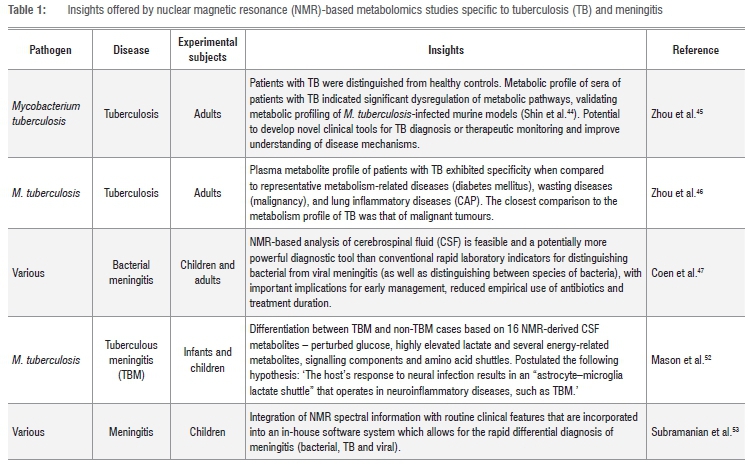
It is expected that at different stages of the M. tuberculosis life cycle - for example, dormancy, latent infection and active disease - there will be a different array of host- and M. tuberculosis-derived metabolites.42Table 1), which has been used successfully to provide insight into the metabolic changes in host response. In a pioneering NMR-based metabolomics pilot study of the CSF of patients with bacterial meningitis, Coen et al.474847495047
A study by Zhou et al.454546 4651
We have recently used a gas chromatography-mass spectrometry (GC-MS) approach to investigate the analytical repeatability of a CSF sample collected from a TBM patient for metabolomics analysis4915253
The most conspicuous outcome of the NMR profiling was the high concentration of lactate in the TBM patients (7.36 mmol/L) relative to the two control groups (1.39 mmol/L and 1.70 mmol/L for the Dutch and South African controls, respectively). This observation has some clinical significance. It has been established5455
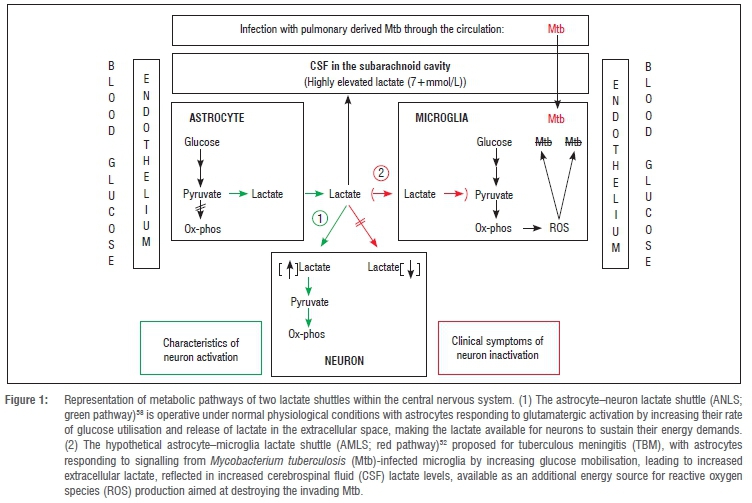
Furthermore, our NMR-profiling results52M. tuberculosis, should advantage the microglia (the native macrophage in the brain) by fulfilling their energy-intensive immune-protective function. This speculation was made against the multi-paradigm background of the current literature and based on: (1) the shift in energy requirements as a result of the neuroinflammatory responses in TBM; (2) the notion that microglia play an important role in the neuropathogenesis of TBM; (3) recognition of the unique metabolic plasticity of cell-cell communication and regulation in CNS metabolism; and (4) the clinical profile on dysfunctional neuron activity seen in TBM. From observations and through inductive reasoning56 52Figure 1.
Briefly, it is postulated that, in TBM, lactate produced through glycolysis in astrocytes participates in the activated immune response and is directed from the neurons preferentially into microglia, where it enters the mitochondrial citric acid cycle, contributing to oxidative phosphorylation and hence producing high levels of adenosine triphosphate (ATP) and formation of reactive oxygen species (ROS) required for M. tuberculosis degradation. ROS, and a multitude of factors produced by the microglia to modulate the functions of surrounding immune cells, are toxic to neurons. Moreover, the unregulated activation of microglia in response to stimulants such as M. tuberculosis propagate neural injury5758
From the preceding overview we highlight the following insights that have transpired from the NMR metabolomics of TB and TBM.
Advantages of NMR technology for clinical applications
(1) Non-invasive sample collection methods are often essential in clinical medicine, for which body fluids such as urine, cord blood and serum/plasma are particularly suited, with NMR spectroscopy providing a cornerstone for their metabolomics investigations. In addition, NMR spectroscopy can work with small sample volumes.
(2) NMR analyses require a minimum of sample pre-preparation and thereby prevent the occurrence of confounding analytical artefacts.
(3) Metabolomics produces large and complex data sets that cannot be interpreted through classic reductionist methods, but require an inductive, open-minded approach, aimed at hypothesis generation, which is philosophically a useful methodological approach in uncharted fields of research.
(4) Clinically, perturbations in metabolism are often difficult to recognise as the phenotypes may show considerable variation; however, NMR technology has provided a proven track record through the identification of inborn errors of metabolism, often already manifesting in neonates.
(5) The unique advantage of metabolomics technology is that it provides a dynamic view of host functional responses in health and disease, and offers early and rapid identification of the status and progress of a disease.
Cost-effectiveness of NMR technology
High-resolution NMR equipment, such as the instrument installed in early 2015 in a collaboration between the Technological Innovation Agency (TIA) and North-West University (NWU), is extremely expensive and requires highly skilled technical and scientific expertise for its operation. However, once an NMR facility has been established, the analytical clinical analysis is relatively inexpensive, costing only a few rands per sample to run. Moreover, the international trend in the market for miniaturisation of NMR instrumentation is well established, and is opening up new areas of study in academic and industrial settings with clear potential and appeal for future clinical practice.59
Systems insights
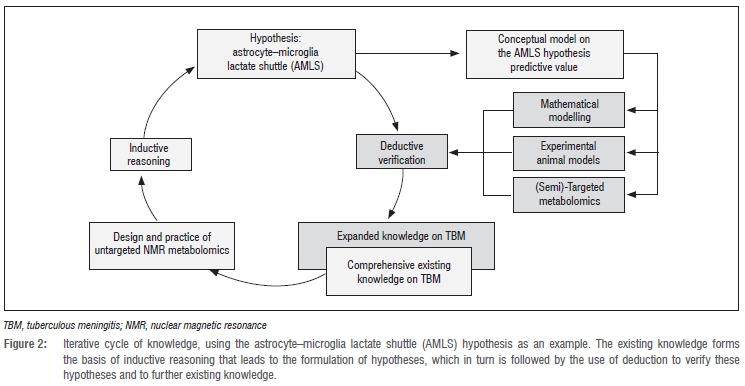
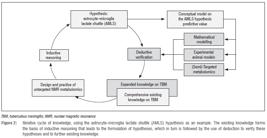
Fields that are data rich but hypothesis poor - prime examples are systems biology and many areas of medicine and clinical practice -are best approached through data-driven, essentially inductive methods. Biological systems are inherently complex; they require an inductive approach to data generation, data analysis and modelling if we are to continue to make strides in our understanding of these phenomena in health and disease. The advent of multidisciplinary interaction between biologists/clinicians, analytical chemists and informaticists/ biostatisticians in developing complex models has ushered in a new era in the mathematics of science, for the first time enabling understanding and prediction of large-scale biological systems; the 'omics' technologies are key in this process by being inductive and exploratory in their very essence. Intrinsic to this process remains the iterative relationship between the realm of ideas/hypotheses/thoughts (= induction) and that of observations/data/information (= deduction), linked in a repetitive cyclic way in which one arc is not simply the reverse of the other, but has methodological characteristics in its own right. We conclude our overview by focusing on this cyclic relationship.
Directives for hypothesis verification
Hypotheses are generalised statements derived from empirical evidence and prior knowledge of existing data, and they need to be verified or refuted by deductive methods (Figure 2). This activity can be represented as a circular process, with inductive reasoning forming one half of the iterative cycle of knowledge, and the second half (deduction) devoted to the aims of testing hypotheses and furthering existing knowledge. This representation highlights the essential nature of exploratory metabolomics investigations, and features three approaches that could be applied for hypothesis testing: (1) computational models, (2) animal models and (3) semi-targeted metabolomics.
Computational modelling
The extreme complexity of intracellular regulatory networks, involving genetic circuits, metabolic regulation and signal transduction, hampers the ability to analyse these functions quantitatively to achieve a holistic understanding of their role in health and disease. Complexity theory has thus become established over the last two decades as a novel discipline directed to such problems in the humanities and natural sciences, and is at present pursued in South Africa at the Centre for Studies in Complexity established in 2009 at Stellenbosch University. Modelling, in its various forms, demands key competencies in studying complexity. Models are used to describe complex systems through computer simulation based on quantitative information on many and key variables that characterise what is being investigated. An example is the computational model we recently developed - using in silico data that capture the unique immunological environment of the brain - which allows us to study the key mechanisms driving TB-linked granuloma formation in time.60M. tuberculosis. It focused on the formation of granulomas whose structure and function may reflect the success or failure of the host to contain infection. We envisage that computational model development, based on NMR data, may be a fruitful approach to use for understanding the dynamics involved in metabolic flux associated with the AMLS hypothesis, thereby permitting greater comprehension of the perturbations following M. tuberculosis infection of the microglia in the meninges.
Experimentation using animal models
Animal models have contributed significantly to knowledge of TB. However, there are certain major differences between humans and other animals in their responses to the disease. It is known that mice, for example, do not form the granulomas seen in humans and most other vertebrates with TB. Such differences caution our interpretations of data from animal models as they apply to human diseases. Nonetheless, animal models are indispensable to TB research and are well established in South African TB research centres.61,62 Until recently, for example, no murine model was available for experimental studies on TBM. We successfully developed a reproducible in vivo murine model to study the inflammatory response in TBM,63M. tuberculosis infection because we observed that bacterial growth of TB in the CNS leads to a typical chronic inflammatory response. Such results indicate that experimental animal studies hold potential for investigating the biological changes in a M. tuberculosis-infected model at the biochemical level - an approach that could be expanded through appropriate knockout models, as has been shown for cryptococcal meningitis.64
Semi-targeted metabolomics
The metabolites present in the CSF represent the actual metabolism of the CNS and the balance between blood and CSF, rendering CSF analysis indispensable in the assessment of neurological disorders. Sampling human CSF is, however, an invasive procedure and ethical and safety constraints limit the availability of such samples for TBM, especially in work with infants and children. Thus, accessing these samples is much more difficult than collecting blood or urine. Metabolomics offers promising options. The use of MS-based metabolomics of plasma from patients suffering from propionic acidemia and methylmalonic acidemia,65 6667
Perspective
Metabolomics studies of complex diseases are still in their infancy, although the volume of NMR- and MS-based metabolomics publications in particular is increasing exponentially.246
Fortunately, the great potential of biotechnology was recognised by the Department of Science and Technology, which enabled the creation of several technological platforms, including the Metabolomics Platform supported by the TIA and hosted by NWU on its Potchefstroom campus. This platform consists of a wide array of gas and liquid chromatography based MS instruments, as well as a 500-MHz NMR spectrometer dedicated to investigations of biofluids and other biological specimens. Furthermore, the contractual agreement between the TIA and NWU stipulates that: '...the Institution [NWU] agrees to have an open policy that encourages use of its facilities by researchers other than those based at the Institution...'. This policy of open access to the Metabolomics Platform aligns with the TIA's objective of stimulating and exploiting technological innovation in order to improve economic growth and the quality of life of all South Africans - a view that we strongly share, with the hope that this review will further promote these far-reaching ambitions.
Authors' contributions
S.M. and R.S. wrote the manuscript. C.J.R. and A.M.v.F. are the South African and Dutch project leaders, respectively, who directed the study and contributed to the writing of the manuscript.
Acknowledgements
Research funding for this project was provided by the Technological Innovation Agency of the Department of Science and Technology of South Africa. S.M. and R.S. are recipients of a Desmond Tutu-NRF-VU doctoral fellowship for a joint PhD study between the Vrije Universiteit in Amsterdam (the Netherlands), and North-West University and Stellenbosch University in South Africa.
References
- 1. Lindon JC, Nicholson JK, Holmes E. The handbook of metabonomics and metabolomics. London: Elsevier Science; 2011.
-
2. Goodacre R. An overflow of... what else but metabolism! Metabolomics. 2010;6:1-2. http://dx.doi.org/10.1007/s11306-010-0201-3
» http://dx.doi.org/10.1007/s11306-010-0201-3 -
3. Rieder HL, Kelly GD, Bloch AB, Cauthen GM, Snider DE. Tuberculosis diagnosed at death in the United States. Chest. 1991;100:678-681. http://dx.doi.org/10.1378/chest.100.3.678
» http://dx.doi.org/10.1378/chest.100.3.678 -
4. Perez-Velez CM, Marais BJ. Tuberculosis in children. New Engl J Med. 2012;367(4):348-361. http://dx.doi.org/10.1056/NEJMra1008049
» http://dx.doi.org/10.1056/NEJMra1008049 -
5. Bhigjee AI, Padayachee R, Paruk H, Hallwirth-Pillay KD, Marais S, Connoly C. Diagnosis of tuberculous meningitis: Clinical and laboratory parameters. Int J Infect Dis. 2007;11:248-254. http://dx.doi.org/10.1016/j.ijid.2006.07.007
» http://dx.doi.org/10.1016/j.ijid.2006.07.007 -
6. Wolzak NK, Cooke ML, Orth H, Van Toorn R. The changing profile of pediatric meningitis at a referral centre in Cape Town, South Africa. J Trop Pediatr. 2012;58(6):491-495. http://dx.doi.org/10.1093/tropej/fms031
» http://dx.doi.org/10.1093/tropej/fms031 -
7. Donald PR, Cotton MF, Hendricks MK, Schaaf HS, De Villiers JN, Willemse TE. Pediatric meningitis in the Western Cape Province of South Africa. J Trop Pediatr. 1996;42:256-261. http://dx.doi.org/10.1093/tropej/42.5.256
» http://dx.doi.org/10.1093/tropej/42.5.256 -
8. Van Rie A, Beyers N, Gie RP Kunneke M, Zietsman L, Donald PR. Childhood tuberculosis in an urban population in South Africa: Burden and risk factor. Arch Dis Child. 1999;80:433-437. http://dx.doi.org/10.1136/adc.80.5.433
» http://dx.doi.org/10.1136/adc.80.5.433 -
9. Thwaites GE, Van Toorn R, Schoeman J. Tuberculous meningitis: More questions, still too few answers. Lancet Neurol. 2013;12:999-1010. http://dx.doi.org/10.1016/S1474-4422(13)70168-6
» http://dx.doi.org/10.1016/S1474-4422(13)70168-6 -
10. Chiang SS, Khan FA, Milstein MB, Tolman AW, Benedetti A, Starke JR, et al. Treatment outcomes of childhood tuberculous meningitis: A systematic review and meta-analysis. Lancet Infect Dis. 2014;14:947-957. http://dx.doi.org/10.1016/S1473-3099(14)70852-7
» http://dx.doi.org/10.1016/S1473-3099(14)70852-7 -
11. Van Toorn R, Solomons R. Update on the diagnosis and management of tuberculous meningitis in children. Semin Pediatr Neurol. 2014;21:12-18. http://dx.doi.org/10.1016/j.spen.2014.01.006
» http://dx.doi.org/10.1016/j.spen.2014.01.006 -
12. Hektoen L. The vascular changes of tuberculous meningitis, especially tuberculous endarteritis. J Exp Med. 1896;1:112-163. http://dx.doi.org/10.1084/jem.1.1.112
» http://dx.doi.org/10.1084/jem.1.1.112 - 13. Rich AR, McCordock HA. The pathogenesis of tuberculous meningitis. Bull Johns Hopkins Hosp. 1933;52:2-37.
-
14. Donald PR, Schaaf HS, Schoeman JF. Tuberculous meningitis and miliary tuberculosis: The Rich focus revisited. J Infect. 2005;50(3):193-195. http://dx.doi.org/10.1016/j.jinf.2004.02.010
» http://dx.doi.org/10.1016/j.jinf.2004.02.010 -
15. Thwaites GE, Schoeman JF. Update on tuberculosis of the central nervous system: Pathogenesis, diagnosis, and treatment. Clin Chest Med. 2009;30(4):745-754. http://dx.doi.org/10.1016/j.ccm.2009.08.018
» http://dx.doi.org/10.1016/j.ccm.2009.08.018 -
16. Janse van Rensburg P, Andronikou S, Van Toorn R, Pienaar M. Magnetic resonance imaging of miliary tuberculosis of the central nervous system in children with tuberculous meningitis. Pediatr Radiol. 2008;38(12):1306-1313. http://dx.doi.org/10.1007/s00247-008-1028-1
» http://dx.doi.org/10.1007/s00247-008-1028-1 -
17. Horsburgh CR Jr, Rubin EJ. Clinical practice. Latent tuberculosis infection in the United States. New Engl J Med. 2011;364(15):1441-1448. http://dx.doi.org/10.1056/NEJMcp1005750
» http://dx.doi.org/10.1056/NEJMcp1005750 -
18. Visser DH, Solomons RS, Ronacher K, Van Well GT, Heymans MW, Walzl G, et al. Host immune response to tuberculous meningitis. Clin Infect Dis. 2014;60(2):177-187. http://dx.doi.org/10.1093/cid/ciu781
» http://dx.doi.org/10.1093/cid/ciu781 -
19. Kashyap RS, Deshpande PS, Ramteke SR, Panchbhai MS, Purohit HJ, Taori GM, et al. Changes in cerebrospinal fluid cytokine expression in tuberculous meningitis patients with treatment. Neuroimmunomodulation. 2010;17:333-339. http://dx.doi.org/10.1159/000292023
» http://dx.doi.org/10.1159/000292023 -
20. Patel VB, Singh R, Connolly C, Kasprowicz V Ndung'u T, Dheda K. Comparative utility of cytokine levels and quantitative RD-1-specific T cell responses for rapid immunodiagnosis of tuberculous meningitis. J Clin Microbiol. 2011;49(11):3971-3976. http://dx.doi.org/10.1128/JCM.01128-11
» http://dx.doi.org/10.1128/JCM.01128-11 -
21. Donald PR, Schoeman JF, Beyers N, Nel ED, Carlini SM, Olsen KD, et al. Concentrations of interferon γ, tumor necrosis factor α, and interleukin-1 /3 in the cerebrospinal fluid of children treated for tuberculous meningitis. Clin Infect Dis. 1995;21(4):924-929. http://dx.doi.org/10.1093/clinids/21.4.924
» http://dx.doi.org/10.1093/clinids/21.4.924 -
22. Schoeman JF, Wait J, Burger M, Van Zyl F, Fertig G, Janse van Rensburg A, et al. Long-term follow-up of childhood tuberculous meningitis. Dev Med Child Neurol. 2002;44(8):522-526. http://dx.doi.org/10.1111/j.1469-8749.2002.tb00323.x
» http://dx.doi.org/10.1111/j.1469-8749.2002.tb00323.x -
23. Van Well GT, Paes BF, Terwee CB, Springer P Roord JJ, Donald PR, et al. Twenty years of pediatric tuberculous meningitis: A retrospective cohort study in the Western Cape of South Africa. Pediatrics. 2009;123(1):e1-e8. http://dx.doi.org/10.1542/peds.2008-1353
» http://dx.doi.org/10.1542/peds.2008-1353 -
24. Seddon JA, Visser DH, Bartens M, Jordaan AM, Victor TC, Van Furth AM, et al. Impact of drug resistance on clinical outcome in children with tuberculous meningitis. Pediatr Infect Dis J. 2012;31(7):711-716. http://dx.doi.org/10.1097/INF.0b013e318253acf8
» http://dx.doi.org/10.1097/INF.0b013e318253acf8 -
25. Van Toorn R, Schaaf HS, Laubscher JA, Van Elsland SL, Donald PR, Schoeman JF. Short intensified treatment in children with drug-susceptible tuberculous meningitis. Pediatr Infect Dis J. 2014;33(3):248-252. http://dx.doi.org/10.1097/INF.0000000000000065
» http://dx.doi.org/10.1097/INF.0000000000000065 - 26. Van Toorn R, Springer P Laubscher JA, Schoeman JF. Value of different staging systems for predicting neurological outcome in childhood tuberculous meningitis. Int J Tuberc Lung Dis. 2012;16(5):628-632.
- 27. British Medical Research Council. Streptomycin treatment of tuberculous meningitis. Br Med J. 1948;1(6503):582-596.
-
28. Thwaites G, Fisher M, Hemingway C, Scott G, Solomon T, Innes J. British Infection Society guidelines for the diagnosis of tuberculosis of the central nervous system in adults and children. J Infect. 2009;59:167-187. http://dx.doi.org/10.1016/j.jinf.2009.06.011
» http://dx.doi.org/10.1016/j.jinf.2009.06.011 -
29. Marais S, Thwaites G, Schoeman JF, Török ME, Misra UK, Prasad K, et al. Tuberculous meningitis: A uniform case definition for use in clinical research. Lancet Infect Dis. 2010;10(11):803-812. http://dx.doi.org/10.1016/S1473-3099(10)70138-9
» http://dx.doi.org/10.1016/S1473-3099(10)70138-9 -
30. Huy NT, Thao NT, Diep DT, Kikuchi M, Zamora J, Hirayama K. Cerebrospinal fluid lactate concentration to distinguish bacterial from aseptic meningitis: A systemic review and meta-analysis. Crit Care. 2010;14(6), R240, 15 pages. http://dx.doi.org/10.1186/cc9395
» http://dx.doi.org/10.1186/cc9395 -
31. Thwaites GE, Simmons CP Than Ha Quyen N, Thi Hong Chau N, Phuong Mai P Thi Dung N, et al. Pathophysiology and prognosis in Vietnamese adults with tuberculous meningitis. J Infect Dis. 2003;188:1105-1115. http://dx.doi.org/10.1086/378642
» http://dx.doi.org/10.1086/378642 -
32. Thwaites GE. Advances in the diagnosis and treatment of tuberculous meningitis. Curr Opin Neurol. 2013;26(3):295-300. http://dx.doi.org/10.1097/WCO.0b013e3283602814
» http://dx.doi.org/10.1097/WCO.0b013e3283602814 -
33. Dunn WB, Ellis DI. Metabolomics: Current analytical platforms and methodologies. Trends Anal Chem. 2005;24(4):285-294. http://dx.doi.org/10.1016/j.trac.2004.11.021
» http://dx.doi.org/10.1016/j.trac.2004.11.021 - 34. Kell DB, Oliver SG. Here is the evidence, now where is the hypothesis? The complementary roles of inductive hypothesis-driven science in the post-genomics era. BioEssays. 2003;66:99-105.
-
35. Duarte IF, Diaz SO, Gil AM. NMR metabolomics of human blood and urine in disease research. J Pharm Biomed Anal. 2014;93:17-26. http://dx.doi.org/10.1016/j.jpba.2013.09.025
» http://dx.doi.org/10.1016/j.jpba.2013.09.025 -
36. Wang Y Utzinger J, Saric J, Li JV Burckhardt J, Dirnhofer S, et al. Global metabolic responses of mice to Trypanosoma brucei brucei infection. Proc Natl Acad Sci USA. 2008;105(16):6127-6132. http://dx.doi.org/10.1073/pnas.0801777105
» http://dx.doi.org/10.1073/pnas.0801777105 -
37. Wang Y Holmes E, Nicholson JK, Cloarec O, Chollet J, Tanner M, et al. Metabonomic investigations in mice infected with Schistosoma mansoni: An approach for biomarker identification. Proc Natl Acad Sci USA. 2004;101(34):12676-12681. http://dx.doi.org/10.1073/pnas.0404878101
» http://dx.doi.org/10.1073/pnas.0404878101 -
38. Li JV Wang Y Saric J, Nicholson JK, Dirnhofer S, Singer BH, et al. Global metabolic responses of NMRI mice to an experimental Plasmodium berghei infection. J Proteome Res. 2008;7(9):3948-3956. http://dx.doi.org/10.1021/pr800209d
» http://dx.doi.org/10.1021/pr800209d -
39. Gupta N, Goyal N, Singha UK, Bhakuni V Roy R, Rastogi AK. Characterization of intracellular metabolites of axenic amastigotes of Leishmania donovani by 1H NMR spectroscopy. Acta Trop. 1999;73(2):121-133. http://dx.doi.org/10.1016/S0001-706X(99)00020-0
» http://dx.doi.org/10.1016/S0001-706X(99)00020-0 -
40. Slupsky CM, Rankin KN, Fu H, Chang D, Rowe BH, Charles PG, et al. Pneumococcal pneumonia: Potential for diagnosis through a urinary metabolic profile. J Proteome Res. 2009;8(12):5550-5558. http://dx.doi.org/10.1021/pr9006427
» http://dx.doi.org/10.1021/pr9006427 -
41. Hewer R, Vorster J, Steffens FE, Meyer D. Applying biofluid 1H NMR-based metabonomic techniques to distinguish between HIV-1 positive/AIDS patients on antiretroviral treatment and HIV-1 negative individuals. J Pharm Biomed Anal. 2006;41(4):1442-1446. http://dx.doi.org/10.1016/j.jpba.2006.03.006
» http://dx.doi.org/10.1016/j.jpba.2006.03.006 -
42. Parida SK, Kaufmann SHE. The quest for biomarkers in tuberculosis. Drug Discov Today. 2010;15(3/4):148-157. http://dx.doi.org/10.1016/j.drudis.2009.10.005
» http://dx.doi.org/10.1016/j.drudis.2009.10.005 -
43. Godreuil S, Tazi L, Banuls AL. Pulmonary tuberculosis and mycobacterium tuberculosis: modern molecular epidemiology and perspectives. In: Tibayrenc M, editor. Encyclopedia of infectious diseases: Modern methodologies. Hoboken, NJ: John Wiley & Sons; 2007. http://dx.doi.org/10.1002/9780470114209.ch1
» http://dx.doi.org/10.1002/9780470114209.ch1 -
44. Shin JH, Yang JY Jeon BY Yoon YJ, Cho SN, Kang YH, et al. 1H NMR-based metabolomic profiling in mice infected with Mycobacterium tibercilosis. J Proteome Res. 2011;10(5):2238-2247. http://dx.doi.org/10.1021/pr101054m
» http://dx.doi.org/10.1021/pr101054m -
45. Zhou A, Ni J, Xu Z, Wang Y Lu S, Sha W, et al. Application of 1H NMR spectroscopy-based metabolomics to sera of tuberculosis patients. J Proteome Res. 2013;12(10):4642-l649. http://dx.doi.org/10.1021/pr4007359
» http://dx.doi.org/10.1021/pr4007359 -
46. Zhou A, Ni J, Xu Z, Wang Y Zhang W, Wu W, et al. Metabolomics specificity of tuberculosis plasma revealed by 1H NMR spectroscopy. Tuberculosis. 2015;95:294-302. http://dx.doi.org/10.1016/j.tube.2015.02.038
» http://dx.doi.org/10.1016/j.tube.2015.02.038 -
47. Coen M, O'Sullivan M, Bubb WA, Kuchel PW, Sorrell T. Proton nuclear magnetic resonance-based metabonomics for rapid diagnosis of meningitis and ventriculitis. Clin Infect Dis. 2005;41(11):1582-1590. http://dx.doi.org/10.1086/497836
» http://dx.doi.org/10.1086/497836 -
48. Qureshi GA, Baig SM, Bednar I, Halawa A, Parvez SH. The neurochemical markers in cerebrospinal fluid to differentiate between aseptic and tuberculous meningitis. Neurochem Int. 1998;32:197-203. http://dx.doi.org/10.1016/S0197-0186(97)00061-2
» http://dx.doi.org/10.1016/S0197-0186(97)00061-2 -
49. Mason S, Moutloatse GP, Van Furth AM, Solomons R, Van Reenen M, Reinecke CJ, et al. KEMREP: A new qualitative method for the assessment of an analyst's ability to generate a metabolomics data matrix by gas chromatography- mass spectrometry. Curr Metabolomics. 2014;2(1):15-26. http://dx.doi.org/10.2174/2213235X02666140115214427
» http://dx.doi.org/10.2174/2213235X02666140115214427 -
50. Du Preez I, Loots DT. New sputum metabolite markers implicating adaptations of the host to Mycobacterium tuberculosis, and vice versa. Tuberculosis. 2013;93:330-337. http://dx.doi.org/10.1016/j.tube.2013.02.008
» http://dx.doi.org/10.1016/j.tube.2013.02.008 -
51. Halouska S, Chacon O, Fenton RJ, Zinniel DK, Barletta RG, Powers R. Use of NMR metabolomics to analyze the targets of D-cycloserine in mycobacteria: Role of D-alanine racemase. J Proteome Res. 2007;6(12):4608-4614. http://dx.doi.org/10.1021/pr0704332
» http://dx.doi.org/10.1021/pr0704332 -
52. Mason S, Van Furth AM, Mienie LJ, Engelke UFH, Wevers RA, Solomons R, et al. A hypothetical astrocyte-microglia lactate shuttle derived from a 1H NMR metabolomics analysis of cerebrospinal fluid from a cohort of South African children with tuberculous meningitis. Metabolomics. 2015;11:822-837. http://dx.doi.org/10.1007/s11306-014-0741-z
» http://dx.doi.org/10.1007/s11306-014-0741-z -
53. Subramanian A, Gupta A, Saxena S, Gupta A, Kumar R, Nigam A, et al. Proton MR CSF analysis and a new software as predictors of the differentiation of meningitis in children. NMR Biomed. 2005;18:213-225. http://dx.doi.org/10.1002/nbm.944
» http://dx.doi.org/10.1002/nbm.944 -
54. Cunha BA. Distinguishing bacterial from viral meningitis: The critical importance of the CSF lactic acid levels. Intensive Care Med. 2006;32(8):1272-1273. http://dx.doi.org/10.1007/s00134-006-0210-x
» http://dx.doi.org/10.1007/s00134-006-0210-x -
55. Genton B, Berger JP. Cerebrospinal fluid lactate in 78 cases of adult meningitis. Intensive Care Med. 1990;16(3):196-200. http://dx.doi.org/10.1007/BF01724802
» http://dx.doi.org/10.1007/BF01724802 -
56. Goodacre R, Vaidyanathan S, Dunn WB, Harrigan GG, Kell DB. Metabolomics by numbers: Acquiring and understanding global metabolite data. Trends Biotechnol. 2004;22:245-252. http://dx.doi.org/10.1016/j.tibtech.2004.03.007
» http://dx.doi.org/10.1016/j.tibtech.2004.03.007 -
57. Block ML, Hong JS. Microglia and inflammation-mediated neurodegeneration: Multiple triggers with a common mechanism. Prog Neurobiol. 2005;76:77-98. http://dx.doi.org/10.1016/j.pneurobio.2005.06.004
» http://dx.doi.org/10.1016/j.pneurobio.2005.06.004 -
58. Pellerin L, Pellegri G, Bittar PG, Charnay Y Bouras C, Martin JL, et al. Evidence supporting the existence of an activity-dependent astrocyte-neuron lactate shuttle. Dev Neurosci. 1998;20:291-299. http://dx.doi.org/10.1159/000017324
» http://dx.doi.org/10.1159/000017324 -
59. Lee H, Sun E, Ham D, Weissleder R. Chip-NMR biosensor for detection and molecular analysis of cells. Nat Med. 2008;14:869-874. http://dx.doi.org/10.1038/nm.1711
» http://dx.doi.org/10.1038/nm.1711 -
60. El-Kebir M, Van der Kuip M, Van Furth AM, Kirschner DE. Computational modeling of tuberculous meningitis reveals an important role for tumor necrosis factor-α. J Theor Biol. 2013;328:43-53. http://dx.doi.org/10.1016/j.jtbi.2013.03.008
» http://dx.doi.org/10.1016/j.jtbi.2013.03.008 -
61. De Souza GA, Fortuin S, Aguilar D, Pando RH, McEvoy CR, Van Helden PD, et al. Using a label-free proteomics method to identify differentially abundant proteins in closely related hypo- and hypervirulent clinical Mycobacterium tuberculosis Beijing isolates. Mol Cell Proteomics. 2010;9(11):2414-2423. http://dx.doi.org/10.1074/mcp.M900422-MCP200
» http://dx.doi.org/10.1074/mcp.M900422-MCP200 -
62. Drennan MB, Nicolle D, Quesniaux VJ, Jacobs M, Allie N, Mpagi J, et al. Toll-like receptor 2-deficient mice succumb to Mycobacterium tuberculosis infection. Am J Pathol. 2004;164(1):49-57. http://dx.doi.org/10.1016/S0002-9440(10)63095-7
» http://dx.doi.org/10.1016/S0002-9440(10)63095-7 -
63. Van Well GTJ, Wieland CW, Florquin S, Roord JJ, Van der Poll T, Van Furth AM. A new murine model to study the pathogenesis of tuberculous meningitis. J Infect Dis. 2007;195:694-697. http://dx.doi.org/10.1086/511273
» http://dx.doi.org/10.1086/511273 -
64. Lee A, Toffaletti DL, Tenor J, Soderblom EJ, Thompson JW, Moseley MA, et al. Survival defects of Cryptococcus neoformans mutants exposed to human cerebrospinal fluid result in attenuated virulence in an experimental model of meningitis. Infect Immun. 2010;78(10):4213-4225. http://dx.doi.org/10.1128/IAI.00551-10
» http://dx.doi.org/10.1128/IAI.00551-10 -
65. Wikoff WR, Gangoiti JA, Barshop BA, Siuzdak G. Metabolomics identifies perturbations in human disorders of propionate metabolism. Clin Chem. 2007;53:2169-2176. http://dx.doi.org/10.1373/clinchem.2007.089011
» http://dx.doi.org/10.1373/clinchem.2007.089011 -
66. Reinecke CJ, Koekemoer G, Van der Westhuizen FH, Louw R, Lindeque JZ, Mienie LJ, et al. Metabolomics of urinary organic acids in respiratory chain deficiencies in children. Metabolomics. 2012;8(2):264-283. http://dx.doi.org/10.1007/s11306-011-0309-0
» http://dx.doi.org/10.1007/s11306-011-0309-0 -
67. Dercksen M, Duran M, Ijlst L, Mienie LJ, Reinecke CJ, Ruiter JPN, et al. Clinical variability of isovaleric acidemia in a genetically homogeneous population. J Inherit Metab Dis. 2012;35(6):1021-1029. http://dx.doi.org/10.1007/s10545-012-9457-2
» http://dx.doi.org/10.1007/s10545-012-9457-2
Carolus Reinecke
Centre for Human Metabonomics, Faculty of Natural Sciences
Private Bag X6001, Potchefstroom 2531. South Africa

Revised: 03 Aug. 2015
Accepted: 31 Oct. 2015