Occupational therapy support methods valued by parents of children with sensory integration difficulties
INTRODUCTION: There are various stressors associated with parenting a child with sensory integration difficulties and although family-centered practice is essential in paediatric occupational therapy, there is limited research focused on the needs of the parent. This study aimed to identify what therapist-parent support methods are valued by South African parents of children with sensory integration difficulties METHODOLOGY: A non-experimental cross-sectional descriptive study was conducted. A self-administered online survey was completed by 103 South African parents living in Gauteng province whose children attended occupational therapy for sensory integration difficulties RESULTS: Most parents (62.14%) reported that they were 'very satisfied' with the support they receive from their child's occupational therapist. The most common therapist-parent support currently in place included electronic communication (72,82%), followed by therapy 'homework' (66,99%) and verbal feedback (65.05%) after therapy sessions. The least utilised support included parent support groups (0.97%), parent education seminars (1.94%) and home visits (1.94%). Support methods that were rated the most helpful by participants included parent-therapist consultations or feedback meetings (69.90%), formal reports (62.75%) and electronic communication (60.78% CONCLUSION: This paper outlines the importance of using multi-component parent support methods in the context of family-centered care, and presents factors which can guide South African occupational therapists in their selection thereof IMPLICATIONS FOR PRACTICE: •Occupational therapists working with children with sensory integration difficulties should use multi-component support methods to support parents throughout the therapy process. •This study provides a comprehensive list of parental support methods that therapists can use when treating children with sensory integration difficulties. •Consideration should be given to context and parental preferences when selecting and implementing methods.
family-centered practice; ayres sensory integration; parent-therapist support
Occupational therapy support methods valued by parents of children with sensory integration difficulties
Stefanie Pyne-James; Marica Botha
Department of Occupational Therapy, University of the Witwatersrand, Khanya Block, Wits Education Campus, Parktown, Johannesburg, South Africa. https://orcid.org/0009-0008-4381-9493; https://orcid.org/0000-0002-6607-186X
ABSTRACTINTRODUCTION: There are various stressors associated with parenting a child with sensory integration difficulties and although family-centered practice is essential in paediatric occupational therapy, there is limited research focused on the needs of the parent. This study aimed to identify what therapist-parent support methods are valued by South African parents of children with sensory integration difficulties
METHODOLOGY: A non-experimental cross-sectional descriptive study was conducted. A self-administered online survey was completed by 103 South African parents living in Gauteng province whose children attended occupational therapy for sensory integration difficulties
RESULTS: Most parents (62.14%) reported that they were 'very satisfied' with the support they receive from their child's occupational therapist. The most common therapist-parent support currently in place included electronic communication (72,82%), followed by therapy 'homework' (66,99%) and verbal feedback (65.05%) after therapy sessions. The least utilised support included parent support groups (0.97%), parent education seminars (1.94%) and home visits (1.94%). Support methods that were rated the most helpful by participants included parent-therapist consultations or feedback meetings (69.90%), formal reports (62.75%) and electronic communication (60.78%
CONCLUSION: This paper outlines the importance of using multi-component parent support methods in the context of family-centered care, and presents factors which can guide South African occupational therapists in their selection thereof
IMPLICATIONS FOR PRACTICE:
•Occupational therapists working with children with sensory integration difficulties should use multi-component support methods to support parents throughout the therapy process.
•This study provides a comprehensive list of parental support methods that therapists can use when treating children with sensory integration difficulties.
•Consideration should be given to context and parental preferences when selecting and implementing methods.
Keywords: family-centered practice; ayres sensory integration; parent-therapist support
INTRODUCTION AND LITERATURE REVIEW
Parenting a child with sensory integration difficulties
The integration of sensory information from sight, smell, taste, touch, vestibular and proprioceptive senses is considered an essential aspect of typical development. When these senses are adequately filtered, processed and integrated, a child can interact meaningfully with their environment1234
Studies in the United States estimate that around 5% to 5.3% of typically developing children meet the criteria for having a sensory integration disorder3,5. The prevalence of sensory integration difficulties in children with disabilities is as high as 88% in other countries. Lecuona et al.67,8,9,10. The most prevalent is the incidence of sensory integration difficulties and autism spectrum disorder (ASD), which ranges from 80% to 96%11,12. The prevalence of Autism and sensory integration difficulties in South Africa is not well known, with significant delays in early detection due to long waiting times for assessments within the public health system13
The occupational performance and behavioural challenges associated with sensory integration difficulties can place increased stress on parents and caregivers. Therefore, family-centered practice is essential throughout the therapy process1413,15. Therefore, the need to provide accessible, cost-effective and family-centered occupational therapy practice within this context is essential.
Ayres Sensory Integration®
Occupational therapists can employ diverse approaches to address sensory integration difficulties. When a child is referred, the occupational therapist should begin with an assessment, and their role is to use standardised and non-standardised assessment tools to understand the underlying factors of the child's presenting difficulties and how they impact the child's participation and behaviour4,9. The most frequently requested, valued and used assessment and intervention frame of reference for children with Autism and sensory integration difficulties is Ayres Sensory Integration® (ASI®)1216,17. This training in ASI® is advantageous in equipping therapists with these assessment and clinical reasoning skills to determine the most suitable treatment plan18
The treatment principles of ASI® encourage intervention planning to be family-centered through collaboration with key stakeholders in the child's life, including teachers and caregivers1612,19. This treatment approach has been trademarked to help distinguish it from other interventions which draw on some of the same principles; however, do not adhere to all the core principles and the fidelity measure. This trademarking was done to protect the integrity of the research that has examined and continues to examine its effectiveness16
Although there are various online resources related to ASI® intervention, it can be difficult for parents to know which information is evidence-based and appropriate for their child. A recent stride in ASI® and parent support was a parent guidebook for occupational therapy using ASI®, which was developed in 20221212
Although ASI® does highlight the importance of parental support and involvement, occupational therapists should still consider the implementation of multi-component interventions to support families based on their needs. Therapist-parent support includes a variety of interventions that are carried out by the occupational therapist to promote family-centered care. Family-centered care should be prioritised when working with children. It involves inviting and sharing information, shared decision making and family collaboration and is described by Delany & Galvin204
Parent-focused research and interventions
Most of the research on children with sensory integration difficulties has focused on the child's needs and not the parents41421,22.
In their systematic review examining parent education and coaching to support participation in children with sensory integration challenges, Miller-Kuhaneck and Watling144
The need for parental support for children with sensory integration difficulties has been documented by various authors and is not only limited to children with a comorbid diagnosis12,16. Studies included in the reviews mentioned above were limited to parents of children with sensory integration difficulties and comorbid Autism. This does not consider the unique challenges of a larger parental cohort, namely those whose children have sensory integration difficulties without comorbid Autism. These reviews also did not have sufficient evidence to prescribe a manual or fidelity of the most effective multi-component parent support methods, with regard to duration, dosage and delivery method4
The benefits of parent-focused interventions can include improved parental knowledge, improved therapy progress, reduction of parental stress, parental feelings of competence and self-efficiency, as well as improved parent-child interactions and understanding of their child4,14,22. Despite the many benefits, parent-focused interventions are described as underused in the context of sensory integration difficulties42314
The objectives of this study were all focused on parents of children who attend occupational therapy for sensory integration difficulties. The objectives were to identify: 1) which therapist-parent support methods are currently in place, 2) the current level of satisfaction with the therapist-parent support methods in place and 3) the methods of therapist-parent support that are valued by parents.
METHODS
Research design
The study was a quantitative, non-experimental cross-sectional descriptive study24
Research population
The study population consisted of parents of children between 12 months and 8 years of age who attended a regular (at least once a month) occupational therapy intervention with a certified ASI® therapist due to sensory integration difficulties or a diagnosed sensory integrative dysfunction. The child could have received therapy in a private practice, a private school or a public-school setting for a minimum of three months. However, parents of children receiving occupational therapy from the Department of Health or outside of the Gauteng province, were excluded from participation in the study due to time constraints and the scope of the study which limited the possibilities of securing the permissions needed to access participants. Parents of children with comorbid diagnoses such as Autism, ADHD, Dyslexia or Cerebral Palsy were eligible to participate in the study if they met all other inclusion criteria noted above.
The research sampling method was non-probability sampling, namely convenience sampling and snowball sampling2518
Research tool
The research data collection tool was a survey compiled by the principal investigator (See Appendix A). The first section of the survey gathered demographic information relating to the child and their occupational therapy attendance. Thereafter, the participants were asked to select the support methods which were currently available to them as parents and to rate their helpfulness or perceived helpfulness. For the questions relating to their perceptions and attitudes towards different support methods, and levels of parental satisfaction, the survey used a Likert-type scaling for the answering of questions, which is a valid measure of latent constructs262727,28. The survey was administered in the Research Electronic Data Capture (REDCap) online software.
Data collection
As mentioned above, therapists with a SASI® C2 level requirement or above were recruited to assisted with distribution of the survey to potential participants. To recruit therapists working within private practice settings the researcher contacted the South African Institute for Sensory Integration (SAISI) to assist with sending information to Gauteng-based therapists via their mailing list. The researcher also contacted ASI® aligned therapists listed on the SAISI online directory, as well as therapists known to the researcher to request assistance with distribution of the survey. Therapists were given a detailed information sheet regarding the research process and their willingness to distribute the survey constituted their consent. To recruit therapists working in government schools, the researcher selected school with ASI-informed therapists on staff and requested approval from the Gauteng Department of Education for these sites. After gaining permission from the principal and School Governing Body (SGB), the researcher was put in contact with the occupational therapist to share further information and request assistance with distribution of the survey.
Each therapist who agreed to distribute the online survey received a standard set of instructions that described the inclusion and exclusion criteria to guide them in selecting parents to send the survey link to. The survey link was then shared electronically for distribution to prospective participants. To ensure objectivity during the data collection process, the researcher did not distribute the survey to parents of their own clients, the survey results were anonymous and were returned directly to the researcher. The researcher asked the recruited therapists to note the number of parents to whom they distributed the survey to calculate the survey response rate.
Data set and analysis
Of the 43 therapists who agreed to help with distribution of the survey, 11 did not respond to follow-up communication or were unable to share the survey. Four of the therapists confirmed that they distributed the survey but were unable to give the exact number of parents they shared it with. The remaining 28 therapists confirmed that they shared the survey with a total of 285 parents. A total of 106 responses were received and, therefore, the maximum response rate was estimated at 37.19%. Three survey responses were excluded from the study as they did not meet the stipulated inclusion criteria. Therefore, the final data set was 103 surveys. If a survey response omitted some questions, the completed responses were included in the analysis, with the percentages adjusted accordingly. Descriptive statistics and demographic information were compiled and converted into tables and graphs for analysis using Microsoft Excel's statistical functions. Responses to the few open-ended questions were noted and included in the discussion where relevant.
Ethical considerations
Ethical clearance for this study was obtained from the University of the Witwatersrand Human Research Ethics Committee (Medical) (clearance number: M22/09/10). Permission to conduct the study was obtained from the Gauteng Department of Education and relevant participating schools. A Therapist Information Form was given to the therapists who agreed to assist with distribution of the study. Participants received an information sheet outlining the purpose of the study, and informed consent was obtained electronically prior to participation. Participation was voluntary, and participants were informed of their right to withdraw at any stage without negative consequences. Confidentiality was ensured through anonymous survey responses, and all data were stored securely on password-protected systems accessible only to the researcher. Data will be retained for 10 years post-publication in accordance with SAJOT data availability requirements. Completion of the survey had no risks.
RESULTS
Participant demographics
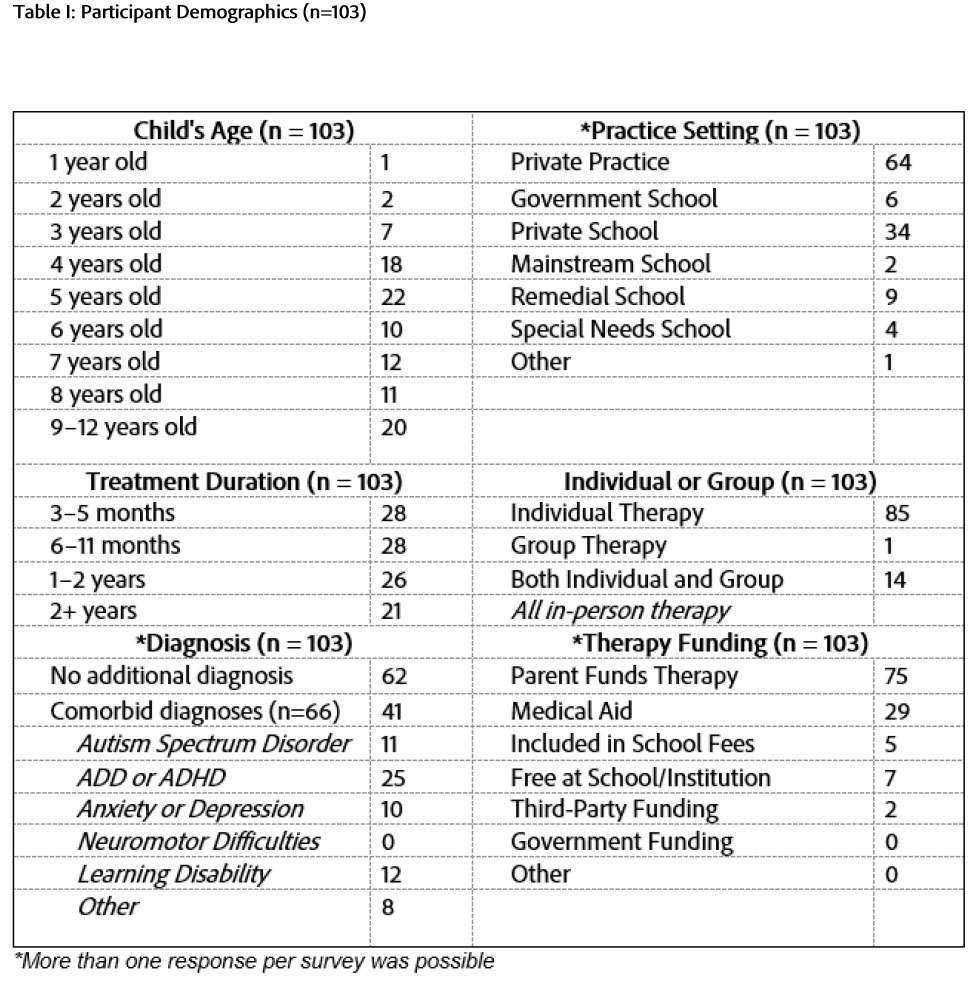
The demographics of the participants have been summarised in Table I (below). The ages of the children whose parents participated in the study varied. Of a total of 103 responses, the most common ages were five years (21.36%), nine to twelve years (19.42%) and four years (17.48%). The duration of different treatments ranged from three months to more than two years of therapy. Of the children with sensory integration difficulties, 62 (60.19%) did not have an additional co-morbid diagnosis. Other diagnoses represented in the sample included ADD or ADHD (24.27%), Autism (10.68%), anxiety or depression (9.71%) and learning disabilities (11.65%). Other diagnoses included congenital rubella syndrome, Torticolous, Kleefstra syndrome, dyspraxia, epilepsy, Down syndrome and Duchenne muscular dystrophy. All children attended in-person therapy sessions with the majority (82.52%) attending individual sessions only, while 13.59% of the children attended both group and individual therapy. Various therapy settings and funding avenues were represented; however, the majority were seen in private practice settings (62.14%) and their therapy was mostly funded by parents themselves (72.82%) and medical aid funds (28.16%). For both practice setting and therapy funding, participants were able to select multiple applicable options.
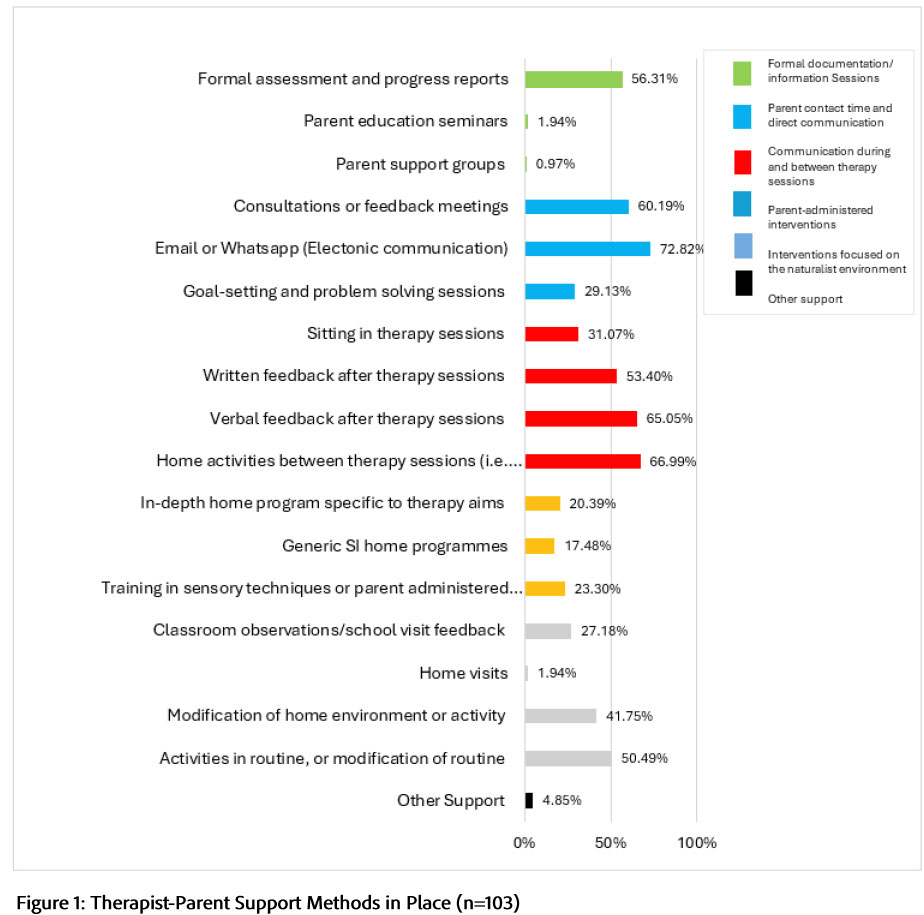
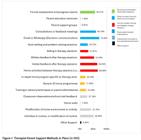
In the survey, participants were asked to select which parent support methods were available to them, with or without an additional charge. Figure 1 (above) shows that the highest frequency of therapist-parent support currently in place included electronic communication (72,82%), followed by suggestions for homework activities after sessions (66,99%) and verbal feedback after therapy sessions (65.05%). The lowest frequency of therapist-parent support methods in place included parent support groups (0.97%), parent education seminars (1.94%) and home visits (1.94%). "Other" support methods identified by the participants included: therapist-teacher communication, online videos (3,88%) and the use of a mobile application (which would qualify as electronic communication).
Parental satisfaction with therapist-parent support
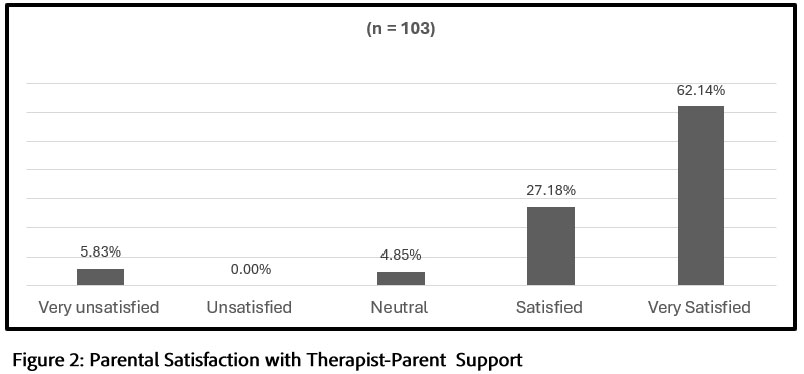
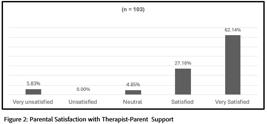
As shown in Figure 2 (below), most parents reported being 'very satisfied' with the support they receive from their child's occupational therapist (62.14%). There were also 27.18% of parents who reported being 'satisfied', 4.85% were 'neutral' and 5.83% were 'very unsatisfied' with the support they receive from their child's occupational therapist. The open-ended questions answered in the survey, related to the therapist-parent support, were mostly very positive. For example:
'...our support is incredibly comprehensive'
'...my OT is on the ball and on top of everything'
'...so far, she is going the extra mile for my son'
'...our therapist is an angel sent from heaven who goes above and beyond'
'I receive more than expected support and information from my child's therapist'
Parental value placed on therapist-parent support methods
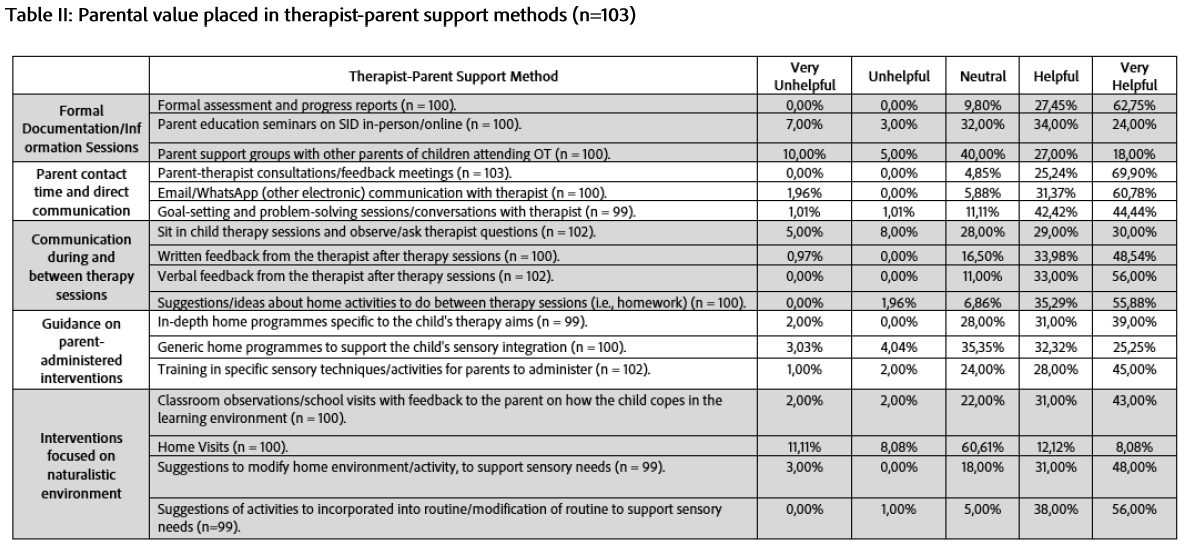
Each participant was asked to rate the helpfulness or perceived helpfulness of each of the therapist-parent support methods on a five-point Likert scale, and the results are summarised in Table II (below). The support methods that received the highest percentage of 'very helpful' ratings included parent-therapist consultations or feedback meetings (69.90%), formal assessment and progress reports (62.75%) and electronic communication with the child's therapist (60.78%). Additionally, routine activities or routine modifications were positively rated by participants, with 94% of them rating this support as either 'very helpful' (56%) or 'helpful' (38%). Routine activities or routine modifications were preferred over environmental or activity modifications, and feedback related to school or classroom visits within the category of 'interventions focused on the naturalistic environment'. Supports related to parent contact time and direct communication had positive results, overall.
Support methods with the highest 'neutral' rating included home visits (60.81%), parent support groups (40%) and generic home programmes (35.35%). Participants preferred home programmes and training sensory techniques that were specific to their child's needs. Support methods that received the highest 'very unhelpful' ratings included home visits (11.11%), parent support groups (10%) and parent education seminars (7.0%). 'Sitting in their child's therapy sessions' received mixed feedback. This support method was rated as 'very unhelpful' by 5% of the participants, 'unhelpful' by 8% of the participants and 28% of the participants gave a 'neutral' response. Compared to other supports within the 'communication during and between therapy sessions', written feedback, verbal feedback or homework suggestions were preferred.
Participants were given the opportunity to share additional helpful support methods that they had received from their therapists, as well as additional support that they would find helpful with an open-ended survey question. Some additional support indicated as being valuable to parents included receiving electronic communication with pictures or videos, the use of mobile therapy applications, book recommendations, referrals to other health professionals, multi-disciplinary communication, helping with homework, product suggestions and informal discussions. Some parents expressed the need for monthly or termly status updates and home programmes, more frequent progress reports, parent-focused sessions, parenting advice and tips and more frequent homework activities.
DISCUSSION
Parental satisfaction with therapist-parent support
In this study, most participants were satisfied with the support received from their child's occupational therapist. This mirrors the findings of another South African qualitative study that explored the facilitators and barriers experienced by parents with regards to sensory integration occupational therapy23
Parental satisfaction may not only be associated with providing support and parental upskilling293230,33. Pragmatic issues, such as high staff turnover, inconsistency of therapy and limited therapist availability can also negatively impact the parent-therapist relationship30
While a strong therapist-parent relationship can be a means to empower parents in their occupation of parenting, the above highlights the complexity of factors which may impact parental satisfaction3234
Formal documentation and information sessions:
The support methods used in paediatric occupational therapy were grouped into five broad categories to facilitate discussion.
Formal report writing is a means of communicating assessment findings to relevant stakeholders and is a vital component of recordkeeping and accountability353635,36. When written well, reports can be an effective platform for sharing information and family engagement3536
Although parents value formal reports or progress reports, within this study, only 56.31% of parents had this support method in place. Both occupational therapists and speech therapists have questioned the usefulness of reports, finding report writing to be a non-preferred component of their job35373631
In comparison, the other two support methods that fall into this category were rarely accessible to parents in the study, namely education seminars (1.94%) and parent support groups (0.97%). The benefits of web-based parent education programmes have included a reduction in travel time, costs and the need for child-care arrangements12,38. Information sessions which help parents to reframe and understand their child have been beneficial in helping to shift parental expectations, validating parental feelings and increased feelings of empowerment to support and advocate for their child's needs144
Informal and formal forms of social support have been associated with improved parental and child well-being232322
It is possible that parents are not exposed to the benefits of education seminars and support groups. Alternatively, these strategies are just not as valuable to South African parents of children with sensory integration difficulties as they are in other communities or countries. As these methods can be cost and time effective, more research on their efficacy within a South African context would be beneficial.
Parent contact time and direction communication
Regular parent meetings from the outset of therapy are a possible avenue that may increase parental understanding and engagement. The use of verbal consultations to supplement written reports is frequently mentioned in literature. These meetings are an opportunity to increase the parents' understanding of their child's assessment findings, as well as improve the readability of reports35,36. Having access to direct communication between parents and the therapist has been associated with positive impacts on parental satisfaction32,33. Communication can take various forms, and within this study, electronic communication was the most frequently available support method and was of most value to the participants. However, parent-therapist consultations or feedback meetings received more "very helpful" ratings, suggesting that electronic communication should not substitute in-person meetings. The content of these meetings was not explicitly stated.
Setting goals and problem solving in collaboration with the parent can help parents feel empowered within their child's therapy journey414,39. Within a coaching framework, the therapist uses observation, reflection and feedback to improve parents understanding. These elements also present opportunities for the parent and therapist to problem solve together, resulting in the implementation of appropriate strategies, rather than the therapist merely prescribing them14,40.
In the context of sensory integration difficulties, parent coaching has been associated with reduced parental stress, improved confidence and sense of control as well as progress in therapy aims4,14. Within the current study, this support was not rated as helpful by participants, compared to feedback meetings and electronic communication. However, there is potential for the problem-solving and goal-setting approach to be incorporated into such interactions. As parental coaching aligns well with family-centered principles and has evidence of positive outcomes in the context of sensory integration therapy, it could be beneficial for South African occupational therapists to include this approach in their interaction with parents. Miller-Kuhaneck and Watling14
Communication during and between therapy sessions
Providing the opportunity for parents to sit in their child's therapy sessions is a way of involving parents during the therapy process and can be used with a variety of treatment approaches, including ASI® therapy. This provides an opportunity for parents to check in on therapy goals, raise any concerns, collaborate and problem solve, be directly involved in therapeutic activities or improve their understanding of the difficulties of their child, as well as the treatment approach of the therapist. It is also an avenue for the therapist to make additional suggestions to the parent, of strategies to carry over to the home environment without having to take additional time after the session to communicate23,41. Working with the parent during the session is an opportunity to grow the parent-therapist connection through shared moments of interaction. This support method is most advantageous when the therapist is skilled at being flexible, responsive and considerate during treatment sessions and when they can draw on coaching and problem-solving principles when interacting with the parent during sessions41,42.
Despite these benefits, this form of support was available to less than a third of the study participants and received the lowest perceived helpfulness score within this category. When parents receive limited explanations about their child's difficulties and the treatment approach, they may feel that sitting in therapy sessions is not particularly helpful. Parents who are overwhelmed or grieving over their child's difficulties may find it difficult to participate in sessions2929
Compared to sitting in on sessions, parents' access to written feedback and verbal feedback after therapy sessions was more common amongst the participants. The perceived helpfulness of these strategies was also more positive. Along with feedback after sessions, therapists can also provide suggestions of appropriate activities to parents, aimed at improving their child's performance between sessions14
Parent-administered interventions
Included in this study was the support method in which the therapist trains the parent in a sensory technique or suggests a sensory-based activity to be administered by the parent. In the literature, these are referred to as sensory-based interventions (SBI) or parent-performed somatosensory strategies14,43. Occupational therapists with or without advanced training in ASI® can recommend the use of SBI to parents. These are interventions that can draw on principles of the ASI® framework without adhering to all the fidelity principles10,44. Sensory based interventions include a variety of strategies that aim to help children carry out their daily occupations by trying to improve their self-regulation, attention and behavioural organisation43
These strategies can be informed by specific protocols, such as the Wilbarger therapeutic brushing protocol, or they could be incorporated into the child's daily routine, for example, using a weighted jacket, adaptive seating strategies, movement breaks, heavy work, massage, oral regulation tools, joint compressions and many more5,44. Despite limited research on the effectiveness of single sensory SBI, 23.30% of participants in this study had this kind of support available4443444444
Sensory based interventions are often combined with or presented as a 'sensory diet' which is implemented with the help of a parent, caregiver or teacher. This is a planned programme of activities that the child performs throughout the day to regulate their behaviour and attention by meeting their unique sensory needs4317
A South African study which explored parents' perceptions and experiences of occupational therapy using a sensory integrative approach, suggested that the best way to develop an effective home programme is when it is developed through a collaborative process with the parents and is specific to the needs of the child4534
Smit, de Jongh & Cook's2323,45,46. The home programme should not be just a once-off; outcomes should be evaluated and monitored, allowing flexibility and adjustments. When implemented thoughtfully, home programmes have the potential to be a cost-effective strategy to supplement in-person therapy sessions in resource-constrained environments4646
Interventions focused on the naturalistic environment
Parent education, support and training may take place within the clinic environment but can also be extended to natural environments such as the child's home and school3811,19. This includes advising caregivers on how to adjust tasks' demands to support their child's regulation and participation in daily life19,47. Examples of environmental modification include changes in the intensity, complexity or quality of sensory elements in the child's environment55,14. At the start, it is also important to gauge the willingness and capacity of parents to implement the suggested strategies and adjustments, with the opportunity to provide honest feedback on the usefulness and efficacy throughout29
According to two other South African qualitative studies, parents of children with sensory integration difficulties valued practical strategies that were to be incorporated into the naturalistic environments and routines of the child23,45. However, research with larger sample sizes was needed. In the current study, 41.75% of the participants had support that pertained to suggestions from their therapist on how to modify the child's home environment or an activity itself, to meet the sensory needs of their child. Around half of the participants had access to support related to routine modification or activities that can be incorporated into the child's daily routine. This support method related to routines was rated either 'helpful' or 'very helpful' by 94% of the participants, compared to 79% for environmental or activity modification. Therefore, general routine modification was perceived to be the most helpful strategy in this category and could potentially be utilised more frequently by South African therapists working with children with sensory integration difficulties. The parent guidebook for occupational therapy using ASI®, mentioned in the literature review, also included the use of routine analysis and modification as a valuable way of supporting parents12
Various authors have advocated for the use of interventions for children with disabilities in their home and communities48,49. Home visits can be helpful for monitoring and evaluating the implementation and effectiveness of home programmes, environmental and activity adaptations464250
Parents have reported increased satisfaction with occupational therapy services when the therapist was able to offer a school visit with feedback to parents thereafter3229,30.
Research limitations within a South African setting
When selecting appropriate parental support methods, South African occupational therapists working with children with sensory integration difficulties should also consider factors related to their unique practice context. As in the current study, previous research on sensory integration therapy in a South African setting has not represented its multiracial and multicultural population in different practice settings or income brackets23,45. Most participants from this study's children were receiving occupational therapy services in private practice where parents were funding their child's therapy. Factors such as high stress, high crime rates, working parents, financial constraints, sedentary play and high learner-to-teacher ratios within classrooms can all impact occupational performance and parental involvement237
In addition, sensory integration is a specialised field of occupational therapy and most advanced ASI®-trained South African therapists work within the private sector limiting access to one-on-one intervention for many children51743,45. Parental satisfaction, compared to the duration of therapy and practice setting, was not included in this study's analysis.
CONCLUSION
Overall, most of the study participants were satisfied with the support they received from their child's occupational therapist. However, when considering this result, the reader should be cognisant that most study participants children received therapy in a private practice setting. Therapists who were able and willing to distribute the survey to prospective participants were in direct communication with the parent, and by taking the time to complete the survey, one can infer a certain level of parental engagement in the therapy process.
Support methods that were most frequently in place included electronic communication, suggestions for homework activities after sessions and verbal feedback after therapy sessions. Support methods that were rated the most helpful for parents included parent-therapist consultations or feedback meetings, formal assessment and progress reports and electronic communication with the child's therapist. Support methods that were rarely available to parents, had lower levels of perceived helpfulness. For example, both education seminars and support groups were not often available to parents in the current study, and both support methods were not highly valued by participants in their perceived helpfulness. This could indicate that parents are not exposed to the benefits of parent-focused interventions to which they do not have access. Alternatively, it may indicate that these strategies are not as valuable to South African parents of children with sensory integration difficulties.
Irrespective of the limitations of the study, the study outlines various parental support methods and factors that can guide South African occupational therapists in their selection of methods to foster family-centered care. The provision of family-centered care should be emphasized when training therapists working with children with sensory integration difficulties.
Conflicts of Interest
The author confirms that there were no conflicts of interest related to this study.
Author Contributions
Stefanie Pyne-James was the principal investigator and conducted this study as part of their Master's degree. The principal investigator was responsible for the study conception and design, data collection, analysis, and drafting of the manuscript. Marica Botha supervised the research process, provided methodological guidance, contributed to data interpretation, and critically reviewed and revised the manuscript. Both authors approved the final version of the manuscript.
Acknowledgements
The author acknowledges and thanks the group of therapists who assisted in the distribution of the survey, as well as the parents who agreed to participate in the study.
REFERENCES
- 1. Ayres JA. Sensory integration and the child: Understanding hidden sensory challenges. Los Angeles: Western Psychological Services; 2005.
-
2. Lane SJ, Mailloux Z, Schoen S, Bundy A, May-Benson TA, Parham LD, et al. Neural foundations of Ayres sensory integration®. Brain Sciences. 2019; 9(7): 1-14. https://doi.org/10.3390/brainsci9070153
» https://doi.org/10.3390/brainsci9070153 -
3. Ahn RR, Miller LJ, Milberger S, McIntosh DN. Prevalence of parents' perceptions of sensory processing disorders among kindergarten children. The American Journal of Occupational Therapy. 2004; 58(3): 287-293. https://doi.org/10.5014/ajot.58.3.287
» https://doi.org/10.5014/ajot.58.3.287 -
4. Allen S, Knott FJ, Branson A, Lane SJ. Coaching parents of children with sensory integration difficulties: A scoping review. Occupational Therapy International. 2021; 1(6662724): 1-11. https://doi.org/10.1155/2021/6662724
» https://doi.org/10.1155/2021/6662724 -
5. Bodison SC, Parham LD. Specific sensory techniques and sensory environmental modifications for children and youth with sensory integration difficulties: A systematic review. American Journal of Occupational Therapy. 2018; 72(1): 1-11. https://doi.org/10.5014/ajot.2018.029413
» https://doi.org/10.5014/ajot.2018.029413 -
6. Lecuona E, Van Jaarsveld A, Raubenheimer J, Van Heerden R. Sensory integration intervention and the development of the premature infant: A controlled trial. South African Medical Journal. 2017; 107(11): 976-982. https://doi.org/10.7196/SAMJ.2017.v107i11.12393
» https://doi.org/10.7196/SAMJ.2017.v107i11.12393 -
7. Du Preez H, Combrinck C-M. The sensory classroom teacher questionnaire: A tool for assessing conducive classroom conditions for children with ADHD. African Journal of Psychological Assessment. 2022; 4(0): 1-8. https://doi.org/10.4102/ajopa.v4i0.107
» https://doi.org/10.4102/ajopa.v4i0.107 -
8. Gourley L, Wind C, Henninger EM, Chinitz S. Sensory processing difficulties, behavioral problems, and parental stress in a clinical population of young children. Journal of Child and Family Studies. 2013; 22(7): 912-921. https://doi.org/10.1007/s10826-012-9650-9
» https://doi.org/10.1007/s10826-012-9650-9 -
9. Niutanen U, Harra T, Lano A, Metsäranta M. Systematic review of sensory processing in preterm children reveals abnormal sensory modulation, somatosensory processing and sensory-based motor processing. Acta Paediatrica, International Journal of Paediatrics. 2020; 109(1): 45-55. https://doi.org/10.1111/apa.14953
» https://doi.org/10.1111/apa.14953 -
10. Zimmer M, Desch L. Sensory integration therapies for children with developmental and behavioral disorders. Pediatrics. 2012; 129(6): 1186-1189. https://doi.org/10.1542/peds.2012-0876
» https://doi.org/10.1542/peds.2012-0876 -
11. Schaaf RC, Toth-Cohen S, Johnson SL, Outten G, Benebides, TW. The everyday routines of families of children with autism: Examining the impact of sensory processing difficulties on the family. Autism. 2011; 15(3): 373-389. https://doi.org/10.1177/1362361310386505
» https://doi.org/10.1177/1362361310386505 -
12. Roan C, Mailloux Z, Carroll A, Schaaf RC. A parent guidebook for occupational therapy using Ayres sensory integration®. The American Journal of Occupational Therapy. 2022; 76(5): 1-6. https://doi.org/10.5014/ajot.2022.049419
» https://doi.org/10.5014/ajot.2022.049419 -
13. Pillai S, Makhetha M, Aldous C. A study reflecting the demographics and comorbidities of children diagnosed with autism spectrum disorder at initial presentation to the KwaZulu-Natal Children's Hospital. South African Journal of Child Health. 2021; 14(3): 125-129. https://doi.org/https://doi.org/10.7196/SAJCH.2021.v15.i3.1752
» https://doi.org/https://doi.org/10.7196/SAJCH.2021.v15.i3.1752 -
14. Miller-Kuhaneck H, Watling R. Parental or teacher education and coaching to support function and participation of children and youth with sensory processing and sensory integration challenges: A systematic review. American Journal of Occupational Therapy. 2018; 72(1): 1-11. https://doi.org/10.5014/ajot.2018.029017
» https://doi.org/10.5014/ajot.2018.029017 - 15. van Biljon S, Kritzinger A, Geertsema S. A retrospective case report on demographic changes of learners at a school for children with autism spectrum disorders in the Gauteng province. South African Journal of Childhood Education. 2015; 5(1): 1-26
- 16. Smith Roley S, Mailloux Z, Miller-Kuhaneck H, Glennon TJ. Understanding Ayres' sensory integration. 2007; 12(7): CE1-CE8.
-
17. Quinn J, Pedlow K, Bleakley C. What is the current level of knowledge and confidence of mainstream school SENCOs in sensory integration theory and using sensory strategies within education? Support for Learning. 2022; 37(1): 80-90. https://doi.org/10.1111/1467-9604.12396
» https://doi.org/10.1111/1467-9604.12396 -
18. South African Institute for Sensory Integration. Overview on Courses. [accessed 2024 Apr 28]. http://instsi.co.za/eventscourses.php.html
» http://instsi.co.za/eventscourses.php.html -
19. Watling R, Hauer S. Effectiveness of Ayres sensory integration® and sensory-based interventions for people with autism spectrum disorder: A systematic review. American Journal of Occupational Therapy. 2015; 69(5) 1-12. https://doi.org/10.5014/ajot.2015.018051
» https://doi.org/10.5014/ajot.2015.018051 -
20. Delany C, Galvin J. Ethics and shared decision-making in paediatric occupational therapy practice. Developmental Neurorehabilitation. 2014; 17(5): 347-354. https://doi.org/10.3109/17518423.2013.784816
» https://doi.org/10.3109/17518423.2013.784816 -
21. American Occupational Therapy Association. Occupational Therapy Practice Framework: Domain and Process (3rd Edition). The American Journal of Occupational Therapy. 2014; 68(Supplement_1): S1-S48. https://doi.org/10.5014/ajot.2014.682006
» https://doi.org/10.5014/ajot.2014.682006 -
22. Cohn E, Miller LJ, Tickle-Degnen L. Parental hopes for therapy outcomes: Children with sensory modulation disorders. American Journal of Occupational Therapy. 2000; 54(1): 36-43. https://doi.org/10.5014/ajot.54.1.36
» https://doi.org/10.5014/ajot.54.1.36 -
23. Smit J, de Jongh J-C, Cook RA. The facilitators and barriers encountered by South African parents regarding sensory integration occupational therapy. South African Journal of Occupational Therapy. 2018; 48(3): 44-51. https://doi.org/10.17159/2310-3833/2017/vol48n3a7
» https://doi.org/10.17159/2310-3833/2017/vol48n3a7 -
24. Siedlecki SL. Understanding descriptive research designs and methods. Clinical Nurse Specialist. 2020; 34(1): 8-12. https://doi.org/10.1097/NUR.0000000000000493
» https://doi.org/10.1097/NUR.0000000000000493 -
25. Etikan I. Comparison of convenience sampling and purposive sampling. American Journal of Theoretical and Applied Statistics. 2016; 5(1) :1-4. https://doi.org/10.11648/j.ajtas.20160501.11
» https://doi.org/10.11648/j.ajtas.20160501.11 -
26. Mellinger CD, Hanson TA. Methodological considerations for survey research: Validity, reliability, and quantitative analysis. Linguistica Antverpiensia, New Series-Themes in Translation Studies. 2020;(19): 172-190 https://doi.org/https://doi.org/10.52034/lanstts.v19i0.549
» https://doi.org/https://doi.org/10.52034/lanstts.v19i0.549 -
27. Taherdoost H. Validity and reliability of the research instrument; How to test the validation of a questionnaire/survey in a research. International Journal of Academic Research in Management. 2016; IJRM(5): 28-36. https://doi.org/10.2139/ssrn.3205040
» https://doi.org/10.2139/ssrn.3205040 -
28. Polit DF, Beck CT. The content validity index: Are you sure you know what's being reported? Critique and recommendations. Research in Nursing & Health. 2006; 29(5): 489-497. https://doi.org/10.1002/nur.20147
» https://doi.org/10.1002/nur.20147 -
29. D'Arrigo R, Copley JA, Poulsen AA, Ziviani J. Parent engagement and disengagement in paediatric settings: An occupational therapy perspective. Disability and Rehabilitation. 2020; 42(20): 2882-2893. https://doi.org/10.1080/09638288.2019.1574913
» https://doi.org/10.1080/09638288.2019.1574913 - 30. Joshi A, Vaishampayan A. Sensory integrative therapy services in India-A qualitative analysis of parents' perspective. The Indian Journal of Occupational Therapy. 2008; XL(2): 49-53.
- 31. Rischmuller R, Fanzsen D. Assessment of record keeping at schools for learners with special educational needs in the Western Cape. South African Journal of Occupational Therapy. 2012; 42(2): 13-20.
-
32. Moll CM, Billick MN, Valdes KA. Parent satisfaction of occupational therapy interventions for pediatrics. Pediatrics & Therapeutics. 2018; 08(01): 1-8. https://doi.org/10.4172/2161-0665.1000340
» https://doi.org/10.4172/2161-0665.1000340 -
33. Blue-Banning M, Summers JA, Frankland HC, Nelson LL, Beegle G. Dimensions of family and professional partnerships: Constructive guidelines for collaboration. Exceptional Children. 2004; 70(2): 167-184. https://doi.org/https://doi.org/10.1177/001440290407000203
» https://doi.org/https://doi.org/10.1177/001440290407000203 -
34. Hanna K, Rodger S. Towards family-centred practice in paediatric occupational therapy: A review of the literature on parent-therapist collaboration. Australian Occupational Therapy Journal. 2002; 49(1): 14-24. https://doi.org/10.1046/j.0045-0766.2001.00273.x
» https://doi.org/10.1046/j.0045-0766.2001.00273.x -
35. Donaldson N, McDermott A, Hollands K, Coply J, Davidson B. Clinical reporting by occupational therapists and speech pathologists: Therapists' intentions and parental satisfaction. International Journal of Speech-Language Pathology. 2004; 6(1): 23-38. https://doi.org/10.1080/14417040410001669471
» https://doi.org/10.1080/14417040410001669471 -
36. Makepeace E, Zwicker JG. Parent perspectives on occupational therapy assessment reports. British Journal of Occupational Therapy. 2014; 77(11): 538-545. https://doi.org/10.4276/030802214X14151078348396
» https://doi.org/10.4276/030802214X14151078348396 -
37. Jay J, Franzsen D, van Niekerk M, de Witt P. Occupational therapy clinical report writing in South Africa - factors influencing current practice. South African Journal of Occupational Therapy. 2022; 52(2): 5-15. http://dx.doi.org/10.17159/2310-3833/2022/vol52na2
» http://dx.doi.org/10.17159/2310-3833/2022/vol52na2 -
38. Trewin A, Mailloux Z, Schaaf RC. Evaluation of MealSense©: A sensory integration-based feeding support program for parents. The American journal of occupational therapy. 2022; 76(3): 1-7. https://doi.org/10.5014/ajot.2022.046987
» https://doi.org/10.5014/ajot.2022.046987 -
39. Pashazadeh ZA, Hosseini SA, Rassafiana M, Samadi SA, Hoseinzadeh S, Dunn W. Contextual intervention adapted for autism spectrum disorder: An RCT of a parenting program with parents of children diagnosed with autism spectrum disorder. Iran Journal of Child Neurology. 2019; 13(4): 19-35. https://doi.org/DOI:10.1097/00001163-200114020-00007
» https://doi.org/DOI:10.1097/00001163-200114020-00007 -
40. Dunn W, Cox J, Foster L, Mische-Lawson L, Tanquary J. Impact of a contextual intervention on child participation and parent competence among children with autism spectrum disorders: A pretest-posttest repeated-measures design. American Journal of Occupational Therapy. 2012; 66(5): 520-528. https://doi.org/10.5014/ajot.2012.004119
» https://doi.org/10.5014/ajot.2012.004119 -
41. D'Arrigo RG, Copley JA, Poulsen AA, Ziviani J. Strategies occupational therapists use to engage children and parents in therapy sessions. Australian Occupational Therapy Journal. 2020; 67(6): 537-549. https://doi.org/10.1111/1440-1630.12670
» https://doi.org/10.1111/1440-1630.12670 -
42. Romano M, Schnurr M. Mind the gap: Strategies to bridge the research-to-practice divide in early intervention caregiver coaching practices. Topics in Early Childhood Special Education. 2022; 42(1): 64-76. https://doi.org/10.1177/0271121419899163
» https://doi.org/10.1177/0271121419899163 - 43. Dunstan E, Griffiths S. Sensory strategies- Practical support to empower families. New Zealand Journal of Occupational Therapy. 2008; 55(1): 5-13
-
44. Peña M, Ng Y, Ripat J, Anagnostou E. Brief report: Parent perspectives on sensory-based interventions for children with autism spectrum disorder. Journal of Autism and Developmental Disorders. 2021; 51(6): 2109-2114. https://doi.org/10.1007/s10803-020-04644-8
» https://doi.org/10.1007/s10803-020-04644-8 -
45. Geral J. South African parents' perceptions and experiences of occupational therapy using a sensory integrative approach (OT/SI). 2014. [accessed 16 Oct]. http://hdl.handle.net/10019.1/96014
» http://hdl.handle.net/10019.1/96014 -
46. Novak I. Parent experience of implementing effective home programs. Physical and Occupational Therapy in Pediatrics. 2011; 31(2): 198-213. https://doi.org/10.3109/01942638.2010.533746
» https://doi.org/10.3109/01942638.2010.533746 -
47. Harrop C, Tu N, Landa R, KASI® er A, Kasari C. Sensory behaviors in minimally verbal children with autism spectrum disorder: How and when do caregivers respond? American Journal on Intellectual and Developmental Disabilities. 2018; 123(1): 1-16. https://doi.org/10.1352/1944-7558-123.1.1
» https://doi.org/10.1352/1944-7558-123.1.1 -
48. Law M, Majnemer A, McColl MA, Bosch J, Hanna S, Wilkins S, Birch S, Telford J, Stewart, D. Home and community occupational therapy for children and youth: A before and after study. Canadian Journal of Occupational Therapy. 2005; 72(5): 289-297. https://doi.org/https://doi.org/10.1177/000841740507200505
» https://doi.org/https://doi.org/10.1177/000841740507200505 - 49. Dunst DJ, Trivette CM, Humphries T, Raab M, Roper N. Contrasting approaches to natural learning environment interventions. Infants & Young Children. 2001; 14(2): 48-63.
-
50. Carpenter KM, Garfinkel M. Home and parent training strategies for pediatric feeding disorders: The caregivers' perspective. The Open Journal of Occupational Therapy. 2021; 9(1): 1-21. https://doi.org/10.15453/2168-6408.1725
» https://doi.org/10.15453/2168-6408.1725 -
51. South African Institute for Sensory Integration. Find a SI therapist. [accessed 2024 Oct 15]. https://www.si-admin.co.za/OTAdmin_2.0/Public/SAISI/index.php
» https://www.si-admin.co.za/OTAdmin_2.0/Public/SAISI/index.php

Submitted: 15.02.2025
Reviewed: 20.02.2025
Revised: 09.09.2025
Accepted: 08.12.2025
EDITOR: Pam Gretschel https://orcid.org/0000-0002-7890-3635
DATA AVAILABILITY: Upon reasonable request, from the corresponding author
FUNDING: None to declare