Occupational identity and competence in autistic adults: An exploratory study
Abstract
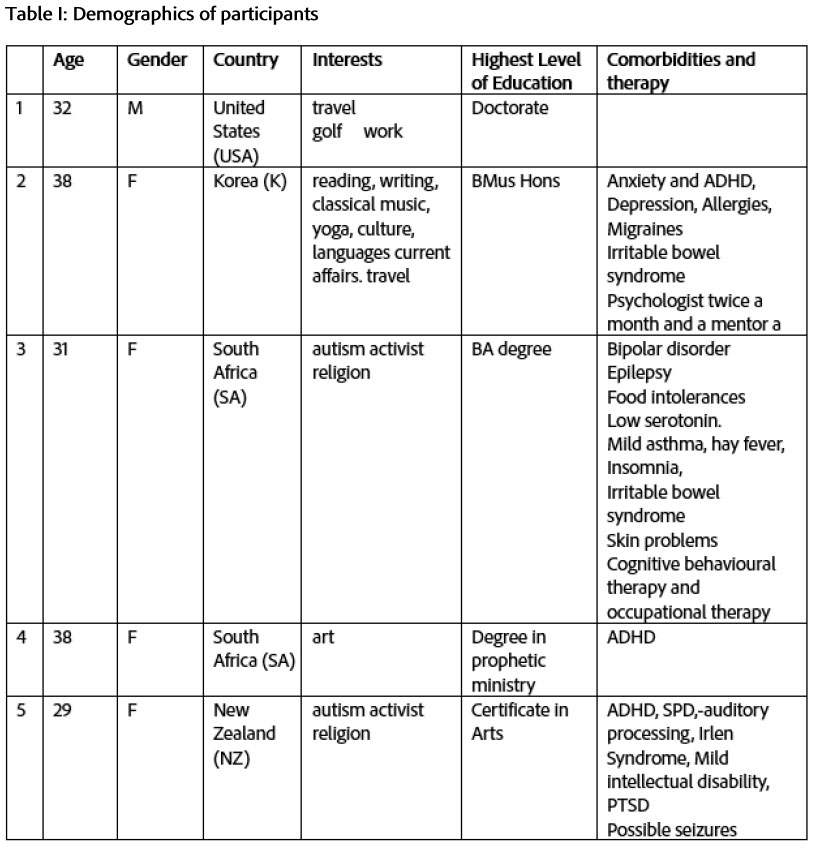
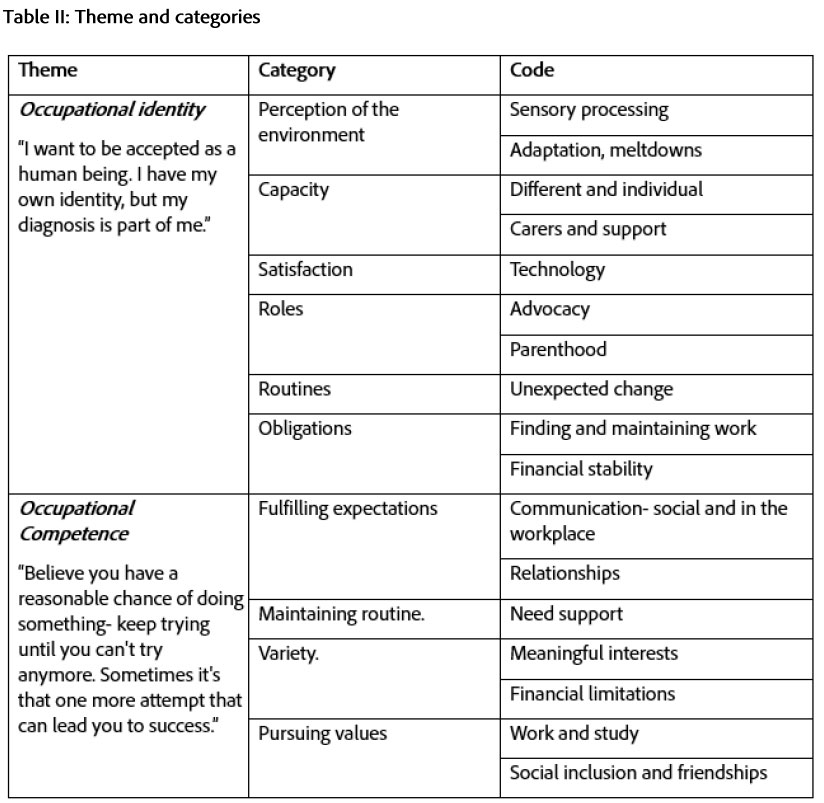
INTRODUCTION: Perceived or actual inability to engage in meaningful activities or occupations can threaten occupational identity, the capacity to engage, self-efficacy, satisfaction with daily occupations and quality of life. The purpose of this study was to explore the lived experiences of engagement in occupations among autistic adults and how these experiences affected their occupational identity and competence METHODS: An atypical qualitative research method used an existing blog and asynchronous email interviews to collect data. In Phase 1, 196 blog posts from an existing online group for autistic individuals were analysed. Five autistic adults who were group members participated in email interviews in Phase 2. Data were deductively analysed according to the themes of occupational identity and occupational competence FINDINGS: A strong occupational identity supported occupational competence, within the unique abilities of individuals, to engage in meaningful occupations and meet performance expectations. This included using technology, advocating for autism awareness and a sense of control while enacting valued interests. Perceived challenges were meeting obligations, work expectations, financial independence, working with others, relationships, establishing routines, and managing environmental sensory triggers. These affected both occupational identity and competence CONCLUSION: Despite many challenges and a limited awareness of autism, a strong occupational identity encouraged competence in meaningful occupations. These findings can facilitate client-centred occupational therapy intervention IMPLICATIONS FOR PRACTICE: • Autistic adults were found to have a strong occupational identity and competence within roles where adaptations accommodated their occupational performance. • The occupational identity and competence of autistic adults are affected by differences when engaging in some desired activities, which have the potential to result in occupational disruption, particularly in routines and social participation in society and at work. • It is important for occupational therapists: ○ to explore the occupational identity and competence of autistic adults, ○ to support and facilitate environmental modification and other adaptations for successful engagement in the meaningful activities they need and want to do, ○ to improve quality of life and wellbeing.
autism; occupational identity; occupational competence; occupational engagement; wellbeing; occupational therapy