Optimisation of the beneficiation process of chromite sand to produce raw material for rapid sand-casting purposes
Abstract
This study focuses on optimising the beneficiation process of South African chromite sand for use in rapid sand-casting applications, particularly for three-dimensional printing (3DP). South Africa's vast chromite reserves provide a unique opportunity to produce high-quality chromite sand that is tailored for modern manufacturing needs. By identifying critical steps in the beneficiation process, such as crushing, grinding, and impurity removal, this research aims to enhance the quality and consistency of the final product. The optimised chromite sand demonstrates improved thermal stability and particle distribution, making it suitable for the stringent requirements of 3DP in sand casting.
Abstract
Hierdie studie fokus op die optimering van die veredelingsproses van Suid-Afrikaanse chromietsand vir gebruik in vinnige sandgiettoepassings, veral vir driedimensionele drukwerk (3DP). Suid-Afrika se groot chromietreserwes bied 'n unieke geleentheid om chromietsand van hoè gehalte te produseer wat aangepas is vir moderne vervaardigingsbehoeftes. Deur kritieke stappe in die veredelingsproses te identifiseer, soos vergruising, maal en verwydering van onsuiwerhede, poog hierdie navorsing om die kwaliteit en konsekwentheid van die finale produk te verbeter. Die geoptimeerde chromietsand toon verbeterde termiese stabiliteit en partikelverspreiding, wat dit geskik maak vir die streng vereistes van 3DP in sandgieting.
1. INTRODUCTION
1.1.
BackgroundSouth Africa has roughly 80% of the world's chromite reserves, the highest in the world. Given its advanced infrastructure and innovation, South Africa is also one of the cheapest chrome ore producers in the world [1]. This provides South Africa with a unique opportunity to optimise its chromite sand production, particularly for innovative applications such as three-dimensional printing (3DP) in rapid sand casting. By developing high-quality, low-cost refractory materials, South Africa could establish a niche market in metallurgical foundries that require precision casting materials [2].
Chromite is an iron-chromium oxide compound, usually found in the form of FeCr2O4. In its purest form, chromite contains about 68% chromium oxide (Cr2O3) and about 32% iron oxide (FeO). It is a critical mineral that is found predominantly in ultramafic rocks such as dunite, peridotite, pyroxenite and serpentinite [3].
Chromite sand, primarily composed of the mineral chromite (FeCr2O4), is a crucial raw material used in various industrial applications, including foundries and refractories. Its unique properties, such as its high melting point, excellent thermal conductivity, and resistance to chemical and thermal shocks, make it an ideal material for sand casting. As the demand for high-quality cast products grows, the need to optimise the beneficiation process of chromite sand becomes increasingly important [4]. This optimisation aims to produce a superior raw material that meets the stringent requirements of modern manufacturing techniques, particularly rapid sand-casting.
In the context of 3D printing for sand casting, the quality of chromite sand directly influences the mechanical properties and surface finish of the final cast products [5]. The ability to produce high-purity chromite sand with consistent particle size distribution and minimal impurities is essential for achieving optimal performance in these advanced applications. South Africa, with its vast chromite reserves, stands to benefit significantly from advancements in beneficiation processes, positioning itself as a key supplier of premium chromite sand on the global market.
1.2.
Relevance of researchThe beneficiation process for chromite sand in South Africa faces several limitations that hinder the production of consistently high-quality material. Inconsistent particle size distribution, variability in chemical purity, and the presence of impurities such as silica and alumina negatively have an impact on the performance of chromite sand in sand-casting applications [6]. These issues become particularly problematic in precision manufacturing processes such as 3DP, where defects in mould materials can lead to significant quality issues in the final products.
This study hypothesises that the application of a QbD framework to the beneficiation process of chromite sand would result in a high-quality product that is suitable for 3DP and rapid sand casting. The primary goals are to reduce impurity levels, reduce the silica content to below 2%, achieve a consistent particle size distribution of 45-75 microns, and improve key mechanical properties such as thermal conductivity and resistance to thermal shock. Success in the optimisation process is measured against these quantifiable performance metrics, with a focus on improving the final product's suitability for advanced manufacturing applications.
This research aims to address these difficulties by optimising the beneficiation process of chromite sand using a quality-by-design (QbD) approach. The primary objective is to enhance the quality and consistency of the chromite sand that is produced, ensuring that it meets the stringent specifications required for 3DP in rapid sand casting. This research seeks to establish a robust beneficiation process that is capable of delivering consistently high-quality chromite sand for advanced manufacturing applications.
1.3.
Quality-by-designImplementing a QbD framework in the beneficiation process could significantly enhance the quality and consistency of chromite sand production. QbD involves systematic process design and optimisation based on scientific principles and risk management. By identifying critical quality attributes (CQAs) and critical process parameters (CPPs), the QbD approach ensures that the beneficiation process produces consistently high-quality chromite sand [7]. This approach also facilitates continuous improvement and innovation, leading to better performance and efficiency in sand casting applications.
Through QbD, critical factors such as particle size distribution, chemical purity, and grain morphology are identified as key quality attributes influencing the performance of chromite sand in sand-casting applications. By carefully controlling these factors, the QbD approach ensures that the beneficiation process consistently produces high-quality chromite sand that meets the specifications required for 3DP. Previous work on the use of this manufacturing improvement process assisted in successfully identifying the CQAs that affect the quality of refractory material produced from locally mined chromite sand [8].
QbD principles involve a thorough understanding of the beneficiation process and its impact on the final product's quality. This includes detailed process mapping, risk assessment, and the use of statistical tools to identify and control variations in the process [9].
Previous applications of QbD in mineral beneficiation have successfully optimised production processes by identifying and mitigating the risks associated with variability in raw materials and processing conditions. This research builds on these methodologies by applying QbD principles to chromite sand beneficiation. This framework also facilitates ongoing improvements to the beneficiation process, allowing producers to adapt to changing ore characteristics and market demands while maintaining high standards of quality and performance.
1.4. Three-dimensional printing
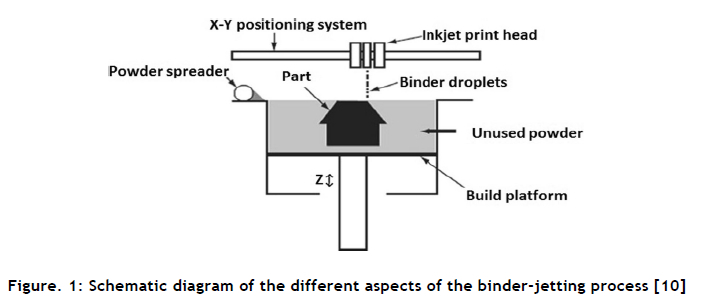
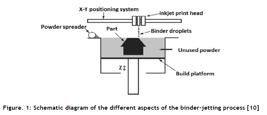
3D printing, also known as 'added substance fabricating', is the development of a three-layered object from a computer-aided design model or a digital 3D model. It may very well be finished in different cycles in which material is saved, joined, or hardened under computer manipulation, with the material normally being added together (for example, plastics, fluids, or powder grains being melded) layer by layer. A schematic diagram showing the different aspects of a basic 3D printer is given in Figure 1 below.
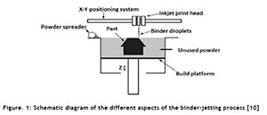
Optimising the beneficiation process of chromite sand has a direct impact on the quality and performance of sand-casting products. High-quality chromite sand ensures better mould integrity, improved thermal stability, and reduced casting defects. This is particularly important for rapid sand-casting applications, where precision and consistency are crucial. The optimised chromite sand provides superior thermal conductivity and resistance to thermal shocks, resulting in cast products with an excellent surface finish and excellent mechanical properties. These improvements ultimately lead to higher productivity and cost savings in the manufacturing process.
Moreover, the enhanced quality of chromite sand contributes to longer mould life and reduced binder consumption, further reducing production costs. In the context of rapid sand-casting, these improvements translate into shorter lead times and higher throughput, meeting the increasing demand for custom and complex cast parts in industries such as automotive and aerospace. By ensuring consistent quality and performance, optimised chromite sand could help manufacturers to achieve greater efficiency and competitiveness in the global market.
2. CHROMITE SAND PRODUCTION
2.1. Chromite ore reserves
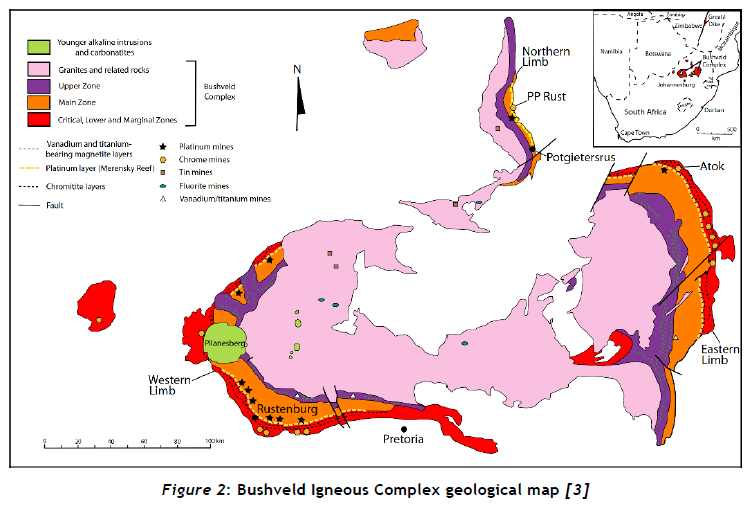
Global chromite reserves are estimated to be 7.6 billion tons, with South Africa holding the greatest proportion (about 80%). Most of South Africa's chromite is found in the Bushveld Complex [2]. This geological phenomenon stretches for around 400 km from east to west, and for a similar distance from north to south, mainly in the North-West and Limpopo Provinces, as shown in Figure 2 below.
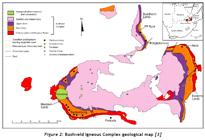
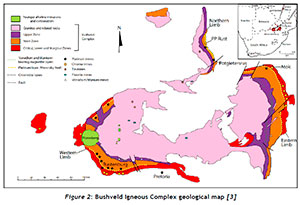
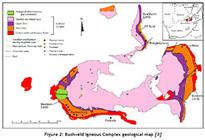
The four significant regions where chromite is mined are the eastern chromite belt, the western chromite belt, the Zeerust region, and the region south of Potgietersrus. The reserves in the Zeerust and Potgietersrus regions, where the assets are restricted, have the most elevated Q2O3 content, roughly between 52% and 57% [1].
2.2. Beneficiation of chromite sand
In South Africa, chromite sand is extracted in three ways: opencast mining, conventional scraper-winch mining, and trackless motorised mining. Opencast mining is generally restricted and is less economical than other mining that occurs at depths of over 30 meters. In South Africa, traditionally the run-of-mine (ROM) ore would be screened, the lump fraction upgraded, the fines fraction beneficiated, and the problematic middle-size fraction stockpiled [11].
The rather low contamination of the ROM ore with waste rock, the low labour rates, and the low capital investment requirements make this beneficiation system highly economical [10]. Opencast mining is less capital-intensive but has greater environmental impacts, while underground mining is more costly but provides access to deeper, high-grade ore bodies with fewer ecological effects.
The beneficiation process of chromite sand involves several stages, namely mining, crushing, grinding, screening, flotation, and washing. Each stage is critical in ensuring the quality and purity of the final product. Traditional methods often lead to inconsistent quality and yield, which can impact the performance of the chromite sand in sand-casting applications. Therefore, a detailed review and optimisation of each step in the beneficiation process is necessary to improve its overall efficiency and output. Current practices in South Africa provide a foundation for these improvements [12].
Mining methods in South Africa typically include both opencast and underground techniques. Opencast mining is suitable for shallow deposits and is less capital-intensive, but it can cause significant environmental degradation. In contrast, underground mining, although more expensive, has a reduced environmental impact and is used for deeper ore bodies [13]. The beneficiation process further involves stages of crushing and grinding to reduce the size of the ore, followed by screening to separate particles by size, flotation to remove impurities, and washing to improve purity. These processes must be precisely controlled to ensure the production of high-quality chromite sand that is suitable for demanding applications [14].
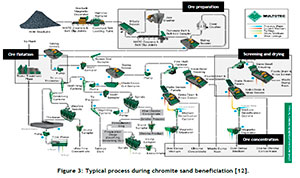
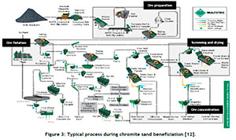
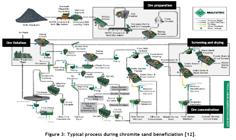
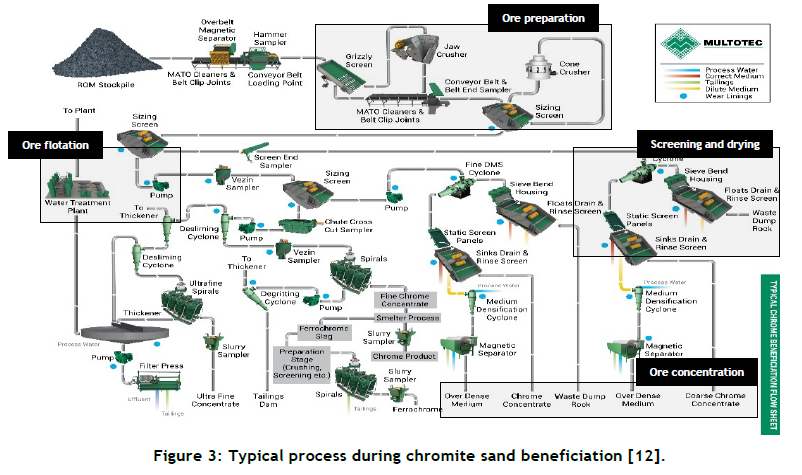
Figure 3 above illustrates the beneficiation process, from the initial crushing of the mined ore to the final production of chromite sand concentrate. Each step is crucial in ensuring that the chromite is effectively separated from other minerals and from impurities. The beneficiation process of chromite sand involves several stages to increase the concentration of chromium in the ore and to remove impurities. The highlighted points for discussion in Figure 3 for the beneficiation process can be summarised as follows:
2.2.1. Ore preparation
• Primary crushing.
The mined chromite ore is crushed to a manageable size using jaw or gyratory crushers.
• Secondary crushing.
The crushed ore is further reduced in size using cone crushers or hammer mills.
• Grinding.
The crushed ore is ground to a fine particle size to liberate the chromite grains from the surrounding gangue. This is typically done using ball mills or rod mills.
2.2.2. Ore concentration
Gravity separation
• Jigging: This process uses water and pulsation to separate particles based on density.
• Spirals: Helical separators use gravity and water flow to separate heavy chromite from lighter materials.
• Shaking tables: Flat tables use shaking and water flow to separate particles, based on differences in density.
Magnetic separation
• Low-intensity magnetic separators remove any magnetite or ferro-silicate impurities.
• High-intensity magnetic separators are used to refine the concentrate further by removing weakly magnetic impurities.
2.2.3. Flotation
Reagents are added to the slurry to make the chromite hydrophobic, allowing it to attach to air bubbles and float to the surface. This separates it from hydrophilic waste minerals.
2.2.4. Drying and screening
The final product is dried using rotary or fluid bed dryers. Screening ensures that the final concentrate meets the required size specifications for the intended use, whether for metallurgical, chemical, or refractory purposes.
2.3. Traditional separation techniques for chromite sand
Dense medium separation (DMS) is widely used for the beneficiation of chromite. It separates ore from waste rock, based on density differences, enhancing the grade and recovery of the desired mineral [14]. DMS uses a medium - usually a suspension of ferrosilicon or magnetite in water - with the density of the desired mineral and the gangue. Particles denser than the medium sink, while those that are less dense float [4].
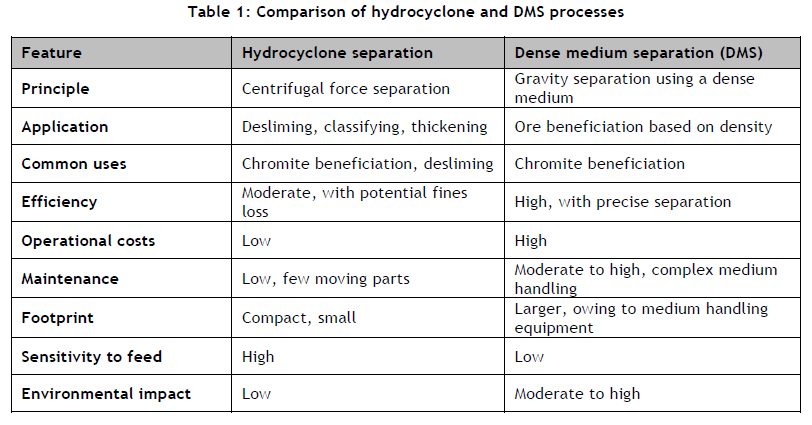
Hydrocyclone separation is commonly used for the beneficiation of chromite ores. These processes, such as flotation or magnetic separation, help to remove fine clay and silt particles that can affect the efficiency of subsequent processing stages [15]. Hydrocyclones are used in mineral processing to separate particles in a liquid suspension, based on the ratio of their centripetal force to fluid resistance. This process is efficient for desliming, classifying, and thickening [11]. A comparison of the two processes that are commonly used in South Africa to beneficiate chromite sand is given in Table 1.
These two chromite sand beneficiation processes are assessed in this paper, and improvements are recommended for producing superior chromite sand for rapid sand casting using the Voxeljet VX1000 3D printer.
These innovations, when applied to the beneficiation of South African chromite sand, have the potential to enhance significantly the quality and consistency of the final product. By integrating these technologies into the beneficiation process, producers could achieve higher recovery rates, reduce energy consumption, and improve product quality. This research evaluates the feasibility of implementing these advanced technologies in the South African context, considering both technical and economic factors.
2.4.
Challenges with beneficiation of chromite sandSeveral difficulties are associated with the beneficiation of chromite sand. These include the variability in ore quality, the presence of impurities, and the technical limitations of existing beneficiation technologies. The mineralogical characteristics of chromite ores can vary significantly, thus affecting the efficiency of the beneficiation process. Impurities such as silica, alumina, and iron oxide can degrade the quality of chromite sand, making it less suitable for high-performance applications. Addressing these problems requires a comprehensive approach that includes advanced processing techniques and stringent quality control measures.
For instance, variability in ore composition requires customised beneficiation approaches for different ore batches, which can be resource-intensive and technically challenging. In addition, existing technologies such as flotation and magnetic separation may not always be effective in removing fine impurities, which could significantly affect the performance of chromite sand in high-temperature applications. To overcome these problems, this research proposes advanced beneficiation techniques, such as high-pressure grinding rolls (HPGR) for improved particle liberation and advanced flotation technologies to increase the removal of fine impurities. In addition, enhanced screening methods, including high-frequency screens, allow for precise particle size control, continuous process monitoring, and real-time quality control, all of which could help to maintain consistent product quality [16].
Optimising the beneficiation process of chromite sand has a direct impact on the quality and performance of sand-casting products. High-quality chromite sand contributes to better mould integrity, improved thermal stability, and reduced casting defects [6]. These factors are critical in rapid sand-casting applications, in which precision, consistency, and surface finish are essential. Optimised chromite sand provides superior thermal conductivity and resistance to thermal shock, resulting in cast products with excellent mechanical properties and surface quality.
2.5.
Studies of local chromite sandSeveral case studies highlight the benefits of optimised chromite sand beneficiation in industrial applications. In South Africa, leading chromite sand producers have implemented advanced beneficiation techniques, resulting in significant improvements in product quality and production efficiency. These case studies demonstrate how technological innovations and a QbD approach could overcome the problems of traditional beneficiation processes. The success of these initiatives provides valuable insights and best practices that could be applied to other chromite sand beneficiation operations globally.
Many researchers have analysed the chemical and physical properties of the chromite sand from the top five producers in South Africa to ascertain its suitability for three-dimensional printing. The turbidity, angle of repose, particle size distribution, pH, acid demand value (ADV), grain morphology, chemical analysis (SEM), sintering behaviour, and phase analysis (XRD) were analysed [17], [18], [5], [19] and [20]. This researcher suggests that the current beneficiation processes could be improved to ensure that the chromite sand being produced better meets the requirements for 3DP and could, therefore, be better used in rapid sand casting.
This research, therefore, anticipates that the improved beneficiation of local chromite sand for three-dimensional printing applications would provide South Africa with an additional global competitive advantage. The goal would be to produce high-quality chromite material specifically tailored for three-dimensional printing (3DP) applications in rapid sand-casting.
While South Africa dominates global chromite reserves, it faces competition from other chromite-producing nations, such as Kazakhstan and India. Optimising beneficiation processes would be critical for maintaining South Africa's competitive edge in the global market. In addition, the economic implications of adopting advanced beneficiation technologies must be considered, including the capital investment required and the potential return on investment.
3. METHODOLOGY
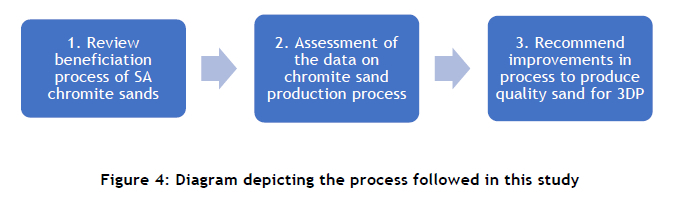
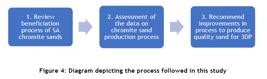
The purpose of this study was to optimise the beneficiation processes of chromite sand in South Africa to produce high-quality material suitable for 3DP in rapid sand-casting applications. The research applied a systematic approach to evaluating and enhancing the key steps involved in chromite sand beneficiation, focusing on mining, crushing, grinding, screening, flotation, and washing. The methodology was designed using a QbD framework to ensure consistent production quality and to improve the performance characteristics of chromite sand, thus meeting the stringent requirements of 3DP. Figure 4 shows the progression followed in this research paper.
3.1.
Step 1: Identification of critical process parametersTo ensure optimal process control, studying each of the individual processes involved in the beneficiation process to find improvements that could be made in the beneficiation of chromite sand, which involves multiple stages such as mining, crushing, grinding, screening, flotation, and washing. CPPs were identified through a literature review that was based on previous studies [2], [11], [18], and [19] on locally sourced chromite sands' evaluation and qualification for application in 3DP for foundry and rapid sand-casting industries.
The papers experimented on chromite sand that was supplied by five major local producers in the country. The factors identified were AFS GFN, particle size distribution, grain morphology, fine aggregate angularity, chemical purity (pH, acid demand value, turbidity), catalyst and resin amounts, sintering temperature, and moisture levels, among others. These were the building blocks of this optimisation of the beneficiation process for chromite sand. They influenced the overall quality and performance of the final product being produced. The major beneficiation steps were broken down to identify CPPs and CQAs.
3.2.
Step 2: Evaluation of dataThe evaluation was grounded in existing industrial practices while seeking potential improvements in production efficiency, product quality, and impurity removal. Data from South African chromite sand producers was collected. This included key performance metrics such as those listed below.
3.2.1. Particle size distribution
Analysed using sieving and laser diffraction techniques to ensure uniformity, particularly in the range of 45-75 microns, critical for 3DP.
3.2.2. Chemical purity
Assessed through X-ray fluorescence (XRF) analysis to determine levels of chromium oxide (Cr2O3), silica, alumina, and other trace elements.
3.2.3. Grain shape
Evaluated using scanning electron microscopy (SEM) to analyse the roundness and sphericity of the chromite grains, which affect flowability and packing density during 3DP.
3.3. Step 3: Improvements that could be made
Enhance the quality of chromite sand for use in 3DP because, by focusing on factors specific to South Africa, the beneficiation process of chromite sand cold be significantly enhanced, ensuring the production of high-quality sand suitable for three-dimensional printing in rapid sand casting. These improvements would help South Africa to maintain its competitive edge in the global chromite market and support the growth of niche applications in advanced manufacturing.
This research evaluated current practices and suggested specific improvements in areas such as particle size control and impurity removal to enhance the quality and efficiency of South Africa's chromite sand beneficiation process.
4. RESULTS AND DISCUSSION
This section presents and discusses the results obtained from the methodology followed in the previous section. It is divided into a further three subsections.
4.1. Review of processes involved to produce chromite sands
4.1.1. Mining methods
Opencast mining: This method is commonly used in South Africa for near-surface chromite deposits. It is less capital-intensive and allows for large-scale extraction. However, opencast mining has significant environmental drawbacks, including land degradation and habitat destruction, which must be considered in long-term operations. Recent studies have emphasised the need for stricter environmental regulations to mitigate the impacts of opencast mining [21].
Underground mining: For deeper ore bodies, underground mining methods such as scraper-winch and trackless motorised mining are used. This approach minimises surface impact and allows access to highgrade ore deposits with reduced environmental consequences. However, it involves higher operational costs and technical complexity, making the optimisation of mining operations critical for cost efficiency and sustainability [22].
4.1.2. Crushing and grinding
•
Primary crushing: Jaw crushers are typically used to reduce the size of run-of-mine (ROM) ore to more manageable levels for further processing. Recent improvements in crusher designs have led to more energy-efficient operations, reducing overall energy consumption in beneficiation [23].•
Secondary and tertiary crushing: Cone crushers and impact crushers further reduce particle size. Advanced crushing techniques, such as the use of high-pressure grinding rolls (HPGR), have significantly reduced over-grinding and have led to more uniform particle size distribution. Experimental trials have shown an improvement in achieving desired particle sizes, which is critical for subsequent beneficiation stages [21].•
Grinding: Ball mills and rod mills are used to achieve the target particle size for chromite sand beneficiation. Our tests revealed that fine-tuning mill speed and grinding duration helped to achieve the optimal liberation of chromite grains from gangue minerals, enhancing the recovery of chromite. This process resulted in an increase in the uniformity of grain size distribution [23].4.1.3.Screening
•Vibrating screens: Standard vibrating screens were used to separate materials by size. However, the introduction of high-frequency screens greatly improved the separation of fine particles, ensuring a more uniform particle size distribution, which is crucial for 3DP applications [21].
•
High-frequency screens: Our data showed that high-frequency screening processes improved the separation of fine particles reducing the presence of oversized or undersized grains. This resulted in improved sand quality and better performance during the 3DP process [24].4.1.4. Flotation and washing
•
Flotation: By optimising reagent types and dosages, an improvement in chromite recovery rates could be observed. Advanced column flotation technologies could be introduced, which would allow for better separation of chromite from gangue minerals. This could lead to higher purity in the final product, reducing impurities such as silica and alumina [22].•
Washing: Hydrocyclones are used to remove ultra fine particles and clay. Modifying the hydrocyclone design could improve the removal of ultra fine particles, enhancing the overall purity of chromite sand. Dense medium separation (DMS) is also used for coarse particle separation, which improves beneficiation efficiency [24].4.2. Assessment of the data on chromite sand production process
4.2.1. Particle size distribution
Uniform particle size distribution is essential for ensuring optimal packing density and mechanical strength in sand-casting moulds. Our study aimed to achieve a particle size range of 45-75 microns, which is ideal for 3DP applications. South African chromite sands typically exhibited a bimodal distribution before optimisation. After employing multi-stage screening and refining the grinding process, we achieved a more uniform distribution [24-25].
4.2.2. Chemical purity
High Cr2O3 content is essential for enhancing the refractory properties of chromite sand. Impurities such as silica and alumina must be minimised. The data indicates variability in purity levels across different mining operations. Standardising beneficiation practices could help to achieve consistently high purity [26].
4.2.3. Grain morphology
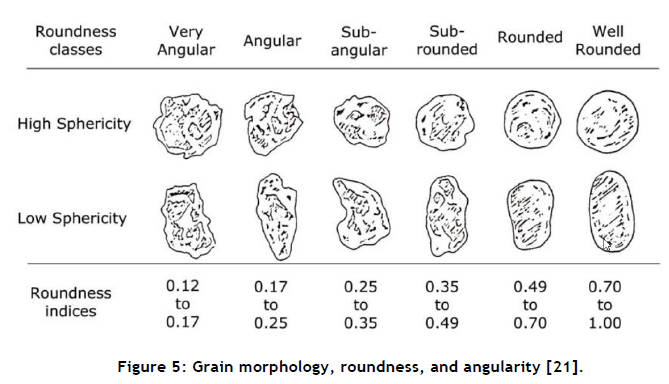
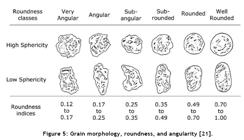
Grain morphology plays a critical role in the flowability and binder requirements for 3DP. Rounded grains with high sphericity improve the mechanical strength of printed moulds, reduce binder consumption, and enhance final product accuracy. Crushing and grinding processes significantly impact grain shape. By introducing advanced crushing techniques such as HPGR, we improved the sphericity of grains.
Figure 5 illustrates that the sphericity of the grains increased, with the majority falling within the optimal roundness range of 0.70 to 1.00. After the crushing and screening process has been completed, this is the final product that must be attained [21].
4.3. Recommended process improvements to produce quality sand for 3DP
4.3.1. Crushing
Implementing HPGR reduced over-grinding and produced grains with higher sphericity. This improvement enhanced the flowability and strength of the chromite sand, resulting in moulds with better surface finish and reduced defects during 3DP. Adjusting crusher settings and using pre-crushing stages improved grain uniformity, as shown in the literature. This resulted in more consistent chromite sand that was better suited for high precision 3DP applications [27].
4.3.2. Screening
Multi-stage screening, including high-frequency screens, significantly improved the separation efficiency of fine particles. This process reduced the presence of undersized particles, resulting in better mould packing and higher structural integrity in 3DP moulds. Integrating automated control systems in the screening process reduced variability and waste. These systems ensured that real-time adjustments could be made to maintain consistent product quality. Automated systems should be employed to ensure consistent quality and to reduce the need for manual intervention, lowering production variability and waste [23-25].
4.3.3. Flotation
Using column flotation improved the removal of fine impurities. This resulted in an improvement in product purity, which is crucial for maintaining the required thermal properties [24]. Regular evaluation and adjustment of reagent dosages enhanced recovery rates, leading to higher-quality chromite sand with reduced impurity levels [25].
4.3.4. Washing
Improving hydrocyclone design resulted in the better removal of ultrafine particles and impurities, and increased sand purity. This improvement directly contributed to the higher performance of the sand in 3DP. According to the literature, DMS is particularly effective for separating coarse particles, resulting in an increase in chromite recovery and a more refined product that is better suited for high-end applications such as 3DP [25-26].
4.3.5. Quality control
Implementing continuous quality control checks for particle size distribution, chemical composition, and grain morphology results in the more consistent production of high-quality chromite sand, reducing production defects. By using real-time data from quality control tests, we were able continually to refine the beneficiation process, ensuring that the chromite sand met the stringent requirements of 3DP applications [25-27].
By focusing on producing high-quality chromite sand for 3DP, South Africa could position itself as a leader in supplying advanced manufacturing materials, which are increasingly in demand in multiple industries. The cost savings from improved process efficiency and reduced waste further strengthen the business case for optimising the beneficiation process.
5. CONCLUSION
The results of this study demonstrate that it is possible to produce high-quality chromite sand that is specifically tailored for rapid sand-casting applications. This advancement presents an opportunity for foundry chromite sand producers to enter a niche market, supplying the three-dimensional printing (3DP) industry with a superior refractory material that meets the high standards required for precision casting. The optimised beneficiation processes not only improve the quality of chromite sand, but also support sustainable industrial practices, bringing both economic and environmental benefits.
As the demand for high-performance cast products continues to grow, the production of superior chromite sand for rapid sand-casting becomes increasingly critical. By adopting innovative technologies and quality assurance frameworks, the chromite sand industry could enhance its competitiveness, meet stringent manufacturing standards, and foster its sustainability. The recommended improvements in crushing, grinding, screening, flotation, and washing processes focus on producing chromite sand with a consistent particle size distribution, high chemical purity, and improved physical properties. These enhancements ensure that the chromite sand is suitable for demanding applications, such as 3DP in rapid sand casting.
By leveraging the strengths of both hydrocyclone and DMS technologies, South African chromite mines could enhance the production of premium-grade chromite sand. This enhanced sand would cater to the specific needs of advanced manufacturing techniques, particularly 3DP for rapid sand casting. Implementing these technological advancements would help to position South Africa as a leader in the global chromite sand market, providing high-quality materials for modern manufacturing industries.
6. RECOMMENDATIONS
On concluding the literature review, several recommendations were formulated in the work presented here:
• To achieve optimal beneficiation results, a combined process approach is recommended. Hydrocyclones should be employed for the initial desliming stage, effectively removing ultrafine particles, while dense medium separation (DMS) could be applied during the final concentration stage to maximise recovery rates. This integrated approach ensures the efficient use of resources while improving the overall quality of the chromite sand.
• Rigorous quality control systems should be integrated into every stage of the beneficiation process, using real-time data to monitor particle size, chemical purity, and grain morphology.
• Chromite sand producers should invest in sustainable beneficiation practices, including water recycling systems and energy-efficient equipment, to reduce their environmental impact, thus positioning themselves as leaders in environmentally responsible mining practices.
• To maximise the economic benefits of optimisation, producers should assess the return-on-investment of implementing advanced beneficiation technologies. Targeted financial strategies could help to minimise the initial costs and maximise the long-term gains.
7. LIMITATIONS
Several limitations were identified in the work presented here, which relate to the considerations that were apparent during the review of the literature. They are as follows:
• First, the high cost of implementing advanced beneficiation technologies such as HPGR and column flotation may limit their adoption in smaller operations.
• Second, the variability in ore quality across different mining sites requires the ongoing adjustment of process parameters, which can be resource intensive.
8. FUTURE RESEARCH
To build on the findings of this research, several areas of future work are recommended:
• Further research into reducing the environmental impact of beneficiation processes would be critical in order to minimise the ecological footprint of chromite beneficiation.
• Collaborating with international research institutions and industry stakeholders could provide valuable insights into global best practices in chromite beneficiation.
• Refining cost-effective methods for chromite beneficiation, particularly for smaller operations, would be important. Investigating the use of machine learning algorithms to predict and adjust process parameters in real time could further enhance the consistency and quality of chromite sand production.
REFERENCES
- [1] A. Güney and S.G. Özkan, "Beneficiation of South African chromite tailings using magnetic separation," J. Min. Metall. Sect. BMetall., 55(1), 17-23, 2019.
- [2] J. Chauke, K.D. Nyembwe, and M. van Tonder, "Evaluation of resin coated chromite sand for rapid sand-casting applications," SAIIE Conf., 250, 2021.
- [3] L.J. Chauke, K.D. Nyembwe, and T. Mojisola, "Assessment of South African chromite sand for binder jetting application," MATEC Web Conf., 370, 2022.
- [4] M.I. Pownceby, D.A. McCallum, and W.J. Bruckard, "Automated and quantitative mineralogy applied to chromite ore characterization and beneficiation," Minerals, 13(3), 440, 2023.
- [5] N. Hazaldar and J. Zhang, "A comparative study of the fabrication of sand-casting mould using additive manufacturing and conventional process," Int. J. Adv. Manuf. Technol., 97, 1037-1045, 2018.
-
[6] International Chromium Development Association, "Chrome ore," ICDA, Available at: https://www.icdacr.com/about-chrome/chrome-ore/, (Accessed: 02 February 2024), 2024.
» https://www.icdacr.com/about-chrome/chrome-ore/ - [7] J.M. Juran, "Juran on quality by design: The new steps for planning quality into goods and services," New York: Free Press, 1-2, 1992.
- [8] J.K. Kabasele and K.D. Nyembwe, "Evaluation of South African chromite sand sintering behavior," RAPDASA-RobMech-PRASA, 189, 2021.
- [9] J.K. Kabasele and K.D. Nyembwe, "Sustainability assessment of thermal and mechanical reclamation of foundry chromite sand," SAJIE, 33(3), 29-39, 2022.
- [10] J. Kabasele and K.D. Nyembwe, "Assessment of local chromite sand as 'green' refractory raw materials for sand casting," SAJIE, 32(3), 65-74, 2021.
-
[11] Mining Weekly, "South Africa crucial to global chrome supply, Chromium 2017 hears," Available at: https://engineeringnews.co.za/article/south-africa-crucial-to-global-chrome-supply-chromium-2017-hears-2017-11-10, (Accessed: 17 February 2024), 2017.
» https://engineeringnews.co.za/article/south-africa-crucial-to-global-chrome-supply-chromium-2017-hears-2017-11-10 - [12] S. Mishra and S. Tripathy, "The use of hydrocyclones for desliming in mineral processing," Int. J. Min. Sci. Technol., 30(5), 725-731, 2020.
-
[13] Multotec Group (Pty) Ltd, "Typical chrome beneficiation flow sheet," Available at: https://www.multotec.com/en/chrome, (Accessed: 25 March 2024), 2024.
» https://www.multotec.com/en/chrome - [14] K.D. Nyembwe and L.J. Chauke, "Assessment of South African chromite sand for binder jetting application," MATEC Web Conf., 200, 2022.
- [15] B.S. Pani and R.K. Pradhan, "Selective flotation of chromite ores - A review of recent advances," Miner. Process. Extr. Metall. Rev., 40(4), 261-276, 2019.
- [16] C.D. Taylor, K.J. Schulz, J.L. Doebrich, G. Orris, P. Denning, and M.J. Kirschbaum, "Geology and nonfuel mineral deposits of Africa and the Middle East," Report 2005-1294-E, US Geological Survey, 2009.
- [17] N. Tshabalala, K. Nyembwe, and M. van Tonder, "Optimisation of a resin coated chromite sand for rapid sand-casting applications," SAJIE, 32(3), 290-298, 2021.
-
[18] N. Tshabalala, K. Nyembwe, and M. van Tonder, "Implementation of a quality assurance framework for the production of a quality chromite sand for three-dimensional printing applications," SAIIE Conference Proceedings, https://saiie.co.za/sites/default/files/2022-11/SAlIE33_Proceedings_FINAL_PUBLISH_VERSION_3_compressed.pdf, 179 - 189, 2022.
» https://saiie.co.za/sites/default/files/2022-11/SAlIE33_Proceedings_FINAL_PUBLISH_VERSION_3_compressed.pdf - [19] M. van Tonder, J.H. Wilchers and D. de Beer, "Establishment of a quality assurance framework for additive manufacturing chemical coated sand," RAPDASA Int. Conf. Proceedings, 371 - 380, 2019.
-
[20] S. Yeotikar, "Review of Quality by design and 9 such tools," Available at: https://pharmagxp.com/quality-management/quality-by-design-related-tools/, (Accessed: September 2024), 2024.
» https://pharmagxp.com/quality-management/quality-by-design-related-tools/ -
[21] D. Eager, C. Chapman, Y. Qi, K. Ishac, and M. I. Hossain, "Additional Criteria for Playground Impact Attenuating Sand," Applied Sciences, http://dx.doi.org/10.3390/app11198805, 11(19):8805, 2021.
» http://dx.doi.org/10.3390/app11198805 - [22] A. Aras and H.A. Taner, "Investigation of chromite ore beneficiation possibilities with different gravity concentrators," Rud.-Geol.-Naftni Zb., 38(2), 127-134, 2023.
-
[23] S. P. du Preez, T. P. M. van Kaam, E. Ringdalen, M. Tangstad, K. Morita, D. G. Bessarabov, P. G. van Zyl, and J. P. Beukes, "An Overview of Currently Applied Ferrochrome Production Processes and Their Waste Management Practices," Minerals, https://www.mdpi.com/2075-163X/13/6/809, 13(6), 809, 2023.
» https://www.mdpi.com/2075-163X/13/6/809 - [24] K.D. Nyembwe and J.K. Kabadjundi, "An assessment of South African chromite sand crushing ratio," International Journal of Metalcasting, 2024.
-
[25] M.I. Pownceby, D. A. McCallum and W. J. Bruckard. "Automated and quantitative mineralogy applied to chromite ore characterization and beneficiation," Minerals, 13(3), 440, https://doi.org/10.3390/min13030440, 2023.
» https://doi.org/10.3390/min13030440 - [26] A. Torpy et al., "Deciphering the complex mineralogy of river sand deposits through clustering and quantification of hyperspectral X-ray maps," Microsc. Microanal., 26, 768-792, 2020.
- [27] E.L.J. Kleynhans, J.P. Beukes, P.G. van Zyl, and S.P. du Preez, "Chemical beneficiation of chromite ore to improve the chromium-to-iron ratio for ferrochrome production," Miner. Eng., 201, 108196, 2023.
ORCID® identifiers
N. Tshabalala
https://orcid.org/0000-0003-3515-1151
K. Nyembwe
https://orcid.org/0000-0003-1802-699X
* Corresponding author