Bridging The Gap: The Role of Virtual Reality in Enhancing Hands-On Learning and Engagement in Industrial Engineering Education
Abstract
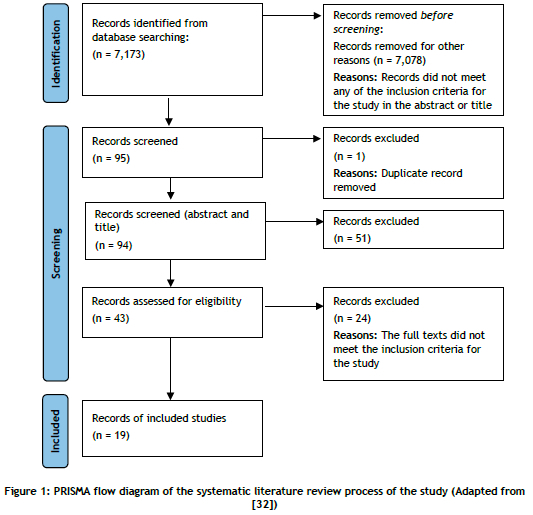
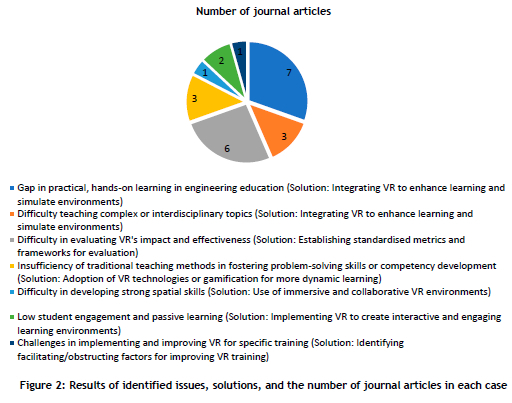
This study explores how virtual reality (VR) is being introduced into industrial engineering education, with an emphasis on its ability to enhance hands-on learning, student engagement, and the connection between theory and practice. Using a systematic literature review guided by PRISMA standards, the research identifies recurring challenges, including the lack of consistent assessment methods and difficulties in aligning VR with real industrial contexts. To address these issues, the study proposes key design criteria for a framework that promotes experiential learning through realistic simulations, gamified elements, and spatial reasoning. This offers practical guidance for educators and developers.
 Thumbnail
 Thumbnail