Bridging The Gap: The Role of Virtual Reality in Enhancing Hands-On Learning and Engagement in Industrial Engineering Education
Abstract
This study explores how virtual reality (VR) is being introduced into industrial engineering education, with an emphasis on its ability to enhance hands-on learning, student engagement, and the connection between theory and practice. Using a systematic literature review guided by PRISMA standards, the research identifies recurring challenges, including the lack of consistent assessment methods and difficulties in aligning VR with real industrial contexts. To address these issues, the study proposes key design criteria for a framework that promotes experiential learning through realistic simulations, gamified elements, and spatial reasoning. This offers practical guidance for educators and developers.
Abstract
Hierdie studie verken hoe Virtuele Realiteit (VR) in Bedryfsingenieurswese-onderrig ingevoer word, met 'n fokus op die vermoë om praktiese leer, studentbetrokkenheid en die verbinding tussen teorie en praktyk te verbeter. Deur gebruik te maak van 'n sistematiese literatuuroorsig wat deur PRISMA-standaarde gelei word, identifiseer die navorsing herhalende uitdagings, insluitend die gebrek aan konsekwente assesseringsmetodes en probleme om VR met werklike industriële kontekste in lyn te bring. Om hierdie probleme aan te spreek, stel die studie sleutelontwerpkriteria voor vir 'n raamwerk wat ervaringsleer bevorder deur realistiese simulasies, speletjie gebaseerde elemente en ruimtelike redenasie. Dit bied praktiese leiding vir opvoeders en ontwikkelaars.
1. INTRODUCTION
With the increasing influence of technology in modern society, conventional methods of teaching industrial engineering (IE) are often perceived as unengaging [1,2]. There is a possibility that digital technology could soon replace traditional learning approaches [1] . To adapt to the advancements in modern technology, the integration of virtual reality (VR) into engineering education has been explored as a way to enhance teaching and learning [3]. Vr is a digitally generated multimodal immersion that allows participants to perceive the 'virtual' experience [4]. VR offers immersive, interactive environments that simulate real-world scenarios, making it particularly valuable in fields that require practical application, such as IE.
The integration of VR into IE education is transforming the way in which students acquire and apply knowledge [5]. As industries incorporate VR into training and operations, educational institutions are exploring its potential to provide immersive and interactive learning experiences [6]. The rapid advancement of technology has transformed education, with VR emerging as a powerful tool for enhancing learning experiences.
Despite its potential, the integration of VR in IE education remains limited. Many studies focus on VR's benefits in general education or in other engineering disciplines, with little emphasis on its application in IE. This research specifically explores how VR is currently used in teaching and learning environments in IE education. By conducting a systematic literature review, the study identifies key themes, evaluates the current issues together with their root causes, and proposes solutions. It then provides design criteria that could be used to develop a framework for advancing industrial engineering through engineering education using VR. In addition, it provides insights into its role in enhancing learning outcomes. The review focuses on peer-reviewed journal articles and conference proceedings from reputable academic databases.
Addressing this gap of limited focus on VR's benefits in IE, this study explores how VR could be systematically incorporated into IE education to bridge the gap between theory and practice.
The significance of this research lies in its potential to enhance IE education by providing students with hands-on interactive experiences that traditional methods lack. VR could prepare students better for industry's challenges by improving their engagement and understanding.
2.1.
Industrial engineering and virtual reality: Historical and technological evolutionIn the early 20th century, the development of industrial engineering in the United States was driven by research focused on large-scale manufacturing, modern industrial processes, and the broader social and economic framework [7]. Industrial engineering is the combination of labour, equipment, raw materials, capital, and logical concepts [8]. A key trend that has now emerged in industrial engineering is the adoption of Industry 4.0 concepts, which involve incorporating artificial intelligence (AI), the Internet of Things (IoT), virtual reality (VR) and augmented reality (AR) [9]. Over the past 20 years, interest in VR has fluctuated [9]. VR has various definitions, such as being computer programs that enable users to enjoy 3D visual and auditory stimulation [10], or a remarkable interactive computer simulator that replicates the 3D environment [11]. The Karolinska Institute was the first to study and develop VR technology at universities in 1992 [12]. Even though the technology was somewhat basic at the time, it showed that VR could be useful in the classroom.
2.2.
Engineering education: Concepts and the role of emerging technologiesEngineering is a demanding subject to teach and to learn. It includes, among other things, mechanical, chemical, polymer, textile, electrical, glass, and ceramic engineering, as well as environmental science [13]. The design, organisation, and efficacy of academic programmes are influenced by curriculum creation, which is a key component of engineering education. Competency-based models, which emphasise the development of practical skills and the capacity to tackle real-world challenges, have gained popularity in recent years [14,15]. Furthermore, there is a growing emphasis on experiential and interdisciplinary learning, which enables students to collaborate between disciplines and to apply engineering principles in a variety of contexts [16,17]. Active learning is encouraged to ensure the understanding of these demanding engineering subjects compared with using the traditional lecture-based methods. Active learning is defined as a teaching method that engages students in the learning process [18]. The integration of emerging technologies, including VR and the IoT, is transforming engineering education, as these technologies equip students with the digital engineering skills they need to tackle future problems [19].
2.3.
Opportunities for virtual reality in industrial engineering educationStudying industrial engineering concepts using VR increases engagement and motivation. In addition, VR encourages a more active and hands-on approach than traditional educational methods [20]. VR has the potential to enhance education by offering students more visual and intuitive multisensory stimulation. This could lead to improved understanding, performance, and grades and to a more interesting educational experience [1,11]. In addition, VR could provide equal educational opportunities for students with special needs and for those participating in distant learning programmes while reducing institutional risk, expenses, and infrastructure [3]. To evaluate VR's viability and long-term effects on engineering education, more research is necessary. Thus, the effect of VR on industrial engineering education was examined. The primary conclusion drawn from the study described in [21] is that VR improves industrial engineering teaching. It enhances students' learning experiences by providing a more captivating and immersive setting. However, the constraints and difficulties that come with implementing VR in engineering education should be considered [21]. As the number of studies of VR for engineering education increases, it is clear that many researchers anticipate VR's beneficial effects on the educational system [11,22-26].
2.4.
Design science research methodology and the design criteriaDesign criteria have been defined in different ways by various scholars [27]. However, they generally refer to the specific requirements that a project must meet to be considered successful. The design science research methodology (DSRM), a methodology consisting of six steps, has been established to assist with determining the design criteria [28]. It begins with identifying the problem and understanding its root causes, ensuring that the issue is clearly defined and supported by logical reasoning and data-driven insights. Once the problem is established, the next step is to define the objectives of a solution by determining what an improved artefact should achieve. This step is guided by theoretical foundations and goal-oriented planning. The third step involves designing and implementing the artefact, focusing on how to develop and apply it efficiently. Following this, the illustration phase examines the artefact in context, demonstrating its ability to address the identified problem using relevant metrics and analysis. Next, the assessment stage evaluates the artefact's success and effectiveness, allowing for refinements based on expert feedback. Finally, the findings are communicated through academic journals and industry publications. DSRM also allows for iterative improvements, enabling researchers to revisit previous steps -particularly refining objectives or implementation - based on assessment results or further insights gained during communication [28].
2.5.
Applicable theoriesOne of the applicable theories is the technology acceptance model (TAM). Research has indicated that the desire to implement VR in schools is influenced by whether the technology actually supports the tasks for which it is intended and by how practical or user-friendly it seems. Students are more inclined to adopt VR if they believe that the system improves their capacity to complete learning tasks in a reasonable amount of time [29].
3. RESEARCH METHODOLOGY
Since one of the essential techniques needed for this research is a systematic literature review, it is important first to comprehend what a systematic literature review is and what it comprises. A systematic literature review involves a number of specific steps: developing the research question, carrying out a comprehensive search, choosing relevant studies, extracting data, evaluating quality, analysing the findings, and sharing the results [30].
3.1. Developing the research questions
This review explored the use of VR in teaching and learning environments in industrial engineering education. The goal was to evaluate the relevance of the selected studies, to identify common themes, and to conduct a comprehensive literature analysis in order to synthesise and discuss the findings [23]. Specifically, the review was guided by the following research question: What are the current applications and educational impacts of using VR in industrial engineering to enhance hands-on learning and engagement?
3.2. Determining the scope, collecting data, and selecting records
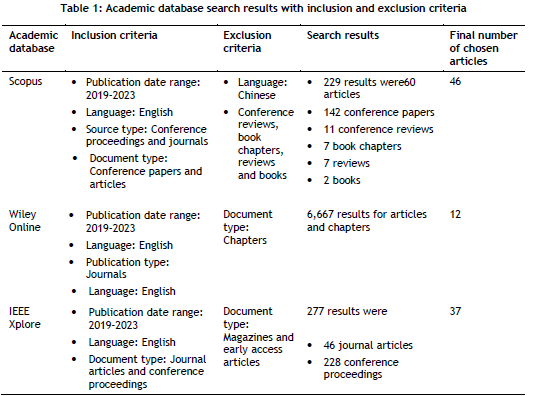
Based on the quantity of accessible information, studies were gathered from three academic databases (Scopus, Wiley Online, and IEEE Xplore). This review is made up of academic papers presented at academic conferences and pieces published in peer-reviewed journals. Search strings were formulated and used with academic databases to obtain publications that would help to address the research question. The final search string to be used was "Virtual Reality", AND "Engineering Education", AND "Industrial Engineering". Nevertheless, distinct methods of selecting the necessary data were used owing to the unique characteristics of each database. The search results were then obtained once the inclusion and exclusion criteria had been factored into the search string. In order to avoid downloading records that were unrelated to the research, the next filtering phase involved skimming the abstracts and titles of the documents. The results are provided in Table 1.
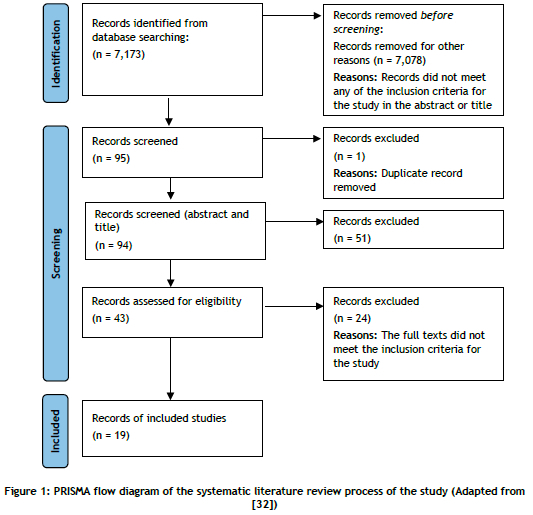
A total of 7,173 search results were initially gathered from the IEEE Xplore, Scopus, and Wiley Online databases. After reviewing the titles and abstracts, 7,078 records were excluded for not meeting the study's inclusion criteria, leaving 95 journal articles. One duplicate was removed, reducing the count to 94. Further screening of titles and abstracts led to the exclusion of 51 more records. The remaining 43 articles underwent a full-text review, from which 24 were found to be ineligible. In the end, only 19 journal articles met the criteria for inclusion in the study, as indicated in the preferred reporting items for systematic reviews and meta-analyses (PRISMA) diagram in Figure 1. Published in 2009, the PRISMA statement was created to assist systematic reviewers to disclose openly the purpose of the review, the actions taken by the authors, and the results obtained [31].
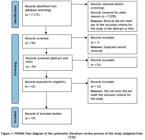
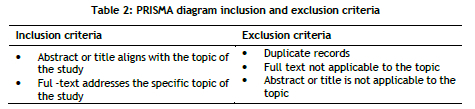
The inclusion and exclusion criteria for the Prisma diagram are presented in Table 2.
3.3. Data extraction and analysis
The 19 selected journal articles were imported into Mendeley, a reference management and research organisation tool, for further data extraction and analysis. The extracted data included identified issues from the articles, the authors' suggested solutions, key virtual reality themes highlighted in the journal articles, and the identified design criteria that were to be used to develop a framework for advancing industrial engineering through engineering education using virtual reality.
4. RESULTS AND DISCUSSION
4.1. Design science research process to identify problems
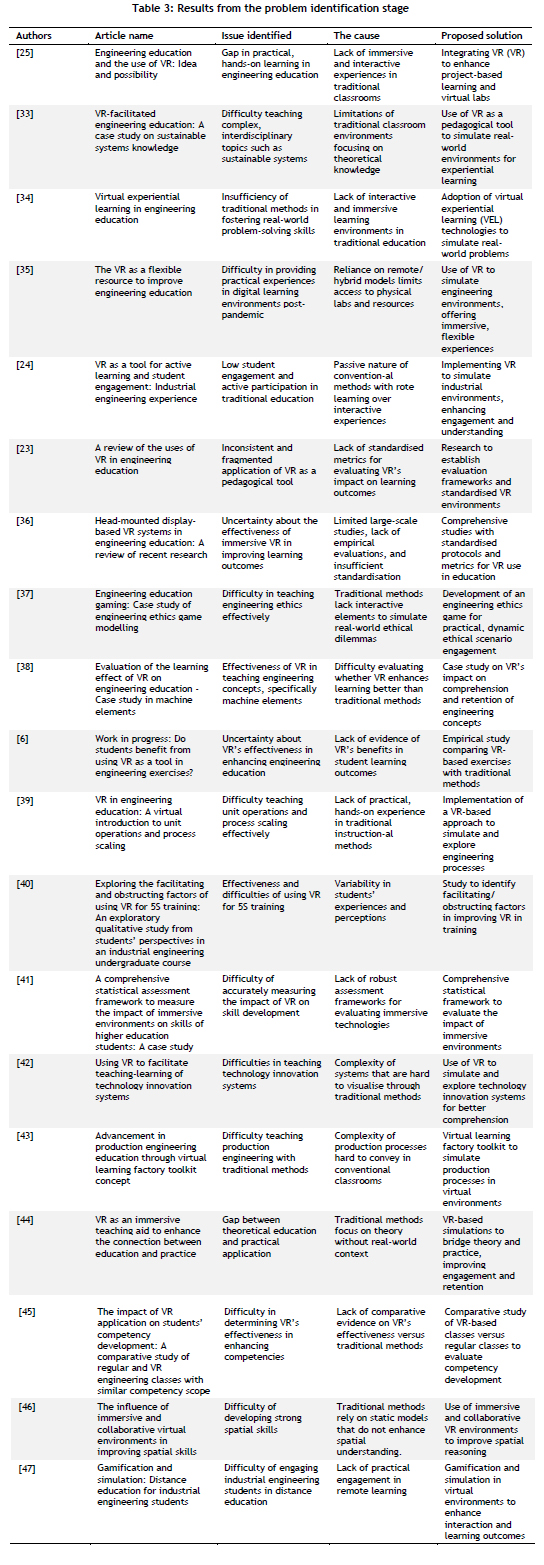
To analyse further the 19 journal articles, the first stage of the DSRP was used. This step involved analysing each journal article to pinpoint the issue, understand its root cause, and outline the solution suggested by the authors. The results from the problem identification process are given in Table 3.
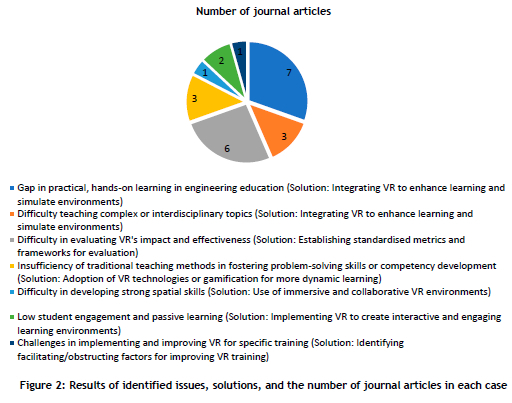
Microsoft Excel was a useful tool to arrange and synthesise the gathered data in addition to the systematic literature review. The identified issues, their root causes, and the solutions proposed in the literature were all included in tabular form for each entry from the examined research. This approach made it possible to organise the data in a clear way, guaranteeing that any discovery could be directly connected to its original source. The Excel spreadsheet made it possible to handle data by using the filtering, sorting, and categorisation tools. The results are shown in Figure 2.
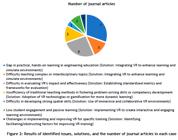
Figure 2 highlights that the most common issue, cited in seven journal articles, is the lack of hands-on learning in engineering education. Six articles discuss the difficulty of assessing VR's impact, while three each highlight the limitations of traditional teaching in developing problem-solving skills and handling complex topics. Fewer studies address low student engagement and passive learning, with individual articles noting difficulties in spatial skill development and VR implementation. These findings emphasise the need to enhance practical learning while improving VR's effectiveness in tackling broader educational problems. A balanced approach that integrates VR with targeted strategies would be essential for meaningful progress.
4.2.
Identifying key virtual reality themes in the literatureFour themes were identified after extracting from the journal articles. The identified themes in the literature can be categorised into four main areas. First, nine journal articles explore how VR is used to enhance practical learning experiences, providing students with immersive, hands-on training [24,25,33-35,39,42,43,46]. Second, a significant portion of the research, with five journal articles, focuses on evaluating the impact and effectiveness of VR in education, assessing its benefits and limitations [6,23,36,38,41]. Third, studies in two journal articles examine the role of VR in promoting ethics and student engagement through interactive learning methods [37,47]. Last, three journal articles highlight the integration of theoretical knowledge with practical application, demonstrating how VR bridges the gap between classroom concepts and real-world industrial engineering scenarios [40,44,45].
4.2.1. Enhancing hands-on learning with virtual reality
Nearly half (47%) of the articles highlight the lack of practical, hands-on learning opportunities in traditional engineering programmes. VR is proposed as a powerful tool to simulate real-world environments, thus addressing this gap and offering students a more immersive learning experience.
4.2.2. Evaluating virtual reality's impact on learning
About 26% of the articles emphasise the absence of standardised methods for measuring the effectiveness of VR in education. This presents a challenge in assessing how well VR enhances student learning, underscoring the need for consistent evaluation frameworks.
4.2.3. Using interactive virtual reality to boost engagement and teach ethics
A smaller portion (11%) of the studies explores how VR, through gamification and simulations, could improve student engagement and support ethical education. While VR has potential in these areas, it remains underused in fostering interactive and ethical learning in engineering.
4.2.4. Bridging the gap between theory and practice with virtual reality
Around 16% of the reviewed studies highlight the ongoing difficulty of connecting theoretical knowledge to real-world applications in engineering education. This points to a need for a better integration of VR tools to help students to make the transition from understanding concepts to applying them in practice.
While VR creates immersive experiences, bridging the gap between theory and practical skills remains difficult. Effective integration is needed to ensure that simulations translate into meaningful learning. Refining VR applications seamlessly to combine theory and practice would be key to maximising its impact on engineering education.
4.3.
Identified design criteriaA deeper examination was carried out to identify the recurring problems in all the journal articles, to explore their underlying causes, and to assess the design criteria applied in each study. The extracted design criteria are detailed below.
4.3.1. Incorporating VR for hands-on learning enhancement
Integrating VR and virtual experiential learning (VEL) could bridge the gap in hands-on practical education. This integration would also be crucial to optimise process scaling and unit operations [25,34,35,39,44].
4.3.2. Simulating complex systems and real-world scenarios with VR
VR technology enables the replication of real-world environments and intricate systems, making it a valuable tool for teaching complex or interdisciplinary subjects [33,42,43].
4.3.3. Boosting student engagement through interactive VR experiences
Using VR to develop industrial simulations and interactive learning environments fosters higher levels of student engagement and active participation in the learning process [24,47].
4.3.4. Assessing the effectiveness of VR in education
Thorough empirical research and standardised evaluation metrics are necessary to measure the impact of VR on educational outcomes [6,23,36,41,45].
4.3.5. Designing gamified VR for ethical and engaging learning
Developing gamified VR environments could enhance ethical education by encouraging dynamic student participation in ethical decision-making [37].
4.3.6. Enhancing spatial reasoning through immersive VR
Immersive and collaborative VR experiences could contribute to improved spatial reasoning and related cognitive skills in students [46].
4.3.7. Identifying key elements for effective VR training
Research should focus on determining the factors that enhance or hinder effective VR-based training to improve learning experiences and accommodate diverse student responses [40].
These design criteria inform the development of a proposed framework for advancing industrial engineering through engineering education using VR.
5. RECOMMENDATIONS AND CONCLUSION
The use of VR in IE education presents a promising opportunity to overcome the constraints of traditional teaching techniques. This review highlights how VR enhances student engagement, understanding, and practical learning through immersive simulations. However, its implementation faces key challenges, including the absence of standardised assessment metrics, high costs, and difficulties in aligning VR learning with industry needs. Addressing these challenges requires a structured framework that integrates VR with conventional teaching methodologies to balance theoretical and practical skills.
To maximise the benefits of VR in IE education, several key recommendations should be considered.
Several considerations need to be prioritised to harness fully the potential of VR in IE education. One of the most important steps would be the development of clear assessment metrics. Without standardised ways of evaluating VR-based learning, it is difficult for educators to determine whether the technology is genuinely improving student outcomes or simply adding novelty. Creating consistent frameworks would also help to align VR teaching practices with broader academic expectations and industry requirements.
It would also be important to design VR experiences that truly enhance experiential learning. By replicating real-world industrial environments, students could safely explore complex systems, test different approaches, and gain a deeper understanding of processes that would otherwise be difficult to access in a classroom. This kind of immersive practice would help to bridge the gap between theoretical knowledge and practical application.
The discussion must also focus on accessibility and participation. Gamification and other interactive elements could make VR more engaging and dynamic, which would keep students engaged and driven to study. To ensure that the advantages of VR are not restricted to a small group of students, educational institutions should simultaneously make sure that these tools are accessible to all students, especially those with financial limitations or disabilities.
The study of learning outcomes is another topic that merits consideration. More empirical data is required to evaluate VR's long-term effects on cognitive skills, spatial thinking, and problem-solving abilities, even if much early research show promise. In order to improve VR applications and make sure that they aid students' development significantly, data-driven insights would be essential.
Ideally, VR should complement conventional teaching methods rather than replace them. A better-rounded educational experience could be offered by a blended approach that incorporates case studies, practical training, lectures, and immersive technologies. This would guarantee that students acquired the analytical and critical thinking skills needed for professional practice in addition to technical proficiency.
In the end, cost is still a practical consideration. Institutions could investigate less expensive approaches to VR implementation, such as using cloud-based technologies, forming alliances with industry stakeholders, or embracing open-source platforms. These tactics could reduce costs without compromising VR's instructional potential, increasing its long-term viability and scalability.
By addressing these key areas, VR could become a powerful tool in IE education, preparing students for the demands of modern industry while making learning more engaging and effective. Continued collaboration in the future between educators, researchers, and industry professionals would be essential to refining VR's role in engineering education and ensuring its long-term success.
REFERENCES
2. LITERATURE REVIEW
- [1] Abulrub, A.H.G., Attridge, A., & Williams, M.A. 2011. Virtual reality in engineering education: The future of creative learning. International Journal of Emerging Technologies in Learning (IJET), 6(4), pp 1-4.
- [2] Kim, J., Kim, K.S., Ka, J., & Kim, W. 2023. Teaching methodology for understanding virtual reality and application development in engineering major. Sustainability, 15(3), pp 1-22.
- [3] Soliman, M., Pesyridis, A., Dalaymani-Zad, D., Gronfula, M., & Kourmpetis, M. 2021. The application of virtual reality in engineering education. Applied Sciences, 11(6), pp 1-14.
-
[4] Franchi, J. 1995. Virtual reality: An overview. ERIC Digest, ED386178. https://files.eric.ed.gov/fulltext/ED386178.pdf
» https://files.eric.ed.gov/fulltext/ED386178.pdf - [5] Au, E.H., & Lee, J.J. 2017. Virtual reality in education: A tool for learning in the experience age. International Journal of Innovation in Education, 4(4), pp 215.
- [6] Henrich, A., & Schultze, T. 2022. Work in progress: Do students benefit from using VR as a tool in engineering exercises? Proceedings of EDUNINE 2022 - 6th IEEE World Engineering Education Conference: Rethinking Engineering Education After COVID-19: A Path to the New Normal, pp 1-4.
- [7] Li, X., Liu, D., Sun, J., & Zhu, Z. 2022. Challenges of industrial engineering in big data environment and its new directions on extension intelligence. Procedia Computer Science, 214(C), pp 1561-1567.
-
[8] Bochtis, D., Sorensen, C.A.G., & Kateris, D. 2019. Introduction to engineering management basics. In Operations management in agriculture, Academic Press, pp 19-45. From: https://www.sciencedirect.com/science/chapter/monograph/abs/pii/B9780128097861000023?via%3Dihub.
» https://www.sciencedirect.com/science/chapter/monograph/abs/pii/B9780128097861000023?via%3Dihub - [9] McGovern, E., Moreira, G., & Luna-Nevarez, C. 2020. An application of virtual reality in education: Can this technology enhance the quality of students' learning experience? Journal of Education for Business, 95(7), pp 490-496.
-
[10] Farsi, G.A., Yusof, A.B.M., Fauzi, W.J., Rusli, M.E., Malik, S.I., Tawafak, R.M., Marhew, R., & Jabbar, J. 2021. The practicality of virtual reality applications in education: Limitations and recommendations. Journal of Hunan University Natural Sciences, 48(7), pp 142-155. From: https://jonuns.com/index.php/journal/article/view/666
» https://jonuns.com/index.php/journal/article/view/666 - [11] Han, Y. 2023. Virtual reality in engineering education, SHS Web of Conferences, 157, 02001.
-
[12] Dettori, G. 2015. Review of Critical perspectives on technology and education. British Journal of Educational Technology, 47(1), e3. From: https://www.researchgate.net/publication/290522277_Bulfin_Scott_et_al_ed_2015_Critical_perspectives_on_technology_and_education_Palgrave_MacmiHan_Basingstoke_St_Martin's_New_York_isbn_978-1-137-38544-4_265_pp_65_httpwwwpalgravecompagedetailcritical-p.
» https://www.researchgate.net/publication/290522277_Bulfin_Scott_et_al_ed_2015_Critical_perspectives_on_technology_and_education_Palgrave_MacmiHan_Basingstoke_St_Martin's_New_York_isbn_978-1-137-38544-4_265_pp_65_httpwwwpalgravecompagedetailcritical-p - [13] Shahid, M.A., Rahman, M., & Ahmed, F., Ferdousi, U.S., Hasan, T., Sharmin, T. 2022. Challenges in engineering education: A review. Proceedings of the 5th International Conference on Industrial & Mechanical Engineering and Operations Management, pp 1061-1063. Md. Mostafizur Rahman, Umme Salma Ferdousi, Tamanna Hasan and Tasnuva Sharmin
- [14] Chacko, T. 2014. Moving toward competency-based education: Challenges and the way forward. Archives of Medicine and Health Sciences, 2(2), pp 247-253.
- [15] Henri, M., Johnson, M.D., & Nepal, B. 2017. A review of competency-based learning: Tools, assessments, and recommendations. Journal of Engineering Education, 106(4), pp 607-638.
- [16] Van den Beemt, A., MacLeod, M., Van der Veen, J., Van de Ven, A., Van Baalen, S., Klaassen, R., & Boon, M. 2020. Interdisciplinary engineering education: A review of vision, teaching, and support. Journal of Engineering Education, 109(3), pp 508-555.
- [17] Kolmos, A., Holgaard, J.E., Routhe, H.W., Winther, M., & Bertel, L. 2024. Interdisciplinary project types in engineering education. European Journal of Engineering Education, 49(2), pp 257-282.
- [18] Prince, M. 2004. Does active learning work? A review of the research. Journal of Engineering Education, 93(3), pp 223-231.
-
[19] Vries, P., Klaassen, R., Ceulemans, D., & Ioannides, M. 2018. Emerging technologies in engineering education: Do we need them and can we make them work? In Proceedings of 13th International CDIO Conference 2017 (pp. 1-12) https://scispace.com/pdf/emerging-technologies-in-engineering-education-can-we-make-a866ag9bo7.pdf
» https://scispace.com/pdf/emerging-technologies-in-engineering-education-can-we-make-a866ag9bo7.pdf - [20] Brown, C., & Davis, M. 2020. Traditional teaching techniques vs virtual reality: A comparative analysis in industrial engineering education. Journal of Engineering Education Research, 28(4), pp 210-230.
- [21] Johnson, R., & Williams, L. 2019. Exploring the impact of virtual reality on industrial engineering education. International Journal of Engineering Education, 36(2), pp 78-95.
- [22] Petkov, T., Mitkova, M., Surchev, S., Popov, S., Todorov, M., Sotirova, E., Sotirov, S., Bozov, H., Minkov, M., & Tankov, I. 2019. An application of virtual reality technology in education. 2019 29th Annual Conference of the European Association for Education in Electrical and Information Engineering (EAEEIE).
- [23] Di Lanzo, J.A., Valentine, A., Sohel, F., Yapp, A.Y.T., Muparadzi, K.C., & Abdelmalek, M.. 2020. A review of the uses of virtual reality in engineering education. Computer Applications in Engineering Education, 28(3), pp 748-763.
- [24] Ruiz-Cantisani, M.I., Lima-Sagui, F.D.C., Aceves-Campos, N., Ipina-Sifuentes, R., & Flores, E.G.R.. 2020. Virtual reality as a tool for active learning and student engagement: Industrial engineering experience. IEEE Global Engineering Education Conference, EDUCON, vol. 2020-April, pp 1031-1037.
- [25] Jindal, R., Mittal, S.K., & Bansal, A. 2023. Engineering education and the use of virtual reality: Idea and possibility. 2023 2nd Edition of IEEE Delhi Section Flagship Conference (DELCON), pp 1-7.
- [26] Oje, A.V., Hunsu, N.J., & May, D. 2023. Virtual reality assisted engineering education: A multimedia learning perspective. Computers & Education: X Reality, 3,100033.pp 1-12.
- [27] Ralph, P., & Wand, Y. 2009. A proposal for a formal definition of the design concept. Design Requirements Engineering: A Ten-Year Perspective. Lecture Notes in Business Information Processing, vol 14. Berlin, Heidelberg: Springer, pp 103-136.
- [28] Peffers, K., Tuunanen, T., Rothenberger, M.A., & Chatterjee, S. 2008. A design science research methodology for information systems research. Journal of Management Information Systems, 24(3), pp 45-77.
- [29] Puiu, S., & Udriştioiu, M.T. 2024. The behavioral intention to use virtual reality in schools: A technology acceptance model. Behavioral Sciences, 14(7), 615.
- [30] MacMillan, F., McBride, K.A., George, E.S., & Steiner, G.Z. 2019. Conducting a systematic review: A practical guide. In P. Liamputtong (ed.), Handbook of research methods in health social sciences, Singapore: Springer, pp 2-22.
- [31] Sohrabi, C., Franchi, T., Mathew, G., Kerwan, A., Nicola, M., Griffin, M., Agha, M., & Agha, R. 2021. PRISMA 2020 statement: What's new and the importance of reporting guidelines. International Journal of Surgery, 88(March), pp 39-42.
-
[32] Page, M.J., McKenzie, J.E., Bossuyt, P.M., Boutron, I., Hoffmann, T.C., Mulrow, C.D., Shamseer, L., Tetzlaf, J.M., Akl, E.A., Brennan, S.E., Chou, R., Glanville, J., Grimshaw, J.M., Hrobjartsson, A., Lalu, M.M., Li, T., Loder, E.W., Mayo-Wilson, E., McDonald, S., McGuinness, L.A., Stewart, L.A., Thomas, J., Tricco, A.C., Welch, V.A., Whiting, P., & Moher, D. 2021. The PRISMA 2020 statement: An updated guideline for reporting systematic reviews. International Journal of Surgery, 88(April), 105906. Doi: 10.1016/j.ijsu.2021.105906
» https://doi.org/10.1016/j.ijsu.2021.105906 - [33] Han, B., Weeks, D.J., & Leite, F. 2023. Virtual reality-facilitated engineering education: A case study on sustainable systems knowledge. Computer Applications in Engineering Education, 31(5), pp 1174-1189.
- [34] Vaz de Carvalho, C. 2019. Virtual experiential learning in engineering education. 2019 IEEE Frontiers in Education Conference FIE, pp 1-8.
- [35] Jalil, J.M.N., Bazua, A.C., Herran, L.C.F., Castillo, F.I.G., Katase, D.O., & Valenzuela, O.A.G. 2022. The virtual reality as a flexible resource to improve engineering education. 2022 IEEE Global Engineering Education Conference (EDUCON), pp 579-85.
- [36] Huang, W., & Roscoe, R.D. 2021. Head-mounted display-based virtual reality systems in engineering education: A review of recent research. Computer Applications in Engineering Education, 29(5), pp 1420-1435.
- [37] Al Zahrani, M., & Fawzy, M. 2020. Engineering education gaming: Case study of engineering ethics game modeling. 2020 Industrial and Systems Engineering Conference, ISEC, pp 1-5.
- [38] Balzerkiewitz, H.P., Schade, N., & Stechert, C. 2022. Evaluation of the learning effect of VR on engineering education: Case study in machine elements. 2022 IEEE International Conference on Industrial Engineering and Engineering Management, pp 1252-1256.
- [39] Robles, L.E.R., & Ek, J.I. 2023. Virtual reality in engineering education: A virtual introduction to unit operations and process scaling. 2023 IEEE IFEES World Engineering Education Forum and Global Engineering Deans Council: Convergence for a Better World: A Call to Action, WEEF-GEDC, pp 1-6.
- [40] Kwok, A.P.K., Yan, M., Deng, X.H., Chen, X.Y., & Huang, Y.T. 2022. Exploring the facilitating and obstructing factors of using virtual reality for 5S training: An exploratory qualitative study from students' perspectives in an industrial engineering undergraduate course. Computer Applications in Engineering Education, 30(4), pp 1072-1085.
- [41] López Ríos, O., Lechuga López, L.J., & Lechuga López, G. 2020. A comprehensive statistical assessment framework to measure the impact of immersive environments on skills of higher education students: A case study. International Journal on Interactive Design and Manufacturing, 14(4), pp 1395-1410.
- [42] Rodriguez-Salvador, M., & Algarra-Chavez, M.F. 2023. Using virtual reality to facilitate teaching-learning of technology innovation systems. Proceedings of the 2023 7th International Conference on Education and E-Learning, pp. 54-58.
- [43] Mahmood, K., Otto, T., Kuts, V., Terkaj, W., Modoni, G., Urgo, M., Colombo, G., Haidegger, G., Kovacs, P., & Stahre, J. 2021. Advancement in production engineering education through virtual learning factory toolkit concept. Proceedings of the Estonian Academy of Sciences, 70(4), pp 374-382.
-
[44] Krajčovič, M., Gabajová, G., Matys, M., Furmannová, B., & Dulina, L'. 2022. Virtual reality as an immersive teaching aid to enhance the connection between education and practice. Sustainability, 14(15), 9580. https://www.mdpi.com/2071-1050/14/15/9580
» https://www.mdpi.com/2071-1050/14/15/9580 -
[45] Lee, J.H., & Shvetsova, O.A. 2019. The impact of VR application on student's competency development: A comparative study of regular and VR engineering classes with similar competency scope. Sustainability, 11(8), 2221. https://www.mdpi.com/2071-1050/11/8/2221
» https://www.mdpi.com/2071-1050/11/8/2221 -
[46] Conesa, J., Mula, F.J., Bartlett, K.A., Naya, F., & Contero, M. 2023. The influence of immersive and collaborative virtual environments in improving spatial skills. Applied Sciences, 13(14), 8426. https://www.mdpi.com/2076-3417/13/14/8426
» https://www.mdpi.com/2076-3417/13/14/8426 - [47] Gonzalez Almaguer, C.A., Aguirre Acosta, A.C., & Perez Murueta, P.O. 2021. Gamification and simulation: Distance education for industrial engineering students. 2021 Machine Learning-Driven Digital Technologies for Educational Innovation Workshop, pp 1-7.
Accepted for publication 26 Aug 2025
Available online 12 Dec 2025
ORCID® identifiers
T. Ramashitja
https://orcid.org/0009-0000-5758-2900
K.R. Ramdass
https://orcid.org/0000-0001-5480-3368
P.M. Gouws
https://orcid.org/0000-0001-9820-8544