Research projects as a learning tool in accounting education: a supervisor perspective
Abstract
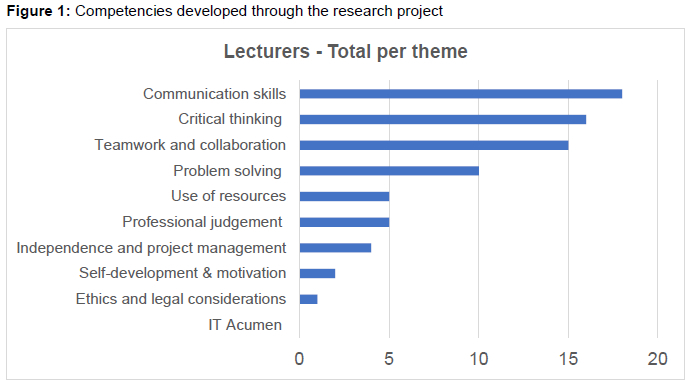
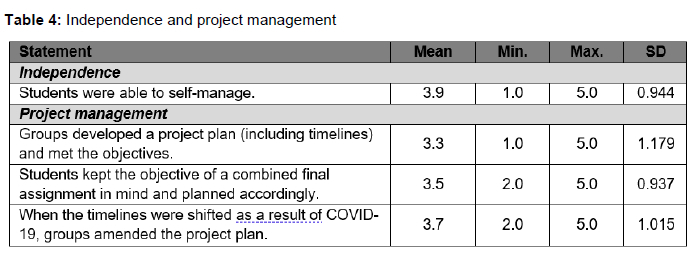
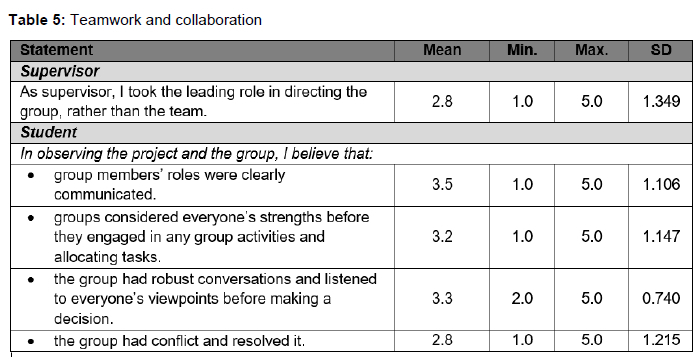
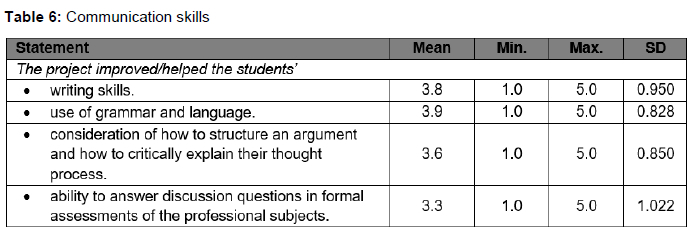
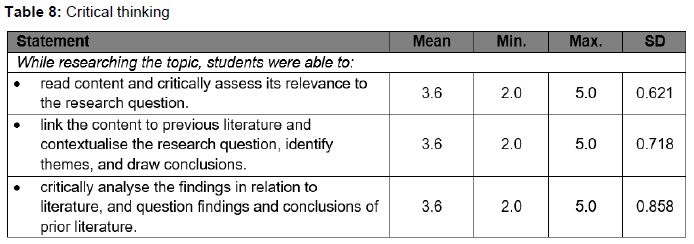
The work environment that Stellenbosch University (SU) accounting graduates enter is changing with the advent of technology. The Fourth Industrial Revolution requires new skills from accounting professionals. Professional bodies have responded by updating their competency frameworks, while higher education institutions (HEIs) are expected to respond by changing their teaching and learning approaches. The core focus of competency development is business, digital, relational, and decision-making acumen (South African Institute of Chartered Accountants SAICA 2021b), and focuses on both professional and technical skills. Even though several of these professional skills align with the graduate attributes aspired to be developed by HEIs (such as SU), this is still a significant departure from traditional thoughts about accounting pedagogy, where much of the focus is on passing external assessments set by professional bodies. This is not the only change that accounting academics must make. The accounting profession is not known for research, nor postgraduate studies. As a result, until recently, many accounting academics have not had the opportunity to conduct or supervise research. The entire SU BAcc(Hons) programme class of 2020 completed a large integrated research project by researching a self-defined research problem and documenting the results. These students have never been required to complete any large group research project before, and consequently were able to develop new skills. The students were for the first time required to, inter alia, decide on a research problem, develop and justify a methodology, execute the research, and communicate the findings. It was also the first time that many of the lecturers acted as supervisors. This presented a unique opportunity to obtain an understanding of the lecturers' perceptions of whether the inclusion of the large-scale group research component (as a learning tool) assisted students in attaining the competencies required by the research development framework (Vitae®© 2010) together with the updated SAICA competency framework (SAICA 2021b). The results were used to understand the effectiveness of the group research project in developing competencies not currently addressed by traditional learning tools used to educate aspiring professional accountants. The results indicate that a research project develops skills (such as communication, problem-solving, critical thinking, and collaboration skills) not normally developed at such a large scale, nor over a sustained period of time. The results highlight the importance of correct positioning of the project to develop professional competencies as opposed to technical competencies. This positioning is important for students and staff, since it appears that there are some lecturers who still believe that the focus should remain on passing the professional standard setting assessments (i.e., short-term view), rather than developing competencies (such as argumentative communication skills) that could aid the students' career in the long term.
accounting education; professional skills; research project
 Thumbnail