Quality assurance of doctoral thesis assessment at South African universities: A systematic literature review
Abstract
In South Africa, the assessment of doctoral theses should follow structured processes that ensure fair, consistent, and rigorous evaluation of research outputs. The quality and integrity of doctoral thesis assessment processes depend on robust assessment systems, appropriate examiner selection, and the consistent application of assessment criteria across universities. The objective of the study was to ascertain the challenges faced by both universities and students regarding the quality of doctoral thesis assessments. The appointment of suitable examiners and the production of examiners' reports are among the most critical aspects of assessment. The assessment process comprises written reports from examiners who are supposed to assess the thesis on institutionally set criteria. However, the literature reveals notable variation in assessment criteria across institutions. Such discrepancies pose a significant barrier to maintaining assessment quality. More specifically, any variance in how examiners apply criteria can lead to inconsistent evaluation outcomes. The examination process can become very protracted by delaying final decisions, often resulting in delayed graduation. The PRISMA methodology was used to execute a systematic literature review. Three library databases were used to identify 71 articles, where the advanced search function was used to deploy keywords employing Boolean operators. The inclusion criteria were journal articles published from 2019 to 2024. After screening the abstracts of all the articles, 21 articles were found to be relevant to this study. Using thematic analysis, the research findings were teased out to provide a clear understanding of the quality of assessments and the challenges they pose. The key findings included a lack of standardisation of assessment criteria across institutions, inconsistencies in examiner reports for the same thesis, and inconsistent application of set criteria, including institutional criteria independent of the examiners and subjective criteria dependent on the examiners. This study recommends establishing a community of practice of examiners within faculties, in which appointed examiners are inducted and offered the opportunity to discuss and develop a shared understanding of the assessment framework for doctoral examination, including the interpretation of criteria and expectations.
doctoral thesis assessment; assessment quality; examiners' reports
INTRODUCTION
As the highest academic qualification, the doctorate signifies a candidate's ability to conduct independent and original research. Given South Africa's ambition to increase the number of doctoral graduates from around 3000 to 5000 annually by 2030, the quality of doctoral assessments should be a focal point of academic discourse, centred on the quality and consistency of doctoral thesis assessments. Institutional responses to ramp up doctoral production have raised concerns about the quality of doctoral qualifications in South Africa (Ramlall, Singaram and Sommerville 2020, 130). The study aimed to identify the key quality challenges arising from the examination of doctoral theses. To identify the challenges, a systematic literature review was conducted to explore previous studies on doctoral thesis examination at South African universities and at universities abroad for benchmarking purposes. By synthesising the findings of relevant studies, recommendations were made to enhance the quality of doctoral thesis examinations.
Hodgson (2020,51) is of the view that the examination of a doctoral thesis is a crucial milestone in a student's demanding journey, where their research thinking and writing are assessed by experts and writing the doctoral thesis can be one of the most challenging aspects due to the complex mix of practical, intellectual and emotional struggles and transformations unique to doctoral experience. Poole (2015, 1518) suggests that common characteristics of doctoral quality include the student's ability to engage with the discipline's literature, to use its theoretical foundations to create new knowledge, and to theorise research findings in a meaningful and creative manner, while adhering to research ethics and principles. Hence, doctoral students must ensure that their work makes a significant and meaningful contribution to the field in which it is conducted, advancing knowledge, addressing key gaps, pushing the boundaries of existing research, and maintaining the highest standards of quality (van Schalkwyk et al. 2020, 1).
The significance of doctoral studies has expanded beyond academia (Byram and Stoicheva 2020, 1-2). Doctoral education has become a priority in many countries, driven by the goal of increasing the number of doctoral graduates to establish nations as knowledge societies and economies, or to gain a competitive edge in the global knowledge economy (Bao Kehm and Ma 2018, 1). McKenna (2019, 1) asserts that globally, the demand for doctoral education has surged, driven by a correlation between a country's economic stability and the number of individuals with doctoral qualifications. Higher Education institutions (HEIs) have focused on massification, prompting concerns from government, industry and society about the quality and inadequacy of HEIs in preparing students for professional practice (Halibas et al. 2020, 917). Temoso and Myeki (2022, 207) express that South African universities are under increasing pressure to enhance their outputs with fewer resources while also addressing institutional and structural inequalities to improve doctoral graduation rates. Faller et al. (2023, 94) argue that although the goal of increasing the number of South African doctorate graduates from 54 to 100 per million citizens in 20 years is admirable, there are concerns that prioritising quantitative targets may undermine the safeguarding or improvement of quality. Yudkevich, Altbach and de Wit (2020, 14) argue that as universities globalise the quality of doctoral education must adapt to meet the evolving demands of changing labour markets and the global revolution in knowledge production with critics highlighting issues such as outdated models, long completion times, high dropout rates, limited interdisciplinarity and internationality, inadequate skills for a diverse labor market, declining quality and ineffective assessment practices due to budget cuts.
While the quality discourse on doctoral education focuses on the quality of doctorates, emphasising global competitiveness, international mobility, the knowledge economy, and high-level research skills, raising questions about quality assurance in terms of both processes and outcomes is imperative (Du Preez and Simmonds 2016, 342). Therefore, the quality of a doctoral study demands that students produce a substantial and original contribution to their field underpinned by thorough research and validated through rigorous assessments, ensuring both academic integrity and practical relevance.
South African universities operate within a regulatory framework that seeks to balance institutional autonomy with national quality assurance mechanisms. According to the Council on Higher Education (2022, 1), a national review of doctoral qualifications in South Africa, conducted jointly with the National Research Foundation (NRF), focused on the following key areas.
The NRF, as part of its Human Capital Development (HCD) mandate, funds doctoral studies but requires assurance of their quality across public and private universities.
While increasing the number of doctoral graduates is important, the primary focus is on maintaining high-quality standards.
Quality assurance impacts international comparability research output and national capacity to address global and local challenges in a knowledge-driven economy.
Achieving a doctoral degree is recognised as a significant academic milestone certifying researchers' ability to conduct independent research, with the thesis undergoing rigorous examination and, in some cases, a defence, prompting universities to prioritise quality and maintain high standards due to the high stakes involved (Chetcuti, Cacciottolo and Vella 2022b, 1358). The South African Qualification Standard for doctoral degrees emphasises the graduate's attributes, assessing both the completion of an acceptable thesis and the impact of their scholarship in advancing a field, to produce a researcher capable of contributing to an established research community (Faller et al. 2023, 94).
Concerns persist regarding variability in assessment criteria, examiner reliability, the role of external examiners and the extent to which doctoral assessments effectively measure research competence. Council of Higher Education. (2022, 7) explain that the Doctoral Standard of the CHE mandates that institutions establish assessment policies with criteria:
For selecting examiners who ensure expertise in the research area, independence, integrity, fairness, reliability and rigour in the examination process.
For coordinating and approving examiners' reports and responsibility for awarding the degree.
For conducting oral examinations when included in the final assessment process.
For provisions and procedures for appealing examination decisions.
According to Starfield et al. (2017, 3), examiners evaluate the doctoral thesis independently, responding to questions such as:
Does the thesis present a well-organised and comprehensive investigation of the selected topic?
Does the thesis address the topic with adequate scope and depth to fulfil the doctorate requirements?
Does the thesis offer an original contribution to knowledge in the field and include material suitable for publication in a relevant academic journal?
Does the thesis adhere to internationally recognised standards for research conduct and presentation in the field?
Does the thesis show a deep understanding of the relevant literature in both the subject and broader field, along with the candidate's ability to critically analyse and evaluate that literature?
Does the thesis demonstrate a strong command of the appropriate methodology and/or theoretical framework?
Hodgson (2020,54) further highlights the following expectations of a doctoral thesis:
A comprehensive understanding and critical engagement with the literature demonstrating a clear connection between the literature, research findings and a consistent disciplinary perspective.
A deep understanding and application of theory and method showcasing the ability to generate original insights and contribute meaningfully to their field.
A coherent development of a compelling argument.
An original contribution to knowledge and consistent use of theory and method.
the ability to synthesise information, which may include evidence of published work in reputable journals.
A critical self-reflection and assessment of the student's own work.
The examination process also involves an element of subjectivity, with examiners potentially serving as gatekeepers to their academic community, sometimes displaying bias towards candidates who share their ideologies, and the roles of examiners have been scrutinised for their impact on the content and purpose of the examination report (Ramlall et al. 2020, 132). Sharmini and Kumar (2018, 673) similarly note that examiners assess the thesis based on institutional criteria and their professional judgment to evaluate the quality of scholarship and act as "gatekeepers" to ensure the candidate meets acceptable standards.
Guerin and Aitchison (2021, 629) and Wilkins, Hazzam, and Lean (2021, 1) contend that the ability to articulate and defend research findings is essential in the thesis, and publishing therefrom is a moral responsibility.
OBJECTIVEThe objective of this study was to examine the quality challenges arising from doctoral thesis examinations at South African universities.
METHOD
This study employed a Systematic Literature Review (SLR) approach guided by the Preferred Reporting Items for Systematic Reviews and Meta-Analyses (PRISMA) framework. Andreini and Bettinelli (2017, 2) define an SLR as a reliable and scientific overview of existing research on a topic, aimed at identifying, appraising, and synthesising relevant studies through a transparent and replicable process, with clearly defined protocols for literature search, inclusion and exclusion criteria, and analytical methods to ensure an audit trail. More specifically, according to Kraus, Breier, and Dasí-Rodríguez (2020), the SLR seeks to answer a specific research question. This study addresses the question, "What are the key factors influencing the quality of doctoral assessments?"
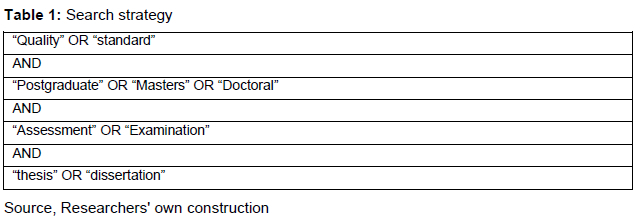
Keywords essential to addressing the research objective and question were combined using Boolean operators such as "AND" and "OR" to refine or expand search results, as detailed in Table 1.
The EBSCOhost, African Journal Online, and Google Scholar databases were searched for relevant articles. The inclusion criteria were Year of publication (2019-2024); Language (English); Article type (Journal full text).
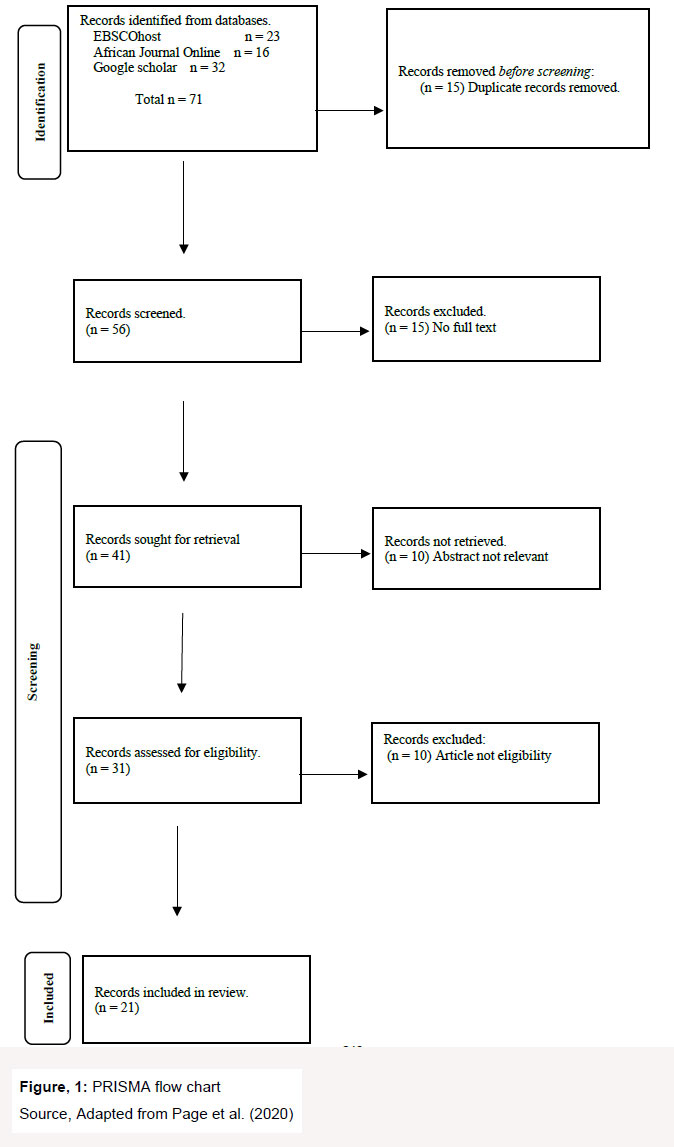
DATA COLLECTIONFigure 1 depicts the SLR identification, screening, and inclusion phases for transparency and reproducibility. Seventy-one records were identified in the three databases.
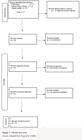
A detailed protocol outlining the inclusion and exclusion criteria, data extraction procedure, and evaluation guidelines was established to ensure consistency and minimise subjectivity throughout the review process. The review involved searching three key databases relevant to the study, yielding 71 records. After removing 15 duplicates, 15 articles were excluded due to the absence of full text, 10 were excluded because their abstracts were not relevant, and 10 were excluded based on eligibility criteria, resulting in 21 articles being included in the final systematic literature review through the selection process. Each article was carefully evaluated for its relevance, quality, and contribution to the research topic. These articles covered a range of perspectives, methodologies and findings, ensuring a comprehensive analysis of the subject matter. The inclusion of these articles was based on criteria such as publication date, full text availability, impact within the field, and methodological rigor, allowing for a well-rounded and insightful examination of the literature.
The literature from the 21 articles was first imported into NVivo version 12 and organised into nodes for efficient management. The data was then coded by linking relevant sections to the appropriate nodes. Through this coding process, themes emerged that were further explored using NVivo's query and visualisation tools, including text searches and word-frequency queries. Finally, the identified themes were extracted and reported with a visual bubble chart and a word cloud used to present the findings. By synthesising and critically assessing a wide range of studies, important insights into the current state of research in this field were obtained. Inter-rater/coder reliability in the SLR process was maintained by having two researchers independently code the data with regular checks for consistency and agreement throughout the analysis. Trustworthiness was ensured by clearly formulating the research question(s), defining inclusion and exclusion criteria, selecting databases and keywords, and establishing methods for data extraction and synthesis, all of which promoted consistency and minimised research bias.
RESULTS
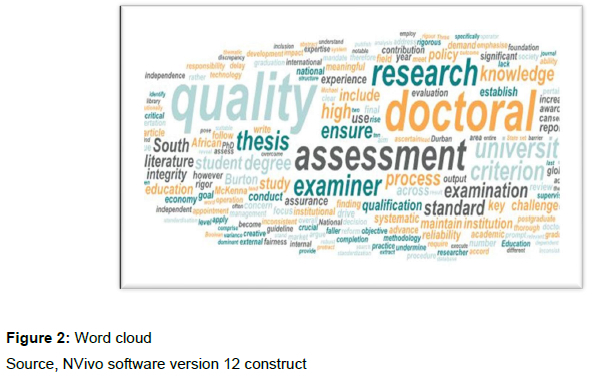
Figure 2 presents a cloud diagram that visually represents text data, with word sizes varying by frequency, offering an intuitive overview of prominent terms. Larger fonts indicate higher frequency. This tool is useful for identifying key themes and focus areas by emphasising the prominence of specific words within a text or dataset.
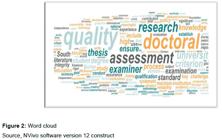
The word cloud was created by analysing word frequencies in the literature using the Microsoft Word cloud add-in. The predominant words arising from the SLR were doctoral research, quality assessment, examiner, examination, qualification, and thesis standard. These keywords helped formulate the themes. In qualitative studies, the results sections are often structured around themes to aggregate and compare findings from individual studies.
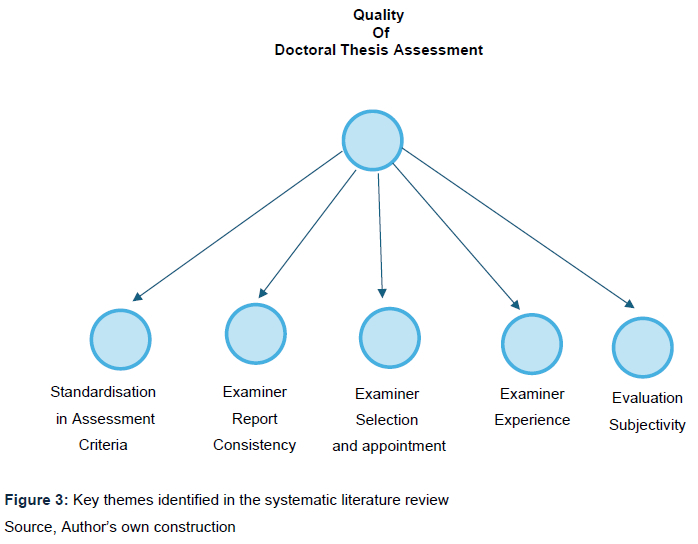
Figure 3 highlights the key themes identified in the systematic literature review.
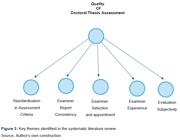
Figure 3 illustrates the five key themes extracted from NVivo version 12, identified through a systematic coding process and further analysed using query and visualisation tools to capture the most significant patterns and insights from the data.
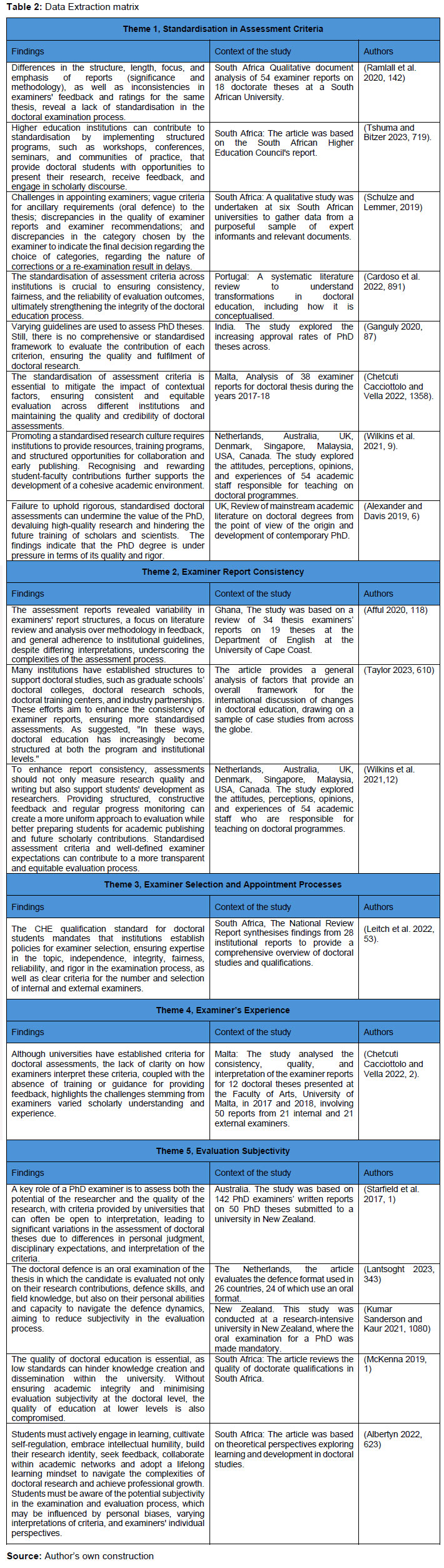
The themes extracted from the SLR are further explained in the data extraction matrix depicted in Table 2.
DISCUSSION AND RECOMMENDATIONS
This systematic literature review examined challenges associated with doctoral dissertation assessment and their implications for quality education in South African HEIs. The findings indicate that inconsistencies in doctoral assessment practices may undermine the quality, credibility, fairness, and comparability of doctoral qualifications across institutions. Given the strategic role of doctoral education in developing research capacity, innovation, and academic excellence in South Africa, ensuring rigorous and equitable assessment processes is fundamental to maintaining quality higher education.
Lack of Standardisation in Doctoral Assessment
The systematic literature review found that doctoral assessment practices are not consistently standardised across institutions. Variations in assessment frameworks, criteria, and evaluation procedures create differences in how doctoral dissertations are judged. Within the South African higher education context, such inconsistencies may affect the comparability of doctoral qualifications and raise concerns regarding the maintenance of national quality standards.
Doctoral dissertation assessment is a critical quality assurance mechanism because it determines whether candidates have demonstrated the advanced research competencies required at doctoral level. Where assessment criteria are inconsistently applied, the reliability and validity of assessment outcomes may be compromised. The findings therefore suggest a need for greater alignment of assessment frameworks and evaluation criteria across South African HEIs to strengthen the quality and credibility of doctoral qualifications.
Inconsistent Examiner Reports
The systematic literature review identified significant variation in examiner reports, with differences in expectations, interpretations of assessment criteria, and evaluation standards. In the South African context, inconsistent examiner reports may result in unequal treatment of doctoral candidates and uncertainty regarding the standards expected for successful completion of a doctorate.
Consistency in examiner reporting is essential for quality education because it contributes to fairness, transparency, and reliability in assessment practices. When examiners apply divergent standards, assessment outcomes may depend more on individual interpretation than on the quality of the dissertation itself. Strengthening assessment guidelines and clarifying examiner expectations could enhance consistency and improve confidence in doctoral assessment outcomes.
Bias in Examiner Selection and Appointment Processes
The systematic literature findings revealed concerns regarding potential bias in examiner selection and appointment processes. Factors such as professional networks, institutional affiliations, and disciplinary relationships may influence examiner selection, potentially affecting the objectivity of doctoral evaluations.
From a quality assurance perspective, transparent and equitable examiner appointment processes are necessary to maintain the integrity of doctoral assessment. South African HEIs are increasingly expected to demonstrate accountability, fairness, and adherence to ethical assessment practices. Addressing potential bias in examiner selection would strengthen confidence in doctoral examination processes and contribute to the broader goal of quality higher education.
Variation in Examiner Experience
The systematic literature review found considerable variation in examiner experience and expertise. While experienced examiners may possess a strong understanding of doctoral standards and disciplinary expectations, less experienced examiners may apply criteria inconsistently or struggle to evaluate complex research contributions.
The quality of doctoral assessment is closely linked to examiner competence. In South African HEIs, examiner training and mentorship may therefore play an important role in promoting consistency and enhancing assessment quality. Developing examiner capacity can contribute to more reliable assessment outcomes and support the production of high-quality doctoral graduates capable of contributing to national research and development priorities.
Subjectivity in Doctoral Evaluation
Subjectivity emerged as a recurring concern across the reviewed studies. Although some degree of academic judgement is inherent in doctoral assessment, excessive subjectivity may compromise fairness and consistency. Differences in disciplinary perspectives, personal preferences, and interpretations of quality can influence assessment decisions.
In the South African higher education sector, reducing unnecessary subjectivity is important for strengthening the credibility of doctoral qualifications. Structured assessment criteria, examiner training, and supplementary assessment mechanisms, such as oral examinations or defence processes, may enhance transparency and reduce variability in assessment outcomes. By promoting more objective evaluation practices, institutions can strengthen the quality assurance function of doctoral assessment and ensure that doctoral graduates meet nationally recognised standards of scholarly achievement.
Implications for Quality Higher Education in South Africa
Collectively, the systematic literature review findings demonstrate that doctoral dissertation assessment is not merely an administrative process but a critical component of quality assurance in higher education. Effective doctoral assessment contributes to the credibility of qualifications, the development of research excellence, and public confidence in the higher education system. Conversely, inconsistencies in assessment practices may undermine the quality and reputation of doctoral education.
Strengthening standardisation, examiner selection procedures, examiner development, and assessment transparency can therefore contribute significantly to enhancing the quality of doctoral education in South African HEIs. Such improvements align with national objectives of producing high-quality doctoral graduates who can contribute meaningfully to research, innovation, and socio-economic development.
LIMITATIONS AND FUTURE RESEARCHA limitation of this study is that it relied exclusively on published literature and did not incorporate primary qualitative data from doctoral students, supervisors, or examiners. As a result, the findings may not fully capture the lived experiences of stakeholders involved in doctoral assessment processes. Future research should therefore investigate the perspectives of doctoral candidates, supervisors, and examiners within South African HEIs. Such studies could provide deeper insight into assessment challenges and identify practical strategies for strengthening quality assurance in doctoral education.
REFERENCES
-
Afful, Joseph B. A. 2020. "The Discourse of Thesis Assessment Reports in a Disciplinary Community at the University of Cape Coast: An Exploratory Study." International Journal of Language, Literature and Gender Studies 9 (1): 117-134. https://www.ajol.info/index.php/laligens/article/view/195327.
» https://www.ajol.info/index.php/laligens/article/view/195327 -
Albertyn, Ruth. 2022. "Making a Case for Doctoral Intelligence: Conceptualisation and Insights for Researcher Development." Innovations in Education and Teaching International 59 (6): 623-633. https://doi.org/10.1080/14703297.2021.1899033.
» https://doi.org/10.1080/14703297.2021.1899033 -
Alexander, Deborah E., and Ian R. Davis. 2019. "The PhD System under Pressure: An Examiner's Viewpoint." Quality Assurance in Education 27 (1): 2-12. https://doi.org/10.1108/QAE-04-2018-0033.
» https://doi.org/10.1108/QAE-04-2018-0033 -
Andreini, Daniela, and Cristina Bettinelli, eds. 2017. Business Model Innovation: From Systematic Literature Review to Future Research Directions. Cham, Switzerland: Springer. https://doi.org/10.1007/978-3-319-53351-3.
» https://doi.org/10.1007/978-3-319-53351-3 -
Bao, Ying, Barbara M. Kehm, and Yanjun Ma. 2018. "From Product to Process: The Reform of Doctoral Education in Europe and China." Studies in Higher Education 43 (3): 524-541. https://doi.org/10.1080/03075079.2016.1182481.
» https://doi.org/10.1080/03075079.2016.1182481 -
Byram, Michael, and Mila Stoicheva, eds. 2020. The Doctorate as Experience in Europe and Beyond. New York: Routledge. https://doi.org/10.4324/9781351213585.
» https://doi.org/10.4324/9781351213585 -
Cardoso, Sonia, Sandra Santos, Sara Diogo, Diana Soares, and Teresa Carvalho. 2022. "The Transformation of Doctoral Education: A Systematic Literature Review." Higher Education 84: 885-908. https://doi.org/10.1007/s10734-021-00805-5.
» https://doi.org/10.1007/s10734-021-00805-5 -
Chetcuti, Denise, James Cacciottolo, and Norbert Vella. 2022a. "Achieving a PhD Degree: What Examiner Reports Tell Us about the Doctoral Examination Process." International Journal of Higher Education Pedagogies 3 (1): 1-12. https://www.um.edu.mt/library/oar/bitstream/123456789/105358/1/Achieving_a_PhD_Degree_What_Examiner_Reports_Tell_Us_about_the_Doctoral_Examination_Process_2022.pdf.
» https://www.um.edu.mt/library/oar/bitstream/123456789/105358/1/Achieving_a_PhD_Degree_What_Examiner_Reports_Tell_Us_about_the_Doctoral_Examination_Process_2022.pdf -
Chetcuti, Denise, James Cacciottolo, and Norbert Vella. 2022b. "What Do Examiners Look for in a PhD Thesis? Examiners Use Explicit and Implicit Criteria across Disciplines." Assessment & Evaluation in Higher Education 47 (8): 1358-1373. https://doi.org/10.1080/02602938.2022.2048293.
» https://doi.org/10.1080/02602938.2022.2048293 -
Council on Higher Education. 2022. Qualification Standard for Doctoral Degrees. Pretoria: Council on Higher Education. https://www.che.ac.za.
» https://www.che.ac.za -
Du Preez, Petro, and Shan Simmonds. 2016. "Higher Degree Committee Members' Perceptions of Quality Assurance of Doctoral Education: A South African Perspective." International Journal of Doctoral Studies 11: 341-365. https://doi.org/10.28945/3608.
» https://doi.org/10.28945/3608 -
Faller, Francis, Stephanie Burton, Andrew Kaniki, Alison Leitch, and Itumeleng Ntshoe. 2023. "Achieving Doctorateness: Is South African Higher Education Succeeding with Graduate Attributes?" South African Journal of Higher Education 37 (2): 93-108. https://doi.org/10.20853/37-2-5370.
» https://doi.org/10.20853/37-2-5370 -
Ganguly, B. B. 2020. "Perspectives of PhD Research: The Key Components for Assessing Its Quality." Journal of Medical Science 7: 86-89. https://doi.org/10.4103/mgmj.mgmj_39_20.
» https://doi.org/10.4103/mgmj.mgmj_39_20 -
Guerin, Cally, and Claire Aitchison. 2021. "Doctoral Writing and Remote Supervision: What the Literature Tells Us." Innovations in Education and Teaching International 58 (6): 624-634. https://doi.org/10.1080/14703297.2021.1991429.
» https://doi.org/10.1080/14703297.2021.1991429 -
Halibas, Al-exander S., Mehtab S. Al-Attili, A. Benjamin, R. Cordova, and M. E. L. Cruz. 2020. "A Thematic Analysis of the Quality Audit Reports in Developing a Framework for Assessing the Achievement of Graduate Attributes." International Journal of Educational Management 34 (5): 917-935. https://doi.org/10.1108/IJEM-07-2019-0251.
» https://doi.org/10.1108/IJEM-07-2019-0251 -
Hodgson, David. 2020. "Helping Doctoral Students Understand PhD Thesis Examination Expectations: A Framework and a Tool for Supervision." Active Learning in Higher Education 21 (1): 51-63. https://doi.org/10.1177/1469787417742020.
» https://doi.org/10.1177/1469787417742020 -
Kraus, Sascha, Matthias Breier, and José Dasí-Rodríguez. 2020. "The Art of Crafting a Systematic Literature Review in Entrepreneurship Research." International Entrepreneurship and Management Journal 16: 1023-1042. https://doi.org/10.1007/s11365-020-00635-4.
» https://doi.org/10.1007/s11365-020-00635-4 -
Kumar, Vijay, Lyn J. Sanderson, and Amardeep Kaur. 2021. "Investigating the Role of Convenors in the PhD Viva." Assessment & Evaluation in Higher Education 46 (7): 1080-1091. https://doi.org/10.1080/02602938.2020.1841092.
» https://doi.org/10.1080/02602938.2020.1841092 -
Lantsoght, Eva O. L. 2023. "Doctoral Defence Formats." Studies in Higher Education 48 (2): 343-355. https://doi.org/10.1080/03075079.2022.2137123.
» https://doi.org/10.1080/03075079.2022.2137123 -
Leitch, Alison, Stephanie Burton, Itumeleng Ntshoe, Andrew Kaniki, and Refilwe Ralebipi-Simela. 2022. Doctoral Degrees National Report: National Review of South African Doctoral Qualifications. Pretoria: Council on Higher Education. https://www.journals.ac.za/index.php/sajhe/article/view/5370.
» https://www.journals.ac.za/index.php/sajhe/article/view/5370 -
McKenna, Sioux. 2019. "South Africa Takes Steps to Ensure the Quality of Its Doctorates." The Conversation. https://theconversation.com/south-africa-takes-steps-to-assure-the-quality-of-its-doctorates-125774.
» https://theconversation.com/south-africa-takes-steps-to-assure-the-quality-of-its-doctorates-125774 -
Page, Matthew J., Joanne E. McKenzie, Patrick M. Bossuyt, Isabelle Boutron, Tammy C. Hoffmann, Cynthia D. Mulrow, et al. 2021. "The PRISMA 2020 Statement: An Updated Guideline for Reporting Systematic Reviews." BMJ 372: n71. https://doi.org/10.1136/bmj.n71.
» https://doi.org/10.1136/bmj.n71 -
Poole, Brian. 2015. "The Rather Elusive Concept of 'Doctorateness': A Reaction to Wellington." Studies in Higher Education 40 (9): 1507-1522. https://doi.org/10.1080/03075079.2013.873026.
» https://doi.org/10.1080/03075079.2013.873026 -
Ramlall, S., V. S. Singaram, and T. E. Sommerville. 2020. "Doctorates by Thesis and Publication in Clinical Medicine: An Analysis of Examiners' Reports." Perspectives in Education 37 (1): 130-147. https://doi.org/10.38140/pie.v37i1.4260.
» https://doi.org/10.38140/pie.v37i1.4260 -
Schulze, Salome, and Eleanor M. Lemmer. 2019. "The Administration of the Doctoral Examination at South African Higher Education Institutions." South African Journal of Higher Education 33 (2): 180-194. https://doi.org/10.20853/33-2-2966.
» https://doi.org/10.20853/33-2-2966 -
Sharmini, S., and Vijay Kumar. 2018. "Examiners' Commentary on Thesis with Publications." Innovations in Education and Teaching International 55 (6): 672-682. https://doi.org/10.1080/14703297.2017.1294491.
» https://doi.org/10.1080/14703297.2017.1294491 -
Starfield, Sue, Brian Paltridge, Robyn McMurtrie, Allyson Holbrook, Tony Lovat, Margaret Kiley, and Hazel Fairbairn. 2017. "Evaluation and Instruction in PhD Examiners' Reports: How Grammatical Choices Construe Examiner Roles." Linguistics and Education 41: 1-12. https://doi.org/10.1016/j.linged.2017.07.008.
» https://doi.org/10.1016/j.linged.2017.07.008 -
Taylor, Steven. 2023. "The Changing Landscape of Doctoral Education: A Framework for Analysis and Introduction to the Special Issue." Innovations in Education and Teaching International 60 (5): 606-622. https://doi.org/10.1080/14703297.2023.2237962.
» https://doi.org/10.1080/14703297.2023.2237962 -
Temoso, Omphile, and Lungile W. Myeki. 2023. "Estimating South African Higher Education Productivity and Its Determinants Using the Färe-Primont Index: Are Historically Disadvantaged Universities Catching Up?" Research in Higher Education 64: 206-227. https://doi.org/10.1007/s11162-022-09699-3.
» https://doi.org/10.1007/s11162-022-09699-3 -
Tshuma, Nkosinathi, and Eli Bitzer. 2023. "Complex Legacies and Prospects: Conceptualising Changes in South African Doctoral Education." Innovations in Education and Teaching International 60 (5): 714-724. https://doi.org/10.1080/14703297.2023.2237941.
» https://doi.org/10.1080/14703297.2023.2237941 -
Van Schalkwyk, Susan, Johann Mouton, Hannelie Redelinghuys, and Sioux McKenna. 2020. "A Systematic Analysis of Doctoral Publication Trends in South Africa." South African Journal of Science 116 (7/8): 1-9. https://hdl.handle.net/10520/EJC-1f5f4b10d8.
» https://hdl.handle.net/10520/EJC-1f5f4b10d8 -
Wilkins, Stephen, J. Hazzam, and Jonathan Lean. 2021. "Doctoral Publishing as Professional Development for an Academic Career in Higher Education." The International Journal of Management Education 19 (3): 100516. https://doi.org/10.1016/j.ijme.2021.100459.
» https://doi.org/10.1016/j.ijme.2021.100459 -
Yudkevich, Maria, Philip G. Altbach, and Hans de Wit, eds. 2020. Trends and Issues in Doctoral Education: A Global Perspective. New Delhi: Sage Publications. https://doi.org/10.4135/9789353885991.
» https://doi.org/10.4135/9789353885991