Centring well-being as an indicator of quality in the internationalisation of higher education
Abstract
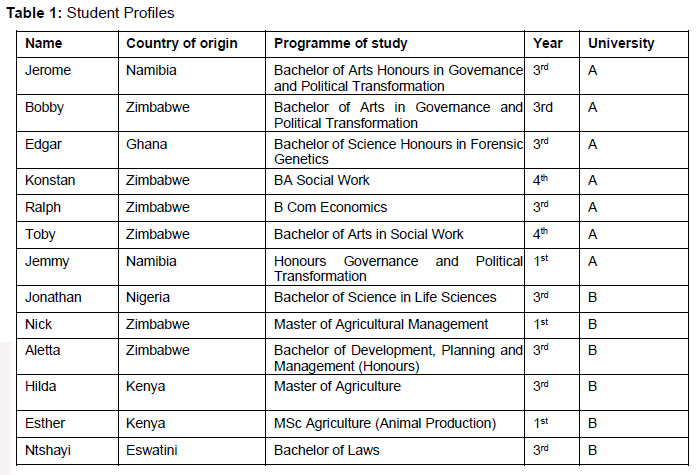
Over the past decade, student mobility within Africa has increased significantly, with South Africa emerging as a key destination for students from across the continent. This shift challenges traditional understandings of internationalisation, which have predominantly focused on South-North mobility, and calls for greater attention to the quality of internationalisation in African higher education. While universities increasingly pursue internationalisation strategies, less attention has been paid to what constitutes quality internationalisation from the perspective of those who experience it. Drawing on a qualitative study of staff and African international students at two South African universities between 2021 and 2022, this paper examines students' experiences. The findings show that institutional approaches to quality remain centred on academic provision and mobility, while limited attention is given to international students' well-being, sense of belonging, administrative experiences, and access to institutional support. We argue that quality internationalisation should be understood as more than the successful implementation of mobility initiatives or the achievement of institutional performance indicators. Rather, it should be evaluated in terms of the extent to which universities foster the well-being, belonging, and flourishing of both international students and staff. Positioning well-being as a central indicator of quality offers a more holistic and human-centred understanding of internationalisation in African higher education.
African international students; internationalisation of higher education; quality; well-being