Towards AI learning ecosystems: A domino effect framework for generative AI tutoring in mathematics
Abstract
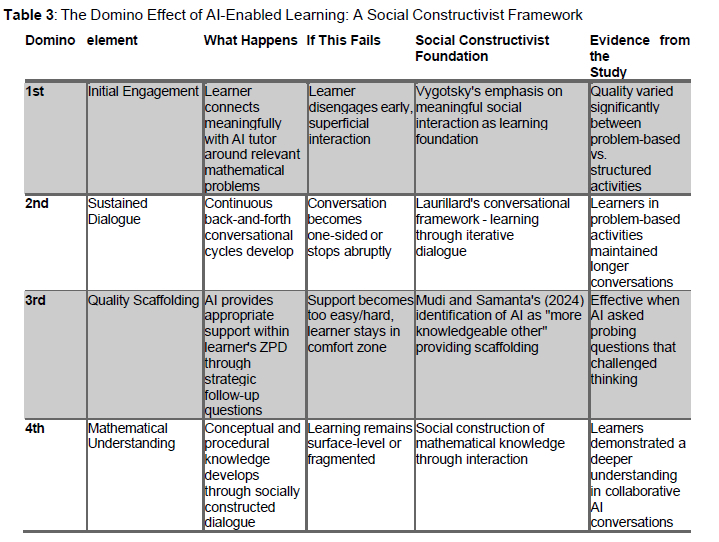
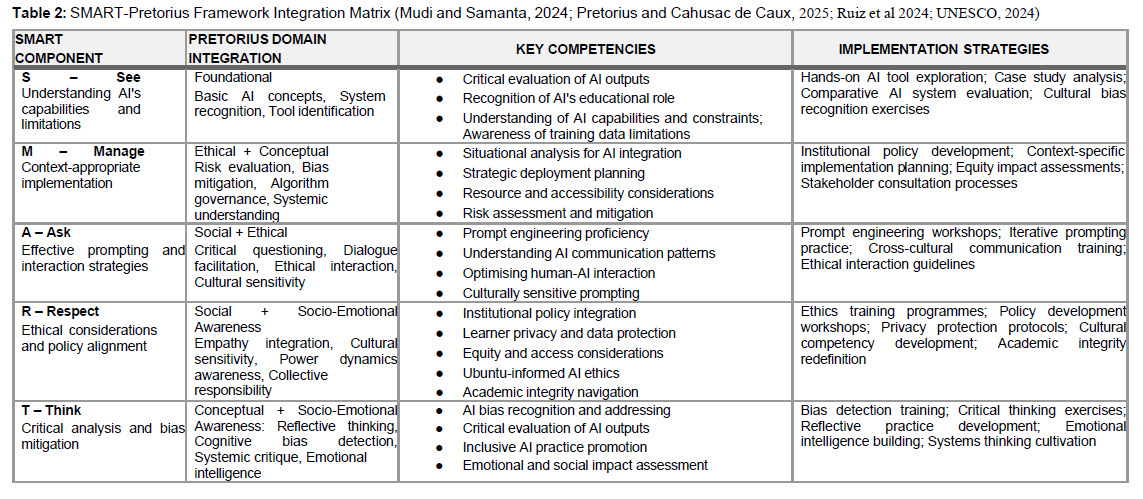
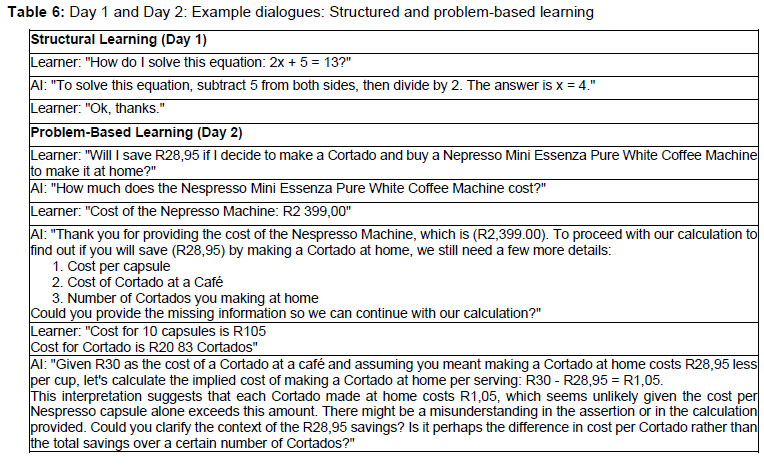
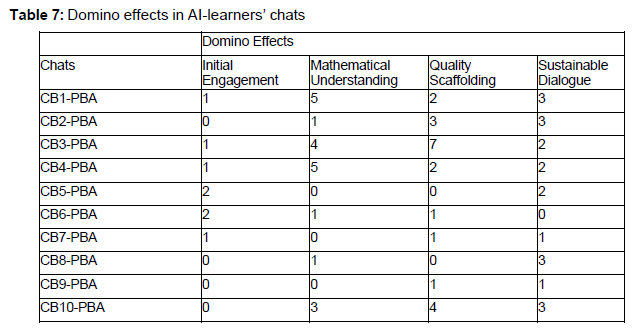
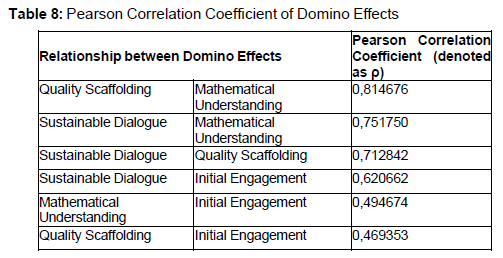
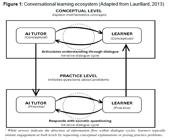
The Sustainable Development Goal 4 commitment to inclusive and equitable quality education by 2030 requires substantial educational system transformation, including addressing a fifteen-million teacher shortfall in sub-Saharan Africa. Generative AI (genAI) tutoring is increasingly proposed as part of the response, yet institutional approaches to AI in education frequently default to restriction and detection rather than pedagogical integration, foreclosing the conditions under which AI might extend rather than substitute for teachers. This qualitative study examines how curriculum design shapes the pedagogical role that genAI tutoring can play, drawing on classroom-based research in a Grade 9 mathematics class at a South African public high school. Integrating Vygotsky's Zone of Proximal Development, Laurillard's Conversational Framework and a critical AI literacy model (SMART), the study analyses 40 AI-learner chat transcripts through Computational Grounded Theory, contrasting structured learning and problem-based learning contexts. Findings are formalised as a Domino Effect Framework in which initial engagement, sustained dialogue, quality scaffolding and mathematical understanding constitute a sequential cascade activated by problem-based contexts and foreclosed by structured ones. The study argues that institutional transformation toward problem-based curriculum design, supported by critical AI literacy development in both learners and teachers, is a prerequisite condition for AI tutoring to contribute to educational equity in resource-constrained Southern contexts. Implications for curriculum redesign, professional development and assessment are advanced for educational systems navigating the transition from restrictive to integrated AI learning.
Generative AI; assessment design; problem-based learning; critical AI literacy; Zone of Proximal Development; Conversational framework
 Thumbnail
 Thumbnail
 Thumbnail
 Thumbnail
 Thumbnail
 Thumbnail
 Thumbnail