Application of High-Chitin Yeast Cell Wall Hulls to Mitigate Protein Haze in White Wine
Abstract
Protein haze formation remains a challenge in white wine production due to its detrimental effect on visual clarity and consumer acceptance. Bentonite fining, the industry standard for protein stabilisation, is effective but has several limitations, including the non-selective removal of desirable aroma and flavour compounds, increased lees volume and associated wine yield losses. Bentonite use also raises sustainability concerns, as it is a non-renewable clay mineral and its mining is linked to land degradation and energy-intensive extraction. In white wine, protein haze is primarily induced by pathogenesis-related (PR) proteins, notably thaumatin-like proteins and chitinases, the latter of which is most prone to aggregation upon heat exposure. Recent studies have demonstrated that chitin-rich yeast cell walls can selectively bind grape-derived chitinases, facilitating their removal from wine. In this study, yeast hulls derived from Saccharomyces cerevisiae wine yeast mutant strains selected for increased cell wall chitin levels and enhanced chitinase-binding capacity were evaluated for their ability to reduce protein haze in Sauvignon blanc wines. The data show that such hulls can reduce chitinase levels in the wine matrix. However, the reduction in haze formation potential after cell wall treatment was not linearly correlated with cell wall chitin concentration, suggesting that other cell wall features contribute to haze protection. The data suggest that high-chitin yeast hulls represent a promising tool to reduce or, in some cases, eliminate the need for bentonite fining, with potential benefits for process efficiency, wine quality preservation and environmentally conscious production.
Saccharomyces cerevisiae; yeast hulls; chitinases; protein haze formation; haze reduction; Sauvignon blanc; alternative fining; bentonite reduction
INTRODUCTION
Winemaking continuously integrates technical and practical innovations while also reclaiming traditional methodologies. These innovations serve to enhance the taste, aroma and mouthfeel quality and diversity of wine, reduce resource input and processing time, and improve overall production sustainability (Lekics, 2021). A persistent challenge is the formation of protein haze, which compromises the visual clarity of white wine and affects consumer perception and market value (Muhlack et al., 2006; Silva-Barbieri et al., 2022). Traditionally, fining agents such as bentonite, polyvinylpolypyrrolidone, gelatine and proteins derived from egg whites have been employed to mitigate protein instability in white wine (Chagas et al., 2012). However, these agents exhibit several limitations, including the non-selective removal of compounds within the wine matrix, incompatibility with vegan or allergen-free production standards, and increasing concerns surrounding sustainability (Kemp et al., 2022). Alternative approaches, such as enzymatic hydrolysis, heat treatment and ultrafiltration, have been proposed as innovative strategies to prevent protein haze formation, but these methods also have significant drawbacks. For instance, enzymatic hydrolysis relies on proteases, which are proteins themselves and may inadvertently contribute to instability if not carefully dosed. Moreover, these techniques often require additional processing steps, specialised equipment and increased labour input, which may limit their practicality and cost-effectiveness in commercial winemaking contexts (Liu et al., 2023). Consequently, there is increasing interest in alternative fining strategies that promote wine protein stability while preserving wine quality and aligning with environmental and consumer expectations (Sommer & Tondini, 2021; Kemp et al., 2022).
Protein haze in white wine is primarily induced by heat-unstable pathogenesis-related (PR) proteins, particularly thaumatin-like proteins (TLPs) and chitinases, which are resistant to proteolytic degradation during winemaking and aggregate under thermal stress (Waters et al., 2005). Chitinases denature and aggregate at comparatively low temperatures, making them a key haze-forming species (Falconer et al., 2010; Jaeckels et al., 2016).
Importantly, haze formation remains a concern post-bottling. During bottle ageing, factors such as temperature fluctuations, oxygen exposure and light can destabilise the wine matrix, triggering protein aggregation (Waters et al., 2005; Dufrechou et al., 2012). Once haze appears in the bottle, it cannot be corrected, making preventative stabilisation measures essential prior to bottling (Pocock & Waters, 2006; Silva-Barbieri et al., 2022).
Bentonite, a widely used clay-based fining agent, remains the most common solution for haze prevention. The disadvantages associated with bentonite fining include negative impacts on wine quality, wine loss (3% to 10%), exorbitant handling and disposal costs, and safety and environmental concerns (Lagori et al., 2025).
Recent studies have explored the use of yeast cell wall chitin as a biological fining agent. Ndlovu et al. (2018) demonstrated that chitinases bind to chitin in yeast cell walls. Following on from this work, several high-chitin Saccharomyces cerevisiae mutant strains were derived from the commercial wine yeast strain VIN13 by using random mutagenesis and a successive enrichment strategy (Chuene et al., 2024). These high-chitin mutants can reduce haze potential in white wine, through decreased chitinase activity, when used as the fermenting strain. Here we assess the impact on wine haze potential using yeast cell wall hulls derived from these high-chitin strains when used as additives at different stages of the fermentation process.
The study therefore aims to determine whether yeast cell wall hulls produced from these high-chitin strains can reduce the haze potential of white wine and reduce bentonite requirements, while evaluating their potential as an alternative to traditional fining agents.
MATERIALS AND METHODS
The isolation of high-chitin mutants of S. cerevisiae VIN13 (Lallemand, South Africa) has been described in Chuene et al. (2024) and is listed in Table 1.
Growth conditions and media
Yeast pre-cultures were grown overnight at 30°C in 10 mL of yeast peptone dextrose (YPD) broth under constant agitation (120 rpm) until the early exponential phase. For growth kinetic experiments, each biological replicate (100 mL flask of fresh YPD medium) was independently inoculated with its corresponding pre-culture to an initial OD600 of 0.1. Samples were collected every two hours over a 16-hour period and measured using a Jenway Genova Bio spectrophotometer (Cole-Parmer, Staffordshire, UK).
The growth kinetics of S. cerevisiae VIN13 and the HCS mutant strains were monitored by measuring OD600 at two-hour intervals over a 16-hour period. The maximum specific growth rate (pmax) was calculated for each biological replicate as:

where N0 and N1 represent OD600 values at time points t0 and t1, respectively (Solieri et al., 2016). For each replicate, μ was calculated across consecutive two-hour intervals of the growth curve, and the highest value obtained was taken as μmax, reflecting the exponential phase of growth. The pmax values were averaged across three biological replicates per strain and means were compared using Tukey's test (Table 2).
Flow cytometry and chitin quantification
S. cerevisiae VIN13 and high-chitin mutant strains (HCS) were streaked from glycerol stocks onto Wallerstein Laboratory (WL) nutrient agar (Sigma-Aldrich, Cape Town, South Africa). Single colonies were pre-cultured overnight in 10 mL of YPD broth at 30°C with constant agitation (120 rpm). Each 100 mL flask containing fresh YPD medium was inoculated to an initial OD600 of 0.1 using the overnight pre-cultures. Cultures were incubated at 30°C for 24 hours with shaking, and 1 mL samples were collected every six hours to monitor biomass accumulation and assess chitin levels at different growth phases.
At each sampling point, cells were harvested by centrifugation (3 000 × g, 5 min), washed twice with phosphate-buffered saline (PBS, pH 7.4), and resuspended in 1mL PBS. Samples were diluted as needed to a working concentration of approximately 106 cells/mL prior to staining and flow cytometric analysis. For chitin staining, 10 pL Calcofluor White (CFW; Sigma-Aldrich) and 10 pL of 10% KOH were added to the cell suspension, mixed gently and incubated for five to 10 minutes at room temperature in the dark. Fluorescence intensity (excitation 405 nm, emission 450 nm) was measured using a CytoFLEX flow cytometer (Beckman Coulter, Brea, CA, USA). Chitin content was inferred from average fluorescence intensity per cell, and mutant strains were compared to each other to confirm consistency in elevated chitin levels relative to the VIN13 wild type.
Production of yeast hulls
Single colonies of S. cerevisiae VIN13 and the high-chitin mutants HCS2, HCS3, HCS5 and HCS6 were each inoculated into 10 mL of YPD broth and pre-cultured overnight for 16 hours at 30°C, with agitation at 120 rpm. Each pre-culture was then used to inoculate 100 mL of fresh YPD broth to an initial OD600 of 0.1, and cultures were incubated at 30°C with agitation at 120 rpm until reaching the early exponential phase. Cultures were then scaled to 1.5 L YPD broth at an initial OD600 of 0.1 and incubated under the same conditions until a final OD600 of 20 was achieved. This is the maximal density attainable across strains with different growth dynamics.
Cells were harvested by centrifugation (3 000 x g, 5 min), washed three times with 0.9% saline to remove residual media, and resuspended in distilled water. Thermolysis was induced by incubating the suspensions at 55°C for 24 hours. Lysates were centrifuged to remove soluble proteins and nucleic acids. The resulting yeast hulls were frozen at -80°C and subsequently freeze-dried using an Alpha 3-4 LSC freeze dryer (Christ, Germany) over three days (Núñez et al. 2008; Tangüler & Erten, 2009; Jacob et al., 2019). Dried hulls were stored at -20°C until use.
DNA and protein analysis
After thermolysis, cells were harvested by centrifugation (3 000 × g, 5 min), the supernatant was collected and 1 μL to 2 μL were analysed for nucleic acid content using a NanoDrop microvolume spectrophotometer (ThermoFisher Scientific, USA) to assess DNA concentrations before and after thermolysis. Protein concentrations were determined using the Pierce™ Bradford Plus Protein Assay Kit (ThermoFisher Scientific, USA) per the manufacturer's instructions. Samples were centrifuged prior to analysis (3 000 × g, 5 min) and supernatants were used to assess protein levels before and after thermolytic treatment.
Yeast hull rehydration
Yeast hulls were rehydrated and added to fermentation trials at a concentration of 300 mg/L, following established industry practices for yeast-derived fining agents (Ribéreau-Gayon et al., 2006; Jackson, 2014; Scott Laboratories, 2023). Prior to addition, hulls were weighed and homogenised using a vortex mixer (Sigma-Aldrich) in grape must at a 1:20 ratio (hulls:must, w/v) to ensure uniform dispersion and then added to the fermentation. This dosage aligns with concentrations commonly used for yeast-based supplements in commercial winemaking (Nicolini et al., 2004).
Chitinase enzyme assay
Chitinase activity was evaluated using a commercial chitinase assay kit (Sigma-Aldrich, St. Louis, MO, USA), employing 4-nitrophenyl N-acetyl-ß-D-glucosaminide as the substrate. Assays were conducted on the pre-fermentation juice and the final bottled wine. As a reference control, commercial chitinase (Sigma-Aldrich, Cape Town, South Africa) was dissolved in PBS at a concentration of 0.2 mg/mL. Following centrifugation (2 min at 1 300 × g), the supernatant was incubated at 37°C for 30 minutes, after which the reaction was stopped by the addition of sodium carbonate and enzymatic activity was assessed by quantifying the yellow p-nitrophenol product at 405 nm using a spectrophotometer. Chitinase activity was calculated using the following equation:

where A405sample and A405blank represent the absorbance of the sample and blank at 405 nm, respectively; A405sample is the absorbance of the standard solution at 405 nm; 0.05 is the concentration (μmol/ mL) of p-nitrophenol in the standard solution; 0.3 is the final reaction volume (mL) following the addition of the stop solution; DF is the dilution factor applied to the original chitinase enzyme or biological sample; time is the reaction incubation time in minutes; and Venz is the volume of the enzyme/sample used (mL).
Winemaking
A total of one ton of Sauvignon blanc grapes was obtained from a haze-prone vineyard block identified by the Koöperatiewe Wijnbouwers Vereniging van Suid-Afrika (KWV). Following standard vinification protocols, the grapes were crushed, destemmed and pressed. Sulphur dioxide (50 mg/L) and a pectolytic enzyme (0.5 g/L Rapidase Clear, Anchor Oenobrands, South Africa) were added to 500 L of pressed juice (21.3°Brix, YAN 454.96 mg N/L). After a two-day settling period at low temperature, the clarified juice was racked into 20 L stainless steel canisters, each filled to5L due to limited juice availability. The juice was inoculated with a wet culture of S. cerevisiae VIN13 at an OD600 of 0.1 and fermented at 15°C. Fermentation kinetics were monitored weekly via °Brix measurements until dryness was reached. In addition to the inoculated treatments, a spontaneous fermentation control (Spon), relying on the native microflora present on the grapes and in the cellar environment without deliberate yeast inoculation, was included using the same juice and canister setup described above. Upon completion, the fermentations were cold stabilised at -4°C for one month to enhance tartrate precipitation and wine clarity prior to bottling. The stabilised wine was bottled in 750 mL glass bottles, sealed with tamper-evident aluminium closures and stored at 15°C until further analysis. This wine is henceforth referred to as SB1.
In addition, a commercially vinified Sauvignon blanc wine produced at Diemersdal Wine Estate using S. cerevisiae VIN13 yeast was obtained as an unfined tank sample directly following the completion of primary fermentation to assess the post-fermentation haze-reduction efficacy of the high-chitin VIN13 yeast hulls. This wine is referred to as SB2.
Addition of high-chitin yeast hulls
High-chitin yeast hulls derived from mutant S. cerevisiae VIN13 strains were resuspended in 20 times their weight of fermenting grape must to facilitate homogenisation. The hulls were added during fermentation on day 8 (active) and again on day 21 (completion of alcoholic fermentation), each at a dose of 300 mg/L.
To evaluate the post-fermentation fining potential of the high-chitin yeast hulls, additions were also made to the SB1 and SB2 wines post-cold stabilisation at a dose of 300 mg/L. These treatments were incubated at room temperature for one hour. Subsequently, samples were centrifuged, filtered through 0.45 μm membranes and subjected to haze and chitinase activity assays.
Bentonite additions
For comparative purposes, a traditional bentonite fining treatment was also applied post-cold stabilisation using 50mL aliquots of wine. A 5% (w/v) bentonite solution was added to the 50 mL wine samples and allowed to settle under refrigeration for 16 hours. The treated wine was then centrifuged at 3 200 × g for five minutes and filtered through a 0.45 μm membrane prior to haze and chitinase activity analyses.
Haze assay
Protein haze potential was assessed using an adapted industry-standard heat test (Pocock & Waters, 2006). Samples were collected from both the clarified grape juice and the final bottled wines. The juice and wine samples were first centrifuged at 3 500 × g for five minutes to obtain the supernatant. Optical density readings were taken at 520 nm using distilled water as the blank. For SB1 wine, haze assays were conducted following cold stabilisation, without the addition of bentonite. For SB2, assays were conducted after bentonite treatment.
To simulate haze formation, supernatant samples were subjected to heat treatment at 80°C for two hours, rapidly cooled on ice for five minutes, and incubated at 4°C for 16 hours (following the method of Ndlovu et al. 2018). After incubation, samples were equilibrated to room temperature for 30 minutes before final OD520 measurements were taken using a spectrophotometer.
Statistical analysis
All statistical analyses were conducted using XLSTAT software. Differences in haze formation and chitinase activity across treatments were evaluated using analysis of variance (ANOVA), followed by Tukey's post-hoc test for multiple comparisons. A significance threshold of p < 0.05 was used to denote statistically significant differences, while p > 0.05 indicated non-significant differences.
RESULTS
Selection of high-chitin Saccharomyces cerevisiae VIN13 mutants
Chitin levels of individual S. cerevisiae VIN13 mutants, generated through random mutagenesis as outlined by Chuene et al. (2024), were stained with Calcofluor White (CFW) and quantified using flow cytometry. This fluorescent dye binds specifically to chitin in the yeast cell wall, enabling accurate fluorescence-based quantification of cell wall chitin (Costa-de-Oliveira et al., 2013).
The four selected mutant strains, representing a range of chitin levels, were retained for further experimentation. As shown in Fig. 1, mutants HCS2, HCS5 and HCS6 showed significantly higher chitin levels than the S. cerevisiae VIN13 wild type, while HCS3 contained intermediate chitin levels compared to the high-chitin strains and the wild type.
To establish the growth rates of the mutants shown in Fig. 1, the respective strains were grown in YPD medium, and the growth curves are shown in Fig. 2. All mutants grew significantly slower than the wild-type control (Table 2).
The data shown in Fig. 2 and Table 2 indicate that the high-chitin mutants all exhibited slower growth rates than the wild-type strain. The growth rates show a good inverse correlation with the chitin levels shown in Fig. 1, with the mutant HCS3, which has intermediate chitin levels, showing an intermediate growth rate between the wild-type strain and the other mutants, while mutants HCS6 and HCS5, which had the highest chitin levels, grew the slowest. The data are consistent with the findings of Chuene et al. (2024), who also reported extended lag phases and reduced growth efficiency in similar mutants. In inoculated fermentations, S. cerevisiae strains are typically expected to establish dominance rapidly; when this process is delayed, indigenous yeast species present in the grape must or cellar environment can outcompete the inoculated strain and take over the fermentation (Jolly et al., 2014; Morrison-Whittle & Goddard, 2018). As a result, the high-chitin mutants are unlikely to be good candidates for use as inoculation strains.
DNA and protein analysis before and after thermolysis
To confirm that thermolysis effectively disrupted the yeast cells and facilitated the release of intracellular contents, DNA and protein concentrations in the supernatant were quantified before and after the heat treatment used to generate yeast hulls. Thermolysis is a widely employed technique for cell disruption that relies on controlled heating to compromise membrane integrity while preserving the structural components of the cell wall (Tangüler & Erten, 2008; Jacob et al., 2019)
As illustrated in Fig. 3, a significant increase in both DNA and protein concentrations was observed in the supernatant following thermolysis. This clear release of intracellular material provides evidence that the cell membranes were rendered permeable or fully lysed during the process (Amara, 2015). These findings are consistent with the efficient release of intracellular content, including nucleic acids and protein, during thermolysis, supporting the resulting yeast hulls' intended use as non-viable fining agents. DNA and protein were quantified in the supernatant fraction as an indirect measure of release from lysed cells; residual genomic content within the hull pellet itself was not directly assessed.
DNA and proteins released upon thermolysis differed between strains, suggesting differences in cell wall robustness (Guyot et al., 2015). These differences are likely attributable to strain-specific variations in cell wall architecture, which will influence how readily cells become compromised under heat stress.
Notably, mutant strain HCS6 consistently released the lowest concentrations of both DNA and protein into the supernatant after thermolysis. This observation suggests that HCS6 may possess a more resilient cell wall structure, potentially due to enhanced chitin deposition.
Chitinase binding activity of high-chitin VIN13 mutants
Chitinase assays were used to assess how effectively the high-chitin S. cerevisiae VIN13 yeast hulls were able to reduce chitinase concentrations in a liquid medium.
Chitinase activity was quantified based on p-nitrophenol (pNP) production, measured spectrophotometrically at OD405. Lower concentrations of pNP/mL indicate reduced levels of unbound chitinase remaining in the supernatant following incubation with the respective yeast hulls. As presented in Fig. 4, media treated with high-chitin S. cerevisiae VIN13 mutant hulls exhibited significantly lower chitinase activity compared to those treated with wild-type S. cerevisiae VIN13 hulls. This reduction in chitinase activity broadly aligned with the chitin content of the cell walls shown in Fig. 1, and no statistically significant differences in chitinase activity were observed among the four mutant hulls tested.
Fermentations conducted with Sauvignon blanc grape must
All Sauvignon blanc grape must fermentations were carried out with S. cerevisiae VIN13. High-chitin yeast hulls were incorporated into the fermentation process to evaluate their influence on fermentation kinetics and protein haze reduction. Additions were made at two timepoints: day 8 (active) and day 21 (completion of fermentation). This dual dosing strategy was employed to determine whether the hulls contribute nutrients during active fermentation and subsequently assist in fining the wine prior to cold stabilisation. Yeast hulls were added at a dose of 300 mg/L and homogenised in 20 times their weight of grape juice before incorporation into the fermenting must.
As illustrated in Fig. 5, all fermentations progressed to dryness at similar rates, with no significant differences in fermentation kinetics. These observations suggest that the presence of high-chitin yeast hulls, irrespective of the mutant strain used, did not adversely affect fermentation kinetics.
Haze assays performed on SB1 wine treated with hulls during fermentation
Haze formation potential was evaluated using the most widely applied methodology in the industry, which measures OD520 after heat treatment and defines wine as protein stable if the absorbance value is < 0.02 (Pocock & Waters, 2006).
As illustrated in Fig. 6, Sauvignon blanc wine treated with HCS6 yeast hulls during fermentation met the industry-accepted threshold for protein stability, whereas the remaining treatments did not. HCS6 was the only treatment to achieve protein stability without subsequent bentonite fining.
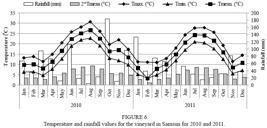
No direct relationship was observed between hull chitin content, quantified using CFW and haze reduction. Hulls derived from the wild-type S. cerevisiae VIN13 strain, despite having comparatively lower chitin content, produced protein stability values statistically comparable to those of the HCS2 and HCS3 mutants, which exhibited intermediate chitin concentrations. HCS6 and HCS5 possessed statistically comparable, high chitin content, yet HCS6 demonstrated a markedly greater reduction in haze than HCS5. This indicates that chitin abundance alone does not account for differences in fining performance, even among strains with similarly elevated chitin levels. This further supports a role for cell wall architecture or chitin accessibility in determining haze-reducing efficacy.
Haze assays performed on bottled SB1 wine
Protein haze typically develops after bottling and storage, making protein stability an important quality parameter in white wine production. To evaluate the effectiveness of high-chitin yeast hulls in mitigating haze formation, bottled Sauvignon blanc (SB1) wines were subjected to a heat stability assay. Three treatment regimens were evaluated. In the first, high-chitin yeast hulls were added twice during fermentation (300 mg/L), on days 8 and 21. In the second, yeast hulls were added post-fermentation at the same dosage (300 mg/L), allowed to interact with the wine for one hour, and then removed by centrifugation. An untreated control wine fermented with S. cerevisiae VIN13 from the same Sauvignon blanc juice served as the reference. This experimental design enabled direct comparison of the effects of application timing on the ability of high-chitin yeast hulls to reduce protein haze.
The results presented in Fig. 7 show that, apart from HCS6, the addition of yeast hulls during fermentation generally resulted in higher haze values than both the untreated control and the corresponding post-fermentation treatments. HCS6 was the only mutant to reduce haze when applied during fermentation.
In contrast, the post-fermentation application of yeast hulls consistently produced lower haze values than fermentation-stage additions across most treatments. HCS6 exhibited the greatest reduction in haze, while HCS2 also demonstrated improved haze reduction relative to the untreated control, whereas HCS3 showed a significant increase in haze following the post-fermentation treatment. HCS5 similarly showed a significant increase in haze following post-fermentation treatment, exhibiting the highest OD520 value of any treatment in this assay. Notably, HCS3 and HCS5 both showed increased haze following post-fermentation treatment, despite different chitin-related behaviour during fermentation, suggesting that the effect of application timing is strain-specific rather than directly attributable to hull chitin content alone. These findings indicate that the timing of yeast hull application influenced their effectiveness in reducing protein haze.
Chitinase assay performed on bottled SB1 wine
The formation of protein haze in wine is influenced by various factors, making it essential to focus on the primary objective of this study: the reduction of chitinases. To achieve this, chitinase assays were conducted on the SB1 bottled wine samples to quantify unbound chitinase activity. This allows for the establishment of a correlation between chitin levels, chi-tinase reduction and haze reduction. Chitinases were quantified spectrophotometrically at OD405, which detects p-nitrophenol units/mL in wine samples. The more p-nitrophenol units/mL detected, the higher the unbound chitinase activity.
An analysis of chitinase activity across the different wine treatments (Fig. 8) revealed differences associated with both hull type and application timing. Following post-fermentation application, no significant differences in chitinase activity were observed among any of the treatments, including the VIN13 hull control. During-fermentation application produced greater separation among treatments. HCS2 and HCS5 exhibited significantly lower chitinase activity than the VIN13 hull control, whereas HCS3 and HCS6 did not differ significantly from VIN13. This pattern differed from the haze results presented in Fig. 7, indicating that reduced chitinase activity does not consistently predict reduced haze formation.
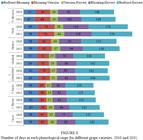
Effect of high-chitin yeast hulls, treatment timing and bentonite additions on bottled Sauvignon blanc (SB1)
Haze assays performed on the bottled SB1 wine showed distinct variation based on the high-chitin yeast hull use, timing of the application and bentonite additions (Fig. 9).
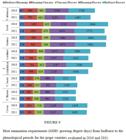
Under unsupplemented conditions (0 mg/L bentonite), applying yeast hulls during active fermentation resulted in broad variations in haze reduction. Hulls from the wild-type control VIN13 and mutant HCS3 exhibited the lowest capacity for haze reduction. Using hulls from the high-chitin mutants HCS5 and HCS6 provided the most pronounced haze reduction, significantly lowering protein instability in comparison to the control.
When unsupplemented hull treatments were administered post-fermentation, overall haze-reduction dynamics shifted and the haze potential of the wine generally moved downward across most groups. Under these post-fermentation conditions, the HCS2 hull treatment achieved a level of haze reduction similar to the VIN13 control, while the HCS6 treatment consistently achieved the greatest overall haze-reduction profile. The introduction of the 25 mg/L dose bentonite treatment maximised haze reduction across all groups, eliminating protein aggregation and overriding any differences observed among individual strains. When applied either during or post-fermentation, this dosage dropped haze formation uniformly to a near zero baseline across all tested yeast hull treatments.
Impact of high-chitin yeast hulls and bentonite additions on commercially produced Sauvignon blanc wine (SB2)
To evaluate whether high-chitin yeast hulls could reduce bentonite requirements, a bentonite trial was conducted using a commercially produced Sauvignon blanc wine (SB2). The objective of this trial was to determine whether treatment with high-chitin yeast hulls could reduce the bentonite dose required to stabilise the wine.
A single post-fermentation treatment strategy was evaluated. High-chitin yeast hulls and the S. cerevisiae VIN13 wild-type hulls were added to SB2 at 300 mg/L. Prior to addition, the hulls were dispersed in wine at a ratio of 1:20 (w/v), allowed to interact with the wine for one hour, and subsequently removed by centrifugation and filtration. Bentonite was then added incrementally until each treatment reached the industry-accepted protein stability threshold.
This experimental design enabled direct comparison of the bentonite dose required to achieve protein stability following treatment with the different yeast hull preparations.
Fig. 10 shows the bentonite dose required for each treatment to achieve the industry-accepted protein stability threshold. Bentonite was added incrementally as a 5% suspension until each wine reached this threshold. At the baseline tier of 0 mg/L and a moderate application rate of 500 mg/L, no statistically significant differences in haze reduction were detected among any of the tested high-chitin treatments or the VIN13 wild-type hull control, demonstrating uniform fining behaviour during the initial stabilisation phases. Distinct performance profiles became apparent at higher bentonite thresholds. At 1 000 mg/L, HCS6 achieved the lowest haze formation, displaying a statistically significant reduction in haze compared to both the VIN13 control and HCS3. However, its performance at this concentration was statistically indistinguishable from HCS2 and HCS5. At the maximum concentration of 1 500 mg/L, overall haze reduction profiles converged as protein stability was approached. While several high-chitin profiles maintained a downward numerical trend, the high-dose stabilisation performance largely overlapped statistically, with HCS6 retaining a significant advantage over HCS3 and HCS5 but sharing a statistical tier with HCS2.
DISCUSSION
Traditional fining agents such as bentonite indiscriminately adsorb both haze-forming proteins and desirable aroma and flavour compounds, thereby diminishing wine sensory complexity (Ribéreau-Gayon et al., 2006). To negate the negative effects of bentonite use, high-chitin yeast hulls have been investigated as a targeted biological alternative for producing protein-stable wine. Cell wall chitin selectively binds grape-derived chitinases, the principal proteins responsible for haze formation in white wine, while potentially preserving desirable sensory compounds that are otherwise removed during bentonite fining (Ndlovu et al., 2018). Ndlovu et al. (2018) demonstrated that increased cell wall chitin enhances chitinase adsorption, with a stronger effect observed in Saccharomyces paradoxus than S. cerevisiae. However, the limited industrial applicability of S. paradoxus motivated the development of high-chitin S. cerevisiae VIN13 mutants through random mutagenesis (Chuene et al., 2024), thereby retaining the desirable fermentation characteristics of VIN13 while avoiding the regulatory and consumer acceptance challenges associated with genetically modified yeasts (Schoeman et al., 2009).
Although yeast-derived products are already used commercially to improve wine clarity and reduce bentonite requirements, the present study demonstrates that increased chitin content within the yeast cell wall alone does not consistently translate into enhanced chitinase removal or haze reduction (Altomare et al., 2025). In contrast to the concentration-dependent relationship reported by Ndlovu et al. (2018), the performance of individual VIN13 mutants appeared to depend on the organisation, accessibility and deposition of chitin within the cell wall, rather than its absolute abundance (Chuene et al., 2024).
The growth impairment observed in the high-chitin mutants can likely be attributed to the metabolic and structural burden associated with elevated chitin biosynthesis and deposition in the cell wall (Fig. 1). Excess chitin production has also been linked to altered cell wall architecture, increased cell wall rigidity and the activation of compensatory stress pathways, all of which can compromise proliferation and fermentative performance (Lesage & Bussey, 2006; Levin, 2011). This growth penalty, combined with the risk of competitive exclusion by indigenous yeast during sluggish establishment, makes the high-chitin mutants poorly suited to use as active fermentation strains, reinforcing the rationale for deploying them instead as hull additions. These bypass the growth-rate liability entirely since the cells are already inactivated before application (Figs 2 and 5). The superior performance of HCS6, seen in Fig. 6, possesses the second-highest measured chitin content and is consistent with this hypothesis, suggesting that cell wall architecture, rather than chitin content alone, may be an important determinant of fining efficiency. These findings highlight the need to empirically evaluate individual yeast strains for chitinase-binding capacity and protein stabilisation.
Application timing also proved to be a critical determinant of fining efficacy (Figs 7 and 8). Hulls added during fermentation generally produced greater bottled-wine haze than post-fermentation treatments, despite reducing chitinase activity in some cases. Hull addition during fermentation at the higher dose (2 × 300 mg/L) produced higher haze than post-fermentation addition at the lower dose (1 × 300 mg/L, 1 h contact); this inverse dose-response relationship indicates that contact duration, rather than dose, is the more influential variable. It should be noted, however, that dose and contact duration were not varied independently in this design, since the treatment during fermentation received both a higher cumulative dose and a longer contact period than the post-fermentation treatment. Future work employing matched total doses crossed with timing conditions would be needed to isolate the specific contribution of contact duration from that of dose.
We propose that prolonged hull-wine contact allows continued catalytic activity of hull-bound chitinase, progressively degrading the chitin substrate to which it is bound and releasing previously sequestered chitinase back into the matrix, offsetting the binding effect of hull addition. This is consistent with the broader observation that extended yeast-wine contact promotes progressive enzymatic wall degradation via autolysis, particularly under the low-pH, low-temperature conditions typical of white wine production (Machado dos Santos & Kempka, 2026). It has furthermore also been observed that wine matrix components adsorb to cell wall surfaces over similar timescales, with adsorption following biphasic kinetics that saturate over time (Mazauric & Salmon, 2005, 2006). Critically, this degradation is passive rather than adaptive: unlike live yeast, whose cell walls undergo continuous, metabolically driven remodelling in response to fermentative stress (Klis et al., 2006), hull wall architecture is fixed at production (Pozo-Bayón et al., 2009) and cannot be actively rebuilt or restructured. Any change in hull performance during fermentation therefore likely reflects the progressive degradation of a static substrate, such as chitinases adsorbed at the hull surface being released back into the matrix as the underlying cell wall is enzymatically broken down, rather than an intrinsic, regulated biological response. This distinction should make hull-binding behaviour inherently more predictable and controllable than that of metabolically active yeast, of which the continuously changing wall composition may itself alter chitin-chitinase binding capacity over the course of fermentation. Post-fermentation application, by limiting contact to a period too short for substantial enzymatic turnover or matrix adsorption to occur, consistently produced lower chitinase activity and reduced haze formation, potentially preserving the accessibility and functionality of chitin-binding sites.
Beyond contact time, strain-specific effects further complicated the relationship between chitinase removal and haze outcomes: HCS2 and HCS5 significantly reduced chitinase activity during fermentation relative to the VIN13 control, without corresponding reductions in haze. This indicates that protein instability is influenced by factors beyond chitinase removal alone, including the contribution of other haze-forming proteins and their interactions within the wine matrix. A further limitation concerns the chitinase assay itself, which quantifies the residual enzymatic activity rather than absolute chitinase abundance. Chitinases that have been partially denatured but not yet aggregated, or that are otherwise inactivated though binding or matrix effects, would not be captured by this activity-based approach, despite potentially retaining the capacity to contribute to haze formation upon subsequent heat exposure. Given that grape chitinases are thermolabile proteins with a thermal melting point of around 45°C, conformational unfolding can result in a rapid loss of catalytic function before physical protein aggregation occurs (Falconer et al., 2010; Vincenzi et al., 2014). This phenomenon may provide a biochemical explanation for the observed disconnect between chitinase activity reduction and visual haze reduction during specific fermentation stages. Consequently, activity-based tracking may underestimate the total pool of structurally unstable, haze-forming proteins remaining in the system. Future work incorporating an independent measure of total chitinases, such as SDS-PAGE or immunodetection, would help confirm whether activity-based assays reliably proxy total chitinases in this system.
Furthermore, the industry-standard heat stability treatment (80°C for two hours) used for predictive haze assessment substantially exceeds the thermal unfolding temperature of grape chitinases (Falconer et al., 2010). Consequently, the assay may induce the aggregation of proteins or other wine constituents that would remain stable under realistic storage conditions, potentially overestimating haze risk following selective chitinase removal. While this conservative approach is appropriate for quality assurance, it may underestimate the effectiveness of targeted chitin-based fining strategies. To address this limitation, alternative predictive protocols using milder thermal regimes have been proposed to better approximate the thermodynamic behaviour of highly unstable proteins during actual wine ageing (Vernhet et al., 2020). Incorporating these refined temperature protocols alongside long-term bottle storage studies and alternative protein stability assays that more closely reflect wine ageing conditions are therefore required to determine whether selective chitinase removal alone is sufficient to achieve durable protein stability.
The potential of high-chitin yeast hulls to complement conventional fining agents was supported by evaluating how low dose bentonite interaction within the SB1 matrix reduced haze formation to a near-zero baseline across all treatments (Fig. 9). Under unsupplemented conditions (0 mg/L bentonite), the timing of hull application and strain type largely dictated the haze potential of the wines. Hulls derived from the wild-type VIN13 control and HCS3 exhibited the lowest capacity for haze reduction when applied during active fermentation, yet shifted downward significantly when delayed until the post-fermentation stage. In contrast, supplemented fermentation-stage additions of high-chitin mutant hulls, HCS5 and HCS6, provided pronounced haze mitigation, outperforming the control group by over 70%. Most notably, the introduction of a low-dose 25 mg/L bentonite treatment eliminated protein aggregation risks, overriding the individual variations observed across both strain-specific backgrounds and application windows (Fig. 9). When this minor dosage was introduced either during or post-fermentation, haze potential dropped uniformly to a near-zero baseline - well below the industry-accepted stability threshold. This rapid stabilisation effect showcases a powerful synergistic potential between these high-chitin yeast hulls and bentonite fining.
While a low 25 mg/L bentonite dose achieved absolute stability in the SB1 trial, establishing the minimum bentonite threshold required to stabilise a more complex commercial matrix required a broader, incremental titration trial, as evaluated in the commercial SB2 trial (Fig 10). At the baseline (0 mg/L) and the initial moderate bentonite application rate (500 mg/L), no statistically significant differences in haze reduction were detected among any of the high-chitin hulls or the wild-type VIN13 control, demonstrating that hulls alone require supplementary fining to achieve standard commercial clarity in this wine matrix. Distinct performance profiles in haze reduction became apparent at higher bentonite thresholds. At the intermediate dosage of 1 000 mg/L, wines pretreated with HCS2 and HCS6 hulls successfully achieved the industry-accepted protein stability threshold. In contrast, the wild-type VIN13 control and HCS3 remained significantly more unstable at this concentration. At the maximum evaluated concentration of 1 500 mg/L, overall turbidity profiles converged as full stabilisation was approached across all treatments. Within this high dose, the stabilisation performance largely overlapped statistically; however, HCS6 retained a significant advantage in haze reduction over HCS3 and HCS5, while sharing a statistical tier with HCS2.
Wines treated with HCS2 and HCS6 yeast hulls demonstrated the highest efficiency, achieving the industry-accepted protein stability threshold at the intermediate bentonite dose. In contrast, the untreated S. cerevisiae VIN13 control failed to reach full stability even at the highest bentonite dose evaluated, indicating that a greater commercial bentonite addition would be required. The remaining mutant hull treatments exhibited intermediate bentonite requirements between these two. Although complete replacement of bentonite was not achieved post-bottling, under the conditions evaluated, these findings demonstrate that high-chitin yeast hulls can complement existing fining practices while reducing reliance on bentonite. Yeast hulls are already widely incorporated into commercial winemaking and are metabolically inactive cell wall preparations that can be added without competing with fermenting yeast populations. Therefore, optimised high-chitin hulls could be readily integrated into existing production practices with minimal changes to current winery operations (Pozo-Bayón et al., 2009).
Overall, this study suggests that successful chitin-based fining depends not only on chitin abundance but also on cell wall architecture and application timing, although direct structural evidence for the architecture hypothesis remains to be established. By identifying HCS2 and HCS6 as promising candidates capable of reducing chitinase activity, haze formation and bentonite requirements, this work provides a strong foundation for the development of more selective, sustainable and commercially applicable protein stabilisation strategies for white wine.
CONCLUSIONS
This study demonstrates the potential of high-chitin yeast hulls derived from mutagenised S. cerevisiae VIN13 strains as a targeted, sustainable alternative to conventional bentonite fining. HCS2 and HCS6 emerged as the most promising candidates, consistently reducing chitinase activity and lowering the bentonite dose required for protein stability. Fining efficacy appeared to depend not on chitin abundance alone but potentially also on cell wall architecture and, critically, on application timing: post-fermentation treatment consistently outperformed during fermentation addition even at lower doses, indicating that contact duration is the primary determinant of performance. As yeast hulls are already widely used in commercial winemaking, optimised high-chitin hulls could be integrated into existing production practices without altering fermentation protocols, offering a practical route to reducing bentonite reliance while improving process sustainability and wine quality. Future work should quantitatively model the thermodynamics of the chitin-chitinase interaction using adsorption isotherms (such as Langmuir or Scatchard analysis). This will be crucial to disentangling whether the enhanced fining efficiency of the high-chitin yeast hulls stems from an increased total capacity of binding sites, higher steric accessibility, or a greater binding affinity for chitinases. Finally, evaluating long-term bottle stability is required to confirm these effects under real ageing conditions.
LITERATURE CITED
- Altomare, A., Staffieri, G., Manara, M. & Fracassetti, D., 2025. Yeast derivative products in wine production: From composition to oenological applications and emerging challenges. Compr. Rev. Food Sci. Food Saf. 24, e70043.
- Amara, A.A., 2015. Saccharomyces cerevisiae ghosts using the sponge-like re-reduced protocol. SOJ Biochem. 1(2), 1-6.
- Chagas, R., Monteiro, S. & Boavida Ferreira, R., 2012. Assessment of potential effects of common fining agents used for white wine protein stabilization. Am. J. Enol. Vitic. 63(4), 574-578.
- Chuene, L.T., Ndlovu, T., Rossouw, D., Naidoo-Blassoples, R.K. & Bauer, F.F., 2024. Isolation and characterization of Saccharomyces cerevisiae mutants with increased cell wall chitin using fluorescence-activated cell sorting. FEMS Yeast Res. 24, foae028.
- Costa-de-Oliveira, S., Silva, A.P., Miranda, I.M., Salvador, A., Azevedo, M.M., Munro, C.A. & Pina-Vaz, C., 2013. Determination of chitin content in fungal cell wall: An alternative flow cytometric method. Cytometry A 83(3), 324-328.
- Dufrechou, M., Poncet-Legrand, C., Sauvage, F.-X. & Vernhet, A., 2012. Stability of white wine proteins: Combined effect of pH, ionic strength, and temperature on their aggregation. J. Agric. Food Chem. 60(5), 1308-1319.
- Falconer, R.J., Marangon, M., Van Sluyter, S.C., Neilson, K.A., Chan, C. & Waters, E.J., 2010. Thermal stability of thaumatin-like protein, chitinase, and invertase isolated from Sauvignon blanc and Semillon juice and their role in haze formation in wine. J. Agric. Food Chem. 58(2), 975-980.
- Guyot, S., Gervais, P., Young, M., Winckler, P., Dumont, J. & Davey, H.M., 2015. Surviving the heat: Heterogeneity of response in Saccharomyces cerevisiae provides insight into thermal damage to the membrane. Environ. Microbiol. 17(8), 2982-2992.
- Jackson, R.S., 2014 (4th ed.). Fermentation. In: Wine science: Principles and applications. Elsevier/Academic Press, Oxford, United Kingdom. pp. 490-499.
- Jacob, F.F., Hutzler, M. & Methner, F.-J., 2019. Comparison of various industrially applicable disruption methods to produce yeast extract using spent yeast from top-fermenting beer production: Influence on amino acid and protein content. Eur. Food Res. Technol. 245(1), 95-109.
- Jaeckels, N., Meier, M., Dietrich, H., Will, F., Decker, H. & Fronk, P., 2016. Influence of polysaccharides on wine protein aggregation. Food Chem. 210, 623-630.
- Jolly, N.P., Varela, C. & Pretorius, I.S., 2014. Not your ordinary yeast: Non-Saccharomyces yeasts in wine production uncovered. FEMS Yeast Res. 14(2), 215-237.
- Kemp, B., Marangon, M., Curioni, A., Waters, E. & Marchal, R., 2022 (2nd ed). New directions in stabilization, clarification, and fining. In: Moreno-Arribas, M.V. & Polo, M.C. (eds). Wine chemistry and biochemistry. Elsevier, Amsterdam. pp. 29-62.
- Klis, F.M., Boorsma, A. & De Groot, P.W.J., 2006. Cell wall construction in Saccharomyces cerevisiae. Yeast 23, 185-202.
- Lagori, M., Vincenzi, S., Marangon, M., Cattaneo, L., Paissoni, M.A., Río Segade, S., Giacosa, S., Bosso, A. & Rolle, L., 2025. A comprehensive literature review on the role of bentonite in white wine protein stabilization. Foods 14(23), 3994.
- Lekics, V., 2021. Sustainable innovation in wine industry: A systematic review. Reg. Bus. Stud. 13(1), 55-73.
- Lesage, G. & Bussey, H., 2006. Cell wall assembly in Saccharomyces cerevisiae. Microbiol. Mol. Biol. Rev. 70(2), 317-343.
- Levin, D.E., 2011. Regulation of cell wall biogenesis in Saccharomyces cerevisiae: The cell wall integrity signaling pathway. Genetics 189(4), 1145-1175.
- Liu, Z., Xu, L., Wang, J., Duan, C., Sun, Y., Kong, Q. & He, F., 2023. Research progress of protein haze in white wines. Food Sci. Hum. Wellness 12(5), 1427-1438.
- Machado dos Santos, J.R. & Kempka, A.P., 2026. Advances in wine yeast autolysis: Biochemical and molecular mechanisms, and the release of organic compounds in white and sparkling wines-An updated review. Compr. Rev. Food Sci. Food Saf. 25, e70458.
- Mazauric, J.-P. & Salmon, J.-M., 2005. Interactions between yeast lees and wine polyphenols during simulation of wine aging: I. Analysis of remnant polyphenolic compounds in the resulting wines. J. Agric. Food Chem. 53, 5647-5653.
- Mazauric, J.-P. & Salmon, J.-M., 2006. Interactions between yeast lees and wine polyphenols during simulation of wine aging: II. Analysis of desorbed polyphenol compounds from yeast lees. J. Agric. Food Chem. 54, 3876-3881.
- Morrison-Whittle, P. & Goddard, M.R., 2018. From vineyard to winery: A source map of microbial diversity driving wine fermentation. Environ. Microbiol. 20(1), 75-84.
- Muhlack, R., Nordestgaard, S., Waters, E.J., O'Neill, B.K., Lim, A. & Colby, C.B., 2006. In-line dosing for bentonite fining of wine or juice: Contact time, clarification, product recovery and sensory effects. Aust. J. Grape Wine Res. 12, 221-234.
- Ndlovu, T., Divol, B. & Bauer, F.F., 2018. Yeast cell wall chitin reduces wine haze formation. Appl. Environ. Microbiol. 84(13), e00668-18.
- Nicolini, G., Larcher, R., Pangrazzi, P. & Bontempo, L., 2004. Changes in the contents of micro- and trace-elements in wine due to winemaking treatments. Vitis 43(1), 41-45.
- Núñez, Y.P., Pueyo, E., Carrascosa, A.V. & Martínez-Rodríguez, A.J., 2008. Effects of aging and heat treatment on whole yeast cells and yeast cell walls and on adsorption of ochratoxin A in a wine model system. J. Food Prot. 71(7), 1496-1499.
- Pocock, K.F. & Waters, E.J., 2006. Protein haze in bottled white wines: How well do stability tests and bentonite fining trials predict haze formation during storage and transport? Aust. J. Grape Wine Res. 12(3), 212-220.
- Pozo-Bayón, M.Á., Andújar-Ortiz, I. & Moreno-Arribas, M.V., 2009. Scientific evidences beyond the application of inactive dry yeast preparations in winemaking. Food Res. Int. 42, 754-761.
- Ribéreau-Gayon, P., Dubourdieu, D., Donèche, B. & Lonvaud-Funel, A., 2006 (2nd ed.). Biochemistry of alcoholic fermentation and metabolic pathways of wine yeasts. In: Ribéreau-Gayon, P., Dubourdieu, D., Donèche, B. & Lonvaud-Funel, A. (eds). Handbook of enology. Volume 1: The microbiology of wine and vinifications. John Wiley & Sons, Chichester. pp. 1-50.
- Schoeman, H., Wolfaardt, G.M., Botha, A., Van Rensburg, P. & Pretorius, I.S., 2009. Establishing a risk-assessment process for release of genetically modified wine yeast into the environment. Can. J. Microbiol. 55(8), 1001-1011.
-
Scott Laboratories, 2023. Scott Laboratories winemaking handbook: Premium winemaking products. Scott Laboratories, Petaluma, CA, USA. Available from: https://scottlab.com/content/files/documents/scott%202023%20wm%20web%20usa.pdf [Consolidated: 24 August 2024].
» https://scottlab.com/content/files/documents/scott%202023%20wm%20web%20usa.pdf - Silva-Barbieri, D., Salazar, F.N., López, F., Brossard, N., Escalona, N. & Pérez-Correa, J.R., 2022. Advances in white wine protein stabilization technologies. Molecules 27(4), 1251.
- Solieri, L., Vezzani, V., Cassanelli, S., Dakal, T.C., Pazzini, J. & Giudici, P., 2016. Differential hypersaline stress response in Zygosaccharomyces rouxii complex yeasts: A physiological and transcriptional study. FEMS Yeast Res. 16(6), fow063.
- Sommer, S. & Tondini, F., 2021. Sustainable replacement strategies for bentonite in wine using alternative protein fining agents. Sustainability 13(4), 1860.
- Tangüler, H. & Erten, H., 2008. Utilisation of spent brewer's yeast for yeast extract production by autolysis: the effect of temperature. Food Bioprod. Process. 86, 317-321.
- Tangüler, H. & Erten, H., 2009. The effect of different temperatures on autolysis of baker's yeast for the production of yeast extract. Turk. J. Agric. For. 33(2), 149-154.
- Vernhet, A., Meistermann, E., Cottereau, P., Charrier, F., Chemardin, P. & Poncet-Legrand, C., 2020. Wine thermosensitive proteins adsorb first and better on bentonite during fining: Practical implications and proposition of alternative heat tests. J. Agric. Food Chem. 68(47), 13450-13458.
- Vincenzi, S., Marangon, M., Tolin, S. & Curioni, A., 2014. Protein evolution during the early stages of white winemaking and its relations with wine stability. J. Agric. Food Chem. 62(25), 5966-5974.
- Waters, E.J., Alexander, G., Muhlack, R., Pocock, K.F., Colby, C., O'Neil, B.K. & Jones, P., 2005. Preventing protein haze in bottled white wine. Aust. J. Grape Wine Res. 11(2), 215-225.

Date Accepted for Publication 12 October 2026