Cultivating self-directed learners through research-based learning in the undergraduate curriculum
Abstract
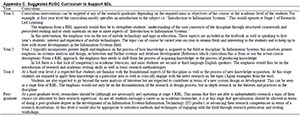
Research skills are crucial in preparing students to become producers of knowledge, especially in the era of artificial intelligence and the increasing reliance on Google and artificial intelligence applications. Responding to the broader call for more diverse case studies of research in the undergraduate curriculum, we present a multi-year case study of introducing research-based learning through facilitating a self-directed learning approach in a research course in information systems in the Faculty of Commerce at a historically disadvantaged university in South Africa. In our teaching intervention we emphasised a research-based learning approach, enabling students to learn how to conduct research, rather than merely being tasked with it. The findings highlight the importance of developing a self-directed learning environment through the scaffolding of research activities, research assignments combined with written reflections, a minimally guided approach, the use of appropriate research tools, and allowing students to voice their opinions.
curriculum design; group assignments; reflection; research-based learning; research tools; rubric; self-directed learning; student voice; teaching; undergraduate research