Improving adolescent well-being by incorporating emotional intelligence in mainstream curriculum content and teaching strategies
Abstract
In the integrative literature review presented here, we examined evidence-based and theory-based emotional intelligence (EI) interventions and strategies to protect and promote adolescent well-being in South African mainstream education. Promoting adolescent well-being has, however, become more complex in the digital age. Many South African adolescents face additional contextual hurdles associated with poverty. While EI interventions are associated with improved well-being, accessibility remains limited due to financial constraints, as these programmes do not form part of the mainstream curriculum in governmental schools. With this review we synthesised data from various studies, highlighting intervention content, educator roles, cultural and contextual influences, technological impacts, and positive outcomes on the well-being of adolescents. The findings show the necessity for culturally responsive, technology-integrated, and educator-led EI interventions tailored to adolescents' developmental needs and values. We advocate for a systemic, cross-sectoral "moonshot" approach to social-emotional programming, recognising EI as a foundational construct for adolescent resilience, academic success, and psychosocial well-being in rapidly evolving global contexts. Recommendations for future research include longitudinal studies to evaluate the sustained psychological, behavioural, and academic impacts of context-sensitive EI interventions within the South African educational environment.
adolescents; curriculum assessment policy statements; emotional intelligence; positive psychology; well-being
Introduction
The construct of emotional intelligence (EI) was first coined by John Mayer and Peter Salovey in 1990. Daniel Goleman popularised the term in 1995 when he claimed that 80% of success in a work setting is determined by EI and only 20% by intellectual capacity (Kanesan & Fauzan, 2019).
This created the idea that EI training would serve as a panacea for challenges in many fields, such as business (Chamorro-Premuzic, 2013), health (Martins, Ramalho & Morin, 2010), and education (Bar-On, 2010). Existing studies indicate a positive correlation between EI, well-being, and positive human functioning (Malinauskas & Malinauskiene, 2020). The intelligent use of emotions as a fundamental mechanism in well-being links it to positive psychology (PP) as the science of well-being (Bar-On, 2010).
Bar-On (2010) argues that EI is an integral part of PP because of the overlap in the following areas of study: self-awareness and self-regard; empathy; social skills and social interaction; self-regulation; cooperation; inter- and intrapersonal problem-solving; meaning and flourishing; hope and subjective well-being. Arnold and Gagnon (2019) show that positive psychology interventions (PPIs) aimed at improving adolescents' EI skills may enhance their emotional, social, and psychological well-being towards thriving.
This correlates with Erikson's (1968) theory of development in which an adolescents' task is the formation of identity. An important aspect of identity formation is the ability to understand and manage one's own and other's emotions. While adolescents' mastery of social and emotional skills is central to their overall well-being and healthy functioning (Van Schalkwyk & Wissing, 2013), it is noteworthy that some studies found that EI also plays a role in predicting improved academic performance, especially in a secondary school setting (MacCann, Jiang, Brown, Double, Bucich & Minbashian, 2020).
In South Africa, the Department of Basic Education (DBE) develops, maintains, and supports a South African education system for the 21st century aiming at the provision of access to lifelong learning, as well as education and training for all citizens (2021). Bar-On (2010), however, argues that the focus of the DBE on mainly academic performance represents a system of education with serious gaps for developmental growth. The Curriculum Assessment Policy Statements ([CAPS] DBE, 2011) was introduced in South African schools in 2014. With the growing number of private companies offering EI programmes to schools, it seems that CAPS do not cover the topic of EI sufficiently or that educators are not equipped or motivated sufficiently to teach EI (Erasmus, Van Eeden & Ferns, 2022).
Insight gained via research is crucial in understanding the necessity and effectiveness of EI interventions for adolescents, especially in highly unequal societies in South Africa and the world (Van Schalkwyk, 2022). With a significant proportion of learners attending non-fee-paying schools unable to afford private EI programmes, there is a pressing need to explore integrating EI interventions into the mainstream curriculum to ensure equitable access and promote adolescent well-being.
The integrative literature review was intentionally designed to address a critical gap in the existing research landscape, namely, the identification of EI content and pedagogical strategies suitable for integration into the mainstream South African CAPS curriculum to support adolescent well-being. While the focus remained contextually grounded, the deliberate inclusion of international perspectives was intended to provide a more comprehensive and globally informed framework for curriculum enrichment.
Literature Review
Teaching emotional intelligence
Evidence suggests that while an individual's EI is largely shaped by early developmental experiences and displays structural stability, it remains amenable to change under sustained and purposeful effort. Longitudinal and intervention-based studies indicate that targeted coaching programmes can effectively enhance EI-related competencies, particularly in domains such as interpersonal functioning and stress regulation, with cognitive-behavioural approaches and accurate feedback mechanisms yielding comparatively higher efficacy. Furthermore, an individual's openness to learning and personal development is indicative for his/her motivational readiness in EI enhancement.
One of the strongest arguments to support the teachability of EI has been found in neuropsychological studies on the plasticity of the social brain (Chamorro-Premuzic, 2013). Valk, Bernhardt, Trautwein, Böckler, Kanske, Guizard, Collins and Singer (2017) used magnetic resonance imaging (MRI) data to measure changes in brain morphology of a large sample of 20- to 55-y ear-old participants throughout a 9-month intervention period. The MRI data showed increases in cortical thickness in the areas of the brain targeted by the training, thus indicating structural plasticity in the socio-affective and socio-cognitive areas of the brain.
One way of teaching EI is through social and emotional learning (SEL) which is the basis for developing learners' social and emotional competency and, more specifically, is a process by which self-awareness and regulation, social awareness, relationships, and responsible decision-making are developed (Durlak, Domitrovich, Weissberg & Gullotta, 2015). Evidence points to SEL supporting the impact of these competencies on well-being, improved relationships, and academic success (Heckman & Kautz, 2012).
RULER is an EI intervention programme developed at Yale University and is based on the four-branch ability model of EI by Mayer and Salovey (1997). RULER is an acronym for the five skills taught, namely, recognising emotions (in self and others), understanding the causes and effects of emotions, labelling emotions successfully, expressing emotions appropriately, and regulating emotions effectively (Brackett, Rivers, Reyes & Salovey, 2012). RULER is one example of a programme for the teaching of EI through which not only social and emotional skills are taught but the aim is also to improve the overall learning environment (Nathanson, Rivers, Flynn & Brackett, 2016).
Possible benefits of EI interventions for South African learners
EI interventions could significantly benefit South African adolescents who face serious external challenges due to extreme inequality, high crime rates, unemployment, poverty, violence, and substance abuse in the country (Van Schalkwyk, 2022). Studies of secondary school learners in South Africa reveal that a higher predisposition for risky behaviour, such as alcohol consumption, smoking, unsafe sex, and drug use is associated with lower socio-economic status (Zwane, Mashau & Moselakgomo, 2022).
EI is crucial in this context. Sánchez-López, Fernández-Berrocal, Gómez-Leal and Megías-Robles (2022) found that higher EI is associated with reduced risk-taking in ethical and health/safety domains but increased risk-taking in social and recreational domains, suggesting the adaptability of EI to contextual factors within each domain.
Adolescents' aggressive behaviour is also associated with contextual challenges. According to the World Health Organization (2020), aggressive behaviour in adolescents is a global problem with long-lasting and expansive social, emotional, and economic outcomes. In a South African study, it was found that of a group of 617 adolescents (12-15 years), 98.9% had witnessed community violence, 40.1% had personally been threatened or assaulted and 75.8% had been exposed to or involved in violence at school (Kaminer, Du Plessis, Hardy & Benjamin, 2013). García-Sancho, Salguero and Fernández-Berrocal (2014) found that a higher level of EI in adolescents is associated with lower levels of aggressive behaviour and they concluded that higher EI is a protective factor against aggressive behaviour.
Aggressive behaviour is linked to bullying behaviour which is problematic in most South African schools. A study by the Youth Research Unit at the University of South Africa reports that 34.4% of participating learners had been victims of bullying and 67.7% of the participants thought that bullying was on the increase (Laas & Boezaart, 2014).
Violence and bullying contribute to childhood trauma for many, which could lead to anxiety and depression. In a study of 811 Chinese college students, Zhao, Xiang, Zhang, Dong, Zhao and Li (2021) found that EI can function as a mediating factor for the effects of childhood trauma and the possible result of mood disorders. Therefore, EI interventions can be effective in improving the mental health of learners affected by childhood trauma (Zhao et al., 2021).
No study would be complete if the effects of the Corona Virus Disease of 2019 (COVID-19) were not taken into consideration. The worldwide disruptive effect of the pandemic and the various governmental responses, e.g. no school for months, had negative outcomes for adolescent learners and their well-being (Bourmistrova, Solomon, Braude, Strawbridge & Carter, 2022). Within the South African context, the already vulnerable were affected the most. A study by Gittings, Toska, Medley, Cluver, Logie, Ralayo, Chen and Mbithi-Dikgole (2021) revealed that adolescents were indirectly affected in terms of loss of income, food insecurity, uncertainty about education and future work, strained family relationships, and mood disorders, such as depression. It was also found that contextual factors and the relationships within these contexts play a vital role in adolescents' ability to build resilience and cope with the impact of the COVID-19 pandemic (Gittings et al., 2021).
Tang, Yan, Lu and Xu (2022) conducted a study on 2,090 Chinese adolescents in which they investigated how EI predicted post-traumatic growth through self-esteem and emotional regulation during the COVID-19 pandemic. Their findings suggest that EI training could assist adolescents in dealing with the effects of the pandemic, and support growth (Tang et al., 2022).
Another result of COVID-19 was the increased use of social media. An important domain that needs to be considered is the influence of technology, and specifically the impact of social media on adolescent development (Yildirim, Arslan & Wong, 2022). In a Spanish study of 2,068 adolescents, it was found that low EI is a vulnerability factor with regard to the problematic use of social media, which could be prevented by EI training (Arrivillaga, Lourdes & Extremera, 2022).
Schools may play a vital role in developing EI, with studies demonstrating that interventions focusing on social and emotional skills may result in improved academic performance, relationships, and fewer behavioural problems (Heckman & Kautz, 2012).
In view of all these challenges, the impact of adolescents' academic performance on their future and possible careers (workplace) cannot be ignored. Most South African schools accommodate the cultural diversity of learners, but how schools and educators respond to learners' emotions can support or impede their development.
Mbokazi and Mkhasibe (2025) identified inadequate funding, historical inequality and the demand for curriculum transformation to match labour markets as some of the challenges experienced in the South African education system. The teaching of EI resorts in the subject, life orientation (LO). However, there is a perception that LO is not deemed vital within the academic programme for the Further Education and Training (FET) Phase. Some problems regarding the teaching of LO are that educators lack appropriate training (Jenkins, 2007; Prinsloo, 2007; Van Deventer, 2009), and according to learners, too much repetition of content such as the human immunodeficiency virus ([HIV] Prinsloo, 2007), and many learners regard LO as a free period (Jacobs, 2011). The implementation of the RULER programme in schools had more positive outcomes when educators attended more training, presented more lessons, and were monitored (Reyes, Brackett, Rivers, Elbertson & Salovey, 2012).
In a meta-analysis it was found that in schools where interventions were implemented to develop learners' social and emotional skills, academic results and learner-educator relationships had improved, and fewer behavioural challenges were experienced (Durlak et al., 2015).
Given the benefits observed globally, implementing EI interventions within the South African education system could support adolescents' mental health, well-being, and future impact on communities (Arnold & Gagnon, 2019). We need to consider the current CAPS curriculum used in South African education to determine where EI would fit best.
CAPS curriculum coverage for EI development LO is compulsory in all South African public schools and is defined by the DBE as, "the study of the self in relation to others and society" (DBE, 2011:13). Educators in LO use prescribed textbooks and follow the DBE-prescribed curriculum as set out in the Curriculum and Assessment Policy Statement (CAPS) and the Annual Teaching Plan (ATP) in terms of content, weighting, and planning (DBE, Republic of South Africa [RSA], 2021). The main topics covered in the CAPS curriculum for the FET Phase (Grades 10-12) are: development of the self in society, social and environmental responsibility, democracy and human rights, careers and career choices, study skills and physical education (DBE, 2011).
The topic most related to the development of EI is the development of the self in society. The sub-topics are, among others, relationships and their influence on well-being, conflict resolution, recreation and emotional health, self-awareness, self-esteem, self-development, value of participation in exercise programmes and healthy lifestyle choices: decision-making skills (DBE, 2011).
Development of EI through the CAPS curriculum for Grades 10 to 12 LO in South Africa, is largely incidental, with only minimal engagement through the discussion of feelings within the context of relationships. Fundamental aspects of EI such as the identification and understanding of one' s own emotions are largely overlooked. The marginal status of LO within the broader academic framework of the FET Phase undermines its potential impact.
Despite high exam success rates in LO, persistent issues like substance abuse, sexual health crises, and teenage pregnancy suggest a disconnect between academic performance and real-world outcomes. Challenges such as inadequate teacher training, repetitive content, and students' perception of LO as a non-essential subject exacerbate this gap. While EI alone is not a cure-all for the complex socio-emotional challenges faced by adolescents, the integration of substantive EI content and interventions into the LO curriculum could address critical issues like bullying, violence, and the psychological impacts of social media and the COVID-19 pandemic. However, meaningful implementation requires the appointment and training of educators as specialists in their field, highlighting the potential of a reformed LO curriculum to significantly enhance learner well-being through improved EI skills.
Theoretical Framework
Erikson (1968) states that the developmental phase of adolescence is vital in mastering the many tasks that contribute towards identity formation and stresses the importance of emotional expressivity. During adolescence learners explore their identity and values which are vital for understanding their own and other's emotions. A strong sense of self supports greater empathy and social understanding.
The most accepted definition of EI is that of Mayer and Salovey (1997), namely, that EI is a cognitive process through which a person can accurately recognise, evaluate, and express emotion, as well as produce emotion through thought and regulate emotions in ways to facilitate emotional as well as intellectual growth. The three main EI models, namely, the ability-based model of Mayer, Caruso and Salovey (2016), the mixed model of Bar-On (1997) and Goleman (2001) and the trait model of Petrides and Furnham (2001) share common ground in that they are all based on personal, emotional, or social intelligence (Kanesan & Fauzan, 2019).
Methodology
Research Design
While different types of literature reviews, such as the scoping review (Pham, Rajic, Greig, Sargeant, Papadopoulos & McEwen, 2014) or systematic review (Snyder, 2019) were considered for the planned research, we used an integrative review to provide insight into the topic and offer guidance on a way forward. According to Onwuegbuzie and Frels (2016), an integrative review is the most comprehensive type of review because theoretical and empirical data may be included to
• define and explain the problem
• give a summary of previous research
• identify the connections between studies, areas of disagreement, conflicting ideas, and gaps and
• suggest possible solutions.
We limited possible bias by establishing inclusion and exclusion criteria and ensuring that the search strategy was extensive and transparent by carefully analysing and synthesising previous studies (Onwuegbuzie & Frels, 2016). Studies from different scientific databases were included and the method of data collection was thorough and methodical - the credibility and reliability of the integrative literature review was thus improved (De Souza, Da Silva & De Carvalho, 2010).
Procedure
We followed Onwuegbuzie and Frels' (2016) seven steps for a comprehensive and representative literature review: (1) introspection by the researchers on their views on the topic; (2) literature search; (3) storing and sorting of data; (4) selection of relevant literature; (5) cross-media expansion of the search; (6) combining and analysing information, and (7) presenting findings in an extensive report.
Search Strategy
We used the identified keywords (adolescents, curriculum assessment policy statements, emotional intelligence (EI), life orientation, positive psychology (PP), and well-being), and their synonyms in searches.
The rigorous search strategy was also guided by the research question, the aim of the study, as well as the inclusion criteria (Wessels, Lubbe & Minnie, 2016). To ensure an extensive and focused search, the search was done following the stages set out in the procedure described above.
Inclusion criteria guided the search of different electronic databases, such as Scopus, Science Direct or EBSCO on the North-West University Library site and Google Scholar. Journals included in the search were: Journal of Positive Psychology, International Journal of Psychology, Journal of Adolescence, The South African Journal of Education, and Education as Change. Theses and dissertations were included in the search.
Inclusion and exclusion criteria
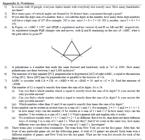
The credibility of the study was ensured by being transparent about which studies were included and excluded in the search (Vom Brocke, Simons, Niehaves, Riemer, Plattfaut & Cleven, 2009) as indicated in Tables 1 and 2 below.
Ethical Considerations
Ethical approval for this research was obtained from the relevant institution of higher learning. To ensure ethical rigour, we prioritised trustworthiness, minimising bias, and safeguarding data. Bias, which may misrepresent findings at any stage, was mitigated through diverse databases and defined search parameters to ensure a balanced dataset (Cronin & George, 2023; Toronto & Remington, 2020). We achieved credibility, transferability, transparency, and reflexivity by paying attention to thematic reviews, detailed contextual descriptions, and a reflective research diary.
In the realm of academic literature reviews, the pivotal role of ethics directed the study - we emphasised transparency, honesty, and reflection on cultural progression and ethical responsibility throughout the review process (Onwuegbuzie & Frels, 2016). Trustworthiness and the minimisation of bias were crucial, given the absence of direct participants. This ethical rigour demanded a careful selection of literature, ensuring that studies were represented without bias and reflected validity, credibility, and rigour. Reviewers maintained an acute awareness of their own biases to avoid skewing the analysis. This involved acknowledging personal limitations, presenting studies with accuracy and fairness, and maintaining a detailed record of study selection criteria, including considerations of gender, religion, ethnicity, and other sociocultural factors.
For data analysis and synthesis, we employed a structured approach starting with a database in which we recorded search results and dates (Grove, Burns & Gray, 2013). Thereafter we selected relevant studies in which the research question within the set inclusion criteria was addressed. The use of the preferred reporting items for systemic reviews and meta-analyses flow chart or PRISMA further ensured a transparent evaluation of study interventions for the review (Moher, Liberati, Tetzlaff, Altman & the PRISMA Group, 2009).
Finally, an analysis of setting, perspective, intervention, comparison and evaluation (SPICE) in the selected studies was considered. This facilitated a systematic review, leading to the identification of themes and patterns for conclusive insight underlining the meticulous process involved in ethical literature review practices.
Findings
A total of 126 studies were selected through database searches and after eliminating duplicates, 115 studies remained. From the 115 studies we identified themes and patterns to reach conclusions and make recommendations (Grove et al., 2013).
Results
Five main themes emerged from the data:
1. Adolescents need custom interventions;
2. Necessity of embracing digital transformation
3. Educators' pivotal involvement; 4. Culture and context as crucial factors; and 5. Moonshot for adolescent well-being.
Theme 1: Adolescents Need Custom Interventions
Various studies emphasise the need for modified interventions tailored to adolescents' developmental stage. For example, Durlak et al. (2015) found that interventions addressing adolescents' specific needs, such as their desire for community involvement over simple skills-based programmes, yielded better outcomes. This is contrasted with skills-only approaches (Chin, Sipe, Elder, Mercer, Chattopadhyay, Jacob, Wethington, Kirby, Elliston, Griffith, Chuke, Briss, Ericksen, Galbraith, Herbst, Johnson, Kraft, Noar, Romero & Santelli, 2012) found to be ineffective in addressing teen pregnancy, HIV, and sexually transmitted diseases (STDs). Programmes like the Quantum Opportunity Programme, aimed at helping low-income high school learners avoid legal troubles, were less successful compared to the Become a Man (BAM) programme, which emphasises mentorship, relationship building, and goal achievement, appealing to adolescents' sense of autonomy and resulting in higher school graduation rates (Heller, Shah, Guryan, Ludwig, Mullainathan & Pollack, 2017).
Unlike interventions for younger children, those for adolescents need to consider developmental differences as adolescents' motivation and behaviour vary significantly. For instance, anti-bullying campaigns for younger children might not be effective for adolescents, who may use bullying as a tool for social gain (Cook, Williams, Guerra, Kim & Sadek, 2010).
Programmes like RULER, which adapt their approach to match learners' developmental stage (e.g. skill-building in early education to more self-reflective activities for high school learners), are more successful in fostering EI and creating positive learning environments (Nathanson et al., 2016).
Programmes like RULER, BAM and the Quantum Opportunity Programme highlight the importance of developing foundational EI skills in early childhood to ensure that adolescents can apply these skills effectively in real-life situations. This point of departure is similar to that of Yeager (2017) and frameworks proposed by Jones, Greenberg and Cowley (2015) and Stafford-Brizard (2016), focusing on the progressive development of EI skills from self-regulation to higher-order capabilities like resilience.
The first theme highlights that effective EI interventions for adolescents should be tailored not only in terms of content but also in complexity, reflecting learners' developmental stages. Adolescent development, including identity formation and the ability to engage in complex, abstract reasoning, significantly influences their learning process. Thus, incorporating theories of adolescent development into programme design, focusing on developmental tasks specific to this age group, is crucial for creating age-appropriate interventions. Valuable guidelines described by Brown in a report for the Institute of Medicine and National Research Council (2011), include the following:
1) Adolescents' need to stand out: to (further) develop their identity and to become more autonomous.
2) Adolescents' desire to fit in: to be accepted by their peers.
3) Adolescents' want to measure up: to develop competency and achieve.
4) Adolescents' need to take hold: to commit to goals and form beliefs.
When social-emotional learning (SEL) programmes acknowledge and validate adolescents' aspirations to accomplish these developmental tasks, they have the potential to engage and harness the motivation for change in adolescents (Yeager, 2017). Yeager (2017) emphasises the necessity of tailoring effective EI interventions for adolescents based on their worldview, values, and desire to contribute significantly to the world around them and to shape a coherent life. Programmes that allow adolescents to voice their opinions and contribute to moral problem-solving are more likely to succeed, addressing their need for status and respect (Osher, Kidron, Brackett, Dymnicki, Jones & Weissberg, 2016).
Moreover, interventions should not only tailor content but also reinvent strategies to maintain interest and participation. Leveraging adolescents' interest in music, technology, and digital interventions such as video games and virtual reality may be tailored to engage adolescents in EI interventions and enhance their well-being (Jaramillo, Arevalo & Lachman, 2022).
Theme 2: Embracing Digital Transformation
Advances in technology offer the opportunity to approach EI interventions with creative content and strategies that appeal to adolescent learners. Artificial intelligence has entered the digital arena and the possibilities offered in terms of EI intervention will probably still emerge. "Results (of research) show how educational technologies can offer a new path for the development of emotional skills that are, indeed, a new challenge for traditional learning strategies" (Cejudo, López-Delgado & Losada, 2019).
Virtual role-play games present a promising avenue for adolescents to safely explore social scenarios, practice self-control, perspective-taking, collaboration, and communication, as well as develop problem-solving strategies through endless experiential and environmental opportunities. Research, such as the study by Jaramillo et al. (2022) on the music-based virtual reality game, HeartTune, demonstrates how such games may teach at-risk Colombian adolescents about self-awareness and emotional self-management using interactive techniques to match emotions with virtual environments, guided by the Atlas of Emotions. Similarly, the game, Spock, evaluated by Cejudo et al. (2019), is designed to enhance EI and psychosocial adjustment among adolescents, showing significant improvements in EI and reductions in behavioural issues. Despite these successes, challenges such as the lack of long-term effectiveness studies and cultural specificity remain. Additionally, other programmes like emoTIC and games like Aislados have shown varied results in improving emotional competencies and socio-emotional skills, indicating the nuanced nature of integrating EI development into gaming. These findings underscore the potential of virtual games in EI education while highlighting the need for further research and tailored game design to maximise their impact on adolescents' well-being.
The second theme stresses the importance of embracing digital transformation. Although games have shown potential in practicing and improving emotional skills, the generalisability of the results of these studies, including those conducted by Cejudo, Losada and Feltrero (2020), is limited due to their culturally specific settings. Also, despite the demonstrated potential, computer-based EI interventions are not commonly integrated into school programmes, necessitating further validation of their efficacy (Osher et al., 2016).
Theme 3: Educators' Pivotal Involvement
Educators who model EI behaviour create a safe environment in which learners can practice doing the same (Getzi, George & Brinto, 2023). For example, the climate model requires attempts to change adolescent learners' behaviour, as well as educators' conduct and in doing so, change the relationship between them (Zins, Elias & Greenberg, 2003). The role that the educator plays is to teach emotional regulation, develop empathy and social skills, encourage positive self-talk, promote self-awareness, and model EI in practice (Getzi et al., 2023). In this way the educators' EI is an asset in creating a positive class and school environment. "There is evidence that programmes that focus on fostering students' emotional attachment to school and engagement in the classroom produce positive results, particularly for disadvantaged students" (Hoffman, 2009:535).
The teaching of social and emotional skills naturally fit in every classroom and benefit learners and educators alike. Although courses in education cover theory on children's social and emotional development, very few cover the implementation of interventions that may develop EI (Zins et al., 2003). In a study on the effectiveness of RULER, it was found that learners had higher EI and better social problem-solving skills when their educators were better trained and good at implementing the programme (Reyes et al., 2012).
The third theme shows that learners' educational experience in schools is intricately shaped by the dynamics of interpersonal relationships, established behavioural norms, and pedagogical methodologies (Osher et al., 2016). This perspective emphasises the importance of educators demonstrating genuine concern for learners' experiences and adopting a collaborative stance in the educational journey (Noddings, 2006). The success thereof depends on the training of educators with explicit outcomes and measurement of these outcomes (Osher et al., 2016). To integrate SEL content and strategies comprehensively into the educational framework, it is imperative that such training becomes an integral component of current and prospective educators' professional development. Additionally, the role of specialised professionals, such as psychologists, SEL specialists and counsellors, in supporting the implementation of SEL interventions and in coordinating these programmes is deemed crucial (Zins et al., 2003).
Theme 4: Culture and Context as Crucial Factors Research encompassing studies from diverse cultural backgrounds - Spanish, Nigerian, Indian, Chinese, American, and Colombian - highlights that consensus on the theory of emotion is predominantly rooted in Western culture. This convergence raises critical questions about the inclusivity of current EI interventions. Are they accommodating of cultural diversity, devoid of cultural bias, and universally applicable across different cultural contexts? The assumption of a one-size-fits-all model in EI interventions invites scrutiny, as noted by Mayer and Salovey (1997), regarding the cultural or multicultural criteria by which school-based programmes are evaluated. Denham and Weissberg (2004) advocate for SEL programmes to be contextually relevant, ensuring that they empower learners within their specific cultural, religious, linguistic, racial, and socio-economic contexts.
Hoffman (2009) critiques the Eurocentric perspective of emotions as individual and internal states, emphasising that emotional expression, experience, and regulation are significantly shaped by cultural influences. This is illustrated by contrasting approaches in American and Japanese classrooms to a learner's disruptive behaviour, highlighting a cultural variance in the understanding and management of such situations. Furthermore, cultural differences are shown to affect the implementation of EI interventions, with adjustments being made in various regions, including indigenous adaptations in Alaska and China, demonstrating the feasibility of culturally tailored EI interventions. However, Castro, Barrera and Martinez (2004) and Hoffman (2009) caution against superficial adaptations for political correctness, advocating for deep engagement with cultural values to preserve the integrity of interventions, as exemplified by the Colombian HeartTune programme' s culturally resonant use of congas. Despite the clear impact of SEL across different cultures, Hoffman (2009) suggests a need for a deeper engagement with cultural diversity and the complexities of power dynamics within educational frameworks.
The fourth theme shows the need for culturally relevant EI interventions for the South African context. However, we need to acknowledge the complexity of the issue considering this country's myriad of cultures and different contexts.
Theme 5: Moonshot for Adolescent Well-being The traditional meaning of "moonshot" is a "long shot" which implies only a slight chance of success. Merriam-Webster (2024:para. 1) indicates that it is more recently used to describe "a monumental effort and a lofty goal" - in other words, a "giant leap."
The World Economic Forum (WEF, 2016) lists the top 10 skills required for learners' success at school in the 21st century. EI is number six. People management and coordinating with others, where EI is a principal factor, are respectively numbers four and five. The WEF explains that learners must be able to collaborate, communicate, and solve problems. These skills are developed through social and emotional learning. Adolescent learners will be better equipped to succeed in the developing digital economy if they have obtained not only traditional but also EI-related skills (WEF, 2016). Research into 213 SEL studies shows that participants achieved an average of 11% higher than non-participants and that the long-term effect was higher education and future employment rates (WEF, 2016).
Schools across the world use SEL programmes to promote EI in learners (Dusenbury & Weissberg, 2017). The studies referred to in this article confirm the positive benefits of interventions to enhance EI in adolescents. In a meta-analysis of the RULER programme, it was concluded that it had a positive impact on the development of EI skills, academic performance, leadership, cognitive and social functioning as well as psychological well-being (Nathanson et al., 2016). SEL programmes also encourage learners to be involved in their own well-being and to be proactive against bullying (Massari, 2011).
The empirical studies included in this article agree that interventions to improve EI have a positive effect on social interaction, the establishment of self-concept and academic performance, while decreasing juvenile delinquency (Sampoornam, 2022). The programme using provocation as an intervention lead to participants suspending their judgement and helping them generate innovative ideas to develop better understanding and management of emotions (Ogunyemi, 2008). Getzi et al. (2023) found that programmes to develop EI had increased adolescents' overall well-being. In a study into EI programmes specifically for adolescents, it was found that interventions based on adolescents' developmental tasks positively impacted risky behaviour, aggression, health choices and even adherence to cancer treatment (Yeager, 2017). In their multi component PPI, Kwok, Gu and Tam (2022) found that gratitude and EI interventions increased subjective happiness and decreased anxiety in adolescents.
The outcome of digital programmes such as emoTIC (De la Barrera, Postigo-Zegarra, Mónaco, Gil-Gómez & Montoya-Castilla, 2021), Aislados (Cejudo et al., 2020), HeartTune (Jaramillo et al., 2022), and Spock (Cejudo et al., 2019) shows an improvement in adolescents' EI development in terms of self-regulation, trait EI psychosocial adjustment, social competence, and social-emotional well-being.
Hoffman (2009) cautions that programmes that are focussed on emotional and behavioural control strategies do not teach EI and adversely affect adolescents' well-being. When the emotional climate in classrooms and schools is caring, however, adolescents acquire emotional and behavioural management skills which prevent behavioural and emotional problems and promote mental health (Mills, Stephan, Moore, Weist, Daly & Edwards, 2006) - specifically on learners in disadvantaged communities (Hoffman, 2009).
Zins et al. (2003) note that social and emotional education is highly relevant for education in South Africa. They state that it is "imperative for educators and those concerned about children to take full advantage of opportunities to strengthen our youth" (Zins et al., 2003:65). It is undeniable that empirical research should assess the cultural validity of programmes in our vastly different contexts and interventions should be measured against theory and evidence. However, to act in the best interest of all our learners, the giant leap will require enormous effort to reach a very lofty goal - the improved well-being of our learners to ensure that they flourish.
Discussion
This integrative literature review underscores the imperative to incorporate EI into mainstream curricula to enhance the well-being of adolescents. EI interventions that support self-awareness, emotional regulation, and interpersonal skills directly contribute to resolving this psychosocial crisis, thereby promoting psychological resilience and identity formation. This finding is supported by Erikson's psychosocial theory which typically characterises adolescence and the importance of emotional and social exploration in forming a coherent sense of self. Moreover, Erikson posits that successful navigation of this stage fosters the virtue of fidelity - the ability to commit to values and relationships despite societal pressures.
In the South African context, where adolescents often face compounded challenges such as poverty, inequality, and health vulnerabilities, EI programmes tailored to their lived realities can serve as protective mechanisms. By aligning EI education with Erikson's developmental tasks, educators can more effectively scaffold learners' emotional growth, enhance their coping strategies, and support their transition into adulthood with greater psychosocial stability.
The key findings highlight the necessity of tailoring EI interventions to be developmentally appropriate, utilising digital technologies for increased engagement, and emphasising the pivotal role of educators in effectively delivering EI content. Furthermore, cultural and contextual considerations are critical in the South African context, given its diverse and unique challenges, including socio-economic disparities and health issues. Effective EI strategies must address these complexities to foster resilience among adolescents.
The review elucidates the comprehensive benefits of EI programmes, which range from improved social behaviour and academic performance to reduced risks of depression and anxiety, illustrating the transformative potential of emotional competency development in safeguarding adolescents' mental health and promoting their future well-being.
The findings of the integrated literature review reveal the necessity of tailoring EI interventions for adolescents, not only in terms of content but also in complexity, to align with their developmental stages. Consequently, integrating theories of adolescent development into programme design and focusing on developmental tasks specific to this age group is essential for crafting age-appropriate interventions. Tailoring interventions to meet the specific developmental, cultural, and contextual needs of South African adolescents, coupled with the strategic use of technology and the empowerment of educators, emerges as essential for maximising the impact of EI education.
Conclusion
With this integrative literature review we critically examined evidence-based and theory-based EI interventions and strategies to safeguard and promote adolescent well-being in South African mainstream education. Grounded in Erikson' s theory, which emphasises identity formation and the development of roles and values as central developmental tasks during adolescence, we acknowledge the increased complexity introduced by the digital age, where adolescents must navigate the multifaceted challenges posed by social media. South African adolescents face additional contextual adversities such as poverty, parental unemployment, and crime. Despite the association of EI interventions with improved well-being, accessibility remains limited due to financial constraints, with such programmes often absent from the mainstream curriculum in government schools. This review adds valuable information by showing the critical importance of incorporating EI into education to support the holistic development of adolescents, especially in challenging environments. We conclude that key aspects such as intervention content, the roles of educators, cultural and contextual influences, the impact of technology, and the positive outcomes on adolescent well-being should be core components for EI interventions.
A significant limitation within the field of EI is the general paucity of longitudinal studies that assess the long-term impact of EI interventions on adolescents' future real-life success. Furthermore, existing studies lack empirical research specifically addressing the effectiveness of EI interventions within the South African context. Most studies on EI interventions for adolescents are conducted from a Eurocentric perspective, which considerably constrains our understanding of the diverse cultural interpretations of EI constructs. Although a few studies have been conducted in Africa, they predominantly rely on Western perspectives of EI and its implementation. Additionally, while technology holds potential as an effective tool for enhancing EI instruction, no studies exist on its use in EI teaching, particularly in the South African context.
Several key areas necessitate research regarding EI interventions for South African adolescents. Firstly, there is a critical need to define EI constructs from diverse cultural perspectives and understand how cultural differences impact the success of EI interventions. Secondly, research must focus on developing EI interventions that are contextually relevant and accessible to all adolescent learners in South Africa. Thirdly, it is essential to create a climate-based model for teaching EI in South African schools and to determine strategies for securing buy-in from and providing support to educators. Collaboration between the government and the private sector is necessary to develop and research digital programmes, high-quality resources, training, and support. Furthermore, despite the availability of well-researched content and strategies for enhancing EI and emotional competence, empirical research is needed to identify PPI content and strategies that are most effective for improving EI among South African adolescents. The approach of such studies, focusing on adolescents' strengths could represent significant progress towards the worthy goal of enhancing adolescents' well-being.
Ultimately, we recommended that future research efforts complement the educational system to enable all South African adolescents to become exemplary, responsible agents in the pursuit of "building a peaceful and prosperous democratic South Africa" (DBE, RSA, 2021:para. 2).
Authors' Contributions
After doing the literature search and data analysis, CCB wrote the article and reviewed the final manuscript. IvS -guided and reviewed the process and final manuscript.
Conflict of Interest
There was no conflict of interest for this study.
Notesi. This article is based on the master's dissertation of Charlotte Beaumont.
ii. Published under a Creative Commons Attribution Licence.
References
-
Arnold ME & Gagnon RJ 2019. Illuminating the process of youth development: The mediating effect of thriving on youth development program outcomes. Journal of Human Sciences and Extension, 7(3):2. https://doi.org/10.54718/GHUP2927
» https://doi.org/10.54718/GHUP2927 -
Arrivillaga C, Lourdes R & Extremera N 2022. A mediated path from emotional intelligence to problematic social media use in adolescents: The serial mediation of perceived stress and depressive symptoms. Addictive Behaviors, 124:107095. https://doi.org/10.1016/j.addbeh.2021.107095
» https://doi.org/10.1016/j.addbeh.2021.107095 - Bar-On R 1997. The Emotional Quotient inventory (EI-i): A test of emotional intelligence. Toronto, Canada: Multi-Health Systems.
-
Bar-On R 2010. Emotional intelligence: An integral part of positive psychology. South African Journal of Psychology, 40(1):54-62. https://doi.org/10.1177/008124631004000106
» https://doi.org/10.1177/008124631004000106 -
Bourmistrova NW, Solomon T, Braude P, Strawbridge R & Carter B 2022. Long-term effects of COVID-19 on mental health: A systematic review. Journal of Affective Disorders, 299:118-125. https://doi.org/10.1016/j.jad.2021.11.031
» https://doi.org/10.1016/j.jad.2021.11.031 -
Brackett MA, Rivers SE, Reyes MR & Salovey P 2012. Enhancing academic performance and social and emotional competence with the RULER feeling words curriculum. Learning and Individual Differences, 22(2):218-224. https://doi.org/10.1016/j.lindif.2010.10.002
» https://doi.org/10.1016/j.lindif.2010.10.002 -
Castro FG, Barrera M, Jr & Martinez CR, Jr 2004. The cultural adaptation of prevention interventions: Resolving tensions between fidelity and fit. Prevention Science, 5(1):41-15. https://doi.org/10.1023/B:PREV.0000013980.12412.cd
» https://doi.org/10.1023/B:PREV.0000013980.12412.cd -
Cejudo J, López-Delgado ML & Losada L 2019. Effectiveness of the videogame "Spock" for the improvement of the emotional intelligence on psychosocial adjustment in adolescents. Computers in Human Behavior, 101:380-386. https://doi.org/10.1016/j.chb.2018.09.028
» https://doi.org/10.1016/j.chb.2018.09.028 -
Cejudo J, Losada L & Feltrero R 2020. Promoting social and emotional learning and subjective well-being: Impact of the "Aislados" intervention program in adolescents [Special issue]. International Journal of Environmental Research and Public Health, 17(2):609. https://doi.org/10.3390/ijerph17020609
» https://doi.org/10.3390/ijerph17020609 -
Chamorro-Premuzic T 2013. Why do so many incompetent men become leaders? Harvard Business Review, 22. Available at https://hbr.org/2013/08/why-do-so-many-incompetent-men. Accessed 2 February 2023.
» https://hbr.org/2013/08/why-do-so-many-incompetent-men -
Chin HB, Sipe TA, Elder R, Mercer SL, Chattopadhyay SK, Jacob V, Wethington HR, Kirby D, Elliston DB, Griffith M, Chuke SO, Briss SC, Ericksen I, Galbraith JS, Herbst JH, Johnson RL, Kraft JM, Noar SM, Romero LM & Santelli J 2012. The effectiveness of group-based comprehensive risk-reduction and abstinence education interventions to prevent or reduce the risk of adolescent pregnancy, human immunodeficiency virus, and sexually transmitted infections: Two systematic reviews for the Guide to Community Preventive Services. American Journal of Preventative Medicine, 42(3):272-294. https://doi.org/10.1016/j.amepre.2011.11.006
» https://doi.org/10.1016/j.amepre.2011.11.006 -
Cook CR, Williams KR, Guerra NG, Kim TE & Sadek S 2010. Predictors of bullying and victimization in childhood and adolescence: A meta-analytic investigation. School Psychology Quarterly, 25(2):65-83. https://doi.org/10.1037/a0020149
» https://doi.org/10.1037/a0020149 -
Cronin MA & George E 2023. The why and how of the integrative review. Organizational Research Methods, 26(1):168-192. https://doi.org/10.1177/1094428120935507
» https://doi.org/10.1177/1094428120935507 -
De la Barrera U, Postigo-Zegarra S, Monaco E, Gil-Gómez JA & Montoya-Castilla I 2021. Serious game to promote socioemotional learning and mental health (emoTIC): A study protocol for randomised controlled trial. BMJ Open, 11(12):e052491. https://doi.org/10.1136/bmjopen-2021-052491
» https://doi.org/10.1136/bmjopen-2021-052491 - Denham SA & Weissberg RP 2004. Social-emotional learning in early childhood: What we know and where to go from here. In E Chesebrough, P King, TP Gullotta & M Bloom (eds). A blueprint for the promotion of prosocial behavior in early childhood. Dordrecht, The Netherlands: Kluwer Academic.
- Department of Basic Education 2011 . Curriculum and Assessment Policy Statement, Life Orientation, Grades 10 -12.
-
Department of Basic Education, Republic of South Africa 2021. Education in South Africa. Available at https://www.education.gov.za/EducationinSA/tabid/327/Default.aspx. Accessed 22 October 2022.
» https://www.education.gov.za/EducationinSA/tabid/327/Default.aspx -
De Souza MT, Da Silva MD & De Carvalho R 2010. Integrative review: What is it? How to do it? Einstein (São Paulo), 8(1):102-106. https://doi.org/10.1590/s1679-45082010rw1134
» https://doi.org/10.1590/s1679-45082010rw1134 -
Duerden MD & Gillard A 2011. An approach to theory-based youth programming [Special issue]. New Directions for Youth Development, 11(S1):39-53. https://doi.org/10.1002/yd.418
» https://doi.org/10.1002/yd.418 - Durlak JA, Domitrovich CE, Weissberg RP & Gullotta TP (eds.) 2015. Handbook of social and emotional learning: Research and practice. New York, NY: The Guilford Press.
- Dusenbury L & Weissberg RP 2017. Social emotional learning in elementary school: Preparation for success. The Education Digest, 83(1):36-43.
-
Erasmus S, Van Eeden R & Ferns I 2022. Classroom factors that contribute to emotional intelligence in the case of primary school learners. South African Journal of Childhood Education, 12(1):a1072. https://doi.org/10.4102/sajce.v12i1.1072
» https://doi.org/10.4102/sajce.v12i1.1072 - Erikson EH 1968. Identity: Youth and crisis. New York, NY: W.W. Norton.
-
Fredrickson BL 2001. The role of positive emotions in positive psychology: The broaden-and-build theory of positive emotions. American Psychologist, 56(3):218-226. https://doi.org/10.1037/0003-066X.56.3.218
» https://doi.org/10.1037/0003-066X.56.3.218 -
García-Sancho E, Salguero JM & Fernández-Berrocal P 2014. Relationship between emotional intelligence and aggression: A systematic review. Aggression and Violent Behavior, 19(5):584-591. https://doi.org/10.1016/JAVB.2014.07.007
» https://doi.org/10.1016/JAVB.2014.07.007 -
Getzi B, George M & Brinto AP 2023. Enhancing emotional intelligence among secondary school students: Needs and strategies. EPRA International Journal of Multidisciplinary Research, 9(1):118-120. https://doi.org/10.36713/epra12197
» https://doi.org/10.36713/epra12197 -
Gittings L, Toska E, Medley S, Cluver L, Logie CH, Ralayo N, Chen J & Mbithi-Dikgole J 2021. 'Now my life is stuck!': Experiences of adolescents and young people during COVID-19 lockdown in South Africa. Global Public Health, 16(6):947-963. https://doi.org/10.1080/17441692.2021.1899262
» https://doi.org/10.1080/17441692.2021.1899262 -
Gnyawali DR & Song Y 2016. Pursuit of rigor in research: Illustration from coopetition literature. Industrial Marketing Management, 57:12-22. https://doi.org/10.1016/j.indmarman.2016.05.004
» https://doi.org/10.1016/j.indmarman.2016.05.004 - Goleman D 1995. Emotional intelligence: Why it can matter more than IQ for character health and lifelong achievement. New York, NY: Bantam Books.
- Goleman D 2001. An EI-based theory of performance. In C Cherniss & D Goleman (eds). The emotionally intelligent workplace: How to select for, measure, and improve emotional intelligence in individuals, groups, and organizations. San Francisco, CA: Jossey-Bass.
- Grove SK, Burns N & Gray JR 2013. The practice of nursing research. Appraisal, synthesis, and generation of evidence (7th ed). St Louis, MO: Elsevier Saunders.
-
Heckman JJ & Kautz T 2012. Hard evidence on soft skills. Labour Economics, 19(4):451-464. https://doi.org/10.1016/jlabeco.2012.05.014
» https://doi.org/10.1016/jlabeco.2012.05.014 -
Heller SB, Shah AK, Guryan J, Ludwig J, Mullainathan S & Pollack HA 2017. Thinking, fast and slow? Some field experiments to reduce crime and dropout in Chicago. The Quarterly Journal of Economics, 132(1):1-54. https://doi.org/10.1093/qje/qjw033
» https://doi.org/10.1093/qje/qjw033 -
Hoffman DM 2009. Reflecting on social emotional learning: A critical perspective on trends in the United States. Review of Educational Research, 79(2):533-556. https://doi.org/10.3102/0034654308325184
» https://doi.org/10.3102/0034654308325184 -
Institute of Medicine and National Research Council 2011. The Science of Adolescent Risk-Taking: Workshop Report. Washington, DC: The National Academies Press. Available at https://www.ncbi.nlm.nih.gov/books/NBK53420/. Accessed 10 March 2023.
» https://www.ncbi.nlm.nih.gov/books/NBK53420/ -
Jacobs A 2011. Life Orientation as experienced by learners: A qualitative study in North-West Province. South African Journal of Education, 31(2):212-223. https://doi.org/10.15700/saje.v31n2a481
» https://doi.org/10.15700/saje.v31n2a481 -
Jaramillo LM, Arevalo MB & Lachman R 2022. Teaching emotional regulation and awareness through a virtual reality rhythm game. In 2022 IEEE Games, Entertainment, Media Conference (GEM). Pistacaway, NJ: IEEE. https://doi.org/10.1109/GEM56474.2022.10017887
» https://doi.org/10.1109/GEM56474.2022.10017887 -
Jenkins MW 2007. Curriculum recontextualising using gardens for the health promotion in the Life Orientation learning area of the senior phase. MEd thesis. Makhanda, South Africa: Rhodes University. Available at http://hdl.handle.net/10962/d1003368. Accessed 20 May 2026.
» http://hdl.handle.net/10962/d1003368 -
Jones DE, Greenberg M & Crowley M 2015. Early social-emotional functioning and public health: The relationship between kindergarten social competence and future wellness. American Journal of Public Health, 105(11):2283-2290. https://doi.org/10.2105/AJPH.2015.302630
» https://doi.org/10.2105/AJPH.2015.302630 -
Kaminer D, Du Plessis B, Hardy A & Benjamin A 2013. Exposure to violence across multiple sites among young South African adolescents. Peace and Conflict: Journal of Peace Psychology, 19(2): 112-124. https://doi.org/10.1037/a0032487
» https://doi.org/10.1037/a0032487 - Kanesan P & Fauzan N 2019. Models of emotional intelligence: A review. e-BANGI, 16(7):1-9.
-
Kwok SYCL, Gu M & Tam NWY 2022. A multiple component positive psychology intervention to reduce anxiety and increase happiness in adolescents: The mediating roles of gratitude and emotional intelligence. Journal of Happiness Studies, 23(5):2039-2058. https://doi.org/10.1007/s10902-021-00487-x
» https://doi.org/10.1007/s10902-021-00487-x -
Laas A & Boezaart T 2014. The legislative framework regarding bullying in South African schools. Potchefstroom Electronic Law Journal, 17(6):2667-2702. https://doi.org/10.4314/pelj:vl7i6.12
» https://doi.org/10.4314/pelj:vl7i6.12 -
MacCann C, Jiang Y, Brown LER, Double KS, Bucich M & Minbashian A 2020. Emotional intelligence predicts academic performance: A meta-analysis. Psychological Bulletin, 146(2): 150-186. https://doi.org/10.1037/bul00000219
» https://doi.org/10.1037/bul00000219 -
Malinauskas R & Malinauskiene V 2020. The relationship between emotional intelligence and psychological well-being among male university students: The mediating role of perceived social support and perceived stress. International Journal of Environmental Research and Public Health, 17(5):1605. https://doi.org/10.3390/ijerph17051605
» https://doi.org/10.3390/ijerph17051605 -
Martins A, Ramalho N & Morin E 2010. A comprehensive meta-analysis of the relationship between Emotional Intelligence and health. Personality and Individual Differences, 49(6):554-564. https://doi.org/10.1016/j.paid.2010.05.029
» https://doi.org/10.1016/j.paid.2010.05.029 -
Massari L 2011. Teaching emotional intelligence. Leadership, 40(5):8-12. Available at https://files.eric.ed.gov/fulltext/EJ965946.pdf. Accessed 21 May 2024.
» https://files.eric.ed.gov/fulltext/EJ965946.pdf -
Mayer JD, Caruso DR & Salovey P 2016. The ability model of emotional intelligence: Principles and updates. Emotion Review, 8(4):290-300. https://doi.org/10.1177/1754073916639667
» https://doi.org/10.1177/1754073916639667 - Mayer JD & Salovey P 1997. What is emotional intelligence? In P Salovey & DJ Sluyter (eds). Emotional development and emotional intelligence: Educational implications. New York, NY: Basic Books.
-
Mbokazi MS & Mkhasibe RG 2025. Challenges of learning and teaching in higher education: A systematic literature review of the South African context. Journal of Economic Development, Environment and People, 14(1):42-55. https://doi.org/10.26458/jedep.v14i1.871
» https://doi.org/10.26458/jedep.v14i1.871 -
Merriam-Webster 2024. Moon shot. Available at https://www.merriam-webster.com/dictionary/moonshot. Accessed 21 May 2024.
» https://www.merriam-webster.com/dictionary/moonshot -
Mills C, Stephan SH, Moore E, Weist MD, Daly BP & Edwards M 2006. The president's new freedom commission: Capitalizing on opportunities to advance school-based mental health services. Clinical Child and Family Psychology Review, 9(3-4):149-161. https://doi.org/10.1007/s10567-006-0003-3
» https://doi.org/10.1007/s10567-006-0003-3 -
Moher D, Liberati A, Tetzlaff J, Altman DG & the PRISMA Group 2009. Reprint-Preferred reporting items for systematic reviews and meta-analyses: The PRISMA statement. Physical Therapy, 89(9):873-880. https://doi.org/10.1093/ptj/89.9.873
» https://doi.org/10.1093/ptj/89.9.873 -
Nathanson L, Rivers SE, Flynn LM & Brackett MA 2016. Creating emotionally intelligent schools with RULER. Emotion Review, 8(4):305-310. https://doi.org/10.1177/1754073916650495
» https://doi.org/10.1177/1754073916650495 - Noddings N 2006. Educating whole people: A response to Jonathan Cohen. Harvard Educational Review, 76(2):238-242, 286.
-
Ogunyemi AO 2008. Measured effects of provocation and emotional mastery techniques in fostering emotional intelligence among Nigerian adolescents. Electronic Journal of Research in Educational Psychology, 6(2):281-296. https://doi.org/10.25115/ejrep.v6i15.1280
» https://doi.org/10.25115/ejrep.v6i15.1280 - Onwuegbuzie AJ & Frels R 2016. Seven steps to a comprehensive literature review: A multimodal and cultural approach. London, England: Sage.
-
Osher D, Kidron Y, Brackett M, Dymnicki A, Jones S & Weissberg RP 2016. Advancing the science and practice of social and emotional learning: Looking back and moving forward. Review of Research in Education, 40(1):644-681. https://doi.org/10.3102/0091732X16673595
» https://doi.org/10.3102/0091732X16673595 -
Petrides KV & Furnham A 2001. Trait emotional intelligence: Psychometric investigation with reference to established trait taxonomies. European Journal of Personality, 15(6):425-148. https://doi.org/10.1002/per.416
» https://doi.org/10.1002/per.416 -
Pham MT, Rajic A, Greig JD, Sargeant JM, Papadopoulos A & McEwen SA 2014. A scoping review of scoping reviews: Advancing the approach and enhancing the consistency. Research Synthesis Methods, 5(4):371-385. https://doi.org/10.1002/jrsm.1123
» https://doi.org/10.1002/jrsm.1123 - Portney LG 2020. Foundations of clinical research: Applications to evidence-based practice (4th ed). Philadelphia, PA: F. A. Davis.
-
Prinsloo E 2007. Implementation of life orientation programmes in the new curriculum in South African schools: Perceptions of principals and life orientation teachers. South African Journal of Education, 27(1):155-170. Available at https://www.sajournalofeducation.co.za/index.php/saje/article/view/56/83. Accessed 20 May 2024.
» https://www.sajournalofeducation.co.za/index.php/saje/article/view/56/83 -
Reyes MR, Brackett MA, Rivers SE, Elbertson NA & Salovey P 2012. The interaction effects of program training, dosage, and implementation quality on targeted student outcomes for the RULER approach to social and emotional learning. School Psychology Review, 41(1): 82-99. https://doi.org/10.1080/02796015.2012.12087377
» https://doi.org/10.1080/02796015.2012.12087377 -
Sampoornam W 2022. Efficacy of psychological intervention on emotional intelligence among adolescents in selected schools at Erode, India. Video. 7 May. Available at https://youtu.be/ECkyRrb8mRM. Viewed 21 May 2024.
» https://youtu.be/ECkyRrb8mRM -
Sánchez-López MT, Fernández-Berrocal P, Gómez-Leal R & Megías-Robles A 2022. Emotional intelligence and risk behaviour: A risk domain-dependent relationship. Psicothema, 34(3):402-409. Available at https://www.psicothema.com/pdf/4760.pdf. Accessed 21 May 2024.
» https://www.psicothema.com/pdf/4760.pdf -
Snyder H 2019. Literature review as a research methodology: An overview and guidelines. Journal of Business Research, 104:333-339. https://doi.org/10.1016/jjbusres.2019.07.039
» https://doi.org/10.1016/jjbusres.2019.07.039 -
Stafford-Brizard KB 2016. Building blocks for learning: A framework for comprehensive student development. Turnaround for Children. Available at http://www.turnaroundusa.org/wp-content/uploads/2016/03/Turnaround-for-Children-Building-Blocks-for-Learningx-2.pdf. Accessed 21 May 2024.
» http://www.turnaroundusa.org/wp-content/uploads/2016/03/Turnaround-for-Children-Building-Blocks-for-Learningx-2.pdf -
Tang W, Yan Z, Lu Y & Xu J 2022. Prospective examination of adolescent emotional intelligence and post-traumatic growth during and after COVID-19 lockdown. Journal of Affective Disorders, 309:368-374. https://doi.org/10.1016/j.jad.2022.04.129
» https://doi.org/10.1016/j.jad.2022.04.129 -
Toronto CE & Remington R 2020. Discussion and conclusion. In CE Toronto & R Remington (eds). A step-by-step guide to conducting an integrative review. Cham, Switzerland: Springer. https://doi.org/10.1007/978-3-030-37504-1_6
» https://doi.org/10.1007/978-3-030-37504-1_6 -
Valk SL, Bernhardt BC, Trautwein FM, Böckler A, Kanske P, Guizard N, Collins DL & Singer T 2017. Structural plasticity of the social brain: Differential change after socio-affective and cognitive mental training. Science Advances, 3(10):e1700489. https://doi.org/10.1126/sciadv.1700489
» https://doi.org/10.1126/sciadv.1700489 -
Van Deventer K 2009. Perspectives of teachers on the implementation of Life Orientation in Grades R-11 from selected Western Cape schools. South African Journal of Education, 29(1):127-145. https://doi.org/10.15700/saje.v29n1a233
» https://doi.org/10.15700/saje.v29n1a233 -
Van Schalkwyk I 2022. Community-based interventions to improve well-being of youth in a high-risk community in South Africa: Researcher's experiences and implementation outcomes. In L Schutte, T Guse & MP Wissing (eds). Embracing well-being in diverse African contexts: Research perspectives. Cham, Switzerland: Springer. https://doi.org/10.1007/978-3-030-85924-4_17
» https://doi.org/10.1007/978-3-030-85924-4_17 -
Van Schalkwyk I & Wissing MP 2013. Evaluation of a programme to enhance flourishing in adolescents. In M Wissing (ed). Well-being research in South Africa. Dordrecht, the Netherlands: Springer. https://doi.org/10.1007/978-94-007-6368-5_27
» https://doi.org/10.1007/978-94-007-6368-5_27 -
Vom Brocke J, Simons A, Niehaves B, Riemer K, Plattfaut R & Cleven A 2009. Reconstructing the giant: On the importance of rigour in documenting the literature search process. In ECIS 2009 Proceedings. Available at https://aisel.aisnet.org/ecis2009/161?utm_source=aisel.aisnet.org%2Fecis2009%2F161 & utm_medium=PDF&utm_campaign=PDFCoverPages. Accessed 22 October 2022.
» https://aisel.aisnet.org/ecis2009/161?utm_source=aisel.aisnet.org%2Fecis2009%2F161 & utm_medium=PDF&utm_campaign=PDFCoverPages -
Wessels Z, Lubbe W & Minnie K 2016. Components of a tool for early detection of development delays in preterm infants: An integrative literature review. Newborn and Infant Nursing Reviews, 16(4):327-339. https://doi.org/10.1053/j.nainr.2016.09.008
» https://doi.org/10.1053/j.nainr.2016.09.008 -
World Economic Forum 2016. New vision for education: Fostering social and emotional learning through technology. Geneva, Switzerland: Author. Available at https://www3.weforum.org/docs/WEF_New_Vision_for_Education.pdf. Accessed 21 May 2024.
» https://www3.weforum.org/docs/WEF_New_Vision_for_Education.pdf -
World Health Organization 2020. Violence prevention. Available at https://www.who.int/teams/social-determinants-of-health/violence-prevention. Accessed 21 May 2024.
» https://www.who.int/teams/social-determinants-of-health/violence-prevention - Yeager DS 2017. Social and emotional learning programs for adolescents. Future of Children, 27(1):73-94.
-
Yildirim M, Arslan G & Wong PTP 2022. Meaningful living, resilience, affective balance, and psychological health problems among Turkish young adults during coronavirus pandemic. Current Psychology, 41:7812-7823. https://doi.org/10.1007/s12144-020-01244-8
» https://doi.org/10.1007/s12144-020-01244-8 -
Zhao J, Xiang Y, Zhang W, Dong X, Zhao J & Li Q 2021. Childhood maltreatment affects depression and anxiety: The mediating role of emotional intelligence. International Journal of Mental Health and Addiction, 19:2021-2030. https://doi.org/10.1007/s11469-020-00297-x
» https://doi.org/10.1007/s11469-020-00297-x - Zins J, Elias M & Greenberg M 2003. Facilitating success in school and in life through social and emotional learning. Perspectives in Education, 21(4):55-67.
-
Zwane NPL, Mashau NS & Moselakgomo VK 2022. Alcohol consumption and cigarette smoking: A health-risk behaviour among secondary school learners in South Africa. African Health Sciences, 22(1):234-241. https://doi.org/10.4314/ahs.v22i1.30
» https://doi.org/10.4314/ahs.v22i1.30
Revised: 25 July 2025
Accepted: 5 November 2025
Published: 31 May 2026