Functionalised Adsorbents for Removal and Recovery of Precious Metals and Chromium from Aqueous Solutions
Abstract
Precious metals (PMs) such as palladium (Pd), platinum (Pt), and gold (Au) are economically valuable elements that commonly co-exist with toxic chromium(VI) [Cr(VI)] in industrial effluents. However, effective techniques for recovering or removing them from these wastewater streams remain a technological and critical environmental challenge. There is a limited comparative evaluation of various studies on functionalised adsorbents that have proven capability for wastewater treatment. Systematic and consolidated evaluation of functionalised adsorbents for the recovery or removal of PMs and Cr(VI) is offered in this review. Current developments in production and functionalisation approaches, characterisation techniques, adsorption studies (models, equilibrium, mechanisms), recovery and recycling methods are distinctly integrated. The reasonable framework informing the realistic layout and optimisation of future adsorbents by carefully investigating performance trends and identifying predominant gaps is demonstrated in the review. The perceptions reported are meant to support the enhancement of sustainable, effective, and scalable techniques applicable to wastewater remediation in mining, industrial, and emergingeconomy settings.
adsorption; functionalised adsorbent; heavy metal ion; precious metals; wastewater
INTRODUCTION
PMs, namely palladium, gold, and platinum, are widely used in jewellery, catalysis, and electronics due to their outstanding resistance to oxidation and conductivity.1,2 They extensively accumulate in electronic waste streams and industrial effluents because of their cumulative usage in modern technologies.34
Hexavalent chromium [Cr(VI)], commonly coexits with PMs in effluent water released from tanning, mining, and other similar industries.3-5 It is against this background that integrated treatment techniques are required for both PMs and Cr(VI). Research has demonstrated that functionalised adsorbents present an exceptionally adaptable platform as they are capable of being engineered for great selectivity of recovery of PMs while at the same time offering electrostatic pathways or redoxactive sites for Cr(VI) removal. This two-fold functionality features their applicability for complex effluent treatment systems capable of addressing contamination from both PMs and Cr(VI).
Compared to trivalent chromium [Cr(III)], which is biologically important and relatively benign in lower concentrations, Cr(VI) is exceedingly poisonous and oncogenic to species that are both persistent and mobile in aqueous environments, which is a major regulatory concern. Effluent contaminated with Cr(VI) also contains trace amounts of other heavy metals, namely mercury, arsenic, iron, cadmium, copper, and nickel.5
These heavy metals remain chemically stable under extreme ecological conditions, are bioaccumulative and nonbiodegradable, which is different from most organic pollutants, thus posing other challenges. Due to these, it is a challenge to treat them successfully with conventional techniques. The emphasis by international guidelines, mainly the World Health Organization, is to maintain extremely low levels of chromium in drinking water at (<0.05 mg/L) due to the associated carcinogenic, hepatic, and renal health impacts.5
Various techniques have been employed to recover or remove PMs and Cr(VI), namely membrane filtration, ion exchange, chemical precipitation, cementation, solventbased, and flotation methods.6-8 Even though they are extensively used, these conventional approaches often suffer reduced effectiveness, high operational costs, and inadequate selectivity when handling largevolumes or dilute wastes.59-11. Activated carbon (AC), biomaterials, metal oxides, polymers, clay minerals, graphenebased, and silica materials are among several adsorbents that have exhibited favorable performance in treating effluent contaminated with metal ions.5,8,12 Nonetheless, these materials also present remarkable weaknesses. For instance, AC commercially produced from conventional precursors (e.g., charcoal, coconut shells, and wood) is expensive, stimulating interest in inexpensive industrial and agricultural options for carbon sources.13,14
Equally, graphenebased clays and unmodified silica adsorbents regularly demonstrate surface heterogeneity, inadequate affinity, and restricted selectivity for definite metal species, particularly under complex wastewater environments. Due to these limitations, functionalisation approaches that adapt adsorbent surfaces with hybrid structures or specific chemical groups are essential. Functionalisation improves stability and dispersion, selectivity, increases binding affinity, and allows adsorbents to target numerous metal ions, including Cr(VI) and PMs, inside mixedcontaminant systems. Subsequently, functionalised adsorbents represent a further effective and useful pathway for complex effluent treatment and resource recovery.
Carbonbased nanomaterials (CNMs) have been attractive due to their favourable reactivity, tunable chemistry, and large surface area.5,15 Conversely, their adsorption effectiveness is frequently reduced by their tendency to aggregate in aqueous systems. CNMs functionalisation using noncovalent or covalent attachment of specific groups has become a popular approach to enhance stability, dispersion, and attraction toward metal ions. Of these, functionalisation using non-covalent attachment is mostly fascinating because it improves biocompatibility and solubility without interrupting the πconjugated assembly of the carbon matrix. Functionalised CNMs combined with polymers and metal oxides to form hybrid nanocomposites display synergistically improved characteristics, such as enhanced electrical and mechanical properties, wider surface area, and increased selectivity for metal ion binding. Approaches such as chemical vapour processes, hydrothermal techniques, templateassisted routes, and sol-gel processing can be used to produce these materials.
Magnetic iron oxides such as γFe₂O₃, αFe₂O₃, and Fe₃O₄ are often integrated to aid in easy magnetic separation and recycling1617
Essential and efficient assessment of functionalised adsorbents for the recovery and removal of PMs and Cr(VI) from aqueous systems is provided by this review to address these gaps. It focuses on materials synthesis and functionalisation, applying established physicochemical models to assess adsorption performance, and explores reuse and regeneration approaches. The aim is to determine a consistent framework that supports the rational optimisation and design of future adsorbents appropriate to industrial effluent remediation and recovery of resources.
ADSORBENT SUBSTRATES SYNTHESIS APPROACHES AND THEIR FUNCTIONALISATIONTo improve selectivity, stability, and performance of adsorbents applied in the recovery of PMs and removal of Cr(VI), an extensive range of synthesis and functionalisation methods has been developed. Three main functionalisation categories, namely hybrid or composite functionalization, surfacechemical functionalization, and biofunctionalisation, have been identified so that these approaches are not viewed as isolated systems. This structure enables direct comparison of their efficiency, stability, and applicability across different wastewater matrices.
Surface chemical functionalisation
Chemical functionalisation techniques such as chemical vapour deposition (CVD), sol-gel synthesis, hydrothermal treatment, and acid/base modification are widely used to introduce functional groups including amines (-NH₂), carboxyls (-COOH), and thiols (-SH). These groups improve adsorbent affinity toward PMs through coordination bonding and enhance Cr(VI) reduction by providing redox-active or proton-donating sites.
The effectiveness of these approaches has been demonstrated in several studies. For example, Egbosiuba et al.18Khaya ivorensis leaves, incorporating hydroxyl and carboxyl groups to enhance physicochemical properties. Oxidative functionalisation of carbon nanomaterials introduces negatively charged oxygen-containing groups, increasing dispersion and generating strong binding sites for metal ions. Similarly, silver-decorated MWCNT composites combine oxidative surface groups with metal nanoparticle catalytic sites, improving both PM uptake and Cr(VI) reduction.
In another example, Padmavathy et al.19
Despite these advantages, chemical functionalisation techniques can present challenges such as acidic corrosion of carbon frameworks, aggregation of metal oxide particles, and loss of functional groups during repeated regeneration, which may compromise long-term stability in real wastewater systems.
Biofunctionalisation
Bio-functionalisation involves the use of biopolymers or biomolecules (e.g., proteins, polysaccharides, plant extracts) to introduce naturally occurring functional groups such as amines, amides, hydroxyls, and carboxylates onto metal oxide or carbon surfaces. These biomolecules provide dense and multifunctional binding sites that enhance selectivity toward PMs while also supporting the redox interactions required for Cr(VI) reduction. In one example, Amuanyena et al.20Moringa oleifera seed protein extract to modify Fe₃O₄ nanoparticles synthesized from iron salts, with the seed proteins prepared following the method of Maikokera and Kwaambwa.21
Hybrid and composite functionalisation
Hybridisation strategies integrate polymers, metal oxides, layered double hydroxides (LDHs), and carbonaceous materials into a single nanocomposite, enabling systems that combine magnetic separability, high surface area, tunable surface chemistry, and mechanical stability. In one example, Biata et al.22
Chemical vapour deposition, template-assisted synthesis, hydrothermal and sol-gel methods are commonly used methods to produce functionalised adsorbents. Surfaces of these adsorbents are functionalised to enhance adsorption by introducing several functional groups, such as amine (-NH₂), carboxyl (-COOH), and thiol (-SH). The performance of nanomaterials could be boosted further through hybridisation (integration) with polymers and metal oxides, resulting in the production of nanocomposites with enhanced properties.
Activated carbon (AC) is a popular adsorbent applied nowadays, which is prepared using two fundamental phases: carbonisation and activation.18-20 Volatile substances are removed through the carbonisation process, which involves heating at temperatures between 425-525 ˚C in an inert atmosphere (without oxygen and usually with nitrogen or argon). Chemical, physical, or a combination of the two can be used for the activation process. Physical activation involves heating at temperatures between (825-1 025 ˚C) and in the presence of air for the surface to be porous and widen. For chemical activation, the initial material is treated with chemical agents before carbonisation, and this is usually done at lower temperatures and results in a highly porous carbon structure. Decomposition of organic materials is carried out in the absence of oxygen between 400-700 ˚C, producing biochar. Carbon for activation is produced by the carbonisation method, removing volatile substances, hence enriching the carbon content and creating a suitable substrate for the activation process. The physicochemical properties, including porosity and surface area of the AC, are enhanced by the activation stage. When using lignin-based materials as a precursor, the activation process involves treating the carbonised material with activation chemicals, which help to inhibit the formation of tars and create a porous structure with few holes on the surface. The existing holes are mainly widened by burning the walls dividing them. Physical activation mainly uses carbon dioxide (CO₂). In contrast, zinc chloride, potassium hydroxide, phosphoric acid and sodium hydroxide are drying agents applied in chemical activation. However, compared to chemical activation, physical activation tends to produce AC with a lower value and yield due to extended activation time and extreme temperature.
Biata et al.21
Using a procedure by Maikokera and Kwaambwa,22et al.,23Moringa oleifera were prepared: Petroleum ether was used to remove oil from M. oleifera seed powder. The defatted powder was transferred to a 1 M potassium chloride solution. A clear solution was obtained by first suction filtration and lastly gravity. Ammonium sulphate was used to extract the proteins by forming a sticky paste through the "salting out" effect. Suction filtration was used for filtration. The paste was again dissolved in water, and a dialysis tube made from cellulose was used for dialysis. A solution of sodium chloride (1M) was used to recover the protein after the CMC resin was used for purification, then dialysed again, and thereafter freeze-dried. Amuanyena et al.23Moringa oleifera seed protein extract to modify Fe₃O₄ nanoparticles prepared from iron salts using the following procedure: A 1% 20mL Moringa protein solution containing iron(III) chloride and iron(II) chloride (2:1) was prepared and properly mixed for 20 min. In a different container, another Moringa protein solution (1%) was used to prepare a sodium hydroxide (8 M) solution, which was prepared under ice and mixed at 25 °C for 30 min. Fe₃O₄ modified with M. oleifera seed proteins was precipitated by continuously mixing the two solutions for 1 h. The magnet was used to collect the black nanoparticles. Acetone and water were used to remove impurities from the nanoparticles; thereafter, the product was freeze dried and kept in an airtight container until ready for use.
Padmavathy et al.24
Egbosiuba et al.25Khaya ivorensis leaves (KIAgNPs) and multi-walled carbon nanotubes (MWCNTs). To incorporate the functional groups, namely, hydroxyl and carboxyl to enhance the physicochemical properties of the composite, two stages were followed in the preparation. The initial phase involves a combination of H₂SO₄ and HNO₃ in a ratio of 3:1 with MWCNTs to allow for the incorporation of negatively charged functional groups. Mixing was done using an ultrasonic bath at 40 °C for 3 h to ensure that the functional groups are incorporated. After filtering, distilled water was used to wash until a pH of 7. Functionalised MWCNTs were dried in an oven overnight at 110 °C. During phase two, the properties of the functionalised MWCNTs were improved using KIAgNPs. In this phase, sonication for 3 h was used to allow MWCNTs and KIAgNPs attach in dimethylformamide (DMF). The obtained composite was then cleaned and dried using the same procedure as that used for the functionalised MWCNTs. The product was kept in an airtight vial until use.
CHARACTERISATION TECHNIQUESThe physicochemical characteristics of the nanomaterials are assessed using various characterisation methods. These include vibrating sample magnetometry (VSM), X-ray diffraction (XRD), scanning electron microscopy (SEM), zeta potential analysis (ZPA), thermogravimetric analysis (TGA), Brunauer-Emmett-Teller (BET) method, and Fourier transform infrared spectroscopy (FTIR).
X-ray diffraction
Xray diffraction (XRD) is a primary technique used for crystal structure confirmation of the successful functionalisation phase composition of adsorbents developed for precious metal (PM) recovery and Cr(VI) remediation. Beyond simple phase identification, XRD is particularly valuable for demonstrating that surface modification or composite formation has occurred without compromising the crystalline features responsible for adsorption, redox activity, and magnetic recovery.
XRD allows identification of semicrystalline and crystalline phases via representative diffraction patterns evolving from longrange atomic order, as highlighted by Mourdikoudis et al.23
Nanoscale crystallinity in carbonbased nanocomposites is further confirmed using XRD. For instance, diffraction peaks at 2θ = 26.55°, 38.32°, 44.50°, 64.59°, 74.65°, 77.55°, and 81.80° for MWCNTsKIAgNPs were reported by Egbosiuba et al.18
Direct evidence of PMs recovery mechanisms in chemically activated carbons is also provided by XRD. Celluloserelated reflections at 15.9° and 21.6°, together with broader graphitelike reflections between 27° and 44° after activation, were obtained by Bediako et al.,25
XRD confirms iron oxide crystallite size and phase identity, which directly influence reduction and adsorption efficiency for the removal of Cr(VI).26et al.,19et al.27
Zeta potential analysis
This technique is extensively applied to assess both the success of surface functionalisation and the colloidal stability of nanomaterials because it clearly exhibits deviations in surface charge developing from chemical modification.23
The application of ζpotential analysis to confirm functionalisation is illustrated by Amuanyena et al.,20Figure 1) who studied Fe₃O₄ nanoparticles modified with Moringa oleifera seed protein extract. The modified nanoparticles exhibited a lower isoelectric point (pH 3.69) compared to unmodified Fe₃O₄ (pH 6.12), confirming the successful attachment of protein functional groups to the surface. The altered ζpotential behaviour across the pH range further explains the pHdependent adsorption of precious metal ions, as surface charge governs electrostatic interactions with metal species in solution. Optimal adsorption from pH 4.0 and 6.0 was observed by Shekede and Mishra,29

The role of ζpotential analysis in nanocomposites was further demonstrated by Biata et al.,27et al.28
Generally, successful functionalisation is significantly confirmed through ζpotential analysis by enhanced dispersion stability, revealing changes in surface charge and isoelectric point. These measurements present a systematic perception into how surface modification improves Cr(VI) and PMs removal and recovery when combined with adsorption data.
Scanning electron microscopy
This technique is used to assess porosity, texture, particle size, and surface morphology, which are strongly enhanced by surface functionalisation.2330
Images provided by SEM facilitate explicit visualisation of structural modifications developing from surface modification, such as altered particle aggregation, pore development, and increased roughness. SEM micrographs evidently differentiate between inorganic and organic materials, as demonstrated by Anyika et al.16
SEM images (Figure 2) showing a more heterogeneous surface and improved porosity features of Fe₃O₄ nanoparticles modified with Moringa oleifera seed protein in comparison to unmodified Fe₃O₄ were illustrated by Amuanyena et al.20
Functionalisation evidence is further strengthened by SEM-EDX analysis, verifying elemental changes linked to surface adsorption or modification. The SEM-EDX was used by Zhu, Zhu, and Huang30
SEM-EDX images of Fe₃O₄ nanoparticles displayed regular oxygen and iron distributions, demonstrating uniform surface composition in a study by Padmavathy et al.19et al.31
Generally, analyses using SEM-EDX and SEM are vital for verifying successful functionalisation by revealing porosity changes and morphology introduced by surface modification, verifying elemental adsorption or integration, and associating structural evolution to enhanced adsorption efficiency.
Thermogravimetric analysis
Thermogravimetric analysis (TGA) is a powerful characterisation technique for evaluating the thermal stability, composition, and degree of surface functionalisation of adsorbent materials by monitoring mass changes as a function of temperature under controlled atmospheres.23
TGA measurements are performed by heating a known mass of material under inert or oxidative conditions while continuously recording weight changes with microgram precision.16,32 Weight losses observed at low temperatures are typically associated with physisorbed or bound water, whereas additional mass losses at higher temperatures indicate the decomposition of organic functional groups or surface modifiers. By comparing TGA profiles of modified and unmodified materials, successful functionalisation can therefore be confirmed through the appearance of new decomposition steps, shifts in thermal events, or changes in overall mass loss. This approach is illustrated by Amuanyena et al.20Figure 3-4) who compared unmodified Fe₃O₄ nanoparticles with Fe₃O₄ functionalised using Moringa seed protein extract. The multistep weightloss behaviour observed for the modified material, particularly in the 100-350 °C range, was attributed to the thermal decomposition of proteinbased organic functional groups. The presence of these additional massloss stages, not prominent in the unmodified Fe₃O₄, confirmed successful surface modification. Variations in overall weight loss between unmodified and modified materials further provided insight into the thermal stability and the amount of the attached functional groups.
Similarly, Padmavathy et al.19
Enhanced sensitivity for functionalised adsorbents' thermal activities is provided by TGA combined with derivative thermogravimetric analysis (DTGA). TGADTGA was employed by Ihsanullah et al.31
Generally, TGA and DTGA are vital tools for verifying functionalisation by detecting further decomposition stages, evaluating the thermal stability, assessing the relative loading of organic modifiers, and are associated with surfacebound functional groups of modified adsorbents.
Fourier transform infrared spectroscopy
Fourier transform infrared spectroscopy (FTIR) is a key technique for confirming successful surface functionalisation of adsorbents, as it identifies the functional groups present on a material and provides information on the nature and strength of chemical bonding.23−1et al.,33Figure 5) who used FTIR spectroscopy to confirm the successful functionalisation of Amberlite XAD7 resin with Lglutamic acid for Au(III) recovery. The modified resin exhibited characteristic absorption bands corresponding to aminoacid functional groups, including amide -NH₂ stretching at 3 540 cm−1−1−1−1−1
Similarly, Iqbal et al.34−1−1−1−1
Egbosiuba et al.26−1−1−1−1−1−1−1−1
Mohamed Khalith et al.35−1−1−1−1−1−1−1
Generally, FTIR spectroscopy verifies successful functionalisation by sensing peak changes related to chemical interactions, identifying newly presented functional groups at definite wavenumbers, and revealing the participation of these groups in PMs and Cr(VI) adsorption. This makes FTIR an essential tool for linking surface chemistry modification to adsorption performance in functionalised adsorbents.
Brunauer-Emmett-Teller (BET) method
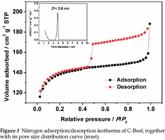
This technique evaluates the successful functionalisation of adsorbents by measuring porosity, specific surface area, and provides textural evidence, including total accessible surface area, changes in pore volume, and average pore size.23
To remove adsorbed impurities and moisture, confirming full availability of pores during nitrogen adsorption before degassing of materials at high temperatures is required. For instance, Anyika et al.16et al.222et al.31
Lastly, BET was used by Ihsanullah et al.3122
Overall, these results highlight the significant role played by BET analysis in verifying effective functionalisation by detecting expected, measurable variations to the material's surface porosity and texture. BET offers vigorous justification that chemical modification has changed the adsorbent in ways consistent with enhanced performance.
Vibrating sample magnetometry (VSM)
This technique confirms successful functionalisation of magnetic adsorbents since surface modification directly varies these key magnetic parameters, namely coercivity, hysteresis behaviour, saturation magnetisation (Ms), and remanent magnetisation (Mr).23
Mourdikoudis et al.,23s, and Mr values are obtained. Effective functionalisation is usually verified when the M-H curve shows: Suppressed hysteresis (superparamagnetic behaviour), demonstrating establishment of smaller, surfacemodified magnetic domains, reduced Ms, representing coating of non magnetic nanoparticles with magnetic material, and deviations in coercivity, signalling changed magnetic anisotropy due to surface change. This trend is steadily exhibited throughout studies utilising magnetic adsorbents for wastewater treatment. Significant decline in magnetisation from 34 emu/g for unmodified Fe₃O₄ to 22 emu/g for the Fe₃O₄-oMWCNT composite confirmed functionalisation of Fe₃O₄ with oxidised multiwalled carbon nanotubes (oMWCNTs) in the work by Iqbal et al.34
Mohamed Khalith et al.,35s from 0.17 emu/g for Fe₃O₄ nanoparticles, to 0.04 emu/g for the highly porous carbon (HPC), and further down to 0.0025 emu/g for the entirely functionalised GMC composite was shown by their VSM measurements. Superparamagnetic behaviour, which is consistent with effective reduction and surface coating of magnetic domain sizes upon functionalisation, is confirmed by the absence of detectable Mr and negligible coercivity values (110, 55, and 0 Oe, respectively). Regardless of the decreased magnetisation, the materials were still easily separable with an external magnet, proving that functionalisation sustained magnetic responsiveness essential for practical recovery.
The use of VSM was also demonstrated by Mittal,27s value of 46.213 emu/g displayed the great magnetic content representative of surfacemodified but structurally intact Fe₃O₄, while the Sshaped hysteresis loop with no noticeable remanence implied superparamagnetism. The capability to magnetically separate the nanoparticles from aqueous solution at this Ms further verified that functionalisation did not compromise operational magnetic properties.
Overall, these results demonstrate that VSM displays more than magnetic properties: shifts in hysteresis shape, Ms, coercivity, and Mr act as consistent indicators of effective functionalisation. The direction and degree of these variations are linked to the magnitude and category of surface modification, making VSM an essential tool for justifying magnetic nanocomposites utilised in Cr(VI) removal and PMs recovery.
ADSORPTION STUDIESThe effectiveness of functionalised adsorbents is managed by numerous operational parameters, namely contact time, pH, initial metalion concentration, temperature, and adsorbent dosage. For optimising systems constructed for the recovery or removal of PMs and Cr(VI) from aqueous media, a good understanding of how these variables impact adsorption performance is fundamental. To accomplish this, kinetic analyses and adsorption isotherms are necessary. Kinetic studies reveal the rate at which adsorption happens and find the processes that influence mass transfer and surface interactions, whereas isotherm models define the connection between the quantity reserved on the adsorbent surface and equilibrium concentration of the adsorbate in solution, offering insight into adsorption mechanisms and surface characteristics. Overall, these evaluations form the systematic foundation for assessing and improving the performance of functionalised adsorbents in wastewater remediation applications.
Adsorption from solution
For PMs stock solutions, chloride salts were dissolved in distilled water and diluted further to the required working solutions in the study by Amuanyena et al.2026,36
Optimal adsorption conditions were determined by systematically varying key experimental variables, namely adsorbent dosage, agitation time, pH, and initial adsorbate concentration. Triplicate analyses were performed for all measurements and recorded as mean values. Equations (1) and (2) were used to calculate the recovery efficiency at equilibrium (%R):
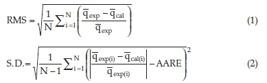
and the equilibrium adsorption capacity (qe):

where Co or Ci is the initial metal adsorbate concentration (mg/L), Cf is the final concentration (mg/L), m is the mass of the adsorbent (g), and V is the volume of the solution (L). Unknown concentrations based on instrument response were calculated from calibration curves obtained from standard dilutions. The used adsorbent was recycled with a suitable solvent to allow further reuse or evaluation after adsorption.
Adsorbent dosage
Adsorbent dosage is a significantly effective variable in batch adsorption systems, as it clearly establishes the number of vacant binding sites accessible for interaction with the target PMs and Cr(VI). Changing the adsorbent dosage and keeping the initial concentration, contact time, temperature, and pH constant allows for the evaluation of how adjustments in the solidtoliquid ratio affect adsorption capacity and removal efficiency. Determining the optimum dosage is consequently fundamental for guaranteeing efficient utilisation of the adsorbent while preventing excessive material input or decreased performance caused by particle aggregation or oversaturation.
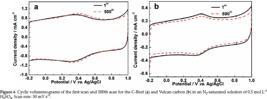
Amuanyena et al.20Figure 6) evaluated the effect of adsorbent dosage on the recovery of precious metals using Fe₃O₄ nanoparticles functionalised with Moringa oleifera seed proteins. The dosage was varied between 0.005 and 0.085 g, at pH 2.5, an equilibrium time of 120 min, and an initial concentration of 10 mg L−1
Similarly, Iqbal et al.34
A wider dosage range (25-250 mg) applying acidmodified AC and CNTs for the remediation of Cr(VI) was explored by Ihsanullah et al.33
A constant pattern appears across the three studies: Removal efficiency is improved with a rise in adsorbent dosage till an optimum level is obtained, thereafter performance declines or becomes constant. Different specific optimum dosages are obtained for these materials: Fe₃O₄ modified with Moringa 0.065g, Fe₃O₄-oMWCNT composites 10 mg, modified AC 75 mg, and modified CNTs 175 associated with differences in adsorbent-adsorbate affinity, surface area, and functionalisation. Materials with larger heterogeneity or lesser site availability require higher dosages, whereas those with greater surface functionality or higher activesite density require lower dosages to attain greater recovery. For all these, dosages beyond the optimum result in imbalanced adsorbent to adsorbate ratios, decreased active surface area, and reduced performance resulting from aggregation. This demonstrates that optimum dosage is both adsorbentspecific and intimately linked to physicochemical surface characteristics governing adsorption behaviour.
pH
pH is a key factor governing adsorption behaviour because it influences both the surface charge of the adsorbent and the chemical speciation of metal ions in solutions. During pH-dependent studies, all other parameters, namely contact time, temperature, adsorbent dosage, and initial metalion concentration, are kept constant, while dilute HCl or NaOH is used to achieve the desired pH range.
Mihăilescu et al.,33Figure 7) examined the adsorption of Au(III) onto Amberlite XAD7 modified with Lglutamic acid across pH 2-14 under fixed conditions (0.1 g adsorbent, 25 °C, 60 min agitation, 5 mg L−1− complexes in acidic media, which interact strongly with protonated -NH₃⁺ groups on the modified resin. Decreased electrostatic attraction and the amine groups' deprotonation are associated with adsorption approaching zero at pH > 8.
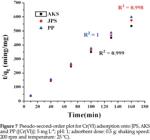
For the adsorption of Ru(III), Pt(IV), and Pd(II) using ChitosanDB18C6, comparable pH-dependent trends were reported by Grad et al.37−, ([PtCl₆]2−, [PdCl₄]2−) and maximum capacities were observed. The interaction between protonated amine groups and these PMs on chitosan resulted in high adsorption, whereas adsorption decreased promptly as the density of protonated surface sites declined and pH increased.
The effects of pH were further explored by Egbosiuba et al.18−1−1−1−1− , CrO₄2−, Cr₂O₇2−, exist for Cr(VI) and their dominance depends greatly on pH. The dominant species becomes CrO₄2− at higher pH, which is repelled by the negatively charged surface of the composite (pH > 6), resulting in a reduction in adsorption. The abundant species are Cr₂O₇2− and HCrO₄− at low pH which strongly attract the positively charged surface of the nanocomposite, leading to high removal of Cr(VI). The competition between excess H⁺ ions and Ni(II), Cd(II), and Fe(II) for vacant active sites resulted in diminished adsorption observed in strongly acidic environments. The point of zero charge (pHpzc) of the composite was reported as pH 6, suggesting a negatively charged surface at pH > 6 and a positively charged surface at pH < 6, which agrees with the adsorption behaviour observed.
The significance of surface charge was similarly emphasised by Mittal et al.27
The effect of pH for Cr(VI) removal between pH 2-8 using acidmodified AC and CNTs was also explored by Ihsanullah et al.312− and HCrO₄− when pH is low, which all adsorb effectively on positively charged surfaces. On the other hand, CrO₄2− predominates at higher pH levels and may experience electrostatic repulsion or undergo precipitation as Cr(OH)₃, which all decrease removal effectiveness.
In all studies, optimal adsorption of metal ions, especially PMs chlorocomplexes and Cr(VI) oxyanions, appears in acidic conditions where favourable electrostatic interactions dominate since adsorbent surfaces are positively charged. Whereas the specific optimal pH differs between adsorbents due to variations in surface chemistry, isoelectric point, and functional groups, a constant decrease in performance is reported as pH rises and either electrostatic repulsion or deprotonation occurs. This behaviour is further influenced by changes in oxyanion speciation for Cr(VI), with Cr₂O₇2− and HCrO₄− favouring adsorption at minimal pH and CrO₄2− contributing to diminished removal at high pH. These results mutually highlight the central role of pH in modulating both metalion speciation and adsorbent surface charge, thus influencing adsorption effectiveness across various materials.
Temperature
This is a vital parameter affecting adsorption, as it can influence the energetics of binding interactions, diffusion into pores, and adsorbate mobility. During temperature-dependent studies, all other operational conditions, namely initial metal ion concentration, pH, adsorbent dosage, and contact time, are maintained constant, while the solution is agitated uniformly.
Mihăilescu et al.33
A related trend was observed by Grad et al.37
The effects of temperature were evaluated by Mohamed Khalith et al.35
In all the studies reviewed, temperature explains a materialspecific impact on adsorption behaviour. For instance, techniques like Amberlite XAD7-Lglutamic acid, optimal performance was already reached at ambient conditions, hence temperature shows little practical benefit. Conversely, at higher temperatures, ChitosanDB18C6 exhibited an enhanced adsorption, consistent with an endothermic process. Insignificant improvement at moderate temperatures, followed by a decrease at higher temperatures that may indicate changes to the adsorbent surface, was exhibited by Cr(VI) adsorption on Fe₃O₄ carbon composites. Together, these results show that while temperature can impact adsorption performance, the magnitude and direction of its outcomes depend strongly on the thermodynamic characteristics, functionalisation, and structural stability of the specific adsorbent system.
Contact time
In batch adsorption studies, contact time is a key effective parameter as it determines the period during which adsorbate species interact with vacant active sites on the adsorbent surface. During these studies, the solution is mixed at a fixed rate to ensure uniform mixing, and variables, namely adsorbent dosage, initial concentration, temperature, and pH, are fixed. The time required to reach adsorption equilibrium, after which no substantial differences in removal effectiveness are observed, is obtained by taking measurements at specified intervals.
As shown in Figure 8, the adsorption of Au(III) onto Amberlite XAD7 modified with Lglutamic acid between 20-120 min was examined by Mihăilescu et al.33−1
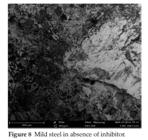
For the adsorption of Ru(III), Pt(IV), and Pd(II) on ChitosanDB18C6, a comparable trend was reported by Grad et al.37
The effect of contact time over a wider range between 30-450 min for PM extraction from e-waste using Fe₃O₄-oMWCNT composites was investigated by Iqbal et al.34et al.37
The effect of contact time on the adsorption of Cr(VI) with acidmodified CNTs and modified AC under fixed conditions (pH 3, 1 mg L−1et al.31
For all the studies reviewed, contact time impacts adsorption until equilibrium is attained, beyond which further increases result in no significant enhancement in removal. Although the exact equilibrium time differs by adsorbent category and material characteristics, 4 h for modified AC, 2 h for modified CNTs, 180 min for Fe₃O₄-oMWCNT and ChitosanDB18C6 composites, 60 min for modified Amberlite XAD7, the pattern overall is maintained. Materials with improved porosity or greater surface functionality tend to attain equilibrium faster, while those with complex surface structures or more heterogeneous require lengthier contact times. The trend throughout studies suggests that equilibrium contact time principally reveals the interplay between the strength of adsorbent-adsorbate interactions, the rate of diffusion into surface pores, and the number of available active sites.
Initial metal ion concentration
The parameter that plays an important role in determining adsorption performance, as it impacts the driving force for mass transfer between the adsorbent surface and solution, is the initial concentration of metal ions. These experiments are conducted at varied initial metal ion concentrations and fixed pH, temperature, adsorbent dosage, and contact time. The point at which adsorbent surface sites become saturated is obtained by examining adsorption capacity and removal efficiency across these concentrations.
A range of initial concentrations was used by Mihăilescu et al.33Figure 9) to examine the adsorption of Au(III) on Amberlite XAD7 modified with Lglutamic acid, whereby adsorption capacity improved with an increase in concentration till an optimum of 75 mg L−1−1
ChitosanDB18C6 was used by Grad et al.37−1−1−1−1−1−1
Cr(VI) adsorption with several agricultural by-products at initial concentrations between 25 and 400 mg L−1et al.38−1Phragmites australis, and 76% for sawdust and 84% for banana waste. The rapid saturation of the restricted active sites on the lowcost biosorbents was associated with the decrease in removal effectiveness at higher concentrations.
Cr(VI) adsorption with a greensynthesised Fe₃O₄ carbon nanocomposite at five different initial concentrations (30.41, 24.3, 18.24, 12.16, and 6.08 mg L−1et al.35
For all studies, initial metal ion concentration illustrates an evident effect on adsorption behaviour, with adsorption capacity largely increasing as concentration rises, up to a saturation point. Each adsorbent has a different specific concentration at which saturation happens: 25 mg L−1−1−1−1
Competitive adsorption and selectivity
Functional groups existing on the adsorbent surface, competing ions, and chemical environment repeatedly influence selectivity in adsorption systems. PMs typically form definite chlorocomplexes under acidic conditions, which may interact differently with protonated functional groups, as reported in various studies reviewed here. For instance, at low pH, Lglutamic acid modified Amberlite XAD7 forms protonated -NH₃⁺ groups that readily adsorb negatively charged [AuCl₄]− complexes formed from Au(III), as reported by Mihăilescu et al.,33et al.39
The zetapotential studies also highlighted that competitive adsorption is strongly affected by the surface charge of the adsorbent. At higher pH, modified Fe₃O₄ nanoparticles became progressively negatively charged, decreasing affinity for anionic species while increasing competition from cationic species under specific conditions. The study emphasised that pHdependent surface charge changes may suppress or favour specific ions when diverse species coexist in solution, implying that selectivity may be dynamic rather than fixed. Similarly, for MWCNTsKIAgNPs, Egbosiuba et al.18−, whilst competitive adsorption with Ni(II), Fe(II) and Cd(II) improved at higher pH where anion affinity was reduced by surface deprotonation, demonstrating that solution structure can change selectivity patterns significantly. Kinetic behaviour and adsorptionisotherm may further provide evidence of competitive interactions. For example, Fe₃O₄oMWCNT composites exhibited high selectivity toward Au(III), Ag(I), and Pd(II) despite the presence of other metal ions as reported by Iqbal et al.34et al.,22
Steric constraint or pore blockage, specifically in systems where various metal ions interact with heterogeneous natural materials, may also demonstrate competitive. In this regard, simultaneous uptake of various PM ions was demonstrated by pomegranatepeelderived biosorbents, as reported by Zhu et al.30
Overall, the literature incorporated in this review suggests that selectivity and competitive adsorption may depend on multiple interrelated factors, including surface functionalisation, metalcomplex speciation, pHdependent charge behaviour, steric constraints, and the presence of competing ions. These findings collectively indicate that although many functionalised adsorbents display promising selectivity patterns, the adsorption environment may substantially influence competitive interactions, and future work optimising solution chemistry and surface modification may further enhance selectivity under real wastewater conditions.
ADSORPTION ISOTHERMS, KINETICS, AND THERMODYNAMICS
Adsorption isotherms for evaluation of equilibrium conditions
Adsorption isotherms describe how adsorbate molecules distribute between the liquid and solid phases at equilibrium.392
Langmuir isotherm model
The Langmuir isotherm assumes monolayer adsorption on a homogeneous surface, where all adsorption sites possess equal affinity for the adsorbate, and no interactions occur between adsorbed molecules.36,38 Under constant adsorption energy, adsorption increases until a saturated monolayer is formed, after which no further adsorption can occur. The linearised Langmuir equation is:

where: qm (mg g−1e (mg g−1e (mg L−1e versus Ce/qm confirms Langmuir behaviour. The favourability of adsorption is assessed using the separation factor RL:
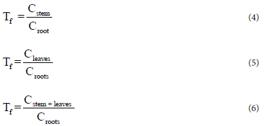
Interpretation of RL: RL < 1: favourable adsorption; RL > 1: unfavourable adsorption; RL = 1: linear adsorption and RL = 0: irreversible adsorption
Freundlich isotherm model
The Freundlich isotherm describes multilayer adsorption on heterogeneous surfaces with non-uniform distribution of adsorption energies.36,38 The linear form of the equation is:

where: KF indicates adsorption capacity (higher values reflect stronger adsorption), 1/n represents surface heterogeneity.
Interpretation of 1/n: 1/n < 1: normal adsorption and 1/n > 1: cooperative adsorption.
Sips isotherm model
The Sips isotherm, also known as the Langmuir-Freundlich model, merges both models to describe adsorption on heterogeneous surfaces at low concentrations while approaching Langmuir behaviour at high concentrations.40

with: qms (mg g−1s (L mg−1s Sips exponent indicating system heterogeneity.
Model behaviour: At low Ce and ns = 1, behaves like Freundlich, and at high Ce and ns = 1, behaves like Langmuir.
A value of 1/ns > 1 suggests greater heterogeneity, whereas 1/ns ≈ 1 indicates more homogeneous adsorption sites.
Temkin isotherm model
The Temkin isotherm accounts for adsorbent-adsorbate interactions and assumes that the heat of adsorption decreases linearly with surface coverage.38

where: B is related to the heat of adsorption and KT is the equilibrium binding constant.
This model is particularly useful for understanding systems where adsorbent-adsorbate interactions play a significant role.
Dubinin-Radushkevich (D-R)
The D-R isotherm is derived from Polanyi's theory of adsorption potential and is applied to distinguish between physical and chemical adsorption based on mean adsorption energy potential.40

with the adsorption potential ε defined as:

where: qmDR (mg g−1DR is the D-R constant, Cs is the adsorbate solubility, R is the gas constant, and T is temperature (K).
The commonly misused expression ε = RT ln(1 + 1/Ce) is incorrect because the terms 1 and 1/Ce are not dimensionally compatible; thus, the definition above is used.
The mean free adsorption energy (E) is calculated from:

Values of E: E<8 kJ/mol: physisorption, 8-16 kJ/mol: ion-exchange processes, and >16 kJ/mol: chemisorption
A critical evaluation of adsorption isotherms is essential for understanding how different classes of functionalised adsorbents interact with PMs and Cr(VI) under equilibrium conditions. While the Langmuir, Freundlich, Sips, Temkin, and D-R models provide distinct theoretical frameworks describing monolayer versus multilayer adsorption, surface homogeneity versus heterogeneity, and physical versus chemical adsorption, their real significance emerges when they are applied comparatively across studies.
Assessing which models best describe adsorption for particular adsorbent types, agricultural biosorbents, polymer functionalised materials, and engineered nanocomposites shows trends that go beyond single experiments. These relative patterns help explain why certain classes of adsorbents consistently display multilayer heterogeneous behaviour, why others favour monolayer chemisorption, and why inconsistencies arise when comparable systems are described to follow diverse isotherm models. Hence, merging theoretical models with cross-study evaluation provides deeper insight into adsorption mechanisms, selectivity, and the chemical or structural structures that govern isotherm performance across various adsorbent classes.
Across the literature, the isotherm behaviour of functionalised adsorbents demonstrates clear class-dependent trends. For PM adsorption using engineered nanocomposites, such as Fe₃O₄oMWCNTs, Iqbal et al.362et al.222
In contrast, Mihăilescu et al.33Figure 10 and Table 1) found that Amberlite XAD7 functionalised with Lglutamic acid exhibited the strongest fit with the Sips isotherm (R222s = −0.71) confirmed the heterogeneous nature of the surface. These results collectively demonstrate that polymer-based and biomolecule-modified resins do not exhibit the same degree of surface uniformity as metaloxide nanocomposites, resulting in isotherm behaviour that incorporates both homogeneous and heterogeneous features better captured by the Sips model.
For chromium(VI) and other heavy metals, functionalisation level and adsorbent class play an even more decisive role. In a study by Egbosiuba et al.,1822et al.312et al.384142et al.432
Kinetics of adsorption
To interpret the mechanisms governing the relationship between functionalised adsorbents, Cr(VI), and PMs, understanding adsorption kinetics is crucial. Kinetic models are useful for differentiation between chemical and physical adsorption processes, the identification of ratelimiting steps, and the quantification of adsorption rates.38,41 To be exact, the intraparticle diffusion model offers insight into masstransfer limitations in porous materials. The pseudo-secondorder (PSO) models and pseudo-firstorder (PFO) are extensively employed due to their ability to describe various adsorption systems. When interpreted together, these models provide a thorough understanding of how surface functionalisation, solution conditions, and pore structure determine adsorption performance among various adsorbent classes.
Pseudo-first-order kinetics
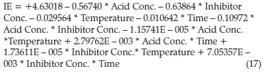
The PFO model assumes that the number of available adsorption sites is proportional to the adsorption rate.38e), and the adsorption capacity at time t (qt), allowing these variables to be determined from the intercept and the slope of a plot of log(qe − qt) against time:
or

The PFO model is often limited to the initial stages of adsorption, whilst it accurately describes systems dominated by external surface interactions, and may underestimate qe for systems in which diffusion or chemisorption processes dominate.
Pseudo-second-order kinetics
This model is often more appropriate for functionalised adsorbents, particularly when adsorption involves valence forces via electron exchange or sharing.38t, from which both the rate constant (k₂) and equilibrium adsorption capacity (qe) can be determined.

In comparison to the PFO model, the PSO formulation frequently reveals that chemisorption is the ratecontrolling step and consistently defines adsorption across the full kinetic range, an observation consistent with systems such as chemically modified materials and magnetic nanocomposites exhibiting strong affinity for Cr(VI) and PMs.
Intraparticle diffusion model
To further measure whether diffusion monitors the adsorption rate, this model is applied.41t) as a function of the square root of time, including the intercept (C) and intraparticle diffusion constant (Kid).

The intercept indicates the thickness of the boundary layer, whereas the Kid value reflects the rate of adsorbate molecules into the pores of the adsorbent. If a plot does not pass through the origin, it suggests that the sole ratelimiting step is not intraparticle diffusion and that surface adsorption or external film diffusion also affect the overall kinetics. This model is therefore especially useful in differentiating multistage adsorption mechanisms in porous and hierarchical materials such as activated carbons, CNT-based composites, and LDH-modified nanostructures.
A coherent understanding of adsorption kinetics is essential for interpreting how different functionalised adsorbents interact with PMs and Cr(VI) for determining whether sorption is governed by surface reactions, film diffusion, or intraparticle diffusion. Whereas the PFO and PSO models quantify the rate at which equilibrium is achieved, and the nature of the ratecontrolling step, comparative evaluation across studies reveals broader mechanistic trends that correlate strongly with adsorbent class, surface chemistry, and metalion speciation. This section, therefore, synthesises kinetic behaviours reported in the literature to identify which materials demonstrate chemisorptiondominant adsorption, which exhibit mixed kinetic control, and which factors explain the variability observed between different studies and adsorbent systems.
Mihăilescu et al.33Figure 11 and Table 2 and showed that although both PFO and PSO models fitted the data reasonably well (R2e values (11.82 mg/g predicted vs. 14.23 mg/g experimental at 298 K). Table 2 further shows that the PFO model consistently underestimated qe (5.25-5.45 mg/g across 298-318 K), whereas the PSO model provided qe values (11.82-12.25 mg/g) that more closely followed experimental values, demonstrating better predictive power. Additionally, activation energy (Ea = 10.08 kJ/mol) exceeded the theoretical threshold for pure physisorption (4.2 kJ/mol), indicating a physicalchemical adsorption mechanism but with a pronounced chemisorptive component. The authors therefore concluded that the PSO model best captures the ratelimiting interactions between Au(III) and the aminerich functional surface of the modified resin.
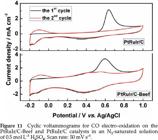
Similar mechanistic behaviour was reported by Grad et al.372a > 40 kJ/mol) confirmed chemisorption as the dominant mechanism. The consistency between these two studies, despite different adsorbent matrices, indicates that polymer-based adsorbents functionalised with donor groups such as amines, amides, or crown ethers generally favour chemisorption-controlled kinetics, reflected in strong PSO behaviour. This suggests that ligand metal coordination, rather than physical attraction or diffusion, primarily governs adsorption rates for such materials.
A similar trend was observed for nanocomposite-based adsorbents. Egbosiuba et al.,182et al.38
Ihsanullah et al.31222et al.,35et al.44
A broader synthesis of these outcomes establishes various main mechanistic patterns. First, adsorbents from agricultural residues, regardless of their heterogeneity, often exhibit PSO behaviour when Cr(VI) is involved since it undergoes complexation and reduction reactions during adsorption, processes fundamentally related to chemisorption. Second, functionalised nanocomposites such as Fe₃O₄containing materials, graphenebased, and CNTbased, consistently display PSOdominated kinetics due to their highaffinity active sites and high uniform density, which promote surface complexation and electron transfer. Lastly, biopolymerbased and polymeric materials, including ChitosanDB18C6 and Amberlite XAD7-glutamic acid, also exhibit strong chemisorptive behaviour, reflected in higher activation energies and elevated R2
Notably, the few instances where PFO or mixedorder behaviour appear in the literature generally correspond to systems dominated by rapid surface sorption or weak physical interactions rather than surface functionalisation. Hence, the occasional inconsistencies across studies arise not from procedural irregularities but from fundamental differences in pore structure, the presence or absence of specific functional groups, and surface chemistry capable of forming chemical bonds with metal ions.
Overall, the comparative analysis clearly shows that PSO is the dominant kinetic model for functionalised adsorbents used in the recovery of PMs and the removal of Cr(VI), reflecting the prevalence of chemisorption and strong adsorbent metal interactions across these systems. Differences in kinetic behaviour between materials can thus be explained by the nature of their active sites, the degree of functionalisation, and the inherent reactivity of the target metal ions.
Adsorption thermodynamics
Adsorption thermodynamics provide essential insight into the feasibility, spontaneity, and energetic nature of metalion uptake by functionalised adsorbents.3918

where R is the gas constant, T is the temperature (K), and K is the equilibrium constant. Figure 12 illustrates the Van't Hoff relation, derived from Equation (15), which enables simultaneous determination of d ΔS° and ΔH° from the intercept and slope of ln K versus 1/T.
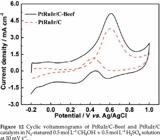

Together, these parameters indicate whether adsorption is chemisorptive, physisorptive, entropydriven, and enthalpydriven, allowing meaningful interpretation of adsorption mechanisms and selectivity across adsorbent classes.
Au(III) adsorption onto Amberlite XAD7 modified with Lglutamic acid demonstrated thermodynamic behaviour which are broadly consistent with patterns commonly observed for ligandfunctionalised polymer resins as reported by Mihăilescu et al.33Table 3). As exhibited in Figure 12 & Table 3, the process displayed a positive entropy change (ΔS° = 55.8 J/mol·K), moderately negative Gibbs free energy values (ΔG° ranging from −1.22 to −2.33 kJ/mol across 298-318 K) and a moderately positive enthalpy change (ΔH° = 15.43 kJ/mol). The positive ΔS° likely indicates increased interfacial disorder, potentially linked to configurational rearrangements within the resin and partial dehydration of Au(III) species during ligand exchange. The increasingly negative ΔG° values indicate that spontaneity may increase slightly with temperature, whilst the positive ΔH° suggests that adsorption is endothermic under the studied conditions. Figure 12 exhibits the linearity of the van't Hoff plot, which further supports temperature dependent favourability, a behaviour frequently interpreted as consistent with endothermic chemisorption involving metal-ligand coordination, although contributions from polymermatrix relaxation or hydrationshell disruption cannot be excluded.
Similar thermodynamic behaviour has been reported for other polymermodified adsorbents. For instance, Grad et al.37
Conversely, Cr(VI) adsorption exhibits a broader range of thermodynamic behaviours, indicating the impact of chromium speciation (CrO₄2et al.39Aspergillus niger, a pattern consistent with primarily outersphere, substantially driven interactions in systems where electrontransfer pathways are restricted. Most agricultural and related materials exhibit correspondingly minimal enthalpy changes unless chemically modified, implying weaker sorption forces and restricted specificity in their natural form. Further variations appear when Egbosiuba et al.,18et al.,35
Overall, performance differences across adsorbent classes could be explained by these distinct thermodynamic signatures. PM adsorption onto LDH hybrids and polymerfunctionalised resins classically displays moderately negative ΔG°, strongly positive ΔS°, and moderately positive ΔH° behaviour consistent with relatively weak chemisorption and ligandmediated interactions. Cr(VI) adsorption, nevertheless, exhibits greater inconsistency depending on whether reduction to Cr(III) happens during uptake: redoxactive adsorbents frequently display larger (yet still modest) entropy and enthalpy changes, whilst systems relying largely on electrostatic interactions exhibit significantly reduced values. Evident inconsistencies between available thermodynamic datasets are hence more reasonably attributable to variations in redox activity, Cr(VI) speciation, and surface chemistry than to operational limitations. Egbosiuba et al.,25
SCALE-UP CONSIDERATIONS AND PRACTICAL APPLICATION
Even though adsorption is broadly defined as environmentally favourable and a costeffective strategy, its adaptation to industrial practice, starting with laboratory studies, may require thorough evaluation. Bilal et al.,9et al.,20et al.,30et al.,25et al.,2et al.1
From an operational assessment, studies such as those by Alshammari et al.,10et al.,9et al.,845et al.46
The possibility of scaleup is also associated with adsorbent durability and regeneration. For instance, Egbosiuba et al.18et al.37
Regardless of these reassuring results, various authors caution that scaleup may present operational setbacks. For example, Mourdikoudis et al.23et al.16et al.31et al.,18et al.,37et al.,33et al.31et al.,34et al.,33et al.31et al.,19et al.,20
Together, while the literature reviewed commonly supports the possibility of functionalised adsorbents as environmentally favourable, costeffective, and regenerable materials, authors across several studies emphasise that their effective industrial application may depend on addressing aggregation behaviour, stability, contacttime optimization, and pH sensitivity under realistic wastewater conditions. These reflections may inform upcoming research and assist in bridging the gap between largescale deployment, practical, and laboratory demonstrations.
RECOVERY AND RECYCLINGRecovery or removal of precious metals (PMs) and Cr(VI) from spent functionalised adsorbents is essential for ensuring the environmental sustainability, economic viability, and circulareconomy relevance of adsorption technologies. A variety of recovery techniques have been reported, including traditional chemical desorption using mineral acids, thermal decomposition of spent adsorbents, and solventbased extraction systems such as emerging deep eutectic solvents (DESs). These approaches share the common objective of selectively isolating metal ions for reuse or further processing, while enabling the regeneration of adsorbents so that multiple adsorption-desorption cycles can be achieved.
Traditional regeneration methods rely primarily on mineral acid desorption, in which protonation weakens metal ligand interactions at the adsorbent surface. For example, Biata et al.22et al.18
A second category comprises thermal decomposition techniques, which are particularly suited for polymeric or biomaterialbased adsorbents that form strong innersphere complexes with precious metals. Mihăilescu et al.33Table 3). Thermogravimetric analysis was used to identify the necessary temperature ranges, and the samples were subsequently heated up to 1 273 K to yield metallic gold, which was confirmed by SEM-EDX. Thermal decomposition was also successfully applied by Grad et al.37
Solvent-based regeneration represents a third category, where conventional organic solvents or emerging green solvents are used to dissolve or disrupt adsorbate surface interactions. Within solventbased strategies, deep eutectic solvents (DESs) have emerged as a more sustainable and increasingly preferred alternative. DESs are formed by combining a hydrogenbond donor (HBD) with a hydrogenbond acceptor (HBA), producing a eutectic mixture with a significantly depressed melting point relative to the starting components. As described by Abdullah and Kadhom,45
DESs have proven particularly effective for recovering platinumgroup metals (PGMs). Lanaridi,46et al.47
Generally, these recovery pathways emphasise the importance of regeneration in enabling a circulareconomy methodology to functionalised adsorbents. Thermal decomposition offers highpurity metal recovery, but at a superior energy cost. Traditional mineralacid desorption remains efficient but can generate chemical waste and decrease adsorbent longevity. Conversely, DESs offer reduced environmental burden, tunability, and high efficiency, providing a favorable path for sustainable adsorbent recycling and PM recovery.
VARIOUS FUNCTIONALISED ADSORBENTS COMPARATIVE PERFORMANCEThe improved performance of functionalised adsorbents compared to conventional materials has been consistently demonstrated across studies exploring the recovery and removal of Cr(VI) and PMs. Their strong selectivity, high adsorption capacity, and superior stability arise from the careful integration of functional groups that promote specific metal ligand interactions, together with naturally well-developed porosity and large surface areas. These chemical and structural features facilitate improved recyclability, faster kinetics, and more efficient binding compared with unmodified adsorbents. Table 4 provides a consolidated overview of adsorbent characteristics and adsorption variables to demonstrate these comparative advantages reported in several independent investigations.
A holistic evaluation of the parameters in Table 4 shows that the performance of functionalised adsorbents is strongly dependent on the interplay between pH, equilibrium time, surface area, isotherm behaviour, kinetic control, and regeneration capacity, with clear mechanistic differences between PM recovery and Cr(VI) removal. For PM systems, the strongest adsorption is achieved under highly acidic conditions (typically pH ≤ 4), which favour the formation of stable PMchloro complexes and enhance interaction with protonated functional groups. This trend is most pronounced for the H₂SO₄activated biomassderived carbon reported by Bediako et al.,25Table 4 under strongly acidic conditions, reflecting the synergistic effect of extensive microporosity and dense acidic surface functionalities.
Polymermodified adsorbents such as Amberlite XAD7-glutamic acid Mihăilescu et al.33et al.37et al.22
Effects of temperature also vary greatly across PM systems: Several PM adsorbents function successfully at 25 °C, including Amberlite XAD7-glutamic acid and Fe₃O₄/Mg-AlLDH, suggesting that high PM uptake does not require high temperatures. Conversely, ChitosanDB18C6 exhibits slightly improved recovery at 45 °C, demonstrating moderate thermal stimulation of ligand mobility. PM targeting adsorbents also differ in equilibrium times: Polymeric systems require 60-180 min, whereas Fe₃O₄/Mg-AlLDH approaches equilibrium quickly at 27 min, suggesting slower intraparticle diffusion through compact matrices.
Kinetic investigation of the studied PM materials by Biata et al.,22et al.,37et al.33
In contrast, Cr(VI) removal presents a different pattern because Cr(VI) exists in multiple oxyanion forms (HCrO₄⁻, CrO₄2et al.25
By contrast, the acidmodified CNTs and activated carbon reported by Ihsanullah et al.31et al.,18
Taken together, the data in Table 4 indicate that high PM recovery is achieved when several parameters converge: strongly acidic pH, high surface area, the presence of ligandspecific coordination sites, favourable monolayer adsorption (typically Langmuir behaviour), PSOtype chemisorption kinetics, and stable regeneration performance. In contrast, successful Cr(VI) removal relies more on acidic operating conditions, favourable surface charge, moderate temperatures, and rapid electrostatic or redoxassisted interactions. These numerous systematic limitations explain why Cr(VI) systems exhibit wider variability, whereas PM focusing adsorbents consistently show more predictable capacities and superior performance across the materials evaluated.
CONCLUSION
Functionalised adsorbents continue to exhibit substantial potential as adaptable materials for the removal and recovery of Cr(VI), PMs, and various pollutants from aqueous media. Their adaptable structural properties, tunable surface chemistry, and high surface area enable strong interactions with a wide range of target species, including gold, platinum, palladium, silver, ruthenium, iridium, several organic pollutants, and heavy metals. Even though performance varies across material classes, the ability to modify functional groups such as -COOH, -NH₂, and -SH offers opportunities to enhance adsorption affinity and selectivity, thereby enhancing overall removal efficiency.
A wide range of functionalisation approaches and synthesis, incorporating templateassisted, hydrothermal, sol-gel processing, and chemical vapour deposition procedures, continues to expand the operational range of these adsorbents. Composite and hybrid systems, predominantly those involving metal oxides or polymers, further enhance electrical, magnetic, and mechanical properties, often enabling improved reusability and separation efficiency. Thorough characterisation with zeta potential, FTIR, BET, XRD, TGA, SEM, and VSM analysis provides the chemical and structural understanding required to justify functionalisation and appreciate structure-performance interactions.
Variables, namely initial metalion concentration, temperature, adsorbent dosage, contact time, and pH, influence the adsorption behaviour of functionalised adsorbents. Isotherm and kinetic studies remain fundamental for interpreting modelling equilibrium behaviour and adsorption mechanisms, optimising process environments. Although adsorption often exhibits PSO kinetics and Sips or Langmuir isotherm models, differences across adsorbent categories demonstrate the necessity for systemspecific assessment rather than broad assumptions.
Recovery of PMs from used adsorbents is also a fundamental part of ecological effluent treatment. Several extraction and regeneration approaches involving solvent extraction (gradually utilising greener solvents such as DESs), chemical precipitation, electrodeposition, and membrane-based processes have shown potential for selective recovery of PMs and restoring adsorbent functionality. These methods support circulareconomy objectives by aiding resource recovery and pollutant removal.
Generally, this review offers a combined perspective on recovery pathways, surfacefunctionalisation strategies, operational influences, adsorption mechanisms, and synthesis approaches associated with functionalised adsorbents. Although considerable progress has been made, further research may still be required to enhance regeneration effectiveness, longterm stability, scalability, and performance under realistic effluent conditions. Nevertheless, the collective evidence indicates that functionalised nanomaterialbased adsorbents remain among the most promising candidates for advancing efficient and sustainable remediation technologies for wastewater contaminated with PMs, Cr(VI), and other pollutants.
FUTURE OUTLOOK AND CHALLENGESThe future development of functionalised adsorbents for the recovery or removal of precious metals (PMs) and chromium(VI) may require addressing several fieldrelevant challenges that go beyond the promising laboratory findings reported by Amuanyena et al.,20et al.,33et al.,37et al.18et al.33et al.18et al.22et al.18
Furthermore, most adsorption studies, including those by Grad et al.,37et al.,30et al.,37et al.,33et al.,16et al.,9et al.,25et al.,30et al.46
To address these issues, future research may benefit from a structured roadmap that includes clarifying surfaceinteraction mechanisms under multiion conditions, validating adsorbent performance in real wastewater matrices, improving regeneration durability, developing scaleappropriate reactor configurations for functionalised adsorbents, and conducting lifecycle and technoeconomic analyses to evaluate environmental sustainability and industrial viability.
SUPPLEMENTARY INFORMATIONThere is no supplementary information.
AUTHOR CONTRIBUTIONSConceptualisation, M.A.E.; writing-original draft preparation, M.A.E.; writing-review and editing, H.M.K, M.M.N and D.S. All authors have examined and accepted to the published version of the manuscript.
DECLARATION OF COMPETING OR FINANCIAL INTERESTNo conflict of interest is declared by the authors, and no external funds were used for this research.
DECLARATION OF GENERATIVE AI AND AI-ASSISTED TECHNOLOGIES
Quillbot and Copilot were used to correct the grammar in this article.
AUTHOR ORCIDSMarta O.N.A. Elvin: https://orcid.org/0009-0002-1001-3940
Mathew M. Nindi: https://orcid.org/0000-0001-7222-1505
Habauka M. Kwaambwa: https://orcid.org/0000-0001-9378-9933
Simi Dube: https://orcid.org/0009-0002-7482-3945
COPYRIGHT PERMISSIONS FOR REPRODUCED FIGURESThe authors confirm that written permission was obtained for all reproduced figures and is available upon request, in accordance with standard journal practice.
ACKNOWLEDGMENTS
The authors acknowledge support from these universities: Namibia University of Science and Technology (NUST) and University of South Africa (UNISA) in preparation of this paper. The authors have revised and altered the output and take full accountability for the content of this publication.
REFERENCES
-
1. Reith F, Campbell SG, Ball AS, Pring A, Southam G. Platinum in Earth surface environments. Earth Sci Rev. 2014;131:1-21. https://doi.org/10.1016/j.earscirev.2014.01.003.
» https://doi.org/10.1016/j.earscirev.2014.01.003 -
2. Aghaei E, Alorro RD, Encila AN, Yoo K. Magnetic adsorbents for the recovery of precious metals from leach solutions and wastewater. Metals (Basel). 2017;7(12):529. https://doi.org/10.3390/met7120529.
» https://doi.org/10.3390/met7120529 -
3. Cayumil R, Khanna R, Rajarao R, Mukherjee PS, Sahajwalla V. Concentration of precious metals during their recovery from electronic waste. Waste Manag. 2016;57:121-130. https://doi.org/10.1016/j.wasman.2015.12.004.
» https://doi.org/10.1016/j.wasman.2015.12.004 -
4. Sharma S, Krishna Kumar AS, Rajesh N. A perspective on diverse adsorbent materials to recover precious palladium and the way forward. RSC Adv. 2017;7(82):52133-52142. https://doi.org/10.1039/C7RA10153H.
» https://doi.org/10.1039/C7RA10153H -
5. Lau YJ, Khan FSA, Mubarak NM, Lau SY, Chua HB, Khalid M, Abdullah EC. Functionalized carbon nanomaterials for wastewater treatment. In: Thomas S, Grohens Y, Pottathara YB (editors), Industrial Applications of Nanomaterials. Amsterdam: Elsevier Inc.; 2019. pp. 283-311. https://doi.org/10.1016/B978-0-12-815749-7.00010-4.
» https://doi.org/10.1016/B978-0-12-815749-7.00010-4 -
6. Nikoloski AN, Ang KL. Review of the application of ion exchange resins for the recovery of platinum-group metals from hydrochloric acid solutions. Miner Process Extr Metall Rev. 2014;35(6):369-389. https://doi.org/10.1080/08827508.2013.764875.
» https://doi.org/10.1080/08827508.2013.764875 - 7. Yahorava V, Kotze M. Ion exchange technology for the efficient recovery of precious metals from waste and low-grade streams. J South Afr Inst Min Metall. 2014;114(2):173-181.
-
8. Krishnan S, Zulkapli NS, Kamyab H, Taib SM, Din MFBM, Majid ZA, Chaiprapat S, Kenzo I, Ichikawa Y, Nasrullah M, et al. Current technologies for recovery of metals from industrial wastes: an overview. Environ Technol Innov. 2021;22: 101525. https://doi.org/10.1016/j.eti.2021.101525.
» https://doi.org/10.1016/j.eti.2021.101525 -
9. Bilal M, Shah JA, Ashfaq T, Gardazi SMH, Tahir AA, Pervez A, Haroon H, Mahmood Q. Waste biomass adsorbents for copper removal from industrial wastewater-A review. J Hazard Mater. 2013;263:322-333. https://doi.org/10.1016/j.jhazmat.2013.07.071.
» https://doi.org/10.1016/j.jhazmat.2013.07.071 -
10. Alshammari MS, Derafa W, Elshaygi EAA. Removal of heavy metals from groundwater using silica/activated carbon composite. Desalination Water Treat. 2021;238:198-206. https://doi.org/10.5004/dwt.2021.27774.
» https://doi.org/10.5004/dwt.2021.27774 -
11. Tamjidi S, Moghadas BK, Esmaeili H, Shakerian Khoo F, Gholami G, Ghasemi M. Improving the surface properties of adsorbents by surfactants and their role in the removal of toxic metals from wastewater: A review study. Process Saf Environ Prot. 2021;148:775-795. https://doi.org/10.1016/j.psep.2021.02.003.
» https://doi.org/10.1016/j.psep.2021.02.003 -
12. Alshammari MS, Derafa W, Elshaygi EAA. Removal of heavy metals from groundwater using silica/activated carbon composite. Desalination Water Treat. 2021;238:198-206. https://doi.org/10.5004/dwt.2021.27774.
» https://doi.org/10.5004/dwt.2021.27774 -
13. Krishna D, Sree RP. Artificial Neural Network and Response Surface Methodology Approach for Modeling and Optimization of Chromium (VI) Adsorption from Waste Water using Ragi Husk Powder. Indian Chem. Eng. 2013;55(3):200-222. https://doi.org/10.1080/00194506.2013.829257.
» https://doi.org/10.1080/00194506.2013.829257 -
14. Demiral İ, Samdan C, Demiral H. Enrichment of the surface functional groups of activated carbon by modification method. Surf Interfaces. 2021;22:100873. https://doi.org/10.1016/j.surfin.2020.100873.
» https://doi.org/10.1016/j.surfin.2020.100873 -
15. Aigbe UO, Osibote OA. A review of hexavalent chromium removal from aqueous solutions by sorption technique using nanomaterials. J Environ Chem Eng. 2020;8(6):104503. https://doi.org/10.1016/j.jece.2020.104503.
» https://doi.org/10.1016/j.jece.2020.104503 -
16. Anyika C, Asri NAM, Majid ZA, Yahya A, Jaafar J. Synthesis and characterization of magnetic activated carbon developed from palm kernel shells. Nanotechnol Environ Eng. 2017;2(1):16. https://doi.org/10.1007/s41204-017-0027-6.
» https://doi.org/10.1007/s41204-017-0027-6 -
17. Arnelli, Wahyuningrum VN, Fauziah F, Astuti Y. Synthesis of surfactant modified activated carbon (SMAC) from rice husks as Ni(II) and Cr(VI) adsorbent. In: IOP Conference Series: Materials and Science Engineering, Volume 509, 13th Joint Conference on Chemistry (13th JCC), Semarang, Indonesia, 7-8 September 2018. Bristol: IOP Publishing, 2019. Article 012023. https://doi.org/10.1088/1757-899X/509/1/012023.
» https://doi.org/10.1088/1757-899X/509/1/012023 -
18. Egbosiuba TC, Abdulkareem AS, Kovo AS, Afolabi EA, Tijani JO, Bankole MT, Bo S, Roos WD. Adsorption of Cr(VI), Ni(II), Fe(II) and Cd(II) ions by KIAgNPs decorated MWCNTs in a batch and fixed bed process. Sci Rep. 2021;11(1):75. https://doi.org/10.1038/s41598-020-79857-z.
» https://doi.org/10.1038/s41598-020-79857-z -
19. Padmavathy KS, Madhu G, Haseena PV. A study on Effects of pH, Adsorbent Dosage, Time, Initial Concentration and Adsorption Isotherm Study for the Removal of Hexavalent Chromium (Cr (VI)) from Wastewater by Magnetite Nanoparticles. Procedia Technol. 2016;24:585-594. https://doi.org/10.1016/j.protcy.2016.05.127.
» https://doi.org/10.1016/j.protcy.2016.05.127 -
20. Amuanyena MON, Kandawa-Schulz M, Kwaambwa HM. Magnetic Iron Oxide Nanoparticles Modified with Moringa Seed Proteins for Recovery of Precious Metal Ions. J Biomater Nanobiotechnol. 2019;10(2):142-158. https://doi.org/10.4236/jbnb.2019.102008.
» https://doi.org/10.4236/jbnb.2019.102008 -
21. Maikokera R, Kwaambwa HM. Interfacial properties and fluorescence of a coagulating protein extracted from Moringa oleifera seeds and its interaction with sodium dodecyl sulphate. Colloids Surf B Biointerfaces. 2007;55(2):173-178. https://doi.org/10.1016/j.colsurfb.2006.11.029.
» https://doi.org/10.1016/j.colsurfb.2006.11.029 -
22. Biata NR, Jakavula S, Mashile GP, Nqombolo A, Moutloali RM, Nomngongo PN. Recovery of gold(III) and iridium(IV) using magnetic layered double hydroxide (Fe3O4/Mg-Al-LDH) nanocomposite: equilibrium studies and application to real samples. Hydrometallurgy. 2020;197:105447. https://doi.org/10.1016/j.hydromet.2020.105447.
» https://doi.org/10.1016/j.hydromet.2020.105447 -
23. Mourdikoudis S, Pallares RM, Thanh NTK. Characterization techniques for nanoparticles: comparison and complementarity upon studying nanoparticle properties. Nanoscale. 2018;10(27):12871-12934. https://doi.org/10.1039/C8NR02278J.
» https://doi.org/10.1039/C8NR02278J -
24. Bagherzadeh M, Aslibeiki B, Arsalani N. Preparation of Fe3O4/vine shoots derived activated carbon nanocomposite for improved removal of Cr(VI) from aqueous solutions. Sci Rep. 2023;13(1):3960. https://doi.org/10.1038/s41598-023-31015-x.
» https://doi.org/10.1038/s41598-023-31015-x -
25. Bediako JK, Kudoahor E, Lim CR, Affrifah NS, Kim S, Song MH, Repo E. Exploring the insights and benefits of biomass-derived sulfuric acid activated carbon for selective recovery of gold from simulated waste streams. Waste Manag. 2024;177:135-145. https://doi.org/10.1016/j.wasman.2024.02.002.
» https://doi.org/10.1016/j.wasman.2024.02.002 -
26. Kang Z, Jia X, Ma X, Wen D. Modelling and Prediction of Fe/MWCNT Nanocomposites for Hexavalent Chromium Reduction. Processes (Basel). 2023;11(12):3271. https://doi.org/10.3390/pr11123271.
» https://doi.org/10.3390/pr11123271 -
27. Mittal R, Sharma A, Bhardwaj AK, Bhateria R, Bansal S, Kashyap R, Bhukal S. Removal of chromium (VI) using spirulina assisted synthesized mesoporous iron oxide nanoparticles. Inorg Chem Commun. 2023;154:110881. https://doi.org/10.1016/j.inoche.2023.110881.
» https://doi.org/10.1016/j.inoche.2023.110881 -
28. Kumar A, Dixit CK. Methods for characterization of nanoparticles. In: Nimesh S, Chandra R, Gupta N (editors), Advances in Nanomedicine for the Delivery of Therapeutic Nucleic Acids. Duxford: Woodhead Publishing; 2017. pp. 43-58. https://doi.org/10.1016/B978-0-08-100557-6.00003-1.
» https://doi.org/10.1016/B978-0-08-100557-6.00003-1 -
29. Shekede T, Mishra AK. Moringa oleifera Seeds Extracts / Magnetite based Bionanocomposites for Hexavalent chromium Uptake. SETWM. 2019;19:55-62. https://doi.org/10.17758/EARES8.EAP1119247.
» https://doi.org/10.17758/EARES8.EAP1119247 -
30. Zhu Q, Zhu J, Huang K. Selectivity of modified pomegranate peel for gold, platinum, and palladium: adsorption behavior, mechanism, and recovery. J Environ Chem Eng. 2024;12(2):111902. https://doi.org/10.1016/j.jece.2024.111902.
» https://doi.org/10.1016/j.jece.2024.111902 -
31. Ihsanullah, Al-Khaldi FA, Abu-Sharkh B, Abulkibash AM, Qureshi MI, Laoui T, et al. Effect of acid modification on adsorption of hexavalent chromium (Cr(VI)) from aqueous solution by activated carbon and carbon nanotubes. Desalin Water Treat. 2016;57(16):7232-7244. https://doi.org/10.1080/19443994.2015.1021847.
» https://doi.org/10.1080/19443994.2015.1021847 - 32. Boddolla S, Thodeti S. A Review On Characterization Techniques Of Nanomaterials. Int. J. Eng. Sci. Math. 2018;7(1):169-175.
-
33. Mihăilescu M, Negrea A, Ciopec M, Davidescu CM, Negrea P, Duţeanu N, Rusu G. Gold (III) adsorption from dilute waste solutions onto Amberlite XAD7 resin modified with L-glutamic acid. Sci Rep. 2019;9(1):8757. https://doi.org/10.1038/s41598-019-45249-1.
» https://doi.org/10.1038/s41598-019-45249-1 -
34. Iqbal A, Jan MR, Shah J, Rashid B. Dispersive solid phase extraction of precious metal ions from electronic wastes using magnetic multiwalled carbon nanotubes composite. Miner Eng. 2020;154:106414. https://doi.org/10.1016/j.mineng.2020.106414.
» https://doi.org/10.1016/j.mineng.2020.106414 -
35. Mohamed Khalith SB, Rishabb Anirud R, Ramalingam R, Karuppannan SK, Dowlath MJH, Pandion K, Ravindran B, WoongChang S, Ovi D, Arasu MV, et al. WoongChang S, Ovi D, Arasu MV, Ignacimuthu S, Al-Dhabi AN, Chandrasekaran M, Arunachalam KD. Synthesis and characterization of magnetite carbon nanocomposite from agro waste as chromium adsorbent for effluent treatment. Environ Res. 2021;202:111669. https://doi.org/10.1016/j.envres.2021.111669.
» https://doi.org/10.1016/j.envres.2021.111669 -
36. Timbo CC, Kandawa-Schulz M, Amuanyena M, Kwaambwa HM. Adsorptive Removal from Aqueous Solution of Cr(VI) by Green Moringa Tea Leaves Biomass. J Encap Adsorpt Sci. 2017;7(2):108-119. https://doi.org/10.4236/jeas.2017.72008.
» https://doi.org/10.4236/jeas.2017.72008 -
37. Grad O, Ciopec M, Negrea A, Duțeanu N, Vlase G, Negrea P, Dumitrescu C, Vlase T, Voda R. Precious metals recovery from aqueous solutions using a new adsorbent material. Sci Rep. 2021;11(1):2016. https://doi.org/10.1038/s41598-021-81680-z.
» https://doi.org/10.1038/s41598-021-81680-z -
38. El-Baz AA, Hendy I, Dohdoh AM, Srour MI. Adsorption of High Chromium Concentrations from Industrial Wastewater Using Different Agricultural Residuals. J Environ Treat Tech. 2020;9(1):122-138. https://doi.org/10.4277/JETT/9(1)138.
» https://doi.org/10.4277/JETT/9(1)138 -
39. Ume OL, Ekeoma BC, Yusuf M, Al-Kahtani AA, Ubaidullah M, Sillanpää M. Batch studies of hexavalent chromium biosorption from mining wastewater using Aspergillus niger. Results Chem. 2022;4:100490. https://doi.org/10.1016/j.rechem.2022.100490.
» https://doi.org/10.1016/j.rechem.2022.100490 -
40. Wang J, Guo X. Adsorption kinetics and isotherm models of heavy metals by various adsorbents: an overview. Crit Rev Environ Sci Technol. 2023;53(21):1837-1865. https://doi.org/10.1080/10643389.2023.2221157.
» https://doi.org/10.1080/10643389.2023.2221157 -
41. Ravi T, Sundararaman S. Adsorptive Separation of Hexavalent Chromium From its Aqueous and Real Water Mixtures Using Thermally Treated Country Eggshell Coated With Magnetite Nanoparticles. Russ J Phys Chem B Focus Phys. 2021;15(3):462-475. https://doi.org/10.1134/S1990793121030295.
» https://doi.org/10.1134/S1990793121030295 - 42. Thilagavathy P, Santhi T. Adsorption of Cr (VI) Onto Low-Cost Adsorbent Developed from Acacia Nilotica Leaf Activated with Phosphoric Acid: Kinetic, Equilibrium Isotherm and Thermodynamic Studies. Int J Sci Res (Raipur). 2014;3(5):308-314.
-
43. Gheju M, Balcu I, Jurchescu P. Removal of hexavalent chromium from aqueous solutions by use of chemically modified sour cherry stones. Desalination Water Treat. 2016;57(23):10776-10789. https://doi.org/10.1080/19443994.2015.1040468.
» https://doi.org/10.1080/19443994.2015.1040468 -
44. Sherlala AIA, Raman AAA, Bello MM, Asghar A. A review of the applications of organo-functionalized magnetic graphene oxide nanocomposites for heavy metal adsorption. Chemosphere. 2018;193:1004-1017. https://doi.org/10.1016/j.chemosphere.2017.11.093.
» https://doi.org/10.1016/j.chemosphere.2017.11.093 - 45. Kadhom M, Abdullah G, Abdullah GH, Kadhom MA. Studying of two choline chloride's deep eutectic solvents in their aqueous mixtures. Int J Engine Res. 2016;12(9):73-80.
-
46. Lanaridi O, Platzer S, Nischkauer W, Betanzos JH, Iturbe AU, Del Rio Gaztelurrutia C, Sanchez-Cupido L, Siriwardana A, Schnurch M, Limbeck A, et al. Benign recovery of platinum group metals from spent automotive catalysts using choline-based deep eutectic solvents. Green Chem Lett Rev. 2022;15(2):405-414. https://doi.org/10.1080/17518253.2022.2068973.
» https://doi.org/10.1080/17518253.2022.2068973 -
47. Yuan Z, Liu H, Yong WF, She Q, Esteban J. Status and advances of deep eutectic solvents for metal separation and recovery. Green Chem. 2022;24(5):1895-1929. https://doi.org/10.1039/D1GC03851F.
» https://doi.org/10.1039/D1GC03851F -
48. Poudel A, Adhikari S, Asfaha TY, Lawrence JG, Kandage MM, Marszewski M, Kirchhoff JR. Efficient extraction and analysis of precious metals with a conducting polymer modified magnetic sorbent material. Resour Conserv Recycling. 2023;199:107199. https://doi.org/10.1016/j.resconrec.2023.107199.
» https://doi.org/10.1016/j.resconrec.2023.107199 -
49. Hashem MA, Elnagar MM, Kenawy IM, Ismail MA. Synthesis and application of hydrazono-imidazoline modified cellulose for selective separation of precious metals from geological samples. Carbohydr Polym. 2020;237:116177. https://doi.org/10.1016/j.carbpol.2020.116177.
» https://doi.org/10.1016/j.carbpol.2020.116177
Revised: 22 April 2026
Accepted: 23 May 2026