Recyclable polymeric ionic liquids applied as metal-free transfer hydrogenation catalysts
Abstract
A new methodology for immobilizing a triazolium salt onto polyethylene glycols (PEG) was developed. The immobilization is a two-step reaction, involving the tosylation of PEGs followed by a neat reaction between the PEG tosylates and the triazole. It is a high-yielding reaction conducted under mild conditions with a simple workup procedure. Hence, the salt 1-benzyl-4-phenyl-1H-1,2,3-triazolium iodide was immobilised onto PEGs of varying chain lengths (PEG300_8000) to yield various polymeric ionic liquids (PILs). All the PIL compounds were characterised by spectroscopic analysis and utilised as homogeneous metal-free organocatalysts for the transfer hydrogenation of ketones to alcohols in isopropanol as solvent and hydrogen source. The metal-free PIL catalysts showed activity for transforming acetophenone to 1-phenyl alcohol at up to 87% conversion. The representative PEG600 system was recycled three times with minimal loss in activity. The mechanism of a possible catalyst leaching was investigated using computational calculations. The results reveal that the promoter, isopropanol, also promotes the leaching of the triazole from the PEG backbone.
computational chemistry; metal-free catalysis; polymeric ionic liquids; transfer hydrogenation
INTRODUCTION
Recent interest in catalysis devoted to the development of metal-free organocatalysts that exceed the efficiencies of metal-mediated or enzyme-catalysed transformations has been growing with the emergence of organocatalysis as a bourgeoning, powerful and promising catalytic alternative to the more established traditional methods. Generally, organocatalysts are cheap, air-stable, easy to handle and may be used in water.12-4 leading to the undesirable generation of unwanted waste products that may require extra measures for isolation from the reaction medium. In addition, in comparison to metal-mediated reactions, organocatalysis results in agglomeration and aggregation of the active sites, which often lead to a higher required molar concentration of the catalyst 3355-7 Heterogenization of active organic entities promises to be a viable method to alleviate these shortcomings,8-10 and although it invariably increases the stages of synthetic pathways, the design of effective heterogenized organocatalysts will improve activity, selectivity and recoverability;1112-14 As a result, there is an urgent need to develop a design rationale that could serve as a basis for robustly anchoring homogeneous organocatalysts.9 15-18 and anchoring on inorganic oxides like silica.19-21 When compared to inorganic supports, polymers offer several advantages. They can easily be functionalized, and most of the hydrocarbon polymers are chemically inert; hence the supports will not interfere with the catalyst.22400) was used as the solvent and medium for catalyst recycling in the synthesis of isatin chalcones.23400 anchored catalyst was recovered by simple distillation and recycled five times; each cycle was quenched with water. In related studies, the PEG Mn400 was used as an immobilization phase for proline-catalyzed aldol reactions.241000-bridged dicationic amine functionalized ionic liquid [PA-PEG1000-DIL][BF4] that demonstrated temperature-dependent phase behaviour with water.2526,27 Compared to traditional hydrogenation methods, TH offers operational advantages due to safer operational conditions, low toxicity of reagents and generated byproducts (acetone for isopropanol and carbon dioxide for formates).28,29 Although alternative approaches based on inexpensive and non-toxic iron group metals have been developed,30,31 the complexes used as catalysts are prepared via multistep, low atom economical and low-yielding reactions. Even when isolated, many of the complexes suffer from stability concerns under the basic conditions of the TH process. Hence, to develop much cheaper, sustainable and environmentally benign catalyst systems, we reported a set of imidazolium-based organocatalysts for the TH of ketones.323334
Facile, cheap and stable metal-free TH protocols are desirable. Hence, as a follow-on effort, we envisioned that using triazolium based salts immobilized on PEG could overcome some of these shortcomings. We chose PEG as a support because it is easy to functionalize (serve as an anchor for the salt), is robust (the hydrocarbon backbone is chemically inert) and could improve catalyst recovery and recyclability via thermoregulated pathways.35
Experimental
All chemicals and reagents were of reagent grade and were used as purchased. All NMR spectra were recorded in deuterated solvents using a Bruker Ultra-Shield™ spectrometer AVANCEIII operating at a frequency of 400 MHz and ambient temperature. Chemical shifts were recorded as δ values in reference to SiMe3 at 0.00 parts per million (ppm) at 25 °C. 'H NMR was reported as chemical shifts (5, ppm) and referenced to the solvent peak CDCl3 (7.26 ppm); multiplicity and number of protons are presented in parentheses. The proton decoupled 133 (77.16 ppm) with the specific carbon indicated in parentheses. The IR spectra were recorded on a Perkin Elmer Attenuated Total Reflectance (ATR) spectrophotometer in the 4000400 cm-1 region. Melting point measurements were performed using a Stuart Scientific melting point apparatus. The mass-to-charge ratio (m/z) of the compounds was determined using Bruker Micro TOF-Q11 mass spectrometry with electron spray ionisation (ESI) and a sample concentration of approximately 1 ppm. Synthetic details on compounds 14-17 (Scheme 1) were reported elsewhere.3
General procedure for the synthesis of the recyclable polymeric ionic liquid (PIL) compounds (18-23)
The procedure for the synthesis of the PILs is presented in Scheme 1; the multi-stage process is described in detail below, beginning with the functionalisation of commercially obtained polyethylene glycols (PEG).
Synthesis of PEG ditosylates (8-13)
The procedure is generic for the synthesis of all the PEG ditosylates: 8 (Mn = 300), 9 (Mn = 600), 10 (Mn = 1000), 11 (Mn = 2000), 12 (Mn = 4000) and 13 (Mn = 8000). The procedure for PEG Mn300 is thus described: To a stirred mixture of PEG Mn300 1, (3.000 g, 10 mmol) and p-toluenesulfonyl chloride 7 (3.813 g, 20 mmol) in 20 ml dichloromethane at 0 °C was added triethylamine 2, 2 equiv. dropwise over 10 min. The reaction mixture was then stirred under reflux (40 °C) for 12 hours, followed by cooling to ambient temperature. The reaction mixture was poured into 100 ml of water in a separation funnel. Extraction was done three times using 40 ml dichloromethane; the combined organic layers were washed with 100 ml of brine and dried over anhydrous MgSO4. Evaporation of dichloromethane produced the PEG ditosylate as colourless oil in high yield.
PEG Mn300 ditosylate (8)
The starting materials used: p-toluenesulphonyl chloride 7 (2.542 g, 13.3 mmol), triethylamine (1.348 g, 13.3 mmol) and PEG Mn300 1 (3.000 g, 0.01 mol). Colourless oil, 2.731g 88% yield. 13 ppm): 5 7.80 (d, 4H, J = 8.16 Hz, Ar), 7.44 (d, 4H, J = 8.20, Ar), 3.67-3.55 (m, 33H, (OCH2CH2)n), 2.45 (s, 6H, 2xCH3); 133, ppm): 5 146.5, 134.4, 133.6, 131.2, 129.1, 55.1, 49.8, 49.6, 49.4, 49.2, 49.0, 48.8, 48.6, 21.8 IR; ( ATR cm-1): 3412, 2873, 2113, 1650, 1598, 1452, 1350, 1293, 1245.
PEG Mn600 ditosylate (9)
The starting materials used: p-toluenesulphonyl chloride 7 (1.907 g, 0.01 mol), triethylamine (1.012 g, 0.01 moles) and PEG Mn600 2 (3.000 g, 5 mmol). Colourles oil 4.096 g, 90% yield13 ppm): δ 7.91 (d, 4H, J = 8.04 Hz, Ar), 7.79 (d, 4H, J = 7.92 Hz, Ar), 3.72-3.58 (m, 58H, (OCH2CH2)n), 2.45 (s, 6H, 2xCH3); 133, ppm): 5 146.8, 144.7,141.6, 132.9, 130.2, 129.8, 129.5, 127.0, 72.5, 71.3, 70.6, 70.5, 70.4, 70.2, 69.2, 68.6, 21.7, 21.6; IR (ATR cm-1) 3469, 2870, 1797, 1452, 1352, 1293, 1174, 1095.
PEG Mn1000 ditosylate (10)
The starting materials used: p-toluenesulphonyl chloride 7 (1.907 g, 10.0 mmol) and triethylamine (1.012 g , 10.0 mmol) and PEG Mn1000 3 (5.000 g, 5 mmol). Colourless oil 5.568 g, 85% yield. 13 ppm): 5 7.92 (d, 2H, J = 7.92 Hz, Ar), 7.79 (d, 2H, J = 7.80 Hz Ar), 7.42 (2H, d, J = 7.88, Ar) 7.34 (2H, d, J = 12.48, Ar) 3.73-3.58 (m, 110H, (OCH2CH2)n), 2.50 (s, 3H, CH3) 2.45 (s, 3H, CH3); 133, ppm): 5 146.8, 144.7,141.6, 132.9, 130.2, 129.7, 127.9, 126.9, 72.5, 70.6, 70.5, 70.2, 69.2, 68.6, 61.6, 53.5, 52.1, 21.7, 21.5; IR (ATR, cm-1) 3392, 2928, 1615, 1498, 1451, 1301, 1151,1041, 729, 505.
PEG Mn2000 ditosylate (11)
The starting materials used: p-toluenesulphonyl chloride 7 (0.953 g , 5 mmol), PEG Mn2000 4 (5.000 g, 2.5 mmol) triethylamine (0.506 g, 5 mmol). White solid, 5.313 g, 92% yield. 13 ppm): δ 7.93 (d, J = 8.44 Hz, 2H, Ar), 7.41(d, J = 8.24 Hz, 2H, Ar), 7.43-7.40 (2H, d, Ar) 7.36-7.33 (2H, d, Ar) 4.17-3.58 (m, 130H, (OCH2CH2)n), 2.49 (s, 3H, CH3) 2.45 (s, 3H, CH3); 13-1) 3700, 3085, 2965, 2876, 2364, 1954, 1621, 1239, 1161, 1155, 1004, 679.
PEG Mn4000 ditosylate (12)
The starting materials used: p-toluenesulphonyl chloride 7 (0.456 g, 2 mmol), PEG Mn4000 5 (4.000 g, 1 mmole) triethylamine (0.243 g, 2 mmol). White solid, 3.405 g, 79% yield. 13 ppm): δ 7.93(d, J = 8.44 Hz, 4H, Ar), 7.41 (d, J = 8.24 Hz, 4H, Ar), 3.75-3.67 (m, 83H, (OCH2CH2)n), 2.49 (s, 6H, CH3); 13-1) 3060, 3085, 2965, 2876, 2364, 1954, 1621, 1594, 1493, 1239, 1155, 679, 562.
PEG Mn8000 ditosylate (13)
The starting materials used: p-toluenesulphonyl chloride 7 (0.191 g, 1 mmol), PEG Mn8000 6 (4.000 g, 0.5 mmole) triethylamine (0.101 g, 0.5 mmol). White solid, 3.698 g, 89% yield. 13> ppm): δ 7.36 (d, J = 8.36 Hz, 4H, Ar), 7.35 (d, J = 8.24 Hz, 4H, Ar),' 3.57 (s, 99H, (OCH2CH2)n), 2.42 (s, 6H, 2xCH3); 13-1) 3434, 2882, 2740, 2226, 1958, 1650, 1466, 1454, 1413, 1359, 1341, 1279, 1146, 1060, 946, 841.
Click reaction for the synthesis of 1-benzyl-4-phenyl-1H-1,2,3-triazole (14)
The triazole compound 14 was synthesised via the Cu catalysed [2+3] cycloaddition reaction of an organic azide and an alkyne, a so-called 'click' reaction.37
Starting materials were benzyl bromide (2.880 g, 16.8 mmol), NaN3 (1.314 g, 20.2 mmol) and phenylacetylene (1.720 g, 16.8 mmol). White solid 3.33 g, 84% yield, mp 125 -126 °C. 13, ppm): δ 7.79 (d, J = 7.20 Hz, 2H, Ar) 7.66 (s, 1H, triazole, C=CH) 7.38 (d, J = 17.81 Hz, 5H, Ar) 7.31 (d, J = 2.20 Hz, 3H, Ar) 5.57 (s, 2H, CH2); 133, ppm): 5 148.2, 134.6, 130.5, 129.1, 128.8, 128.7, 128.1, 128.0, 125.7, 119.5, 54.2; IR (ATR, cm-1) 3143, 3083, 3029, 2977, 1694, 1606, 1469, 1450, 1362, 1223, 1046, 767, 728, 694.
Immobilization of compound 14 unto PEG compounds 8-13 to yield PIL compounds 18-23
An immobilization protocol that involved a simple solvent-free reaction between the synthesized PEG ditosylates and the triazole compound at a moderate temperature was followed (Scheme 1). Hence, in a typical reaction, a mixture of compound 8, PEG Mn300 ditosylate (1.074 g, 1.75 mmol) and compound 14 (0.825 g, 3.51 mmol) were heated neat in a 100 ml round-bottomed flask at 80 °C for 6 h. After cooling to ambient temperature, 20 ml of dichloromethane and 1.052 g (7.02 mmol) of NaI were added and stirred at room temperature for a further 6 h followed by filtration over a pad of Celite. Excess solvent was removed in vacuo to afford 1.581 g of a brick red ionic liquid 18 at 88% yield. Following a similar protocol, PEG immobilised compounds 19 (Mn = 600), 20 (Mn = 1000), 21 (Mn = 2000), 22 (Mn = 4000) and 23 (Mn = 8000) were isolated and characterised.
18
Brick red ionic liquid 1.581 g, 88% yield. 13 ppm): 5 8.89 (s, 1H, triazole)7.96-7.95 (d, 2H, Ar), 7.79-7.36 (m, 6H, Ar), 5.82 (s, 2H, CH2) 3.77-3.49 (m, 25H, (OCH2CH2)n); 13
190.0, 128.8, 127.8, 125.1, 69.7; (ATR, cm-1) 2869, 1918, 1597, 1495, 1351, 1291, 1246, 1174, 1095, 916; HRMS cald for [C15H13N3 + H]+ 236.2838 found 236.1192, 331.1229 (M+, n = 7), 385.1170 (M+, n = 8), 430.1877 (M+, n = 9), 474.2156 (M+, n = 10), 518.2422 (M+, n = 11), 566.2264 (M+, n = 12) 610.2563 (M+, n = 13), 654,2843 (M+, n = 14), 698.311 (M+, n = 15), 742.3390 (M+, n = 16), 786.3654 (M+, n = 17), 870.3342 (M+, n = 19), 914.3605 (M+, n = 20).
19
The starting materials used were: compound 14 (0.789 g, 3.36 mmol), PEG ditosylate Mn600 1.5 30 g, 1.68 mmol to yield a brick red ionic liquid 1.977 g, 89% yield. 13 ppm): 5 8.42 (s, 1H, triazole) 7.88-7.88 (d, 2H, Ar), 7.88-7.31 (m, 8H Ar), 5.70 (s,
2H, CH2) 3.68-3.63 (m, 83H, (OCH2CH2)n); 13-1) 3439, 3015, 2871, 2503, 1902, 1615, 1349, 1209, 1094, 946, 768, 717; HRMS cald for [C15H13N3Na] + 258.1007 found 258.1059, 745.1083 (M+, n = 17), 789.1354 (M+, n = 18), 833.1626 (M+, n = 19), 1053.3004 (M+, n = 24).
20
The starting materials used were: compound 14 (0.652 g, 2.77 mmol), PEG Mn1000 ditosylate 10 (1.817 g, 1.30 mmol). Brick red viscous liquid, 1.864 g, 78% yield. 13)2S<3 ppm): 5 8.64 (s, 1H, triazole) 7.85-7.85 (d, 2H Ar), 7.85-7.84 (d, 2H, Ar) 7.83-7.74 (m, 4H, Ar) 7.48-7.32 (m, 3H, Ar), 5.64 (s, 2H, CH2) 3.53-3.43 (m, 51H, (OCH2CH2)n); 133)2SO, ppm): 130.6, 129.7, 129.0, 128.8, 128.7, 128.1, 127.8, 125.1, 121.5, 69.7; (IR, ATR, cm-1) 3469, 3061, 2868, 1963, 1635, 1456, 1348, 1297, 1249, 1091, 946, 697; HRMS cald for [C15H13N3Na] + 258.1007 found 258.1215, 557.3431 (M+, n = 12), 623.3912 (M+, n = 14), 711.6539 (M+, n = 16), 799.5116 (M+, n = 18).
21
The starting materials used were: compound 14 (0.782 g, 3.33 mmol), PEG Mn2000 ditosylate 11 (3.84 g, 1.66 mmol). Brick red viscous liquid, 3.262 g, 72% yield. 13)SO ppm): δ 8.65 (s, 1H, triazole) 7.87-7.85 (d, 2H, Ar), 7.83-7.32 (m, 8H, Ar), 5.764 (s, 2H,
CH2) 3.56-3.46(m, 71H, (OCH2CH2)n); 133, ppm): 140.8, 133.0, 129.9, 129.3, 128.9, 128.7, 126.2, 126.1, 70.5; (IR, KBr, cm-1) 3462, 3142, 2977, 1966, 1469, 1449, 1361, 1223, 1075, 1046, 728, 767, 694; HRMS cald for [C15H13N3Na] + 258.1007 found 258.1104, 748.0179 (M+, n = 17).
22
The starting materials used were: compound 14 (0.498 g, 2.12 mmol), PEG Mn4000 ditosylate 12 (2.449 g, 1.05 mmol). Brick red viscous liquid, 4.102 g, 82% yield. 13 ppm): 5 8.03 (s, 1H, triazole) 7.93-7.91 (m, 2H, Ar), 7.84-7.78 (m, 6H,' Ar), 5.61 (s, 2H, CH2) 3.69-3.58 (m, 161H, (OCH2CH2)n); 133, ppm): 130.2, 129.8, 129.2, 129.0, 128.8, 128.3, 127.9, 127.0, 126.2, 126.1, 70.5; (IR, KBr, cm-1) 3440, 3143, 2977, 2872, 1607, 1469, 1450, 1362, 1224, 1076, 747, 728, 694; HRMS cald for [C15H13N3Na] + 258.1007 found 258.1366, 459.1501 (M+, n = 10), 679.3110 (M+, n = 15).
23
The starting materials used were: compound 14 (0.461 g, 1.96 mmol), PEG Mn8000 ditosylate 13 (8.149 g, 0.98 mmol). Brick red viscous liquid, 7.270 g, 85% yield. 1133, ppm): 140.8, 129.2, 129.0, 128.9, 128.3, 126.2, 126.0, 71.3, 70.5, 54.9; (IR, KBr, cm-1) 3439, 3142, 3029, 2977, 1986, 1966, 1607, 1582, 1469, 1450, 1362, 1223, 1046, 767; HRMS cald for [C15H13N3Na] + 258.1007 found 258.1389, 679.3200 (M+, n = 15).
General procedure for the transfer hydrogenation reactions
A catalytic amount of salts 15-23 (2.5 mol%) and KOH (0.112 g, 0.2 M) in isopropanol (10 ml) as solvent and hydrogen donor were placed in a Schlenk tube, followed by the addition of the respective ketones (2.2 mmol). The mixture was refluxed at 82 °C for 12 hr. The reaction progress was monitored by taking aliquots at time intervals, passed through a pad of silica and injected into a GC. The identities of the products were assessed by comparison of their retention times with commercially available (Aldrich Chemical Co.) samples. The percentage conversions were obtained from integration values of the GC peaks, which were related to residual unreacted ketones.
Computational details
Input structures 24 and 26 were energy optimized to their respective output structures 25 and 27 without symmetry constraints using the Gaussian 16 Rev. C01 program.3839,40 and the standard 6-31+G(d,p) basis set414243 44
RESULTS AND DISCUSSION
The main azolium backbone was synthesised following standard copper(I)-catalyzed alkyne-azide cycloaddition (CuAAC) "click" reaction of an in situ generated organic azide with a terminal alkyne.37 14 onto PEGs of varying molecular sizes (Mn = 300-8000) yielded PEG ionic liquid compounds 18-23 that were confirmed by 1Scheme 1). It is a high-yielding reaction with a simple workup.
The traditional method of preparing tosylated alcohol derivatives follows a well-accepted procedure based on pyridine as both the base and solvent, but the technique requires over 10 equiv. of the pyridine base to prevent the formation of undesired intermediates. Tanabe et al. developed a pyridine-free amine-catalyzed tosylation of alcohols in water; however, the method suffered from hydrolysis of the sulfonyl chlorides by moisture and requires pH adjustments.4546113Figure 1 shows the 1300 ditosylate 8. The appearance of a singlet signal at 2.45 ppm, which integrated into six protons, confirms the presence of two methyl groups attached to the benzene ring as constituted. In comparison, the presence of the polymer backbone was established by the appearance of a multiplet between 3.68-3.51 ppm (d,e Figure 1).
The 118 (see ESI, Figure S23) showed the appearance of protons from the triazolium moiety as constituted. The downfield shift of the typical triazole fingerprint proton from 7.6 ppm to 8.7 ppm affirmed that a formal positive charge was formed on the triazolium heterocyclic ring upon PEG immobilization. Integration of the 12CH2)n of compound 18. The MS results of the immobilized compounds correlated well with observed values. The fragmentation patterns of the polymeric backbones showed molecular weights of different oligomeric units separated by the mass of the repeating unit (see ESI). IR spectroscopy also confirmed the immobilization of 14 onto the various PEGs with all characteristic functional group bands observed. It is essential to highlight that the as-prepared PEG triazolium salts were supported by tosylate conterions, which were subsequently substituted with iodide ions via salt metathesis, the success of which was evidenced by the disappearance of proton and carbon signals of the tosyl group from the :H- and 13
Catalytic transfer hydrogenation (CTH) reaction
Because of growing global concerns for the health of the environment and the need to develop sustainable processes, we envisioned that triazolium-based organocatalysts would share similarities in catalytic performance to related imidazolium analogues reported to be active in CTH reactions.323332
The coupling of compound 14 to the PEG ditosylates (8-13) in high-yielding solvent-free reactions resulted in the isolation of corresponding PILs bearing the tosylate counterion. Initially, the CTH reactions were conducted using the tosylated PILs as catalysts, and in all cases, no conversion of acetophenone was observed. That was unusual because the base (KOH), in the reaction mixture could reduce acetophenone even when used alone (Table 1, entry 1). The lack of activity on the CTH of acetophenone using the PIL ditosylates is attributed to the preferential reduction of the tosylate group to hydro-sulfonyl benzene in direct competition with the substrate. Hence, to find the best counter ion for the PIL catalysts compounds 15-17 bearing three commonly encountered IL anions (I-, PF6-and BF4-) were prepared from the precursor 14 (Scheme 1). The IL compounds 15-17 were screened as CTH organocatalysts, with the results presented in Table 1 (entries 2-4). The results showed that the iodide-containing compound 15 (entry 2) is the more effective catalyst. Hence, we chose the iodide (in preference to bulkier PF6- and BF4-) as the counter ion for synthesising PILs 18-23 that were tested as catalysts, as presented in Table 1. The results (entries 5-9) confirm well-established facts about CTH, that the reaction requires a base (KOH, entry 5) and refluxing temperature, as confirmed by the results in entries 6-9 conducted at below reflux temperatures. In refluxing isopropanol at 82 °C, excellent conversions were observed due to increased reagent solubility and improved substrate/catalyst contacts.
PIL - CTH: the development of a recyclable catalyst
With PILs 18-23 as catalysts (Table 1, entries 10-15), it is clear from the data that their activity as catalysts decreased with an increase in polymer molecular weight, presumably due to poor substrate-catalyst interactions as viscosity increased with the higher molecular weight polymers (Mn = 2000-8000). It may also be attributed to a limitation in the accessibility to the reactive centres for the substrate associated with high molecular weights since the active organocatalytic sites are tethered at the terminal ends of the polymer chain. As a result, the ionic liquid compound 19 based on PEG600 was used as the model PIL catalyst for further study. In comparison, Wang et al. found PEG1000 to be the optimum for both the esterification and acetalization of aromatic acids and aldehydes.472Cl2 or methanol in the catalytic hydrogenation of hex-1-ene using Wilkinson's catalyst or a cationic rhodium complex, respectively.48 4919 is substantially soluble in refluxing isopropanol (Figure 2a, left), a thermoregulated phase separation and recycling method for catalyst recovery was envisaged. Hence, we studied its recovery and recycle by using solvents that are immiscible with ionic liquids.
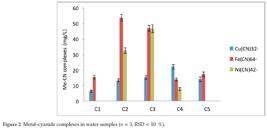
This involved cooling the reaction mixture at the end of a catalytic run, followed by the gradual addition of a counter-solvent that is immiscible with the ionic liquid catalyst to induce its precipitation and reuse. The addition of cold diethyl ether at the end of the reaction enabled distinct separation between the PEG-bound ionic liquid catalysts and isopropanol/ether (supernatant layer, Figure 2a, right). Hence, 19 was recycled by decantating the supernatant organic layer containing the product and unreacted substrate. When the lower IL layer was extracted with dichloromethane to remove excess KOH and analysed, no transfer hydrogenation product was observed, implying that it was all in the supernatant layer. Hence, the IL layer was recycled by adding fresh isopropanol, substrate and KOH. The results presented in Figure 1b show that PIL catalyst 19 could be recycled up to three times without any significant activity loss; however, after the third cycle, white sediments settled at the base of the reaction flask upon the addition of diethyl ether. This may have resulted from the detachment of the triazolium moiety from the polymer support, probably aided by the basic KOH, which could induce cleavage of the polymer-triazole N-O bond. Any residual moisture in the added reagents may also cause hydrolysis of the organocatalyst into an inactive state.50
Geometry optimization
In computational modelling of organic molecules, the availability of computational resources and the time required to complete a given calculation are major limiting factors that should be carefully considered. In most cases, the computational time increases drastically with the size of the molecule being analysed. To this effect, we limited the chain length to as short as possible because the size of the PEG chain length used should not affect the insight derived from computational calculations. This follows that only one representative of the ILs (18-23) should provide enough picture of the reactivity/ interaction of the IL with isopropanol. Therefore, a representative of ILs was constructed while minimizing the PEG chain length to n = 5. An equilibrium geometry was obtained using the Avogadro software51 (24, Figure 3), followed by energy minimization in Gaussian 16. After full energy minimization, there was cleavage of the O4-N5 covalent bond that holds the IL bound on one end of the polymer support. Interestingly, the other triazole moiety remained bound to the polymer support. This clearly shows that leaching the polymer-bound triazolium salt is a stepwise process as supported by the recyclability of at least three cycles.
Mechanism of catalyst leaching
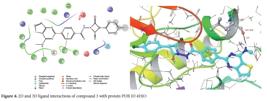
The product from optimization (25) represents a free radical that is usually very reactive and unstable. This geometry is preferred over 24 because of electrostatic stabilization caused by the dielectric continuum of isopropanol incorporated in the implicit solvent used.52 25, thereby generating a new input structure 26 (Figure 4). The discrete solvent molecules were deliberately positioned such that isopropanol interacted with the oxygen atoms of the parent PEG chain through classical hydrogen bonding. A full geometry optimization followed this. The geometry of the new output structure (27) shows that the hydrogen atoms H82 and H93 from isopropanol completely reduced the PIL back to the original PEG and the formation of acetone and neutral triazoles.
CONCLUSION
In summary, a new series of triazolium ionic compounds were prepared and used to develop a set of metal-free organocatalysts for the transfer hydrogenation of acetophenone. Based on a triazolium active species tethered on PEG, a thermo-regulated counter-solvent technique was developed to recycle the catalysts up to three cycles without significant loss in the catalytic activity. However, the solvent isopropanol plays a dual role which eventually results in the complete leaching of the polymer-tethered IL. The key advantage of the present catalyst system for transfer hydrogenation is the potential for recyclability, which is absent for conventional homogenous TH catalyst systems.
SUPPLEMENTARY MATERIAL
Supplementary information for this article is provided in the online supplement. This contains spectral characterization data for the title compounds, including copies of the IR, MS, 11324-27 (Table S1).
ORCID IDs
George Dhimba - https://orcid.org/0000-0002-0852-2810
Muhammad D. Bala - https://orcid.org/0000-0002-6302-6959
ACKNOWLEDGEMENTS
This project was supported by funds from the National Research Foundation of South Africa and the University of KwaZulu-Natal, for which we are grateful.
REFERENCES
-
1. Hong L, Wang R. Recent advances in asymmetric Organocatalytic construction of 3, 3'-Spirocyclic Oxindoles. Adv. Synth. Catal. 2013;355(6):1023-1052. https://doi.org/10.1002/adsc.201200808.
» https://doi.org/10.1002/adsc.201200808 -
2. Polshettiwar V, Varma RS. Revisiting the Meerwein-Ponndorf-Verley reduction: a sustainable protocol for transfer hydrogenation of aldehydes and ketones. Green Chem. 2009;11(9):1313-1316. https://doi.org/10.1039/B913079A.
» https://doi.org/10.1039/B913079A -
3. Itsuno S, Hassan MM. Polymer-immobilized chiral catalysts. RSC. Adv. 2014;4(94):52023-52043. https://doi.org/10.1039/C4RA09561H.
» https://doi.org/10.1039/C4RA09561H -
4. Emma MG, Tamburrini A, Martinelli A, Lombardo M, Quintavalla A, Trombini C. A simple and efficient protocol for proline-catalysed asymmetric aldol reaction. Catalysts. 2020;10(6):649. https://doi.org/10.3390/catal10060649.
» https://doi.org/10.3390/catal10060649 -
5. Zhang L, Luo S, Cheng J-P. Non-covalent immobilization of asymmetric organocatalysts. Catal. Sci. Technol. 2011;1(4):507-516. https://doi.org/10.1039/C1CY00029B.
» https://doi.org/10.1039/C1CY00029B -
6. Leadbeater NE, Marco M. Preparation of polymer-supported ligands and metal complexes for use in catalysis. Chem. Rev. 2002;102(10):3217-3274. https://doi.org/10.1021/cr010361c.
» https://doi.org/10.1021/cr010361c -
7. Singh S. Recent development of recoverable MacMillan catalyst in asymmetric organic transformations. Adv. Synth. Catal. 2021;363(3):629-656. https://doi.org/10.1002/adsc.202000994.
» https://doi.org/10.1002/adsc.202000994 -
8. Motokura K, Ding S, Usui K, Kong Y. Enhanced Catalysis Based on the Surface Environment of the Silica-Supported Metal Complex. ACS Catal. 2021;11(19):11985-12018. https://doi.org/10.1021/acscatal.1c03426.
» https://doi.org/10.1021/acscatal.1c03426 -
9. Newland SH, Xuereb DJ, Gianotti E, Marchese L, Rios R, Raja R. Highly effective design strategy for the heterogenisation of chemo-and enantioselective organocatalysts. Catal. Sci. Technol. 2015;5(2):660-665. https://doi.org/10.1039/C4CY00895B.
» https://doi.org/10.1039/C4CY00895B -
10. Verma P, Kuwahara Y, Mori K, Raja R, Yamashita H. Functionalized mesoporous SBA-15 silica: Recent trends and catalytic applications. Nanoscale. 2020;12(21):11333-11363. https://doi.org/10.1039/D0NR00732C.
» https://doi.org/10.1039/D0NR00732C -
11. Gunasekar GH, Yoon S. A phenanthroline-based porous organic polymer for the iridium-catalyzed hydrogenation of carbon dioxide to formate. J. Mater. Chem. A. 2019;7(23):14019-14026. https://doi.org/10.1039/C9TA03807H.
» https://doi.org/10.1039/C9TA03807H -
12. Font D, Jimeno C, Pericas MA. Polystyrene-supported hydroxyproline: an insoluble, recyclable organocatalyst for the asymmetric aldol reaction in water. Org. Lett. 2006;8(20):4653-4655. https://doi.org/10.1021/ol061964j.
» https://doi.org/10.1021/ol061964j -
13. Zhang K, Kopetzki D, Seeberger PH, Antonietti M, Vilela F. Surface area control and photocatalytic activity of conjugated microporous poly (benzothiadiazole) networks. Angew. Chem. 2013;125(5):1472-1476. https://doi.org/10.1002/ange.201207163.
» https://doi.org/10.1002/ange.201207163 -
14. Modak A, Ghosh A, Mankar AR, et al. Cross-Linked Porous Polymers as Heterogeneous Organocatalysts for Task-Specific Applications in Biomass Transformations, CO2 Fixation, and Asymmetric Reactions. ACS Sustainable Chem. Eng. 2021;9(37):12431-12460. https://doi.org/10.1021/acssuschemeng.1c01537
» https://doi.org/10.1021/acssuschemeng.1c01537 -
15. Koshino S, Hattori S, Hasegawa S, et al. Amphiphilic Immobilized Diphenylprolinol Alkyl Ether Catalyst on PS-PEG Resin. Bull. Chem. Soc. Jpn. 2021;94(3):790-797. https://doi.org/10.1246/bcsj.20200355.
» https://doi.org/10.1246/bcsj.20200355 -
16. Kristofíková D, Modrocká V, Meciarová M, Sebesta R. Green asymmetric organocatalysis. ChemSusChem. 2020;13(11):2828-2858. https://doi.org/10.1002/cssc.202000137
» https://doi.org/10.1002/cssc.202000137 -
17. Melo MN, Pereira FM, Rocha MA, et al. Immobilization and characterization of horseradish peroxidase into chitosan and chitosan/PEG nanoparticles: A comparative study. Process Biochem. 2020;98:160-171. https://doi.org/10.1016/j.procbio.2020.08.007.
» https://doi.org/10.1016/j.procbio.2020.08.007 -
18. Yan J, Yao J, Hu Y, et al. Immobilization of polyoxometalates via in-situ protonation and self-gelation of PEG-b-PDMAEMA-b-PTEPM triblock copolymer and its application in selective oxidation. Polymer. 2022;240:124512. https://doi.org/10.1016/j.polymer.2021.124512.
» https://doi.org/10.1016/j.polymer.2021.124512 -
19. Erigoni A, Hernández-Soto MC, Rey F, Segarra C, Díaz U. Highly active hybrid mesoporous silica-supported base organocatalysts for CC bond formation. Catal. Today. 2020;345:227-236. https://doi.org/10.1016/j.cattod.2019.09.041.
» https://doi.org/10.1016/j.cattod.2019.09.041 -
20. Xu g, Bing L, Sun J, Jia B, Bai S. Fractal Features of the Catalytic Performances of Bimodal Mesoporous Silica-Supported Organocatalysts Derived from Bipyridine-Proline for Asymmetric Aldol Reaction. Asian J. Org. Chem. 2022;11(2):e202100631. https://doi.org/10.1002/ajoc.202100631.
» https://doi.org/10.1002/ajoc.202100631 -
21. Di Carmine g, Forster L, Wang S, Parlett C, Carlone A, D'agostino C. NMR relaxation time measurements of solvent effects in an organocatalysed asymmetric aldol reaction over silica SBA-15 supported proline. Reac. Chem. Eng. 2022;7(2):269-274. https://doi.org/10.1039/D1RE00471A.
» https://doi.org/10.1039/D1RE00471A -
22. Das D, Pathak g, Rokhum SL. Polymer supported DMAP: an easily recyclable organocatalyst for highly atom-economical Henry reaction under solvent-free conditions. RSC. Adv. 2016;6(106):104154-104163. https://doi.org/10.1039/C6RA23696K
» https://doi.org/10.1039/C6RA23696K -
23. Gupta AK, Bharadwaj M, Mehrotra R. Eco-friendly Polyethylene Glycol-400 as a Rapid and Efficient Recyclable Reaction Medium for the Synthesis of Anticancer Isatin-linked Chalcones and Their 3-Hydroxy Precursor. J. Heterocycl. Chem. 2019;56(2):703-709. https://doi.org/10.1002/jhet.3424.
» https://doi.org/10.1002/jhet.3424 -
24. Chandrasekhar S, Narsihmulu C, Reddy NR, Sultana SS. Asymmetric aldol reactions in poly (ethylene glycol) catalyzed by L-proline. Tetrahedron lett. 2004;45(23):4581-4582. https://doi.org/10.1016/j.tetlet.2004.03.116.
» https://doi.org/10.1016/j.tetlet.2004.03.116 -
25. Wang YL, Li Z, Luo J, Liu ZL. One-pot synthesis of tetrahydrobenzo [b] pyrans catalyzed by PEG-1000 bridged primary amine functionalized dicationic ionic liquid in water. J. Chin. Chem. Soc. 2013;60(12):1431-1436. https://doi.org/10.1002/jccs.201300285.
» https://doi.org/10.1002/jccs.201300285 -
26. Zheng C, You S-L. Transfer hydrogenation with Hantzsch esters and related organic hydride donors. Chem. Soc. Rev. 2012;41(6):2498-2518. https://doi.org/10.1039/C1CS15268H.
» https://doi.org/10.1039/C1CS15268H -
27. Ma D, Zhai S, Wang Y, Liu A, Chen C. TiO2 photocatalysis for transfer hydrogenation. Molecules. 2019;24(2):330. https://doi.org/10.3390/molecules24020330.
» https://doi.org/10.3390/molecules24020330 -
28. Mai VH, Nikonov GI. Transfer hydrogenation of nitriles, olefins, and N-heterocycles catalyzed by an N-heterocyclic carbene-supported halfsandwich complex of ruthenium. Organometallics. 2016;35(7):943-949. https://doi.org/10.1021/acs.organomet.5b00967.
» https://doi.org/10.1021/acs.organomet.5b00967 -
29. Shivhare A, Kumar A, Srivastava R. An Account of the Catalytic Transfer Hydrogenation and Hydrogenolysis of Carbohydrate-Derived Renewable Platform Chemicals over Non-Precious Heterogeneous Metal Catalysts. ChemCatChem. 2021;13(1):59-80. https://doi.org/10.1002/cctc.202001415.
» https://doi.org/10.1002/cctc.202001415 -
30. Enthaler S, Junge K, Beller M. Sustainable metal catalysis with iron: from rust to a rising star? Angew. Chem. Int. Ed. 2008;47(18):3317-3321. https://doi.org/10.1002/anie.200800012.
» https://doi.org/10.1002/anie.200800012 -
31. Enthaler S, Hagemann B, Erre g, Junge K, Beller M. An environmentally benign process for the hydrogenation of ketones with homogeneous iron catalysts. Chem. Asian J. 2006;1(4):598-604. https://doi.org/10.1002/asia.200600105.
» https://doi.org/10.1002/asia.200600105 -
32. Ikhile MI, Nyamori VO, Bala MD. Transition metal free transfer hydrogenation of ketones promoted by 1, 3-diarylimidazolium salts and KOH. Tetrahedron Lett. 2012;53(37):4925-4928. https://doi.org/10.1016/j.tetlet.2012.06.124.
» https://doi.org/10.1016/j.tetlet.2012.06.124 -
33. Jeong Y, Ryu J-S. Synthesis of 1, 3-dialkyl-1, 2, 3-triazolium ionic liquids and their applications to the Baylis-Hillman reaction. J. Org. Chem. 2010;75(12):4183-4191. https://doi.org/10.1021/jo100618d.
» https://doi.org/10.1021/jo100618d -
34. Santos LS, DaSilveira Neto BA, Consorti CS, et al. The role of ionic liquids in co-catalysis of Baylis-Hillman reaction: interception of supramolecular species via electrospray ionization mass spectrometry. J. Phys. Org. Chem. 2006;19(11):731-736. https://doi.org/10.1002/poc.1066.
» https://doi.org/10.1002/poc.1066 -
35. Zalipsky S. Synthesis of an end-group functionalized polyethylene glycol-lipid conjugate for preparation of polymer-grafted liposomes. Bioconjugate Chem. 1993;4(4):296-299. https://doi.org/10.1021/bc00022a008.
» https://doi.org/10.1021/bc00022a008 -
36. Zhao Y-B, Zhang L-W, Wu L-Y, Zhong X, Li R, Ma J-T. Silica-supported pyrrolidine-triazole, an insoluble, recyclable organocatalyst for the enantioselective Michael addition of ketones to nitroalkenes. Tetrahedron: Asymmetry. 2008;19(11):1352-1355. https://doi.org/10.1016/j.tetasy.2008.05.011.
» https://doi.org/10.1016/j.tetasy.2008.05.011 -
37. Kolb HC, Sharpless KB. The growing impact of click chemistry on drug discovery. Drug Discov. 2003;8(24):1128-1137. https://doi.org/10.1016/S1359-6446(03)02933-7.
» https://doi.org/10.1016/S1359-6446(03)02933-7 - 38. Frisch MJ, Trucks GW, Schlegel HB, Scuseria GE, Robb MA, Cheeseman JR, Scalmani g, Barone V, Petersson GA, Nakatsuji H, Li X, Caricato M, et al. Gaussian 16 Rev. C.01, Wallingford, CT, 2016.
-
39. Becke AD. Density-functional exchange-energy approximation with correct asymptotic behavior. Phys. Rev. A 1988;38(6):3098. https://doi.org/10.1103/PhysRevA.38.3098
» https://doi.org/10.1103/PhysRevA.38.3098 -
40. Lee C, Yang W, Parr RG. Development of the Colle-Salvetti correlation-energy formula into a functional of the electron density. Phys. Rev. B 1988; 37(2), 785-789. https://doi.org/10.1103/PhysRevB.37.785.
» https://doi.org/10.1103/PhysRevB.37.785 -
41. Couty M, Hall MB, Basis sets for transition metals: Optimized outer p functions. J. Comput. Chem. 1996;17(11):1359-1370. https://doi.org/10.1002/(SICI)1096-987X(199608)17:11<1359::AID-JCC9>3.0.CO;2-L
» https://doi.org/10.1002/(SICI)1096-987X(199608)17:11<1359::AID-JCC9>3.0.CO;2-L -
42. Ashley DC, Jakubikova E. Ray-Dutt and Bailar Twists in Fe(II)-Tris(2,2'-bipyridine): Spin States, Sterics, and Fe-N Bond Strengths. Inorg. Chem. 2018; 57 (9),5585-5596. https://doi.org/10.1021/acs.inorgchem.8b00560
» https://doi.org/10.1021/acs.inorgchem.8b00560 -
43. Cossi M, Barone V, Cammi R, Tomasi J. Ab initio study of solvated molecules: a new implementation of the polarizable continuum model. Chem. Phys. Lett. 1996;255 (4-6), 327-335. https://doi.org/10.1016/0009-2614(96)00349-1
» https://doi.org/10.1016/0009-2614(96)00349-1 -
44. Grimme S, Antony J, Ehrlich S, Krieg H. A consistent and accurate ab initio parametrization of density functional dispersion correction (DFT-D) for the 94 elements H-Pu. J. Chem. Phys. 2010;132(15):154104. https://doi.org/10.1063/1.3382344.
» https://doi.org/10.1063/1.3382344 -
45. Morita J-i, Nakatsuji H, Misaki T, Tanabe Y. Water-solvent method for tosylation and mesylation of primary alcohols promoted by KOH and catalytic amines. Green Chem. 2005;7(10):711-715. https://doi.org/10.1039/B505345E.
» https://doi.org/10.1039/B505345E -
46. Huang Y, Gard GL, Jean'ne MS. One-pot syntheses of 1, 2, 3-triazoles containing a pentafluorosulfanylalkyl group via click chemistry. Tetrahedron Lett. 2010;51(52):6951-6954. https://doi.org/10.1016/j.tetlet.2010.10.149.
» https://doi.org/10.1016/j.tetlet.2010.10.149 -
47. Wang Y, Zhi H, Luo J. A facile and efficient protocol for esterification and acetalization in a PEG1000-D(A)IL/toluene thermoregulated catalyst-media combined systems. J. Mol. Catal. A: Chemical. 2013;379(0):46-52. https://doi.org/10.1016/j.molcata.2013.07.013.
» https://doi.org/10.1016/j.molcata.2013.07.013 -
48. da Rosa RG, Martinelli L, da Silva LH, Loh W. Easy and efficient processes for catalyst recycling and product recovery in organic biphase systems tested in the hydrogenation of hex-1-ene. Chem. Commun. 2000(1):33-34. https://doi.org/10.1039/A909101G
» https://doi.org/10.1039/A909101G -
49. Song CE, Roh EJ. Practical method to recycle a chiral (salen)Mn epoxidation catalyst by using an ionic liquid. Chem Commun. 2000(10):837-838. https://doi.org/10.1039/B001403F.
» https://doi.org/10.1039/B001403F -
50. Ikhile MI, Bala MD. Structures of N,N'-bis(tert-Butyl)-N-Formylethylenediamine Halides obtained by Salt Metathesis from Metal Precursors. J. Chem. Crystallogr. 2013;43(2):76-81. https://doi.org/10.1007/s10870-012-0387-5.
» https://doi.org/10.1007/s10870-012-0387-5 -
51. Hanwell MD, Curtis DE, Lonie DC, Vandermeersch T, Zurek E, Hutchison GR. Avogadro: an advanced semantic chemical editor, visualization, and analysis platform. J. Cheminform. 2012;4(1):1-17. https://doi.org/10.1186/1758-2946-4-17.
» https://doi.org/10.1186/1758-2946-4-17 -
52. Barone V, Cossi M, Tomasi J. Geometry optimization of molecular structures in solution by the polarizable continuum model. J. Comput. Chem. 1998; 19(4):404-417. https://doi.org/10.1002/(SICI)1096-987X(199803)19:4<404::AID-JCC3>3.0.CO;2-W.
» https://doi.org/10.1002/(SICI)1096-987X(199803)19:4<404::AID-JCC3>3.0.CO;2-W
Revised 17 October 2022
Accepted 01 December 2022