Dealing with Chemical Risks from Ancient Times to the 21st Century: a Review of Air Sampling and Analysis Techniques
Abstract
The air sampling and analysis for dealing with chemical risks started in the second half of the 1800s, where a significant role was played by the mining industry relating to dust, carbon mono- and dioxide, and fumes from explosive events. The military industry should be credited with the initiation of exposure control categorization utilizing industrial hygiene (IH) basis with its work. However, despite its relatively long history, air monitoring in IH is still developing. Miniaturization and automation have been increasingly applied in IH during the last ten years, resulting in savings in both time and costs throughout the sampling process. To date, the development of sampling strategies and related devices is constantly evolving: the goal is to develop monitoring systems capable of assessing exposure scenarios in line with the reference limit values, which are constantly being updated downwards. The current situation of air monitoring in IH, concerning analytical instruments, software, devices for performing both personal and environmental sampling are presented. The basics of air contaminants monitoring have been divided into eight topics. The sampling strategies and related devices described are introduced with a historical perspective, from 1873 to date, underlining their continuous evolution. This review aims to represent a useful tool to face different exposure scenarios in IH, showing the most common accessible sampling strategies and the sampling devices available on the market.
Chemical risks; industrial hygiene; history air monitoring; air sample collection
1. Introduction
Human hazard assessment has a fundamental aspect in the evaluation of human exposure to toxic and genotoxic contaminants. Generally, appraisal of the risk of xenobiotics is founded on the determinations of their concentrations by the analytical chemistry and their toxicity and genotoxicity data. To obtain protection against the deleterious effects of pollutants, an accurate determination of their levels is required. Therefore, the execution of many samplings (daily, monthly, or yearly time-weighted) to estimate the average quantity of harmful contaminants must be carried out to determine the quality of living areas and workplaces. Moreover, this approach could be used to mitigate the risk because it helps to find and focus on harmful situations and so, prevention measurements can be taken.
The effects of chemicals on human health were noted more than 21 centuries ago.1De Architectura, Book VII') and Gaius Plinius Secundus reported that sheep bladders were used as masks by workers to protect themselves from lead and dust when working with lead carbonate or mercuric sulfide in the production of dishes.2De re Metallica by Georg Agricola.3De Morbis Artificium Diatribe by Bernardino Ramazzini was the first treatise on working related diseases and industrial hygiene (IH).456
Today, around 2.8 million workers per year globally die from unsafe or unhealthy work conditions.789
Monitoring air quality is an essential part of health and safety. Air sampling is a way to investigate and control air composition as a function of time. Different strategies can be used to perform air sampling. Each strategy has advantages and disadvantages, and the best choice depends on a combination of available resources, the necessary application and the potential health risks posed by the workplace.
The South African school can be considered pioneering in the use of air sampling devices. James Moir10Fig. 1) can be seen as the pioneer and Sir Robert Kotze111213,14 Nowadays, a wide range of methods and devices are available to be used for sampling and to perform analysis of pollutants that may be present in any environment. For example, appropriately characterizing individual spatio-temporal mobility are recently developed in air sampling15161718
The modern IH protocols use the analytical proficiency testing (PAT) to indicate the level of agreement among laboratories analyzing workplace environmental samples, as well as the number of laboratories performing those analyses to improve the accuracy and reproducibility of these results.1920
This review article points out the historical approaches and methodologies to measure airborne concentrations of chemical contaminants utilized in the world from its origin in 1873, the year in which the Orsat analyzer was patented,212122
2. Air Sample Collection
Proper air volume collection can be considered crucial to acquire significant analytical results. Generally, to sample adequate air volume, sorbent samplers required an 'active sampling' using a manual or electric pump: a small pump with low flow rates (10 to 200 mL min-1) is the most used system to collect air sample on sorbent; when samples of high volume are required, cartridges with a larger volume of sorbent phase can be used. Nowadays, to obtain robust and sensible results, the tendency is to enlarge the volume of the air sample. We look at some of the key moments in history behind sorbents and sorbent air sampling devices.
2.1. The First Sampler to Collect Air: the Impinger by Absorption
The Greenburg-Smith impinger and the midget impinger, developed in 19222324-3 by impinger air sampling counted with light field techniques.
The large Greenburg-Smith and Hatch impingers were ideated with a 2.3 mm nozzle to sample air at a rate of 1 cfm at a nozzle velocity of 100 m s-1.2323-1 at a pressure drop of about 30 cm of water and a nozzle velocity about 60 m s-1 (samples are collected in 10 mL of liquid), and ii) Wilson impinger with a rate of 5 L min-1 at a pressure drop of about 50 cm of water. The nozzle velocity was about 100 m s-1 (same as the large impinger). The higher nozzle velocity provided a greater collection efficiency for fine particulate matter.25
All glass midget impingers are available in both modifications with Teflon baffles26
In 1965, A. Linch and M. Corn presented an optimization of classic midget impinger, the micro-impinger, which needs less liquid phase, as a sampling medium (2-3 mL).27
These samplers are quite cheap, and they can be interchanged easily, allowing customization by selecting orifices with pressure drop-flow rate tolerance, making individual calibration need less. The international market offers impingers in Pyrex® glass or fluoropolymer to meet many applications in different fields, as environmental2829
2.2. 1935. To Retain the Air More Easily: Adsorption by Solid Sorbent
Solid adsorption is one of the most useful and commonly employed preconcentration strategies to evaluate volatile trace pollutants that are present in the environment and the workplace.303132
In 1935 the Journal of Industrial Hygiene33Fig. 2A), where materials like activated charcoal and silica gel allowed the retainment of vapours efficiently. However, the release of the collected vapours was complicated. The benzene was frozen from the air onto glass beads; then, it was released by increasing the temperature. Then, in 1936, tubes filled with dried charcoal (Fig. 2B) were described in the Journal of Industrial Hygiene and Toxicology;343535
At the end of 1980, Kaiser363738
More recently, solid sorbents are most often tube-type devices included chemical colour-comparison gas detector tubes. They are thin glass tubes with calibration scales printed on them, to read the concentration of gases and vapours that must be measured. These devices are marketed by Gastec Corporation (Kanagawa, Japan), Uniphos and KwikDraw (Uniphos Envirotronic Pvt Ltd, Gujarat, India), Kitagawa (Komyo Rikagaku Kogyo KK, Kanagawa, Japan), and Dräger (Dräger Inc., Texas, USA). Alternatively, other geometries are represented by LpDNPH cartridges and ORBO tubes (Supelco Inc., Pennsylvania, USA), OSHA Versatile Sampler Tubes (SKC Inc., Pennsylvania, USA),39Fig. 3). COGNI™ System is an innovative tube for labelling, identification and tracking system from Camsco® (Mayard, Texas, USA). The latter is a manufacturer of absorbent tubes for the American army, since 1991, and it was the first laser-marking facility high-temperature ceramic decals for ensuring tubes identification and tracking. In 2008, Camsco® promoted its brand outside the military and intelligence communities.40
2.3. A Few Years Later the Vapour Phase was Separated from the Dust Particle
Semi-volatile organic compounds, due to their physiochemical characteristics, can be in the air as free gaseous molecules, but furthermore, they can be found as chemical compounds adsorbed onto dust particles. To allow the sampling and the separation of these two different phases of semi-volatile organic pollutants in an air sample, a diffusion denuder can be employed: vapour and particle present different diffusivities through the denuder, thus, first, the vapour phase is collected on a sorptive surface, then the particulate phase goes through the device and it is gathered on a downstream filter.41
2.3.1. Denuder
The first theoretical approach with the denuder tube dates back to the 1890s, during a study about the diffusion of ions into gases.42et al.43434442et al.4344
Nowadays, conventional solvent-extracted diffusion denuders commercially available include annular, multi-channel, coiled, Terkan quartz, multi capillary (URG Corporation, North Carolina, USA), ASSET® EZ4 Dry Samplers (Supelco Inc., Pennsylvania, USA) and honeycomb (Thermo Fisher Scientific, Massachusetts, USA), also designs with adsorbents, such as Tenax or Florisil. Recently, denuders were thermally desorbed in commercial thermal desorption stations for subsequent analyses. Ortner and Rohwer4546Fig. 4).
2.3.2. Particulate Matter Sampling
During the period from 1860 to 1880, researchers could for the first time collect particles from the air, inspect and study them under a microscope; this was thanks to impactors.472110,48-50 Back then, there were two ways to analyze the dust in mines: the first method was a gravimetric one, using a sugar tube, while the second one was the konimeter.
In the beginning, the gravimetric sampling was led by South Africa, followed by the UK and then by the USA. To perform the sampling, a known volume of air was passed through a tube, within which there was a filter media. At first cotton-wool fibres were used as filter media; the mass of the dust particles sampled was determined by weighing the cotton-wool fibres before and after the sampling. Sometimes the cotton plug was burned and then the residue was weighed. Around 1903 some determinations of dust were performed by using a tube filled with a packed bed of sugar granules as a filter medium. The mass of the insoluble material collected on the filter medium was determined after the dissolution of the sugar granules in water - James Moir was especially involved in the development of this technique. Particles collected with this technique could be observed or even analyzed utilizing a microscope. In Gray's later reports,515253
During the same period, serious work began to understand fluid and particle movement in impactors by theoretical analysis. First was the Mining Research Establishment (MRE) gravimetric sampler, developed by Dunmore et al.5455
During 1970, the employment of high-speed computers and finite difference methods allowed an accurate understanding of the flow and the particles' trajectories inside impactors. The theoretical work obtained in that period showed, if specific guidelines were followed, how impactors could provide accurate particle size classifications with predicable aerodynamic cut-off sizes. Thus, in 1970 the design of impactors entered a new era with Lovelace Low Flow Rate Impactor,565758
Fifty years later, cascade impactors are still widely used to measure aerosol mass size distribution and to collect samples to perform chemical analysis.596061
2.4. Air Samples are Collected and Stored in Plastic Bags
The modern IH approach to air sampling looks at cheap, portable and easy to use sampling containers and these requirements are fulfilled by the sealed plastic bags with air valves. These containers have been used since the 1940s and today, different kinds of sampling bags are commercially available, and they can be employed in several analytical, environmental, occupational scenarios according to specific compounds.
Measurements of gas diffusions through plastic film62-64 were performed from 1947. Wilson and Buchberg observed656566-78
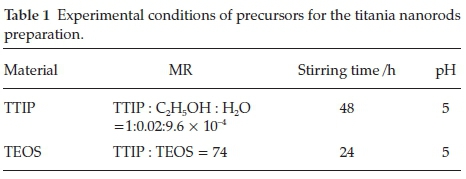
Recently, the market has proposed ALTEF gas sampling bags, made from a polyvinylidene fluoride (PVDF) film and Multi-Layer Foil, a protective four-layer barrier, minimizes gas permeability: nylon (outer layer), polyethylene, aluminium foil, and polyethylene (inner layer) (Table 1).
2.5. 1980. Stainless Steel Enters in Industrial Hygiene: the Canister
The canister sampler is a spherical or cylindrical stainless steel (ss) vessel - with volume ranging from 1 L to 6 L - ideated to hold vacuum to less than 10 mTorr or pressure to 40 psi. Sampling with the canister can be performed by simply opening the sampler and the vacuum inside the canister draws in a sample within a matter of seconds (e.g. odour events or static concentration streams) or by using a flow controller to collect the sample over a specific time frame or at a given flow rate. After the conclusion of air sampling, the canister opening is re-sealed, generally, with a brass bolt and the sampler can be brought in the laboratory to be analyzed.
The canister technique was developed during the 1980s by the Environmental Protection Agency (EPA)'s Air Monitoring Center in Research Triangle Park. The initial development of ss canisters was carried out by the study group of Rasmussen at Washington State University, that first applied this kind of sampling device to collect air samples:79et al.7779
Recently, Australian Laboratory Services (ALS, Utah, USA) proposed Helium Diffusion Sampling (HDS):80
3. Personal and Area Air Sampling Pumps
The first personal monitoring air sampler was developed by the US Bureau of Mines in 1937 for dust sampling by coal mine workers using impingers connected to a manual pump81Fig. 5A), hand-operated by a second person. In 1957 the first battery (Fig. 5B) operated personal pumps were used, made under contract for the US Bureau of Mines; samples were collected onto filters, using size-selective cyclones. In 1962 a commercial pump was first sold in the USA and Europe; in 1973 a low flow pump for sorbent tubes was proposed, while the constant flow pumps were only available in 1975. More recently, in 2011 Spectrex Corp. (California, USA) proposed PAS-500 Micro Air Sampler with a drastic reduction of weight (114 g) and size (30 × 20 × 109 mm), when compared to the traditionally low volume pumps; moreover, one of the best advantages of this model is the holding-pump clip, that tightly holds the devices without requiring a long hose.
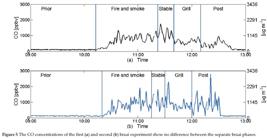
Concentrations of several pollutants are known to change spatiotemporally, thus, operator mobility could reflect in uncertainty in exposure assessment, consequently leading to exposure evaluation errors that can lead to biases in statistical analyses. Recently, Sensidyne (Florida, USA) introduced GilAir® Plus personal air sampling pump with Bluetooth connectivity, mobile app and motion detection, which could help to overcome spatiotemporal pollutants variations.
Concerning environmental pollution assessment, many companies are already offering portable sequential sampling devices, with remote management via GSM or Wi-Fi, to collect gasses, vapours and particulate matter, using tubes, filters, denuders, canisters, and/or bags. Designed to comply with Environmental Protection Agency speciation requirements, the portable sequential sampling devices more and more frequently are used in IH for area sampling.83
4. 1973. The First Passive Sampler by Palmes
During the past 30 years, the technology of passive sampling has developed and improved very fast. Thanks to many meaningful advantages, such as easiness, low cost, no need for expensive or complicated equipment, no need for power, unattended operation, silent operation and the capability to provide accurate results, it is widely used to monitor pollutants. This kind of sampling is vital, especially for multipoint sampling. The physical principle on which passive sampling is based is the diffusional mass transfer that occurs through a static layer of the sampled medium and a membrane, as described by the first law of diffusion of Fick.8485286287Fig. 6). Frequently, diffusive samplers are tube-type devices and their highest expression are Passam8889
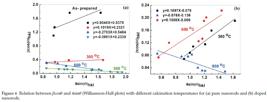
In the mid-1990s the director of the Fondazione Salvatore Maugeri in Padova, Vincenzo Cocheo, in collaboration with the European Commission's Joint Research Center, developed and patented a diffusive/sampling design that proved to be revolutionary. A radial symmetry device registered with the Radiello™ trademark:90
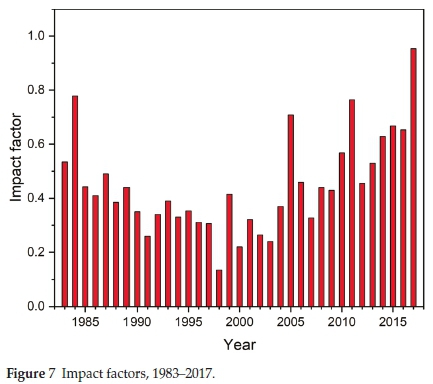
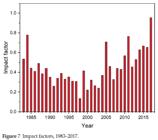
Recently, passive solid-phase microextraction techniques namely SPME® by Supelco Inc.,41,84,91,92 Thin Film (TF)-SPME (Gerstel, Mülheim an der Ruhr, Deutschland), Twister® (Gerstel, Mülheim an der Ruhr, Deutschland),93Fig. 7).
5. The Post-sampling Phase: Analysis and Related Automation
Based on various estimates, sampling and sample preparation usually represent 70-90 % of analysis times. Because of that, it is evident that often the most significant income in the overall response time of the analytical system can be obtained with the reduction of the necessary time to process the samples. Liquid chromatography (LC) and GC equipped with a flame ionization detector (FID) and mass spectrometry (MS) have been used to perform most of the analysis on sorbent samplings. Automation and the adoption of robotic arms coupled with this kind of instruments can be used to achieve a shorter time of sample preparation and analysis. They are usually classified according to the configuration or their geometric coordinate system. The most common ones are Cartesian (or rectangular), polar (or spherical), cylindrical and revolute (or anthropomorphic). With this type of robotic arms, at least three degrees of freedom are allowed. The fact that the robotic arm can change tools does not require continuous supervision and activities of an operator, even if the process is multistep, this significantly increases the productivity of laboratories. Simultaneously, the safety of the process is optimized by the traceability of all operations. Transferring error-prone manual tasks to a robot improve robustness.
During the last ten years, there has been a proliferation of the on-line XYZ autosamplers; this has contributed to the increase of the practice of hyphenated techniques in analytical chemistry. The first company to offer a commercial three-axis autosampler for gas-chromatography was CTC Analytics AG (Zwingen, Switzerland). In 1986, A200S was the first GC liquid autosampler released on the market. In 1998 CTC Analytics produced the PAL system platform, which then, in 2003, was extended into the HTX PAL by creating an extended x-range; between 2012 and 2014, it has presented its PAL RTC, RSI, and LSI systems. Leap Technology Inc. (Trajan Scientific and Medical, Ringwood Victoria, Australia), Chromtech Analytical Instruments (Bad Camberg, Germany), Gerstel GmbH & Co. KG (Mülheim an der Ruhr, Germany), Da Vinci Laboratory Solution BV (Rotterdam, the Netherlands), Anatune Ltd. (Cambridge, United Kingdom) and Axel Semrau (Sprockhövel, Germany) currently produce other on-line automation solutions front-end. These autosamplers can perform the sample preparation thoroughly; in fact, they are equipped with all the necessary tools. So, they can have, for example, a robotic tool change, a bottom sensing, a vortex mixer, the centrifugation, the weighed with balance; through all the process, the traceability is given by a barcode reader. Some companies, like ROBOKROM (KONIK Group, Barcelona, Spain), FLEX (EST Analytical, Fairfield, USA), Primariz (Moduvision Technologies, Vlissingen, Netherlands) and CONCEPT MIS (PAS Technology, Magdala, Germany) have recently introduced new XYZ autosamplers on the market. The HT2800T is a next-generation autosampler characterized by two-axis; it was recently produced by HTA (Brescia, Italy). Among the most performing and versatile devices to do air sampling, there are SPME®, Twister®, and MonoTrap™.94-97 For these solid-phase microextraction techniques, the need for high throughput analytical sessions requires specialized systems. As a result, the following systems were developed, FLEX/Multi-Fiber eXchange (EST, Ohio, USA) for SPME® fibres and Thermal Desorption Unit tray (Gerstel GmbH, Mülheim an der Ruhr, Germany) for Twister® and MonoTrap™.98
6. Field Instruments
The primary technique to assess workplace pollution throughout the 1904-1973 period, has been based on direct reading chemical reaction media, either chemically impregnated papers or porous media; longer sampling time (minutes) devices instead used direct reading colorimetric liquid reagents. Nowadays, the development of valid sampling and sample preparation processes, with easy operation and ready to use devices, represent a growing field of research. One of the research targets is to combine different steps, like sampling, sample preparation and analysis into one. A fundamental aspect considered in the developments of this kind of procedure is the maximum possible reduction of solvents; this goal could allow a lower cost of the analysis, a reduction of time and labour needed, and solventless techniques have often proven themselves more sensitive that the 'classic' ones. Moreover, the solventless methods are one of the priorities of 'green analytical chemistry', which is rapidly gaining interest in the scientific community.
Direct-reading portable gas monitors (DRPGMs) are firstly applied to monitor the airborne pollutants, which can be found as gases, vapours, aerosols or fumes in the atmosphere. The term DRPGM was introduced in the 1970s to identify those detector tubes whereby the gas concentration could be observed from their graduated scale. For 40 years, all portable gas monitors have been 'direct-reading'. The International Safety Equipment Association (ISEA), founded in 1933, is a trade association that produces protective equipment, including DRPGMs. The ISEA advises checking the capability of these devices before use, with further testing when necessary. In 2008, NIOSH started a study in the direct reading instruments area with the foundation of the Direct Reading Exposure Assessment Methods (DREAM) initiative. The NIOSH Center for Direct Reading and Sensor Technologies (NCDRST), founded in May 2014, had the goal of harmonizing research and developing guidance on the use of 21st-century technologies in occupational safety and health.
The application of sampling sensors has progressed exponentially since remote wireless ones are largely used to monitor the environment, worksites, 'smart' buildings, and in agriculture and health. The increasing adoption of this kind of sensor is linked to their upgrade with wireless data transfer, using cell-phone or smartphone technology, and to the possible integration of data from space-dispersed sensors, to obtain clear exposure scenarios.99100-103 bringing 'on-field' specificity and sensitivity, linked with versatility, something unthinkable only a few years ago.104
7. Limit Values History
In 1849, Peter Koffer suggested an exposure standard for carbon monoxide of 50 ppm. In 1874, Army Surgeon F. de Chamount proposed 200 ppm above outdoor levels as internal air quality standard value for carbon dioxide. In 1883, one of the first Occupational Exposure Limits (OELs) was set for carbon monoxide, using the data from the study of M. Gruber at the Hygienic Institute in Munich. In 1886, K.B. Lehmann proposed OELs for some organic solvents and irritant vapour; in 1912, R. Kobert produced a list of acute exposure limits for 20 compounds in the 'Compendium of Practical Toxicology'.105112et al.,106107108Industrial Hygiene and Toxicology, edited by F.A. Patty, it was indicated that after establishing the location where additional control is necessary, the investigator should then devise the proper control method. The Walsh-Healey Public Contracts Act of 1956 established the threshold limit values as federal standards for contractors doing business in excess of $10,000 each year with the US government. In 1989, the Occupational Safety and Health Administration (OSHA) recommended that workplace air concentrations for 376 substances must be held below new permissible exposure limits; 350 of these limits derived from the 1987 table of 'Threshold Limit Values' by ACGIH.109
8. Ensure Data Quality and Validity: Laboratory Information Management Systems (LIMS)
Since its inception, the Laboratory Information Management Systems (LIMS) has been related to the IH industry to help guarantee data quality, validity, and ease of access in an IH laboratory setting.110
An example of an interesting LIMS development was Bika (Cape Town, South Africa).83
9. Industrial Hygiene Proficiency Analytical Testing Programs
To obtain accurate exposure data, the sampling and analytical methods used to characterize the work environment must yield reproducible results regardless of which laboratory performs the analysis. Proficiency testing aims to afford objective evidence to interested parties that a laboratory can produce data that are both accurate and repeatable for the activities recorded as its scope of accreditation. Through favourable proficiency testing data, a laboratory's competence can be confirmed. The Proficiency Analytical Testing (PAT) program was begun by NIOSH in 1972 with government laboratories only.19111-113 proposes the Industrial Hygiene Proficiency Analytical Testing (IHPAT) for metals, silica, asbestos, organic solvents, formaldehyde, thermal desorption tubes, and diffusive samplers. Other proficiency tests organized by different bodies exist in the field of occupational health, particularly in the UK there is the Health and Safety Laboratories, in France the Institut National de Recherche et Sécurité and in Germany the Berufsgenossenshaftliches Institut für Arbeitsschutz.114-116 ALASCA, which is the French acronym for Ability of Laboratories to Analyze Airborne Chemical Products, is a proficiency test that has been developed for four metal elements, which are cadmium, chromium, nickel and lead, and for three anions, which are fluoride, chloride and nitrate.117118
10. Conclusion
The air sampling and analysis for IH nowadays has developed into a fine science, with automated sampling and instantaneous analysis using all kind of sophisticated sensors. The strategies and devices for occupational chemical airborne contaminants presented here were entirely associated with their historical perspective, to highlight the constant evolution that has always characterized them. Moreover, nowadays commercially available means have been presented to offer the state of the art of air sampling in IH and to provide help choosing those who approach this theme. We have observed that a great effort is going into the development of reliable sampling/sample preparation procedures, characterized by the simplicity of both the operations and the devices involved in the process. All sampling tools have seen an incredible evolution, particularly dust-sampling techniques have progressed from those distant days, out of necessity, with new particle size analyzer able to determine particle distributions at the press of a button, and sensitive analytical instruments analysing particles in trace amounts. The methods applied to monitor environmental xenobiotics pollution should allow not only direct monitoring of the fate and concentration of chemicals but also enable assessment of their effects and evaluation of the potential chemical hazard for humans.
ORCID iDs
S. Dugheri: orcid.org/0000-0002-3078-7188
N. Mucci: orcid.org/0000-0003-0579-1035
G. Cappelli: orcid.org/0000-0002-5623-1671
A. Bonari: orcid.org/0000-0001-9136-822X
L. Trevisani: orcid.org/0000-0002-9245-0302
G. Arcangeli: orcid.org/0000-0002-0094-0399
References
-
1 (ISSA) International Social Security Association. Occupational exposure limits to prevent chemical risks. Safety&Work. https://safety-work.org/fileadmin/safety-work/articles/Grenzwerte_fuer_Gefahrstoffe_am_Arbeitsplatz/Grenzwerte_fuer_Gefahrstoffe_am_Arbeitsplatz.pdf (accessed 17 November 2019).
» https://safety-work.org/fileadmin/safety-work/articles/Grenzwerte_fuer_Gefahrstoffe_am_Arbeitsplatz/Grenzwerte_fuer_Gefahrstoffe_am_Arbeitsplatz.pdf - 2 V. Pollio, The Architecture of Marcus Vitruvius Pollio (in 10 books), J. Wale, London, 1860.
- 3 H. Hoover and L.H. Hoover, De re metallica, Dover Publications, Inc., New York, 1950.
- 4 B. Ramazzini, De morbus artificum diatriba (1713) (A discourse on occupational lung disease), WC Wright (transl.), Chicago, 1940.
- 5 W.A. Evans, The Factory and Workshop Act, 1901, Br. Med. J., 1901, 14, 383-395.
- 6 A. Seaton, Control of substances hazardous to health, Br. Med. J., 1989, 298(6677), 846.
-
7 B. Tuncak, Special rapporteur on the implications for human rights of the environmentally sound management and disposal of hazardous substances and wastes. https://www.ilo.org/wcmsp5/groups/public/---dgreports/---dcomm/documents/publication/wcms_686645.pdf (accessed 17 November 2019).
» https://www.ilo.org/wcmsp5/groups/public/---dgreports/---dcomm/documents/publication/wcms_686645.pdf -
8 World Health Organization. The world health report 2003 - shaping the future, 2003. World health report. https://www.who.int/whr/2003/en/whr03_en.pdf?ua=1 (accessed 5 November 2019).
» https://www.who.int/whr/2003/en/whr03_en.pdf?ua=1 -
9 Lynn Goldman and N. Tran. Preventable tragedies: the impact of toxic substances on the poor in developing countries : executive summary, 2002. World Bank Group. http://documents1.worldbank.org/curated/en/707331468763840793/pdf/34661.pdf (accessed 8 November 2019).
» http://documents1.worldbank.org/curated/en/707331468763840793/pdf/34661.pdf - 10 P. Loyson, James Moir (1874-1929) Pioneering chemical analyst in South Africa in the early 1900s, S. Afr. J. Chem., 2014, 67(1), 61-66.
- 11 J.H. Vincent, Aerosol Sampling: Science, Standards, Instrumentation and Applications, John Wiley & Sons, Hoboken, New Jersey (USA), 2007; p 636.
- 12 M. Corn, Historical perspective on approaches to estimation of inhalation risk by air sampling, Am. J. Ind. Med., 1992, 21(1), 113-123.
- 13 C.D. Yaffe, A.D. Hosey and D.H. Byers, Encyclopedia of Instrumentation for Industrial Hygiene, University of Michigan, Institute of Industrial Health, Ann Arbor, Michigan (USA), 1956, p. 1243.
- 14 L. Pozzoli and U. Maugeri, Igiene Industriale: Campionamento Gas, Vapori, Polveri, La Goliardica Pavese, Milano, 1986, p. 750.
- 15 X. Yu, A.L. Stuart, Y. Liu, C.E. Ivey, A.G. Russell, H. Kan, L.R.F. Henneman, S.E. Sarnat, S. Hasan, A. Sadmani, X. Yang and H. Yu, On the accuracy and potential of Google Maps location history data to characterize individual mobility for air pollution health studies, Environ. Poll., 2019, 252, 924-930.
- 16 N.E. Klepeis, W.C. Nelson, W.R. Ott, J.P. Robinson, A.M. Tsang, P. Switzer, J.V. Behar, S.C. Hern and W.H. Engelmann, The National Human Activity Pattern Survey (NHAPS): a resource for assessing exposure to environmental pollutants, J. Exposure Sci. Environ. Epidemiol., 2001, 11(3), 231-252.
- 17 N. Good, A. Mölter, C. Ackerson, A. Bachand, T. Carpenter, M.L. Clark, K.M. Fedak, A. Kayne, K. Koehler, B. Moore, C. L'Orange, C. Quinn, V. Ugave, A.L. Stuart, J.L. Peel and J. Volckens, The Fort Collins commuter study: impact of route type and transport mode on personal exposure to multiple air pollutants, J. Exposure Sci. Environ. Epidemiol., 2016, 26(4), 397-404.
- 18 M.L. Glasgow, C.B. Rudra, E.H. Yoo, M. Demirbas, J. Merriman, P. Nayak, C. Crabtree-Ide, A.A. Szpiro, A. Rudra, J. Wactawski-Wende and L. Mu, Using smartphones to collect time-activity data for long-term personal-level air pollution exposure assessment, J. Exposure Sci. Environ. Epidemiol., 2016, 26(4), 356-364.
- 19 M.T. Abell and L.J. Doemeny, Monitoring the performance of occupational health laboratories, Am. Ind. Hyg. Assoc. J., 1991, 52(8), 336-339.
- 20 P.J. Prasad, and G.L. Bodhe, Trends in laboratory information management system, Chemom. Intell. Lab. Syst., 2012, 118, 187-192.
- 21 P. Loyson, Mine air analysis on the reef in the early 1900s - Observations from the work of James Moir, Government Analyst, S. Afr. J. Chem., 2016, 69, 208-212.
- 22 E.D. Palmes and A.F. Gunnison, Personal monitoring device for gaseous contaminants, Am. Ind. Hyg. Assoc. J., 1973, 34(2), 78-81.
- 23 A.L. Linch, Evaluation of Ambient Air Quality by Personnel Monitoring, vol. 2, 2nd edition, CRC Press, Boca Raton, Florida (USA), 1981.
- 24 S.H. Katz, G.W. Smith, W.M. Myers, L.J. Trostel, M. Ingels, L. Greenburg and R.R. Sayers, Comparative Tests of Instruments for Determining Atmospheric Dusts (No. 143-152), US Government Printing Office, 1924.
- 25 J.B. Littlefield, F.L. Feicht and H.H. Schrenk, Bureau of Mines Midget Impinger for Dust Sampling, US Department of the Interior, Bureau of Mines, 1937, Vol. 3360.
- 26 T. Dowling, R.B. Davis, R.C. Charsha and A.L. Linch, Lead-in-air analyzer: a specialized air sampling and analysis kit, Am. Ind. Hyg. Assoc. J., 1958, 19(4), 330-337.
- 27 A.L. Linch, M. Corn, The standard midget impinger-Design improvement and miniaturization, Am. Ind. Hyg. Assoc. J., 1965, 26(6), 601-610.
- 28 G. Predieri and P. Giacobazzi, Determination of nitrogen trichloride (NCl3) levels in the air of indoor chlorinated swimming pools: an impinger method proposal, Int. J. Environ. Anal. Chem., 2012, 92(6), 645-654.
- 29 F. Liu, Y. Han, L. Du, P. Huang and J. Zhe, Airborne mineral dust measurement using an integrated microfluidic device, Microfluid. Nanofluid., 2016, 20(1), 27.
- 30 A.R. Mastrogiacomo, E. Pierini, L. Sampaolo and F. Bruner, Evaluation of a new graphitized carbon black employed in sampling volatile organic compounds, J. Chromatogr. A, 1998, 810(1-2), 131-139.
- 31 F. Bruner, P. Ciccioli and F. Di Nardo, Use of graphitized carbon black in environmental analysis, J. Chromatogr. A, 1974, 99, 661-672.
- 32 E. Matisová and Škrabáková, Carbon sorbents and their utilization for the preconcentration of organic pollutants in environmental samples, J. Chromatogr. A, 1995, 707(2), 145-179.
- 33 W.A. Cook and J.B. Ficklen, Determination of benzene in air, J. Ind. Hyg., 1935, 17, 41-47.
- 34 W.A. Cook and A.L. Coleman, Determination of injurious constituents in industrial atmospheres. II. Determination of solvent vapors in air by means of activated charcoal, J. Ind. Hyg. Toxicol., 1936, 18, 194-210.
- 35 E. Salter, Sorbent technology, AWE Mag., 2005.
- 36 R. Kaiser, Carbon molecular sieve, Chromatographia, 1970, 3(1), 38-40.
- 37 P. Kusz, A. Andrysiak and J. Bobiñski, Separation of mixtures of permanent gases and light hydrocarbons on spherical carbon molecular sieves by gas-solid chromatography, Chromatographia, 1982, 15(5), 297-300.
- 38 G. Guiochon and C.L. Guillemin, Quantitative Gas Chromatography for Laboratory Analyses and On-line Process Control, Vol. 42, 1st edition, Elsevier Science, Amsterdam, Netherlands, 1988.
- 39 S. Dugheri, A. Bonari, I. Pompilio, M. Colpo, N. Mucci, M. Montalti, and G. Arcangeli, Development of an innovative gas chromatography-mass spectrometry method for assessment of formaldehyde in the workplace atmosphere, Acta Chromatogr., 2017, 29(4), 511-514.
-
40 CAMSCO - Chemical Agent Monitoring Supply Company. Frequently asked questions. https://d1lqgfmy9cwjff.cloudfront.net/csi/pdf/e/ca01.pdf (accessed 13 October 2020).
» https://d1lqgfmy9cwjff.cloudfront.net/csi/pdf/e/ca01.pdf - 41 S. Dugheri, N. Mucci, G. Cappelli, A. Bonari, G. Garzaro, G. Marrubini, G. Bartolucci, M. Campagna and G. Arcangeli, Monitoring of air-dispersed formaldehyde and carbonyl compounds as vapors and adsorbed on particulate matter by denuder-filter sampling and gas chromatographic analysis, Int. J. Environ. Res. Public Health, 2019, 16(11), 1969.
- 42 J.S.E. Townsend, The diffusion of ions into gases, Philos. Trans. R. Soc. London, Ser. A, 1900, 193, 129-158.
- 43 A. Zulfiqur, C.L.P. Thomas and J.F. Alder, Denuder tubes for sampling of gaseous species, Analyst, 1989, 114, 759-769.
- 44 P.G. Gormley and M. Kennedy, Diffusion from a stream flowing through a cylindrical tube, Proc. R. Irish Acad. A: Math. Phys. Sci., 1948, 52, 163-169.
- 45 E.K. Ortner and E.R. Rohwer, Trace analysis of semi-volatile organic air pollutants using thick film silicone rubber traps with capillary gas chromatography, J. High Resolut. Chromatogr., 1996, 19(6), 339-344.
- 46 E. Van Vuuren and Y. Naudé, Air sampling: a mini-denuder sampling device for direct desorption in an inlet of a gas chromatograph for the analyses of airborne gaseous phase pollutants and airborne particulate phase pollutants, S. Afr. J. Chem., 2019, 72, 55-58.
- 47 V.A. Marple, History of impactors-the first 110 years, Aerosol Sci. Technol., 2004, 38(3), 247-292.
- 48 P. Loyson, The contributions of James Moir to physical chemistry, S. Afr. J. Chem., 2014, 67(1), 137-142.
- 49 P. Loyson, James Moir as organic chemist, S. Afr. J. Chem., 2014, 67(1), 124-136.
- 50 P. Loyson, James Moir as inorganic chemist, S. Afr. J. Chem., 2014, 67(1), 167-174.
- 51 C.J. Gray, Some methods and results in dust-sampling on the Witwatersrand by Mavrogordato: discussion, J. Chem., Metall. Mining Soc. S. Afr., 1923, 24, 191.
- 52 G.J. Newton, O.G. Raabe and B.V. Mokler, Cascade impactor design and performance, J. Aerosol Sci., 1977, 8(5), 339-347.
- 53 K.R. May, The cascade impactor: an instrument for sampling coarse aerosols, J. Sci. Instrum., 1945, 22(10), 187-195.
- 54 J.H. Dunmore, R.J. Hamilton and D.S.G. Smith, An instrument for the sampling of respirable dust for subsequent gravimetric assessment, J. Sci. Instrum., 1964, 41(11), 669-672.
- 55 M. Lippmann and W.B. Harris, Size-selective samplers for estimating "respirable" dust concentrations, Health Phys., 1962, 8(2), 155-163.
- 56 T.T. Mercer, M.I. Tillery and G.J. Newton, A multi-stage, low flow rate cascade impactor, J. Aerosol Sci., 1970, 1(1), 9-15.
- 57 M.J. Pilat, D.S. Ensor and J.C. Bosch, Source test cascade impactor, Atmos. Environ., 1970, 4(6), 671-679.
- 58 R.L. Chuan, An instrument for the direct measurement of particulate mass, J. Aerosol Sci., 1970, 1(2), 111-113.
- 59 G.C. Fang, C.Y. Chang, J.H. Tsai and C.C. Lin, The size distributions of ambient air metallic pollutants by using a multi-stage MOUDI sampler, Aerosol Air Quality Res., 2014, 14(3), 970-980.
- 60 V.A. Marple, K.L. Rubow and S.M. Behm, A microorifice uniform deposit impactor (MOUDI): description, calibration, and use, Aerosol Sci. Technol., 1991, 14(4), 434-446.
- 61 C.L. Chien, C.Y. Tien, C.N. Liu, H. Ye, W. Huang and C.J. Tsai, Design and testing of the NCTU micro-orifice cascade impactor (NMCI) for the measurement of nanoparticle size distributions, Aerosol Sci. Technol., 2015, 49(10), 1009-1018.
- 62 D.W. Brubaker and K. Kammermeyer, Separation of gases by means of permeable membranes. Permeability of plastic membranes to gases, Ind. Eng. Chem., 1952, 44(6), 1465-1474.
- 63 D.W. Brubaker and K. Kammermeyer, Apparatus for measuring gas permeability of sheet materials, Anal. Chem., 1953, 25(3), 424-426.
- 64 T.W. Sarge, Determination of gas permeability of Saran films, Anal. Chem., 1947, 19(6), 396-400.
- 65 K.W. Wilson and H. Buchberg, Evaluation of materials for controlled air reaction chambers, Ind. Eng. Chem., 1958, 50(11), 1705-1708.
- 66 F.J. Schuette, Plastic bags for collection of gas samples, Atmos. Environ., 1967, 1(4), 515-519.
- 67 R.A. Baker and R.C. Doerr, Methods of sampling and storage of air containing vapours and gases, Int. J. Air Pollut., 1959, 2, 142-158.
- 68 A.P. Altshuller, A.F. Wartburg, I.R. Cohen and S.F. Sleva, Storage of vapors and gases in plastic bags, Int. J. Air Water Pollut., 1962, 6, 75-81.
- 69 A. Ringold, J.R. Goldsmith, H.L. Helwig, R. Finn and F. Schuette, Estimating recent carbon monoxide exposures, Arch. Environ. Health: Int. J., 1962, 5(4), 308-318.
- 70 R.D. Stewart, H.H. Gay, D.S. Erley, C.L. Hake and J.E. Peterson, Observations on the concentrations of trichloroethylene in blood and expired air following exposure of humans, Am. Ind. Hyg. Assoc. J., 1962, 23(2), 167-170.
- 71 A.P. Altshuller, T.A. Bellar, C.A. Clemons and E. VanderZanden, Methane composition of urban atmospheres, Int. J. Air Water Pollut., 1964, 8, 29-35.
- 72 C.A. Clemons and A.P. Altshuller, Plastic containers for sampling and storage of atmospheric hydrocarbons prior to gas chromatographic analysis, J. Air Pollut. Control Assoc., 1964, 14(10), 407-408.
- 73 W.D. Conner and J.S. Nader, Air sampling with plastic bags, Am. Ind. Hyg. Assoc. J., 1964, 25(3), 291-297.
- 74 E.A. Boettner and F.C. Dallos, Analysis of air and breath for chlorinated hydrocarbons by infrared and gas chromatographic techniques, Am. Ind. Hyg. Assoc. J., 1965, 26(3), 289-293.
- 75 R.G. Confer and R.S. Brief, Mylar bags used to collect air samples in the field for laboratory analysis, Air Eng., 1965, 7, 34.
- 76 A.L. Vanderkolk and D.E. Van Farowe, Use of Mylar bags for air sampling, Am. Ind. Hyg. Assoc. J., 1965, 26(3), 321-322.
- 77 W.A. McGlenny, J.D. Pleil, G.F. Evans, K.D. Oliver, M.W. Holdren and W.T. Winberry, Canister-based method for monitoring toxic VOCs in ambient air, J. Air Waste Manage. Assoc., 1991, 41(10), 1308-1318.
- 78 S. Ghimenti, T. Lomonaco, F.G. Bellagambi, S. Tabucchi, M. Onor, M.G. Trivella, A. Ceccarini, R. Fuoco and F. Di Francesco, Comparison of sampling bags for the analysis of volatile organic compounds in breath, J. Breath Res., 2015, 9(4), 047110.
- 79 R.A. Rasmussen and M.A.K. Khalil, Atmospheric halocarbons: measurements and analyes of selected trace gases, in Atmospheric Ozone and its Variation and Human Influences, 1980.
-
80 ALS. Helium Diffusion Sampling (HDS) personal monitors are wearable, small, and can be used for TO-15, along with other indoor air testing. https://www.alsglobal.com/en/services-and-products/industrial-hygiene/air-quality/helium-diffusion-sampling (accessed 18 November 2019).
» https://www.alsglobal.com/en/services-and-products/industrial-hygiene/air-quality/helium-diffusion-sampling - 81 L. Greenburg and J.J. Bloomfield, The impinger dust sampling apparatus as used by the United States Public Health Service, Public Health Rep., 1932, 47(12), 654-675.
- 82 M. Lippmann, E.E. Christofano and R.T. Graveson, Lightweight air sampling pumps for field use, Am. Ind. Hyg. Assoc. J., 1959, 20(3), 212-216.
- 83 S. Dugheri, A. Bonari, I. Pompilio, M. Colpo, N. Mucci and G. Arcangeli, An integrated air monitoring approach for assessment of formaldehyde in the workplace, Safety Health Work, 2018, 9(4), 479-485.
- 84 M. Pacenti, S. Dugheri, R. Gagliano-Candela, G. Strisciullo, E. Franchi, F. Degli Esposti, N. Perchiazzi, P. Boccalon, G. Arcangeli and V. Cupelli, Analysis of 2-chloroacetophenone in air by multi-fiber solid-phase microextraction and fast gas chromatography-mass spectrometry, Acta Chromatogr., 2009, 21(3), 379-397.
- 85 T. Gcrecki and J. Namienik, Passive sampling, Trends Anal. Chem., 2002, 21(4), 276-291.
- 86 E.D. Palmes, A.F. Gunnison, J. DiMattio and C. Tomczyk, Personal sampler for nitrogen dioxide, Am. Ind. Hyg. Assoc. J., 1976, 37(10), 570-577.
- 87 K.D. Reiszner and P.W. West, Collection and determination of sulfur dioxide incorporating permeation and West-Gaeke procedure, Environ. Sci. Technol., 1973, 7(6), 526-532.
- 88 S.M. Heberle, C. Lorini, M.S. Rosa and N. Barros, Evaluation of bus driver exposure to nitrogen dioxide levels during working hours, Atmos. Environ., 2019, 216, 116906.
- 89 S. Uchiyama and S. Hasegawa, A reactive and sensitive diffusion sampler for the determination of aldehydes and ketones in ambient air, Atmos. Environ., 1999, 33(13), 1999-2005.
- 90 V. Cocheo, C. Boaretto and P. Sacco, High uptake rate radial diffusive sampler suitable for both solvent and thermal desorption, Am. Ind. Hyg. Assoc. J., 1996, 57(10), 897-904.
- 91 M. Pacenti, C. Lofrumento, S. Dugheri, A. Zoppi, I. Borsi, A. Speranza, P. Boccalon, G. Arcangeli, A. Antoniucci, E.M. Castellucci and V. Cupelli, Physicochemical characterization of exhaust particulates from gasoline and diesel engines by solid-phase micro extraction sampling and combined Raman microspectroscopic/fast gas-chromotography mass spectrometry analysis, Eur. J. Inflamm., 2009, 7(1), 25-37.
- 92 S. Dugheri, A. Bonari, I. Pompilio, M. Colpo, M. Montalti, N. Mucci and G. Arcangeli, Assessment of occupational exposure to gaseous peracetic acid, Int. J. Occup. Med. Environ. Health, 2018, 31(4), 527-535.
- 93 V.M. León, B. Alvarez, M.A. Cobollo, S. Munoz and I. Valor, Analysis of 35 priority semivolatile compounds in water by stir bar sorptive extraction-thermal desorption-gas chromatography-mass spectrometry: I. Method optimisation, J. Chromatogr. A, 2003, 999(1-2), 91-101.
- 94 J.A. Koziel and J. Pawliszyn, Air sampling and analysis of volatile organic compounds with solid phase microextraction, J. Air & Waste Manage. Assoc., 2001, 51(2), 173-184.
- 95 G. Pieraccini, G. Bartolucci, M. Pacenti, S. Dugheri, P. Boccalon and L. Focardi, Gas chromatographic determination of glutaraldehyde in the workplace atmosphere after derivatization with O-(2, 3, 4, 5, 6-pentafluorobenzyl) hydroxylamine on a solid-phase microextraction fibre, J. Chromatogr. A, 2002, 955(1), 117-124.
- 96 M. Pacenti, S. Dugheri, P. Traldi, F. Degli Esposti, N. Perchiazzi, E. Franchi, M. Calamante, I. Kikic, P. Alessi, A. Bonacchi, E. Salvadori, G. Arcangeli and V. Cupelli, New automated and high-throughput quantitative analysis of urinari ketones by multifiber exchange-solid phase microextraction coupled to fast chromatography/negative chemical-electron ionization/mass spectrometry, J. Anal. Methods Chem., 2010, 2010.
- 97 G.A. Gómez-Ríos, N. ReyesGarcés and J. Pawliszyn, Evaluation of a multi-fiber exchange solid-phase microextraction system and its application to on-site sampling, J. Sep. Sci., 2015, 38(20), 3560-3567.
- 98 S. Dugheri, N. Mucci, A. Bonari, G. Marrubini, G. Cappelli, D. Ubiali, M. Campagna, M. Montalti and G. Arcangeli, Solid phase micro extraction techniques used for gas chromatography: a review, Acta Chromatogr., 2020, 32(1), 1-9.
- 99 N. Mucci, S. Dugheri, V. Rapisarda, M. Campagna, G. Garzaro, A. Farioli, G. Cappelli and G. Arcangeli, Occupational exposure to airborne formaldehyde in hospital: setting an automatic sampling system, comparing different monitoring methods and applying them to assess exposure, La Med. Lavoro, 2019, 110(6), 446-458.
- 100 S. Sharma, , R.S. Simpson, K. Liu, P.B. Farnsworth, S.D. Stearns and M.L. Lee, Instrumentation for hand-portable liquid chromatography, J. Chromatogr. A, 2014, 1327, 80-89.
- 101 A. Gauszka, Z.M. Migaszewski and J. Namienik, Moving your laboratories to the field-Advantages and limitations of the use of field portable instruments in environmental sample analysis, Environ. Res., 2015, 140, 593-603.
- 102 J. Jehlika, A. Culka, D. Bersani and P. Vandenabeele, Comparison of seven portable Raman spectrometers: beryl as a case study, J. Raman Spectrosc., 2017, 48(10), 1289-1299.
- 103 S.W. Harshman, M.H. Rubenstein, A.V. Qualley, M. Fan, B.A. Geier, R.L. Pitsch, G.M. Slusher, G.T. Hughes, V.L. Dershem, C.C. Grigsby, D.K. Ott and J.A. Martin, Evaluation of thermal desorption analysis on a portable GC-MS system, Int. J. Environ. Anal. Chem., 2017, 97(3), 247-263.
- 104 S. Dugheri, N. Mucci, A. Bonari, G. Marrubini, G. Cappelli, D. Ubiali, M. Campagna, M. Montalti and G. Arcangeli, Liquid phase microextraction techniques combined with chromatography analysis: a review, Acta Chromatogr., 2019, 1-11.
- 105 H. Buess, Rudolf Kobert (1854-1918); a pioneer of pharmacology, toxicology, pharmacohistory and public health, Schweiz. med. Wochenschr., 1954, 84(16), 448-450.
- 106 W.C. Dreessen, J.M. DallaValle, T.I. Edwards, J.W. Miller and R.R. Savers, A study of asbestosis in the asbestos textile industry, Public Health, 1938, No. Bull. No. 241.
- 107 J.J. Bloomfield, Preliminary surveys of the industrial environment, Public Health Rep. (1896-1970), 1933, 48(44), 1343-1351.
- 108 J. Borak and L.M. Brosseau, The past and future of occupational exposure limits, J. Occup. Environ. Hyg., 2015, 12 (sup1), S1-S3.
- 109 G.E. Ziem and B.I. Castleman, Threshold limit values: historical perspectives and current practice, J. Occup. Med., 1989, 31(11), 910-918.
- 110 W.Y.Z.S.Z. Qi and X.Z.W. Wenbing, The development of Hygiene Laboratory Information Management System [J], Comp. Study, 2005, 1.
-
111 Industrial Hygiene Proficiency Analytical Testing (IHPAT) Program. https://www.aihapat.org/programs/industrial-hygiene-proficiency-analytical-testing-ihpat-program (accessed 17 November 2019).
» https://www.aihapat.org/programs/industrial-hygiene-proficiency-analytical-testing-ihpat-program -
112 CDC Centers for Disease Control and Prevention. NIOSH, Proficiency analytical testing program. https://www.cdc.gov/niosh/nioshtic-2/00180408.html (accessed 18 November 2019).
» https://www.cdc.gov/niosh/nioshtic-2/00180408.html - 113 P.M. Eller, H.A. Feng, R.S. Song, R.J. Key-Schwartz, C.A. Esche and J.H. Groff, Proficiency analytical testing (PAT) silica variability, 1990-1998, Am. Ind. Hyg. Assoc. J., 1999, 60(4), 533-539.
- 114 P.C. Schlecht, R. Song, J.H. Groff, H.A. Feng and C.A. Esche, Interlaboratory and Intralaboratory Variabilities in the Environmental Lead Proficiency Analytical Testing (ELPAT) program, Am. Ind. Hyg. Assoc. J., 1997, 58(11), 779-786.
- 115 D. Breuer, B. Maybaum, K. Gusbeth, S. Rosenthal and M. Seifert, Ringversuch mit Probennahme zur Bestimmung von flüchtigen anorganischen Säuren (HCl und HNO3), Gefahrstoffe Reinhalt. Luft - Air Qual., 2005, 65, 122-127.
- 116 E. Langlois, A. Boulet and E. Kauffer, ALASCA proficiency testing scheme for occupational hygiene laboratories, J. Environ. Monit., 2008, 10(12), 1460-1466.
- 117 P. Stacey and O. Butler, Performance of laboratories analysing welding fume on filter samples: results from the WASP proficiency testing scheme, Ann. Occup. Hyg., 2008, 52(4), 287-295.
- 118 D.U. Park, Y.C. Shin, N.R. Lee, S.M. OH, K.C. Chung and D.Y. Park, First year report of analytical proficiency testing program for industrial hygiene laboratories, Korean J. Occup. Environ. Med., 1993, 5(2), 250-261.
Revised 13 July 2020
Accepted 24 July 2020