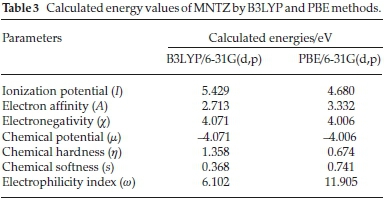
Ultrasound-assisted green synthesis and Structure-Activity Relationship (SAR) studies of novel N-substituted-2-[2-(3-fluoro-9h-carbazol-9-yl) acetyl] hydrazine-1-carbothioamide derivatives with potential human breast cancer proliferation activity
Abstract
Breast cancer is one of the leading causes of cancer-related deaths worldwide, and drug resistance poses a substantial challenge to effective breast cancer treatment. This experimental study presents a novel route for the synthesis of N-substituted-2-[2-(3-fluoro-9H-carbazol-9-yl) acetyl] hydrazine-1-carbothioamide derivatives using an ultrasound-assisted green methodology, yielding the synthesised derivatives with excellent efficiency. This approach has significant advantages over traditional methods and includes fast reaction time, environmentally friendly, good selectivity, and high yields. Characterization of the derivatives was done using IR, mass, 1H and 13C NMR spectroscopy. The anti-proliferative activity of synthesised compounds was assessed against MCF-7 breast cancer cell lines. A structure-activity relationship (SAR) study revealed that the compounds containing a benzoyl and benzyl substituent displayed significant activity compared to Etoposide as a standard drug.
ultrasonication; 3-fluoro-9H-carbazole derivatives; thiosemicarbazide linker; breast cancer; and anti-proliferation activity
 Thumbnail
 Thumbnail