Ultrasound-assisted green synthesis and Structure-Activity Relationship (SAR) studies of novel N-substituted-2-[2-(3-fluoro-9h-carbazol-9-yl) acetyl] hydrazine-1-carbothioamide derivatives with potential human breast cancer proliferation activity
Abstract
Breast cancer is one of the leading causes of cancer-related deaths worldwide, and drug resistance poses a substantial challenge to effective breast cancer treatment. This experimental study presents a novel route for the synthesis of N-substituted-2-[2-(3-fluoro-9H-carbazol-9-yl) acetyl] hydrazine-1-carbothioamide derivatives using an ultrasound-assisted green methodology, yielding the synthesised derivatives with excellent efficiency. This approach has significant advantages over traditional methods and includes fast reaction time, environmentally friendly, good selectivity, and high yields. Characterization of the derivatives was done using IR, mass, 1H and 13C NMR spectroscopy. The anti-proliferative activity of synthesised compounds was assessed against MCF-7 breast cancer cell lines. A structure-activity relationship (SAR) study revealed that the compounds containing a benzoyl and benzyl substituent displayed significant activity compared to Etoposide as a standard drug.
ultrasonication; 3-fluoro-9H-carbazole derivatives; thiosemicarbazide linker; breast cancer; and anti-proliferation activity
INTRODUCTION
The development of chemotherapeutic drugs is important for the prevention and management of many illnesses.12345678910 111213
Synthetic medicinal chemists are motivated to develop new synthetic carbazole derivatives that are therapeutically effective and similar to natural carbazoles. Several important commercially available drugs: Ellipticine, Alectinib, Carvedilol, Carazolol, Carprofen, and Frovatriptan (Figure 1), include the carbazole moiety.141516171819 20
A hybrid compound is an artificial combination of two or more pharmacophores that can be classified as a recognized agent capable of eliciting the desired activity.2122232425
The ultrasonication (sonochemical process) approach is a key technique of green synthetic chemistry, providing a versatile pathway for synthesising a variety of bioactive molecules. Numerous organic processes can be performed under mild conditions using ultrasonic irradiation, giving high yields in a short amount of time.26
EXPERIMENTALMaterials and Instrumentation
The solvents and reagents used were of analytical purity and procured from readily accessible markets. The LDMP-A20 Automatic Melting Point instrument was used to determine the compounds' melting points, and the results presented are without correction. To verify the compounds' purity, aluminium plates covered with silica gel 60 F254 (Merck) were used. Hexane/ethyl acetate and dichloromethane/ethyl acetate were the solvent systems used in thin-layer chromatography (TLC). Reactions were tracked using a Camag UV lamp at 254 nm and 366 nm. TLC and UPLC/MS-TOF tests verified compound purity. 1313CN/ H2O gradient solvent system (1-90%) with formic acid (0.1%). The Mestre Nova 12 program was used for spectral verification, LC-MS data processing, and NMR FID. ChemDraw19 software was used to draw the 2D molecules.
General procedure
Synthesis of ethyl 2-(3-fluoro-9H-carbazole-9-yl) acetate (2)
Based on previous reports,27-28 (step 1) ethyl-2-(3-fluoro-9H-carbazol-9-yl) acetate (930 mg) (2), containing an ester functional group on the nitrogen atom, was prepared by reacting commercially purchased ethyl 2-[(2-phenyl-4-fluoro-phenyl)-amino]acetate (3.9 mmol, 1000 mg) (1) with 2.5 mol% Pd (OAc)2 (0.025 mmol, 5.6 mg) as the catalyst and H2O2 (0.1 mL) as the oxidant in a cyrene (10 mL) solvent system with air bubbling at 110°C. The mixture was mechanically stirred for six hours to complete the reaction, and TLC was used to track the progress. The crude product (930 mg) was obtained by gradually adding the mixture dropwise to 200 mL of ice-cold water after the reaction was complete. Excellent yields of 93% were obtained by filtering, drying, and recrystallizing the resultant solid in isopropyl alcohol (10 mL). The synthesised compound (2) was elucidated by 113
Synthesis of 1-(3-fluoro-9H-carbazole-9-yl)-2-hydrazinylethanone (3)
In the second step, compound (2) (3.95 mmol, 1000 mg) was reacted with hydrazine monohydrate (80% in water, 3 mmol, 0.15 mL) in ethanol (10 mL) at 80°C for 6 h while stirred mechanically to produce the hydrazide derivative 1-(3-fluoro-9H-carbazole-9-yl)-2-hydrazinylethanone (81 mg) (3). Following the completion of compound (2) in the reaction medium, solvent evaporation on a rotary evaporator in vacuo was monitored by TLC. The crude product was dissolved in 10 mL of methanol and added dropwise to 200 mL of ice-cold water. Vacuum filtration was used to dry the resultant solid. By recrystallizing the crude product from isopropyl alcohol, good yields of 81% were achieved. The synthesised compound (3) was characterized by 113
Synthesis of new N-substituted-2-[2-(3-fluoro-9H-carbazol-9-yl) acetyl] hydrazine- 1-carbothioamide derivatives 4(a-r)
N-substituted-2-[2-(3-fluoro-9H-carbazol-9-yl)acetyl]hydrazine-1-carbothioamide as novel derivatives 4(a-r) were prepared in high to excellent yields by reacting compound (3), 1-(3-fluoro-9H-carbazole-9-yl)-2-hydrazinylethanone (4.18 mmol, 1000 mg) with different substituted isothiocyanates 4a (3.28 mmol), 4b (3.24 mmol), 4c (3.48 mmol), 4d (4.01 mmol), 4e (3.99 mmol), 4f (4.24 mmol), 4g (4.16 mmol), 4h (3.84 mmol), 4i (4.13 mmol), 4j (4.20 mmol), 4k (4.18 mmol), 4l (3.64 mmol), 4m (4.24 mmol), 4n (4.19 mmol), 4o (3.13 mmol), 4p (4.03 mmol), 4q (3.39 mmol), and 4r (4.01 mmol) in 10 mL of ethanol at 80°C using an ultrasonic bath (40 kHz, 250 W).The reaction was completed in 35-40 minutes using ultrasonication while 2-3 hours is required, using the conventional method. The reaction progress was monitored by TLC. In addition, the yields and purities of the prepared compounds were compared to those obtained using the traditional approach. Column chromatography was used to purify all crude compounds, and 113
Spectral data of new N-substituted-2-[2-(3-fluoro-9H-carbazol-9-yl) acetyl] hydrazine-1-carbothioamide derivatives 4(a-r)
N-(4-chlorophenyl) 2-[2-(3-fluoro-9H-carbazol-9-yl) acetyl] hydrazine- 1-carbothioamide (4a)
Appearance: White crystalline solid; Mp: 235-237 °C, (Rf = 0.48, EtOAc: DCM (9:1), Yield: 90%. 3407, 3257 (N-H stretching), 3058 (aromatic C-H), 2983, 2940 (aliphatic C-H), 2764, 2726 (weak overtone/combination bands), 2509, 2387 (broad bands), 1626 (C=O, amide), 1606, 1586 (aromatic C=C), 1507, 1451 (ring vibrations), 1400, 1343 (C-N stretching), 1304, 1253, 1215 (C=S and C-N), 1101, 1021 (C-N/C-S), 991, 949, 881 (aromatic C-H bending), 844, 782, 755, 724, 701 (substituted aromatic ring), 638, 620 (C-Cl). 16) δ: 10.49 (s, 1H), 9.75 (d, J = 28.4 Hz, 2H), 8.16 (d, J = 7.7 Hz, 2H), 7.60 (d, J = 8.2 Hz, 2H), 7.53 (d, J = 8.8Hz, 2H), 7.50-7.39 (m, 4H), 7.23 (t, J = 7.4 Hz, 2H), 5.17 (s, 2H). NMR (100 MHz, DMSO) δ: 171.38 (C=S), 167.88 (C=O), 141.20, 141.06 (Ar-Cq), 138.50 (Ar-Cq, C-F/C-Cl), 128.62, 126.14, 126.02, 122.73, 120.66, 120.62, 119.59, 119.44 (Ar-CH), 109.95, 109.83 (carbazole-CH), 44.54 (CH2). HRMS (ESI+) m/z: [M+H]+ calculated for C21H16ClFN4OS, 426.0717; found, 426.1955.
N-(3-methoxyphenyl)2-[2-(3-fluoro-9H-carbazol-9-yl) acetyl] hydrazine-carbothioamide (4b)
Appearance: White solid isolated; Mp: 218-220°C; (Rf = 0.42, EtOAc: DCM (9:1), Yield: 84%. 16) δ: 10.53 (s, 1H), 9.78 (s, 2H), 8.18 (d, J = 7.7 Hz, 2H), 7.61 (d, J = 8.2 Hz, 2H), 7.51-7.41 (m, 2H), 7.34-7.13 (m, 5H), 7.05 (d,1 J = 8.0 Hz, 1H), 6.80 (d, J = 8.3 Hz, 1H), 5.19 (s, 2H), 3.77 (s, 3H). 12). Elemental analysis for C22Hi9FN4O2S (M = 422.12): calculated (%) C 62.54, H 4.53, F 4.50, N 13.26, O 7.57, S 7.59; found (%) C 62.45, H 4.60, F 4.70, N 13.50, O 7.50, S 7.65.
N-(3-morpholinopropyl)2-[2-(3-fluoro-9H-carbazol-9-yl)acetyl]-hydrazine-1-carbothioamide (4c)
Appearance: White solid isolated; Mp: 189-191 °C Yield: 92%. FTIR (KBr, vmax, cm-1): 3409 (N-H stretching), 3057 (aromatic C-H), 2956, 2929, 2869 (aliphatic C-H), 1732 (C=O, amide), 1608, 1507 (aromatic C=C), 1449, 1417 (C-N), 1380, 1341 (C-N/C=S), 1304, 1262, 1213 (C=S and C-N), 1169 (C-O-C, morpholine), 1100 (C-N/C-O), 994, 935, 908 (aromatic C-H bending), 785, 751, 723 (substituted aromatic ring), 658 (C-S). 16) δ: 13.75 (s, 1H), 8.21 (d, J = 7.7 Hz, 2H), 7.68 (d, J = 8.2 Hz, 2H), 7.55-7.39 (m, 2H), 7.27 (t, J = 7.4 Hz, 2H), 5.86 (s, 2H), 3.97-3.77 (m, 2H), 3.47 (t, J = 4.6 Hz, 4H), 2.08 (d, J = 4.7 Hz, 4H), 1.78 (t, J = 6.8 Hz, 2H), 1.21-1.13 (m, 2H). 132, morpholine), 55.01-53.35 (NCH2, morpholine), 42.63, 38.71, 24.13 (CH2, propyl). HRMS (ESI+) m/z: [M + H]+ calculated for C22H26FN5O2S, 443.1791; found, 443.1693.
N-(naphthalene-1-yl)2-[2-(3-fluoro-9H-carbazol-9-yl)acetyl]-hydrazine-1-carbothioamide (4d)
Appearance: White solid isolated; Mp: 222-224 °C; Yield: 85%. 16) δ: 10.66 (s, 1H), 9.99 (s, 1H), 9.81 (s, 1H), 8.20 (d, J = 7.7 Hz, 2H), 7.99 (d, J = 8.2 Hz, 1H), 7.91 (dd, J = 8.4, 5.5 Hz, 2H), 7.67-7.52 (m, 5H), 7.52-7.40 (m, 4H), 7.25 (t, J = 7.4 Hz, 2H), 5.22 (s, 2H). 132). Elemental analysis for C25H19FN4OS (M = 442.13): calculated (%) C 67.86, H 4.33, F 4.29, N 12.66, O 3.62, S 7.25; found (%) C 67.76, H 4.39, F 4.40, N 12.56, O 3.52, S 7.35.
N-(4-nitrophenyl)2-[2-(3-fluoro-9H-carbazol-9-yl)acetyl]-hydrazine-1-carbothioamide (4e)
Appearance: White solid isolated; Mp: 235-237 °C; Yield: 94%. 16) δ: 11.01-9.82 (m, 3H), 8.38-8.09 (m, 4H), 7.93 (s, 2H), 7.72-7.53 (m, 2H), 7.46 (t, J = 7.5 Hz, 2H), 7.23 (td, J = 7.4, 3.3 Hz, 2H), 5.20 (s, 2H). 132). Elemental analysis for C21HKEN5O3S (M = 437.10): calculated (%) C 57.66, H 3.69, F 4.34, N 16.01, O 10.97, S 7.33; found (%) C 57.86, H 3.65, F 4.30, N 16.10, O 10.90, S 7.25.
N-(4-methoxyphenyl)2-[2-(3-fluoro-9H-carbazol-9-yl)acetyl]-hydrazine-1-carbothioamide (4f)
Appearance: White solid isolated; Mp: 210-212 °C; Yield: 95%. FTIR (KBr, vmax, cm-1): 3408 (N-H stretching), 3067 (aromatic C-H), 2976, 2932, 2857 (aliphatic C-H), 1883 (overtones/combination band), 1739 (C=O, amide I), 1638 (C=O/C=N, amide II contribution), 1604, 1507 (aromatic C=C), 1448, 1380 (C-N stretching), 1341, 1304 (C-N/C=S stretching), 1262, 1212 (C-O-C, methoxy group), 1150 (C-O/C-N), 1101 (C-F/C-O vibrations), 978 (Ar-H bending), 847, 787, 752, 724, 699 (substituted aromatic C-H out-of-plane bending), 663, 619 (C-S stretching). 16) δ: 10.50 (s, 1H), 9.66 (d, J = 6.1 Hz, 2H), 8.17 (d, J = 7.7 Hz, 2H), 7.59 (d, J = 8.2 Hz, 2H), 7.46 (ddd, J = 8.2, 7.1, 1.3 Hz, 3H), 7.33-7.20 (m, 4H), 6.94 (d, J = 8.9 Hz, 2H), 5.17 (s, 2H), 3.77 (s, 3H). NMR (100 MHz, DMSO) δ: 171.37 (C=S), 167.72 (C=O), 157.41, 141.10, 141.07 (C-3, C-F), 132.31, 132.27, 126.13, 126.01, 122.74, 122.71, 120.67, 120.64, 119.56, 119.42, 113.92, 109.95, 109.82 (carbazole-CH), 55.73, 55.70 (OCH3), 44.55, 44.51, 40.65, 40.59, 40.44, 40.38, 40.23, 40.17, 40.02, 39.96, 39.82, 39.75, 39.61, 39.54, 39.40, 39.33 (CH2). Elemental analysis for C22H19FN4O2S (M = 422.12): calculated (%) C 62.54, H 4.53, F 4.50, N 13.26, O 7.57, S 7.59; found (%) C 62.60, H 4.50, F 4.40, N 13.30, O 7.60, S 7.50.
N-(4-bromophenyl)2-[2-(3-fluoro-9H-carbazol-9-yl)acetyl]-hydrazine-1-carbothioamide (4g)
Appearance: White solid isolated; Mp: 255-257 °C; Yield: 89%. 16) δ: 10.47 (s, 1H), 9.75 (d, J = 11.0 Hz, 2H), 8.16 (d, J = 7.7 Hz, 2H), 7.58 (dd, J = 19.9, 8.3 Hz, 4H), 7.52-7.37 (m, 4H), 7.24 (t, J = 7.4 Hz, 2H), 5.17 (s, 2H). 13(C-3, C-F), 138.96, 131.54, 126.14, 126.01, 122.75, 120.64, 120.61, 119.58, 109.95, (carbazole-CH) 44.57 (CH2). Elemental analysis for C21H16BrFN4OS (M = 470.02): calculated (%) C 53.51, H 3.42, Br 16.95, F 4.03, N 11.89, O 3.39, S 6.80; found (%) C 53.55, H 3.47, Br 16.90, F 4.08, N 11.84, O 3.44, S 6.75.
N-(phenyl)2-[2-(3-fluoro-9H-carbazol-9-yl) acetyl]-hydrazine-1-carbothioamide (4h)
Appearance: White solid isolated; Mp: 235-237 °C; Yield: 88%. 16) δ: 10.52 (s, 1H), 9.86-9.67 (m, 2H), 8.17 (d, J = 7.7 Hz, 2H), 7.61 (d, J = 8.1 Hz, 2H), 7.47 (t, J = 8.1 Hz, 4H), 7.39 (q, J = 7.6 Hz, 2H), 7.24 (tt, J = 7.0, 3.3 Hz, 3H), 5.18 (d, J = 2.1 Hz, 2H). 132). Elemental analysis for C21H17FN4OS (M = 392.11): calculated (%) C 64.27, H 4.37, F 4.84, N 14.28, O 4.08, S 8.17; found (%) C 64.30, H 4.32, F 4.89, N 14.24, O 4.13, S 8.12.
N-(4-trifluoromethylphenyl)2-[2-(3-fluoro-9H-carbazol-9-yl) acetyl]-hydrazine-1-carbothioamide (4i)
Appearance: White solid isolated; Mp: 177-179 °C; Yield: 92%. 16) δ: 8.17 (d, J = 7.7 Hz, 2H), 7.81 (d, J = 8.5 Hz, 2H), 7.73 (d, J = 8.4 Hz, 2H), 7.62 (d, J = 8.2 Hz, 2H), 7.47 (ddd, J = 8.3, 7.0, 1.2 Hz, 2H), 7.24 (t, J = 7.4 Hz, 2H), 5.19 (s, 2H). 132). Elemental analysis for C22H16F4N4OS (M = 460.10): calculated (%) C 57.39, H 3.50, F 16.50, N 12.17, O 3.47, S 6.96; found (%) C 57.30, H 3.59, F 16.59, N 12.00, O 3.44, S 6.90.
N-(cyclohexyl)2-[2-(3-fluoro-9H-carbazol-9-yl) acetyl]-hydrazine- 1-carbothioamide (4j)
Appearance: White solid isolated; Mp: 211-213 °C; Yield: 78%. 16) δ: 10.19 (s, 1H), 9.32 (d, J = 107.9 Hz, 1H), 8.16 (d, J = 7.7 Hz, 2H), 7.59 (d, J = 8.3 Hz, 2H), 7.46 (q, J = 7.8, 6.2 Hz, 3H), 7.23 (t, J = 7.413Hz, 2H), 5.13 (s, 2H), 2.03-1.50 (m, 6H), 1.25 (d, J = 10.3 Hz, 5H). 132), 32.40, 25.65, 25.26 (cyclohexyl CH2). Elemental analysis for C21H23FN4OS (M = 398.15): calculated (%) C 63.29, H 5.82, F 4.77, N 14.06, O 4.01, S 8.05; found (%) C 63.20, H 5.87, F 4.87, N 14.16, O 4.10, S 8.15.
N-(p-tolyl)2-[2-(3-fluoro-9H-carbazol-9-yl) acetyl]-hydrazine- 1-carbothioamide (4k)
Appearance: White solid isolated; Mp: 180-182 °C; Yield: 81%. FTIR (KBr, vmax, cm-1): 3409 (N-H stretching), 3058 (aromatic C-H), 2926, 2855 (aliphatic C-H, CH3), 1699 (C=O, amide I), 1610, 1507 (aromatic C=c), 1481, 1449 (C-N stretching / ring vibrations), 1417, 1380 (CH3 bending), 1340, 1305 (C-N/C=S stretching), 1262, 1214 (C-N and C=S stretching), 1102, 1051 (C-F/C-N vibrations), 992, 912 (aromatic C-H bending), 787, 753, 724, 699 (substituted aromatic C-H out-of-plane bending), 642, 618 (C-S stretching). 16) δ: 10.45 (s, 1H), 9.61 (d, J = 10.4 Hz, 2H), 8.16 (d, J = 7.7 Hz, 2H), 7.60 (d, J = 8.2 Hz, 2H), 7.46 (t, J = 7.5 Hz, 2H), 7.34 (d, J = 8.0 Hz, 2H), 7.30-7.13 (m, 4H), 5.17 (s, 2H), 2.31 (s, 3H). °C NMR (100 MHz, DMSO) δ 171.38 (C=S), 167.75 (C=O), 141.22, 141.08 (C-3, C-F), 136.89, 135.10, (Ar-Cq-N) 129.16, 126.13, 126.02, 122.73, 120.66, 120.62, 119.57, 119.43 (Ar-CH), 109.95, 109.82 (carbazole-CH), 44.53, 21.05 (CH3). HRMS (ESI+) m/z: [M + H]+ calcd for C22H19NF4OS, 406.1264; found, 406.1298.
N-(benzamide)2-[2-(3-fluoro-9H-carbazol-9-yl) acetyl] hydrazine- 1-carbothiomide (4l)
Appearance: White solid isolated; Mp: 189-191°C; (Rf = 0.49, EtOAc: DCM (9:1), Yield: 75%; 16) δ: 12.70 (s, 1H), 11.57 (d, J = 108.8 Hz, 2H), 8.17 (d, J = 7.7 Hz, 2H), 7.95 (d, J = 7.7 Hz, 2H), 7.65 (d, J = 8.1 Hz, 3H), 7.49 (dt, J = 16.4, 7.8 Hz, 4H), 7.24 (t, J = 7.6 Hz, 2H), 5.31 (s, 2H). 133). HRMS (ESI+) m/z: [M + H]+ calcd for C22Hi7FN4O2S, 420.1056; found, 420.1133.
N-(benzyl)2-(2-(3-fluoro-9H-carbazol-9-yl) acetyl)-hydrazine-1-carbothioamide (4m)
Appearance: White solid isolated; Mp: 169-171 °C; Yield: 86%. 16) δ: 10.32 (s, 1H), 9.43 (s, 1H), 8.16 (d, J = 7.7 Hz, 2H), 7.55 (d, J = 8.2 Hz, 2H), 7.51-7.37 (m, 3H), 7.32 (d, J = 4.3 Hz, 4H), 7.29-7.19 (m, 3H), 5.12 (s, 2H), 4.81 (d, J = 6.0 Hz, 2H). 133). HRMS (ESI+) m/z: [M + H]+ calcd for C22H19FN4OS, 406.1264; found, 406.1178.
N-(bicyclo[2.2.1]heptan-2-yl)2-(2-(3-fluoro-9H-carbazol-9-yl) acetyl)-hydrazine-1-carbothioamide (4n)
Appearance: White solid isolated; Mp: 199-201 °C; Yield: 73%. 16) δ: 10.20 (s, 1H), 9.31 (d, J = 88.8 Hz,
1H), 8.16 (d, J = 7.8 Hz, 2H), 7.60 (d, J = 8.2 Hz, 2H), 7.49-7.42 (m, 2H), 7.27-7.20 (m, 2H), 5.14 (s, 2H), 3.93 (s, 1H), 2.28-2.15 (m, 2H), 1.70-1.61 (m, 1H), 1.54-1.37 (m, 3H), 1.32 (d, J = 10.5 Hz, 2H), 1.251.04 (m, 4H). 13(C-3, C-F), 126.13, 126.00, 122.75, 122.73, 122.71, 120.66, 120.62, 119.58, 119.42 (Ar-CH), 109.91, 109.77 (carbazole-CH), 57.69 (bridgehead-CH), 44.47, 42.19 (N-CH23). HRMS (ESI+) m/z: [M + H]+ calcd for C22H23FN4OS, 410.1577; found, 410.1523.
N-phenethyl 2-[2-(3-fluoro-9H-carbazol-9-yl) acetyl] hydrazine-1-carbothioamide (4o)
Appearance: White solid isolated; Mp: 170-172 °C; Yield: 84%. 16) δ: 10.26 (s, 1H), 9.45 (d, J = 83.8 Hz, 1H), 8.16 (d, J = 7.7 Hz, 2H), 8.08 (s, 1H), 7.57 (d, J = 8.2 Hz, 2H), 7.52-7.40 (m, 3H), 7.38-7.15 (m, 7H), 5.11 (s, 2H), 3.86-3.57 (m, 2H), 2.86 (dd, J = 9.1, 6.4 Hz, 2H). °C NMR (100 MHz, DMSO) δ: 171.44 (C=S), 167.73 (C=O), 159.32, 141.05 (C-3, C-F), 139.65, 129.10, 128.91, 126.65, 126.13, 122.71, 120.66, 119.57 (Ar-CH), 109.91 (carbazole-CH), 45.78, 44.44 (N-CH23). Elemental analysis (%) calculated (%) for C23H21FN4OS: C 65.69, H 5.03, F 4.52, N 13.32, O 3.80, S 7.63; found: C 65.60, H 5.10, F 4.59, N 13.40, O 3.87, S 7.67.
N-(isopropyl)2-[2-(3-fluoro-9H-carbazol-9-yl) acetyl]-hydrazine-1-carbothioamide (4p)
Appearance: White solid isolated; Mp: 186-188 °C; Yield: 90%. FTIR (KBr, vmax, cm-1): 3415, 3328 (N-H stretching), 3060 (aromatic C-H), 2977, 2939, 2863 (aliphatic C-H, isopropyl), 1895, 1785 (overtones/ combination bands), 1723 (C=O, amide I), 1600, 1505 (aromatic C=C), 1446, 1379 (CH bending / C-N stretching), 1341, 1300 (C-N/C=S stretching), 1259, 1213 (C-N and C=S stretching), 1094, 1023 (C-N/C-F vibrations), 989, 935, 848 (aromatic C-H bending), 788, 753, 722, 700 (substituted aromatic ring out-of-plane bending), 650, 618 (C-S stretching). 16) δ: 10.18 (s, 1H), 9.32 (d, J = 117.8 Hz, 1H), 8.16 (d, J = 7.7 Hz, 2H), 7.65-7.39 (m, 5H), 7.23 (t, J = 7.4 Hz, 2H), 5.13 (s, 2H), 4.55-4.21 (m, 1H), 1.15 (d, J = 6.5 Hz, 6H).132), 22.44, 22.40 (CH2-CH3). Elemental analysis for C18H19FN4OS: calculated (%) C 60.32, H 5.34, F 5.30, N 15.63, O 4.46, S 8.95; found: C 60.38, H 5.39, F 5.20, N 15.69, O 4.40, S 8.90.
N-(allyl)2-[2-(3-fluoro-9H-carbazol-9-yl) acetyl]-hydrazine-1-carbothioamide (4q)
Appearance: White solid isolated; Mp: 205-207 °C; Yield: 78%. 16) δ: 10.31 (s, 1H), 9.52 (d, J = 93.9 Hz, 1H), 8.20-8.11 (m, 2H), 7.64-7.47 (m, 2H), 7.44 (ddd, J = 8.3, 7.1, 1.3 Hz, 2H), 7.30-7.14 (m, 2H), 5.86 (ddt, J = 17.3, 10.2, 5.0 Hz, 1H), 5.25-4.98 (m, 4H), 4.17 (d, J = 5.6 Hz, 2H). °C NMR (100 MHz, DMSO) δ: 170.98 (C=S), 167.73 (C=O), 141.14, 141.06 (C-3, C-F), 135.31, 126.11, 126.02, 122.71, 120.64, 119.55, 119.45 (Ar-CH), 116.25, 115.75, 109.92, 109.76 (carbazole-CH), 46.34, 44.44 (N-CH2). Elemental analysis for C18H17FN4OS: calculated (%) C 60.66, H 4.81, F 5.33, N 15.72, O 4.49, S 9.00; found: C 60.60, H 4.78, F 5.35, N 15.62, O 4.60, S 9.05.
N-(propyl)2-[2-(3-fluoro-9H-carbazol-9-yl) acetyl]-hydrazine-1-carbothioamide (4r)
Appearance: White solid isolated; Mp: 173 -175 °C; Yield: 84%. 16) δ: 10.22 (s, 1H), 9.41 (d, J = 104.2 Hz, 1H), 8.16 (d, J = 7.7 Hz, 2H), 8.01 (d, J = 5.6 Hz, 1H), 7.56 (d, J = 8.2 Hz, 2H), 7.46 (t, J = 7.5 Hz, 3H), 7.23 (dd, J = 8.8, 6.2 Hz, 2H), 5.11 (s, 2H), 2.95 (d, J = 4.4 Hz, 3H). 132). Elemental analysis (%) for C18H19FN4OS: caled: C 60.32, H 5.34, F 5.30, N 15.63, O 4.46, S 8.95; found: C 60.25, H 5.40, F 5.50, N 15.53, O 4.36, S 8.85.
All the synthesised derivatives 4(a-r) were confirmed by 113
RESULTS AND DISCUSSION
The synthesis of derivatives (2) and (3) are presented in (Scheme 1). In step 1, the cyclization reaction (Scheme 1), ethyl 2-[(2-phenyl-4-fluorophenyl) amino] acetate (1) was reacted in cyrene in the presence of Pd (OAc)2 and H2O2 at an appropriate temperature with continuous bubbling of air. The solid was isolated by precipitation, dried, and recrystallized from isopropyl alcohol to obtain pure ethyl 2-(3-fluoro-9H-carbazol-9-yl) acetate (2) with an excellent yield of 93%. The analytical and spectroscopic data for compound (2) are summarized below. The analysis of the column chromatography with a retardation factor (Rf) of 0.32 in the EtOAc: DCM (9:1) solvent system and the melting point (M.p) of 245-247 °C, is supported by the literature value in the range of 245-248 °C. The structure of ethyl 2-(3-fluoro-9H-carbazol-9-yl) acetate (2) was confirmed by 1131J = 3.1 Hz, 2H), 7.56 (dd, J = 7.9, 3.1 Hz, 2H), 7.51-7.43 (m, 2H), and 7.24 (d, J = 3.0 Hz, 2H), which were consistent with the substituted carbazole framework. The singlet at δ 5.35 ppm (2H) was assigned to the N-CH2 group linking the carbazole nucleus to the acetate moiety. The ethyl ester functionality was evidenced by signals at δ 4.23-4.11 ppm (m, 2H, O-CH2) and 1.22 ppm (t, 3H, CH3). The 13
The synthesised 2-(3-fluoro-9H-carbazol-9-yl) acetohydrazide (3) was obtained via hydrazinolysis as an off-white crystalline solid in 81% yield after recrystallization from isopropyl alcohol. The compound exhibited a sharp melting point of 239-241 °C, indicating high purity. Structural elucidation was accomplished using 11316) displayed a characteristic singlet at δ 9.54 ppm corresponding to the hydrazide NH proton, confirming the successful conversion of the ester precursor into the corresponding hydrazide derivative. The aromatic protons of the fluoro-carbazole framework resonated between 8.20 and 7.22 ppm, appearing as multiplets and doublets, consistent with the substitution pattern of the carbazole nucleus. A singlet at δ 4.99 ppm, integrating for two protons, was assigned to the methylene group attached to the carbazole nitrogen (N-CH2-CO), while the signal at δ 4.33 ppm (d, J = 4.3 Hz, 2H) was attributed to the hydrazide NH2 protons, further supporting the formation of the acetohydrazide functionality. The 13
In step 3 (Scheme 2), for the rearrangement, 1-(3-fluoro-9H-carbazole-9-yl)-2-hydrazinylethanone (4.18 mmol, 1000 mg) (3) and 4-chlorophenyl iso thiocyanates (3.28 mmol, 1000 mg) was combined at 80°C in 10 mL ethanol to determine the ideal conditions for the synthesis of 2-(2-(3-fluoro-9H-carbazol-9-yl)acetyl)-N-(4-chlorophenyl)hydrazine-1-carbothioamide (900 mg, 90% yield) (4a).
This was followed by comparison of the ultrasonic and traditional methods as described in Table 1. The reaction was first attempted at low (50°C) and then high (70°C) temperature using both approaches without the use of a solvent (entries 1 and 2), with no product initiated. Additionally, optimisation showed that since toluene is a nonpolar solvent, it can be used to initiate the transformation thus obtaining a yield of 50% (30 min, ultrasonic method) instead of 38% using the conventional approach (entry 3). Interestingly, when the reaction was done under the THF solvent conditions (entry 4), the yield improved to 72% (ultrasonic method 30 min) compared to 56% (conventional method, 2h). When using DMF as the solvent (entry 5), the yield obtained was 76% (ultrasonic method, 30 min) compared to 58% (conventional method, 2h), suggesting that the moderate polar to polar solvent conditions may enhance the yield. The next reaction was carried out in water (entry 6), and the achieved yield was 60% (ultrasonic method, 30 min) and 42% (conventional method, 2h). In this reaction (entry 6), the yield is reduced (conventional method) possibly due to the less soluble starting materials in water. The best results were obtained when the reaction was done in polar protic solvents: methanol (entry 7), ethanol (entry 8), and isopropyl alcohol (entry 9), with good to excellent yields achieved. The best optimised conditions (92% yield) were with the preferred solvent ethanol (ultrasonic method, 35 min). Ironically, this was also the best yield (74%) for the conventional method. These results proved that the polar protic solvent was the best for the derivatives as they stabilized the intermediates through hydrogen bonding and dipole-dipole interactions, lowering the activation energy of the rate-determining step. When the reaction was carried out using n-propyl alcohol (entry 10), the yield decreased to 72% (ultrasonic method, 40 min) compared to 65% (conventional method, 2h). This may be due to the structure of the alcohols having the hydroxyl group on a terminal carbon, which dictates the reactivity and makes them less prone to transformation, compared to secondary and primary alcohols.
Based on the results presented in Table 1, ultrasonication outperforms the conventional method in terms of yield, temperature, reaction time and solvent used for both methods. These findings demonstrate the importance of ultrasonic irradiation in accelerating the synthesis of 3-fluoro-carbazole derivatives. Using the optimised reaction conditions, 3-fluoro carbazole linked acetyl hydrazine-1-carbothioamide derivatives 4(a-r) were synthesised by reacting compound (3) with different substituted isothiocyanates in an ultrasonic bath (40 kHz, 250W) with 10 mL of ethanol at 80°C (Scheme 3). The reaction was monitored using the TLC and was completed in 35-40 minutes (ultrasonication) and in 2-3 hours using the conventional method. The final product was collected by removing of the solvent under vacuum, and purifying the resulting solid using column chromatography to get an excellent yield. The melting point, yield and reaction time of the resulting compounds were checked by comparing this reaction step with the traditional approach (Table 2). Column chromatography was used to purify all the produced compounds, and HPLC, 113
Biological Activity
Despite the development and manufacture of many anticancer drugs for chemotherapy, a therapeutic product with an acceptable level has not yet been identified. There is still a need for cancer treatment, as some drugs have demonstrated resistance and adverse effects to several cancers. Nevertheless, efforts are being made to develop novel anticancer drugs. In this study the 18 novel compounds were examined for their cytotoxic and antiproliferative properties (Figure 2). The 18 new compounds were tested against human breast cancer (MCF-7) cell lines to determine their antiproliferative activity (Figure 2).
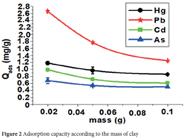
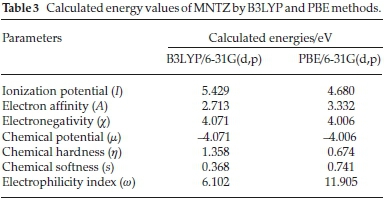
The screening of the IC50 values of the synthesised derivatives 4(a-r) is presented in Table 3. IC50 values greater than 100 μM were considered inactive. The results, expressed as IC50 values (the concentration required to inhibit 50% of cell growth), revealed a broad spectrum of activity ranging from highly potent to non-inhibitory (NI). The IC50 result for the reference, Etoposide, was 10.52 μM.
The variation of the IC50 values across the synthesised derivatives, highlights the significant impact of the R/Ar functional groups on the aromatic ring as well as the fluorine atom on the carbazole scaffold. Highly potent derivatives include the benzoyl (4l, 9.00 μM), benzyl (4m, 9.08 μM), trifluoromethyl (4i, 10.02 μM), and phenyl ethyl (4o, 10.90 μM) due to the excellent characteristics of the functional group, which includes membrane permeability, binding pocket affinity, and structural flexibility. Also, the strong electron-withdrawing nature and binding specificity of the trifluoromethyl groups are important. Furthermore, the moderate potency of 3-methoxy (4f, 12.02 μM), p-chlorophenyl (4a, 12.05 μM), nitro (4e, 13.05 μM), bromo (4g, 14.04 μM), 4-methoxy (4b, 15.02 μM), and methyl (4k, 16.04 μM) may be attributed to the halogen and methyl substituents, which possibly enhance hydrophobic interactions and membrane permeability. The methoxy and nitro groups may contribute weak hydrogen-bonding or dipolar interactions. However, none of these substituents provide sufficiently strong or highly specific binding interactions to significantly enhance target affinity, resulting in only moderate cytotoxic activity. Low potency was observed for morpholyl (4c, 18.04 μM), isopropyl (4p, 20.01 μM), allyl (4q, 21.08 μM), phenyl (4h, 22.00 μM), and isopropyl (4r, 23.01 μM). A possible explanation for this is may be the substituents disturb the balance between lipophilicity, electronic effects, steric compatibility, and hydrogen bonding capacity, leading to weak target binding thus lowering the antiproliferative activity. Compounds such as naphthalene (4d), piperidine (4j), and norbornyl (4n) exhibited IC50 values that are >50 μM and were inactive due to the bulky, highly hydrophobic naphthalene group which causes steric hindrance within the binding pocket resulting in reduced aqueous solubility and limited effective cellular uptake. Although piperidine is basic and potentially hydrogen-bonding, it introduces increased polarity and possible protonation at physiological pH, which may alter membrane permeability and disrupt optimal binding interactions of the drug. The norbornyl group is rigid and bulky, creating significant steric strain which prevents alignment of the pharmacophore within the active site. These results demonstrate the diverse range of antiproliferative properties of the novel compounds and highlight the need for additional study and evaluation to understand their potential in comparison to other well-known antiproliferative medications.
CONCLUSION
Using commercial ethyl 2-[(2-phenyl-4-fluoro-phenyl)-amino] acetate and facilitated by ultrasonication, a straightforward, green synthetic method was developed to access an array of 3-fluoro-9H-carbazoles (85-92% yield) with a palladium acetate catalyst and cyrene as a green solvent. This study evaluated the anticancer activity of compounds with a 3-fluoro-9H-carbazole framework hybridized with a thiosemicarbazide functional group. The synthesised derivatives of N-substituted-2-[2-(3-fluoro-9H-carbazol-9-yl) acetyl] hydrazine-1-carbothioamide derivatives 4(a-r) displayed good antiproliferative activity against breast cancer. Compounds 4l (9.00 μM) and 4m (9.08 μM) with the benzoyl and benzyl substituents showed enhanced antiproliferative activity compared to the reference drug, Etoposide (10.52 μM). Compounds 4l and 4m also demonstrated potential anticancer properties. These compounds altered the pathway, causing apoptosis and halting the cell cycle in MCF-7 cancer cells. Targeting this pathway provides a promising method for lowering proliferation survival and combatting treatment resistance. This study contributes significantly to our understanding of the biological effects of 3-fluoro-9H-carbazole derivatives and sheds light on the development of more effective anticancer treatment possibilities. However, additional in vivo and in vitro experiments are required to validate and optimise possible therapeutic drugs for future clinical uses.
SUPPLEMENTARY INFORMATIONThe Supplementary Information for this article is provided in a separate document. supplement.
AUTHOR CONTRIBUTIONSWriting original draft; data curation; software; formal analysis and interpretation of results - B.S.H; Conceptualization, writing, review and editing - S.B.G.
DECLARATION OF COMPETING/FINANCIAL INTERESTS
The authors declare that they have no known competing financial interests or personal relationships that could have appeared to influence the work reported in this paper.
DECLARATION OF GENERATIVE AI AND AI-ASSISTED TECHNOLOGIES
The authors declare that no generative AI or AI-assisted technologies were used in the preparation of this manuscript.
AUTHOR ORCID IDSBhavesh S. Hirani: https://orcid.org/0009-0001-2143-8939
Sevak B. Gurubaxani: https://orcid.org/0000-0002-6595-7298
ACKNOWLEDGEMENTS
We extend our sincere thanks to the Department of Chemistry, Government Science College, Pardi, Valsad, Gujarat, India for providing the facilities and resources.
REFERENCES
-
1. Mukherjee O, Rakshit S, Shanmugam G, Sarkar K. Role of Chemotherapeutic Drugs in Immunomodulation of Cancer. Curr Res Immunol. 2023;4:100068. https://doi.org/10.1016/jxrimmu.2023.100068.
» https://doi.org/10.1016/jxrimmu.2023.100068 -
2. Ahmed SK, Hussein S, Qurbani K, Ibrahim RH, Fareeq A, Mahmood KA, Mohamed MG. Antimicrobial Resistance: Impacts, Challenges, and Future Prospects. J Med Surg Public Health. 2024;2:100081. https://doi.org/10.1016/j.glmedi.2024.100081.
» https://doi.org/10.1016/j.glmedi.2024.100081 -
3. Gao L, Wang H, Zheng B, Huang F. Combating Antibiotic Resistance: Current Strategies for the Discovery of Novel Antibacterial Materials Based on Macrocycle Supramolecular Chemistry. Giant (Oxf). 2021;7:100066. https://doi.org/10.1016/j.giant.2021.100066.
» https://doi.org/10.1016/j.giant.2021.100066 -
4. Kerru N, Gummidi L, Maddila S, Gangu KK, Jonnalagadda SB. A Review on Recent Advances in Nitrogen-Containing Molecules and Their Biological Applications. Molecules. 2020;25(8):1909. https://doi.org/10.3390/molecules25081909.
» https://doi.org/10.3390/molecules25081909 -
5. Georgiades SN, Nicolaou PG. Recent Advances in Carbazole Syntheses. Adv Heterocycl Chem. 2019;129:1-88. https://doi.org/10.1016/bs.aihch.2018.10.001.
» https://doi.org/10.1016/bs.aihch.2018.10.001 -
6. Tiwari A, Mishra B. Diverse Pharmacological Actions of Potential Carbazole Derivatives by Influencing Various Pathways of Molecular Signaling. Future J Pharm Sci. 2024;10(1):77. https://doi.org/10.1186/s43094-024-00650-0.
» https://doi.org/10.1186/s43094-024-00650-0 -
7. Patil SA, Patil SA, Ble-González EA, Isbel SR, Hampton SM, Bugarin A. Carbazole Derivatives as Potential Antimicrobial Agents. Molecules. 2022;27(19):6575. https://doi.org/10.3390/molecules27196575.
» https://doi.org/10.3390/molecules27196575 -
8. Wang G, Sun S, Guo H. Current Status of Carbazole Hybrids as Anticancer Agents. Eur J Med Chem. 2022;229:113999. https://doi.org/10.1016/j.ejmech.2021.113999.
» https://doi.org/10.1016/j.ejmech.2021.113999 -
9. Zhang Z, Zhu B, Zhang J, Chen H. Preparation and Property Analysis of Antioxidant of Carbazole Derivatives. BMC Chem. 2024;18(1):49. https://doi.org/10.1186/s13065-024-01155-w.
» https://doi.org/10.1186/s13065-024-01155-w -
10. Bendi A, Kaushik MP, Raghav N, editors. Heterocyclic Anti-Inflammatory Agents: A Guide for Medicinal Chemists. Singapore: Bentham Science Publishers; 2024. https://doi.org/10.2174/97898152234601240101.
» https://doi.org/10.2174/97898152234601240101 -
11. Grande F, Ioele G, Caruso A, Occhiuzzi MA, El-Kashef H, Saturnino C, Sinicropi MS. Carbazoles: Role and Functions in Fighting Diabetes. Appl Sci (Basel). 2022;13(1):349. https://doi.org/10.3390/app13010349.
» https://doi.org/10.3390/app13010349 -
12. Gazieva GA, Kravchenko AN. Thiosemicarbazides in the Synthesis of Five-and Six-Membered Heterocyclic Compounds. Russ Chem Rev. 2012;81(6):494-523. https://doi.org/10.1070/RC2012v081n06ABEH004235.
» https://doi.org/10.1070/RC2012v081n06ABEH004235 -
13. Acharya PT, Bhavsar ZA, Jethava DJ, Patel DB, Patel HD. A Review on Development of Bio-Active Thiosemicarbazide Derivatives: recent Advances. J Mol Struct. 2021;1226:129268. https://doi.org/10.1016/j.molstruc.2020.129268.
» https://doi.org/10.1016/j.molstruc.2020.129268 -
14. Makar S, Pal G, Pradhan PC, Khatua HK, Roul PK. Synthetic Advancement Of Carbazoles, Acting as Vibrant Platform in the Field of Medicinal Chemistry. Int J of Pharm Sci. 2024;2(8):2888-2899. https://doi.org/10.5281/ZENODO.13292980.
» https://doi.org/10.5281/ZENODO.13292980 -
15. Gate L. Ellipticine. In: Enna SJ, Bylund DB (editors), xPharm: The Comprehensive Pharmacology Reference. Elsevier; 2007. pp 1-3. https://doi.org/10.1016/B978-008055232-3.61672-1.
» https://doi.org/10.1016/B978-008055232-3.61672-1 -
16. Takanashi Y, Tajima S, Matsuura S, Koyama S, Takahashi T, Neyatani H. ALK -rearranged Squamous Cell Carcinoma of the Lung. Respirol Case Rep. 2015;3(3):105-107. https://doi.org/10.1002/rcr2.115.
» https://doi.org/10.1002/rcr2.115 -
17. Sanford M. Frovatriptan: A Review of Its Use in the Acute Treatment of Migraine. CNS Drugs. 2012;26(9):791-811. https://doi.org/10.2165/11209380-000000000-00000.
» https://doi.org/10.2165/11209380-000000000-00000 -
18. Keating GM, Jarvis B. Carvedilol: A Review of Its Use in Chronic HeartFailure. Drugs. 2003;63(16):1697-1741. https://doi.org/10.2165/00003495-200363160-00006.
» https://doi.org/10.2165/00003495-200363160-00006 -
19. Méjean A, Guillaume J-L, Strosberg AD. Carazolol: A Potent, Selective B3-Adrenoceptor Agonist. Eur J Pharmacol (Mol Pharmacol Sect). 1995;291(3):359-366. https://doi.org/10.1016/0922-4106(95)90077-2.
» https://doi.org/10.1016/0922-4106(95)90077-2 -
20. O'Brien WM, Bagby GF. Carprofen: A New Nonsteroidal Antiinflammatory Drug Pharmacology, Clinical Efficacy and Adverse Effects. Pharmacotherapy. 1987;7(1):16-24. https://doi.org/10.1002/j.1875-9114.1987.tb03500.x.
» https://doi.org/10.1002/j.1875-9114.1987.tb03500.x -
21. Singh AK, Kumar A, Singh H, Sonawane P, Paliwal H, Thareja S, Pathak P, Grishina M, Jaremko M, Emwas A-H, et al. Concept of Hybrid Drugs and Recent Advancements in Anticancer Hybrids. Pharmaceuticals (Basel). 2022;15(9):1071. https://doi.org/10.3390/ph15091071.
» https://doi.org/10.3390/ph15091071 -
22. Ndikuryayo F, Gong X, Hao G, Yang W. How Artificial Intelligence Assists in Overcoming Drug Resistance. Med Res Rev. 2025;45(6):1679-1699. https://doi.org/10.1002/med.70002.
» https://doi.org/10.1002/med.70002 -
23. Niño-Vega GA, Ortiz-Ramírez JA, López-Romero E. Novel Antibacterial Approaches and Therapeutic Strategies. Antibiotics (Basel). 2025;14(4):404. https://doi.org/10.3390/antibiotics14040404.
» https://doi.org/10.3390/antibiotics14040404 -
24. Aboo P, Habib S, Singh M, Govender H. Synthesis, Antibacterial and Anticancer Activity of New Quinolone Phenylhydrazone Hybrids. ChemistrySelect. 2025;10(27):e00971. https://doi.org/10.1002/slct.202500971.
» https://doi.org/10.1002/slct.202500971 -
25. Çapan İ, Hawash M, Qaoud MT, Gülüm L, Tunoglu ENY, Çifci KU, Çevrimli BS, Sert Y, Servi S, Koca İ, et al. Synthesis of Novel Carbazole Hydrazine-Carbothioamide Scaffold as Potent Antioxidant, Anticancer and Antimicrobial Agents. BMC Chem. 2024;18(1):102. https://doi.org/10.1186/s13065-024-01207-1.
» https://doi.org/10.1186/s13065-024-01207-1 -
26. Draye M, Chatel G, Duwald R. Ultrasound for Drug Synthesis: A Green Approach. Pharmaceuticals (Basel). 2020;13(2):23. https://doi.org/10.3390/ph13020023.
» https://doi.org/10.3390/ph13020023 -
27. Su X-X, Chen Y-R, Wu J-Q, Wu X-Z, Li K-T, Wang X-N, Sun J-W, Wang H, Ou T-M. Design, Synthesis, and Evaluation of 9-(Pyrimidin-2-Yl)-9H-Carbazole Derivatives Disrupting Mitochondrial Homeostasis in Human Lung Adenocarcinoma. Eur J Med Chem. 2022;232:114200. https://doi.org/10.1016/j.ejmech.2022.114200.
» https://doi.org/10.1016/j.ejmech.2022.114200 -
28. Lao W, You J, Sun X, Kong X, Ou Q. Facile and Rapid Synthesis of 9H-Carbazole-9-Carboxylic Acids Under Microwave Irradiation. Synth Commun. 2000;30(19):3491-3499. https://doi.org/10.1080/00397910008087261.
» https://doi.org/10.1080/00397910008087261
Revised: 26 May 2026
Accepted: 20 July 2026