Contribution of Agripreneurship to Dietary Diversity Among Farming Households in the Limpopo Province: Implications for Food Security
Abstract
Among other Southern African countries, South Africa continues to face persistent food insecurity driven by high population growth, high unemployment, climate change, rising food prices, and low levels of agripreneurship. The study assessed the contribution of agripreneurship to household dietary diversity in Limpopo Province. The data were collected from 200 randomly selected farming households and analysed using Stata. The results revealed an average agripreneurship score of 3.04, indicating a medium level of agripreneurship among the farming households. Furthermore, 71% of farming households had a high dietary diversity score, indicating that they were food-secure. The ordered logistic regression results revealed that agripreneurship positively and significantly influenced dietary diversity, demonstrating that it plays a critical role in enhancing household food security among farming households in Limpopo. The study recommends strengthening agripreneurship through training courses, extension services and farm diversification to improve dietary diversity and food security at the household level.
Agripreneurship; Dietary Diversity; Ordered Logistic Regression; Food Security; Limpopo Province
1. INTRODUCTION
The continent of Africa is characterised by the world's largest and fastest population growth. The United Nations (UN) estimated that the African population will grow to 2.5 billion by 2050 (Stanley, 2023). As a result, food security across the continent will be affected. The Food and Agriculture Organisation (FAO), the International Fund for Agricultural Development (IFAD), the United Nations Children's Fund (UNICEF), the World Food Programme (WFP) and the World Health Organisation (WHO) (2024) reported that approximately 828 million people worldwide experienced hunger in 2021. Africa was the worst-affected region, with approximately 278 million people affected by hunger. According to Statistics South Africa (Stats SA), four million households experienced moderate to severe food insecurity, whereas 1.5 million households experienced severe food insecurity in 2023 (Stats SA, 2023).
Among other southern African countries, South Africa still suffers from food insecurity, particularly in rural provinces like Limpopo. This is caused by high population growth and unemployment rates, climate change, volatile food and input prices, poor infrastructure, and a lack of production and marketing skills (Van Wyk & Dlamini, 2018; Ngubane et al., 2023; Stats SA, 2023). Low levels of agricultural entrepreneurship, driven by funding shortages, poor infrastructure, and high input costs, also contribute to food insecurity in rural areas (Jack, 2020). These conditions often lead to low dietary diversity, which is an indicator of food security and overall nutrient intake (Swindale & Bilinsky, 2006).
Dietary diversity refers to the range of food types consumed by individuals or households over a specified timeframe and is closely associated with nutrient sufficiency and overall health status (Swindale & Bilinsky, 2006). Increased dietary diversity correlates with enhanced intake of macro- and micronutrients, reduced multination risks, and improved health resilience (Eric et al., 2021). In rural areas, low dietary diversity is often due to subsistence production systems that typically focus on staple crops, with limited production or access to foods rich in nutrients such as fruits, vegetables, dairy, and animal protein (Oyet et al., 2025). This lack of food diversity contributes to undernutrition, micronutrient deficiencies, and diet-related non-communicable diseases (Deshpande et al., 2024). Addressing dietary diversity requires interventions that go beyond subsistence farming, underscoring the importance of agricultural commercialisation and innovation. In this context, agripreneurship, which involves the application of an entrepreneurial mindset to agriculture, emerges as a critical tool for enhancing dietary diversity and, hence, food security.
Agripreneurship is derived from two words, namely, "agri" and "preneurship," where agri refers to agriculture and preneurship stems from entrepreneurship (Basir & Musa, 2022). Aleke et al. (2011) define an agripreneur as an individual involved in agricultural cash-generating activities. Thus, this article defines an agripreneur as an individual farmer involved in agricultural activities for market- and profit-oriented purposes. Agripreneurs are considered essential to agricultural development and growth because they serve as catalysts for the transition from conventional to modern farming. Agripreneurship stimulates self-efficacy among smallholder farmers and reduces the risks associated with the supply of agri-products from rural to urban areas (Swetha et al., 2025). It encompasses participation in value-adding activities such as agro-processing, product diversification, enhanced marketing strategies, and the adoption of advanced technologies to increase productivity and profitability (Mmbengwa et al., 2020; Adeyanju et al., 2023).
In rural areas, agricultural entrepreneurship is frequently seen as a solution to youth unemployment (Choudhury & Easwaran, 2019). It inspires youth in rural areas to start their own agribusiness rather than to relocate to urban areas to seek employment (Kazungu & Kumburu, 2023). An investment in agriculture and the empowerment of aspiring youth and adult entrepreneurs in the sector can serve as powerful tools to unlock South Africa's economic potential and contribute to socioeconomic development and growth. Encouraging domestic youth and communities to produce excess food and start their own agricultural businesses could save South Africa's reliance on imported products, contribute to job creation, increase food security and reduce crime (Swetha et al., 2025).
Despite the important role of agripreneurship in rural development, the existing literature has primarily examined its contributions from an economic and agripreneurship development perspective (Saghaian et al., 2022; Zwane & Osuigwe, 2024; Maesela et al., 2024). Only a few studies have explored its contributions to food security (Sinyolo & Mudhara, 2017; Kazungu & Kumburu, 2023). The empirical evidence on the impact of agripreneurship on dietary diversity remains limited. To address this gap, the present study aims to quantify the contribution of agripreneurship to dietary diversity. Specifically, the study seeks to assess the contribution of agripreneurship competencies to the dietary diversity among farming households in Limpopo Province.
2. RESEARCH METHODOLOGY
2.1. Study Area
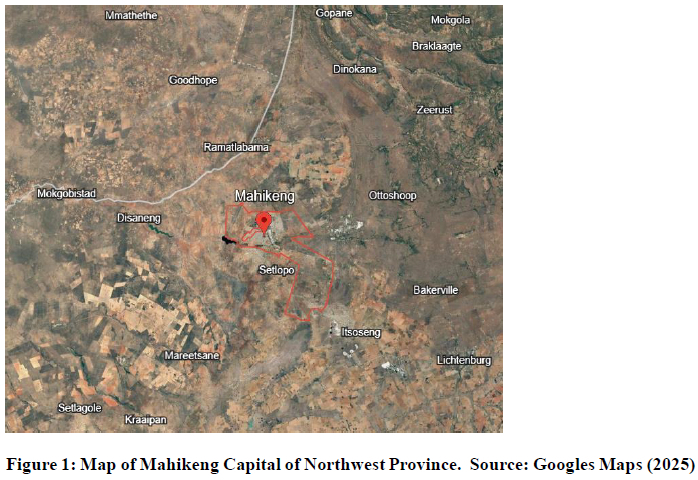
The study areas incorporated the Sekhukhune, Capricorn and Waterberg districts of the Limpopo Province, South Africa. Among the other provinces, Limpopo benefits economically from its agricultural sector. The agricultural sector contributes raw materials locally and to the international markets. The province is the largest fruit producer in South Africa. Limpopo contributed about 7.2% to the Gross Domestic Product (GDP) in 2021, and the agricultural sector contributed approximately 3.3% to the provincial GDP (Department of Trade, Industry and Competition, 2022).
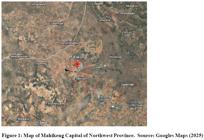
These districts were selected because they represent areas with high agricultural activities, diverse farming systems and different levels of food security. Additionally, budget constraints and interruptions caused by the COVID-19 pandemic restricted data collection to these specific districts.
2.2. Study Design, Data Collection and Sampling Procedure
The study adopted a cross-sectional design to collect quantitative data from farming households in Limpopo Province. The study identified 200 farming households, stratified and randomised, targeting beneficiaries of the Land Restitution Programme. The Capricorn district comprised 23 Communal Property Associations (CPAs) with approximately 9,053 members. The Waterberg district comprised 41 CPAs with about 9,418 members, and the Sekhukhune district comprised 31 CPAs with about 5,093 members. Using stratified sampling, two groups of CPAs in the Capricorn district and one CPA group in the Waterberg and Sekhukhune districts were selected. Fifty farming households were randomly selected from each group, which amounted to 200 respondents. The purpose of the study was to investigate the programme's usefulness to the beneficiaries' livelihoods. The sample was calculated using the Yamane (1967) formula; however, only 200 farming households were interviewed due to budget constraints and COVID-19 restrictions, resulting in a sample of 393.

Where n is the sample size, N is the population size, and e is the acceptable margin of error.
The database of farming households was obtained from the Department of Agriculture, Land Reform and Rural Development (DALRRD). A pre-tested semi-structured questionnaire was utilised to gather the primary data, which commenced in 2021 and ended in 2022. The data collection process was disrupted by the COVID-19 pandemic and national lockdowns, leading to an overlap. The two experienced enumerators who speak the home language were recruited to collect data. Personal Protective Equipment (PPE) was provided to the enumerators, and the COVID-19 rules and regulations were observed.
The questionnaire collected information on demographic and household characteristics, as well as support services. The interview questions were closed-ended. Concerning the Protection of Personal Information Act (POPIA, 2013), household demographic information was obtained solely to enable a comprehensive analysis of the study's findings, to achieve the research objective, and to support detailed descriptions of the study participants. Questions about the food consumed the day before the interview were also asked, along with the agripreneurship competencies and skills of household farmers.
2.3. Conceptual Framework
The conceptual framework (Figure 2) shows that agripreneurship plays an important role in improving dietary diversity and food security among the farming households in Limpopo Province. It is assumed that agripreneurship competencies, such as market and profit orientation, customer orientation, financial management, negotiation, networking skills, and many others, enable farming households to increase production efficiency, reduce product losses, and access high-value output and input markets. The success of agribusiness would lead to increased household income, allowing families to purchase a wider variety of foods and thus improve their dietary intake. This improvement directly impacts household food security by ensuring access to sufficient and nutritious food.
The framework shows the interrelationships among agripreneurship, dietary diversity intake, household characteristics, support services, and farm characteristics, which, in turn, result in food security outcomes. Dietary diversity intake concerns household food consumption and is calculated by summing the total amount of food consumed by households over the previous 24 hours at a preferred time (FAO, 2010). The present study assumes that dietary diversity among farming households is influenced by agripreneurship, which is a strong indicator of household security. The studies conducted by Sinyolo and Mudhara (2017) and Kazungu and Kumburu (2023) reported a positive correlation between agripreneurship and household food security.
Several studies have highlighted the statistical relationships among household dietary diversity, food security, and various household characteristics. For example, Akinboade et al. (2016), Awoke et al. (2022), Kolliesuah et al. (2023), and Tacconi et al. (2023) reported that factors such as household expenditure, source of income, and non-farm income significantly influence dietary diversity and food security. Similarly, Maesela et al. (2025) and Nkegbe et al. (2016) established a strong correlation between household dietary diversity, food security, and farm-related characteristics, including soil quality, irrigation systems, and farm assets. Moreover, access to support services such as market information, agricultural training and innovation technologies has been shown to play a crucial role in improving household dietary and food security (Tambi, 2019; Hlatshwayo et al., 2023; Maesela et al., 2025). These factors collectively underscore the multifaceted nature of food security and highlight the importance of household and farm characteristics, as well as institutional support, in enhancing dietary diversity and reducing food insecurity among rural farming households.
2.4. Analytical technique
2.4.1. Dietary Diversity Score
The Dietary diversity score (DDS) was used as the food security measurement tool, following the studies by Awoke et al. (2022), Nengovhela et al. (2022), Sambo et al. (2022), and Sibhatu et al. (2022). The DDS is part of the FANTA second project, which was implemented in 2006 as an indicator of household food accessibility (FANTA, 2004). The DDS method is very easy to use and understand by both the respondents and enumerators. It provides information on household consumption of different foods rather than on individual household members. Data on DDS are preferably collected from household members who usually prepare the food, but this is not limited to them. The person is expected to recall all the food groups consumed in the household on the previous day.
The point given to each food group is 1 if it was consumed in the previous day or 24 hours, and 0 if not. The diversity score ranged from 0 to 14 in this study. The DDS is calculated as follows:

The sum of DDS was then categorised into three as follows:
DDS0-4 points = low dietary diversity
DDS5-8 points = medium dietary diversity
DDS9-14 points = high dietary diversity.
2.4.2. Ordered logistic model
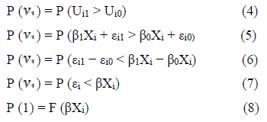
The ordered logistic model was used to examine the contribution of agripreneurship to the household dietary diversity. An ordered logistic model is considered appropriate for this study because the dependent variable, dietary diversity, is ordinal. The model estimates the probability that households fall into low, medium, or high dietary diversity categories. Although the results derived from the binary models are discrete, the models do not fit this study because they cannot manage the nature of ordinal dependent variables. Ordered logistics and probit models provide the same outcomes, although the logit model estimates the logistic distribution of disturbance terms and the probit model estimates a normal distribution (Greene, 2002). The ordered logistic model was used to analyse the ordinal variable. Assuming cumulative probability, V is a dependent variable, U is a group, and (v ≤ i) denotes the probability that V falls in the group U or below. The cumulative probability is equivalent to the sum of probabilities in the U group.

The group U and ordinal-dependent V have cumulative probabilities U: Br(v = 1), Br(v ≤ 2)… Br (v≤ u) and the last cumulative probability utilises the rest of the scale; thus, Br (v≤ u) = 1, since the last cumulative probability reflects the scale of the ordinal dependent variable. The probabilities meet.

The probability rating for an observation under the group response will therefore be estimated as a linear function of explanatory variables and a collection of middle points in an ordered logit model. The probability of analysing group responses aligns with the probability that the calculated linear function, in addition to the random miscalculation, falls below the group of calculated middle points of the same response.
It is also crucial to estimate w1w2……wi - 1 and the coefficients β1, β2,…βm as well as the middle points w1w2……wi where i is the possible group response numbers of the ordinal dependent variable. Williams (2006) indicated that the middle points and the coefficient are estimated using maximum likelihood. Table 1 describes the variables used in the study.
3. RESULTS AND DISCUSSION
3.1. Summary Statistics of Agripreneurship Competencies
Table 2 presents the means of agripreneurship competencies from the farm entrepreneurship index, created using principal component analysis (Maesela et al., 2024). The study used a five-point Likert scale, where 0.01-1.00 indicates strongly disagree, 1.01-2.00 indicates disagree, 2.01-3.00 indicates neutral, 3.01-4.00 indicates agree, and 4.01-5.00 indicates strongly agree, following the study by Ghanney and Wotordzor (2024). The competencies with a mean score between 3.01 and 5.00 indicate that households agreed or strongly agreed they possessed those competencies. The competencies with mean scores between 0.01 and 2.00 indicate that households disagreed or strongly disagreed with having those competencies, whereas those with mean scores between 2.01 and 3.00 indicate that households were neutral about them. Additionally, the mean was categorised into three: a mean score less than 2.5 was classified as a low level of agripreneurship, between 2.5 and 3.5 as a medium level of agripreneurship, and above 3.5 as a high level of agripreneurship, following the study by Lodesso and Kebede (2017). The results showed an average of 3.04, indicating that most farming households fall at the medium level of agripreneurship. These results concur with the findings of Boye et al. (2022), who reported a medium level of agripreneurial traits, such as decision-making, innovation, and motivation, among agripreneurs.
3.2. The Level of Dietary Diversity Score Among the Farming Households
Figure 3 presents the dietary diversity score of farming households in the study area. The results show that about 4% of farming households had low dietary diversity, 25% had medium, and about 71% had high. Although these findings are not conclusive, they imply that farming households in rural areas of Limpopo Province are food secure. A similar finding was reported by Nengovhela et al. (2022), who found that 80.2% of households in Limpopo have a high dietary diversity. On the contrary, Mbhatsani et al. (2021) reported that about 25% of households in Limpopo Province had high dietary diversity, suggesting food insecurity.
3.3. Descriptive Analysis of Farming Households in the Study Area
Table 3 presents the means for continuous variables, the percentages for binary variables, and the ANOVA test results for farming households in the study area. The ANOVA results show a low mean difference or no difference between the independent variables. The results in Table 2 reveal that the average household food expenditure increased from R2 792 per month for the low-diversity group to R3 771.46 for the high-diversity group. The majority of farming households in the low dietary diversity category (89%) relied on social grants, while a few in the high dietary diversity category (40%) did so. None of the farming households in the low-diversity group was involved in non-farm businesses, whereas about 8% and 19% of households in the medium- and high-diversity categories, respectively, were involved in non-farm businesses.
Regarding farm characteristics, fewer than 60% of farming households with low dietary diversity, and more than 60% of households in both the medium and high dietary diversity groups, reported that the quality of soil on their farms is good. Over 60% of farming households across all categories reported having farm assets, with 30% in the low-diversity group, 39% in the medium-diversity group, and 56% in the high-diversity group having irrigation systems on their farms. The results for support services show that a few farming households (less than 30%) across all categories have access to market information, whereas fewer than 50% of households across all categories have access to markets. Furthermore, fewer than 30% of farming households across all categories reported receiving agricultural-related training. Lastly, 100% of the farming households in the high-diversity group and over 90% in both the low- and medium-diversity categories reported adopting agricultural innovation technology on their farms.
3.4. The Contribution of Agripreneurship and Other Socioeconomic Factors on Dietary Diversity
Table 4 presents the marginal effects of agripreneurship and other explanatory variables on dietary diversity levels. The results show that the Chi-square probability is 1% significant and the pseudo-R2 is 20%, indicating that ordered logistic regression is well-suited to the data. The variance inflation factor (mean VIF = 1.91) indicates that there is no multicollinearity among the explanatory variables in the model. This is supported by Kim (2019), who states that multicollinearity exists when VIF is between 5 and 10, or even higher.
The ordered logistic model was used to investigate the contribution of agripreneurship to household dietary diversity. The results are discussed based on the model's marginal effects. Even though the model is appropriate for ordinal dependent variables and fits the data well, the key assumption of the model (proportional odds) can be violated, leading to inaccurate results. The Chi-square probability and Variance inflation factors indicated that the proportional assumption is met. Although DDS helps assess food security, it has certain drawbacks. DDS displays the variety of foods that households eat, not their quantity or nutritional content. Therefore, high DDS does not necessarily indicate that households ate a nutrient-sufficient diet (Ngome et al., 2019).
3.4.1. Agripreneurship Contribution to Household Dietary Diversity
The model results in Table 4 showed that agripreneurship reduced the probability of farming households falling into the low and medium dietary diversity categories by 2.8% and 6.7%, respectively, and increased their probability of falling into the high dietary diversity group by 9.5%. The level of agripreneurship among the farming households in the study area is positively associated with improved dietary diversity scores, thereby indicating a positive implication for households' food security. These results emphasise that farming households with agripreneurship competencies and skills (for instance, market and profit orientation, negotiation, networking, and financial skills) are more likely to succeed in their agribusinesses and stand a good chance of improving their dietary and nutritional intake at home.
The benefits of agripreneurship regarding household food security manifest in various ways. The agribusinesses could maximise profits, thereby improving purchasing power and providing sufficient resources to meet diverse daily dietary needs. Households could also produce excess food for both agribusiness and family consumption, thereby meeting some of the household's dietary needs. Various studies attest to the beneficial role of agripreneurship in household food security (Kazungu & Kumburu, 2023; Sinyolo & Mudhara, 2017). Kazungu and Kumburu (2023) indicated that agripreneurship is very important by ensuring food affordability, accessibility and availability. Sinyolo and Mudhara (2017) reported that motivated farmers who are willing to invest in their farms, maximise farm production, and earn improved farm income through market participation have the advantage of diversifying their household diets.
3.4.2. Additional Factors Affecting Household Dietary Diversity in Limpopo Province
3.4.2.1. Household Characteristics
Variables related to household characteristics, such as household expenditure, source of income, and non-farm business, influenced farming household dietary diversity. The marginal effects results revealed that for every additional rand spent on food (household expenditure), the chance of households experiencing a low- or medium-diverse diet decreased by 39% and 82%, respectively, while the chance of experiencing a high-diverse diet increased by 21%. As anticipated, farming households with enough money would be able to spend more on various food items to meet their different daily diets than households with insufficient money. On the contrary, Kolliesuah et al. (2023) stated that a unit change in household expenditure is associated with a decrease in dietary diversity. On the other hand, the findings concurred with those of the study conducted by Nkegbe et al. (2016), indicating that household food expenditure is negatively associated with severe hunger.
The results regarding household characteristics showed that farming households that rely on the social grant as their main source of income have an increased chance of 8.1% to experience medium dietary diversity and a reduced chance of 6.4% to experience high dietary diversity. These groups of households were more likely to encounter medium dietary diversity, hence moderate food security. The same results were reported by Hlatshwayo et al. (2023), who found that social grants positively impact household dietary diversity. Social grants are inadequate to cover all household food expenditure; hence, households surviving on grants have low to middle purchasing power to diversify their diets and meet their daily nutritional requirements. The study by Mazenda and Mushayanyama (2021) supports the latter's claim that social grants are insufficient to cover household dietary needs. On the contrary, Akinboade et al. (2016) indicated that social grants are sufficient to meet household dietary needs.
Farming households owning non-farm businesses reduced the likelihood of encountering low and medium dietary diversity by 6.2% and 15%, respectively, and increased the likelihood of encountering high dietary diversity by 21%. Non-farm business is negatively correlated with low and medium dietary diversity and positively correlated with high dietary diversity. Non-farm businesses offer households a stable additional source of income, reducing dependence on farming products. Farming households earning income from various sources are expected to have sufficient capital resources to diversify their diets. Just as farm diversification increases household consumption expenditure and improves dietary variety; non-farm businesses do the same. Similarly, Tacconi et al. (2023) revealed the positive relationship between non-farm activities and dietary diversity. Moreover, Awoke et al. (2022) asserted that households that can diversify their livelihoods are more likely to enjoy improved food security.
3.4.2.2. Farm Characteristics
Farming households with good soil quality on their farms had a lower chance (15% and 36%) of falling into the low-to-medium diet diversity category and a higher chance (52%) of experiencing high diet diversity. With high-quality soil and other necessary inputs, such as seeds and tractors, the production of crops and vegetables, including maize, beans, spinach, and more, will improve. Households will produce saleable products and improve their household income distribution. They will further have excess produce to feed their families. Additionally, buying power will increase. Good-quality soil would also result in improved nutrient intake within households. According to the FAO (2015), healthy soil is the ultimate defence of food security. Farming households with productive assets on their farms were less likely to fall into the low- and medium-diversity categories by 25% and 61%, respectively. The same households are 86% more likely to fall into the high-diversity category. This finding indicates that productive farm assets play a crucial role in household food security. Assets could be machinery and equipment, cash and inventory. Possessing these assets will help farming households improve their production or earn extra cash by hiring them out to other farmers, thereby increasing their household food availability. This result concurs with the findings of Maesela et al. (2025), who revealed that asset ownership increases households' likelihood of falling into the high dietary diversity category.
3.4.2.3. Support Services
The results on support services revealed that farming households with access to market information have an increased likelihood of 8.8% to experience low dietary diversity, a 22% greater likelihood to experience medium dietary diversity, and a 30% decreased likelihood to experience high dietary diversity. Although access to market information is expected to improve dietary diversity and household food security, this is not the case in this study. Possible explanations for these findings include that farming households may have received the necessary information but were unable to use it effectively, or that the information was irrelevant to their needs. These results concur with those of Hlatshwayo et al. (2023), who reported a negative relationship between dietary diversity and market information, and differ from those of Maesela et al. (2025), who reported a positive relationship between high dietary diversity and market information. The training variable reduced the probability of farming households falling into the low dietary diversity category by 5.4%, the medium dietary diversity category by 13%, and increased the probability of falling into the high dietary diversity category by 18%. This highlights that farming households that received agricultural extension-related services, such as training, are more likely to have high dietary diversity. Training plays a significant role in food security (Tambi, 2019). It serves as an instrument to empower farming households and foster sustainable growth. Farming households with agricultural knowledge and skills would make informed decisions on their farms. With relevant agricultural training, concepts such as record keeping, the use of advanced technologies, farmers' association membership, and market and product orientation will be better understood. Agricultural production and income will improve, thereby improving food security. The findings differ from those of Hlatshwayo et al. (2023), who found that agricultural extension-related services are detrimental to dietary diversity.
4. CONCLUSION AND RECOMMENDATIONS
The study investigated the contribution of agripreneurship to the dietary diversity of farming households in Limpopo Province. The findings revealed an average entrepreneurship score of 3.04, indicating a medium level of agripreneurial engagement among farming households. Additionally, 71% of households had high dietary diversity scores, suggesting that agripreneurship positively contributed to households' dietary diversity, with implications for household food security. Factors such as household expenditure, non-farm businesses, soil quality, farm assets, and agricultural training increased the likelihood that farming households would attain high dietary diversity and be food secure. Conversely, sources of income and market information were associated with a higher probability of households falling into the medium to low dietary diversity categories.
The study highlights that agripreneurship is a strategic pathway for enhancing household food security, particularly in rural areas. Since access to market information and training significantly influences dietary diversity, the study recommends investment in extension services to build and strengthen agripreneurship competencies among the farming households. Extension officers should be supported and encouraged to deliver informal training tailored to the local needs of the farming households. The extension officers can also arrange formal training that promotes practical skills and innovative farming practices. To achieve this, there is a need for collaboration among the different stakeholders involved in agriculture and government to secure funding and training, and to adopt advanced teaching strategies that effectively engage farming households. The training should be accompanied by adequate relevant resources, depending on the needs of the farming households.
Furthermore, the empirical results revealed that non-farm businesses have the potential to improve household dietary diversity and overall nutrition. Therefore, it is recommended that farming households be persuaded to diversify their income streams either by diversifying their farms or by engaging in non-farm cash-generating activities. This diversification will boost household purchasing power, reduce their dependence on the social grant, and ensure long-term food security.
5. STUDY LIMITATION
The study's limitation is that the data were collected from three districts in the Limpopo Province. This implies that the data do not encompass the province. Additionally, the study used the dietary diversity score only as an implication of food security in rural areas of Limpopo. This indicator focuses on one pillar of food security. Thus, more research is needed to cover all the districts of Limpopo and to use a range of food security indicators.
REFERENCES
- ADEYANJU, D., MBURU, J., GITURO, W., CHUMO, C., MIGNOUNA, D. & MULINGANYA, N., 2023. Impact of agribusiness empowerment interventions on youth livelihoods: Insight from Africa. Heliyon., 9(11): 1-11.
- AKINBOADE, O.A., MOKWENA, M.P. & ADEYEFA, S.A., 2016. Determinants of food insecurity among the urban poor in the City of Tshwane, South Africa. J. Econ. Dev. Stud., 4(2): 101-114.
- ALEKE, B., OJIAKO, U. & WAINWRIGHT, D.W., 2011. ICT adoption in developing countries: perspectives from small-scale agribusinesses. J. Enterp. Inf. Manag., 24(1): 68-84.
- AWOKE, W., ENIYEW, K., AGITEW, G. & MESERE, B., 2022. Determinants of food security status of household in central and north Gondar zone, Ethiopia. Cogent Soc. Sci., 8(1): 1-12.
- BASIR, K.H. & MUSA, S.F.P.D., 2022. An Islamic perspective of agripreneurs motivation. J. Enterp. Communities., 16(3): 402-420.
- BJORNLUND, V., BJORNLUND, H. & VAN ROOYEN, A.F., 2020. Why agricultural production in sub-Saharan Africa remains low compared to the rest of the world: a historical perspective. Int J Water Resour Dev., 36(1): 20-53.
- BOYE, M., GHAFOOR, A., BADAR, H. & ALI, A., 2022. An understanding of the agripreneurial knowledge and motivation among Gambian young agripreneurs. Int. J. Manag. Res. Emerg. Sci., 12(4): 36-57.
- CHOUDHURY, K. & EASWARAN, K., 2019. Agricultural entrepreneurship in lower Brahmaputra valley, Assam. Glob. J. Educ. Res., 9(1): 1-13.
- DEPARTMENT OF TRADE, INDUSTRY AND COMPETITION., 2022. The real economy bulletin: trends, development and data, provincial review. Limpopo Province, South Africa.
- DESHPANDE, S., MANDLIK, R., KHADILKAR, A.V., BHAWRA. J. & KINNUNEN, T.I., 2024. Micronutrient deficiency, dietary diversity, and sociodemographic and lifestyle determinants of dietary diversity among pregnant slum-dwelling women in Pune, India. BMC Nutr., 10(1): 1-15.
- ERIC, O., VERGER, A., AUGUSTIN, B., GABRIEL, B., MOURAD, M., MATHILDE, S., FRANÇOIS, M. & YVES, M., 2021. Dietary diversity indicators and their associations with dietary adequacy and health outcomes: A systematic scoping review. Adv. Nutr., 12(5): 1659-1672.
- FOOD AND AGRICULTURE ORGANISATION (FAO)., 2015. Healthy soils are the basis for healthy food production. Food and Agriculture Organisation of the United Nations.
- FOOD AND AGRICULTURE ORGANISATION (FAO), INTERNATIONAL FUND FOR AGRICULTURAL DEVELOPMENT (IFAD), UNITED NATIONS CHILDREN'S FUND (UNICEF), WORLD FOOD PROGRAMME (WFP) AND WORLD HEALTH ORGANISATION (WHO)., 2024. The State of Food Security and Nutrition in the World 2024 - Financing to End Hunger, Food Insecurity and Malnutrition in all its Forms. Rome, Italy.
- FOOD AND AGRICULTURE ORGANIZATION (FAO)., 2010. Guidelines for measuring household and individual dietary diversity. Nutrition and Consumer Protection Division, United Nations.
- FOOD AND NUTRITION TECHNICAL ASSISTANCE (FANTA)., 2004. Measuring Household Food Insecurity Workshop, April 15-16, 2004 Workshop Report. Washington, D.C: Food and Nutrition Technical Assistance Project, Academy for Educational Development.
- GHANNEY, R.A. & WOTORDZOR, P.W., 2024. Factors affecting academic performance in social studies among students in selected public junior high schools in Hohoe Municipality, Ghana. Int. J. Educ. Learn. Dev., 12(4): 47-66.
- GREENE, W.H., 2002. Econometric analysis. 5th edn. New Jersey: Prentice Hall.
- HLATSHWAYO, S.I., OJO, T.O. & NGIDI, M.S.C., 2023. Effect of market participation on the food and nutrition security status of the rural smallholder farmers: The case of Limpopo and Mpumalanga provinces, South Africa. Front. Sustain. Food Syst., 7: 1-13.
- JACK, B., 2020. Exploring the stimulation of the agri-food system of South Africa through the enhancement of entrepreneurship in agriculture. Masters dissertation, University of Pretoria.
- KAZUNGU, I. & KUMBURU, N.P., 2023. Agripreneurship as a panacea for food security in Tanzania: a systematic review. Heliyon., 9(2): 1-9.
- KIM, J.H., 2019. Multicollinearity and misleading statistical results. Korean J Anesthesiol., 72(6): 558-569.
- KOLLIESUAH, N.P., OLUM, S. & ONGENG, D., 2023. Status of household dietary diversity and associated factors among rural and urban households of Northern Uganda. BMC Nutri., 9(83): 1-16.
- LODESSO, S.L. & KEBEDE, M., 2017. Factors Affecting Female Teachers' Involvement in School Leadership in Secondary Schools of Sidama Zone. IOSR-JHSS., 22(12): 49-56
- MAESELA, L.M., BELETE, A. & SENYOLO, G.M., 2025. The impact of post-settlement support on food security among the land restitution beneficiaries in Limpopo province. Afr. Public Serv. Deliv. Perform. Rev., 13(1): 1-9.
- MAESELA, L.M., SENYOLO, G.M. & BELETE, A., 2024. Farm entrepreneurship among emerging farmers under the land restitution program in Limpopo Province, South Africa, Cogent Soc. Sci., 10(1): 1-14.
- MAZENDA, A. & MUSHAYANYAMA, T., 2021. Analyzing household dietary diversity amongst urban food insecure households. J. Hunger Environ. Nutr., 17(5): 630-641.
- MBHATSANI, H.V., MABAPA, N.S., AYUK, T.B., MANDIWANA, T.C., MUSHAPHI, L.F. & MOHLALA, M., 2021. Food security and related health risk among adults in the Limpopo Province of South Africa. S. Afr. J. Sci., 117(11): 1-7.
- MMBENGWA, V.M., RAMBAU, K., RAKUAMBO, J.N. & QIN, X., 2020. Key factors for the improvement of smallholder farmers' participation in agro-processing industries of Gauteng province of Republic of South Africa: Lessons for the extension advisory services. S. Afr. J. Agric. Ext., 48(2): 153-165.
- NENGOVHELA, R., BELETE, A., HLONGWANE, J. & OLUWATAYO, I.B., 2022. Measuring rural households' food consumption pattern using HDDS. A case of Mopani district municipality, Limpopo province, South Africa. J. Agric. Rural Dev., 63(1): 15-24.
- NGOME, P.I.T., SHACKLETON, C., DEGRANDE, A., NOSSI, E.J. & NGOME, F., 2019. Assessing household food insecurity experience in the context of deforestation in Cameroon. Food Policy., 84(1): 57-65.
- NGUBANE, M.Z., MNDEBELE, S. & KASEERAM, I., 2023. Economic growth, unemployment and poverty: Linear and non-linear evidence from South Africa. Heliyon., 22(9): e20267.
- NKEGBE, P.K., ABU, B.M. & HARUNA, I., 2016. Food security in the Savannah accelerated development authority zone of Ghana: An ordered probit with household hunger scale approach. Munich Personal RePEc (MPRA) Paper No. 101605.
- OYET, S.M., KAAHWA, R.M., MUGGAGA, C., ONGENG, D. & OKELLO-UMA, I., 2025. Household dietary diversity and associated factors in rural and peri-urban areas of Mbale District, Eastern Uganda. BMC Public Health., 25(303): 1-13.
- PROTECTION OF PERSONAL INFORMATION ACT (POPIA)., 2013. Vol 581, No 912, Cape Town, Republic of South Africa.
- SAGHAIAN, S., MOHAMMADI, H. & MOHAMMADI, M., 2022. Factors affecting success of entrepreneurship in agribusinesses: Evidence from the city of Mashhad, Iran. Sustainability., 14(13): 1-12.
- SAMBO, T.A., OGUTTU, J.W. & MBOMBO-DWEBA, T.P., 2022. Analysis of the dietary diversity status of agricultural households in the Nkomazi Local Municipality, South Africa. Agric & Food Secur., 11(46): 1-12.
- SEROTE, B., MOKGEHLE, S., DU PLOOY, C., MPANDELI, S., NHAMO, L. & SENYOLO, G., 2021. Factors influencing the adoption of climate-smart Irrigation technologies for sustainable crop productivity by smallholder farmers in arid areas of South Africa. Agric., 11(12): 1-18.
- SIBHATU, K.T., ARSLAN, A. & ZUCCHINI, E., 2022. The effect of agricultural programs on dietary diversity and food security: Insights from the smallholder productivity promotion program in Zambia. Food Policy., 113: 102268.
- SINYOLO, S. & MUDHARA, M., 2017. The impact of entrepreneurial competencies on household food security among smallholder farmers in KwaZulu Natal, South Africa. Ecol Food Nutr., 57(2): 71-93.
- STANLEY, A., 2023. African century: a demographic transformation in Africa has the potential to alter the world order. Washington, D.C: International Monetary Fund.
- STATISTICS SOUTH AFRICA (STAT SA)., 2023. Food Security in South Africa in 2019, 2022 and 2023: Evidence from the General Household Survey. South Africa.
- SWETHA, B., CHAITHANYA, L.K. & SAURAV, S.K., 2025. Agripreneurship: A tool for revitalising and unlocking potentials of rural economies in India. Arch. Curr. Res. Int., (5): 482-92.
- SWINDALE, A. & BILINSKY, P., 2006. Household dietary diversity score (HDDS) for measurement of household food access: indicator guide. Washington, D.C.: FHI 360/FANTA.
- TACCONI, F., WAHA, K., OJEDA, J.J., LEITH, P., MOHAMMED, C., VENABLES, W.N., RANA, J.C., BHARDWAJ, R., YADAV, R., AHLAWAT, S.P., HAMMOND, J. & VAN WIJK, M., 2023. Farm diversification strategies, dietary diversity and farm size: Results from a cross-country sample in South and Southeast Asia. Glob. Food Secur., 38(1): 1-12.
- TAMBI, M.D., 2019. Agricultural training and its impact on food crop production in Cameroon. J. Socioecon. Dev., 2(1): 1-11.
- VAN WYK, R.B. & DLAMINI, C.S., 2018. The impact of food prices on the welfare of households in South Africa. S. Afr. J. Econ. Manag. Sci., 21(1): 1-9.
- WILLIAMS, R., 2006. Generalized ordered logit/partial proportional odds models for ordinal dependent variables. Stata Journal., 6(1): 58-82.
- YAMANE, T., 1967. Statistics: An introductory analysis. 2nd edn. New York: Harper and Row.
- ZWANE, S. & OSUIGWE, U., 2024. Entrepreneurship interventions and the intentions of South African youths to start own business. South. Afr. J. Entrep. Small Bus., 16(1): 1-9.