Oral health professionals' knowledge, perceptions, and practices regarding community engagement in rural South Africa
Abstract
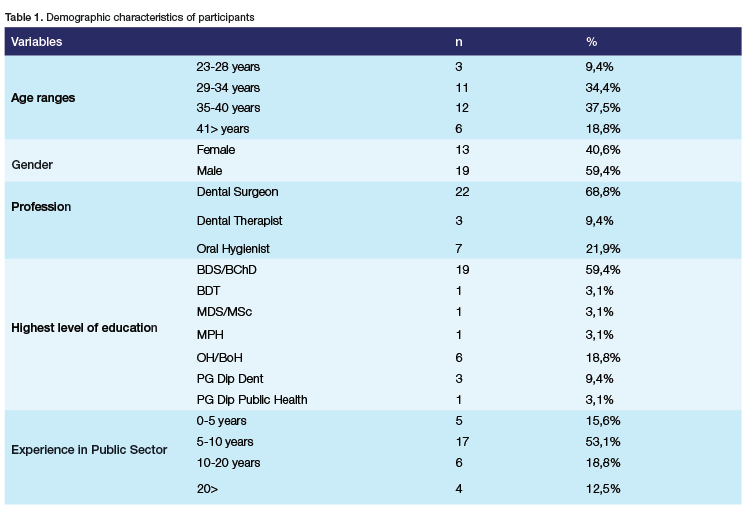
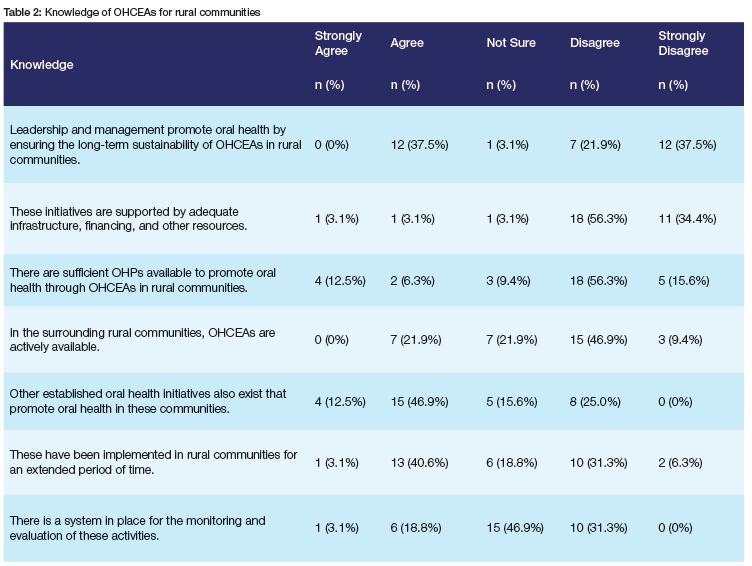
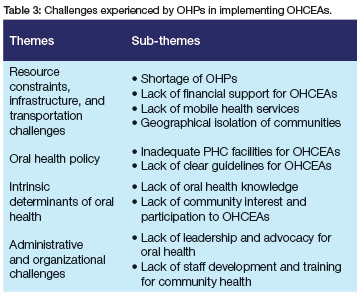
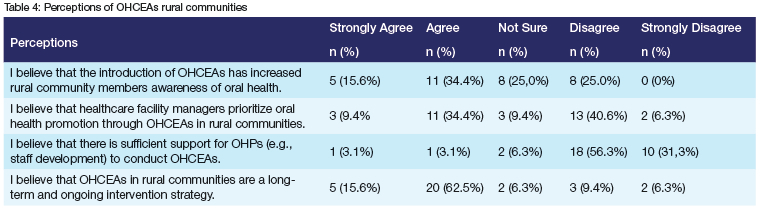
BACKGROUND: Oral health remains a significant public health concern globally, particularly in developing countries such as South Africa (SA). Oral health professionals (OHPs) continue to endure the burden of oral diseases particularly in rural communities due to oversight of oral health in all levels of healthcare system and lack of initiatives that promote oral health and quality of life. Oral health community engagement activities (OHCEAs) are mechanisms for achieving the key goals of the national oral health policy and strategy for delivering oral health services in rural communities. This initiative is a purpose-driven collaborative effort involving OHPs, nurses, community healthcare workers (CHWs), community leaders, and members, aimed at promoting oral health, increasing access to oral health services, and improving the general health of underserved populations in rural SA. AIM AND OBJECTIVES: The study aimed to explore the knowledge, perceptions, and practices of OHPs regarding OHCEAs in a South African rural setting. METHODS: This was a mixed-methods cross-sectional study. A self-administered questionnaire of closed and open-ended questions was used to collect information among 32 OHPs providing oral healthcare services in a public healthcare sector. Quantitative data were analysed using SPSS version 29.0 (IBM Corp, USA), while qualitative was analysed thematically using ATLAS.ti software version 7.1.3. RESULTS: The response rate of the study was 100% (n=32). More than half (56.3%) agreed that there was no active availability of OHCEAs in the surrounding communities, while nearly half (46.9%) expressed uncertainty regarding the monitoring and evaluation. Half (50%) of the participants believed that introduction of OHCEAs enhanced oral health awareness among rural community members, while 78.1% of participants perceived OHCEAs as a long-term and ongoing strategy for promoting oral health. Some of main emergent themes included: resource constraints and infrastructural challenges; and integrated oral health and curative care approaches. CONCLUSION: The study demonstrated that OHPs had sound knowledge of OHCEAs and positive perspectives regarding their impact on implementation. However, this initiative remains poorly implemented, with service provision predominantly confined to curative care owing to challenges arising from various levels of the public healthcare system.