Comparison between immediate and conventional implant loading for fixed and removable prosthesis: A Scoping review
Abstract
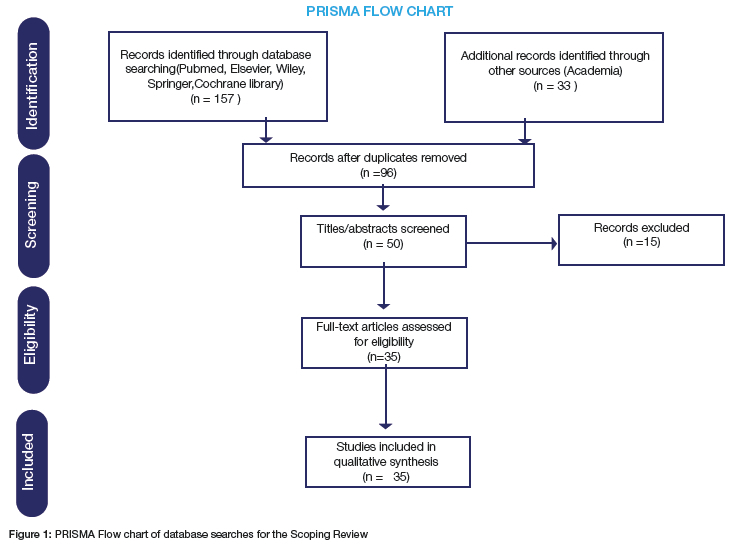
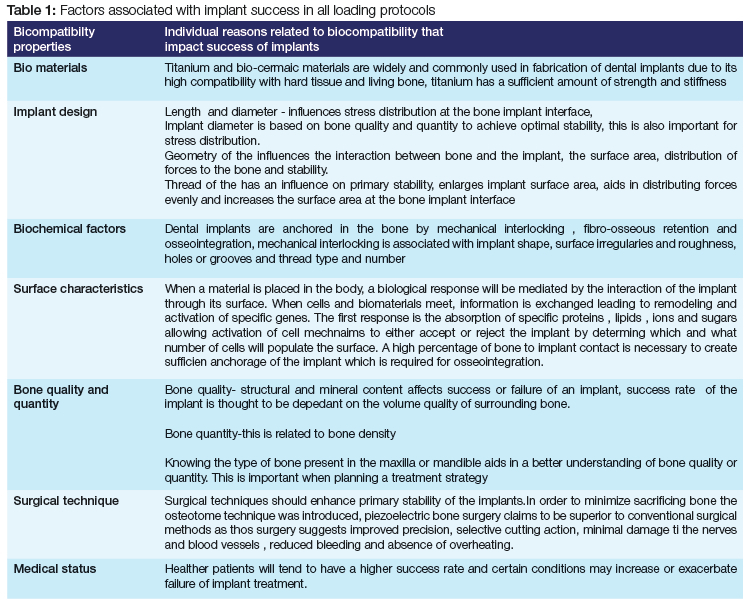
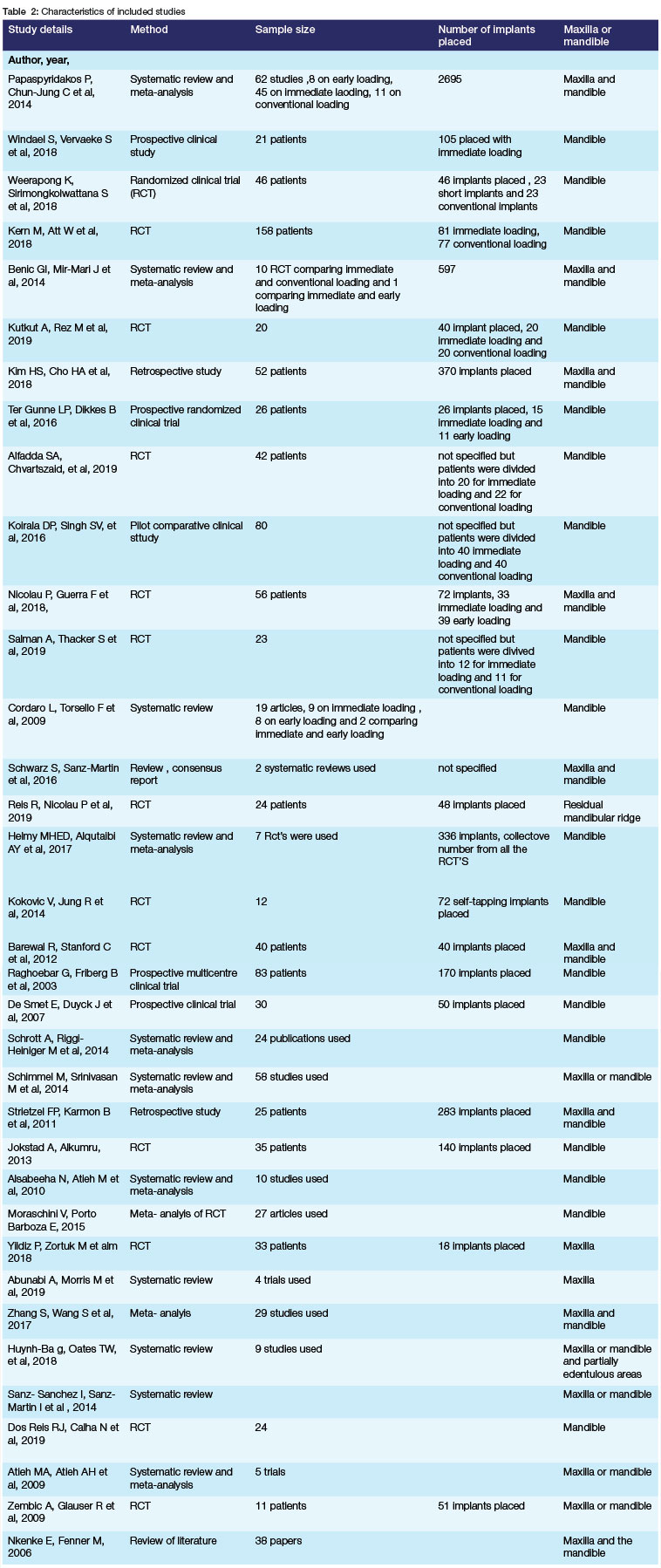
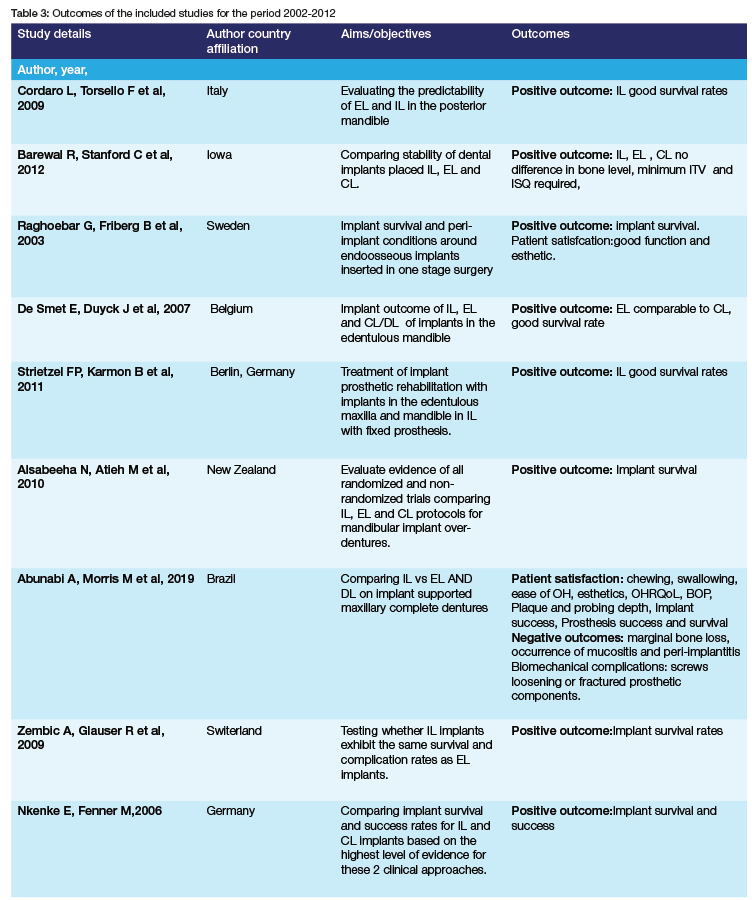
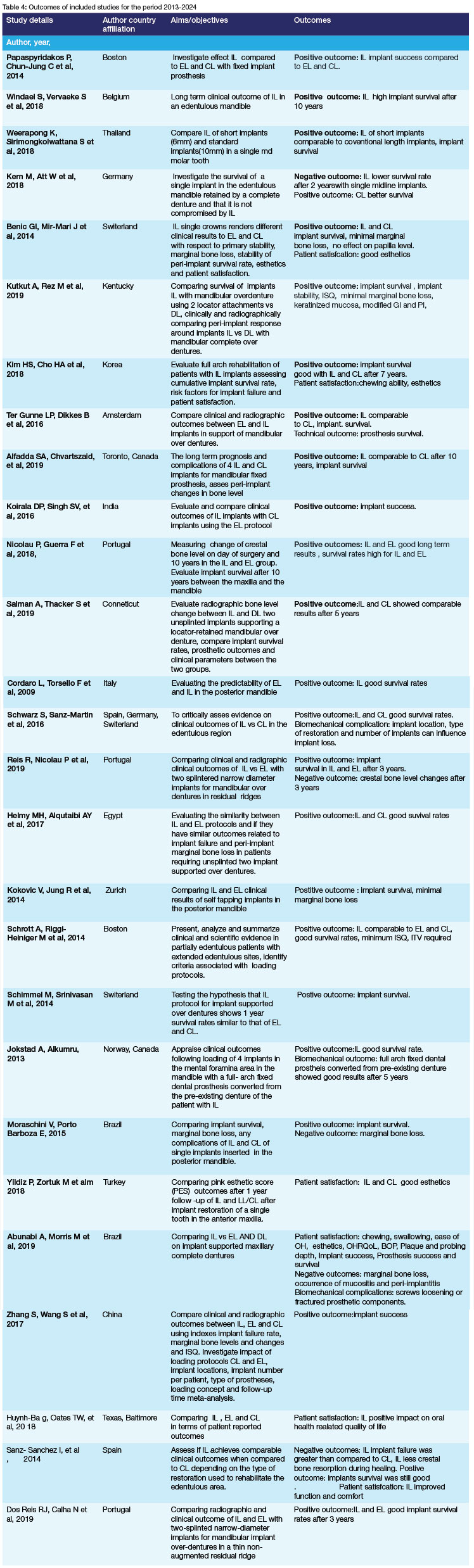
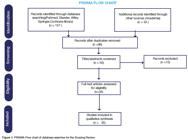
A comparison between immediate and early, versus conventional dental implant loading was explored for this scoping review. Identifying whether one loading protocol is superior to the other or if one offers more success with treatment and patient satisfaction can guide clinicians with choice of implant loading system. METHOD: An adapted version of the Arksey and O'Malley six step framework for scoping reviews was followed, and which includes identifying the research question, identifying the relevant studies, study selection, charting the data, collating, summarizing, and reporting the results and consultation. A literature search was conducted with refined eligibility criteria using scientific electronic databases such as PubMed, Springer, Cochraine library, Elsevier, Wiley, and Academia for the period ranging from 2002-2024. Data was synthesized, analyzed and narratively reported in themes. RESULTS: From the total number of records identified (N=190), only 35 full text articles were included for the qualitative synthesis. Factors such as survival and success rates of implants, marginal bone loss, esthetics and patient satisfaction are similar and comparable for immediate, early and conventional dental implant loading systems. The success with using these loading systems is dependent mainly on primary stability, implant stability quotient and the insertion torque value. CONCLUSION: This review provided evidence that immediate, early and conventional dental loading may be used as successful treatment options irrespective of whether a fixed or removable prostheses is placed.
immediate loading; early laoding; conventional loading; primary stability; implant success
 Thumbnail