Creating a Positive Personal Leadership Brand Framework: A Positive Organisational Behaviour Perspective
Abstract
BACKGROUND: There is a clear global need for leadership that positively impacts both the organisation and employees. This study proposes that business leaders with a positive personal brand may influence followers' perceptions and contribute to a positive organisational brand image. The role of personal leadership branding in development practice requires further research. RESEARCH PURPOSE: To conceptualise a positive personal leadership brand (PPLB) framework for use as a consulting tool in organisational leadership development and coaching practice. DESIGN/METHODOLOGY/APPROACH: The qualitative research approach employed a descriptive-exploratory design within an interpretive paradigm. Empirical data were collected through in-depth online interviews with four public and four private sector personal brand leaders. Additionally, four online focus group discussions were conducted with senior and middle managers. Finally, four subject-matter experts in organisational psychology assessed the face validity of the PPLB framework. MAIN FINDINGS: The emerging themes were categorised into two main dimensions: the Self and the Other. Six subthemes were identified for the PPLB framework: the self-conscious leader, passionate and motivated leader, authentic leader, socially intelligent leader, altruistic leader, and progressive leader. PRACTICAL/MANAGERIAL IMPLICATIONS: The PPLB framework could facilitate personal leadership branding strategies and leadership development programmes in the business industry. CONTRIBUTION/VALUE ADD: The PPLB framework integrates leadership and positive organisational behaviour (POB) theory, focusing on positive leadership traits. These traits are vital in the current decentralisation of work as embedded in leadership in the gig economy.
leadership; positive personal leadership brand; positive organisational behaviour
Introduction
You sit here in these vast halls with a crown on your head, and yet you are lesser now than you've ever been. You cannot see what you have become. (J. R. R. Tolkien)
The words of a wise friend of Thorin Oakenshield, a fictional character in Tolkien's fantasy novel, reflect on the frequent inability of leaders to "see" who they are. Thorin is the leader of the Company of Dwarves-brave, stubborn, proud, and greedy for gold. His royal heritage makes him entitled and arrogant. His once heroic leadership image has weakened to powerlessness, and his initial leadership reputation makes him unaware of his negative impact on friends and foes. His friend had to intervene and give Thorin feedback to "see" how others perceive him in the leadership void of their country. Like the case of Thorin Oakenshield, a personal leadership brand reflects how followers and stakeholders may perceive a leader in an increasingly crowded labour market and global political landscape.
A convincing leadership brand has become a vital asset in navigating economic and global crises by leveraging narrative, solidarity, and advocacy (Otola et al. 2023). Resilient leaders build cohesion and innovation in adversity and uncertainty (Mesaglio 2020), such as during 9/11, the COVID-19 pandemic, and ongoing global crises (Nizamidou 2023). Scholars assert that leadership is a fundamental business component that inspires and educates employees, increases productivity, and stimulates internal and external innovation (Hussan and Pinky 2023; Koziol-Nadolna 2020).
An authentic personal brand involves more than simply creating a social media presence (Kreling et al. 2022; Steffens 2021). Political contexts, the world of celebrities and entertainment, and the personal development of entrepreneurs all demand a strong identity and reputational brand to influence others and convey a positive image to followers and customers (Azhar and Oktafia 2023; Ilieş 2018; Kragt and Day 2020). While personal branding is used across various business contexts, this article focuses specifically on the personal branding of corporate leaders and employees in both the public and private sectors (Morgan et al. 2019). The study contributes to personal branding theory beyond social media by suggesting a positive personal leadership brand (PPLB) framework as a strategic management tool.
Brand research has been engrossed in leadership, commending a focused approach to building trust and transparency in personal brands aligned with corporate entity values (Jones 2023). Organisational, leadership, and strategic decisions have become more open to public scrutiny via social media than ever before (Dyer and Renn 2019). It would be an indictment of leadership if leaders failed to address how they can change behavioural aspects, transform business practice, alter public perceptions, achieve leadership sustainability, and enhance employee satisfaction (James and Priyadarshini 2021; Potgieter and Doubell 2020).
Personal Branding
Various international studies have examined personal branding, including those by Gorbatov et al. (2021), Dumont and Ots (2020), and Dhiman and Arora (2020). This study contributes to the growing body of research within the South African context and offers a potential means of verifying the theoretical principles underpinning leaders' positive personal brands. Personal branding is an intentional, strategic practice through which individuals define and communicate their value proposition to shape and influence public perception (Ilieş 2018; Rachmad 2024). Consequently, several systemic leadership theories have emerged over the past century in an effort to clarify the precise mechanisms and motivations behind the formation of exceptional leadership (Ahmadi and Vogel 2023; Frankl 2023; Mazan 2023). Xiong (2023) confirms the positive role of brand-specific leadership in promoting employees' brand-building behaviours.
As organisations expand in size and influence, customers increasingly expect business leaders to drive positive change and act in the public interest rather than functioning solely based on their personal agendas (Delport and Mulder 2021; Mohale 2020). Efeoğlu and Döner (2024) and Mohale (2020) assert that the world has entered an era in which social media has become the "weapon of mass destruction," empowering ordinary citizens to keep organisations and leaders accountable for their performance. Positive personal branding emphasises managing and optimising how followers, superiors, and peers perceive a leader within the industry (Ahuja and Shree 2022; Mayberry 2024). Although individuals have long and carefully managed their public personas and reputations, social media exposure has significantly expanded their potential audiences-along with the rewards and risks associated with personal branding and career success (Avery and Greenwald 2023; Mohammed 2018).
Positive Organisational Behaviour
Luthans (2002, 59) introduced positive organisational behaviour (POB) as "the study and application of positively oriented human resource strengths and psychological capacities that can be measured, developed, and effectively managed for performance improvement in today's workplace." Researchers have found that though physical conditions in the workplace have improved in the twenty-first century, leaders' psychological conditions have worsened globally due to increased work-related stress (Henning 2020; Padayachee and Henning 2018; Pischel et al. 2022; Van Zyl et al. 2023). POB concepts, i.e., character strengths, virtues, and circumstances that lead to enhanced leadership satisfaction, need further research.
The phenomenon that motivated this research is the growing importance of business professionals integrating and demonstrating a positive personal leadership brand (PPLB) driven by POB. However, scholarly research on PPLB integrated with leadership and POB theory seems limited. Therefore, three research propositions were determined:
• The core of a positive personal leadership brand is the authentic self, including self-reflection, personal values, and passion.
• Socially intelligent leaders are more likely to develop strong personal leadership brands.
• Business leaders with a positive personal brand can influence followers and contribute to positive organisational brand perception.
The propositions underscore the need to explore a PPLB framework that aligns with career goals and company values. In practice, becoming aware of the need for self-awareness may enable leaders to strategically position themselves and plan a fulfilling career.
Research Objectives
The main aim of this study is to develop a PPLB framework from an organisation behavioural perspective, supporting the empowerment of leaders to position themselves in a competitive business environment. The PPLB framework may aid coaching practice by guiding leaders through self-development-from passively accepting a leadership role to actively building a positive brand and reputation.
The research question is: What personal leadership brand framework can be conceptualised within a positive organisational behaviour perspective?
Research Design
The methodological approach followed a qualitative exploratory and descriptive design within a relativist, subjective ontology and an interpretive epistemology to address the research question and meet the objectives (Hunter et al. 2022). The research focused on understanding and interpreting participants' experiences and perceptions regarding positive leadership characteristics and brand building as perceived in their industries.
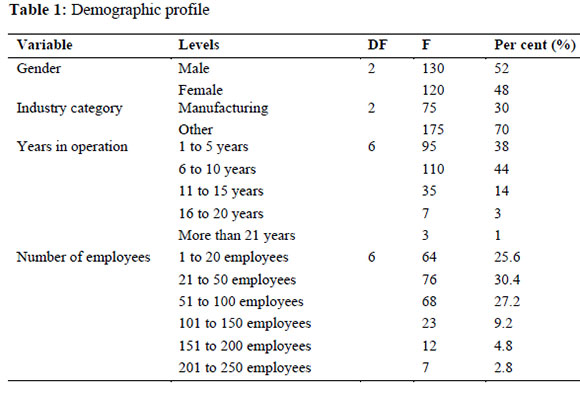
Purposive and convenience sampling were used to select and invite relevant participants for online interviews and focus group discussions via the researchers' professional networks. The population framework included influential company decision-makers in company branding strategy and individuals with experience in personal branding across South Africa-specifically in Cape Town, Gauteng, and KwaZulu-Natal (see table 1).
Data Collection
The researchers, as professional coaching consultants, were mindful of ethical concerns throughout the research process and had no personal interest in or relationship with the participants. Ethical approval to conduct the study was granted by the University of South Africa SBL Ethics Committee (2020_SBL_DBL_015_FA). All participants and organisations gave informed consent and permission before the data collection began.
All participants signed an online informed consent form, which permitted the recording of interviews and addressed ethical considerations related to trust and rapport. Only those who signed the consent form were included in the study, and all data were anonymised and used solely for research purposes.
Two online pilot interviews were conducted with experts in the research field to affirm the quality and applicability of the semi-structured interview schedule. All participants discussed the same open questions to ensure trustworthiness during the online in-depth interviews and focus groups. Data collection consisted of three phases, as indicated in table 1.
Once the data were collected in phases 1 and 2, the empirical findings were integrated with insights from the literature review to design a conceptual PPLB framework. Lastly, four organisational behaviour (OB) experts were consulted to assess the face validity of the PPLB framework.
In qualitative research, "face validity" refers to the extent to which a method or tool appears-based on subjective judgement-to effectively measure what it is intended to measure (Babbie 2013). It builds confidence among researchers, participants, and readers that the study is relevant and appropriate for its intended purpose (Kemper 2020). Face validity also helps align the research design with the phenomena and concepts under consideration, thereby supporting the study's overall credibility (Gaber and Gaber 2010). After assessing the PPLB framework, the OB experts confirmed that it aligned with its stated aim and objectives.
Online interviews and focus group discussions were conducted and recorded using the Microsoft Teams platform. The data were manually transcribed and analysed in Microsoft Word and validated by the co-researchers to ensure data credibility and dependability.
Data Analysis
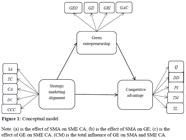
Data analysis and interpretation followed the hermeneutic circle approach (Vieira and De Queiroz 2017). This method identifies patterns of meaning and promotes interpreter impartiality through reflexivity and objectivity, while combining and comparing multiple perspectives to ensure research rigour (Ahmed 2024). The content analysis involved reiteratively defining and coding related topics into first-level themes (Ferreira et al. 2021). This process helped the interpretation of the text by creating meaning and labelling the subthemes. The first-level analysis thus identified recurring patterns of meaning based on participants' shared experiences and opinions. The second-level analysis, conducted on a conceptually higher level, further synthesised the subthemes into broader patterns of meaning, resulting in two overarching themes, as illustrated in figure 1 and discussed in the themes below.
Detailed and comprehensive descriptions offered ample information and ensured rich qualitative data for developing new knowledge (Johnson et al. 2020). Data saturation was reached when the reflexive interpretation of the theoretical and empirical data featured no new insights and facts that would alter the PPLB framework. At this point, data analysis and interpretation were seized (Braun and Clarke 2021).
Qualitative research has limitations, such as subjectivity and bias. The systematic application of procedures ensured trustworthiness, transparency, and rigour (Ahmed 2024). Credibility was obtained through prolonged participant involvement during videoconferencing, observations, and comparing theoretical and empirical findings. A detailed description of the research process enabled transparency and transferability; however, each researcher determined the applicability of the findings to their own context (Smith 2018). Dependability was asserted through rigorous documentation and cross-checking of the findings. Confirmability was accomplished through co-researchers, peer debriefing, participant confirmation, expert validation, and iterative and reflexive data interpretation.
Findings
The research findings are presented illustratively in figure 1, while the main and subthemes of positive personal leadership traits are described in the following themes. Figure 1 presents a human figure within an "eye" as a metaphor and schematically illustrates the PPLB framework, emphasising the positive leader's self-awareness (Emphasis on Self), and social awareness (Emphasis on Others).
During the assessment of the PPLB framework, the OB experts emphasised the importance of leading the self as a prerequisite for leading others. Emphasis on the Self emerged as an overarching theme, developed from three subthemes: Self-conscious leader, Passionate and motivated leader, and Authentic leader. Emphasis on Others was identified as the second overarching theme, derived from the subthemes: Socially intelligent, Altruistic, and Progressive leader.
The two overarching themes and their six subthemes are discussed below, supported by leadership behaviour traits and verbatim quotations drawn from the empirical research.
Theme 1: Emphasis on the Self
Subtheme 1: Self-Conscious Leader
This type of leader practises self-reflection and trusts their own decisions. They are aware of their personal strengths and limitations and understand how these impact others. Participants highlighted the importance of self-awareness and boundary-setting:
We are empowered to make changes and build on our areas of strength as well as identify areas where we would like to improve. (Focus Group 1)
You need to be aware of your boundaries and those around you; if their boundaries are in order, you can successfully keep your brand going. (Participant 8)
Temper one's response. ... Got to keep your emotions at bay, how is this going to impact somebody, and then regulate your potential response. (Focus group 1)
Prevent burn out. ... Leaders are not self-aware and self-regulatory; they become workaholics, and they tend to move towards burnout and take on more than they can do. (Focus Group 4)
Subtheme 2: Passionate and Motivated Leader
These leaders demonstrate passion and energy, using enthusiasm to motivate others. They focus on earning trust and enhancing the performance of their followers. Regarding this type of leader, participants shared as follows:
Keep a strong presence. Energy is important to the leader and followers, so use it positively. (Focus Group 1)
Leaders are passionate about their work and staff members. (Focus Group 2)
A leader is a person you go to because they will help you. They are results-oriented; they move mountains for you to get the resources. (Participant 4)
Leaders come from a place of nurturing, wanting to build their people, and sustain people. It's a core fundamental belief that people can grow, should grow, and we should enable it. (Focus Group 1)
Subtheme 3: Authentic Leader
Authentic leaders are truthful, act with integrity, maintain consistency, and foster trust and influence. They demonstrate mindfulness and self-awareness, while consistently aligning actions with personal values.
Participants elaborated:
A person must be able to lead by example, be able to inspire others. Just by seeing the person, they should want to be like them. (Participant 6)
Ensure that you are authentic as a leader and show true intention and purpose. ... Walk the talk to direct you. ... If you aspire to become an authentic leader, you must embody the values. (Participant 11)
There needs to be that level of authenticity, a pragmatic component, and leaders achieve that by delivering on their promises to stakeholders. (Participant 3)
Make the correct judgement and suspend judgement when needed. It's your attributes of honesty, integrity of being upfront, or being direct. (Participant 10)
Leadership is something that people are. ... That leadership comes from, possibly your family environment, how you are raised, how you interact with God. Those things come out very strong and in a sense that you are not even realising. (Participant 1)
I think that is where your individuality comes into the plan, not just focusing on looking outward and trying to become like those leaders or be like them, but I need to invent my style, my brand. (Participant 9)
Theme 2: Emphasis on Others
Subtheme 4: Socially Intelligent Leader
Socially intelligent leaders show empathy and possess a keen awareness of group dynamics. They demonstrate recognition and appreciation of cultural diversity and the unique differences among team members, fostering an inclusive and respectful environment.
This approach was clearly articulated by participants. Focus group participants explained the importance of embracing diversity:
Understanding different cultures and different people's stances, ... be open to differences not trying to fit your personal opinion and culture and everybody into it. (Focus group 4)
Communication and listening go hand-in-hand. Good listening skills: a leader must be able to listen and not be a dictator. (Participant 5)
Understand each character in your team because people are different, not clones, and deal with the strengths and weaknesses of each individual. (Participant 4)
People come from different backgrounds, different cultures, and you create an organisation that does not discriminate against race, culture, or gender. (Participant 10)
Leaders must respect people irrespective of race, age, or creed because of their humility and because they listen to all people, receptive to all ideas. (Participant 7)
Understand why people behave in a certain way. (Focus Group 1)
Subtheme 5: Altruistic Leader
Altruistic leaders consistently work towards building meaningful and deep relationships with co-workers and customers. They prioritise the needs and well-being of employees and customers, focusing on building trust and fostering loyal, engaged teams.
Participants highlighted how these leaders engage with stakeholders across all levels of the organisation and beyond:
Never [be] afraid to find ways to engage across the spectrum of stakeholders, whether within the organisation or externally. (Participant 3)
They must not see themselves outside the team; they are part of the team. (Focus Group 4)
They care about the work that must be done but also encourage work-life balance. Incorporate all the aspects of business and try to balance leadership within all those roles. (Focus Group 3)
Subtheme 6: Progressive Leader
Progressive leaders possess a strong understanding of market trends and environmental issues. They are forward-thinking, pioneering daily tasks, and planning for the future. These leaders encourage creativity and innovative thinking among followers, inspiring both employees and customers to grow and develop.
The importance of empowerment and inclusiveness in decision-making was reflected in the following statements:
They empower graduates, believe in young talent, and do not pretend they know everything, always inviting comments from trainees and youngsters. They are inclusive in decision-making, and that makes and creates confidence in young guys who must have the freedom to make mistakes. (Participant 6)
Interact with people and ensure skills and caring about people where they are in their development. See people as a long-term investment instead of getting something out. (Participant 7)
Development and empowerment, growth, feeling you can expand beneath them. (Focus Group 3)
Be at the cutting edge of your organisation, giving direction, leading from the front and then you push from the back. (Participant 10)
You have to be open-minded and innovative because you need the people to join you on this journey; it is a different setting with different thinkers, like the millennials. (Participant 7)
Discussion
The discussion of the findings focuses on leaders building a strong personal brand and exhibiting self-confidence and self-reflective skills (Burns 2019). Dynamic leaders demonstrate their passion for work and people through enthusiasm and energy. In this regard, being a systems thinker is vital for progressive leadership (Henning 2020).
However, a leadership brand does not always evolve naturally (Delport and Mulder 2021). Leaders should actively create and take ownership of developing their brands, ensuring that intrinsic values and ethical behaviours strengthen them (Jones 2023; Rachmad 2024). The primary drivers of an inward-looking PPLB are leading the "self and becoming a conscious, passionate, motivated, and authentic leader (Steffens 2021). Few participants confirmed having a social media strategy to foster a positive personal leadership persona as subject-matter leaders and branding strategists.
Leaders must actively engage stakeholders, maintain collegial partnerships, and cultivate dynamic collaborations with their followers through social media platforms- an essential factor in creating an influential brand (Dyer and Renn 2019; Türk 2023). Most importantly, the study found that leaders should empower employees to build their own brands in alignment with the company's brand (Potgieter and Doubell 2020). Outward-looking leaders who are socially intelligent, altruistic, and progressive reinforce the main drivers for creating a PPLB across different platforms (Azhar and Oktafia 2023; Rachmad 2024).
The findings support Ilieş's (2018) assertion that authenticity is key to a sustainable personal branding strategy. Frequent introspection and self-reflection are necessary to identify unique characteristics and competencies, as well as appropriate ways to communicate these skills (Ilieş 2018). Authentic leaders promote transparency, focus on follower behaviour, and acknowledge their strengths and shortcomings without prejudice (Dunn and Falkof 2021). Followers seek patterns of behaviour that demonstrate honesty, integrity, and transparency (Jones 2023). Conscious efforts to develop a PPLB are intrinsically linked to a leader's ethical dimensions and core values, demonstrated in different ways and platforms (James and Priyadarshini 2021).
Proposition Outcomes
Proposition 1: The research confirms the proposition that viewing the authentic self- including self-reflective behaviour, personal values, and passion-is a core element of a PPLB. The framework's depiction of an all-seeing "eye" supports the narrative of self-awareness and social awareness as key drivers of a PPLB. Employees are motivated to achieve higher productivity and performance through an emphasis on positivity, adaptability, and authenticity.
Proposition 2: The research findings support the notion that socially intelligent leaders are more likely to develop strong personal leadership brands that empower followers, embrace diversity, and prioritise the welfare of the workforce. A leadership style prioritising employee well-being and fostering a positive work environment enhances both personal and organisational brand success and promotes the general well-being of followers.
Proposition 3: Consistent with the previous two propositions, the findings confirm that business leaders with a positive personal brand significantly influence followers, which contributes to a positive organisational brand.
It also was evident in the discussions that leaders need to understand the market trends within their respective industries, be aware of environmental issues, and encourage creativity and innovation among followers. Such leaders focus their branding on building credibility in the gig economy, which includes millennials and younger generations entering a workforce characterised by independent contractors and freelancers. How leaders foster their credibility should be reflected in their branding, perspectives, and roles when facing challenges and opportunities (Ahuja and Shree 2022).
Limitations and Strengths
Conducting qualitative research in digital spaces and adopting new technologies has transformed the nature of qualitative inquiry. The researchers were cognisant of these challenges and incorporated all forms of communication, including chat box messages, which participants were encouraged to use as responses. A key strength was the broad coverage of participants, which would have been difficult to achieve if the researchers had to visit each participant individually. Videoconferencing provided a consistent interviewing platform for leaders to further strengthen their personal brands.
Recommendations
A PPLB framework should be designed for long-term use, as self-development and building an authentic personal brand take time. The framework should support social media strategies and foster a new understanding of leadership branding as a powerful tool for professional growth. Leaders can use it to cultivate stronger relationships, advance their careers, inspire positive change, and empower followers to pursue continuous improvement and POB, thereby evolving as individuals.
Management could apply the PPLB framework in coaching programmes for personal leadership branding at various management levels. It could also be used in leadership development initiatives to assess and cultivate individuals as leaders. Additionally, pragmatic leaders might adopt the framework as an advisory tool for mentors, consultants, or human resource managers.
Practical Implications
Successful personal branding is closely linked to leaders' self-awareness, enabling them to convey a clear and convincing professional narrative that reflects their capabilities and aspirations. It requires self-reflection and the clarification of priorities on a personal and professional level. Positive brand building through different platforms increases client satisfaction, attracts and retains top individuals, fosters innovation, and builds brand reputation. A personal brand aligned with the company brand and employee requirements assists leaders in enhancing their credibility and visibility in the workplace and on social media platforms.
Contribution and Value Add
Successful personal branding is closely linked to leaders' self-awareness, enabling them to convey a clear and convincing professional narrative reflecting their capabilities and aspirations. The PPLB framework integrates leadership and POB theory, focusing on positive leadership traits. These vital traits are discussed and offer leaders a framework to use in the current decentralisation of work as embedded in leadership in the gig economy.
Conclusions
The study concludes that a sound PPLB is an asset to an organisation to improve its brand image and establish a strategic position in the industry. A leader's image is shaped through the interplay of interpersonal and intrapersonal dynamics, as depicted in the dimensions of the Self and Others within the PPLB framework.
Similarly, the fictional character Thorin Oakenshield from Tolkien's fantasy novel experiences an awakening-a newfound ability to "see" the truth about his leadership image through the eyes of a follower. This insight creates an opportunity for growth toward becoming a more authentic leader with a positive personal brand in his community. Likewise, a leader's positive personal brand must be grounded in truth and continuously adjusted to maintain a competitive edge in the market.
References
Acknowledgements
The authors acknowledge the participants in the study for their willingness to share information that led to the successful outcome of this research.
Literature Review
-
Ahmadi, A., and B. Vogel. 2023. "Knowing but Not Enacting Leadership: Navigating the Leadership Knowing-Doing Gap in Leveraging Leadership Development." Academy of Management Learning Education 22 (3): 507-30. https://doi.org/10.5465/amle.2020.0534.
» https://doi.org/10.5465/amle.2020.0534 -
Ahmed, S. K. 2024. "The Pillars of Trustworthiness in Qualitative Research." Journal of Medicine, Surgery, and Public Health 2: 100051. https://doi.org/10.1016/j.glmedi.2024.100051.
» https://doi.org/10.1016/j.glmedi.2024.100051 -
Ahuja, H., and D. Shree. 2022. "Building Credibility in the GiG Economy: The Role of Personal Branding (A Conceptual Framework)." In Sustainability in the Gig Economy: Perspectives, Challenges and Opportunities in Industry 4.0, edited by A. Gupta, T. Tewary, and B. N. Gopalakrishnan. Springer Nature. https://doi.org/10.1007/978-981-16-8406-7_5.
» https://doi.org/10.1007/978-981-16-8406-7_5 -
Avery, J., and R. Greenwood. 2023. "A New Approach to Building Your Personal Brand." Harvard Business Review, May-June, 2023. Accessed September 15, 2024. https://hbr.org/2023/05/a-new-approach-to-building-your-personal-brand.
» https://hbr.org/2023/05/a-new-approach-to-building-your-personal-brand -
Azhar, M. F., and R. Oktafia. 2023. "Digital Platform: Can it Increase Brand Awareness?" In Proceedings of International Conference on Economics Business and Government Challenge (61): 281-86. https://doi.org/10.33005/icebgc.v6i1.88.
» https://doi.org/10.33005/icebgc.v6i1.88 - Babbie, E. 2013. The Practice of Social Research. Wadsworth.
-
Braun, V., and V. Clarke. 2021. "To Saturate or Not to Saturate? Questioning Data Saturation as a Useful Concept for Thematic Analysis and Sample-Size Rationales." Qualitative Research in Sport, Exercise and Health 13 (2): 201 -16. https://doi.org/10.1080/2159676X.2019.1704846.
» https://doi.org/10.1080/2159676X.2019.1704846 -
Burns, S. 2019. "6 Ways to Build Your Personal Brand and Move Your Entire Company Forward: Part 2" Forbes, June 26, 2019. Accessed November 3, 2019. https://www.forbes.com/sites/stephanieburns/2019/06/26/6-ways-to-build-your-personal-brand-and-move-your-entire-company-forward-part-2/#635712e85af9.
» https://www.forbes.com/sites/stephanieburns/2019/06/26/6-ways-to-build-your-personal-brand-and-move-your-entire-company-forward-part-2/#635712e85af9 - Cameron, K. 2021. Positively Energizing Leadership: Virtuous Actions and Relationships that Create High Performance. Berrett-Koehler Publishers.
-
Delport, M., and D. Mulder. 2021. "Tricky Two-some: The Interplay Between Radio Personalities' Personal Online Identities and Online Personal Brands." Communitas 26 (4). https://dx.doi.org/10.18820/24150525/Comm.v26.4.
» https://dx.doi.org/10.18820/24150525/Comm.v26.4 -
Dhiman, P., and S. Arora. 2020. "A Conceptual Framework for Identifying Key Employee Branding Dimensions: A Study of Hospitality Industry." Journal of Innovation & Knowledge 5 (3): 200-209. https://doi.org/10.1016/j.jik.2019.08.003.
» https://doi.org/10.1016/j.jik.2019.08.003 -
Dumont, G., and M. Ots. 2020. "Social Dynamics and Stakeholder Relationships in Personal Branding." Journal of Business Research 106: 118-28. https://doi.org/10.1016/j.jbusres.2019.09.013.
» https://doi.org/10.1016/j.jbusres.2019.09.013 -
Dunn, C., and N. Falkof. 2021. "You've Got to Be Real: Authenticity, Performativity and Micro-Celebrity in South Africa." Frontiers in Sociology no. 6: 652485. https://doi.org/10.3389/fsoc.2021.652485.
» https://doi.org/10.3389/fsoc.2021.652485 -
Dyer, K., and M. Renn. 2019. "Leading in the Public Eye." Center for Creative Leadership. Accessed May 11, 2019. https://www.ccl.org/articles/leading-effectively-articles/leading-in-the-public-eye/.
» https://www.ccl.org/articles/leading-effectively-articles/leading-in-the-public-eye/ -
Efeoğlu, E., and E. Döner. 2024. "How Should Leaders Confront the 'VUCA' Outcomes? A Comparison of Authentic Versus Quantum Leadership." In New Perspectives for Leadership after the COVID-19 Pandemic, edited by S. S. Erçetin, and S. N. Açucalin. Apple Academic Press. https://doi.org/10.1201/9781032720913-7.
» https://doi.org/10.1201/9781032720913-7 -
Ferreira, T., A. S. Simões, F. M. S., Santos, J. P. A. Matos., and M. C. B. L. Moura. 2021. "Methods of Conceptual Research in Clinical Behavior Analysis." Psychological Record 71 (2): 257-64. https://doi.org/10.1007/s40732-020-00411-4.
» https://doi.org/10.1007/s40732-020-00411-4 -
Frankl, T. 2023. Subliminal Leadership: Why It Is as Important as Emotional Intelligence. Taylor and Francis. https://doi.org/10.4324/9781003450634.
» https://doi.org/10.4324/9781003450634 -
Gaber, J., and S. L. Gaber. 2010. "Using Face Validity to Recognize Empirical Community Observations." Evaluation and Program Planning 33 (2): 138-46. https://doi.org/10.1016/j.evalprogplan.2009.08.001.
» https://doi.org/10.1016/j.evalprogplan.2009.08.001 -
Gorbatov, S., S. N. Khapova, J. K. Oostrom, and E. I. Lysova. 2021. "Personal Brand Equity: Scale Development and Validation." Personnel Psychology 74 (3): 505-42. http://dx.doi.org/10.1111/peps.12412.
» http://dx.doi.org/10.1111/peps.12412 - Henning, S. 2020. "A Systems Theoretical Servant-Leadership Framework with Reference to Christianity and Positive Psychology." Pharos Journal of Theology 101: 1-18.
-
Hunter, D., J. McCallum, and D. Howes. 2019. "Defining Exploratory-Descriptive Qualitative (EDQ) Research and Considering its Application to Healthcare." Journal of Nursing and Health Care 4 (1). https://eprints.gla.ac.uk/180272/.
» https://eprints.gla.ac.uk/180272/ - Hussan, M., and R. Pinky. 2023. "Impact of Leadership Styles on Employees' Performance." Thesis, Centria University of Applied Science.
- Ilieş, V. I. 2018. "Strategic Personal Branding for Students and Young Professionals." Cross-Cultural Management Journal 20 (1): 43-51.
-
James, K. V., and R. G. Priyadarshini. 2021. "Responsible Leadership: A New Paradigm for Organisational Sustainability." Management and Labour Studies 46 (4): 452-70. https://doi.org/10.1177/0258042X211005325.
» https://doi.org/10.1177/0258042X211005325 -
Johnson, J. L., D. Adkins, and S. Chauvin. 2020. "A Review of the Quality Indicators of Rigor in Qualitative Research." American Journal of Pharmaceutical Education 84 (1): 7120. https://doi.org/10.5688/ajpe7120.
» https://doi.org/10.5688/ajpe7120 -
Jones, G. 2023. Deeply Responsible Business: A Global History of Values-driven Leadership. Harvard University Press. https://doi.org/10.4159/9780674292994.
» https://doi.org/10.4159/9780674292994 - Kemper, C. J. 2020. "Face Validity." In Encyclopedia of Personality and Individual Differences, edited by V. Zeigler-Hill, T. K. Shackelford, E. J. Hangen, and A. J. Elliot. Springer International Publishing.
-
Koziol-Nadolna, K. 2020. "The Role of a Leader in Stimulating Innovation in an Organisation." Administrative Sciences 10 (3): 59. https://doi.org/10.3390/admscil0030059.
» https://doi.org/10.3390/admscil0030059 -
Kragt, D., and D. V. Day. 2020. "Predicting Leadership Competency Development and Promotion among High-Potential Executives: The Role of Leader Identity." Frontiers in Psychology 11: 1816. https://doi.org/10.3389/fpsyg.2020.01816.
» https://doi.org/10.3389/fpsyg.2020.01816 -
Kreling, R., A. Meier, and L. Reinecke. 2022. "Feeling Authentic on Social Media: Subjective Authenticity Across Instagram Stories and Posts." Social Media + Society 8 (1): 20563051221086235. https://doi.org/10.1177/20563051221086235.
» https://doi.org/10.1177/20563051221086235 -
Luthans, F. 2002. "Positive Organizational Behavior: Developing and Managing Psychological Strengths." Academy of Management Perspectives 16 (1): 57-72. https://doi.org/10.5465/ame.2002.6640181.
» https://doi.org/10.5465/ame.2002.6640181 -
Makhalima, M. C. 2022. "Personal Leadership Brand: How to Take Control of How You 'Show Up.'" In Coach Me! Your Personal Board of Directors: Leadership Advice from the World's Greatest Coaches, edited by B. Underhill, J. Passmore, and M. Goldsmith. http://doi.org/10.1002/9781119823803.ch47.
» http://doi.org/10.1002/9781119823803.ch47 -
Mayberry, M. 2024. The Transformational Leader: How the World's Best Leaders Build Teams, Inspire Action, and Achieve Lasting Success. John Wiley. https://doi.org/10.1002/9781394319831.
» https://doi.org/10.1002/9781394319831 - Mazan, L. 2023. Leadership Revolution: The Future of Developing Dynamic Leaders. John Wiley & Sons.
-
Mesaglio, M. 2020. "4 Actions to Be a Strong Leader During COVID-19 Disruption" Gartner. Accessed April 1, 2020. https://www.gartner.com/smarterwithgartner/4-actions-to-be-a-good-leader-during-covid-19-disruption/.
» https://www.gartner.com/smarterwithgartner/4-actions-to-be-a-good-leader-during-covid-19-disruption/ -
Mohale, B. 2020. "SA Must Embark on Urgent Structural Economic Reforms." IOL. Accessed April 1, 2020. https://www.iol.co.za/businessreport/opinion/sa-must-embark-on-urgent-structural-economic-reforms-45731263.
» https://www.iol.co.za/businessreport/opinion/sa-must-embark-on-urgent-structural-economic-reforms-45731263 -
Mohammed, E. 2018. "Personal Branding and Career Success: An Empirical Investigation." DBL diss., University of South Africa. https://uir.unisa.ac.za/bitstream/handle/10500/25900/thesis_coetzer_e.pdf?sequence=1 & isAllowed=y.
» https://uir.unisa.ac.za/bitstream/handle/10500/25900/thesis_coetzer_e.pdf?sequence=1 & isAllowed=y -
Morgan, D. F., M. D. Ingle, and C. W. Shinn. 2019. New Public Leadership Making a Difference from Where We Sit. Routledge. https://doi.org/10.4324/9780429450181.
» https://doi.org/10.4324/9780429450181 -
Nizamidou, C. 2023. "Lessons in Crisis Leadership from 9/11: Delineating the Constituents of Crisis Leadership and Their Utilization in the Context of Covid-19." The Irish Journal of Management 42 (2). https://doi.org/10.2478/ijm-2023-0011.
» https://doi.org/10.2478/ijm-2023-0011 -
Otola, I., M. Grabowska, and Z. Krupka. 2023. Trust and Organizational Resilience. Taylor & Francis. https://doi.org/10.4324/9781003433798.
» https://doi.org/10.4324/9781003433798 - Padayachee, S., and S. Henning. 2018. "A Conceptual Framework for the Management of a Personal Leadership Brand Within the Tourism and Hospitality Industry." African Journal of Hospitality, Tourism and Leisure 7 (3): 1-26.
-
Pischel, S., F. Jörg, and A. Krick. 2023. "Health-Oriented Leadership: Antecedents of Leaders' Awareness Regarding Warning Signals of Emerging Depression and Burnout." German Journal of Human Resource Management 37 (3): 169-98. https://doi.org/10.1177/23970022221130754.
» https://doi.org/10.1177/23970022221130754 -
Potgieter, A., and M. Doubell. 2020. "The Influence of Employer Branding and Employees Personal Branding on Corporate Branding and Corporate Reputation." African Journal of Business and Economic Research 15 (2): 107-33. http://doi.org/10.31920/1750-4562/2020/v15n2a6.
» http://doi.org/10.31920/1750-4562/2020/v15n2a6 -
Rachmad, Y. E. 2024. "Personal Branding in the Workplace: Building an Attractive Professional Image." DataCite Commons. https://doi.org/10.17605/OSF.IO/H93WX.
» https://doi.org/10.17605/OSF.IO/H93WX -
Smith, B. 2018. "Generalizability in Qualitative Research: Misunderstandings, Opportunities and Recommendations for the Sport and Exercise Sciences." Qualitative Research in Sport, Exercise and Health 10 (1): 137-49. https://doi.org/10.1080/2159676X.2017.1393221.
» https://doi.org/10.1080/2159676X.2017.1393221 -
Steffens, N. K., N. Wolyniec, T. G. Okimoto, F. Mols, S. A. Haslam, and A. A. Kay. 2021. "Knowing Me, Knowing Us: Personal and Collective Self-awareness Enhances Authentic Leadership and Leader Endorsement." The Leadership Quarterly 32 (6): 101498. http://dx.doi.org/10.31234/osf.io/z2r7f.
» http://dx.doi.org/10.31234/osf.io/z2r7f - Tolkien, J. R. R. 2012. The Hobbit. Houghton Mifflin Harcourt.
-
Türk, A. 2023. "Digital Leadership Role in Developing Business Strategy Suitable for Digital Transformation." Frontiers in Psychology 13: 1066180. https://doi.org/10.3389/fpsyg.2022.1066180.
» https://doi.org/10.3389/fpsyg.2022.1066180 -
Van Zyl, L. E., B. J. Dik, S. I. Donaldson, J. J. Klibert, Z. Di Blasi, J. Van Wingerden, and M. Salanova. 2023. "Positive Organisational Psychology 2.0: Embracing the Technological Revolution." The Journal of Positive Psychology 19 (4): 699-711. https://doi.org/10.1080/17439760.2023.2257640.
» https://doi.org/10.1080/17439760.2023.2257640 -
Vieira, K. A. L., and G. M. De Queiroz. 2017. "Hermeneutic Content Analysis: A Method of Textual Analysis" International Journal of Business Marketing and Management 2 (8): 2456-461. https://www.ijbmm.com/paper/Sep2017/1743407743.pdf.
» https://www.ijbmm.com/paper/Sep2017/1743407743.pdf -
Xiong, L. 2023. "It Takes a Village: Examining How and When Brand-Specific Transformational Leadership Affects Employees in Internal Brand Management." Journal of Brand Management 30 (4): 333. https://doi.org/10.1057/s41262-022-00308-3.
» https://doi.org/10.1057/s41262-022-00308-3