The Application of HVAF for Thermal Spraying of Hard Coatings
Abstract
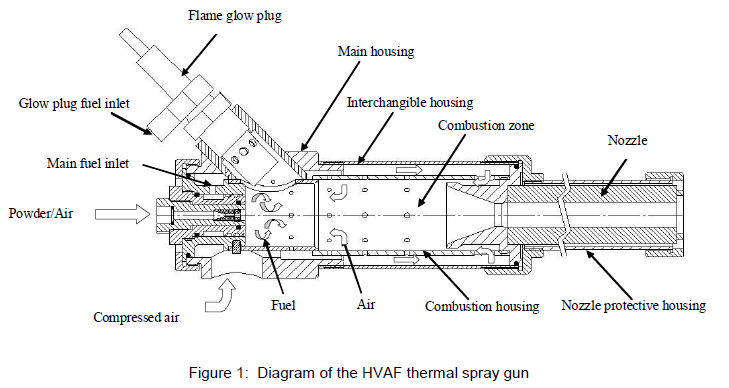
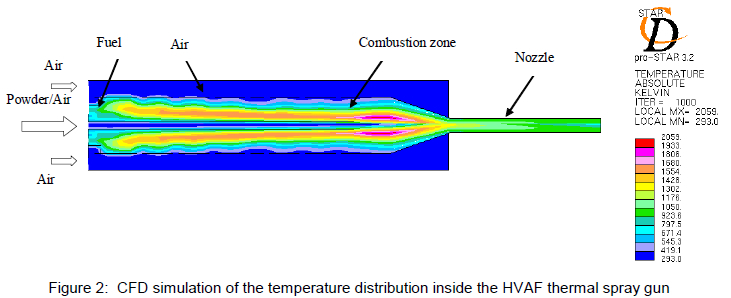
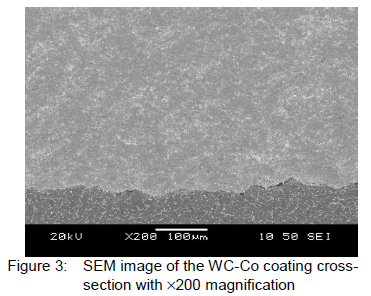
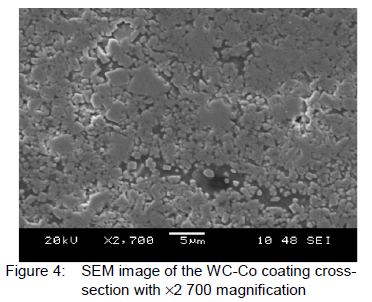
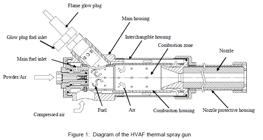
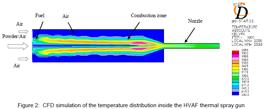
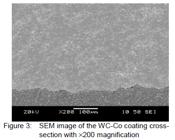
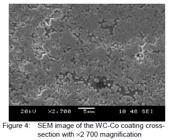
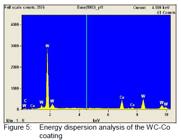
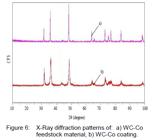
For protection against wear or for improving tribological properties, components are coated with hard coatings, of which WC-Co is the most common material. Another advantage of WC-Co is that it also protects the base material against corrosion. This is, for example, used in coating of aircraft landing gears. Hard coatings, such as WC-Co are typically thermally sprayed using the high velocity oxy fuel (HVOF) process, which produces dense and hard coatings because of high particle velocities obtained in the supersonic jet. However, it is also recognised that excessive oxidisation of WC-Co due to high combustion temperatures is the largest drawback of the HVOF method. The alternative to HVOF is the high velocity air fuel (HVAF) process, which utilises air for combustion and, therefore, has lower combustion temperatures. Previously, attempts were made to use HVAF for thermal spraying of hard coatings. However, due to relatively high operating costs of the process and complex system designs, HVAF did not find wide application in industry up to now. This paper describes a HVAF thermal spray system, which is used for thermal spraying of hard coatings. The obtained WC-Co coatings were evaluated using optical and scanning electron microscopy (SEM), X-ray diffraction (XRD) and Vickers micro hardness measurements. The quality of thermal sprayed hard coatings shows that the developed HVAF system can be an alternative to the existing HVOF in terms of quality and operating costs.
 Thumbnail
 Thumbnail
 Thumbnail
 Thumbnail
 Thumbnail
 Thumbnail