Verification and application of a component-based simulation technique for air-handling systems
Abstract
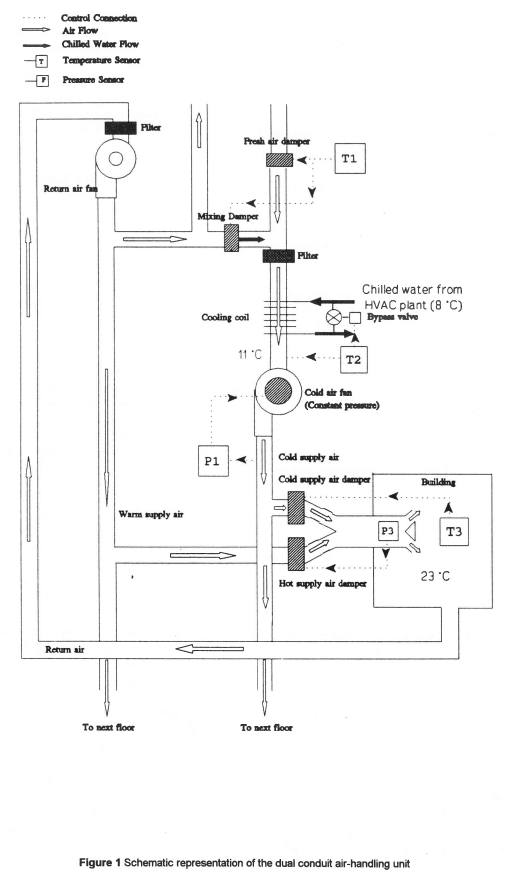
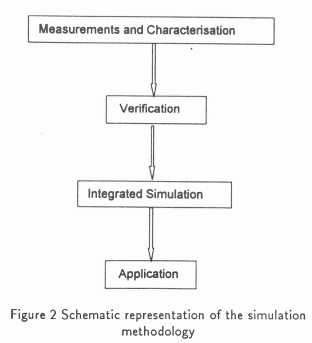
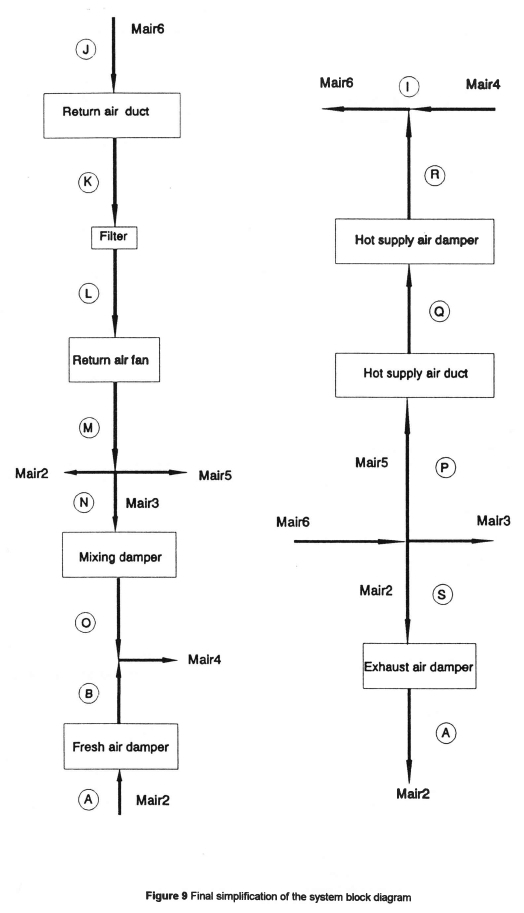
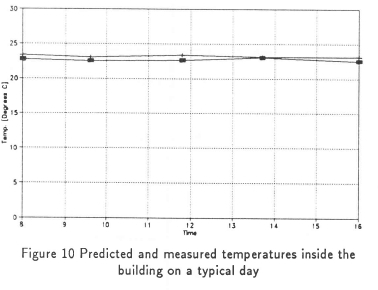
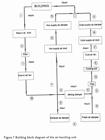
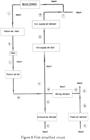
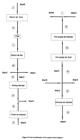
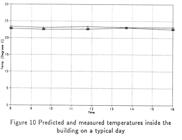
Forty percent of the total energy used in developed countries is expended in buildings. More than half of this is used to condition the indoor environment. It is estimated that as much as 30% of the energy used for air-conditioning may be saved through the use of improved design tools. Such tools should allow simulation of the building and the air-conditioning system in an integrated manner. This paper describes the verification of a new component based air-handling system simulation technique. The new technique is based on mathematical models each of which represents a different component of the air-handling system. It facilitates the simulation of the building, the heating, ventilation, and air-conditioning (HVAC) system and its controller in an integrated manner. Each individual mathematical component model, as well as the integrated system simulation, was verified by comparing predicted and measured data of the air-handling system of the Merensky Library at the University of Pretoria. An average error of 8% was recorded. Building indoor air temperatures were predicted to within 5% of the measured values. The simulation technique was then applied in a retrofit of this system. The study, which consisted of the addition of evaporative pre-coolers to the air-handling system, showed predicted energy savings of between 12% and 40%. The required capital expenditure has a predicted payback period of less than 3 years. Having been verified and its application possibilities established, the new technique can now be successfully applied to the design and retrofit of other HVAC systems.
 Thumbnail
 Thumbnail
 Thumbnail
 Thumbnail
 Thumbnail
 Thumbnail
 Thumbnail
 Thumbnail
 Thumbnail
 Thumbnail