Technical Note: Improvements to the energy efficiency of shacks
Abstract
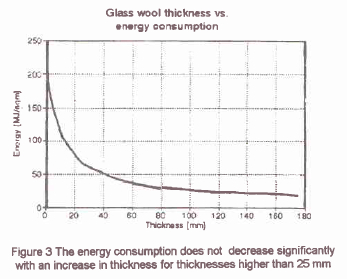
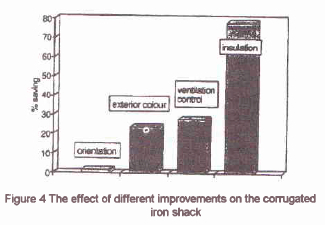
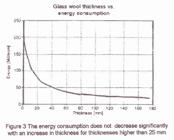
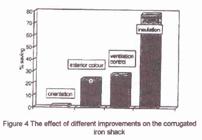
The majority of very poor people in urban areas live in shacks. These shacks give shelter to inhabitants but are energy inefficient. The owner has to spend excessive amounts on biofuel, which is not only converted into heat but also into greenhouse-forming gases. Detailed thermal efficiency studies for this kind of house are therefore important but unfortunately completely lacking in the open literature. It is the aim of this paper to investigate the influence of different thermal control mechanisms on the energy efficiency of these shacks. Different thermal options were evaluated with a thermal simulation program, QUICK, developed by CENT.1 Orientation, the exterior colour, ventilation, and insulation were inter alia investigated. Of these, insulation showed the most potential. The installation of 25 mm glass wool decreases the energy consumption in winter by approximately 78%.
 Thumbnail
 Thumbnail
 Thumbnail
 Thumbnail