Co-designing the 'Empower Community Health' programme: A capacity-building initiative to support community health workers' non-communicable disease health promotion in Ethiopia
Abstract
BACKGROUND: Non-communicable diseases (NCDs) disproportionately affect low- and middle-income countries, including Ethiopia. However, community health workers' (CHWs') capacity in NCD health promotion is sometimes limited AIM: This study aimed to co-design a contextually appropriate intervention with and for CHWs to support their NCD health promotion services SETTING: This co-design study was conducted in Gondar City, northwest Ethiopia. The workshops were held in the meeting hall at the University of Gondar METHODS: A qualitative participatory action research design, guided by the PRODUCES (Problem, Objective, Design, User, Co-creators, Evaluation, and Scalability) framework, was employed. Sixteen participants, including CHWs (n = 6), community-dwelling adults with (n = 3) and without NCD diagnoses (n = 3), and health system managers (n = 4) were recruited using convenience and purposive sampling. Participants attended three workshops. In workshop 1, participants discussed the roles of CHWs in health promotion and areas for improvement. Workshop 2 focused on intervention components and delivery approaches. A draft of the intervention was reviewed during workshop 3. Discussion notes and artefacts were thematically analysed in NVivo RESULTS: A 6-week, multicomponent intervention, 'Empower Community Health', was co-designed. Key themes included: (1) knowledge capacity building, (2) personal behaviour change, and (3) community-outreach initiatives. Proposed intervention topics included: (1) learning about NCDs; (2) skill motivational interviewing; and (3) behaviour change for diet and physical activity CONCLUSION: The involvement of intervention users and stakeholders allowed for the sharing of experiences and fostered ownership in the 'Empower Community Health' programme CONTRIBUTION: The meaningful engagement of stakeholders ensures that the intervention is tailored to their needs, fosters ownership and enhances intervention buy-in. This study provides practical guidance for future co-designed health promotion programmes
co-design; capacity-building; community health workers; non-communicable diseases
Introduction
Non-communicable diseases (NCDs) are the leading cause of morbidity and mortality globally. In 2021, it was responsible for an estimated 43 million deaths, equivalent to 75% of non-pandemic-related deaths and 7.3 trillion cases globally.123,456,78910,111213
Ethiopia launched a community health programme, known as the Health Extension Program, to enhance health promotion and health care accessibility.14,1514
They generally work in under-resourced environments, offering primary health care services,16,171617,181918,20
Our previous research has shown that CHW capacity-building interventions are needed to enhance their knowledge and skills for community-based NCD health promotion.1721
Understanding the needs and preferences of those involved in NCD health services is essential to ensure greater engagement, leverage local knowledge, and foster efficient resource use when developing interventions.22
Although previous studies have shown the need to upskill CHWs' capacity for NCD services, limited evidence exists on how to develop contextually tailored capacity-building interventions to support their role in NCD health promotion. Furthermore, no published studies in Ethiopia have applied participatory co-design approaches that actively engage CHWs, community members, and health system stakeholders in intervention development.
Consequently, a significant gap in knowledge remains in the use of participatory research design to develop capacity-building strategies within Ethiopia's primary health care system. Based on this paucity of data, more research is needed to explore how to apply participatory research methods to co-design a health promotion programme that aims to support CHWs in their community-based NCD health services.
Participatory research is a collaborative method that engages end-users, consumers and stakeholders in all stages of the research process, from problem identification, intervention design, implementation and evaluation.23,24
Engaging with the community and stakeholders will contribute to developing a tailored health promotion programme aligned with their needs and available resources.25,2623
The aim of this research was to co-design a capacity-building intervention programme for Ethiopian CHWs in collaboration with CHWs (end-users), key health system stakeholders and community dwellers (end-consumers) (Figure 1). The study was conducted based on the PRODUCES (Problem, Objective, Design, User, Co-creators, Evaluation, and Scalability) framework, developed by the multidisciplinary Health CASCADE (https://healthcascade.eu/) expert network to provide rigorous scientific methodological guidance for participatory public health research.27
Research methods and design
Setting
The co-design workshops were conducted in Gondar City, northwest Ethiopia, between February 2024 and July 2024. Gondar City has approximately 300 000 residents and is served by approximately 150 CHWs based in one of 30 government health facilities. Workshops were held in the meeting hall at the College of Medicine and Health Sciences, University of Gondar, Ethiopia.
Ethiopia has a three-tier healthcare delivery system comprising primary, secondary, and tertiary levels. The primary level includes primary hospitals, health centres, and health posts. Health centres provide preventive, promotive, and basic curative services and oversee several affiliated health posts within their catchment areas. Health posts function as the first point of contact for community-level services and are staffed by CHWs, locally known as health extension workers (HEWs). These facilities focus primarily on health promotion, disease prevention, and selected basic curative services. Secondary and tertiary levels consist of general and specialised hospitals that provide more advanced diagnostic and clinical care.28
This study was conducted within the primary health care system and involved health posts and their supervising health centres. The communities served by the primary health care system include rural, urban and peri-urban populations largely dependent on agriculture, small-scale trade, and government service. Many households experience economic constraints, including low and unstable income and varying degrees of food insecurity.
Educational attainment differs across population groups, with lower levels of formal education more prevalent among older adults and rural residents. The majority of the population in Gondar City belongs to the Amhara ethnic group, and Amharic is the primary language spoken.29
Administratively, Gondar City is organised into 6 sub-cities and 23 kebeles, which represent the smallest administrative units.2914
Study design
A qualitative participatory action research design was employed using the Health CASCADE's PRODUCES framework. The PRODUCES framework is a structural participatory approach that supports collaborative intervention co-design through iterative engagement with users and stakeholders. Developed by the Health CASCADE expert network, it provides a rigorous scientific methodology for co-creation research in public health. The framework provides a systematic process for identifying priority topics, generating contextually relevant solutions, and refining intervention components through participants' feedback. This framework comprises seven components: Problem, Objective, Design, User, Co-creators, Evaluation, and Scalability, to frame the study's aim (Table 1).27,30,31Table 1.
Co-design processes
The co-design process was conducted in three phases, consisting of seven steps each with specific aims, activities, and deliverables (Table 2).31
Planning phase
The planning phase consisted of two steps: establishing the research team and resource planning (Step 1), followed by participant recruitment (Step 2). The team undertook the literature review, drafted the rationale of the project, finalised the methodology and sought human research ethics approval. Several meetings among the research team established an understanding of the co-design process.
Study population and participant recruitment
The study population in this co-design research is broader and includes all stakeholders actively engaged in the intervention development process. Although this study primarily aimed to develop an intervention to support CHWs, and CHWs therefore constituted the main study population, stakeholders within the community and health system were also included because of the participatory nature of the co-design approach. Therefore, the study population comprised key stakeholders directly involved in or affected by community-based NCD health promotion, who were engaged as active partners in the intervention's co-design. A total of 16 co-design participants were recruited for the co-design workshop, consistent with the recommended 10-12 sample size for co-creation studies, which is in line with the recommended co-creator sample for participatory co-creation research.30
• We recruited a diverse group of co-designers, including end-users (CHWs), community dwellers with and without NCD diagnoses, and stakeholders (health system managers). Community health workers (n = 6): We used convenience sampling to recruit CHWs. The managers at the Gondar Health Department sent emails to CHWs on behalf of the research team inviting them to participate. We also displayed the project advertisement on the health centre's noticeboard, providing study information and contact details.
• Community Members (with and without NCD diagnosis) (n = 6): The research team contacted the community administrator at the Keble (the smallest administrative unit in Ethiopia) to promote the study to the community, in addition to a project advertisement on the noticeboard of the Keble Centre office.
• Health System Managers (n = 4): Similar to CHW recruitment, email invitations were sent to the health system managers. Purposive sampling was used to recruit health system managers, specifically an NCD officer, a CHW programme coordinator, and a CHW supervisor.
After potential participants expressed interest, they were provided with the Participant Information Sheet and allowed time for questions. We obtained written consent once a participant was satisfied with the information.
Conducting co-design workshops
Three face-to-face workshops, separated by 1 week, were conducted in phase 2 and facilitated by the primary researcher. The same participants from workshop 1 were invited to participate in workshops 2 and 3. All co-design workshops were conducted in the local language (Amharic). Each workshop was organised into three main components: introduction, group activities, and consensus building. The activities undertaken during the co-design workshops are presented in Table 3.
Participants were welcomed and briefed on the co-design process, the workshop's goals and activities. Each workshop lasted approximately 2.5 h - 3.0 h, including a 20-min break. The co-design workshops were conducted using the 'world café' approach, a structured participatory method that facilitates collaborative dialogue through small-group, rotating discussions. In this format, participants engage in focused conversations around specific guiding questions at different tables in the same room, building on ideas generated in previous rounds and collectively refining priorities and solutions.32Table 3 and Online Appendix 1 Figure 1-OA1.
Workshop 1
The aim of the first workshop was to identify interventions that could empower CHWs and support them to advise on and deliver NCD health promotion initiatives. Participants were divided into three groups, each including CHWs (n = 2), community members (n = 2), and health system managers (n = 1). One of the participants from each group was selected as the table host, who was supported by a member of the research team. The responses were brainstormed individually, discussed as a group, and summarised on sticky notes. The participants prioritised the NCD-related content to enhance CHWs' capacity through consensus. Key intervention areas were grouped into capacity-building, skill improvement and behaviour change.
Workshop 2
The objective of the second workshop was to co-design the content of the intervention based. Prior to commencing workshop 2 activities, a summary of workshop 1 was presented. Workshop 2 followed a similar structure to that of workshop 1 (Table 3). Discussions were focused on the content of the intervention, desired outcomes, delivery format and language, and the duration and frequency of the intervention.
Workshop 3
The aim of workshop 3 was to review the draft intervention programme. The research team drafted an intervention plan based on workshops 1 and 2, and the participants reviewed its content, applicability and feasibility. The draft programme was organised to target cognitive skill development and behaviour change techniques relevant to community-based NCD health promotion. Seven intervention sessions were proposed, covering deductive and practical learning on NCDs, nutrition and physical activity, healthy meal planning and preparation, behaviour change strategies, adapting personal behaviour change action plan, and translating knowledge into community-based outreach activities to enhance health promotion within communities. The intervention content was initially categorised into four broad areas: (1) knowledge of NCD, (2) lifestyle components (healthy diet and physical activity), (3) behaviour change and (4) application in the community.
Data collection
Data were collected through three participatory co-design workshops. The workshops were conducted as group-based qualitative discussions rather than individual interviews. This is in line with other co-design studies. An open-ended workshop facilitation guide, developed by the research team and informed by the PRODUCES framework, was used to structure discussions and participatory activities. Data sources included artefacts generated during the workshops, such as written responses on sticky notes, flipchart summaries, structured workshop tasks, and detailed discussion minutes from in-depth group discussions.
Rigour and co-design process evaluation
In this study, rigour was maintained through the application of the PRODUCES framework, developed by the Health CASCADE expert network, which provides systematic guidance for participatory co-creation research in public health. The framework outlines stages for identifying priorities, generating contextually relevant solutions, and refining intervention components through iterative participant engagement. We followed this approach to ensure the study's transparency, credibility and trustworthiness. In addition, workshop discussions and artefacts were systematically documented and analysed to determine how participant contributions were generated, refined, and translated into intervention components.
A process evaluation was embedded within the co-design study. This co-design process was evaluated through a short survey adapted from the guide to co-creation,33
Data analysis
Data analysis was conducted using a qualitative thematic analysis.34
Ethical considerations
Ethical clearance to conduct this study was obtained from the Human Research Ethics Committee of University of Southern Queensland (approval no.: ETH2023-0851) and University of Gondar (No. CMHSH R/C/TT/06/02/57/01/2016). Workshop participants were informed about the study, its nature and procedure. Written consent was taken and participants were informed that their involvement in the workshop was voluntary and will not have negative impact on their work or health service from the health system. We ensured the privacy and confidentiality of all participants throughout the study. As there were diverse participants, we recognised the potential for unequal power dynamics in our workshop. To address this, participants were informed that their perspectives are equally valued, and respected. Furthermore, the researcher created an inclusive space for all participants to ensure equal participation.
Results
Participants' characteristics
Participants' number and characteristics are presented in Table 3. The same participants attended workshops 1, 2 and 3.
Community health workers' roles in non-communicable diseases health promotion and areas for improvement
Participants acknowledged that CHWs were providing health education, promotion, screening, and referral services. However, participants indicated the irregular delivery of these services and highlighted the need to empower CHWs to undertake these roles effectively via capacity-building intervention.
Participants identified five primary roles for CHWs in promoting NCD health within their communities: (1) raising NCDs and healthy lifestyle awareness (health education and promotion); (2) conducting community-based NCD screening; (3) referring individuals for diagnosis and follow-up, when necessary; (4) supporting medication adherence for community dwellers with NCD diagnoses; and (5) reporting health outcomes and performance.
Desired outcomes from the capacity-building intervention
Four main desired outcome measures were identified for the capacity-building intervention: (1) improving CHWs' knowledge of NCDs and healthy living; (2) developing their practical skills in meal planning and preparation, physical activity, and communication; (3) capacity for facilitating behaviour change to increase duration of physical activity and consumption of a healthy diet; and (4) application of knowledge and skill within communities. In addition, participants also indicated that CHWs could serve as role models for healthy diet and physical activity and should be included in outcome measures.
Intervention
The final intervention programme, 'Empower Community Health Program', was drafted, which includes multifaceted intervention components. Participants prioritised the following intervention topics: (1) learning about NCDs, nutrition, and physical activity; (2) skill development in healthy meal preparation and motivational interviewing; (3) behaviour change for a healthy diet and physical activity; and (4) community application of knowledge and skills (Online Appendix 1 Table 2-OA1). For the delivery of the intervention, participants generally agreed that it should include both theoretical and practical components. Participants discussed the application of training within communities and finally agreed that CHWs should be first trained to deliver the programme. Participants named the intervention 'የማህበረሰብ ጤና ማሻሻያ ስልጠና' in the local language, translated by the research team as 'Empower Community Health'.
A blended learning approach that combines in-person interactive sessions with practical demonstrations was preferred. In addition, interactive training sessions with case scenarios were highlighted as an effective method to encourage engagement. Participants suggested using social media platforms, such as Telegram, to enhance accessibility. Some argued that potential internet connectivity issues could challenge its implementation. Regarding the delivery language, all groups unanimously agreed to deliver the intervention in English and Amharic (the local language). The preferred intervention duration and frequency varied among groups, ranging from 4 weeks to 6 weeks. The programme was designed to be delivered over 6 weeks, with one session planned for each week (Table 4).
Intervention programme
Each week, the programme covers a range of topics from understanding NCDs and healthy lifestyles to practical skills such as meal planning, physical activity, and behaviour change strategies.
Process evaluation
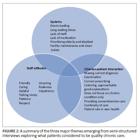
Overall, participants were satisfied with the co-design process. Engagement levels were generally positive, and the workshop enhanced their understanding of the co-design. Most participants felt their contributions were valued; six felt their input was appreciated, while two were neutral (Figure 2).
Discussion
This research aimed to co-design an NCD capacity-building intervention programme for Ethiopian CHWs. Through a co-design approach, we developed a capacity-building programme, called the 'Empower Community Health Program', that aims to enhance the roles of CHWs in NCD health promotion. Engaging end-users, consumers, and key health system stakeholders brings diverse perspectives and fosters a sense of ownership that can enhance the implementation of the intervention.34,35363738,39
Our study identified four key priority areas to maximise the roles of CHWs promoting NCDs.13401341,4243
This co-design study indicated that engaging with end-users, consumers and stakeholders in the design process facilitated incorporating their suggestions and preferences into the intervention. Unlike traditional, researcher-led interventions, our approach actively involved non-researcher participants in the development of the programme. Our approach was very inclusive in terms of engaging with relevant stakeholders and included input from CHWs, local residents, and the health system. Evidence shows that this inclusivity fostered a sense of ownership among participants, which could contribute to the programme's effectiveness and sustainability.35,4445,462530,47
In addition, our co-design study indicated that proper planning, fit-for-purpose participant recruitment, and active participant engagement were essential to achieving its goals. This is because proper planning and participant recruitment ensure that the right individuals are involved in the participatory research process and resources are available to create an inclusive environment and conduct meaningful engagement and collaboration. However, in the traditional research approach, participants' selection is often guided by predefined eligibility criteria that aim primarily to ensure representation rather than collaboration. This is in contrast with the co-design research approach that prioritises recruiting participants as equal partners and knowledge contributors, rather than as subjects of study.
Furthermore, in our approach, participants contributed to identifying challenges, setting priority areas of intervention, and shaping strategies. This level of engagement enables a deeper understanding of participants' needs and ensures that the intervention is more aligned with their experiences.35,4435,4548,49
The study also provided practical guidance for future researchers seeking to co-design similar initiatives.
Successful participant engagement was a cornerstone of our approach. In this study, most participants were satisfied with the process, their engagement, the relevance of topics discussed, and the inclusiveness of their views in the intervention. The basic essence of our co-design study was the belief that every co-design participant is an expert in their own experiences.5030
In our co-design study, we encountered a national security situation related to political unrest that affected the participation of the co-design team. Studies show that context is a key factor when conducting co-design research, as there is no one-size-fits-all approach. While contexts differ significantly between the Global North and South, co-design research in the low- and middle-income countries often faces more complex challenges that can impact the co-design process.51,525253,54
Strengths and limitations
The study utilised the PRODUCES framework using the Health CASCADE network to guide the development of the capacity-building programme for CHWs. The framework is a structured participatory guideline that emphasises stakeholder engagement and is a useful tool for co-designing health interventions. We included diverse participants, collaborated to identify their intervention needs and content, and shaped the intervention programme. Although the study involved end-users, consumers, and key stakeholders, the study cannot be generalised to other countries. The intervention developed in this study may not be globally applicable; however, the process provides a framework for future low- and middle-income countries research that seeks to co-design interventions for CHWs. Furthermore, including diverse participants in our co-design process allows a wide range of views in the process.
Implications
This study demonstrated the methodological value of using a co-design approach in developing interventions for CHWs. By actively involving intervention users, community members with and without NCDs, and health system stakeholders, the co-design process ensured that the intervention was tailored to local needs, preferences, and context. Previously, interventions for CHWs were primarily developed by researchers with limited involvement from intervention users, consumers and stakeholders. The co-designed intervention, 'Empower Community Health', was developed collaboratively with users, consumers and health system stakeholders to build both theoretical knowledge and practical skills for promoting healthy lifestyles and preventing and managing NCDs within Ethiopian communities. This programme has the potential to strengthen CHWs' capacity to deliver community-based NCD health promotion and aligns with the WHO's task-shifting strategy, which promotes the delegation of selected NCD services to CHWs. Methodologically, the study shows that co-design is a feasible and rigorous approach for creating CHW-focused interventions, offering a model for future public health research seeking to integrate experiential knowledge with evidence-based practice. Furthermore, this study provides practical guidance for researchers and practitioners seeking to co-design similar health promotion programmes tailored to local context and health system.
Conclusion
Using the PRODUCES co-design framework,27,31
Competing interest
The authors declare that they have no financial or personal relationships that may have inappropriately influenced them in writing this article.
CRediT authorship contribution
Melaku K. Yenit: Conceptualisation, Data curation, Formal analysis, Investigation, Methodology, Writing - original draft, Writing - review & editing. Prajwal Gyawali: Conceptualisation, Methodology, Supervision, Writing - original draft, Writing - review & editing. Tracy L. Kolbe-Alexander: Conceptualisation, Methodology, Supervision, Writing - original draft, Writing - review & editing. All authors reviewed the article, contributed to the discussion of results, approved the final version for submission and publication, and take responsibility for the integrity of its findings.
Funding information
This research received no specific grant from any funding agency in the public, commercial or not-for-profit sectors.
Data availability
The data records and analyses during this co-design study are not publicly available to protect co-design participants' privacy but can be made available from the corresponding author, Melaku K. Yenit, upon request.
Disclaimer
The views and opinions expressed in this article are those of the authors and are the product of professional research. They do not necessarily reflect the official policy or position of any affiliated institution, funder, agency, or that of the publisher. The authors are responsible for this article's results, findings, and content.
Acknowledgements
The authors would like to acknowledge the co-design participants for their valuable input and time.
References
-
1. Li J, Pandian V, Davidson PM, Song Y, Chen N, Fong DYT. Burden and attributable risk factors of non-communicable diseases and subtypes in 204 countries and territories, 1990-2021: A systematic analysis for the global burden of disease study 2021. Int J Surg. 2025;111(3):2385-2397. https://doi.org/10.1097/JS9.0000000000002260
» https://doi.org/10.1097/JS9.0000000000002260 -
2. WHO. Key facts: Noncommunicable diseases [homepage on the Internet]. 2025 [cited 2026 Apr 27]. Available from: https://www.who.int/news-room/fact-sheets/detail/noncommunicable-diseases
» https://www.who.int/news-room/fact-sheets/detail/noncommunicable-diseases -
3. Allen LN, Wigley S, Holmer H. Implementation of non-communicable disease policies from 2015 to 2020: A geopolitical analysis of 194 countries. Lancet Glob Health. 2021;9(11):e1528-e1538. https://doi.org/10.1016/S2214-109X(21)00359-4
» https://doi.org/10.1016/S2214-109X(21)00359-4 -
4. Roth GA, Abate D, Abate KH, et al. Global, regional, and national age-sex-specific mortality for 282 causes of death in 195 countries and territories, 1980-2017: A systematic analysis for the Global Burden of Disease Study 2017. The Lancet [serial online]. 2018 [cited 2025 Mar 13];392(10159):1736-1788. Available from: https://pmc.ncbi.nlm.nih.gov/articles/PMC6227606/
» https://pmc.ncbi.nlm.nih.gov/articles/PMC6227606/ -
5. Barry A, Impouma B, Wolfe CM, et al. Non-communicable diseases in the WHO African region: Analysis of risk factors, mortality, and responses based on WHO data. Sci Rep. 2025;15(1):12288. https://doi.org/10.1038/s41598-025-97180-3
» https://doi.org/10.1038/s41598-025-97180-3 -
6. Gelaw YA, Koye DN, Alene KA, et al. Socio-demographic correlates of unhealthy lifestyle in Ethiopia: A secondary analysis of a national survey. BMC Public Health. 2023;23(1):1528. https://doi.org/10.1186/s12889-023-16436-7
» https://doi.org/10.1186/s12889-023-16436-7 - 7. Kassa M, Grace J. The global burden and perspectives on non-communicable diseases (NCDs) and the prevention, data availability and systems approach of NCDs in low-resource countries. In: Anugwom EE, Awofeso N, editors. Public health in developing countries: Challenges and opportunities. London: IntechOpen; 2019.
-
8. Tessema ZT, Worku MG, Tesema GA, et al. Determinants of accessing healthcare in sub-Saharan Africa: A mixed-effect analysis of recent Demographic and Health Surveys from 36 countries. BMJ Open. 2022;12(1):e054397. https://doi.org/10.1136/bmjopen-2021-054397
» https://doi.org/10.1136/bmjopen-2021-054397 -
9. Hilo AA, McPeak J. Addressing concerns of access and distribution of health workforce: A discrete choice experiment to develop rural attraction and retention strategies in southwestern Ethiopia. BMC Health Serv Res. 2024;24(1):1603. https://doi.org/10.1186/s12913-024-11971-4
» https://doi.org/10.1186/s12913-024-11971-4 -
10. Tesema AG, Ajisegiri WS, Abimbola S, et al. How well are non-communicable disease services being integrated into primary health care in Africa: A review of progress against World Health Organization's African regional targets. PLoS One. 2020;15(10):e0240984. https://doi.org/10.1371/journal.pone.0240984
» https://doi.org/10.1371/journal.pone.0240984 -
11. Allen L, Williams J, Townsend N, et al. Socioeconomic status and non-communicable disease behavioural risk factors in low-income and lower-middle-income countries: A systematic review. Lancet Glob Health. 2017;5(3):e277-e289. https://doi.org/10.1016/S2214-109X(17)30058-X
» https://doi.org/10.1016/S2214-109X(17)30058-X -
12. Misganaw A, Naghavi M, Walker A, et al. Progress in health among regions of Ethiopia, 1990-2019: A subnational country analysis for the Global Burden of Disease Study 2019. The Lancet. 2022;399(10332):1322-1335. https://doi.org/10.1016/S0140-6736(21)02868-3
» https://doi.org/10.1016/S0140-6736(21)02868-3 -
13. Joshi R, Peiris D. Task-sharing for the prevention and control of non-communicable diseases. Lancet Glob Health. 2019;7(6):e686-e687. https://doi.org/10.1016/S2214-109X(19)30161-5
» https://doi.org/10.1016/S2214-109X(19)30161-5 -
14. Assefa Y, Gelaw YA, Hill PS, Taye BW, Van Damme W. Community health extension program of Ethiopia, 2003-2018: Successes and challenges toward universal coverage for primary healthcare services. Glob Health. 2019;15:1-11. https://doi.org/10.1186/s12992-019-0470-1
» https://doi.org/10.1186/s12992-019-0470-1 -
15. Fetene N, Linnander E, Fekadu B, et al. The Ethiopian health extension program and variation in health systems performance: What matters? PLoS One. 2016;11(5):e0156438. https://doi.org/10.1371/journal.pone.0156438
» https://doi.org/10.1371/journal.pone.0156438 -
16. Hartzler AL, Tuzzio L, Hsu C, and Wagner EH. Roles and functions of community health workers in primary care. Ann Fam Med. 2018;16(3):240-245. https://doi.org/10.1370/afm.2208
» https://doi.org/10.1370/afm.2208 -
17. Yenit MK, Kolbe-Alexander TL, Gelaye KA, et al. An evaluation of community health workers' knowledge, attitude and personal lifestyle behaviour in non-communicable disease health promotion and their association with self-efficacy and NCD-risk perception. Int J Environ Res Public Health. 2023;20(9):5642. https://doi.org/10.3390/ijerph20095642
» https://doi.org/10.3390/ijerph20095642 -
18. Tesema AG, Peiris D, Abimbola S, et al. Community health extension workers' training and supervision in Ethiopia: Exploring impact and implementation challenges for non-communicable disease service delivery. PLOS Glob Public Health. 2022;2(11):e0001160. https://doi.org/10.1371/journal.pgph.0001160
» https://doi.org/10.1371/journal.pgph.0001160 -
19. Silverman J, Krieger J, Sayre G, Nelson K. The value of community health workers in diabetes management in low-income populations: A qualitative study. J Community Health. 2018;43:842-847. https://doi.org/10.1007/s10900-018-0491-3
» https://doi.org/10.1007/s10900-018-0491-3 -
20. Imamatsu Y, Iwata Y, Yokoyama A, Tanaka Y, Tadaka E. Empowering community health workers in Japan: Determinants of non-communicable disease prevention competency. Healthcare. 2024;12(3):297. https://doi.org/10.3390/healthcare12030297
» https://doi.org/10.3390/healthcare12030297 -
21. Vedanthan R, Kamano JH, DeLong AK, et al. Community health workers improve linkage to hypertension care in Western Kenya. J Am Coll Cardiol. 2019;74(15):1897-1906. https://doi.org/10.1016/j.jacc.2019.08.003
» https://doi.org/10.1016/j.jacc.2019.08.003 -
22. Klingberg S, Adhikari B, Draper CE, et al. Engaging communities in non-communicable disease research and interventions in low-and middle-income countries: A realist review protocol. BMJ Open. 2021;11(7):e050632. https://doi.org/10.1136/bmjopen-2021-050632
» https://doi.org/10.1136/bmjopen-2021-050632 -
23. Vargas C, Whelan J, Brimblecombe J, Allendera S. Co-creation, co-design and co-production for public health: A perspective on definitions and distinctions. Public Health Res Pract. 2022;32(2):e3222211. https://doi.org/10.17061/phrp3222211
» https://doi.org/10.17061/phrp3222211 - 24. Fetterman DM, Rodríguez-Campos L, Zukoski AP. Collaborative, participatory, and empowerment evaluation: Stakeholder involvement approaches. New York: Guilford Publications; 2017.
-
25. Majid U, Kim C, Cako A, Gagliardi AR. Engaging stakeholders in the co-development of programs or interventions using intervention mapping: A scoping review. PLoS One. 2018;13(12):e0209826. https://doi.org/10.1371/journal.pone.0209826
» https://doi.org/10.1371/journal.pone.0209826 -
26. Jardim PTC, Dias JM, Grande AJ, et al. Co-developing a health promotion programme for indigenous youths in Brazil: A concept mapping report. PLos One. 2023;18(2):e0269653. https://doi.org/10.1371/journal.pone.0269653
» https://doi.org/10.1371/journal.pone.0269653 -
27. Agnello DM, Balaskas G, Steiner A, Chastin S. Methods used in co-creation within the health CASCADE co-creation database and gray literature: Systematic methods overview. Interact J Med Res. 2024;13:e59772. https://doi.org/10.2196/59772
» https://doi.org/10.2196/59772 -
28. Tarekegn SM, Tadesse D, Argaw MD, et al. Capacity and performance of primary health care in Ethiopia: A novel mixed methods measurement in low-income country. BMC Prim Care. 2025;26(1):299. https://doi.org/10.1186/s12875-025-02988-7
» https://doi.org/10.1186/s12875-025-02988-7 -
29. Alene ET. Determinant factors for the expansion of informal settlement in Gondar city, Northwest Ethiopia. J Urban Manag. 2022;11(3):321-337. https://doi.org/10.1016/j.jum.2022.04.005
» https://doi.org/10.1016/j.jum.2022.04.005 -
30. Leask CF, Sandlund M, Skelton DA, et al. Framework, principles and recommendations for utilising participatory methodologies in the co-creation and evaluation of public health interventions. Res Involv Engagem. 2019;5:1-16. https://doi.org/10.1177/0017896917707785
» https://doi.org/10.1177/0017896917707785 -
31. Agnello D, Longworth D. A draft evidence-based co-creation guideline: PRODUCES+(Version 1) [homepage on the Internet]. Zenodo; 2022 [cited 2025 May 20]. Available from: https://zenodo.org/records/8379784
» https://zenodo.org/records/8379784 -
32. Ravneberg BE. Co-creating and co-producing learning environments in adult education through the World Café method. Front Educ. 2024;9:1335747. https://doi.org/10.3389/feduc.2024.1335747
» https://doi.org/10.3389/feduc.2024.1335747 -
33. Vandael K, Dewaele A, Buysse A, Westerduin S. Guide to co-creation [homepage on the Internet]. Ghent: Ghent University & Ministry of Makers; 2018 [cited 2025 Mar 24]. Available from: http://hdl.handle.net/1854/LU-8653735
» http://hdl.handle.net/1854/LU-8653735 -
34. Leask CF, Sandlund M, Skelton DA, Chastin SF. Co-creating a tailored public health intervention to reduce older adults' sedentary behaviour. Health Educ J. 2017;76(5):595-608. https://doi.org/10.1177/0017896917707785
» https://doi.org/10.1177/0017896917707785 -
35. Kennedy S, Fitzgerald R, Melia R. Engaging stakeholders in the development of a national digital mental health strategy: Reflexive thematic analysis. J Med Internet Res. 2025;27:e71601. https://doi.org/10.2196/71601
» https://doi.org/10.2196/71601 -
36. Ward ME, Brún AD, Beirne D, et al. Using co-design to develop a collective leadership intervention for healthcare teams to improve safety culture. Int J Environ Res Public Health. 2018;15(6):1182. https://doi.org/10.3390/ijerph15061182
» https://doi.org/10.3390/ijerph15061182 -
37. Blake HT, Davis A, Mellow ML, et al. Co-design of a digital 24-hour time-use intervention with older adults and allied health professionals. Front Digit Health. 2025;7:1544489. https://doi.org/10.3389/fdgth.2025.1544489
» https://doi.org/10.3389/fdgth.2025.1544489 -
38. Laugaland KA, Akerjordet K, Frøiland CT, Aase I. Co-creating digital educational resources to enhance quality in student nurses' clinical education in nursing homes: Report of a co-creative process. J Adv Nurs. 2023;79(10):3899-3912. https://doi.org/10.1111/jan.15800
» https://doi.org/10.1111/jan.15800 -
39. Singleton A, Raeside R, Partridge SR, et al. Co-designing a lifestyle-focused text message intervention for women after breast cancer treatment: Mixed methods study. J Med Internet Res. 2021;23(6):e27076. https://doi.org/10.2196/27076
» https://doi.org/10.2196/27076 -
40. WHO. Health system capacity for noncommunicable diseases management a global snapshot 2020 [homepage on the Internet]. 2020 [cited 2025 July 15]. Available from: https://www.who.int/publications/i/item/health-system-capacity-for-noncommunicable-diseases-management
» https://www.who.int/publications/i/item/health-system-capacity-for-noncommunicable-diseases-management -
41. Teshome DF, Alemu S, Ayele TA, Atnafu A. Effect of health extension workers-led home-based multicomponent intervention on blood pressure reduction among hypertensive patients in rural districts of northwest Ethiopia: A cluster-randomised controlled trial. BMJ Open; 2024;14(8):e084029. https://doi.org/10.1136/bmjopen-2024-084029
» https://doi.org/10.1136/bmjopen-2024-084029 -
42. Sankaran S, Ravi PS, Wu YE, et al. An NGO-implemented community-clinic health worker approach to providing long-term care for hypertension in a remote region of Southern India. Glob Health Sci Prac. 2017;5(4):668-677. https://doi.org/10.9745/GHSP-D-17-00192
» https://doi.org/10.9745/GHSP-D-17-00192 - 43. Banatvala N, Akselrod S, Bovet P, Mendis S. The WHO global action plan for the prevention and control of NCDs 2013-2030. In: World Health Organization, editor. Noncommunicable diseases. Geneva: Routledge; 2023. p. 234-239.
-
44. Maurer M, Mangrum R, Hilliard-Boone T, et al. Understanding the influence and impact of stakeholder engagement in patient-centered outcomes research: A qualitative study. J Gen Intern Med. 2022;37(Suppl 1):6-13. https://doi.org/10.1007/s11606-021-07104-w
» https://doi.org/10.1007/s11606-021-07104-w -
45. Ramanadhan S, Davis MM, Armstrong R, et al. Participatory implementation science to increase the impact of evidence-based cancer prevention and control. Cancer Causes Control. 2018;29(3):363-369. https://doi.org/10.1007/s10552-018-1008-1
» https://doi.org/10.1007/s10552-018-1008-1 -
46. Mathieson A, Brunton L, Wilson PM. The use of patient and public involvement and engagement in the design and conduct of implementation research: A scoping review. Implement Sci Commun. 2025;6(1):42. https://doi.org/10.1186/s43058-025-00725-w
» https://doi.org/10.1186/s43058-025-00725-w -
47. Ankomah SE, Fusheini A, Ballard C, Kumah E, Gurung G, Derrett S. Patient-public engagement strategies for health system improvement in sub-Saharan Africa: A systematic scoping review. BMC Health Serv Res. 2021;21(1):1047. https://doi.org/10.1186/s12913-021-07085-w
» https://doi.org/10.1186/s12913-021-07085-w - 48. McKercher KA. Beyond sticky notes: Co-design for real: Mindsets, methods and movements. Australia: Beyond Sticky Notes 2020.
-
49. Benz C, Scott-Jeffs W, McKercher KA, et al. Community-based participatory-research through co-design: Supporting collaboration from all sides of disability. Res Involv Engagem. 2024;10(1):47. https://doi.org/10.1186/s40900-024-00573-3
» https://doi.org/10.1186/s40900-024-00573-3 -
50. Beresford P. PPI or user involvement: Taking stock from a service user perspective in the twenty first century. Res Involv Engagem. 2020;6(1):36. https://doi.org/10.1186/s40900-020-00211-8
» https://doi.org/10.1186/s40900-020-00211-8 -
51. Mahajan SL, Ojwang L, Ahmadia GN. The good, the bad, and the ugly: Reflections on co-designing science for impact between the Global South and Global North. ICES J Mar Sci. 2023;80(2):390-393. https://doi.org/10.1093/icesjms/fsac115
» https://doi.org/10.1093/icesjms/fsac115 -
52. Singh DR, Sah RK, Simkhada B, Darwin Z. Potentials and challenges of using co-design in health services research in low-and middle-income countries. Glob Health Res Policy. 2023;8(1):5. https://doi.org/10.1186/s41256-023-00290-6
» https://doi.org/10.1186/s41256-023-00290-6 -
53. Peet ER, Mulder S, Mulder I. Co-design for transitions: Developing genuine participatory approaches to involving lifeworld and system participants. CoDesign. 2025:1-19. https://doi.org/10.1080/15710882.2025.2504456
» https://doi.org/10.1080/15710882.2025.2504456 -
54. Pardoel ZE, Reijneveld SA, Postma MJ, et al. A guideline for contextual adaptation of community-based health interventions. Int J Environ Res Public Health. 2022;19(10):5790. https://doi.org/10.3390/ijerph19105790
» https://doi.org/10.3390/ijerph19105790

Accepted: 01 May 2026
Published: 22 July 2026