Is Ship Still a Lonely She at Sea? Gender Bias Issues in Maritime Lexicography
Abstract
This article examines gender bias in maritime lexicography through a corpus-based analysis of a contemporary bilingual English-Croatian maritime dictionary. Focusing on Maritime English as the lingua franca of the global maritime industry and Croatian as a morphologically gender-marked language, the study explores how gender is encoded, neutralised, or obscured in maritime terminology, definitions, examples, and collocations. The analysis reveals a strong predominance of masculine forms, particularly in occupational titles, compound nouns, and fixed phrases, while feminine and gender-neutral alternatives remain marginal. Even where gender-neutral forms are institutionally promoted, traditional man-based terminology continues to dominate lexicographic practice. The findings demonstrate that maritime dictionaries not only reflect the existing discourse but also contribute to the perpetuation of gendered professional norms, especially within a traditionally male-dominated domain. While corpus-driven lexicography mitigates individual authorial bias, it does not eliminate the ethical responsibility of lexicographers. The article argues that contemporary digital lexicography offers opportunities for incremental yet meaningful interventions through inclusive definitions, parallel forms, and carefully selected neutral alternatives. Such measures may enhance gender visibility without compromising terminological precision or maritime safety, thereby supporting broader efforts toward linguistic and professional inclusivity in the maritime sector.
Gender Bias; Maritime English; Dictionary; Croatian; Socially Responsible Lexicography
Abstract
In hierdie artikel word geslagsvooroordeel in die maritieme leksikografie deur middel van 'n korpusgebaseerde analise van 'n kontemporêre tweetalige Engels-Kroatiese maritieme woordeboek ondersoek. Deur te fokus op Maritieme Engels as die lingua franca van die globale maritieme bedryf en Kroaties as 'n morfologies geslagsgemerkte taal, ondersoek die studie hoe geslag gekodeer, geneutraliseer of verberg word in maritieme terminologie, definisies, voorbeelde en kollokasies. Die analise toon 'n sterk oorheersing van manlike vorme, veral in beroepstitels, naamwoordsamestellings en vaste frases, terwyl vroulike en geslagsneutrale alternatiewe marginaal bly. Selfs waar geslagsneutrale vorme institusioneel bevorder word, oorheers tradisionele man-gebaseerde terminologie die leksikografiese praktyk. Die bevindings toon dat maritieme woordeboeke nie slegs die bestaande diskoers reflekteer nie, maar ook bydra tot die voortbestaan van geslagsgebaseerde professionele norme, veral binne 'n tradisioneel manlik gedomineerde domein. Terwyl korpusgedrewe leksikografie individuele outeursvooroordeel verminder, elimineer dit nie die etiese verantwoordelikheid van leksikograwe nie. Die artikel voer aan dat die kontemporêre digitale leksikografie geleenthede bied vir inkrementele, dog betekenisvolle intervensies, deur middel van inklusiewe definisies, parallelle vorme, en sorgvuldig geselekteerde neutrale alternatiewe. Sulke maatreëls kan geslagsigbaarheid verbeter sonder om terminologiese presisie of maritieme veiligheid in die gedrang te bring, en sodoende breër pogings tot taalkundige en professionele inklusiwiteit in die maritieme sektor ondersteun.
Geslagsvooroordeel; Maritieme Engels; Woordeboek; Kroaties; Sosiaal Verantwoordelike Leksikografie
1. Introduction
Gender bias has long constituted a broad social issue, and its manifestations are clearly reflected in language. This has been particularly evident since the 1970s, marked by the "uncovering the gendered nature of many linguistic rules and norms" (Pauwels 2003: 551). As a central instrument shaping both society and cognitive frameworks, language and terminology have consequently become the focus of scholarly attention, functioning simultaneously as evidence of gender bias and a field of intervention and debate among linguists, but also the general public. Addressing this issue in global communication, the United Nations adopted the Guidelines for Gender-Inclusive Language (UN Women 2017) in English, as well as in Arabic, Chinese, French, Russian, and Spanish, with the aim of clarifying the distinctions between "grammatical gender", "gender as a social construct", and "sex". In addition to addressing nouns without grammatical gender (e.g. teacher, president) and those with masculine and feminine counterparts (actor/actress), the Guidelines proposed a range of strategies for replacing gender-marked terms with gender-neutral alternatives (chairperson for chairman, owner for landlord/landlady, etc.).
As collectors and definers of terminology, meanings, definitions, and synonyms, lexicographers bear a responsibility, as well as the burden of reconciling tradition with evolving lexicographic methods and principles, while balancing descriptivism and prescriptivism in their work (cf. Gouws 2022). Although their role is sometimes perceived as, or expected to be, largely passive, this assumption has long been challenged, particularly with respect to "practical lexicographers" as defined by Gouws (2012). In this context, Gouws highlights the importance of LSP dictionaries, which are frequently produced through interdisciplinary collaboration extending beyond linguistics and whose societal impact is consequently broader (cf. Fuertes-Olivera and Tarp 2014). When issues of gender bias and stereotyping are considered, these challenges become especially pronounced in technical dictionaries associated with traditionally male-dominated professions, such as seafaring.
The present article examines gender bias in maritime lexicography through a corpus-based analysis of An English-Croatian Maritime Dictionary (Pritchard 2013a, updated October 2018). This dictionary is based on a web-derived source corpus, which makes it particularly suitable for shedding light on real-life language use and current practices with regard to gender representation in the contemporary maritime context. Given that the target corpus is a bilingual dictionary containing both definitions and examples, it also allows for an examination of explicit lexicographic interventions, or the absence thereof, in relation to gender bias, while at the same time highlighting the challenges, possibilities, and responsibilities faced by lexicographers working in this specialised LSP domain. Focusing on Maritime English as the lingua franca of the global maritime industry and Croatian as a morphologically gender-marked language, the study explores how gender is encoded, neutralised, or obscured in maritime terminology, definitions, examples, and collocations.
The first step in this investigation is to unpack gender bias in both general and maritime lexicography. Thereafter the focus can shift toward an analysis of lexicographic material. The analysis is split in two parts, each analysing the English and the Croatian parts of the Dictionary, respectively. Following the discussion, recommendations for maritime lexicographers are proposed, emphasizing their potential role in promoting social responsibility through interventions that address gender bias in maritime lexicography.
2. Gender bias in lexicography
Almost all societies, to varying degrees, are organised around patriarchal beliefs and norms (Wiesner-Hanks 2018). In such contexts, it is men who most often hold authority, power and moral legitimacy, dominate decision-making, and hold property ownership. Although the intensity of patriarchal norms differs across cultures, most societies have defined gender roles (James 2010). These social conventions have historically shaped the social status of women and left visible traces in language use about women and by women (Lakoff 2004). Dictionaries, as repositories of linguistic knowledge, not only document these sociolinguistic patterns but may also reinforce them (Vuković-Stamatović and Čarapić 2025). Given their perceived authority, dictionaries can influence how meanings are interpreted and normalized, functioning as "agents of social impact" (Gouws 2022: 40).
Many studies have pointed to the presence of gender bias in dictionaries and dealt critically with it within critical lexicography (Kachru and Kahane 1995). Some recent studies show that gender bias has not disappeared from dictionaries, despite increased societal and linguistic awareness, and despite the sustained efforts of contemporary lexicographers to avoid it (cf. Norri 2019; Iversen 2021; Solonets 2021; Pettini 2021; Müller-Spitzer and Rüdiger 2022; Vacalopoulou 2022; Fuertes-Olivera and Tarp 2022; Müller-Spitzer 2023; Vuković-Stamatović and Čarapić 2025; Čarapić and Vuković-Stamatović 2025). Their findings suggest that gender bias in lexicography is not just a historical phenomenon but that it continues to be present in modern dictionaries, although often in less obvious ways. In modern dictionaries, it arises from both the lexicographer's choices and the corpora which inform the dictionaries (cf. Müller-Spitzer 2023).
Gender bias can be detected in several aspects of the dictionaries. These, inter alia, include definitions, phrasework, examples of use, collocations, and synonyms. This asymmetry is evident in the following examples.
The online Serbian dictionary Vokabular (2006) illustrates a gender-asymmetrical treatment of occupational titles. The entry minister (a masculine noun) is present, while the corresponding feminine form ministarka is absent. A similar pattern appears in the Dictionary of Serbian (Vujanić et al. 2011). The entry radnik ('worker', masculine) is treated as the unmarked, generic term, whereas radnica ('worker', feminine) is defined only as "female worker". This lexicographic practice positions the masculine form as the default and self-sufficient category, while the feminine form is represented as secondary and derivative, defined solely in relation to the masculine term. Consequently, female identities are less visible and are dependent on their masculine counterparts.
Similarly, Školski rječnik hrvatskoga jezika (School Dictionary of the Croatian Language) (Birtić et al. 2012) lists the term momak (young boy), accompanied by one phrase: "momak od oka - naočit (pristao, lijep) mladi muškarac" (eye-catching young man - attractive (well-built, good-looking) young man). On the other hand, the term djevojka (young girl) also lists one phrase: "djevojka za sve - osoba koja obavlja nevažne poslove, osoba koja mora svima biti na usluzi" (a young girl for everything - a person who performs menial tasks, someone who must be at everyone's service). The stark contrast between the two phrases offers a glimpse into how young boys and girls are perceived, either by the dictionary's editors or the authors of the corpora texts used for the compilation of the dictionary, or both.
A further example comes from Müller-Spitzer (2023), who analyses the examples provided in the entries man, woman, boy and girl in the Cambridge Dictionary (2014). In these entries, men and boys are depicted as engaging in sports and consuming alcohol ("He plays baseball, drinks a lot of beer and generally acts like one of the boys") or displaying intellect ("… the man's a genius"). Women and girls are described in terms of beauty ("Who was that beautiful girl …?") or as seeking male attention ("Both girls compete for their father's attention"). These patterns reflect traditional gender stereotypes by linking masculinity with activity, independence and intelligence, while associating femininity with appearance and dependency (Müller-Spitzer 2023).
Similar tendencies can be found in collocational data. Čarapić and Vuković-Stamatović (2025) provide an example from the Online OXFORD Collocation Dictionary of English (2019). They cite the adjectival collocates for the entries girl and boy. On the one hand, the entry girl has seven beauty-related collocates (attractive, beautiful, good-looking, gorgeous, handsome, pretty, stunning), four referring to pleasant disposition (lovely, nice, bubbly, happy), and two referring to relationship status (single, married), while the entry boy does not have any collocates referring to these three qualities. On the other hand, the term boy has two collocates referring to intelligence (bright, clever) and one referring to unruly behaviour (naughty), while there are no collocates for these two characteristics in the entry girl. The corpus-informed selection of the collocates reflects societal gender bias, depicting girls as pretty and lovely, and as defined by their relationships with men, while boys are presented as intelligent and mischievous.
Bär (2001) examines the entries man and woman in three German synonym dictionaries and likewise finds gender stereotypes. For example, hair colour is the source of many stereotypes for women (Brünette (brunette), Blondin (blondie) …). Further, bigger body size is seen negatively for women (Walküre (Valkyrie), Hünenweib (giant woman)). Women are also presented as sex objects (Lustobjekt (sex object)), as contentious (Drachen (dragon, bad-tempered woman), and as talkative (Klatchweib (gossip woman)). Many diminutives are also used for women (Persönchen (little person), Mütterchen (little mother) …). For men, body size is important (Riese (giant), Goliath …), as is success with women (Playboy, Verführer (seducer) …), and physical dominance (Rambo, Rowdy …). Lack of bravery in men is seen negatively (Softie, Angsthase (scaredy-cat) …). Considerably more synonyms are provided for men than for women, Bär (2001: 35), concludes that men play a more prominent role both in the synonym dictionaries and in society.
As Müller-Spitzer (2023) argues, lexicographers bear a responsibility given that dictionaries can inadvertently perpetuate gender stereotypes. From this perspective, gender representation in dictionaries is not just an issue of language description but also an issue of accountability or, as Müller-Spitzer (2023: 83) phrases it, "lexicographic-moral responsibility".
3. Gender bias in maritime documents and lexicography
Maritime language "masculinities" have attracted considerable scholarly interest, particularly as the profession remains heavily male-dominated, with women accounting for only 1.2% of the global seafarer workforce (BIMCO and ICS 2021). In an effort to increase both the proportion and visibility of women in the maritime industry, the International Maritime Organization (IMO) established the IMO's Women in Maritime gender program in 1988 and subsequently revised a number of international conventions to address gender-related issues. These include the Maritime Labour Convention (MLC) from 2006 and as amended in 2019 (by International Labour Organization) and the International Convention on Standards of Training, Certification and Watchkeeping (STCW), as amended (IMO 2017). More recently, the Global Strategy for the IMO Women in Maritime Associations 2024-2029 (2025) has been adopted, with the aim of providing an adequate framework for women's representation, particularly in leadership positions within the maritime sector. Gender-inclusive language and communication, as promoted by the IMO, foster respect and inclusivity by avoiding gendered terms where possible, particularly given the increasing participation of women in the maritime sector, ensuring that all individuals feel recognized and valued regardless of gender identity (IMO 2024).
Nevertheless, several decades after the Beijing Declaration (United Nations 1996) and despite the initiatives outlined above, gender-related challenges persist in the maritime domain, as reflected in the limited presence of explicit gender policies and documentation. Even within the fundamental and binding IMO instruments, such as STCW and SOLAS (International Convention for the Safety of Life at Sea), as well as some recent IMO resolutions, an abundance of man-based terminology remains evident, including expressions such as man-machine interfacing and manning/manned (Bezhanovi et al. 2024).
Here, we must also address the anthropological reference to "man" as both a biological species and a cultural being, that is, humankind (Homo sapiens). However, authors such as Foubert and Lemmens (2017) discuss various types of man-neologisms as gendered coinages, such as man purse, man cave, man science, and mansplain, revealing a tendency toward gender-marked formations, as opposed to woman-neologisms. Even when lexicographers define terms such as human, person, or people as gender-neutral, "man" rarely retains its traditional generic or neutral meaning, as speakers often subconsciously default to imagining a male referent. This implies that human remains fundamentally male-biased in actual usage (Bailey et al. 2022). Other authors (e.g. Spender 1980; Schiebinger 1993) analyse how the "generic" use of man to represent all humanity, including Homo sapiens ("wise man"), demonstrates that even early dictionaries anchored the concept of humanity to the male sex, traditionally attributing agency to males while assigning passive roles to women (Fausto-Sterling 2019).
Considering all of the above, especially the clear and growing tendency within the maritime world to update maritime documents and conventions toward more gender-neutral terminology, this article will examine man-based maritime neologisms through the prism of possible neutralisation, which has recently become a prevailing paradigm within the maritime domain. Man-derived terms appear to be particularly entrenched and resistant to change, as they continue to form part of the IMO Standard Marine Communication Phrases (SMCP), which function as a prescribed pedagogical tool aimed at ensuring clarity and effective communication for maritime safety. These standardised phrases include, i.e. prescribe, terms such as helmsman, pumpman, man overboard, man rope, manhole, manned engine-room, manning of damage control team, unmanned engine room, etc.
In addition, Liu et al. (2023) observe that seaman remains more frequent than seafarer, despite the latter being gender-inclusive. Their findings further indicate that gender-neutral or -inclusive occupational nouns tend to be adopted earlier than gender-inclusive pronouns. Similar patterns can be identified in other types of governing maritime documents, both English and other languages. Gender bias is thus not only reflected in official documentation but also reproduced and reinforced across different maritime language registers. For example, Boström (2025) notes that although the IMO promotes gender-neutral titles such as seafarer instead of seaman, Swedish continues to commonly use sjöman (seaman), a strongly masculine term, as the default designation.
Similarly, exploring the way Croatian and Montenegrin media address the gender issue in the domain of the maritime industry, Dževerdanović Pejović (2020) compares English and Montenegrin female maritime ranks and job titles as they appear in media texts. In addition to listing female forms derived through suffixation from masculine forms (e.g. mornarka for female seafarer, kormilarka for female helmsman, etc.), the author also points out that masculine professional titles have historically been treated as "gender-neutral", a practice that nevertheless renders women linguistically invisible.
Regardless of these efforts, even in up-to-date international documents, key technical terms continue to incorporate man. Kitada et al. (2025) argues that terms such as manning and masculine role labels in conventions (e.g. seaman) frame the profession as inherently male.
With respect to maritime dictionaries and thesauri, research remains scarce. The Seaman's Dictionary by Henry Mainwaring (1644) represents one of the oldest English dictionaries of Maritime English (ibid.). The first dictionaries were written for the sake of naming basic concepts regarding ship's construction and concepts related to the sea (ibid.). Over the centuries, maritime dictionaries and subject-specific glossaries appeared under a number of titles such as: a sailor's dictionary, a dictionary of sea terms, a nautical dictionary, a dictionary of seafaring, or a marine/maritime dictionary (Pritchard 2013b; Đurović and Dževerdanović-Pejović 2023).
Traditionally, lexicographic attention appears to have focused more on the personification of vessels through the use of the feminine pronouns she and her, a practice first recorded by the Oxford English Dictionary in 1375 (Mellefont 2000), rather than on gender bias in occupational terminology. It is interesting to note that even the persistent characterization of a ship as she constitutes evidence of underlying gender bias - this convention points to an archetypal pattern in which men historically established dominance over both the sea and the ship from the earliest periods of seafaring until recent times (Dževerdanović-Pejović 2017).
Our preliminary survey of some online General English dictionaries and thesauri revealed highly problematic definitions of some basic maritime terms, including seaman and its ostensibly inclusive alternative seafarer. The Oxford English Dictionary (OED) (2020), for example, defines seaman as one whose occupation or business is on the sea; a sailor as opposed to a landsman, noting that the term is now only poetic or rhetorical. With a qualifying word, it is further defined as one skilled in navigation. Seafarer, by contrast, originating from 1513, is still defined only as a traveler by sea, esp. one whose life is spent in voyaging, a sailor.
An identical definition is found in the Cambridge Dictionary (2014). In the associated thesaurus, the listed synonyms include mariner, sailor, deck hand, seaman, seafaring man, able-bodied seaman, and boatman, with helmsman and yachtsman among additional entries. Here, seaman is explicitly defined as a man who lives and works mostly on ships at sea, with sailor and mariner given as synonyms, while seafarer appears only in the thesaurus and in third position.
Similarly, the Collins Online Dictionary (https://www.collinsdictionary.com/) defines seaman restrictively as a sailor, especially one who is not an officer, without offering seafarer among the synonyms. With regard to seafarer, it notes that the term refers to people who work on ships or who travel regularly at sea. Among the synonyms, seaman or woman is included, following mariner and sailor and, notably, salt, although the (corpus) examples provided consistently employ masculine forms. Usage trends for these terms over the past several decades are presented in graphical form (Figure 1 and Figure 2).
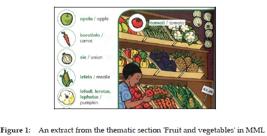
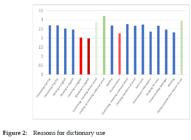
Collins also defines seawoman as a woman sailor or a woman who works on a ship or in the navy with no examples offered, but with an interesting illustration of the recorded usage trend (Figure 3).
The observed shift from seaman to seafarer can be interpreted through Sunderland's (2006) analytical framework on language and gender, which conceptualizes occupational terminology as a site where gender ideologies are both reflected and actively reproduced. As Sunderland (2006) observes, gendered meanings embedded in professional labels are rarely neutral, but instead function to index and normalize historically established power relations. Within this framework, the gradual decline of the gender-marked term seaman and the growing preference for the gender-neutral seafarer signal a discursive reconfiguration of maritime language, driven by the afore-mentioned institutional and social efforts to align professional discourse with evolving norms of gender inclusivity. Furthermore, the observed usage trend of seawoman supports the previous argument. Despite its formal availability as a feminine counterpart to seaman, the term remains marginal and largely absent from sustained language use. This pattern illustrates how gendered lexical alternatives do not automatically gain acceptance simply by existing, particularly when they conflict with entrenched professional discourses (Sunderland 2006).
4. Corpus and methodology
The target corpus analysed in this study, the English-Croatian Maritime Dictionary (ECMD) (Pritchard 2013a), contains several thousand entries compiled, illustrated, and accompanied by examples drawn from a web-based corpus using the dictionary writing system, TLex (http://tshwanedje.com/). The dictionary was developed and updated (last in 2018) by Professor Boris Pritchard and is described as having been designed strictly for teaching purposes at Maritime Education and Training (MET) institutions. Although no exact data are available regarding the total number of entries, the size of the dictionary, exceeding 1,627 pages in PDF format, suggests an estimated range of 25,000-30,000 lexical entries, each defined and translated into Croatian. Overall, this results in a substantial bilingual corpus comprising 569,497 tokens and/or 46,263 word types. When compared with other available online maritime dictionaries and glossaries, the ECMD can be regarded as one of the most comprehensive, convenient, and reliable resources currently available for this type of research and analysis. Moreover, the author explicitly acknowledges the use of additional online resources, primarily various maritime glossaries and dictionaries, occasionally supplemented by personal professional experience, which further contributes to the dictionary's representativeness of contemporary online maritime lexicographic practice.
Given that the two languages under analysis do not belong to the same branches of the Indo-European language family, the study adopts a twofold analytical approach. First, the corpus is examined for occurrences of English masculine and feminine nouns and pronouns, as well as neutral terms (e.g. person, they/them), followed by an analysis of other illustrative maritime terms and phrases. The analysis then proceeds to Croatian (maritime) terminology, with particular attention paid to occupational titles. To ensure greater precision in identifying individual word frequencies, collocations, and multiword units, the lexical analysis was supplemented by the use of the AntConc software (Anthony 2024).
5. Gender bias in the English part of the English-Croatian Maritime Dictionary
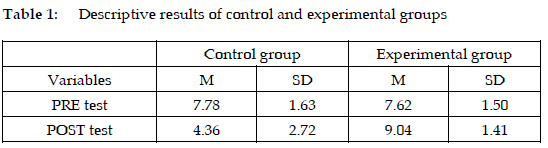
We started with the most generic gender-defining entries, such as man/woman, boy/girl, him/her, identified through simple frequency counts across the dictionary (Table 1).
As the most salient contrast emerges in the opposition between man and woman, the analysis first focuses on these two lexical items. Notably, woman occurs only twice in the target corpus, once as an independent lexical item, with the contexts of use being particularly revealing:
1. christening /ˈkrɪsənɪŋ/ (nav arch) a ceremony in which the ship's sponsor (usually a woman) breaks a bottle of champagne across the bow and grants the ship its name …
2. yachtswoman /ˈjɔtswʊmən/ (n) (boating/yachting) jedriličarka
The latter has its masculine counterpart in yachtsman /ˈjɔtsmən/ (n) (boating/yachting) jedriličar, which, by contrast, occurs six times throughout the same analysed text. This distribution indicates that woman is effectively mentioned only once as an on-board seafaring agent, and even then exclusively with reference to smaller vessels or nautical tourism.
An additional feminine noun, lady, was identified in a small number of examples, but these occurrences are likewise unrelated to on-board agents or occupational roles.
It should also be noted that man in Maritime English is frequently used as a verb, a usage that is considerably less common in General English:
e.g. man (v) …to properly man, equip and supply the ship …
The plural form, women, occurs in two additional instances, both related to the Women's International Shipping and Trading Association (WISTA) and its definition as a "networking organization for women at management level in the maritime industry".
In the overall frequency count, numerous forms were deliberately excluded, including items in which man or men appear only incidentally as part of unrelated lexical material, such as manoeuvrability or command, as well as forms like management, compartment, and environment. The same principle was applied to woman/women where they occurred as incidental substrings, and to certain Croatian examples incorporating man/men (e.g. manovra, dokument). Nevertheless, the most frequent gender-marked occurrences are found in compound forms, such as seamanship, crewman, helmsman, and similar items, which are therefore given particular attention in the subsequent analysis (Table 2).
The noun boy is detected primarily in compound forms, such as deck boy or cabin boy, with no occurrences of girl identified in the target corpus. The item guy was also examined; however, the retrieved examples predominantly referred to types of rope or equipment (e.g. guy winch, or guy as a wire or hemp rope). For this reason, it was excluded from further quantitative analysis.
With respect to gender-neutral forms, the corpus contains numerous instances of person(s) and people. Some of these represent positive examples of neutralisation of standard maritime phrases, such as person in water or person overboard, which are presented and discussed in relation to Table 2 below.
As expected, similar patterns are observed in the distribution of other masculine and feminine nouns and pronouns. Notably, despite the fact that ship retains its metaphorically assigned feminine gender in English, she occurs 188 times in the corpus, whereas he appears as many as 644 times. While she (her) is used predominantly as a pronoun referring to the ship itself, masculine pronouns (he, him, his) overwhelmingly prevail in source corpus examples referring to on-board roles, duties, and positions (e.g. master, watchstander, able-bodied seaman, pilot, Second Officer).
We also have some inclusive examples, covering both his/her, such as in:
e.g. misunderstandings … His/her communications should be clear and concise to avoid any misunderstandings and he/she should then monitor activities …
With regard to gender-neutral pronouns (they, them, their), the majority of occurrences refer to equipment rather than human agents, which renders them irrelevant for the purposes of the present analysis.
Given that on-board rank titles have been the subject of considerable debate in terms of gender sensitivity (e.g. Dževerdanović Pejović 2020; Bezhanovi et al. 2024), no further analysis was undertaken of primary positions such as Master, pilot, Bosun, Officer, and related roles, as no female counterparts were identified in the target corpus. Although such titles are frequently claimed to function as generic designations, comparable to doctor or judge in General English, they are most often accompanied by examples explicitly referring to man/men (e.g. … A skipper must monitor his passage …).
By contrast, the analysis did address a number of overtly masculine forms (e.g. helmsman, pumpman), which continue to be used, like many other occupational labels, as ostensibly generic terms.
Table 2 below provides an overview of maritime-specific masculine, feminine, and common or gender-neutral terms and phrases. For practical reasons, as outlined above, primary rank titles that are consistently used as the sole or generic forms throughout web-based maritime texts were excluded from this summary.
Gender bias in the target dictionary becomes immediately apparent in the overwhelming frequency of seamanship, which occurs 1,046 times, compared to only nine instances of seafaring. Moreover, of these nine, only three appear in illustrative examples drawn from the web-based corpus, while six occur as part of referenced website addresses.
This imbalance is further reinforced by the persistent use of seaman instead of seafarer. Although seafarer was first recorded in 1513 (according to the OED) and is currently stipulated as the preferred form in official documents, it is evidently far less frequent in actual usage, particularly in collocations and compound forms such as seaman's book, seaman's passport, and seamanship. These observations are consistent with findings from other types of maritime texts (e.g. Liu et al. 2023). Even the comparatively less common forms crewman/crewmen display a notable number of occurrences (31), whereas crew member(s) or simply crew are considerably more frequent, with crew also offering the advantage of brevity and practical usability.
With respect to common, or gender-neutral alternatives, the corpus shows a substantial frequency of staff and personnel (61 and 86 occurrences, respectively), as well as sailor(s) and mariner(s) (122 and 75, respectively). However, most occurrences of sailor are associated with references to the Practical Sailor website (64), which significantly reduces the noun's relevance in the corpus. As a result, mariner appears to be more frequent overall, although it is often defined in general English dictionaries as an old-fashioned or literary term (e.g. the OED). This may explain why it is not treated as a separate entry here, unlike the other forms discussed, although the results of the analysis confirm its continued use.
By contrast, man as a verb, along with the derived forms manning, manned, and unmanned, remains fully dominant when referring to the assignment of duties or positions on board ship. In such contexts, such as posting a person to a duty position, there is little evidence of any systematic attempt at neutralisation or gender-inclusive reformulation, despite the apparent availability of alternatives (e.g. staff/staffing).
Considering the wide range of man-based on-board occupational titles (tankerman, pumpman, helmsman, etc.), and the absence of proposed alternatives in the web-based texts analysed, initiatives and recommendations put forward by, for example, Bezhanovi et al. (2024), Kitada et al. (2025), and Dževerdanović Pejović (2020), largely remain at the level of theoretical proposals, with limited penetration into maritime practice. This is further corroborated by the negligible frequency of feminine forms, almost none of which refer to on-board agents. Of the three occurrences of female identified in the corpus, one appears in a photo caption indicating the presence of a female crew member, another refers to a female fish species in the context of spawning, and the third denotes a female thread, distinguished from a male one by its shape.
At the same time, it should be acknowledged that some deliberate attempts can be observed, primarily on the part of official document authors and lexicographers, as in the present case, to render certain terminology more generic, at least at the level of definitions. While some of the previously discussed examples, such as tankerman, represent the only clearly gender-marked occupational terms explicitly neutralised through the use of person in their definition, additional instances of more generic definitional strategies can also be identified, such as: master (n) the person having command of a ship.
From another perspective, gender-parallel forms are not always linguistically viable; therefore, languages often favor the masculine grammatical form as the more neutral option, since strict parallelism may result in semantically compromised or even sexist expressions (e.g. master/mistress, seaman/seawoman, tankerman/tankerwoman, yachtsman/yachtswoman …), which is reflected in their rare use or complete absence in actual language practice (Dževerdanović Pejović 2017).
In addition, the corpus contains a number of traditionally named items of equipment, such as manrope, manhole, and man basket, as well as historically established expressions, including the man-of-war type of ship. These terms are likely to remain unchanged, given that, in English, inanimate objects generally do not share gender-specific pronouns with human referents. This contrasts with languages such as Croatian, where grammatical gender applies more broadly, as will be discussed in the following section.
With regard to fixed phrases, some limited attempts at inclusiveness can be identified. For instance, the corpus includes several occurrences of person in water and person overboard, although these forms are far less frequent than man overboard (Table 2). The few instances in which gender-neutral terms are employed are often associated with conventions and contemporary regulatory documents, reflecting recent efforts to sensitise at least certain areas of maritime terminology, as illustrated by the following:
e.g. ISPS Code … - designated persons and documents …
6. Gender bias in the Croatian part of English-Croatian Maritime Dictionary
Although gender bias in maritime is an issue primarily associated with English, given its status as the lingua franca of the global maritime industry, the study also examines how the observed terminology is rendered in Croatian. This choice is motivated by the fact that Croatia is a coastal country in which seafarers account for approximately 0.47% of the total population, or about 1.5% of the Croatian workforce (Gundić et al. 2015; Vuković 2022).
Since English exhibits relatively few grammatical gender markers, the translation of the analysed nouns and pronouns into Croatian introduces additional layers of complexity. Taking into account the Croatian case marking and morphological gender distinctions, and supported by various software-based analytical procedures, the analysis again employed AntConc (Anthony 2024) alongside manual dictionary searches in order to obtain results that are both precise and comprehensive. As in the English analysis, the examination began with the most general gender-related lexical items, such as čovjek (man) and žena (woman), and related forms (Table 3).
As indicated by the statistical data, žene (women) does not occur in the target corpus, whereas forms referring to men/people occur 33 times. In the domain of (marine) engineering, gender-related marking is largely motivated by formal and functional characteristics, often drawing on analogies with biological sex. Thus, male components are typically characterised by protruding or external elements, such as grooves (male thread/muški navoj), whereas female components either lack such features or contain internal grooves, as in female thread/ženski navoj. Another instance of ženski (female) occurs in reference to the FASTON connector (ženski dio konektora).
The adjective muški (male) is somewhat more frequent, with five recorded occurrences, including examples such as muški pagar (pink dentex), muški uzao (reef/square knot), and muški navoj (male thread). Given the technical nature of the source corpus, no terms related to gentleman were identified. However, two occurrences of Maritime Lady were recorded as a proper name, along with one instance of lady appearing in an example related to arrival at a terminal. As expected, this latter occurrence refers to a passenger rather than to an on-board professional role.
The prevalence of osobe/ljudi ((person/people) as a gender-neutral linguistic choice in Croatian) points to the role of institutional language planning in shaping usage patterns. In this context, Croatia's accession to the European Union in 2013 and its subsequent alignment with EU gender-equality policies have supported the wider adoption of neutral terminology. This tendency is further reinforced by the European Parliament's gender-neutral language guidelines (2018) and by the IMO's alignment with UN and EU standards regarding inclusive communication, indicating that the preference for people over gender-marked alternatives is institutionally driven.
The analysis proceeded to examine professional titles and their definitions. Although Croatian provides feminine forms for the majority of on-board occupations (e.g. zapovjednica (female master), kapetanica (female captain), oficirka/časnica (officer), pomorkinja (female seafarer), etc.), no occurrences of these forms were identified among the several hundred occupational titles present in the target corpus. The sole exception is članica (female member), which occurs once, compared to 56 occurrences of član (member). Notably, even brod (ship) is grammatically masculine in Croatian.
Only isolated instances of neutralization or inclusiveness were identified, such as:
e.g. PFSO - Port Facility Security Officer - osoba (person, neutral) odgovorna za sigurnosnu zaštitu u luci
with a total of 97 occurrences related to osoba (person) and its derived forms. Nevertheless, in the majority of cases involving on-board positions, even where a title might be considered generic, gender inclusiveness is effectively neutralized or eliminated at the definitional level:
e.g. sailor (n) 1 (mar law) pomorac (masc.); 2 (seamanship, mar law) mornar (masc.); 3 (boating/yachting) jedriličar (masc.) expert ~ iskusan jedriličar (masc.) novice ~ jedriličar (masc.)-novak (masc.)
Regardless of the Croatian Law on Gender Equality adopted in 2008, which incorporates the provisions of the New Textbook Standard (Novi udžbenički standard) from 2007 concerning the use of nouns in both genders, particularly in the designation of professions and occupations, Croatian documents generally continue to predominantly employ masculine titles only and it is often even explicitly noted that such forms are intended to refer to both male and female genders. Our analysis has shown that the Dictionary analysed here reflects such usage trends.
7. Discussion
Overall, maritime discourse is characterised by a strong emphasis on restrictiveness and efficiency, which means that the introduction of additional terminology or revised definitions is not easily accepted. Shifts towards gender-neutral terminology may be perceived as a source of ambiguity and are sometimes argued to have potential implications for safety procedures, as illustrated by debates surrounding the replacement of "man overboard" with "person overboard" (Zeller 2024). Similar concerns are raised with regard to titles such as master and captain, which are occasionally claimed to be semantically diluted if subjected to linguistic reform.
Furthermore, when feminine forms are derived from masculine ones, whether through suffixation (e.g. -ess) or by means of an additional adjective or noun (e.g. female director, woman/lady doctor), the masculine form is left officially or unofficially unmarked and thus continues to function as the normative default (Holmes and Wilson 2017; Tournier 2004; Huart 1989). In addition to the use of euphemisms that trivialize female professional status while allowing the original title (e.g. doctor) to retain its masculine connotations, a further distinction can be made between the use of lady and woman. The former is often perceived as patronising, whereas the latter merely marks the professional as deviating from the assumed "default" category, as in woman doctor or woman driver, implicitly suggesting that the unmarked forms (doctor, driver) are male by default. Talbot (2010) argues that such linguistic constructions reinforce gender asymmetries by presenting women professionals as exceptions rather than normative representatives of their professions.
Another contributing factor is the fact that the maritime industry remains overwhelmingly male-dominated, with limited engagement by men in discussions of gender sensitivity in maritime language (Kitada et al. 2025). Despite numerous initiatives, there are still no binding resolutions or explicit official recommendations concerning the application of gender-sensitive terminology in maritime communication, let alone in general lexicographic definitions.
An additional issue concerns the attitudes of women themselves. While some advocate the use of gender-sensitive language as part of broader efforts to adapt working conditions to better accommodate women on board, ranging from uniforms to facilities, many female seafarers, as in other professional domains, prefer to retain traditional titles. For them, the continued use of established designations is often perceived as a means of achieving equal treatment. As noted by Dževerdanović Pejović (2020), women frequently adopt traditional titles in self-reference, regarding the ability to meet established norms and integrate into a male-dominated shipboard environment as a marker of professional success.
Examples of gender bias within this technical lexicographic context are even more visible and pronounced in Croatian than in English, given that Croatian morphology and syntax allow for more explicit and varied gender agreement. Finally, it is worth noting that, since the target corpus is partly an illustrative dictionary, the visual material was also examined. Of all illustrations included, only two depict female figures: one showing a woman on a sailing boat and another accompanied by a caption explicitly noting the presence of a female crew member in the photograph (p. 1073).
8. Ethical considerations and recommendations
Considering the application of corpus-linguistic methods in modern lexicography, the findings of the present study primarily reflect prevailing usage patterns in contemporary maritime texts rather than the personal attitudes of individual lexicographers. In this sense, the methodology partially mitigates the accountability of lexicographers, a point also acknowledged in the disclaimer of the dictionary analysed.
Nevertheless, lexicographers, and not automated tools, ultimately bear responsibility for the quality of lexicographic information and its potential impact on target users and society at large (Kouassi 2022: 174). Lexicographers play an active role in shaping "language ideologies", as they "describe, rationalise, and shape it" (Coady 2020: 59). This, in turn, raises ethical considerations concerning the responsibility of lexicographic material developers, as well as the broader role of linguistics in identifying and addressing gender bias in dictionaries (e.g. Vuković-Stamatović and Čarapić 2025; Müller-Spitzer 2023; Fuertes-Olivera and Tarp 2022). As summarised by Kouassi (2022: 15), one of the central functions of "socially responsible lexicography" is that it "forces lexicographers to reflect on the role of dictionaries … in bringing about changes in the values of society". This responsibility is further amplified by the fact that contemporary lexicographic products, particularly online dictionaries, are no longer static, long-term undertakings but increasingly function as dynamic resources with the capacity for near real-time updates.
To date, a range of strategies has been proposed across languages, including the adoption of gender-neutral expressions, the use of inclusive language, or the parallel use of feminine and masculine forms. However, no universally accepted solutions exist, particularly given the need to maintain textual readability and communicative efficiency. When combined with the perception of gender equality as a "women's" issue - most often raised by women themselves, and the continued male dominance of the seafaring profession, the practical demands of maritime communication tend to reproduce gender-biased language patterns. At the same time, recent research has increasingly highlighted the structural nature of gender-related linguistic biases and has opened conceptual space for the "rewiring" of masculinity-driven linguistic coding. In this regard, the IMO has explicitly advocated the use of gender-inclusive language, drawing attention to unconscious biases linked to gender-role stereotyping, including "maternal bias, halo effect and performance expectations", which may manifest as "microaggressions through dismissive remarks, gender-bias jokes and second-guessing competence", and may ultimately escalate to harassment and discrimination, as outlined in the Gender Sensitization Manual for the Ship Recycling Industry (IMO 2024: 9-11).
Accordingly, even within corpus-driven lexicography, the designers of dictionaries and thesauri, particularly bi- and multilingual ones, retain scope for addressing at least some gender biases and stereotypes through the inclusion of additional synonyms and more inclusive translation solutions. Despite inherent limitations, such interventions may also be viewed as opportunities. If gender sensitisation can be meaningfully advanced within the strongly male-dominated maritime sector, it may exert a broader influence, extending from lexicographic practice to maritime discourse and, ultimately, to society more generally.
What remains is the continued examination and revision of maritime regulatory documents governing today's maritime industry, with the aim of contributing to a more equitable society in the future. As with most significant social transformations, progress is likely to occur incrementally, through the cumulative efforts of multiple stakeholders. A notable example in this respect is the submission of the term seafarership as "a gender-neutral of skill in sailing a boat or ship" to the OED (Bezhanovi et al. 2024). In addition, the authors propose "a short-glossary of gender-tuned terms", addressing some of the most resistant items of maritime terminology, particularly those based on man or manning/manned (e.g. dockman - dockperson, man overboard - person overboard, man-made - person-made, manned bridge - staffed bridge, manning - staffing). Similarly, Dževerdanović Pejović (2020) proposes feminine and/or more inclusive professional titles in English, Montenegrin, and Croatian. Such initiatives merit consideration by all those engaged with maritime terminology, including lexicographers, translators and terminologists working across languages, provided that these efforts are supported not only by institutional decision-makers but also by the maritime discourse community itself.
9. Conclusion
This study examined the various manifestations and the persistence of gender bias in maritime lexicography through a corpus-based analysis of a contemporary, online bilingual English-Croatian maritime dictionary. The findings demonstrate that, despite increased institutional awareness and policy-level advocacy for gender equality within the maritime sector, masculine forms continue to dominate maritime terminology, definitions, examples, and collocations. Feminine and genuinely gender-neutral alternatives remain marginal, often symbolic, and only sporadically reflected in lexicographic practice.
The analysis confirms that lexicography does not merely mirror maritime discourse but also participates in its normalization. By systematically privileging masculine forms, particularly in occupational titles, compound nouns, and fixed phrases, maritime dictionaries contribute to the linguistic invisibility of women and reinforce the perception of seafaring as an inherently male profession. This effect is additionally pronounced in Croatian, where grammatical gender is morphologically encoded and where the absence of feminine professional titles becomes more salient.
At the same time, the results indicate that corpus-driven lexicography, while often presented as descriptively neutral, does not absolve lexicographers of ethical responsibility. Dictionaries are not passive repositories of usage but socially influential tools that shape professional identities, institutional language, and disciplinary norms. The growing flexibility of digital lexicographic platforms, particularly online and updateable dictionaries, offers concrete opportunities for responsible intervention, such as the inclusion of gender-neutral definitions, parallel forms, and inclusive cross-referencing, without compromising terminological precision or operational clarity.
The maritime domain poses specific challenges for gender-sensitive language reform due to its strong emphasis on efficiency, safety, and tradition. Nevertheless, the presence of emerging neutral alternatives in selected lexicographic entries suggests that gradual change is both possible and already underway. Even limited interventions, such as definitional neutralisation or the systematic inclusion of inclusive synonyms, may contribute to increased gender visibility and awareness within this traditionally male-dominated discourse community.
References
- Anthony, L. 2024. AntConc (Version 4.3.1) [Computer Software]. Tokyo, Japan: Waseda University. https://www.laurenceanthony.net/software/AntConc [3 January 2026]
- Bailey, A.H., A. Williams and A. Cimpian. 2022. Based on Billions of Words on the Internet, People = Men. Sci Adv 8(13): 1-24. https://www.science.org/doi/10.1126/sciadv.abm2463
- Bär, J.A. 2001. Männer - Frauen: Sprachliche Stereotype [Men - Women: Language Stereotypes]. Der Deutschunterricht 53(4): 30-41.
- Bezhanovi, Z., T. Mikeladze, S. Rodinadze, K. Zarbazoia, M. Abashidze and K. Iakobadze. 2024. Gender Equality Promotion for Effective Global Maritime Education Concept. Proceedings of the 29th International Maritime Lecturers Association (IMLA) Conference, Istanbul, Turkey, September 25-28, 2024: 416-423.
- BIMCO and ICS. 2021. Seafarer Workforce Report: The Global Supply and Demand for Seafarers in 2021. Livingston: Witherby.
- Boström, M. 2025. The Multifaceted Seafarer: An Explorative Discourse Analysis of Seafarers' Portrayals in Swedish Maritime Magazines. Ocean and Society 2: Article 8289.
- Cambridge Dictionary. 2014. https://dictionary.cambridge.org/de/ [6 January 2026]
- Coady, A. 2020. Jardin à la française ou parc à l'anglaise? Les idéologies linguistiques : des freins au langage non sexiste. Cahiers du genre 69: 59-83. https://doi.org/10.3917/cdge.069.0059
- Collins Online Dictionary. 2026. https://www.collinsdictionary.com/ [3 January 2026]
- Čarapić, D. and M. Vuković-Stamatović. 2025. Gender Bias in Computer-generated Thesauri: The Case of the Serbian Section of Kontekst.io, a Thesaurus of Synonyms and Semantically Related Terms. Lexikos 35(2): 26-45.
- Dževerdanović-Pejović, M. 2017. Linguistic Facts as a Reflection of Changes in Seafaring: Is a Ship Still a 'She'? The Mariner's Mirror 103(3): 313-322. https://doi.org/10.1080/00253359.2017.1340427
- Dževerdanović Pejović, M. 2020. Professional Titles for Women Seafarers in the Croatian and Montenegrin Media. Transactions on Maritime Science 9(2): 350-357. https://www.toms.com.hr/index.php/toms/article/view/343/303
- Đurović, Z. and M. Dževerdanović-Pejović. 2023. Lexical Analysis of Nautical and Marine Engineering Corpora: Similar or Different Lexicographic Results. Lexikos 33: 255-276. https://doi.org/10.5788/33-1-1814
- European Parliament. 2018. Gender-neutral Language in the European Parliament: Guidelines (updated edition). European Parliament. https://www.europarl.europa.eu/cmsdata/151780/GNL_Guidelines_EN.pd [27 December 2025]
- Foubert, O. and M. Lemmens. 2017. Gender-biased Neologisms: The Case of man-X, Lexis 12. https://journals.openedition.org/lexis/2453
- Fuertes-Olivera, P.A. and S. Tarp. 2022. Critical Lexicography at Work: Reflections and Proposals for Eliminating Gender Bias in General Dictionaries of Spanish. Lexikos 32(2): 105-132.
- Gouws, R.H. 2012. Who can Really be Called a Lexicographer? Lexikos 22: 217-225.
- Gouws, R.H. 2022. Dictionaries as Instruments of Exclusion and Inclusion: Some South African Dictionaries as Case in Point. Lexicographica 38: 39-61.
- Gundić, A., L. Maglić and D. Zec. 2015. Recent Developments in Higher Maritime Education in Croatia. Multidisciplinary Scientific Journal of Maritime Research POMORSTVO 29(2): 115-121.
- Holmes, J. and N. Wilson. 2017. An Introduction to Sociolinguistics. Fifth edition. London/New York: Routledge.
- ILO. 2006. International Labour Organization. Maritime Labour Convention, 2006 (MLC, 2006). Consolidated Text Including Amendments. Geneva: International Labour Office, Geneva.
- IMO. 2017. STCW: STCW Convention and STCW Code (2017 edition). London: International Maritime Organization (IMO).
- IMO. 2024. Gender Sensitisation Manual for the Ship Recycling Industry, IMO-Norway SENSREC Project. https://sensrec.imo.org/wp-content/uploads/2025/02/SENSREC-Gender-Sensitisation-Manual-for-the-Ship-Recycling-Industry.pdf [26 December 2025]
- Iversen, S.H. 2021. The (Re)presentation of Knowledge about Gender in Children's Picture Dictionaries. Goga, N., S.H. Iversen and A.-S. Teigland (Eds.). 2021. Verbal and Visual Strategies in Nonfiction Picturebooks: Theoretical and Analytical Approaches: 67-79. Oslo: Scandinavian University Press.
- James, K. 2010. Domestic Violence within Refugee Families: Intersecting Patriarchal Culture and the Refugee Experience. Australian and New Zealand Journal of Family Therapy 31(3): 275-284.
- Kachru, B.B. and H. Kahane (Eds.). 1995. Cultures, Ideologies and the Dictionary: Studies in Honor of Ladislav Zgusta. Tübingen: Niemeyer.
- Kitada, M., C. Barahona-Fuentes and M. Castells-Sanabra. 2025. Masculinities in Maritime Education and Training: An Opportunity to Advance towards Gender Equality. Maritime Studies 24(38). https://doi.org/10.1007/s40152-025-00432-1
- Kouassi, K. 2022. Mensch-Maschine-Interaktion im lexikographischen Prozess zu lexikalischen Informationssystemen. Klosa-Kückelhaus, A., S. Engelberg, Ch. Möhrs and P. Storjohann (Eds.). 2022. Dictionaries and Society. Proceedings of the XX EURALEX International Congress, 12-16 July 2022, Mannheim, Germany: 172-180. Mannheim: IDS-Verlag. https://euralex.org/wp-content/themes/euralex/proceedings/Euralex%202022/EURALEX2022_Pr_p172-180_Kouassi.pdf
- Lakoff, R.T. 2004. Language and Woman's Place Revisited. Bucholtz, M. (Ed.). 2004. Language and Woman's Place, Text and Commentaries: 15-28. Oxford: OUP.
- Liu, C., S. Jang and S. Lee. 2023. From Gender-Biased to Gender-specific and Gender-inclusive Words: A Corpus-based Study. Linguistics (언어학) 31(1): 85-112.
- Mellefont, J. 2000. Heirlooms and Tea Towels: Views of Ships' Gender in the Modern Maritime Museum. The Great Circle 22(1): 5-16. JSTOR. http://www.jstor.org/stable/41563053 [3 January 2026]
- Ministarstvo mora, prometa i infrastrukture. 2020. Pravilnik o izmjenama i dopunama Pravilnika o zvanjima i svjedodžbama o osposobljenosti pomoraca. Narodne novine (Official Gazette of the Republic of Croatia). https://narodne-novine.nn.hr/clanci/sluzbeni/2025_11_136_2020.html [26 December 2025]
- Müller-Spitzer, C. 2023. Gender Stereotypes in Dictionaries: The Challenge of Reconciling Usage-based Lexicography with the Role of Dictionaries as Social Agents. Lexikos 33(2): 79-94. https://doi.org/10.5788/33-2-1843
- Müller-Spitzer, C. and J.O. Rüdiger. 2022. The Influence of the Corpus on the Representation of Gender Stereotypes in the Dictionary. A Case Study of Corpus-based Dictionaries of German. Klosa-Kückelhaus, A., S. Engelberg, C. Möhrs and P. Storjohann (Eds.). 2022. Proceedings of the XX EURALEX International Congress: Dictionaries and Society, 12-16 July 2022, Mannheim, Germany: 129-141. Mannheim: IDS-Verlag.
- Norri, J. 2019. Gender in Dictionary Definitions: A Comparison of Five Learner's Dictionaries and Their Different Editions. English Studies 100(7): 866-890.
- Novi udžbenički standard u Hrvatskoj. 2007. Narodne novine (Official Gazette of the Republic of Croatia) 7. https://narodne-novine.nn.hr/clanci/sluzbeni/full/2007_01_7_296.html [5 January 2026].
- OXFORD Collocation Dictionary of English. 2019. https://m.freecollocation.com [4 January 2026]
- Oxford English Dictionary. 2000. https://doi.org/10.1093/OED/8099343553 [3 January 2026]
- Pauwels, A. 2003. Linguistic Sexism and Feminist Linguistic Activism. Holmes, J. and M. Meyerhoff (Eds.). 2003. The Handbook of Language and Gender: 550-570. Oxford: Blackwell.
- Pettini, S. 2021. One is a Woman, so That's Encouraging too. The Representation of Social Gender in "Powered by Oxford" Online Lexicography. Lingue e Linguaggi 44: 275-295.
- Pritchard, B. 2013a. An English-Croatian Maritime Dictionary (as updated October 2018). https://www.pfri.uniri.hr/bopri/documents/Tlex-novi.pdf [9 January 2026]
- Pritchard, B. 2013b. The English Element in the Development of Croatian Maritime Terminology. Pomorstvo: Scientific Journal of Maritime Research 27(1): 247-259.
- Schiebinger, L. 1993. Nature's Body: Gender in the Making of Modern Science. New Brunswick: Rutgers University Press.
- Solonets, P.V. 2021. Gender and Dictionary: Russian Perspective. Unpublished Master's Thesis. Braga: University of Minho.
- Spender, D. 1980. Man Made Language. London: Routledge & Kegan Paul.
- Sunderland, J. 2006. Language and Gender: An Advanced Resource Book. Abingdon, Oxfordshire: Routledge.
- Tournier, J. 2004. Précis de lexicologie anglaise. Paris: Ellipses.
- United Nations. 1996. Beijing Declaration and Platform for Action (Report of the Fourth World Conference on Women, A/CONF.177/20). Fourth World Conference on Women: Action for Equality, Development and Peace, Beijing, China, 4-15 September. Adopted 15 September 1995.
- UN Women. 2017. Gender-inclusive Language Guidelines (English). UN Women Digital Library. https://www.unwomen.org/sites/default/files/Headquarters/Attachments/Sections/Library/Gender-inclusive%20language/Guidelines-on-gender-inclusive-language-en.pdf [26 December 2025]
- Vacalopoulou, A. 2022. Gender Stereotypes in Greek Children's Dictionaries. Dictionaries 43(1): 167-192.
- Vokabular. 2006. Vokabular - Srpski rečnik. https://www.vokabular.org/ [26 December 2025]
- Vujanić, M., D. Gortan-Premk, M. Dešić, R. Dragićević, M. Nikolić, LJ. Nogo, V. Pavković, M. Radović-Tešić, N. Ramić, R. Stijović and E. Fekete. 2011. Rečnik srpskog jezika [Dictionary of the Serbian Language]. Novi Sad: Matica Srpska.
- Vuković, T. 2022. Comparative Analysis of Seafarers' Collective Agreements in the Republic of Croatia and Montenegro. Časopis Pomorskog fakulteta Kotor - Journal of Maritime Sciences 23(2): 97-116. https://doi.org/10.56080/jms221108
- Vuković-Stamatović, M. and D. Čarapić. 2025. 'Divorced ~ castrated': Gender Stereotypes in the Croatian Section of Kontekst.io, a Computer-generated Thesaurus of Synonyms and Semantically Related Terms. Zeitschrift für Slawistik 70(4): 677-702. https://doi.org/10.1515/slaw-2025-0036