Reimagining curriculum transformation through technology and pedagogical indigenisation in rural South African mathematics classrooms
Abstract
Educational institutions worldwide are increasingly embracing curriculum reform through the integration of Indigenous knowledge systems (IKS) and technology, informed by their transformative impact on teaching, learning, and pedagogical practices. However, socioeconomic disparities and limited teaching resources encountered in the rural settings of the Global South, such as South Africa, hinder this transformation. IKS and technology offer a compelling opportunity to rethink mathematics education in ways that embrace global innovations while adapting to local contextual realities. Yet, there is limited empirical evidence on teacher preparedness, specifically how mathematics teachers' demographic, contextual, and professional training influences their ability to integrate technology and pedagogical indigenisation for mathematics curriculum transformation. Hence, this paper sought to examine how mathematics teachers can reimagine curriculum transformation through pedagogical indigenisation and technology in rural South African mathematics classrooms. To accomplish this exploration, the paper draws on data gathered from 95 purposively sampled respondents. We used a quantitative approach focusing on a survey questionnaire, guided by the positivist paradigm and underpinned by the Technological Pedagogical Content Knowledge (TPACK) framework and Technology Acceptance Model (TAM), and data analysis was achieved through the aid of descriptive and inferential statistics. The results showed that teachers exhibit different degrees of TPACK and TAM dynamics, mediated by demographics, professional backgrounds, and context-specific characteristics. The findings lead us to argue that the transformation of the mathematics curriculum is dependent on effective, inclusive, and sustainable teacher training that foregrounds both technological fluency and cultural responsiveness. This study contributes to curriculum reform discourse by emphasizing the need for teacher preparation programs that address the complex, evolving, and context-sensitive nature of teachers' TPACK.
pedagogical indigenisation; mathematics teachers; rural settings; transformation
Introduction
In the rapidly evolving landscape of education, there is a growing global movement toward curriculum reform that embraces both Indigenous knowledge systems (IKS) and technology integration. In recent years, this change has become necessary, particularly in schools given its potential to improve teaching, learning, and pedagogical practice to enhance the value and quality of education (Motseki & Jojo, 2025). Notably, education governance in countries such as Indonesia has driven transformation through a spirit of creativity and innovation, resulting in the integration of learning technologies across various levels of education (Lubis et al., 2022). Within the South African context, the Department of Basic Education plays a critical role in preparing mathematics teachers for a digital era that values both technological advancement and the wealth of learners' Indigenous knowledge (Motseki & Jojo, 2025; Nqabeni & Buka, 2023). Jojo (2024) highlighted the emergence of innovative pedagogical methods, demonstrating that incorporating locally available materials such as straws and wool can significantly enhance learners' understanding of geometric concepts. Moreover, Seleke & Teis (2025) argued that the integration of IKS fosters a contextualised and culturally responsive learning experience that bridges the gap between abstract content and learners' lived realities.
Despite the potential benefits of integrating IKS and technology into mathematics education, socioeconomic disparities and limited teaching resources encountered in rural settings of the Global South, including South Africa, continue to hinder this transformation (Nqabeni & Buka, 2023). Authors such as Mudaly (2018) found that many teachers struggle to move beyond traditional mathematics teaching, often producing contrived associations with Indigenous contexts rather than authentically integrating them. Similarly, Graham et al. (2021) revealed that approximately 72 per cent of teachers merely substitute technology for traditional tools, without implementing fundamental pedagogical shifts. Collectively, the literature suggests that successful transformation requires deliberate professional development, contextual sensitivity, and sustained commitment to integrate technology and IKS to transform mathematics education at secondary school level. This calls for empirical research on teacher preparedness and how mathematics teachers' demographic, contextual, and professional training influence their ability to integrate technology and pedagogical indigenisation for mathematics curriculum transformation to enhance learning in rural and under-resourced classrooms, particularly in the Eastern Cape Province, South Africa.
Hence, this paper sought to explore how mathematics teachers can reimagine curriculum transformation through pedagogical indigenisation and technology in rural Eastern Cape mathematics classrooms. By drawing from teachers' lived experiences and professional contexts, this study contributes to the discourse on curriculum transformation and teacher agency within mathematics education. It seeks to advance understandings of how coordinated curriculum transformation implementation can serve as a viable approach for bridging the gap between IKS, technology integration, and contemporary mathematics pedagogy. The findings aim to provide valuable insights into mathematics teacher development programmes, influence curriculum design, and contribute to broader efforts toward contextualised, inclusive, and decolonised mathematics education in the Eastern Cape. This exploratory study is grounded in a dual theory approach, the Technological Pedagogical Content Knowledge (TPACK) framework and the Technology Acceptance Model (TAM), wherein each of these theories was selected for its distinct perspectives and ability to contribute to the interplay of the indigenisation of secondary school mathematics pedagogy and the integration of technology. This combination enabled a detailed exploration of the complex interactions between teacher perspectives and pedagogical insights on the integration of IKS and technology in mathematics teaching for the indigenisation quest of this study. The following research question guided the study: "How can mathematics teachers reimagine curriculum transformation through pedagogical indigenisation and technology in rural Eastern Cape mathematics classrooms?"
The research objectives were as follows:
1) To explore the extent to which mathematics teachers' demographic characteristics impact the integration of IKS and technology into the mathematics pedagogy.
2) To explore mathematics teachers' insights on how the usage of technology impacts the integration of technology into the mathematics pedagogy, and how these insights vary according to teachers' qualifications.
3) To explore the role of class sizes encountered by rural mathematics teachers regarding the integration of IKS and technology into the mathematics pedagogy.
4) To determine the extent to which teachers' TPACK and perceptions impact the integration of IKS and technology into the mathematics pedagogy.
Curriculum transformation in the mathematics classroomsCurriculum transformation in rural South African mathematics classrooms necessitates the integration of IKS and technology through culturally responsive pedagogical approaches. This dual integration is supported by emerging empirical and theoretical studies that underscore the importance of contextualising mathematics teaching within learners' lived experiences while leveraging digital tools for pedagogical innovation.
For example, Graham et al. (2021) provided an important empirical account of technology integration among South African mathematics teachers, revealing that digital tools are largely employed in routine and substitutional ways such as using data projectors without corresponding pedagogical shifts. While this finding exposes the persistence of traditional instructional practices despite technological availability, the study's low response rate and non-probability sampling limit the generalisability of its conclusions. The present study seeks to address these limitations by adopting a quantitative research design involving 95 mathematics teachers from the Eastern Cape Province. Unlike Graham et al.'s descriptive focus, this study examines determinants such as perceptions, attitudes, and contextual factors influencing teachers' integration of technology and indigenised pedagogy. In doing so, it extends prior quantitative work by providing a contextualised and explanatory understanding of technology-mediated pedagogy within South African mathematics education.
Complementing this technological dimension, Jojo (2024) demonstrated that the use of Indigenous artefacts and cultural activities enhances learners' geometric understanding in rural classrooms. Their study highlights the potential of culturally responsive pedagogy grounded in IKS, yet it was limited by a small sample of two teachers, restricting the generalisability of its findings. Furthermore, its lack of focus on technology integration and curriculum transformation limits its applicability to broader reform initiatives. The current study bridges these gaps by drawing on a broader and more representative sample and by exploring how teachers' perceptions and behavioural intentions shape the integration of both technology and Indigenous knowledge. This approach advances Jojo's insights from a small-scale, practice-based inquiry to a systematic, evidence-driven exploration that links cultural responsiveness with technology-enabled curriculum transformation.
The theoretical grounding for such transformation is further supported by Mawere et al. (2022), who argued that authentic curriculum transformation must value Indigenous epistemologies and challenge Western hegemonic frameworks that continue to dominate formal education. Similarly, Naidoo (2021) found that culturally based activities effectively scaffold mathematics learning, rendering abstract content more meaningful and relevant to learners' contexts. Together, these studies emphasise that curriculum transformation is not merely about content modification but about epistemic justice, recognising diverse ways of knowing and teaching that reflect the realities of South African classrooms.
Pedagogical indigenisation of the mathematics curriculum
The indigenisation of mathematics pedagogy represents a critical response to the enduring dominance of Eurocentric and abstract teaching traditions that continue to shape South African classrooms. Although mathematics is often regarded as a universal discipline, its pedagogical mediation is deeply cultural, determining the extent to which learners can relate mathematical concepts to their lived realities (Jita & Badmus, 2025; Madimabe et al., 2022). As Van Orman et al. (2021) argued, mathematics underpins multiple fields, ranging from business and engineering to science and technology, yet its educational value is often undermined when taught through decontextualised, rote-based methods that privilege memorisation over meaning-making. This tension reflects what many scholars identify as the epistemological disjuncture between globalised mathematical knowledge and the local, culturally grounded realities of African learners.
During apartheid, South African mathematics education was deliberately structured to reproduce mechanical learning and epistemic exclusion, prioritising Western modes of reasoning while marginalising Indigenous epistemologies. The residual effects of this system remain visible in classrooms where abstract content continues to alienate learners. As Pratiwi and Prastitasari (2024) and Gijsbers et al. (2020) observed, the persistence of traditional methods constrains learners' ability to apply mathematical reasoning to authentic, real-world problems, thereby undermining both conceptual understanding and educational equity. These concerns foreground the urgency of pedagogical reform that not only bridges theoretical and practical knowledge but also democratises the learning process by valuing multiple ways of knowing.
Within this discourse, pedagogical indigenisation emerges not merely as a cultural inclusion strategy but as a transformative educational praxis. Scholars such as Pete (2016) and Madimabe et al. (2022) advocated for the integration of IKS as a means of re-centring learning within the sociocultural contexts of local communities. However, while their work underscores the philosophical rationale for indigenisation, empirical studies illustrating how these principles translate into classroom practice, particularly in mathematics, remain limited. The literature tends to conceptualise indigenisation normatively, emphasising what it should achieve rather than how teachers operationalise it within existing curricular and technological constraints.
This gap situates the current paper, which interrogates the impact of the teachers' demographic characteristics on teachers' perceptions, attitudes, and behavioural intentions toward the integration of IKS and technology within mathematics pedagogy. By engaging teachers in the rural context of the Eastern Cape Province, the study extends prior theoretical discussions through empirical evidence that links pedagogical indigenisation with broader processes of curriculum transformation.
The role of technology in enabling or enriching Indigenous pedagogical approaches
The integration of technology into the curriculum has received significant endorsement from scholars, highlighting its potential to improve learning experiences, especially in mathematics (Bayaga et al., 2021; Bray & Tangney, 2017; de Jong et al., 2019; Kheswa & Matlala, 2019; Mutambara & Bayaga, 2020). For example, de Jong et al. highlighted the advantages of integrating technology into educational practices, indicating its potential to enhance mathematics instruction significantly. Bray and Tangney stressed that technology increases learners' mathematics experiences by affording even more varied and participative ways of learning. Kheswa and Matlala affirmed this view, stating the technologies improve the teaching and learning processes of science, technology, engineering, and mathematics, which lead to a more effective and interesting teaching and learning process. These claims correspond with South Africa's current education system transformation, which involves the Department of Basic Education's initiative to digitise educational resources and enhance teacher competence with information and communication technologies (ICT). The implementation of technology in educational settings, such as Alfred Nzo District, has the potential to enhance content delivery despite the shortfalls, particularly in mathematics education in rural regions with limited resources.
The global prevalence of technology-integrated curricula and instructional tools highlights the integration of technology in education, as noted by Bayaga et al. (2021). As a result of technological developments and the characteristics of modern learners as social actors in the digital environment, efficient online learning with the help of ICTs has entailed innovation of effective teaching approaches (Mutambara & Bayaga, 2020). This explains why there is a need to offer teachers sufficient support alongside staff development to teach effectively with these technologies. The South African educational landscape faced heightened exposure to digital inequality and teaching capacity gaps between provinces because of COVID-19. Hence, the implementation of ICT requires essential infrastructure resources along with teacher skills and systemic support, but these factors challenge the realisation of full potential, specifically in schools from Quintiles 1-3.
While technology is so prevalent, especially in the education sector, concern has been raised over the preparedness of teachers to effectively apply ICT in the teaching learning processes (Bayaga et al., 2021). This concern is echoed in several studies that show that many South African mathematics teachers, especially in historically disadvantaged schools, struggle with confidence and competence in integrating ICT tools into their lessons. Technology encompasses computers, laptops, the internet, tablets, cell phones, smartboards, and projectors that are accessible to teachers at any given time. This underscores the urgency of context-specific training that combines TPACK with IKS, particularly in support of the transformation championed in this study. This research regards technology as a facilitator for the indigenisation quest because it makes it possible to digitise, preserve, and visualise IKS in mathematics classes.
Theoretical framework
The paper draws on dual theories: the TPACK framework and the TAM. Both frameworks provide a solid theoretical basis to explain teachers' knowledge and insights on the integration of technology and IKS into the mathematics classroom pedagogy, and teacher acceptance of technology to administer technology-enabled classroom instruction.
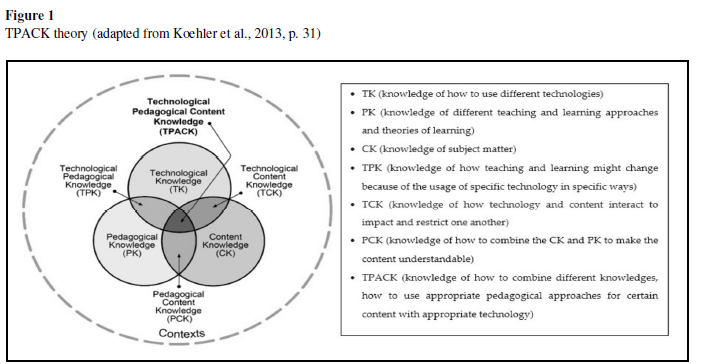
TPACKThe TPACK framework provides a comprehensive approach to understanding the intricate relationships between teachers' technology, pedagogy, and content knowledge in educational settings (Mishra & Koehler, 2006). In the past few years, TPACK has gained significant acceptance among researchers and teachers as a theory for understanding and improving the ability of both pre-service and in-service teachers to integrate technology into their teaching. This framework has been referenced in multiple education research studies.
Yang et al. (2021) examined associations between teachers' TPACK and their propensity to employ e-school bags in the classroom. Their study reported that teachers' TPACK significantly influenced their intentions to use the e-school bag in the school. Similarly, Wei's (2022) study reported that TPACK had a significant influence on elementary teachers' willingness to use technology. Supported by the findings of Zhang and Chen (2022), teachers' TPACK positively influenced their actual technology use. Thus, teachers' TPACK significantly influences their propensity to utilise technology in the classroom, suggesting that teachers with a higher level of TPACK are more inclined to incorporate technological tools into their teaching practices.
Although these studies were conducted in the context of social sciences, the authors have revealed that investing in developing and enhancing teachers' TPACK can lead to increased adoption and effective utilisation of technology in educational settings. Hence, this indigenisation paper anticipates exploring the complex connections between technology, pedagogy, and content knowledge in culturally diverse educational settings by using TPACK as one of the corresponding theoretical frameworks.
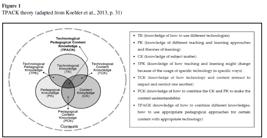
The TPACK framework (see Figure 1) comprises the first three primary constructs referred to as technological knowledge (TK)-and, specifically, mathematics-content knowledge (M-CK)-content knowledge (CK)-specifically, content knowledge & Indigenous local knowledge systems (CK-ILKS)-and pedagogical knowledge (PK). And the amalgamation of the three sub-constructs, namely, technological content knowledge (TCK), pedagogical content knowledge (PCK), and technological pedagogical knowledge (TPK), respectively (Mishra & Koehler, 2006; Madimabe et al., 2022). All these constructs contributed in a unique and important aspect to the indigenisation of mathematics by supporting the findings on how to make the process of more inclusive, relevant, and culturally responsive.
TAM
The second theoretical pillar, the TAM, is a widely acknowledged theoretical framework across various fields, encompassing education, business, and online learning. Recent research by Al-Adwan et al. (2023) highlighted TAM's effectiveness in understanding individuals' perceptions toward technology integration in educational settings. Additionally, Sadeck (2022) and Weilage and Stumpfegger (2022) emphasised TAM's pivotal role in comprehending technology acceptance and usage, especially in teaching and online education. Moreover, Dash et al. (2023) underscored the relevance of evaluating TAM within organisational digital transformations. Given its adaptable nature and wide-ranging applicability across different contexts, these studies collectively bolster the rationale for adopting TAM as a theoretical framework.
In the context of curriculum transformation of secondary school mathematics pedagogy, TAM offers a structured framework to explore how teachers perceive and embrace technology in the teaching process. Moreover, TAM's consideration of external variables and its ability to accommodate diverse demographic groups align well with the multidimensional nature of curriculum transformation. Therefore, integrating TAM into the study provides a probable theoretical foundation for exploring the successful integration of IKS and technology in secondary school mathematics pedagogy for an indigenised educational outcome.
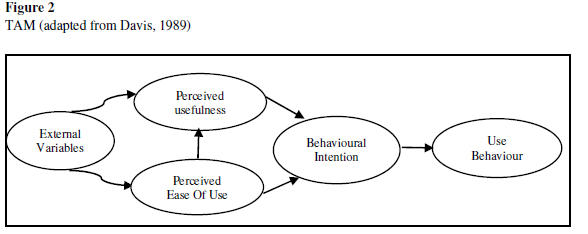
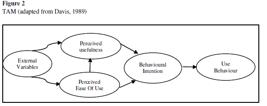
According to Mapisa and Makena (2024), TAM emphasises instructors' behavioural intentions (BI) to utilise technology (see Figure 2), shaped by their beliefs about technology and influenced by other external factors. These beliefs, also referred to as constructs of TAM, consist of the perceived usefulness (PU) and the perceived ease of use of technology (PEOU) (Li et al., 2023). These beliefs are central to understanding how teachers' acceptance of technology can facilitate the integration of IKS and digital tools to achieve transformative, contextually grounded mathematics pedagogy. Drawing from the exploration of previous studies. The following hypotheses (H) were proposed:
H1: There is a significant relationship between teachers' demographic characteristics and the extent to which they integrate IKS and technology into mathematics pedagogy.
H2: Teachers who use technology more frequently are more likely to integrate technology into mathematics pedagogy.
H3: Teachers with larger class sizes are less likely to effectively integrate IKS and technology into mathematics pedagogy due to increased challenges.
H4: Teachers with higher levels of TPACK and more positive perceptions are more likely to integrate IKS and technology into mathematics pedagogy.
Research methodology
Research design
Guided by the research questions and the hypotheses of this study, a quantitative research methodology was adopted, situated within a positivist paradigm. This methodological and philosophical stance aligned with the researchers' intention to objectively examine mathematics teachers' perceptions, experiences, and practices regarding the integration of technology and the indigenisation of mathematics pedagogy for curriculum transformation in the Eastern Cape. The positivist paradigm, embedded in rationalist and empiricist traditions, emphasises objectivity, measurement, and empirical verification (Bayaga, 2022; Taylor, 2014). It assumes that external realities can be systematically observed, measured, and interpreted to identify patterns and relationships that inform educational practice.
Respondents of the study
The population for this study comprised the secondary school mathematics teachers offering mathematics from Grades 8-12 in the Alfred Nzo District, Matatiele Local Municipality, Eastern Cape. The study employed total purposive sampling to ensure comprehensive representation of the sample, from schools ranging from Quintiles 1-3, in the region.
Data collection
Data collection was achieved through a two-sectioned instrument (questionnaire) in a format of closed-ended questions. It comprised Sections A and B whereby Section A explored teachers' demographic, and Section B explored teachers' perceptions and experiences on the integration of IKS and technology, guided by the constructs of the dual-theoretical framework underpinning the study. The constructs in Section B were assessed using two types of Likert scales:
A 4-options Likert-type scale of 4 = Always, 3 = Often, 2 = Partially, 1 = Never.
A 2-options Likert-type scale of 1 = Yes, and 2 = No.
The 4-options scale ensured the level and frequency of experiences and perceptions of teachers, without being neutral, and the 2-options scale was applied when a yes/no determination was clear. Both scales were thus equated to the epistemic nature of the construct under measurement.
Validity and reliability of the instrument
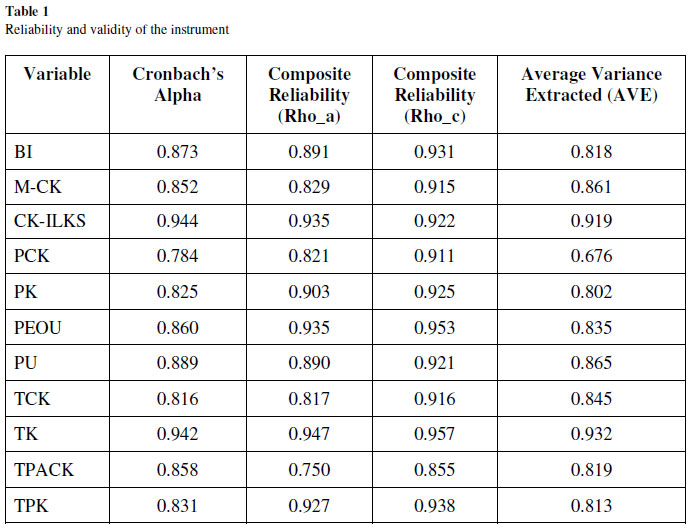
Expert review and correspondence to the theoretical framework of the study and its research objectives ensured instrument validity. Subject experts with experience in the design of research instruments reviewed the questionnaire, and their feedback was used to refine and adapt the instrument. Reliability was determined by pilot testing and internal consistency testing using Cronbach alpha coefficients where all the constructs had acceptable reliability, (see Table 1).
Data collection process
The data were collected was within a period of six weeks during June and July 2024. One hundred and thirty-one pre-questionnaires were handed physically to mathematics teachers in the Matatiele Local Municipality secondary schools. Questionnaires that contained large amounts of missing data were discarded to make the data healthy, resulting in 95 satisfactorily completed questionnaires for the final analysis.
Data analysis
Data analysis was conducted through descriptive and inferential statistics, which enabled the testing of hypothesised relationships among constructs and provided insights into teachers' perceptions of Indigenous knowledge and its integration into mathematics pedagogy. We summarised the demographic data of the respondents with the help of such descriptive statistics as frequencies, percentages, means, and standard deviations to demonstrate the distribution of the study variables. Inferential statistics were employed to respond to the research questions and test the hypotheses, based on measurement and the dispersion of data. These included independent-sample t-tests, and the overall descriptive statistics and psychometric properties of this study were selected to determine the difference in the different groups and to examine the relationship between the main constructs. Our analysis was performed using IBM SPSS Statistics (Version 30) in all the analyses and we established the level of statistical significance to be p < 0.05. Ethical standards were rigorously upheld throughout the research process to protect respondents' rights, dignity, and overall well-being (Khan, 2024).
Results
Research Objective 1
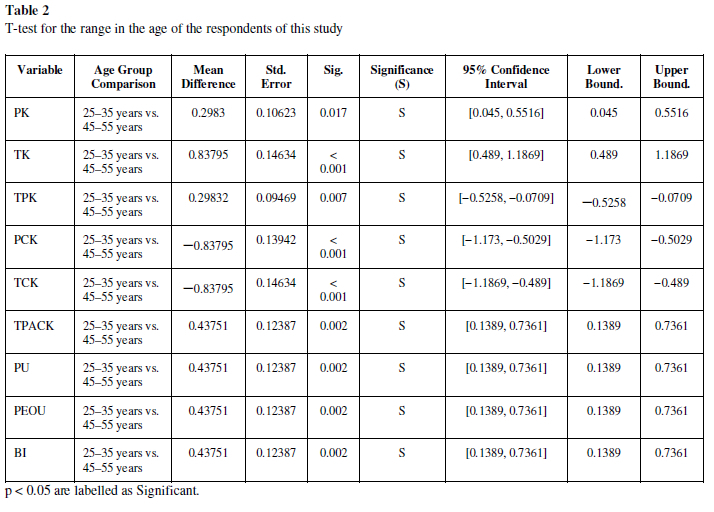
The first research objective was to explore the extent to which mathematics teachers' demographic characteristics impact the integration of IKS and technology into the mathematics pedagogy. Table 2 compares the mean scores of two age groups (25-35 years, and 45-55 years) across the study's constructs: PK, TK, TPK, PCK, TCK, TPACK, PU, PEOU, and BI. Statistically significant differences (p < 0.05) were used to determine meaningful variation between the groups.
Results show that teachers aged 25-35 years scored higher in PK (0.2983, p = 0.017), TK (0.83795, p < 0.001), and TPK (0.29832, p = 0.007), indicating stronger technological proficiency and better integration of technology with pedagogy among younger respondents. Conversely, teachers aged 45-55 years demonstrated significantly higher PCK and TCK scores (−0.83795, p < 0.001 for both), suggesting that more experienced teachers possess stronger content-focused pedagogical skills, likely shaped by their longer teaching experience. Younger teachers also scored higher on TPACK (0.43751, p = 0.002), as well as on PU, PEOU, and BI (all showing positive significant differences), reflecting more favourable perceptions toward technology and stronger intentions to integrate it in mathematics teaching.
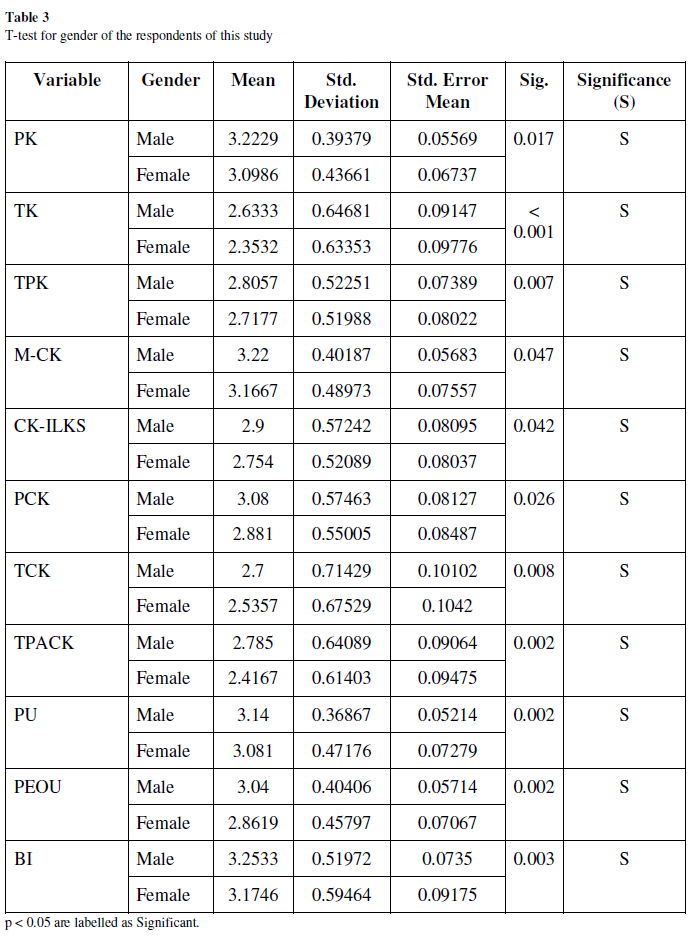
Table 3 presents the results of independent t-tests conducted to determine whether male and female teachers differ significantly across the study's constructs. A p-value of less than 0.05 was used to indicate a statistically significant difference.
The results show that male teachers scored slightly higher than females on PK (3.2229 vs. 3.0986), TK (2.6333 vs. 2.3532), and TPK (2.8057 vs. 2.7177), with all differences statistically significant. A similar pattern is observed in M-CK, where males marginally out-performed females (3.22 vs. 3.1667), as well as in CK-ILKS (2.9 vs. 2.754).
Male teachers also demonstrated higher scores on PCK (3.08 vs. 2.881) and TCK (2.70 vs. 2.5357), with significant differences in both constructs. The trend continues for TPACK, where males again scored higher (2.785 vs. 2.4167). In terms of technology acceptance variables, males recorded slightly higher mean scores for PU (3.14 vs. 3.081), PEOU (3.04 vs. 2.8619), and BI (3.2533 vs. 3.1746), all of which were statistically significant.
Research Objective 2
The second research objective was to explore mathematics teachers' insights on how the usage of technology impacts the integration of technology into the mathematics pedagogy, and how these insights vary according to teachers' qualifications.
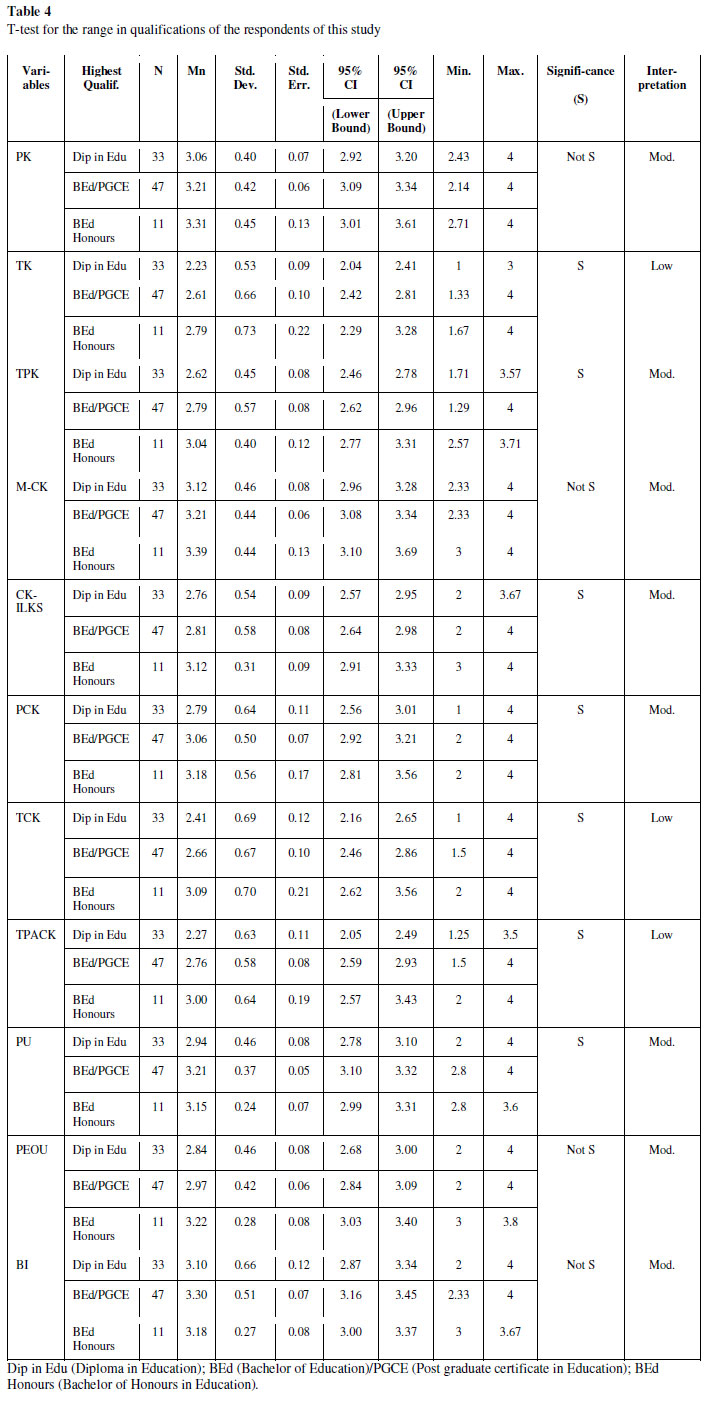
Table 4 presents the descriptive statistics of the study constructs among the highest qualification of the respondents (Diploma in Education, BEd./PGCE, and BEd. Honours). The level of qualification has been used as a significant tool of analysis to learn the perspectives of mathematics teachers on how the use of technology can impact pedagogic integration. The results show consistent patterns across the constructs, with respondents holding higher qualifications reporting stronger pedagogical, technological, and integration-related competencies. This tendency shows that increased qualification levels have the potential to enable teachers to go beyond technical application of digital tools into meaningful integration of technology into mathematics classrooms, whereby the technology would be correlated with mathematical content, learners' conceptual understandings, and instructional purpose instead of seeing technology as complex.
Evident to the claim above is depicted as follows: data on the PK of diploma holders recorded the lowest mean score (3.06), followed by BEd./PGCE respondents (3.21) and BEd. Honours respondents (3.31). This upward trend suggests that pedagogical knowledge strengthens with advanced qualifications. A similar pattern is seen in TK, where diploma holders scored 2.23, compared to 2.61 for BEd./PGCE and 2.79 for BEd. Honours respondents, indicating that technological proficiency increases with higher academic training.
TPK scores also rose across qualification levels (2.62, 2.79, and 3.04, respectively), demonstrating improved ability to integrate technology and pedagogy among more highly qualified respondents. The trend is particularly pronounced in M-CK, where BEd. Honours respondents had the highest mean score (3.39), suggesting deeper content knowledge among those with postgraduate qualifications.
For constructs related to IKS, such as CK-ILKS, the highest scores were again recorded in the BEd. Honours group (3.12), indicating stronger familiarity with content knowledge linked to local cultural contexts. This pattern continued across TPACK, PU, and PEOU, where respondents with honours degrees consistently demonstrated more positive perceptions of technology integration.
Regarding behavioural constructs, BI scores were higher among BEd./PGCE and BEd. Honours respondents, with the highest mean observed in the Honours group (3.18). This suggests that advanced qualifications are associated with stronger intentions to adopt technology-enabled and culturally responsive pedagogical approaches.
Research Objective 3
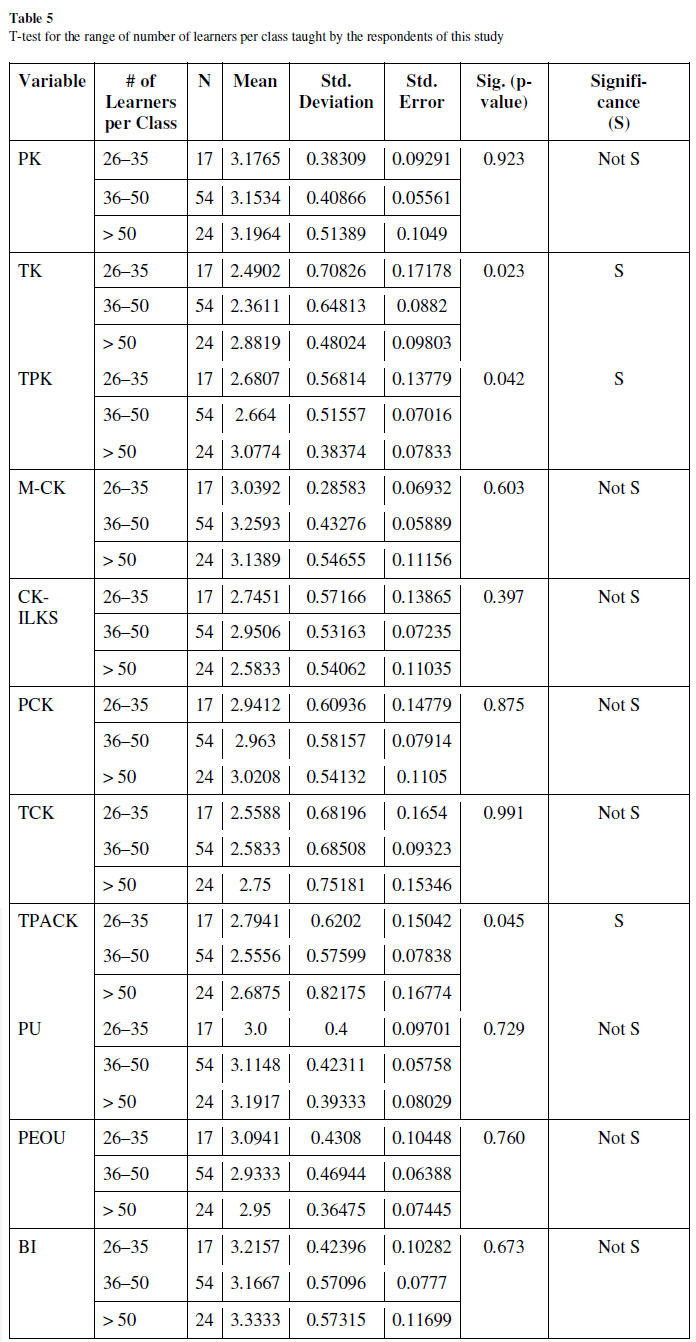
This research objective was to explore the role of class sizes encountered by rural mathematics teachers regarding the integration of IKS and technology into the mathematics pedagogy. Table 5 compares mean scores for the study's constructs across three class-size categories: 26-35 learners, 36-50 learners, and more than 50 learners. Although variations in mean scores were observed, none of the differences was statistically significant, indicating that class size did not meaningfully influence teachers' perceptions of the constructs.
For PK, the scores were relatively similar across groups, with teachers in classes of 26-35 learners reporting the highest mean (3.18). This suggests a generally consistent perception of pedagogical competence regardless of class size. In TK and TPK, teachers managing classes with more than 50 learners recorded the highest means (2.88 and 3.08, respectively), which may indicate that teachers in larger classes rely more on technology and integrate it more actively to support instruction.
M-CK showed a higher mean among teachers with 26-35 learners (3.26), suggesting greater confidence in content knowledge when teaching moderately sized groups. CK-ILKS also peaked in this group (2.95), possibly reflecting more opportunities to incorporate IKS when class sizes are manageable.
PCK scores showed minimal variation across class sizes. For TCK and TPACK, teachers in larger classes again recorded slightly higher scores, suggesting that technology may serve as a tool to manage instructional complexity in overcrowded contexts.
Similarly, teachers handling more than 50 learners reported marginally higher perceptions of PU, PEOU, and BI, indicating that those teaching large groups may view technology as a useful and practical means to address classroom challenges. In contrast, IKS adoption was highest among teachers with smaller classes (mean = 3.31), suggesting that more intimate learning environments may provide better opportunities for contextualised and culturally responsive instruction.
Research Objective 4
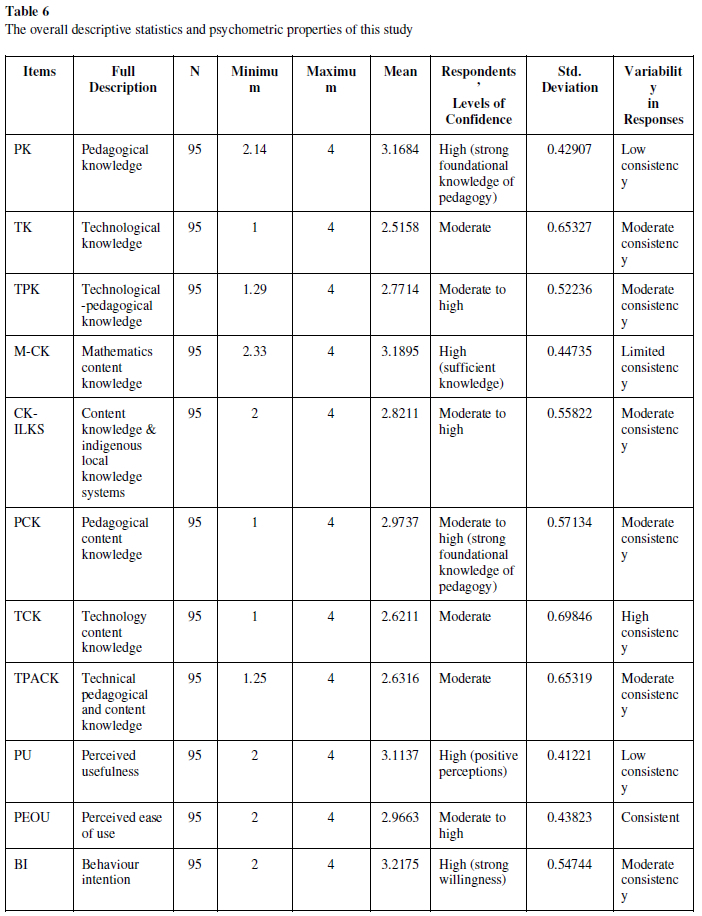
The fourth research objective was to determine the extent to which teachers' TPACK and perceptions impact the integration of IKS and technology into the mathematics pedagogy. Table 6 presents the descriptive statistics for all constructs measured on a 4-point Likert scale. The observed scores range between 1 and 4, with most minimum values falling slightly above 2, indicating generally positive perceptions across constructs. Variables such as TK, TCK, and PCK show lower minimum values, suggesting broader variation in teachers' technological and content-integration competencies.
The mean values show moderate to high levels of agreement across constructs. The highest means were recorded for BI (3.2175), M-CK (3.1895), and PK (3.1684), indicating strong behavioural intention toward using technology and IKS, as well as high confidence in pedagogical and content knowledge. In contrast, TK recorded the lowest mean (2.5158), suggesting comparatively weaker perceptions of technological competence among respondents. The standard deviations reveal differences in response variability. TCK shows the greatest variation (SD = 0.69846), suggesting substantial diversity in how teachers perceive their technological content knowledge. Other constructs show more moderate variability, indicating relatively consistent perceptions across respondents.
Discussion
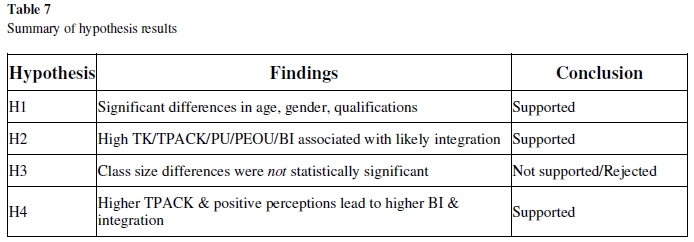
The results of this study highlight several important patterns in teachers' pedagogical, technological, and IKS-related competencies, extending and challenging prior empirical work, and are summarised in Table 7.
The generational divide revealed by the independent t-test aligns with Graham et al. (2021), who noted that South African mathematics teachers often possess limited technological fluency and frequently use digital tools in superficial or substitutional ways. In this study, younger teachers demonstrated significantly stronger technological competence and more positive attitudes toward technology, as evidenced by higher TK, TPK, TPACK, PU, PEOU, and BI scores. Conversely, older teachers displayed deeper content-based pedagogical expertise, particularly in PCK, TCK, and M-CK, which echoes Naidoo (2021) and Jojo (2024), who found that teachers grounded in contextual and content knowledge are better positioned to integrate local cultural practices into mathematics learning. These findings confirm Hypothesis 1, illustrating that demographic characteristics significantly shape teachers' readiness to integrate IKS and technology. They also suggest that professional development should strategically blend the technological strengths of younger teachers with the cultural and content expertise of older teachers.
Gender-based patterns reinforce this interpretation. Male respondents consistently scored slightly higher across pedagogical, technological, and integration-related constructs. Although the differences were modest, their consistency resonates with Bayaga et al. (2021), who reported persistent gender disparities in teachers' technological confidence and ICT readiness. These findings further support Hypothesis 1, highlighting the importance of gender-responsive professional development that ensures female teachers are equally empowered to participate in technologically mediated and culturally grounded curriculum transformation.
Class-size patterns, though descriptive, add nuance to debates on structural constraints in rural mathematics education. While higher BI and TPACK scores in larger classes and higher CK-ILKS and M-CK scores in smaller classes were observed, none was statistically significant. This stands in contrast to the long-held assumption that large class sizes hinder curriculum innovation. Instead, the findings align with Mutambara and Bayaga (2020), who argued that teachers often adapt creatively within constrained environments, using available technology to manage overcrowded classrooms. The absence of significant effects leads to the rejection of Hypothesis 3, signalling that class size may not be the decisive factor in IKS and technology integration. Rather, teacher agency, competence, and support appear to play a more central role.
The influence of qualifications presents one of the strongest trends in the dataset. Participants with higher qualifications, particularly those with a BEd. Honours, consistently demonstrated superior pedagogical, technological, and IKS-related competencies. These findings mirror Bray and Tangney (2017) and Kheswa and Matlala (2019), who emphasised the importance of advanced professional preparation in developing teachers' technological pedagogical content knowledge. They also resonate with Mawere et al. (2022) and Pete (2016) in affirming that meaningful curriculum transformation requires teachers who are epistemically grounded and capable of bridging formal mathematics with Indigenous ways of knowing. These results confirm Hypothesis 4 and underscore that higher qualifications cultivate the integrated competencies needed to reimagine mathematics instruction within rural, culturally rich contexts.
Finally, the descriptive statistics reinforce these broader patterns. High PK and M-CK scores indicate that teachers possess solid foundations in pedagogy and content knowledge, consistent with Van Orman et al. (2021), who argued that content mastery is a prerequisite for meaningful contextualisation. However, comparatively low TK and TCK scores echo national and provincial concerns raised by Bayaga et al. (2021) regarding teachers' uneven readiness for ICT integration, especially in historically disadvantaged contexts. Yet the strong PU and BI scores support Hypothesis 2, and suggest openness to technology adoption indicating a promising openness to change, aligning with de Jong (2019) and Mutambara & Bayaga (2020), who asserted that teacher attitudes are decisive in driving successful technology adoption. Crucially, technology in this study functions not merely as an instructional tool, but as a mediating mechanism for reimagining Indigenous mathematics through contextualisation, visualisation, and cultural representation. By empirically linking TPACK, TAM, and IKS, the study advances understanding of culturally responsive and decolonial mathematics pedagogy in rural South African contexts.
Taken together, these results show that mathematics curriculum transformation in rural Eastern Cape classrooms is not merely a function of technology availability or IKS resources but is fundamentally shaped by the interplay of teacher characteristics, perceptions, and integrated knowledge systems. The study reinforces the view advanced by Jojo (2024) and Naidoo (2021) that culturally responsive mathematics pedagogy must be both contextually grounded and technologically enabled. At the same time, it echoes Mawere et al. (2022) in affirming that authentic curriculum transformation requires teachers to challenge epistemic hierarchies and re-centre Indigenous ways of knowing within mathematics instruction.
Implications
The findings of this study reflect notable implications for teacher development and curriculum transformation in rural Eastern Cape mathematics classrooms. Demographic differences, particularly across age, gender, and qualification, show that teachers bring varied strengths to the task of integrating IKS and technology. The pronounced generational and qualification-based differences affirm that professional development cannot adopt a one-size-fits-all model. Younger teachers contribute technological fluency, while older teachers provide deep content and contextual knowledge; both are essential for meaningful pedagogical indigenisation.
Gender disparities further highlight the need for equitable, gender-responsive professional development. The absence of class-size effects indicates that transformation depends more on teacher readiness than structural constraints. The strong influence of TPACK, PU, and BI affirms that teachers' perceptions and confidence are central to advancing culturally grounded, technology-enhanced mathematics pedagogy.
Limitations
This study's conclusions are shaped by the limitations of self-reported data, which may not fully capture teachers' actual classroom practices in integrating IKS and technology. The regional focus on the Eastern Cape also limits broad generalisation, given the unique cultural and infrastructural dynamics of rural contexts. Future qualitative and mixed-method research would deepen understanding of how curriculum transformation is enacted in practice.
Recommendations
To advance curriculum transformation, professional development should intentionally blend technological training with the cultivation of cultural competence and IKS integration. Programmes should pair younger teachers' digital strengths with experienced teachers' content and contextual expertise. Gender-sensitive support is essential to ensure equal participation in innovation. Schools should establish collaborative learning communities were teachers co-design culturally relevant, technologically enriched mathematics lessons. It is essential that policymakers prioritise infrastructure, ongoing mentoring, and access to IKS resources to sustain transformative practice.
Conclusion
This study demonstrates that the process of mathematic curriculum change in the Eastern Cape rural classroom can influenced by the interplay between the technological, pedagogical, cultural, and professional abilities of the teachers and not on the structural dimensions of the classroom setting including the size of classes. Using the TPACK and TAM models, the results indicate that the willingness of teachers to integrate technology is based on the integrated knowledge system as well as their usefulness and ease of use beliefs.
Although the age, gender, and qualifications of teachers affect their technological competence and integration practices, the deep roots of pedagogy and content that are evident among the teachers give a good foundation for innovation. Positive inclinations towards technology and guidance of IKS among teachers show the willingness to practise in a way that is transformative, but the uneven technological competences highlight the importance of specific professional development that would enhance integrated TPACK implementation.
Notably, this research confirms that the process of curriculum change is largely an epistemic and cultural process rather than a technical process. Technology is presented as a mediating resource, which has the potential to aid the reimagining curriculum transformation of by connecting the abstract concepts to the cultural realities of learners. This empirical synthesis of TPACK, TAM, and IKS in a rural South African setting contributes to the discussion of decolonial and culturally responsive mathematics education and provides an idea about how the technology-enabled pedagogy can be used in a significant way to promote the indigenisation of mathematics curricula.
References
Literature review
- Al-Adwan, A. S., Li, N., Al-Adwan, A., Abbasi, G. A., Albelbisi, N. A., & Habibi, A. (2023). Extending the technology acceptance model (TAM) to Predict University Students' intentions to use metaverse-based learning platforms. Education and Information Technologies, 28(11), 15381-15413. https://doi.org/10.1007/s10639-023-11816-3
- Bayaga, A. (2022). Examining the predictive relevance of security, privacy risk factors, and institutional logics for e-government service adoption. The Electronic Journal of Information Systems in Developing Countries, 88(1). e12201. https://doi.org/10.1002/isd2.12201
- Bayaga, A., Bossé, M. J., Sevier, J., Fountain, C., Williams, D., Bosire, S., & Blignaut, S. (2021). University faculty opinions of preservice teachers' technological readiness. Canadian Journal of Science, Mathematics and Technology Education, 21(1), 44-64. https://doi.org/10.1007/s42330-021-00138-6
- Bray, A., & Tangney, B. (2017). Technology usage in mathematics education research-A systematic review of recent trends. Computers & Education, 114, 255-273. https://doi.org/10.1016/j.compedu.2017.07.004
- Dash, B., Sharma, P., & Swayamsiddha, S. (2023). Organizational digital transformations and the importance of assessing theoretical frameworks such as TAM, TTF, and UTAUT: A review. International Journal of Advanced Computer Science and Applications, 14(2). https://doi.org/10.14569/IJACSA.2023.0140201
- Davis, F. D. (1989). Perceived usefulness, perceived ease of use, and user acceptance of information technology. MIS Quarterly, 13, 319-340. https://doi.org/10.2307/249008
- de Jong, T., Gillet, D., Rodríguez-Triana, M. J., Hovardas, T., Dikke, D., Doran, R., Olga Dziabenko, Koslowsky, J., Korventausta, M., Law, E., Pedaste, M., Tasiopoulou, E., Vidal, G., & Zacharia, Z. C. (2021). Understanding teacher design practices for digital inquiry-based science learning: The case of Go-Lab. Educational Technology Research and Development, 69(2), 417-444. https://doi.org/10.1007/s11423-020-09904-z
- Gijsbers, D., de Putter-Smits, L., & Pepin, B. (2020). Changing learners' beliefs about the relevance of mathematics in an advanced secondary mathematics class. International Journal of Mathematical Education in Science and Technology, 51(1), 87-102. https://doi.org/10.1080/0020739X.2019.1682698
- Graham, M. A., Stols, G. H., & Kapp, R. (2021). Integrating classroom technology: South African mathematics teachers. Computers in the Schools, 38(3), 189-213. https://doi.org/10.1080/07380569.2021.1953951
- Jita, L., & Badmus, O. (2025). Understanding the landscape of mathematics teachers' professional development in South Africa: A review of literature. Prometeica: Revista de Filosofía y Ciencias. https://doi.org/10.34024/prometeica.2025.32.16367
- Khan, N. (2024). Research ethics in education and training. In R. K. Kushwaha, P. K. Yadav, J. Sonker, & A. Devi (Eds.), Ethical frameworks in special education: A guide for researchers (Vol. 2, pp. 79-95). Bluerose.
- Kheswa, S. E., & Matlala, M. E. (2019). The perceived usefulness of the Internet to high school learners in Makhuduthamaga Local Municipality, Limpopo province, South Africa. South African Journal of Information Management, 21(1), 1-8. https://hdl.handle.net/10520/EJC-1d06c5a408
- Koehler, M. J., Mishra, P., Akcaoglu, M., & Rosenberg, J. M. (2013). The technological pedagogical content knowledge framework for teachers and teacher educators. Michigan State University. https://www.matt-koehler.com/publications/Koehler_et_al_2013.pdf
- Lubis, M., Fatmawati, E., Pratiwi, E., Sabtohadi, J., & Damayanto, A. (2022). Understanding curriculum transformation towards educational innovation in the era of all-digital technology. Nazhruna: Jurnal Pendidikan Islam, 5(1), 526-542. https://doi.org/10.31538/nzh.v5i2.2110
- Mapisa, B., & Makena, B. (2024). The impact of ICT adoption in enhancing teaching and learning in primary schools of Amathole East District, Eastern Cape. Research in Social Sciences and Technology, 9(1), 213-231. https://doi.org/10.46303/ressat.2024.12
- Mawere, J., Lee, K. S., & Tshamano, W. (2022). Curriculum transformation in South Africa: An Indigenous knowledge systems perspective. Journal of African Education. https://doi.org/10.31920/2633-2930/2022/v3n3a1
- Mishra, P., & Koehler, M. J. (2006). Technological pedagogical content knowledge: A new framework for teacher knowledge. Teachers College Record, 108(6), 1017-1054. https://doi.org/10.1111/j.1467-9620.2006.00684.x
- Motseki, P., & Jojo, Z. (2025). Teachers' perceptions on the use of ChatGPT in teaching Grade 12 mathematics. Journal of Education, 99, 122-141. https://doi.org/10.17159/2520-9868/i99a07
- Mudaly, V. (2018). Decolonising the mind: Mathematics teachers explore possibilities for indigenising the school curriculum, Mathematics and Computer Science Cluster, School of Education, University of KwaZulu-Natal, Durban, South Africa, Journal of Education, 74, 68-83. http://dx.doi.org/10.17159/2520-9868/i74a05
- Naidoo, J. (2021). Integrating Indigenous knowledge and culturally based activities in South African mathematics classrooms. African Journal of Teacher Education. https://doi.org/10.21083/ajote.v10i2.6686
- Nqabeni, N., & Buka, A. M. (2023). Post Covid-19: Exploring the decolonisation factor in a mathematics classroom in South African schools. E-Journal of Humanities, Arts and Social Sciences, 4(3), 287-299. https://doi.org/10.38159/ehass.2023439
- Pete, S. (2016). 100 Ways: Indigenizing & decolonizing academic programs. Aboriginal Policy Studies, 6(1). https://doi.org/10.5663/aps.v6i1.27455
- Pratiwi, S. A., & Prastitasari, H. (2024). Improving the activities and learning outcomes of mathematics content students using the chief model in Class V. International Journal of Multilingual Education and Applied Linguistics, 1(3), 110-117. https://doi.org/10.61132/ijmeal.v1i3.74
- Sadeck, O. (2022). Technology adoption model: Is use/non-use a case of technological affordances or psychological disposition or pedagogical reasoning in the context of teaching during the Covid-19 pandemic period? Frontiers in Education, 7, 906195. https://www.frontiersin.org/journals/education/articles/10.3389/feduc.2022.906195/full
- Taylor, P. C. (2014). Contemporary qualitative research: Toward an integral research perspective. In N. G. Lederman & S. K. Abell (Eds.), Handbook of research on science education (Vol. 2, pp. 38-54). Routledge.
- Van Orman, D. S. J., Ardasheva, Y., Carbonneau, K. J., & Firestone, J. B. (2021). Examining the impacts of extended vocabulary instruction in mixed-English-proficiency science classrooms. Journal of Educational Research, 114(1), 74-88. https://doi.org/10.1080/00220671.2021.1881754
- Wei, L. (2022). Translanguaging as a political stance: Implications for English language education. ELT journal, 76(2), 172-182. https://doi.org/10.1093/elt/ccab083
- Weilage, C., & Stumpfegger, E. (2022). Technology acceptance by university lecturers: A reflection on the future of online and hybrid teaching. On the Horizon: The International Journal of Learning Futures, 30(2), 112-121. https://doi.org/10.1108/OTH-09-2021-0110
- Yang, J., Wang, Q., Wang, J., Huang, M., & Ma, Y. (2021). A study of K-12 teachers' TPACK on the technology acceptance of E-schoolbag. Interactive Learning Environments, 29(7), 1062-1075. https://doi.org/10.1080/10494820.2019.1627560
- Zhang, M., & Chen, S. (2022). Modeling dichotomous technology use among university EFL teachers in China: The roles of TPACK, affective and evaluative attitudes towards technology. Cogent Education, 9(1). https://doi.org/10.1080/2331186X.2021.2013396
Accepted: 13 February 2026