Mobile knowings: Balancing spatial inequities in South African higher education
Abstract
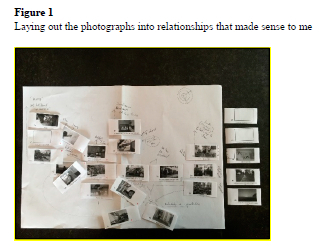
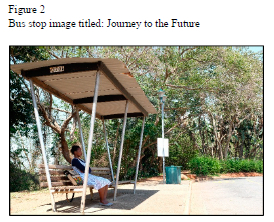
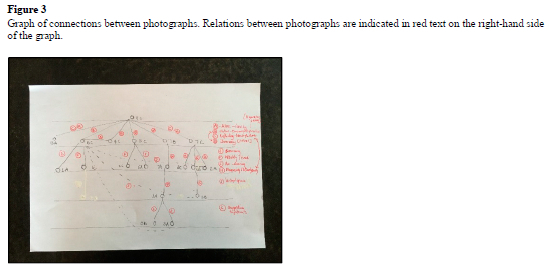
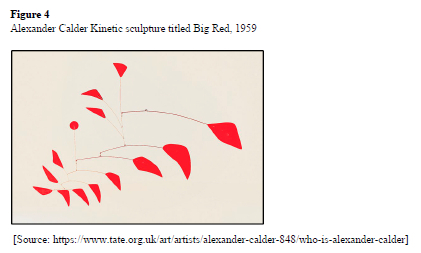
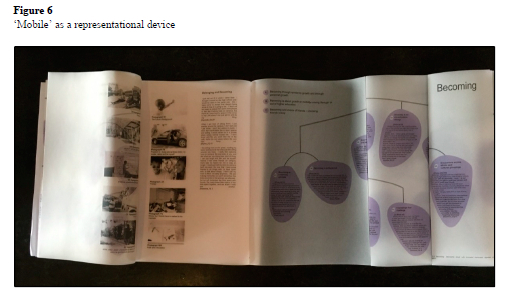
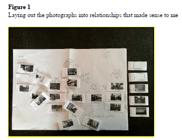
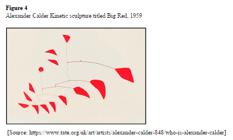
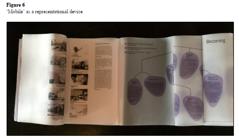
In this paper, I explore students' knowledge of informal spaces in higher education in post-apartheid South Africa. Drawing on Alexander Calder's kinetic mobiles as both an analytical tool and a visual metaphor, I reveal how students continually rebalance between external forces, such as family expectations, institutional structures and finances, and their own internal equilibrium of aspirations and desires. Findings from an arts-based enquiry, including student-co-produced photographs, imaginative mapping, and exhibitions, were analysed through the mobile metaphor into paired couplets suspended on the mobile's branches. Students' voices hang like leaves on these branches, revealing tensions between practices of immobilising and mobilising, controlling and freeing, studying and planning, reflecting and dreaming, and belonging and becoming. Inequality is not just inscribed in space. It emerges through how students must constantly rebalance these entangled forces. Background (past socioeconomic contexts, family expectations), foreground (aspirations and desires), and present campus realities all act simultaneously. This framework allowed me to advance spatial justice theory by showing how interventions must address configurations of entangled forces rather than isolated elements, thus offering systemic insights for reimagining South African universities that better support diverse student journeys.
arts-based methods; Higher Education; spatial justice; visual metaphor
 Thumbnail
 Thumbnail
 Thumbnail
 Thumbnail
 Thumbnail