Development of a public road works contract management framework for the Zambian construction industry
Abstract
It is critical that the funds allocated towards public road infrastructure are utilized prudently to achieve value for money whilst meeting project objectives. Therefore, contracts which facilitate the attainment of significant value are utilized. However, these contracts are seldom reviewed. Furthermore, ineffective Contract Management is a frequent occurrence in Zambia. In view of the foregoing, the aim of this study was to develop a Public Road Contract Management framework for the Zambian Construction Industry (ZCI). The study adopted a sequential exploratory research design to identify and determine the associated challenges and critical success factors (CSFs), respectively, throughout the Contract Management cycle in the ZCI. This was achieved by ranking the challenges and CSFs based on the data collected through questionnaire surveys from 92 respondents. The major challenges in each phase of the cycle viz. Initiation, Planning/Procurement, Implementation/Administration, Monitoring & Control and Closure were that viability of strategic plans is affected by political regime changes, failure to allocate the contract with the required budget, lengthy payment processes, delay in payments for satisfactory performance and lack of reviews to document lessons learnt and best practices, respectively. The top CSFs in each phase were preparation of comprehensive feasibility studies; allocating the contract with the required budget; adequate funding during implementation; monitoring being carried out by qualified, competent, and experienced personnel; and enhanced record keeping, respectively. Statistical analysis of the data using the Spearman correlation coefficient showed that there was a strong positive relation between Contract Administration/ Implementation, and Monitoring and Control. The developed framework is expected to facilitate timely completion of roadworks that are executed to the desired quality at the budgeted cost and thereby achieve successful Public Road Works Contract Management.
Contract Management; CSF; Public Road Works; Zambian Construction Industry
1. INTRODUCTION
During the project lifecycle, Contract Management (CM), as the core business of enterprises, is complex and has a profound influence on project schedule, cost, and risk control (Chen et al., 2019). Furthermore, according to Gunduz and Elsherbeny (2020), effective Construction Contract Administration (CCA) is a core competency for the management of construction projects.
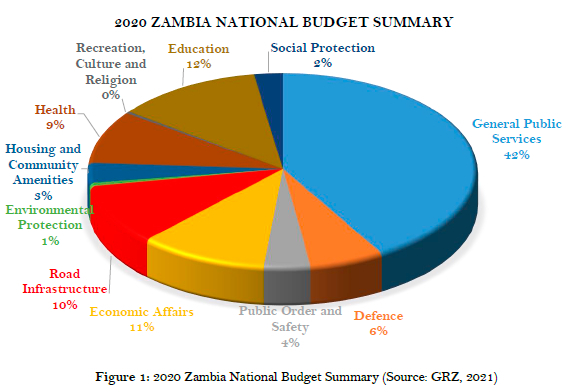
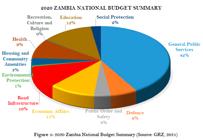
Public road infrastructure has constituted an average of 9.62 percent of the Zambian annual budget over the period from 2017 to 2022, albeit with a somewhat declining allocation. The allocations to public road infrastructure have predominantly exceeded those to other sectors such as Defence, Public Order and Safety, Environmental Protection, Housing and Community Amenities, Social Protection and in some cases, Health (GRZ, 2017; GRZ, 2018, and GRZ, 2020). Figure 1 shows a summary of the 2020 Zambia National Budget and the associated allocations.
Muya et al., (2013) recommended that appropriate project management practices were required to curb the causes and effects of cost escalation and schedule delays in road construction projects.
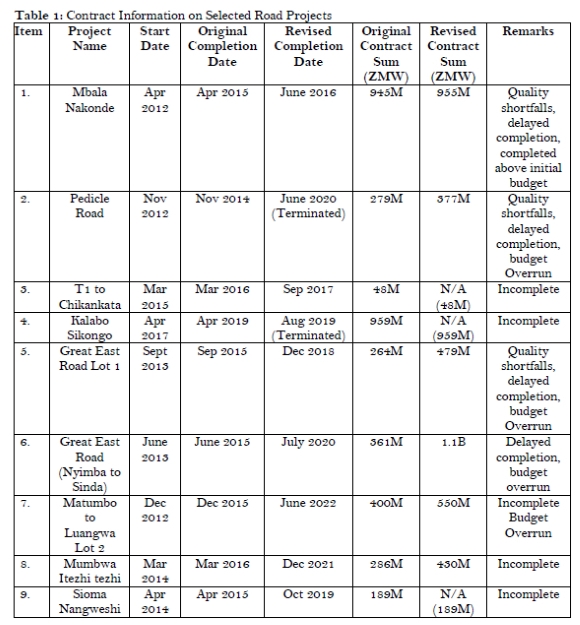
Several documents such as the Public Finance Management Act No. 1 of 2018 and the Public Procurement Act No. 8 of 2020 provide for revision of "...institutional and regulatory framework for management of public finds..." and "...the law relating to procurement so as to enhance transparency, efficiency, effectiveness, economy, value for money, competition and accountability in public procurement...", respectively (GRZ, 2018; GRZ, 2020). Notwithstanding, the contents of these documents, and others that may provide regulatory framework to an extent, are not exclusive to public road Contract Management. As such, they are not specifically drafted to address the associated shortcomings and challenges are accordingly experienced during Contract Management as shown in Table 1.
Consequently, the aim of this study was to to develop a Public Road Contract Management framework for utilization in the Zambian Construction Industry. The specific objectives of this research were to:
a) Identify the challenges in implementation of Road Contract Management in Zambia;
b) Determine critical success factors in relation to the Zambian Context; and
c) Validate the CSFs for Public Road Contract Management in Zambia.
To conduct this research, the methodology adopted comprised carrying out an overview of research paradigms and research methods utilized by researchers across the world.
Based on the knowledge acquired, this study adopted a sequential exploratory mixed method research approach which was carried out through an extensive literature review as a secondary data collection method. This method relied upon a combination of, inter alia, exploratory, descriptive, document analysis and classification research methods.
Subsequently, quantitative cross-sectional survey questionnaires were issued to respondents who were stratified and sampled purposively to collect primary research data.
The results of the analysis carried out utilizing statistical means formed the basis for the development of the public road works contract management framework for the Zambian construction industry. The framework was then validated through a technique, based on the Delphi approach, which comprised the first round of issuance of a questionnaire followed by a round of semi-structured interviews with the validation respondents to facilitate constructive/ prescriptive research findings.
The following were limitations of the study:
a) The study was limited to contracts entered into on public road construction projects in Zambia. As such, the findings may not be applicable to contracts on private road projects; and
b) The study was conducted taking into consideration a sample of respondents that were actively engaged on ongoing major construction, upgrading and rehabilitation contracts. A wider sample may be required to facilitate further external validity, in addition to the validation carried out in this study.
The beneficiaries of the research were predominantly the general public in Zambia, and more specifically, taxpayers, the public sector involved in road construction such as Government ministries and their agencies as well as local authorities. The various stakeholders stand to benefit from this study through the cost and time savings as well as improved quality of public roads. The formulation and implementation of the framework was further expected to increase investor confidence in the Zambian road construction industry thereby improve financing relations and conditions of financing agreements.
Contracts can provide significant value, and yet ineffective Contract Management (CM) frequently leads to disputes. In practice, standard forms of contracts are hardly reviewed, and Contract Management is limited (Wang et al., 2019).
The notion of project success criteria is one of the few topics in the field of project management that is so frequently discussed and yet so rarely agreed upon (Han et al., 2012; Akal et al., 2016). Depending on their roles, project participants have varying interests in any given construction project, but they must agree, in principle, on project objectives and certain key critical factors that can help to achieve those objectives. As such, despite the lack of consensus in the overall Critical Success Factor (CSF) rankings, Hwang and Lim (2013) found that some of the highest-rated CSFs like adequacy of plans and specifications, realistic and clear objectives and scope are considered important internationally regardless of project objectives because they are central to a project's success.
In China, Wang et al. (2019) proposed a construction Contract Management process framework, a 19-step benchmarking model for Contract Management and a construction planning checklist is proposed. In Africa, and Uganda in particular, Oluka and Basheka (2014) postulated that significant predictors of determinants for effective contract management were: clear definition of the processes and having in place contract management plans, appropriate methods of capturing key lessons from contract management process, accurate definition of roles and having a knowledgeable Contract Manager.
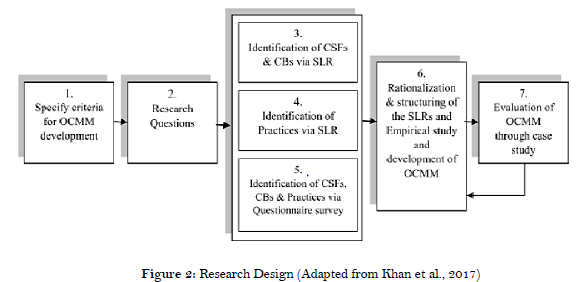
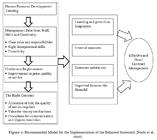
In Zambia, the model shown in Figure 2 was proposed to facilitate effective and good CM in public administration. However, one specific to road Contract Management is required.
An extensive literature review provided input into the survey questionnaire variables for the challenges and CSFs.
The different stages of the contract lifecycle cannot be considered in isolation. Every step of the cycle provides input into the next step. Problems that may occur in one step of the process can only be understood if what happened in the previous stages is understood (Van Weele and Van Der Puil, 2013; Bellec and Cottard, 2016; Onalaja et al., 2018). Each respective project should use a stage-gate approach to make certain that projects do not proceed to the next stage without key deliverables being satisfactorily completed. The use of predefined risk-register templates enables this to be implemented smoothly (Beckers et al. 2013).
The National Contract Management Association (NCMA) have developed the Contract Management Body of Knowledge (CMBOK) and a Contract Management System (CMS). It was noted that there was a limited amount of literature pertaining to existing contract management frameworks. Further, considering that contracts are invariably necessitated to meet project objectives, a review of project management frameworks was also undertaken. In this regard, the Project Management Body of Knowledge (PMBoK) was found to be a fundamental resource for effective project management in any industry (PMI, 2021) and is the most comprehensive available standard (Ghosh et al., 2012).
The PMBoK guide and "The Standard for Project Management" are recommended references for tailoring, because these standard documents identify the subset of the project management body of knowledge that is generally recognized as good practice (PMBoK, 2017). The processes identified in the PMBOK framework (PMI, 2017) are organized in process groups and knowledge areas. The process groups are: Initiating; Planning; Executing; Monitoring and Controlling; and Closing (Takagi and Varajão, 2020). These process groups were adopted in the development of the CM framework.
3. RESEARCH METHODOLOGY
Sahin and Öztürk (2019) highlight that mixed-method research advances the utilization of both quantitative and qualitative research methods in a blended manner and adopting a pragmatist perspective if the research problem calls for this. The mixed method avers that in-depth and richer answers can be discovered pertaining to the research questions than when either the quantitative or qualitative research method is solely applied. This study accordingly adopted a mixed method research approach.
In view of the need to explore the Contract Management phenomenon by firstly identifying themes and variables, the sequential exploratory design was adopted as it is more suited for this purpose. The design was carried out through use of narrative/grounded theory qualitative methods followed by exploratory quantitative surveys.
The methods adopted during this research were a blend of exploratory and document analysis during the desk study extensive literature review and cross-sectional survey research in the data collection phase. After this, a constructive and prescriptive approach was taken to develop and validate the framework through a Delphi technique that comprised the issuance of validation questionnaires as a first round and conducting semi-structured interviews as the second round. Sourani and Sohail (2015) point out that this method is not common particularly in Construction Management research, the field in which this study pertains. Nonetheless, they argue that its limited use is not due to lack of appropriateness but more to do with limited awareness, absence of clear guidance in literature on how it is to be utilized and variants to its implementation. Kermanshachi et al. (2020) concur with this position.
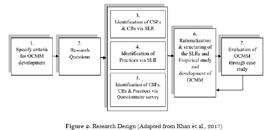
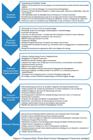
The research design utilized is adapted from similar studies such as that by Khan et al. (2017) shown in Figure 5. Steps 1 through 6 were carried out accordingly. However, step 7: evaluation, was carried out through validation questionnaires and semi-structured interviews in lieu of a case study. This was to facilitate requisite input from relevant experts to validate the framework based on their experiences on various contracts that would provide arguably more contemporary findings.
Secondary data collection was carried out from sources such as inter alia, books, journal articles, conference proceedings, Government/ Institution publications, and selected websites.
Primary data collection was conducted by cross-sectional questionnaire surveys and semi-structured interviews.
The study area was the Country of Zambia but limited to the sectors involved in Works Contract Implementation of Public Roads, predominantly in Lusaka Province. The study targeted skilled technocrats that are involved in the day-to-day management of Works Contract implementation of Public Roads predominantly in Lusaka Province. These were primarily employed by regulatory institutions, Financiers, Clients, Consultants, and Contractors. For Contractors and Consultants, the number considered was for the principals of the organizations and their respective Site representatives on actively ongoing projects. The population sample size was estimated at 161 samples.
According to Rugg, (2004), a sample size of at least 50 is ideal for survey studies. However, similar studies, by Nsefu et al., 2020, for instance, adopted the Cochran model shown in Equation 1 for sample size calculation to arrive at the appropriate sample size. This was accordingly adopted in this study.

Where: N = population size; e = Margin of error (5 % in decimal form); z = z-score; p was the non-response rate at 10% from the sample population. The sample population in this study was estimated at 161. Therefore, with N = 161; e = 0.05; z = 1.96; p = 0.1 and utilizing the Cochran model, a minimum of 114 respondents were earmarked to participate in the study.
A staged sampling approach was adopted. Firstly, for purposes of mitigating against bias and in an endeavor to facilitate representation of the pertinent sub-groups, stratified random sampling was adopted to segregate the various interest groups involved in the subject area during the primary data collection phase. Nevertheless, the stratification was disproportionate.
Subsequently, in order to gain valuable and meaningful data that represented the updated views of road Contract Management practitioners who were the best-fit participants, total population purposive sampling of the disproportionate sub-groups was carried out. Rai et al. (2015) state that total population sampling is a type of purposive sampling technique where one opts to examine the entire population that have a particular set of characteristics, like exposure to an event. According to Garg (2016), the inclusion criteria identify the study population in a consistent, reliable, uniform and objective manner.
The questionnaire was accordingly issued to 131 practitioners who are employed by Contractors, Consultants, Client/ Client Representative, Financiers, and a Regulatory Body. Seventy-eight complete responses and 14 partial responses, totaling 92, were received indicating a response rate of 70 percent. The response rate is based on total responses considering that the questionnaire took into consideration the fact that some respondents would not be conversant with all the process groups. Furthermore, the data collected would be subjected to a validation process. According to Johnson and Wislar (2012), there is no scientifically proven minimum acceptable response rate. Nevertheless, they assert that a response rate of 60% has generally been used as the threshold of acceptability. As such, the response rate of 70% in this study is considered acceptable.
The survey questionnaire was structured to yield a Likert rating scale of 1 to 5 for the factors being investigated with 1 indicating strong disagreement and 5 representing strong agreement to the challenges and CSFs, respectively. This was carried out with a view to deriving the mean values and carrying out statistical tests such as the Spearman's correlation and Analysis of Variance (ANOVA) (Joshi et al., 2015).
The tools utilized for data analysis consisted of the Surveymonkey analysis tool, Microsoft Statistical Package for Social Scientists (SPSS) and Excel to obtain the weighted average of each variable (Herreid et al., 2016), perform statistical analysis (Pallant, 2020), and generate graphs (Weissgerber et al., 2015), respectively. These provided for the ranking of the factors to facilitate the prioritization thereof in the respective knowledge areas and process groups. In addition, they were utilized to perform statistical analysis. Furthermore, visual illustrations through charts and graphs were generated therefrom as highlighted in the results section.
It is worth noting that, contemporaneously, the overall superintendence of the pertinent work contracts is carried out by personnel at Head Offices, which are based in Lusaka. Therefore, the results obtained from these experts could be generalized to be representative of the study population.
Development of the framework was based on the existing theoretical body of knowledge, which has been adapted to the context of this research. The developed research questions accordingly seek to identify the challenges, or critical bottlenecks, and critical success factors based on the set-out criteria.
Considering the robust nature of the PMBOK Guide, this research accordingly endeavored to establish a framework that would be best suited for public road works in the Zambian Construction Industry predominantly based on the PMBoK Guide. However, best practice recommendations from other research, standards, guides or methods were incorporated to enhance the appropriateness, adequacy and usability thereof.
Validation of the Framework was carried out through a tchnique that involved the issuance of a validation questionnaire to respondents as the first round and conducting semi-structured interviews with the same respondents as the second round. According to Sourani and Sohail (2015), Delphi studies use varying sizes of panels, and the literature does not specify the number of experts required for a Delphi study. Sourani and Sohail (2015), however, highlight that a minimum appropriate size would consist of seven or eight experts and noted that the specific number ought to be determined by the study characteristics such as, inter alia, the desired representation.
Seven practitioners each with over ten years' experience in the road sector were selected to participate in the validation exercise. The practitioners were selected utilizing the multi-phase sampling technique, which involved recommendations of experts (sub-groups) from respondents that participated in the initial questionnaire survey (group).
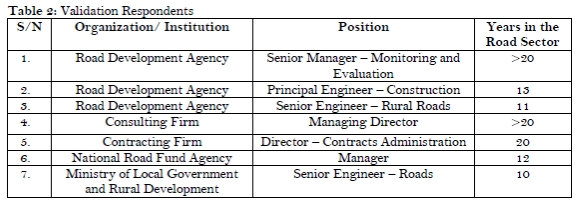
Renzi and Freitas (2015) highlight that it is critical that the experts selected to participate in the Delphi method represent diverse points of view regarding a central topic. There was achieved through broad representation from Financier, Client, Consultant, and Contractor entities among the seven as shown in Table 2. On this basis, the experts were therefore deemed to adequately represent the interest groups of this study. The experts were issued a validation questionnaire and a draft framework for their review and comments as the first round out of two rounds. The second round involved interviews with the experts.
4. FINDINGS AND DISCUSSIONS
For the questionnaires, 53.26 percent of the respondents had attained Master's level of education, 45.65 percent had attained Bachelor's level whilst 1.09 percent had acquired a Doctorate in Philosophy. It is worth noting that no respondent possessed a qualification less than a Bachelor's Degree.
Over eighty percent (81.52%) of the respondents had more than ten years' experience in the roads sector, of whom 31.52 percent had more than twenty years' experience.
This section provides an overview of the findings and presents a brief discussion on the major findings.
4.1 Contract initiation
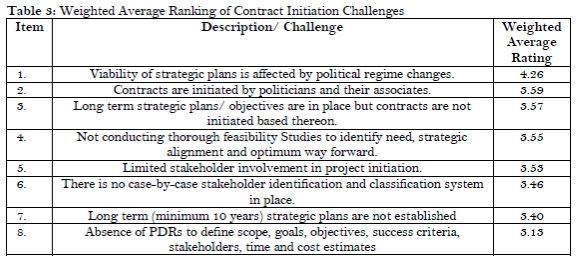
The challenges identified pertaining to Contract Initiation were ranked based on the average weightings of the respondent's views. The Likert scale utilized was rated as follows: 1 = strongly disagree, 2= disagree, 3 = not sure, 4= agree, and 5= strongly agree. The eight factors identified during the literature review were ranked as shown in Table 3.
Considering the relatively frequent changes in leadership in the Country wherein three different leaders have been at the apex of the Executive in the last ten years, and five in the last fifteen, it stands to reason that the frequent change in top leadership has effectively disrupted the viability of strategic plans. This is supported by the findings as shown in Table 3 wherein it can be seen that the foremost challenge being faced during the initiation phase of road Contract Management is that of viability of strategic plans being affected by political regime changes. In addition, Raballand et al. (2013) noted that roads are often used as political tools.
Respondents did not agree that strategic plans were not established in Zambia. This is in contrast to Beckers et al. (2013) who carried out a study in other countries. The respondents were of the view that long-term strategic plans were in place but contracts were not initiated based thereon. Rather, they were initiated by politicians and their associates. This finding serves to reinforce the preeminent challenge found under this phase.
4.2 Contract planning and procurement
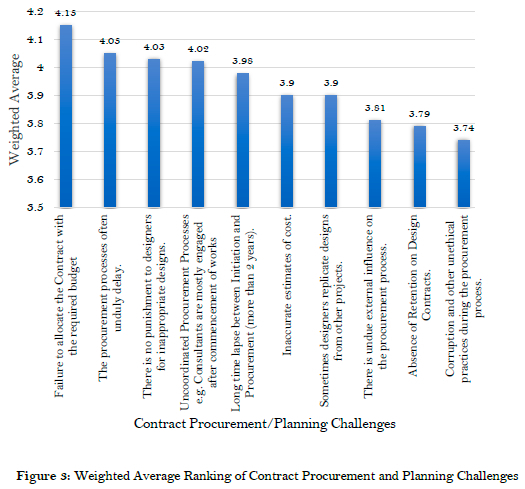
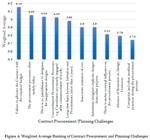
The challenges identified regarding Contract Planning and Procurement were ranked based on the average weightings of the respondent's views. The Likert scale rating utilized was similar to Contract Initiation. The challenges are shown in Figure 4.
Regarding contract planning and procurement, the respondents were generally in agreement that failure to allocate contracts with required budgets was the preeminent challenge. This is similar to the finding by Al-Zwainy et al. (2018) that failure to allocate the contract with the required budget was the topmost cause of problems during planning. Stemming from the challenge of initiating contracts in an unmethodical manner, it is not uncommon for a number of contracts to proceed to the procurement and even commencement stages without the requisite budget allocation. This can be attributed to having a relatively large portfolio of contracts without the supporting funds available from the Treasury resulting in over commitment (Raballand et al. 2013).
The undue delay in procurement processes was rated as the second highest challenge. This is in agreement with the findings by Mkuni (2017) and Maposa (2019). The undue delay in the procurement process effectively results in a long-time lapse between initiation and procurement which ranked as the fifth highest challenge. Al-Zwainy et al. (2018) also found that the long-time lapse in the procurement process was a major challenge in Iraq.
4.3 Contract execution and implementation (administration)
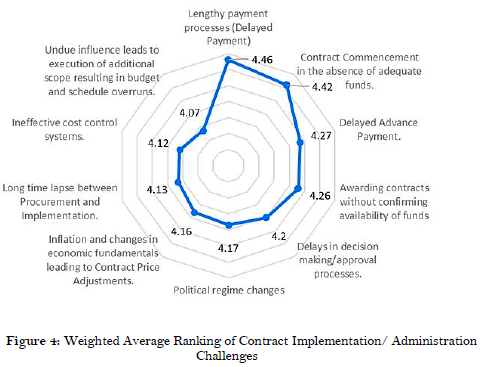
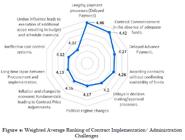
The challenges identified pertaining to Contract Administration were ranked based on the average weightings of the respondent's views. Like before, the Likert scale rating used was as follows 1= strongly disagree, 2= disagree, 3= not sure, 4= agree, and 5= strongly agree. The associated challenges are shown in Figure 5.
It is of concern that the top four challenges during contract implementation all relate to matters of finance, which is the employers/ client's primary obligation under any contract. The preeminent challenge was that of lengthy payment processes/ delayed payment. This was similarly observed by Mukuka et al. (2014). It is observed that vendors' claims for payment for work done or services rendered are not honored timely, in accordance with the contractually stipulated timeframes. Whitworth and Raballand (2012) and Mukuka (2014) note that this effectively has a ripple effect in that in addition to the resulting delays, the cost of construction increases owing to interest charges, standing time claims and contract price adjustments. Alinaitwe et al. (2013) concur with this and found that delays in payment was the second highest reason for delays and cost overruns. Banda (2019) accordingly recommends streamlined payment processes.
The challenge of delayed payment could be as a result of prolonged payment procedures, and/or more often, the contract was awarded without confirmation of the availability of funds which results in the contract commencing in the absence of adequate budgetary provisions. This leads to cash flow problems on the contract right from the outset evidenced by the delay in disbursement of advance payment Zewdu (2016) and Urbanksi et al. (2019).
4.4 Contract monitoring and control
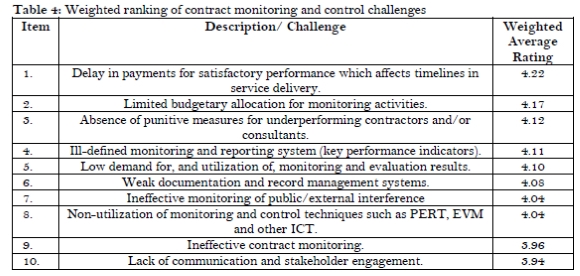
The challenges identified with respect to Contract Monitoring and Control were ranked based on the average weightings of the responses using the Likert scale rating, namely 1 = strongly disagree, 2= disagree, 3= not sure, 4= agree, and 5= strongly agree. The associated challenges are shown on Table 4.
It was apparent that the delay in payments for satisfactory performance, which affects timelines in service delivery, ranked as the highest challenge during the monitoring and control of contracts. It is rational that the implementation, as well as other phases, cannot be monitored and controlled effectively if the vendor is handicapped from performance stemming from incessant delay in fulfilment of the client/employer's primary obligation to pay for satisfactory performance. This is in agreement with the findings by Byaruhanga and Basheka (2017) and Sichone (2020).
Secondly, it was observed that in a similar vein with the civil works contracts, there is limited budgetary allocation towards monitoring activities. This was also a challenge identified by Tengan and Aigbavboa (2016) in Ghana. As highlighted by Oluka and Basheka (2014), the limited budgetary allocations encumber the capacity to effectively carry out monitoring.
4.5 Contract closure
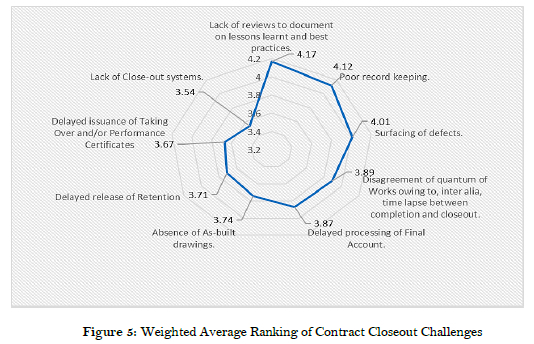
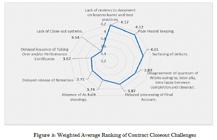
The challenges identified pertaining to Contract Closeout were also ranked based on the average weightings of the respondent's views using the Likert scale rating, namely 1 = strongly disagree, 2= disagree, 3= not sure, 4= agree, and 5= strongly agree. The associated challenges are summarized in Figure 6.
The top ranked challenge was that there was a lack of reviews to document lessons learnt and best practices. This was among the challenges encountered during the contract closure phase identified by Al-Zwainy et al. (2018). The status quo breeds a platform for incessant challenges that could be avoided.
The challenge of poor record keeping is quite prevalent in the ZCI as established in this study under monitoring and control wherein weak documentation and record management systems ranked as the sixth challenge faced. As such, the efficiency with which contracts are closed is affected retrogressively owing to the unwarranted need to allocate resources towards locating records pertaining to the closure of a contract.
4.6 Critical success factors
Like the identified challenges, the CSFs were subjected to weighted ranking based on respondent's views. The ranking formed the basis of the framework developed in Section 5 of this paper. A brief discussion of the major findings is presented below:
a) Contract initiation critical success factors
In light of the challenges, the respondents were of the considered view that comprehensive feasibility studies are to be conducted prior to the initiation of a contract is the foremost CSF. This agrees with the findings by Marzouk and El-Rasas (2014) and Mejia et al. (2020). The feasibility study which is to contain sound environmental, social, technical and economic analysis which has had input from the relevant stakeholders, to facilitate informed and objective decision making (Staples, 2019).
Raballand et al. (2013) concluded that road contracts are meant to be included in the work plan based on a clear and agreed, objective criteria. They further state that once the plan is published, it should, in theory be very difficult to insert additional roads, unless a strong justification can be given for their importance. This agrees with Mukuka et al. (2014) who recommended that strategic planning was required to facilitate successful contract fruition. In addition, Mejia et al. (2020) proposed introducing clear contractual conditions that regulate the influence of stakeholders.
b)
Contract planning/ procurement critical success factorsThe respondents were in strong agreement that in order to guard against the biggest challenge during procurement/ planning, allocating the contract with the required budget was the foremost CSF. This is supported by Marzouk and El-Rasas (2014). Further, Mejia et al. (2020) similarly found that ensuring timely and sufficient funding to disburse on a contract was the highest CSF to reduce construction delays and associated costs. Consequently, the respondents were of the considered view that contracts should only be procured/ awarded after full availability of funds has been confirmed, which ranked as the fourth CSF. However, considering that the National Budget is produced annually, there is need to review the measures that can be instituted to facilitate the realization of this factor, such as consideration in the Medium-Term Expenditure Framework (MTEF).
The second CSF was that feasibility studies ought to be carried out prior to the proceeding to the production of detailed designs to make certain that the designs are pertinent and are well informed by the preceding prerequisites (Zewdu, 2016). This is in agreement with the recommended model for road contract planning in Zambia by Mkuni (2017).
In cognizance of the third highest CSF viz. increased transparency, which the respondents almost unanimously agreed was required to facilitate successful procurement, it is required that efficient information and communications technology is adopted as proposed by Dza et al. (2013).
c)
Contract implementation/ administration critical success factorsIt is essential that contract implementation/ administration commences subsequent to the fulfilment of vital precedent conditions. For instance, the FIDIC form of contracts accordingly include a provision for conditions precedent to commencement such as, inter alia, employer to confirm financial arrangements. However, the form of contract predominantly utilized for locally funded public roadworks do not contain such provisions in and of themselves. However, comfort may be drawn from the fact that the Public Procurement Act No 8 of 2020 stipulates this requirement, although the level of compliance thereto may need to be established.
Alinaitwe et al. (2013), Marzouk and El-Rasas (2014) and Banda (2019) emphasized the need to ensure timely payment and streamlined payment processes for work done to mitigate against schedule delays and cost overruns. In order to ensure adequate funding during contract implementation, which ranked as the most critical success factor, it is necessary to ensure availability of sufficient funds in the MTEF. Mejia et al. (2020) stated that in order to ensure adequate and timely funding, it was necessary to develop a comprehensive financial plan and cash flow and verify invoices timely. Further, this ought to be set as a condition precedent to commencement, which the respondents predominantly agreed with and ranked as the eighth CSF.
d)
Contract monitoring and control critical success factorsThe respondents agreed that the most important factor to facilitate contract monitoring and control was that the monitoring ought to be carried out by qualified, competent and experienced personnel. This agrees with the findings by Tengan and Aigbavboa (2016), Adebayo et al. (2018) and Harerimana (2021). There is accordingly needed to ensure that the officers tasked with this responsibility fulfil these requirements. It is not far-fetched to encounter personnel performing these duties without the requisite qualifications in particular.
Secondly, in order to mitigate against rendering the monitoring and control impractical, it is required that the client/employer timely honor their obligations especially related to payment. Further, in addition to the disbursements to the vendors, sufficient budgetary allocation for monitoring activities is required to facilitate their effectiveness. This is in concurrence with Laban (2018) who further stated that depending on the importance and/or monetary value of the contract, more attention, time, and resources ought to be allocated. Further, Harerimana (2021) recommends optimized payment modalities linked to satisfactory performance.
e) Contract closeout critical success factors
As part of the closeout process, it is vital that the challenges encountered on the contract be reviewed and measures be put in place to minimize, or possibly avoid, recurrence. On the whole, this study accordingly endeavors to perform a review of best practices holistically, among other things. However, in view of the subtle differences between contracts and associated features, reviews are required on a case-by-case basis.
Respondents were of the view that enhanced record keeping aided by the utilization of Information and Communications Technology (ICT) was the most critical success factor during contract closure. Records go a long way in availing a narrative of events during the lifecycle of the contract. As such, Bin Zakaria et al. (2013) highlight that the library of information can be used to establish obligations and liabilities to resolve any disagreements that may occur.
The second ranked CSF was the need to conduct reviews to document lessons learnt and best practices. This is similar to the findings by Turner and Zolin (2012) who advanced a model that allowed for the provision of reviews and lessons learnt. Han et al. (2012) state that lessons learnt are usually documented to improve the likelihood of success of future contracts. Wang et al. (2019) recommends the benchmarking from previous contracts, especially unsuccessful ones.
4.7 Statistical analysis
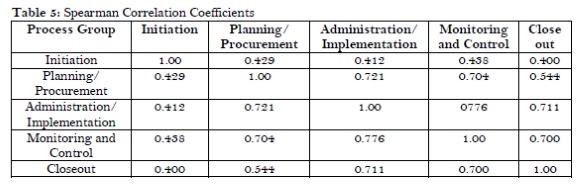
Table 5 shows the Spearman correlation coefficients, which were utilized to establish the strength of the relationship between variables (Akoglu, 2018). It is worth noting that the Spearman correlation coefficients, which range from -1 to +1, indicate the strength of the relationship of variables. The more positive the coefficient is, the stronger the relationship and vice versa. In this paper, the strongest positive correlation was between Administration/ Implementation and Monitoring & Control, which had a factor of 0.776. It can be inferred that it is imperative that effective Monitoring and Control of the activities during the Contract Implementation phase is carried to facilitate successful administration of the Contract. Furthermore, the Planning/Procurement process is to be carried out diligently as a prerequisite to a successful Contract Administration in view of the positive strength of the relationship.
The poorest correlation observed was between Contract Initiation and Contract Closeout. A weak positive correlation indicates that, although both variables tend to go up in response to one another, the relationship is not very strong. This can be attributed to the intermediate process groups that limit the direct effect of Contract Initiation on Contract Closure.
5. FRAMEWORK DEVELOPMENT AND VALIDATION
The Framework was developed based on the PMBoK Guide (PMI, 2017). This study accordingly adopted the sequence of processes as outlined in the guide. It is worth noting that the monitoring and control process is deemed to be carried out throughout the Contract Management sequence of activities.
The validation was carried out by seven expert opinions on the proposed framework. The experts were selected based on recommendations from respondents that participated in the questionnaire survey during primary data collection phase.
The framework used was adjudged to be appropriate, adequate, and usable in the Zambian Construction Industry subject to incorporation of the comments made by the experts.
Some of the areas of improvement highlighted by the experts were that emphasis must be placed on ensuring contracts or projects are not initiated if the criteria established in the framework is not complied with, under Contract Initiation. In addition to Politicians, Civic and other Traditional Leaders should also be advised that they are the key stakeholders and that Contract Initiation will be subject to fulfilment of the tenets prescribed in the framework in lieu of otherwise. Furthermore, comprehensive feasibility studies are to incorporate establishment of baseline parameters against which targets will be set for measurement and appropriate action. The experts noted with concern that there was no success factor provided under monitoring and control to address the aspect of quality assurance control by the Contractor. Considering that quality forms part of the triple constraint, there is need to put in place monitoring and control mechanisms that will facilitate quality workmanship and finished product throughout the contract lifecycle.
The experts pointed Risk Management ought to be actively carried out from Initiation all the way to closure, the framework must provide for the execution of Technical Audits during the Implementation phase in lieu of situations where the audits are conducted after completion and the Consultant and Contractor may have demobilized. This aspect must be discussed during monthly meetings as the project progresses, to facilitate efficient monitoring and control of claims resolution during the implementation phase, there is need to ensure timelines are established, such as in FIDIC forms of contracts. Furthermore, the prompt and adequate resolution of claims assists the Client in preparing for eventualities such as the need for additional funding that may be required to resolve the claim.
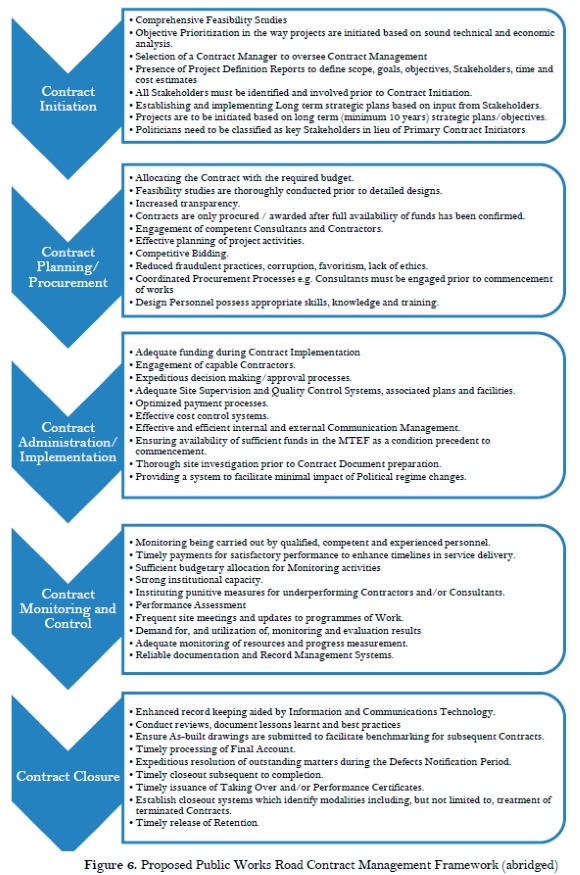
In cognizance of this study's findings, the top ranked CSFs determined under the respective process groups that are essential to facilitate successful public road Contract Management are as shown in Figure 7. Note that contract monitoring and control has been included as part of the numbering sequence for illustrative purposes only.
6. CONCLUSION AND RECOMMENDATION
6.1
ConclusionThis paper endeavored to develop a Public Road Works Contract Management Framework for the Zambian Construction Industry. This was in cognizance of the poor Contract Management being exhibited in the Country. The study adopted a sequential exploratory mixed method research approach which was carried out using an extensive literature review as a secondary data collection method that relied upon a combination of, inter alia, exploratory, descriptive, document analysis and classification research methods. The study found that the top three identified challenges in Contract Management were all encountered during the contract execution stage. These were; lengthy payment processes followed by contracts commencing in the absence of adequate funds and thirdly, delayed advance payment.
As was seen from the abridged framework in Figure 7, the top CSFs identified were as follows: preparation of comprehensive feasibility studies, which take into account, inter alia, population requirements, risk, environmental and social management; allocating the contract with the required budget; adequate funding during implementation; monitoring being carried out by qualified, competent, and experienced personnel; and enhanced record keeping aided by information and communications technology, respectively. Furthermore, a framework showing the CSFs, which, if fulfilled, facilitates timely execution of quality roadworks at the budgeted cost, was developed and analytically validated.
Considering that the overall superintendence of the pertinent work contracts is carried out by personnel at Head Offices, which are based in Lusaka, the results obtained from these experts could generally be representative of the other Provinces in Zambia, subject to testing. The sampling technique utilized provided for the collection of reliable data. However, the framework was developed to suit the Zambian context and its global applicability accordingly requires optimization.
The use of the developed framework is expected to facilitate timely completion of roadworks which are executed to the desired quality at the budgeted cost and thereby achieve successful Public Road Works Contract Management in Zambia. This will be of benefit to the general public in Zambia, and more specifically, taxpayers, the public sector involved in road construction such as Government ministries and their agencies as well as local authorities.
6.2
RecommendationsBased on the findings in this study, it is recommended that comprehensive feasibility studies of the strategic projects on which contracts will be entered into are carried out. The contract, which is to be based on site specific tender documents, is to contain detailed and site-specific specifications and be provided with the required budgetary allocation. Furthermore, sufficient funds to cater for the contract are to be confirmed in the MTEF and the Client ought to ensure timely disbursement of certified amounts. In addition, contract monitoring and control ought to be carried out by competent personnel who are to be supported by sufficient budgetary allocations and strong institutional capacity. To facilitate timely closure of contracts, it is vital that record keeping is enhanced, as-built drawings are submitted and reviews are conducted to document lessons learnt and best practices.
The proposed framework was developed incorporating views from practitioners predominantly based in Lusaka Province. Therefore, the framework should be tested and further validated in at least one Province other than Lusaka prior to consideration for implementation.
REFERENCES
2. LITERATURE REVIEW
- Adebayo, O.R., O.D. Eniowo, and Ogunjobi, V.O. (2018). Assessment of project monitoring and control techniques in Ondo State Agency for Road Maintenance and Construction (OSARMCO). International Journal of Engineering and Management Research (IJEMR), 8(5), 177-184.
- Akal, A., Abu El-Maaty A. and El-Hamrawy S. (2016). A circular framework for evaluating highway construction projects success: AHP approach. Civil Engineering Journal, 2(7), 324-333.
- Akoglu, H., 2018. User's guide to correlation coefficients. Turkish journal of emergency medicine, 18(3), 91-93.
- Al-Zwainy, F., I.A. Mohammed and Varouqa, I.F. (2018). Diagnosing the causes of failure in the construction sector using root cause analysis technique. Journal of Engineering, 2018.
- Alinaitwe, H., R. Apolot and Tindiwensi, D. (2013). Investigation into the causes of delays and cost overruns in Uganda's public sector construction projects. Journal of Construction in Developing Countries, 18(2), 33.
- Banda, J., (2019). Developing Strategies for Improving Implementation of Public Sector Construction Projects in Zambia (Doctoral dissertation). University of Lusaka.
- Beckers, F., Chiara N., Flesch A., Maly J., Silva E., and Stegemann U. (2013). A risk-management approach to a successful infrastructure project. Mckinsey Work. Pap. Risk, 52, 18.
- Bellec, M. and Cottard O., (2016). Contract Manager.
- Byaruhanga, A. and Basheka, B.C. (2017). Contractor Monitoring and Performance of Road Infrastructure Projects in Uganda: A Management Model. Journal of Building Construction and Planning Research, 5, 30-44.
- Chen, Y., Wang M., and Li L. (2019). A Framework for the Contract Management System in Cloud-Based ERP for SMEs in the Construction Industry. In ICCREM 2019: Innovative Construction Project Management and Construction Industrialization (pp. 1-11). Reston, VA: American Society of Civil Engineers.
- Ghosh, S., Forrest D., DiNetta T., Wolfe B., and Lambert D.C. (2012). Enhance PMBOK® by comparing it with P2M, ICB, PRINCE2, APM and Scrum project management standards. PM World Today, 14(1), 1-77.
- Government of the Republic of Zambia (2016). 2017 Budget Address by Honourable Felix C. Mutati, MP Minister of Finance Delivered to the National Assembly on Friday, 11th November, 2016. GRZ.
- Government of the Republic of Zambia (2017). 2018 Budget Address by Honourable Felix C. Mutati, MP Minister of Finance Delivered to the National Assembly on Friday, 29th September, 2017. GRZ.
- Government of the Republic of Zambia (2018). The Public Finance Management Act, 2018. Assent on April 11, 2018. GRZ.
- Government of the Republic of Zambia (2018). 2019 Budget Address by Honourable Margaret D. Mwanakatwe, MP, Minister of Finance Delivered to the National Assembly on Friday 28th September, 2018. GRZ.
- Government of the Republic of Zambia (2019). 2020 Budget Address by Honourable Dr. Bwalya K.E. Ng'andu, MP, Minister of Finance Delivered to the National Assembly on Friday 27th September, 2019. GRZ.
- Government of the Republic of Zambia (2020). 2021 Budget Address by Honourable Dr. Bwalya K.E. Ng'andu, MP, Minister of Finance Delivered to the National Assembly on Friday, 25th September, 2020. GRZ.
- Government of the Republic of Zambia (2018). The Public Procurement Act, 2020. Assent on November 23, 2020. GRZ.
- Han, W.S., Yusof,A.M., Ismail S., and Aun N.C. (2012). Reviewing the notions of construction project success. International Journal of Business and Management, 7(1), 90.
- Harerimana, C. (2021). Contract Management Practices and Performance of Roads Construction Projects in Rwanda: Case of Rwanda Transport Development Agency. The International Journal of Business Management and Technology, 5(5).
- Herreid, C.F., Prud'homme-Généreux, A., Schiller, N.A., Herreid, K.F. and Wright, C. (2016). What makes a good case, revisited: the survey monkey tells all. Journal of College Science Teaching, (1), 60.
- Hwang, B.G. and Lim E.S.J. (2013). Critical success factors for key project players and objectives: Case study of Singapore. Journal of construction engineering and management, 139(2), p.204-215.
- Khan, A.W., Khan S.U., and Khan F. (2017). A Case Study Protocol for Outsourcing Contract Management Model (OCMM). J. Softw., 12(5), 348-354.
- Laban, F. (2018). Contract Administration and Performance of Kampala Capital City Authority's Road Works: A case of Mud and Dust Program (Doctoral dissertation, Uganda Management Institute).
- Marzouk, M.M. and El-Rasas T.I. (2014). Analyzing delay causes in Egyptian construction projects. Journal of advanced research, 5(1), 49-55.
- Mejía, G., Sánchez, O., Castañeda K. and Pellicer, E. (2020). Delay causes in road infrastructure projects in developing countries. Revista de la Construcción, 19(2), 220-234.
- Mkuni, M. (2017). An Assessment of the Planning Cycle in Zambia's Road Construction Projects (Unpublished Masters Dissertation, University of Zambia).
- Mukuka, M., Aigbavboa, C. and Thwala, W. (2014). Remedies to timely delivery of construction projects in Lusaka, Zambia-an exploratory study. Journal of Construction Project Management and Innovation, 4(sup-1), 906-911.
- Nsefu, M.K., Mwanaumo E.M., Mambwe M., Daka J., and Mwanza B.G. (2020). Effectiveness in the Contract Management Performance within the Lusaka Provincial Administration-A Balanced Scorecard Application. Proceedings of the 2nd African International Conference on Industrial Engineering and Operations Management Harare, Zimbabwe, December 7-10.
- Onalaja, A., Cheung W.M., and Samwinga V. (2018). Identifying Infrastructure project uncertainties during project initiation using system thinking. In Creative Construction Conference 2018 (pp. 537-543). Budapest University of Technology and Economics.
- Pallant, J., (2020). SPSS survival manual: A step by step guide to data analysis using IBM SPSS. McGraw-hill education (UK).
- Raballand, G., Bridges, K., Beuran M. and Sacks, A. (2013). Does the semi-autonomous agency model function in a low-governance environment? The Case of the Road Development Agency in Zambia (August 1, 2013). World Bank Policy Research Working Paper, (6585).
- Renzi, A.B. and Freitas S. (2015). The Delphi method for future scenarios construction. Procedia Manufacturing, 3, pp.5785-5791.
- Rugg, G. and Petre M. (2004). The Unwritten Rules of PhD Research. McGraw-Hill Education (UK).
- Sichone, E.C. (2020). An Assessment On Monitoring Of Risks In Road Construction Projects In Zambia: A Case Study of Lusaka, Published by Academia.edu. Publication Ref. CFP/1852/2020.
- Takagi, N. and Varajão J. Success Management and the Project Management Body of Knowledge (PMBOK): An Integrated Perspective-research-in-progress. Management (IRWITPM), 12, pp.12-2020.
- Urbański, M., Haque, A.U. and Oino, I. (2019). The moderating role of risk management in project planning and project success: Evidence from construction businesses of Pakistan and the UK. Engineering Management in Production and Services, 11(1), pp.23-35.
- Van Weele, A. and Van Der Puil J. (2013). International Contracting: Contract Management in Complex Construction Projects. World Scientific.
- Wang, C., Yap J.B.H., Wood L.C., and Abdul-Rahman H. (2019). Knowledge modelling for contract disputes and change control. Production planning and control, 30(8), 650-664.
- Weissgerber, T.L., Milic, N.M., Winham, S.J. and Garovic, V.D., 2015. Beyond bar and line graphs: time for a new data presentation paradigm. PLoS biology, 13(4), p.e1002128.
- Whitworth, A. and G. Raballand. (2012). The Crisis in the Zambian Road Sector. PMI., (2021). PMBOK® Guide. https://www.pmi.org/pmbok-guide-standards/foundational/pmbok [Accessed on September 14, 2021].
- Zewdu, Z.T. (2016). Construction projects delay and their antidotes: the case of Ethiopian construction sector. International Journal of Business and Economics Research, 5(4), pp.113-122.