When support does not motivate: Structural insights into institutional predictors of academic performance in Southern Africa
Abstract
PURPOSE OF THE STUDY: The primary objective of this study is to test a theory-driven model explaining how institutional and psychological factors influence academic performance in private higher education, specifically examining the mediating role of institutional motivation and the moderating role of external support structures. DESIGN/METHODOLOGY/APPROACH: Grounded in Bronfenbrenner's bioecological systems theory, the study employs a quantitative design and uses structural equation modelling (SEM) to analyse survey data collected from staff members who engage with students at two private business schools in Southern Africa. The model evaluates the effects of workload, self-esteem, attendance, economic factors, and extracurricular activities on institutional Motivation and general academic performance. FINDINGS: The results show that workload (β = 0.462, p < 0.01) and self-esteem (β = 0.220, p < 0.01) have significant positive effects on Motivation, which in turn strongly predicts academic performance (β = 0.619, p < 0.01). In contrast, economic factors and extracurricular activities do not significantly influence Motivation, nor does economic support moderate the Motivation-performance relationship. These findings challenge prevailing assumptions that structural support mechanisms uniformly enhance student motivation. RECOMMENDATIONS/VALUE: The study contributes to theory by refining the application of bioecological systems theory, demonstrating that proximal academic and psychological processes exert greater influence on performance than distal institutional provisions when misaligned with student needs. MANAGERIAL IMPLICATIONS: Practically, the results highlight the importance of context-specific institutional strategies that prioritise motivationally salient academic environments. JEL CLASSIFICATION: I21; I23.
Academic performance; extracurricular activities; institutional motivation; mediating role
1. INTRODUCTION
Despite significant institutional investments and well-intentioned support structures, private business schools in Southern Africa continue to grapple with persistent issues of student academic performance and retention (Bisschoff, 2024). This contradiction presents a critical problem for educators and administrators: why do substantial resources not consistently translate into proportional gains in student outcomes? While the broader literature on academic performance is vast, establishing clear causal pathways from institutional inputs to student success within this specific socio-economic and educational context remains a significant challenge (Bawa & Meyer, 2025). Notably, the late 1960s raised awareness that scholars and education practitioners increasingly sought to unravel the complexity surrounding academic performance. This era marked the emergence of various theoretical models to explain the multitude of variables influencing how students perform academically, thus sparking robust empirical investigations (Ajo et al., 2025). In the context of large-scale assessments, academic performance is often referred to as educational achievement, academic achievement, school achievement, or school performance (Javornik & Mirazchiyski, 2023). Kumar et al. (2021) underscore that research in this field has helped clarify the theoretical and operational definitions of academic performance. More importantly, it has facilitated the identification of key influences such as individual, academic, and familial factors that shape students' learning outcomes. As the primary learning metric in formal education, academic performance is far from a straightforward construct. Instead, it emerges from a confluence of interacting factors, ranging from institutional and pedagogical to psychological and socio-demographic elements (Suleiman et al., 2024; Adeyemi & Bolarinwa, 2013).
Unlike a single aptitude or isolated skill, academic performance is best understood as the product of multiple forces within and around the learner (Aramburo et al. 2017). Traditionally, it is measured through grades and standardised tests, often tailored to assess specific learning outcomes (Adan et al., 2022). However, this mode of evaluation, though useful, only scratches the surface as the role of the number of individuals expected to benefit is tied to the strength of the deliverable, which is always placed in an equitable rational. Institutional variables, such as class size, academic workload, and the broader educational environment, vary across contexts and significantly impact learning outcomes. These elements are embedded within the structural and operational frameworks of individual universities (Adan et al., 2022). Among these, the lecturer's role stands out prominently. The tutors, as they are sometimes referred to, influence not only the transmission of knowledge but also students' Motivation, engagement, and emotional connection to learning. Effective communication, relational dynamics, attitude, and instructional quality all play a crucial part (Johnson, 2017). These roles are shown to influence the achievement of the goals outlined. Today's shifting educational landscape has prompted an upsurge in research, yet a comprehensive understanding remains elusive. To this end, academic performance is widely acknowledged as a multifaceted construct, shaped by a confluence of institutional, psychosocial, and socio-demographic factors (Suleiman et al., 2024). Institutional variables, such as class size, lecturer quality, and educational resources, are often seen as primary levers for improving outcomes (Adan et al., 2022). Concurrently, psychosocial factors like student motivation and self-concept are understood as critical mediators in this process (Amoozegar et al., 2017). However, much of the prevailing literature operates on an implicit assumption that improving institutional conditions will automatically enhance student motivation and, consequently, academic achievement. The challenge, therefore, lies in designing effective policies and interventions that accommodate this diversity. Without a coherent, systematised approach to understanding what makes students succeed or struggle, efforts to foster academic growth risk being insufficient or misdirected (Aras et al., 2021). This assumption, however, warrants critical reassessment in Southern African higher education. The specific challenges faced by this region, including diverse student preparedness, economic pressures, and unique institutional cultures, may disrupt the expected chain of effect (Bamiro & Adedeji, 2010). Therefore, a central and unresolved question persists: To what extent are institutional investments effectively translated into improved student motivation and academic performance in this setting? This gap in the literature does not merely reflect a cataloguing of influential factors, but points to a rigorous investigation of the efficacy of these factors within a defined and under-researched context. Academic performance has long been understood as a multifaceted outcome shaped by cognitive, environmental, and institutional variables. Although much of the literature attributes positive influence to supportive institutional conditions, this assumption warrants reassessment within specific contexts such as private business schools in Southern Africa (Bawa & Meyer, 2025; Cassim et al., 2024a; Kahts-Kramer et al., 2024). With persistent gaps in achievement and retention, this study moves beyond acknowledging complexity to probe a specific paradox: the coexistence of institutional support and persistent academic struggles. By examining the relationship between institutional variables, student motivation, and academic performance within private business schools in Southern Africa, this research challenges the straightforward application of existing models. In this regard, this study reiterates its focus on staff perceptions of institutional factors influencing student motivation and academic performance, rather than students' self-reported motivations. The primary objective of this study is to examine how institutional, psychological, and contextual factors influence students' academic performance, both directly and indirectly, through Motivation as a mediating construct. Specifically, the study investigates the extent to which attendance, self-esteem, workload, extracurricular activities, economic factors, and institutional motivation-related factors contribute to general academic performance (GMAP), with Motivation functioning as a central explanatory mechanism. The findings aim to provide educators and policymakers with a more reliable, context-sensitive "map" for designing interventions that truly bridge the gap between institutional intent and student achievement.
2.1 The institutional influence on academic performance: From assumption to scrutiny
A substantial body of research positions institutional factors as primary levers for improving student academic performance (Bisschoff, 2024; Britwum et al., 2024; Cassim et al., 2024a). These factors typically include the structural and programmatic elements within an institution's control, such as infrastructure, teaching quality, support services, academic workload, and financial aid systems (Dixon, 2015). Much of the literature assumes that investments in these areas yield positive returns in student outcomes, such as higher grades, improved retention, and greater satisfaction (Adan et al., 2022). For instance, Amoozegar et al. (2017) argue that institutional support is crucial for promoting the Motivation and engagement that underpin successful learning.
However, this positive correlation is not as straightforward as it may seem. A growing body of evidence complicates this narrative, suggesting that the efficacy of institutional factors is highly context-dependent. While some studies find strong links between specific interventions and academic success (Moreira et al., 2018; Spreitzer & Hafner, 2023), others report minimal or negligible effects (Gess-Newsome et al., 2019). This contradiction points to a critical gap in our understanding of recent claims that institutions can influence performance, but with a limited understanding of when and why these influences succeed or fail. The transmission mechanism between institutional input and student outcomes cannot be taken for granted.
2.1.1 The missing link: Questioning the automatic role of student motivation
A key variable often implied, but less frequently critically examined, in this process is student motivation (Bisschoff, 2024; Cassim et al., 2024b). The conventional model posits a direct causal chain: improved institutional support (e.g., better teaching, more resources) → enhanced student motivation → improved academic performance. Yet, emerging research challenges this linearity (Mostafa et al., 2025). The relationship between the institutional environment and student motivation is complex and often paradoxical. For example, while a positive and safe school climate is often correlated with higher achievement (Zysberg et al., 2021), different student demographics perceive the features that constitute a "positive climate" differently. Furthermore, institutional pressures, such as high academic workload or rigid assessment criteria, can inadvertently undermine intrinsic Motivation, leading to surface learning and burnout even when support services are available (Forsberg et al., 2021). This suggests that the same institutional factor can be either a motivator or a demotivator, depending on its implementation and how students perceive it. Of a truth, this is particularly salient in under-researched contexts like Southern African higher education. The universalist assumptions of studies from the Global North may not hold, where students face unique socio-economic pressures, diverse prior educational preparations, and distinct cultural values (Abhayawansa et al., 2024; Bawa & Meyer, 2025; Kidane & Mtapuri, 2023). The central question for this context becomes not if institutions provide support, but whether these supports are effectively translated into meaningful motivational gains for the students they are intended to serve.
2.2 A theoretical framework for the efficacy gap: Bronfenbrenner's Bio-ecological Systems Theory
To systematically investigate this "efficacy gap," this study employs Bronfenbrenner's Bio-ecological Systems Theory (Bronfenbrenner & Morris, 1998). This theory is uniquely suited for this task as it moves beyond listing influential factors to modelling the dynamic interactions between the individual and their environment over time. The theory's nested systems structure provides a powerful lens for analysing why institutional support might fail to motivate;
i. The Microsystem: This includes the immediate institutional environment, such as the classroom, student-lecturer interactions, and peer relationships. From the views of Bisschoff (2024) and Kahts-Kramer et al. (2024), this theory forces one to ask: How do institutional policies manifest in daily microsystem interactions? Does a "support program" (institutional factor) create positive, motivating experiences for the student at this level? The aim of answering these questions tends to open the pathway to adopting the best program for sustainable learning.
ii. The Mesosystem: From the adoption of the theory, it was also known that this encompasses the linkages between microsystems, such as the connection between a student's academic life and their family. Invariably, Kahts-Kramer et al. (2024) posit that a weak mesosystem can nullify institutional efforts; for example, a lack of communication between the university and a student's family may undermine support mechanisms.
iii. The Exosystem and Macrosystem: Finally, enacting the theory brings another set of broader layers by encompassing institutional policy (exosystem) and national socio-cultural norms (macrosystem) directly shaping the nature and perception of institutional support. A macrosystem that prioritises rote learning, for instance, may render institutional supports designed to foster critical Motivation less effective (Bisschoff et al., 2024; Tshivhase & Bisschoff, 2024). By applying this framework, this study moves from asking "Which institutional factors predict performance?" to the more nuanced question: "How do interactions within and between Bronfenbrenner's (1989) systems explain the failure of institutional support to motivate students in our specific context?" This theory provides the structure needed to examine the complex interplay of factors holistically, positioning the student not as a passive recipient of institutional inputs but as an active agent whose Motivation is shaped by a multi-layered ecological context. Thereby aligning with other research that uses ecological models to understand academic belonging and achievement (e.g., Ruiz et al., 2018; El Zaatari & Maalouf, 2022).
Based on theory and prior empirical literature, the following hypotheses were specified a priori and tested using SEM:
H1: Attendance (Affs) has a positive and significant effect on institutional Motivation.
H2: Self-esteem (Seffs) has a positive and significant effect on institutional Motivation.
H3: Workload has a positive and significant effect on institutional Motivation.
H4: Extracurricular activities (ExActs) have a positive and significant effect on institutional Motivation.
H5: Economic factors (Efs) have a positive and significant effect on institutional Motivation.
H6: Institutional Motivation has a positive and significant effect on general means of academic performance (GMAP).
H7: Institutional Motivation mediates the relationship between workload and GMAP.
H8: Institutional Motivation mediates the relationship between self-esteem and GMAP.
H9: Economic factors moderate the relationship between institutional Motivation and GMAP.
3. METHODOLOGY
3.1 Study population
The target population comprises academic and administrative staff members at two large private business schools in Southern Africa. Staff were selected as respondents because the study focuses on identifying and understanding factors that influence students' academic and institutional experiences from a systemic and recurring perspective (and not from the student's perspective). The institutions under study operate largely on a block-release model, with students participating in online learning while residing off campus. This mode of delivery significantly limits students' physical presence on campus and reduces peer-to-peer interaction. As a result, remote students' experiences of academic and administrative challenges are often isolated and individually framed, with limited awareness of whether such challenges are unique or widely shared among the broader student population. Therefore, this study opted to investigate student experiences through the eyes of staff who engage with students. These staff members, particularly those involved in academic delivery, student support, and administration, served as the primary point of contact for student-related matters. They routinely engage with multiple students across different programmes and cohorts and are therefore exposed to a wide range of student concerns, both positive and negative. This positions staff to observe patterns, trends, and recurring issues that may not be visible at the individual student level.
Staff can, therefore, provide a more holistic and informed account of student-related challenges. For instance, while a single student may see limited access to prescribed textbooks as an isolated problem, staff can recognise when similar complaints are raised repeatedly by many students, indicating a systemic issue rather than an individual one. This cumulative perspective enables staff to assess the prevalence, severity, and institutional implications of such challenges more accurately. Accordingly, staff respondents were deemed more appropriate for this study, as their roles provide them with comprehensive insight into student experiences across the institution. Their collective exposure to multiple cases allows for a more reliable assessment of the key factors influencing student outcomes, thereby strengthening the validity of the findings and supporting evidence-based institutional decision-making.
This choice of staff as respondents is further justified by the nature of student exposure to institutional issues, given that, with regard to learning structure, students' experiences are highly individualised. Because they interact minimally with peers, students generally know only their own academic performance, challenges, and perceptions of institutional support. Consequently, their responses reflect isolated yet authentic lived experiences, which are central to understanding how institutional factors influence individual student outcomes. In contrast, institutional staff interact with multiple students across courses and cohorts and therefore develop a more aggregated understanding of recurring issues. For example, while a single student may see a challenge, such as limited access to prescribed textbooks, as an isolated incident, staff can identify patterns when multiple students raise similar concerns repeatedly. This broader perspective enables staff to assess the prevalence and severity of institutional challenges more comprehensively.
These institutions were selected because of their significant regional market share, diverse student bodies, and the persistent academic performance challenges identified in the problem statement. Given the large and geographically dispersed population, a multi-stage sampling technique was employed to ensure a representative and manageable sample. The population was first stratified by role and department (e.g., academic staff, student support staff, and administrative staff) to ensure proportional representation of all staff categories with direct exposure to student experiences. Within each stratum, we randomly selected potential participants from official staff records at the two participating institutions. The institutions host about 20,000 students. However, because this study examines staff views of students' motivation (and other variables), we invited all the staff members (approximately 600) who work directly with students to participate. A total of 495 staff members responded (exceeding the minimum sample size of 235 that was determined using Cochran's formula for categorical data at a 95% confidence level and a 5% margin of error with ease).
3.2 Data collection method and instrument
Data were collected via a self-administered online questionnaire. The instrument was structured into four sections:
Section A: Demographic Information. This section captured data on age, gender, year of study, and parental education level to describe the sample and control for key socio-demographic variables.
Section B: Institutional Factors. This section measured staff's perceptions on how students' perceive the institutional variables using adapted, validated scales. It included sub-scales on:
i. Teaching Quality (e.g., instructor communication, pedagogical skill)
ii. Support Services (e.g., accessibility of academic advising, library resources)
iii. Institutional Climate (e.g., perceived fairness, sense of belonging)
Section C: Staff perceptions on the student's motivation. This section measured motivational states using the Academic Motivation Scale (Vallerand et al., 1992), which captures both intrinsic and extrinsic motivation dimensions.
Section D: Academic Performance. This section collected self-reported Cumulative Grade Point Average (CGPA). To ensure data integrity and with participants' consent, we verified a random subsample of these self-reports against official institutional records, revealing a high correlation.
All constructs used multi-item measures on a five-point Likert scale (from 1=Strongly Disagree to 5=Strongly Agree). The questionnaire was piloted with 30 staff members not included in the main study to assess clarity, reliability, and face validity. Cronbach's alpha for all pilot-tested constructs was above 0.7, indicating acceptable internal consistency.
3.3 Data analysis
Data analysis was conducted using IBM SPSS Statistics 25 for preliminary analyses and SmartPLS 4 for advanced modelling. The analysis proceeded in two stages. The first stage involved calculating frequencies, means, standard deviations, and correlation coefficients to summarise the data and check for outliers and missing values using SPSS. Afterwards, Partial Least Squares Structural Equation Modelling (PLS-SEM) was selected for its ability to model complex relationships with latent variables and its less stringent requirements on data distribution (Hair et al., 2019). The analysis discussed followed a two-step approach. The first step was assessing the measurement Model. The reliability and validity of the constructs were evaluated. This was attained by the Internal consistency confirmation with Composite Reliability scores > 0.7. While the Convergent validity was established with Average Variance Extracted (AVE) scores > 0.5. Discriminant validity was confirmed using the Fornell-Larcker criterion.
The hypothesised relationships were tested via the stated tools above. The model's predictive power was assessed using the coefficient of determination (R2) for the endogenous constructs (Motivation and academic performance). The significance of the path coefficients (β) was evaluated using a bootstrapping procedure with 5,000 subsamples at the p < 0.05 significance level. The effect size (f2) was also examined.
3.4 Ethical considerations
This study received full approval from the North West University Ethical Committee (Faculty of Economic and Management Sciences) under ethics numbers EMS14/11/12-01/10 & EMS17/04/15-01/2), both classified as low-risk studies. Key ethical protocols included informed consent, anonymity and confidentiality, and data usage. Informed consent involved a detailed information sheet provided before the questionnaire, explaining the study's purpose, voluntary nature, anonymity, and the right to withdraw. Proceeding to the questionnaire constituted consent, while the anonymity and confidentiality ensured that no personally identifiable information was collected. Data was stored on a secure, password-protected server accessible only to the research team. In response to the data usage, participants were informed that the data would be used solely for academic research and publication purposes.
4. RESULTS
4.1 Constructs, indicators and model descriptions
The methodology section of this write-up details the use of Smart PLS-SEM to analyse data collected from the specified respondents to address the stated hypothesis. The subsequent tables display the findings, emphasising the defined numerical distribution. The reflective latent variables within the structural models were scrutinised before applying regression analysis. A measurement model that demonstrates a high degree of reliability and validity. This foundation can make constructs difficult to interpret and may produce misleading correlations. In this context, Table 1 displays a collection of frequently utilised metrics for assessing PLS-SEM measurement models.
To evaluate the reliability of a reflective factor solution, this research used three commonly used indicators: Average Variance Extracted (AVE), Cronbach's alpha, and composite reliability. AVE reflects how much variance in the indicators is captured by the underlying latent variable and should ideally be greater than 0.50 (Hair et al., 2007, p. 605). Cronbach's alpha measures indicator internal consistency, with values above 0.70 considered acceptable (Malhotra, 2010, p. 287). Composite reliability, which assesses internal consistency like Cronbach's alpha but is not influenced by the number of indicators (with rho_a and rho_c), should be at least 0.80 for models with around five to eight items (Netemeyer et al., 2003). In this study, all seven measures exceeded their respective thresholds for each latent variable, indicating strong measurement model reliability. In alignment with this, it cis eveident that the economic factors, Motivation, workload, self-esteem, attendance, extracurricular activities and general measures of academic performance achieved a reliability coefficient (CR (rho_a) recorded as 0,899, 0,952, 0,957, 0,935, 0,928, 0,942 and 0,950. In contrast, the CR (rho_c) values were 0,918, 0,959, 0,964, 0,947, 0,941, 0,936 and 0,952, corresponding to economic factors, Motivation, workload, self-esteem, attendance, extracurricular activities and general measures of academic performance. The AVE values were also noted as 0,695, 0,798, 0,844, 0,750, 0,761, 0,789 and 0,647, respectively. Thus, all constructs met the AVE criterion (values>0.5), demonstrating strong convergent validity. Additionally, Cronbach's alpha values for all constructs were above the 0.7 threshold, except for the older student population (construct of the coded b15n3), with an alpha coefficient of 0,636. The construct was retained because it exceeds Cortina's (1993) secondary-level required minimum coefficient of 0,57 (in Field, 2017). Thus, in all, this highlights excellent internal stability and reliability, and as such, the data are suitable for use in multivariate statistics.
The Fornell-Larcker criteria (1981) evaluate discriminant validity. A construct is unique when its Average Variance Extracted (AVE) surpasses the correlation it shares with other constructs. Simply put, a construct should be more closely related to its measurements than to those of other constructs in the model. In Table 2, the diagonal entries show the square roots of the AVEs. The table also shows the bivariate correlation coefficients (the average correlations between each construct and its indicators). The results verify the model's discriminant validity by showing that every construct's AVE square root exceeds its correlations with other constructs, signifying that all the indicators represent separate concepts.
By examining mean correlations across constructs and within each construct, the HTMT ratio offers a different approach to evaluating discriminant validity. Values below 0.90, but specifically below 0.985, signify acceptable validity. However, some variables are marginal by exceeding the lower margin of 0.85 (see Table 3). They are General measures of Academic Performance correlating with attendance had 0.886, Self-Esteem correlating with General measures of Academic Performance was 0.851, Workload correlating with attendance showed 0.866, and lastly Workload correlating with Motivation showed 0.872. However, all of them have values below the upper HTMT threshold of 0.90. As such, all the variables are acceptable and have satisfactory validity. This finding supports the AVE analysis on construct validity.
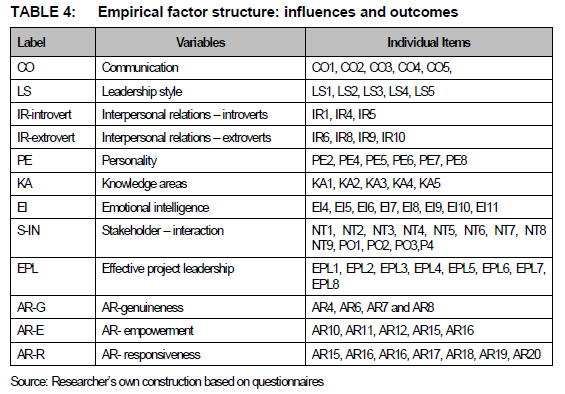
In the next stage of analysis, we interpret the regression weights of the inner model and link them to the latent constructs and their respective related observable variables. These values are presented in Table 4.
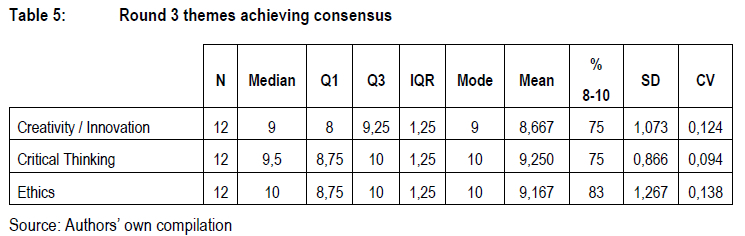
Table 5 shows the model fit indices: Standardised Root Mean Square Residual (SRMR), Squared Euclidean Distance (d_ULS), Geodesic Distance (g_D), Chi-square and Normed Fit Index (NFI).
Figure 1 illustrates the standardised regression weights and coefficients of determination (R2) for the full sample.
The Standardised Root Mean Square Residual (SRMR) value of 0.056 is excellent and well below the required threshold of 0.08, indicating only a minimal discrepancy between the observed and predicted correlations. This result suggests a good overall model fit and further supports the reliability and adequacy of the structural equation model. Convergent and discriminant validity were confirmed through AVE and HTMT
The structural model reveals compelling insights into the psychological pathways influencing academic performance. Notably, workload showed a strong, statistically significant positive effect on Motivation (β = 0.462, p < 0.01), suggesting that how academic tasks are structured and perceived plays a crucial role in energising students' engagement. Rather than acting solely as a source of stress, a well-balanced and meaningful workload may serve as a motivational catalyst, encouraging students to manage their time effectively, focus on academic goals, and take ownership of their learning processes. This finding aligns with the idea that when students perceive their workload as challenging yet attainable, it can foster a productive drive toward achievement.
Similarly, self-esteem exhibited a moderately positive influence on Motivation (β = 0.220, p < 0.01), indicating that students' internal perceptions of self-worth and academic competence meaningfully shape their willingness to engage with learning. Although its effect was not as strong as that of workload, the significance of self-esteem underscores the psychological dimension of academic Motivation, one that institutions must not overlook. When students believe in their abilities, they are more likely to set higher goals, persist through difficulties, and derive satisfaction from academic effort. This highlights the importance of fostering a supportive environment that nurtures student confidence through constructive feedback, mentorship, and inclusive pedagogical practices.
Most critically, the link between Motivation and academic performance emerged as very strong and highly significant (β = 0.619, p < 0.01), emphasizing Motivation as a key mediating mechanism in academic success. This robust relationship confirms that students who are intrinsically or extrinsically motivated are significantly more likely to perform well academically. Motivation thus functions as a central conduit through which both institutional factors (like workload) and psychological traits (like self-esteem) influence learning outcomes.
Taken together, these results reinforce the importance of designing academic environments that balance cognitive demand with emotional support. They also suggest that interventions aimed at improving academic performance must go beyond content delivery or resource provision; instead, they must address the motivational and psychological ecosystems in which students operate. Supporting Motivation through manageable workloads and self-esteem development may therefore be a highly effective strategy for enhancing both student experience and educational achievement.
The model's results reveal a thought-provoking divergence from common assumptions in educational policy and student development literature. Specifically, economic factors demonstrated a weak and statistically non-significant effect on Motivation (β = 0.049, p > 0.05), suggesting that access to financial support, though important in principle, may not directly inspire or sustain students' academic drive. This finding invites a deeper examination of how students perceive economic support. Whether as a distant bureaucratic process, insufficient to meet actual needs, or simply disconnected from their day-to-day academic efforts. In such cases, economic aid may be necessary for enrolment and retention, but it may not be psychologically salient enough to spark Motivation unless delivered in a timely, transparent, and student-centred way.
Even more striking is the finding that extracurricular activities had a near-zero impact on Motivation (β = 0.002, p > 0.05). This result challenges long-held views about the assumed benefits of extracurricular engagement in fostering student enthusiasm and holistic development. While extracurricular programs are widely promoted as enriching complements to academic life, their motivational potential may be dampened when they are not meaningfully aligned with students' personal goals, career aspirations, or academic identities. This suggests a potential misalignment between institutional offerings and what students truly value or need from non-academic engagements. Without relevance or perceived utility, the staff believe that students may view these activities as distractions rather than motivators.
Furthermore, the interaction between economic factors and Motivation in predicting academic performance was also statistically insignificant (β = 0.036, p > 0.05). This implies that even when students receive economic support, it does not significantly amplify the effect of Motivation on their academic outcomes. In other words, financial aid may help mitigate barriers to access, but it does not necessarily enhance students' psychological engagement with their studies or strengthen the motivational pathways leading to academic success.
The results provide support for the hypothesised relationships tested in this study. Consistent with H6, Motivation demonstrated a strong and statistically significant positive effect on academic performance (β = 0.619, p < 0.01), confirming its role as a key predictor of GMAP. Supporting H7, workload's significant positive effect on Motivation (β = 0.462, p < 0.01), combined with Motivation's strong effect on GMAP, indicates that Motivation mediates the relationship between workload and academic performance. Similarly, supporting H8, self-esteem's significant positive effect on Motivation (β = 0.220, p < 0.01), together with Motivation's effect on GMAP, indicates that Motivation mediates the relationship between self-esteem and academic performance. However, H9 was not supported: the interaction between economic factors and Motivation in predicting academic performance was statistically insignificant (β = 0.036, p > 0.05), indicating that economic factors do not moderate the relationship between Motivation and academic performance.
Collectively, these findings point to an important distinction between structural support and functional impact. Institutional resources, whether financial or programmatic, must do more than exist; they must resonate with students' immediate academic realities, psychological needs, and lived experiences. This calls for a more nuanced and responsive approach to student support services, one that moves beyond blanket provision and focuses on co-creating support systems with students, ensuring relevance, accessibility, and motivational salience. Without such alignment, even well-intended interventions may fall short of their transformative potential.
4.2 Discussion of results
These findings underscore the central role of Motivation as a mediating factor in academic performance, reaffirming its status as a pivotal construct in educational psychology and student development (Mostafa et al., 2025). Motivation, particularly when internally driven (Ayeni et al., 2021), serves as a catalyst that shapes how people get driven and as for this research, how students engage with learning tasks, manage academic demands, and persist in the face of challenges (Shukla & Chattopadhyay, 2024). The strength of this mediating effect suggests that meaningful improvements in academic outcomes must consider how institutional and personal factors interact to strengthen or undermine motivational dynamics.
More striking, however, is the apparent lack of influence from economic support and extracurricular activities, which are often cornerstones of educational policy and student welfare programs. These findings raise important questions about the relevance, delivery, and perception of such interventions (Akrong & Kotu, 2022). While these forms of support are theoretically sound and institutionally valued, they may fail to resonate with students' immediate academic concerns or lived realities. This disconnects points to a deeper issue: perceived institutional support does not necessarily translate into functional or psychologically impactful support. Students may view economic aid as inaccessible, insufficient, or irrelevant to their pressing academic pressures. Similarly, extracurricular offerings, when not meaningfully integrated with students' aspirations or academic trajectories, may be perceived as peripheral rather than enriching.
Interestingly, workload and self-esteem emerged as the most effective motivational levers, likely because they are deeply embedded in students' daily academic experiences. A manageable workload reduces anxiety, fosters a sense of control, and allows for more consistent engagement with learning materials. This resonates with the work of Cheng & Furnham (2019). Likewise, healthy self-esteem enhances confidence, resilience, and a willingness to pursue challenging academic tasks. These elements align closely with students' psychological engagement and their immediate academic reality, making them powerful drivers of Motivation. They are not abstract forms of support but lived experiences that shape how students interpret their capabilities and potential for success.
Taken together, these findings suggest that educational institutions must recalibrate their support systems, ensuring that policies and programs not only exist in form but also connect meaningfully with students' motivations, perceptions, and day-to-day experiences. A more student-centred approach grounded in psychological relevance and responsiveness to real academic challenges may be necessary to bridge the gap between support provision and its actual impact.
5. MANAGERIAL IMPLICATIONS
5.1 Theoretical contribution
This study contributes by challenging the assumption that institutional investment uniformly improves Motivation and performance. It advances Bronfenbrenner's theory by revealing that contextual misalignment within the microsystem can neutralise or even reverse expected outcomes. Bronfenbrenner's Ecological Systems Theory (1989) conceptualises human development as occurring through dynamic interactions between individuals and multiple nested environmental systems. The constructs in this study are now explicitly situated within these systems as follows: The microsystem encompasses direct, proximal interactions that students experience in their day-to-day academic lives. In this study, Self-esteem (Seffs) reflects the individual's internal psychological resources that shape engagement with learning tasks, while Attendance (Affs) captures students' behavioural engagement within instructional settings. Finally, Academic workload represents the immediate academic demands students interact with directly. The significant positive effects of workload (β = 0.462, p < 0.01) and self-esteem (β = 0.220, p < 0.01) on Motivation demonstrate that proximal academic and psychological processes within the microsystem play a decisive role in energising student engagement.
The mesosystem refers to the interconnections between different components of the microsystem. In this study, Institutional motivational factors represented the interface between academic policies, support practices, and students' learning experiences, while the mediating role of Motivation illustrates how institutional design interacts with students' psychological states to influence performance. The strong effect of Motivation on academic performance (β = 0.619, p < 0.01) highlights the mesosystemic role of Motivation as a linking mechanism that translates institutional and psychological inputs into measurable academic outcomes.
Finally, the exosystem includes structures that do not directly involve students but indirectly shape their experiences. Economic factors (Efs) and extracurricular activities (ExActs) fall within this system, as they are institutionally provided resources that influence students' environments without requiring constant direct engagement. The non-significant effects of economic factors and extracurricular activities on Motivation indicate that exosystemic provisions do not automatically translate into motivational outcomes unless they are meaningfully integrated into students' immediate academic contexts. These finding challenges assumptions that structural provision alone is sufficient for developmental impact.
Finally, the Macrosystem (Institutional and Socio-Educational Norms), in this study, reflects broader cultural, policy, and institutional norms. This is shown as the private higher education context in Southern Africa, including market-driven educational models and flexible delivery systems (e.g., block-release and online learning), forms the macrosystemic backdrop of the study. The prominence of workload and self-esteem over economic and extracurricular factors reflects a macrosystemic environment in which academic performance is prioritised, and individual self-regulation becomes central to success.
Of note, while not directly modelled, the block-release structure and cumulative exposure to workload over time implicitly engage the chronosystem. The effects of sustained academic demands on Motivation suggest that motivational processes are shaped by repeated interactions with institutional expectations across students' academic trajectories.
This study extends Bronfenbrenner's theory in three key ways by showing that microsystem and mesosystem factors (workload, self-esteem, and Motivation) exert a stronger influence on academic performance than exosystemic provisions (economic support and extracurricular activities) within private higher education contexts. Furthermore, by empirically validating Motivation as a mediating construct, the study operationalises Bronfenbrenner's proposition that development occurs through proximal processes. Motivation serves as the mechanism through which environmental inputs translate into academic outcomes. The study refines Ecological Systems Theory by demonstrating that in digitally mediated and block-release learning environments, indirect supports lose motivational potency unless they are tightly coupled with students' immediate academic experiences.
5.2 Practical implications
In light of these findings, several practical implications warrant thoughtful consideration by institutional stakeholders. First, institutions must prioritise effective workload management and implement strategies to enhance students' academic self-concept. Excessive academic demands, when left unmoderated, can lead to burnout, disengagement, and diminished self-efficacy. Institutions should consider restructuring academic schedules, integrating flexible learning options, and providing targeted academic support services that empower students to better navigate their responsibilities. Equally important is the cultivation of a positive self-concept, which can be achieved through mentorship programs, recognition of student achievements, and environments that encourage autonomy, competence, and belonging, key psychological drivers of Motivation and performance.
Second, the study highlights a potential disconnect between the economic support programs offered and students' perceived relevance or accessibility. Providing financial assistance is not enough; programs must be clearly communicated, contextually relevant, and tailored to students' actual needs. Redesigning these initiatives to reflect current economic realities and ensuring that students are adequately informed through multiple communication channels could significantly improve their uptake and impact. Moreover, involving students in the co-design of such programs may enhance trust and ensure the support aligns more closely with their lived experiences and aspirations.
Lastly, the role of extracurricular activities in shaping holistic development cannot be overstated. However, these programs must move beyond generic offerings and align strategically with students' career aspirations and intrinsic interests. When extracurricular engagements resonate with students' personal and professional goals, they are more likely to foster deeper engagement, skill acquisition, and a stronger sense of purpose. Institutions should therefore adopt a more intentional approach-mapping extracurricular opportunities to relevant career pathways, integrating reflective practices, and creating platforms where students can explore passions that reinforce both academic and lifelong competencies. By addressing these areas, institutions not only enhance the student experience but also contribute to developing well-rounded, motivated, and future-ready graduates.
6. CONCLUSION
The findings of this study call into question a long-standing assumption in higher education policy: that institutional support, in whatever form it takes, will naturally translate into stronger student motivation and better academic outcomes. Using Bronfenbrenner's bio-ecological systems theory as a guiding framework, this research shows that this assumption does not hold uniformly. Institutional Motivation was shaped most strongly by factors close to students' daily academic lives, namely workload and self-esteem, while more removed forms of institutional provision, such as economic support and extracurricular programming, had little to no bearing on Motivation or performance. This points to a structural rather than motivational problem: support systems not embedded in students' immediate academic reality risk becoming symbolic rather than functional. For private business schools in Southern Africa operating in resource-constrained and often high-pressure academic environments, the implication is clear. Institutional effectiveness is not simply a function of what is offered, but of how closely that offering is integrated into the everyday experience of learning. Future institutional strategy should therefore move away from broad, undifferentiated support provision and toward interventions that are deliberately designed around the proximal drivers of student engagement identified in this study.
6.1 Limitations
While the present study offers meaningful insights, several methodological limitations warrant acknowledgement to guide future research and build a more robust evidence base. First, the exclusive focus on private institutions inherently limits the generalizability of the findings. Private institutions often operate under different administrative structures, resource allocations, and stakeholder expectations compared to their public counterparts. As such, the experiences and perceptions captured here may not fully reflect the realities within public institutions, where bureaucratic constraints and broader socio-political dynamics often play a more pronounced role. Expanding future inquiries to include both private and public institutions would foster a more balanced understanding and strengthen the research's external validity. Second, the cross-sectional research design, while efficient for identifying associations and trends at a single point in time, restricts the ability to infer causality. Temporal factors or unmeasured confounders may influence the relationships observed among variables, making it difficult to determine the directionality or stability of these associations. To address this, longitudinal or experimental designs are recommended, as they allow for the examination of how relationships evolve over time and whether specific interventions produce measurable change.
Lastly, the absence of qualitative data represents a missed opportunity to explore the deeper psychological, emotional, and contextual mechanisms underlying participants' responses. Quantitative methods, though valuable for capturing patterns and general tendencies, may overlook the lived experiences, nuanced perspectives, and subjective meanings that shape human behaviour. Incorporating interviews, open-ended responses, or ethnographic methods in future studies could uncover rich, context-specific insights, particularly around motivations, fears, or institutional trust that quantitative measures alone may not fully reveal. By addressing these limitations, future research can offer a more comprehensive, causally robust, and contextually grounded understanding of the phenomena under study.
6.2 Future research
Future research should capture the dynamic and evolving nature of the subject under investigation by employing longitudinal study designs. In contrast to cross-sectional methodologies, which offer a single point in time, longitudinal studies provide the benefit of monitoring long-term outcomes, adaptations, and changes, particularly in response to institutional or policy changes. By adopting this temporal perspective, it is possible to identify patterns that are otherwise concealed, such as cumulative impacts or delayed effects, which can enhance both theoretical comprehension and practical interventions.
Furthermore, mixed-methods research is strongly advised. By combining quantitative and qualitative methods, researchers can move beyond surface-level observations to uncover latent perceptions, contextual nuances, and underlying motivations that often evade purely statistical analysis. For instance, while survey data may indicate trends in stakeholder engagement or institutional support, in-depth interviews or focus group discussions can elucidate the emotive, cultural, and experiential aspects of these interactions, thereby providing a more comprehensive perspective.
Ultimately, there is an urgent requirement for sampling frameworks that are more comprehensive and inclusive. By concentrating primarily on institutions or regions, contemporary research may inadvertently overlook valuable perspectives. To ensure policy recommendations respond to diverse realities on the ground, expanding the sample to include public institutions, underrepresented geographical areas, and culturally diverse communities would improve the generalizability of the findings. This inclusive approach recognises the pluralism inherent in societal structures and enables more equitable, context-sensitive conclusions.
Conflict of interest: The authors declare no conflict of interest with respect to the research, authorship and publication of the article.
Data availability: The authors will make the raw data supporting the conclusions of this article available on request.
Ethical clearance and informed consent statement: The researchers obtained ethical clearance from the North-West University's Faculty of Economic Sciences' Ethics Committee (numbers: EMS14/11/12-01/10 & EMS17/04/15-01/2) prior to data collection and informed consent from all the participants in this study.
Funding: The authors did not receive any financial support for research, authorship and publication of the article. The North-West University covered the publication cost of the article.
REFERENCES
Acknowledgement
The authors thank Ridwaan Asvat and Sayed Rehman for sharing their data for the study. This reflects the meticulous data collection and its current usability upon request. The authors also acknowledge the management of the NWU Business School, North West University, Potchefstroom, for their support and the APC for the article. The views and opinions expressed in this article are those of the author(s) and are the product of professional research.
2. LITERATURE REVIEW
-
Abhayawansa, S., Donovan, J., Le, V., Masli, E. & Topple, C. (2024). Beyond borders: Evaluating the real impact of an Asia-based short-term study-abroad program for a business capstone unit. The International Journal of Management Education, 22(2), 100965. https://doi.org/10.1016/j.ijme.2024.100965
» https://doi.org/10.1016/j.ijme.2024.100965 - Adan, M. Ansari, A.M. & Yasmeen, B. (2022). The effects of institutional environment on academic performance at higher level of learning: A case study of Punjab University Lahore. Bulletin of Business and Economics, 11(1), 104-112.
- Adeyemi, T.O. & Bolarinwa, R. (2013). Principals' leadership styles and student academic performance in secondary schools in Ekiti State, Nigeria. International Journal of Academic Research in Progressive Education and Development, 2(1), 187-198.
-
Ajo, A., Mardiyati, S., Edy, S. & Purnamasari, W. O. D. (2025). Bridging the gap: How entrepreneurship education shapes agribusiness graduates' prospects. 1441(1), 1-9. https://doi.org/10.1088/1755-1315/1441/1/012031
» https://doi.org/10.1088/1755-1315/1441/1/012031 -
Akrong, R. & Kotu, B. H. (2022). Economic analysis of youth participation in agripreneurship in Benin. Heliyon, 8(1), e08738. https://doi.org/10.1016/j.heliyon.2022.e08738
» https://doi.org/10.1016/j.heliyon.2022.e08738 - Amoozegar, A., Daud, S. M., Mahmud, R., & Ab Jalil, H. (2017). Exploring learner to institutional factors and learner characteristics as a success factor in distance learning. International Journal of Innovation and Research in Educational Sciences, 4(6), 647-656
- Aramburo, V., Boroel, B & Pineda, G. (2017). Predictive factors associated with academic performance in college students. 7th International Conference on Intercultural Education "Education, Health and ICT for a Transcultural World", EDUHEM 2016, 15-17 June 2016, Almeria, Spain.
- Aras, D. U., Machmud, N. M., Malli, R., & Syamsuddin, A. (2021). Is pandemic affecting students? A study on learning interest and academic achievement on medical students. International Conference on Public Health And Medical Sciences Proceedings, 1(1), 11-18.
-
Ayeni, A. W., Ogunnaike, O., Ayeni, E., & Iyiola, O. (2021). Harnessing the sustainable competitive advantage of social Motivation in the informal market: A West African society insight. Heliyon, 7(7), e07538. https://doi.org/10.1016/j.heliyon.2021.e07538
» https://doi.org/10.1016/j.heliyon.2021.e07538 - Bamiro, O.A. & Adedeji, O.S. (2010). Sustainable financing of higher education in Nigeria. Ibadan: Ibadan University Press.
-
Bawa, A., & Meyer, L. (2025). Becoming more private: The inevitabilities of South African higher education. Journal of Student Affairs in Africa, 13(1). https://doi.org/10.24085/jsaa.v13i1.5981
» https://doi.org/10.24085/jsaa.v13i1.5981 - Bisschoff, C. (2024). A business school case study: The academic performance of MBA Marketing management students' academic performance during full contact, full online and hybrid classes. Tydskrif Vir Geesteswetenskappe, 64(3), 454-468.
- Bisschoff, C., Cassim, N., Botha, C., & Botha, D. (2024). Investigating personnel perceptions of leadership styles during WFH within private higher education in South Africa. Journal of Economic Development, Environment and People, 13(2), 27-59.
-
Britwum, F., Amponsah, M. O., Effrim, P. K., & Aidoo, S. (2024). A two-way interaction effects of gender and age on emotional intelligence and academic achievement of students in the colleges of education in the Volta zone of Ghana. Social Sciences & Humanities Open, 10, 101074. https://doi.org/10.1016/j.ssaho.2024.101074
» https://doi.org/10.1016/j.ssaho.2024.101074 - Bronfenbrenner, U., & Morris, P. (1998). The Ecology of Developmental Process. In W. Damon, & R. M. Lerner (Eds.) Handbook of Child Psychology (pp. 993-1028). New York: John Wiley & Sons, Inc.
- Bronfenbrenner, U. (1989). Ecological systems theory. In R. Vasta (Ed.), Annals of child development (Vol. 6, pp. 187-249). JAI Press.
-
Cassim, N., Botha, C. J., Botha, D., & Bisschoff, C. (2024a). The organisational commitment of academic personnel during WFH within private higher education, South Africa. SA Journal of Industrial Psychology, 50, a2123. https://doi.org/10.4102/sajip.v50i0.2123
» https://doi.org/10.4102/sajip.v50i0.2123 -
Cassim, N., Botha, C. J., Botha, D., & Bisschoff, C. (2024b). Employee engagement at a private higher education institution during the COVID-19 pandemic. SA Journal of Human Resource Management, 22, a2300. https://doi.org/10.4102/sajhrm.v22i0.2300
» https://doi.org/10.4102/sajhrm.v22i0.2300 -
Cheng, H., & Furnham, A. (2019). Teenage locus of control, psychological distress, educational qualifications and occupational prestige as well as gender as independent predictors of adult binge drinking. Alcohol, 76, 103-109. https://doi.org/10.1016/j.alcohol.2018.08.008
» https://doi.org/10.1016/j.alcohol.2018.08.008 -
Cortina, J. M. (1993). What is coefficient alpha? An Examination of Theory and Applications. Journal of Applied Psychology, 78(1), 98-104. https://doi.org/10.1037/0021-9010.78.1.98
» https://doi.org/10.1037/0021-9010.78.1.98 -
Dixon, C. S. (2015). Interviewing Adolescent Females in Qualitative Research. The Qualitative Report, 20(12), 2067-2077. https://doi.org/10.46743/2160-3715/2015.2436
» https://doi.org/10.46743/2160-3715/2015.2436 -
El Zaatari, W., & Maalouf, I., (2022). How the Bronfenbrenner Bio-ecological System Theory explains the development of students' sense of belonging to school?. SAGE Open. 12(4).https://doi.org/10.1177/21582440221134089
» https://doi.org/10.1177/21582440221134089 - Field, A. 2017. Understanding statistics using SPSS. Thousand Oaks, CA: Sage
-
Forsberg, C., Chiriac, E. H., & Thornberg, R. (2021). Exploring pupils' perspectives on school climate. Educational Research, 63(4), 379-395. https://doi.org/10.1080/00131881.2021.1956988
» https://doi.org/10.1080/00131881.2021.1956988 -
Gess-Newsome, J., Taylor, J., Carlson, J., Gardner, A., Wilson, C.,& Stuhlsatz, Molly. (2019). Teacher pedagogical content knowledge, practice, and student achievement. International Journal of Science Education, 41, 944-963. https://doi.org/10.1080/09500693.2016.1265158
» https://doi.org/10.1080/09500693.2016.1265158 - Hair, J. F., Money, A. H., Samouel, P., & Page, M. (2007). Research methods for business. John Wiley & Sons.
-
Hair, J. F., Risher, J. J., Sarstedt, M., & Ringle, C. M. (2019). When to use and how to report the results of PLS-SEM. European Business Review, 31(1), 2-24. https://doi.org/10.1108/EBR-11-2018-0203
» https://doi.org/10.1108/EBR-11-2018-0203 - IBM SPSS (Statistical Programme For Social Sciences). 2018. Statistical software package. Version 25. Seattle, WA: IBM
-
Javornik, Š., & Klemencic Mirazchiyski, E. (2023). Factors contributing to school effectiveness: A systematic literature review. European journal of investigation in health. Psychology and Education. 13(10), 2095-2111. https://doi.org/10.3390/ejihpe13100148
» https://doi.org/10.3390/ejihpe13100148 - Johnson, D. (2017). The Role of Teachers in Motivating Students to Learn. BU Journal of Graduate Studies in Education, 9, 46-49.
- Kahts-Kramer, S., Oosthuizen, J. J., du Plessis, A. M., Schreck, C., & Bisschoff, C. A. (2024). Teaching and Learning in Human Movement Science in South Africa: Scoping Review and Community of Practice Insights. International Journal of African Higher Education, 11(3), 128-155.
-
Kidane, T. T., & Mtapuri, O. (2023). Factors Affecting Agricultural Students' Attitude Towards Entrepreneurship at a University in South Africa. In Poverty, Inequality, and Innovation in the Global South (pp. 271-284). Scopus. https://doi.org/10.1007/978-3-031-21841-5_13
» https://doi.org/10.1007/978-3-031-21841-5_13 -
Kumar, S., Agarwal, M., & Agarwal, N. (2021). Defining and measuring academic performance of HEI students: A critical review. Turkish Journal of Computer and Mathematics Education, 12(6), 3091-3105. https://doi.org/10.17762/turcomat.v12i6.6952
» https://doi.org/10.17762/turcomat.v12i6.6952 - Malhotra, N. K. (2010). Marketing research: An applied orientation (6th ed.). Pearson.
-
Moreira, P. A. S., Dias, A., Matias, C., Castro, J., Gaspar, T., & Oliveira, J. (2018). School effects on students' engagement with school: Academic performance moderates the effect of school support for learning on students' engagement. Learning and Individual Differences, 67, 67-77. https://doi.org/10.1016/j.lindif.2018.07.007
» https://doi.org/10.1016/j.lindif.2018.07.007 -
Mostafa, N. A., Harfoush, M. S., Atta, M. H. R., Fouad, R. A., & El Garhy, S. M. (2025). The impact of a student-led intergenerational support program on life satisfaction, loneliness, and psychological well-being of institutionalized older adults. Geriatric Nursing, 62, 157-167. https://doi.org/10.1016/j.gerinurse.2025.01.018
» https://doi.org/10.1016/j.gerinurse.2025.01.018 -
Netemeyer, R. G., Bearden, W. O., & Sharma, S. (2003). Scaling procedures: Issues and applications. Sage Publications. https://doi.org/10.4135/9781412985772
» https://doi.org/10.4135/9781412985772 -
Ruiz, F. J., Flórez, C. L., García-Martín, M. B., Monroy-Cifuentes, A., Katherine Barreto-M., García-Beltrán, D. M., Diana Riaño-Hernández, M., Sierra, A., Suárez-Falcón, J. C., Cardona-Betancourt, V., & Gil-Luciano, B. (2018). A multiple-baseline evaluation of a brief acceptance and commitment therapy protocol focused on repetitive negative thinking for moderate emotional disorders. Journal of Contextual Behavioral Science, 9, 1-14. https://doi.org/10.1016/j.jcbs.2018.04.004
» https://doi.org/10.1016/j.jcbs.2018.04.004 -
Shukla, P., & Chattopadhyay, S. (2024). What drives a move towards organic agriculture among non-agriculturists? A qualitative study of the motivations and experiences of new-entrant farmers in India. Organic Agriculture, 14(3), 357-371. https://doi.org/10.1007/s13165-024-00470-9
» https://doi.org/10.1007/s13165-024-00470-9 - Spreitzer, C., & Hafner, S. (2023). Effects of characteristics of school quality on student performance in secondary school: A scoping review. European Journal of Educational Research, 12(2), 991-1013
- Suleiman, I., Adekunle, O., Dada, E., & Ezeanya, C. (2024). Key factors influencing students' academic performance. Journal of Electrical Systems and Information Technology, 11(41), 1-18.
- Tshivhase, M. L., & Bisschoff, C. A. (2024). Investigating green initiatives at South African public universities. Nurture, 18(2), 245-263.
-
Vallerand, R. J., Pelletier, L. G., Blais, M. R., Brière, N. M., Senécal, C., & Vallières, E. F. (1992). The Academic Motivation Scale: A measure of intrinsic, extrinsic, and amotivation in education. Educational and Psychological Measurement, 52(4), 1003-1017. https://doi.org/10.1177/0013164492052004025
» https://doi.org/10.1177/0013164492052004025 -
Zysberg, L., & Schwabsky, N. (2021). School climate, academic self-efficacy and student achievement. Educational Psychology, 41(4), 467-482. https://doi.org/10.1080/01443410.2020.1813690
» https://doi.org/10.1080/01443410.2020.1813690