Springbok rugby players' career transitioning framework post retirement
Abstract
BACKGROUND OF THE STUDY: The recent victory of the Springboks in the 2023 Rugby World Cup has proven that this sport can unite a nation and give hope to people who desperately need it. However, the players' careers are short-lived. PURPOSE OF THE STUDY: This study aims to examine the transition period and the impact that the cessation of a professional rugby career can have on these athletes. More specifically, the study aimed to identify the main factors that affect the successful transition of former professional rugby players into their careers post-retirement. DESIGN/METHODOLOGY/APPROACH: A qualitative research approach was applied to achieve this study's aim and research objectives. A critical literature review assisted in analysing and evaluating the growing body of work concerning this topic. The empirical study relied on semi-structured interviews with participants with first-hand experience of the transition process from professional sport. An exploratory and descriptive approach was applied to gather and interpret their perspectives. FINDINGS: The literature showed that there are numerous challenges when retired athletes face post-sport. Financial and mental health issues are some of the most notable. The empirical study confirmed the conclusions derived from existing literature and highlighted other areas for potential scrutiny. The study's recommendations are based on the critical literature review, empirical analysis, and the author's experience (who experienced a similar transition as a retired professional Springbok rugby player. RECOMMENDATIONS/VALUE: There is a gap between what the literature suggests and the practical implementation and tangible results modern athletes experience when they retire. Thus, a more inclusive and practical transitional structure has been developed and is presented in this paper, that set clear direction post professional rugby retirement. MANAGERIAL IMPLICATIONS: The study's findings may aid in formulating and implementing policies that are mutually beneficial to professional South African rugby players and official structures such as unions. JEL CLASSIFICATION: L83.
Athlete; career; health; post-retirement; professional; rugby player; transition
1. INTRODUCTION
Many sport codes have seen a rise in remuneration levels. However, this can also create a false sense of security and unrealistic expectations of comfort for the future. Social media, marketing, and an athlete's brand have become assets and potential revenue streams if managed well. A paper on North American professional sports teams (Gladden et al., 2001) hypothesises that strategic business management and brand management will become a prevailing focus.
The unique termination and transition of a professional athlete's career have historically not enjoyed the necessary scholarly attention. Retired and retiring individuals validated the outcome and impact as helpful and successful in instances where positive transitioning models, as well as transitioning programs, are initiated (Stankovich et al., 2001). Knights et al. (2019) suggest that four factors accompany a positive transition throughout Australian Football codes. These include organisational support, planned retirement, social support, and proper preparation for life after retirement from professional sport. The research also showed that athletes were mainly satisfied with the help they received from family and friends, but noted a lack of support from their former clubs and unions (Knights et al., 2019). This finding highlights the need for the athlete to take responsibility for the planning and preparation of their career after sport.
The experiential model suggests that individuals can better prepare themselves for future challenges. The experiential model refers to the daily experiences people are exposed to (Liu et al., 2021). This can refer to the experience gathered through sport and applying it in future endeavours. According to Barnes and Larcus (2015), students involved in sport are prone to develop skills that contribute to future success. These student-athletes can be equipped and taught how to apply these principles to other areas of their lives (Barnes & Larcus, 2015).
It is estimated that a staggering 78% of professional athletes in America become financially insolvent within three years after retirement from their sport (Galletta, 2022). An online article published on 1 October 2022 on the Netwerk24 webpage underlines the dire circumstances in which many retired professional South African rugby players find themselves (Claassen, 2022). The retired and retiring players' need for guidance and assistance in this transition process is evident on websites such as LAPS (Life After Professional Sport), which, as the name suggests, is dedicated to helping retired professional athletes by creating a resource platform where they can, among others, engage with other athletes as registered members and the website also offers the opportunity for people employed in different sectors to act as mentors to athletes who may be interested in a particular career path after sport (LAPS, 2022).
2.1 Retirement from professional sport
O'Riordan (2012) states that "all athletes die twice, and the first time is the hardest". O'Riordan is equating retirement from professional sport with a "first death". Professional athletes are required to perform under constant pressure and at a very high level. Their success is determined by how well they can manage the continuous peak condition that their bodies need to be in to perform their jobs' duties. It is fair to say that, from a very young age, their (stressful) careers have been the centre of their lives, and time-wise, they have a tiny window of opportunity to reach their full potential. Individuals in other professions generally have the luxury of accumulating experience for potentially extended periods. In contrast, top rugby players peak in their 20s or 30s and have a limited international lifespan, as many retire from competing locally or internationally in their mid-30s. Empirical research on 495 professional rugby players who retired from the England Premiership shows that the average retirement age from professional rugby in England is 34 and that forwards tend to retire slightly older than backs (Winter, 2021).
This cessation of their careers (the centre of their emotional, mental, and physical lives) can be an emotionally taxing and often traumatic experience for relatively young individuals. John O'Keeffe describes the experience as follows: "Imagine the trauma when, with two-thirds of your lifespan still to live, the career that's brought you money, fame and influence is suddenly, definitively, over" (O'Keeffe quoted in O'Riordan, 2012).
Players often face issues of low self-esteem and low self-image. A study by Cosh et al. (2021:15) found that a lack of self-worth outside of sport often results in relationship difficulties and social withdrawal in retired athletes. Their self-worth is often strongly tied to their athletic identity and sporting ability. Athletic identity is the sport-related dimension of a person's self-concept, and it also has to do with the degree to which a person relates to their athletic role (Lamont-Mills & Christensen, 2006). Since an athlete's self-worth is connected to their athletic identity, it often leads to accounts of withdrawal from peers or friends and social isolation. Inactivity has contributed to the transition struggles of athletes. Players realise that they are finished doing what they are potentially best at and experience a sense that a tremendous hole needs to be filled (Cosh et al., 2021).
The feeling of not being in control of one's career termination leads to anxiety, which negatively impacts the transition process (Kuettel et al., 2017). Some forced retirements include injuries. Injuries challenge players mentally, and among other things, they can become jealous because they cannot play and lose confidence in their ability to regain their position within the team environment (O'Riordan, 2012). A fulfilling and valuable aspect of rugby is that hard work pays off, and the reward of winning and celebrating victories plays a significant role in rugby players' well-being (Reinboth & Duda, 2006). One can argue that without these achievements or feelings of achievement, a perception of a lack of accomplishment and a sense of worthlessness can arise. Social withdrawal is common in retired professional athletes (Baillie & Danish, 1992).
Numerous players experience the feeling of longing, or not belonging, and can even share feelings of helplessness and isolation (Jewett et al., 2019). The challenges that teammates overcome as a group build solid connections and are perceived by some as irreplaceable (O'Riordan, 2012). Thus, the support that players receive from the public also generates a sense of responsibility towards the supporters to perform well and not let them down. This responsibility often disappears when the interest diminishes in the athlete's career.
Although retired rugby players often take up other sports or forms of physical activity, some point to the difference between individual and team environments. Feelings of emptiness often accompany the sense of loss (Brown et al., 2018). Some players also concede that the unions and management have "spoon-fed" them and dictated their daily routine, including travel arrangements, diet, time schedules, and training programs (O'Riordan, 2012). Losing that structure creates a diminished sense of security and safety. This lack of structure, which was previously routine and determined by the institutions the athlete was involved with, is often accompanied by anxiety or loss (Kerr & Dacyshyn, 2000).
Many rugby players struggle with transitioning to a career after sport. However, there are also many success stories. Bassett (2023) interviewed Springbok legend Bryan Habana in a recent article. According to Habana, the career transition period is one of the most stressful for athletes. He compares this process to a mini death (an observation similar to that of O'Riordan regarding the two deaths that professional athletes suffer). Habana emphasises the importance of giving yourself an adequate education to understand the consequences and challenges that await every athlete. He acknowledges that while he was playing rugby, he wanted to be the best in his position in the world. It took a lot of focus and effort, and he sacrificed being balanced to achieve these sports goals. He reiterates the challenge of leaving behind everything you've ever known and moving forward into the unknown and something totally different (Bassett, 2023).
2.2 Retirement from professional sport: reasons and consequences
Rugby is played by over 8.5 million people around the world. Research by Hind (2020) suggests that when rugby is compared to other noncontact sports, amateur and elite rugby players are 2 to 10 times more likely to suffer from injuries, the most prominent being concussions and knee ligament injuries. On average, elite rugby players experienced 1.6 injuries per season. 81% of elite rugby players reported having experienced at least one concussion in their careers. Current back pain and chronic joint pain are experienced by 80% of former elite rugby players.
An examination of Jordanian national athletes who retire from sports contests the notion that the four leading causes for career termination in sports are being discharged, injury, age, and free choice (Hatamleh, 2013). A study conducted in Australia by Cosh et al. (2021) focuses on three types of retirement by professional athletes. This is related to retirement because of injury, age, and whether athletes actively chose to retire at what is perceived as the right time.
An athlete's retirement can either have positive or negative consequences on the athlete's life after their career ends. A transition is deemed positive if an individual has successfully adjusted to life after participation in their respective sporting codes (Brady, 1988). According to Poucher et al. (2021), athletes are just as prone to experience mental health issues as the general population. However, the research highlighted that the loss of social support and the athletic identity of an athlete contribute to an increased risk of adjustment disorders, depression, and anxiety.
2.3 Career transitioning and career planning
Utkarsh (2021) suggests that career transition is not merely about doing something different. Utkarsh concludes that a career transition is a redesign of one's lifestyle, and it encompasses the rethinking of how you spend your time and how this impacts your long-term goals. Utkarsh further suggests considering three main questions before a career transition: (1) the why, (2) the what, and (3) the when.
Barriopedro et al. (2019) analysed the importance of four significant factors that can contribute to a successful career transition. These factors include voluntary termination, satisfaction with achievements in sport, type of career path, and the extent of pre-retirement planning.
A tertiary education is not always essential in creating a flourishing career outside of rugby. Nevertheless, a MyPlayers survey indicated that only 41% of current South African rugby players are working toward equipping themselves with any professional qualification (Schenk, 2020). MyPlayers further found that 53% of respondents did not have a good career plan for their prospective post-rugby life. In 2020, South Africa had 717 professional rugby players, where 471 earned less than R500,000 ($ 27 072) a year, and 273 made R240,000 ($ 12 800) or less (Schenk, 2020). Effective career planning is necessary to achieve one's career goals. Considering that an individual could potentially spend 40 to 45 years of their life at work, choosing the optimum career path is an essential decision in any person's life. Your choices will influence your income, lifestyle, self-concept, and other aspects of your life (Yashodhra, 2021).
However, engagement in career planning can enhance performance. Findings by Lavallee (2019), through an investigation into top-level National Rugby League players in Australasia, demonstrated that increased engagement in pre-retirement planning positively correlated with team tenure, selection, and career tenure.
2.4 Athletic identity and scrutiny
A core concept of the sport retirement transition model is athletic identity. It is defined by the degree to which the athlete identifies with their role (Yao et al., 2020). The identity of an athlete is moulded through the individual's perceptions of competing or the accumulated aspects of competing.
Rugby players' careers often define them as persons, and they derive their value as human beings from their performance and apparent public stature. Their identities can be related to rugby to the extent that it is problematic when the athletes' careers terminate. Retired Irish hooker Shane Byrne describes the "horrible hole" that professional athletes experience after the cessation of their careers: "You're in your mid-30s, and you're finished doing what you're best at, what you were put on this earth to do, and then it's suddenly gone, and you can't get it back, and it's a horrible hole to fill", Byrne (cited by O'Riordan, 2012). Byrne's statement highlights the feelings of loss in general and the loss of identity in retired professional athletes. His statement also points to the effects of the cessation of a professional sports career on the emotional and mental state of professional athletes when they feel that their primary purpose has reached its inevitable conclusion.
2.5 The positive correlation between sport and a future career
A study by Steinbrink et al. (2020) concludes that certain personality traits athletes possess or have developed through their sporting career in a high-performance sport environment align with traits that determine entrepreneurial intention and success. The athlete and the entrepreneur share characteristics that include being more conscientious, less neurotic, and more extroverted, and often share a higher risk propensity. By exploring the person-job fit theory, athletes pursuing a career in entrepreneurship are more likely to transition into a second career successfully. A transition into entrepreneurship appeals to many retired rugby professionals with the attractions of independence, self-employment, and fulfilment. Developmental programs to enhance entrepreneurial skills and develop supporting structures for retired athletes should be emphasised and implemented (Kenny, 2015).
Ratten (2015) highlights three types of human capital common to sportspeople and desirable in the business environment. These include leadership capital, emotional capital, and social capital. The athlete's leadership skills are perceived to be an asset when conducting business activities. Emotional capital can include optimism, confidence, and resilience, leading to enhanced consumer engagement and the opportunity to navigate their working environment effectively. Athletes have the potential to develop high degrees of social capital. This enables athletes to attract business deals and marketing sponsorships. It gives rise to the opportunity for athletes to grow their social network and utilise their large platforms and networks to gain a competitive advantage in the entrepreneurial arena.
Several commonalities exist between the sporting and business environments. Therefore, skills attained by professional athletes are often transferable and can be implemented effectively. Global unemployment numbers have risen, and the demand to develop and acquire additional skills has become critical in ensuring job security (Autor, 2019).
Some preferred psychological attributes are often present among sporting professionals. These include a positive attitude and resilience. Resilience is desirable in the business environment. Professional rugby players possess various attributes that are indicators of success in the business environment, whether these attributes were possessed or purposefully developed throughout their careers. These traits should be identified and applied to their careers after retirement and can be significant in determining their success as retired elite athletes (Filbay et al., 2017).
2.6 Brand equity as a catalyst
The world has changed dramatically at incremental rates, and the addition of social media platforms and increased levels of public access to professional athletes' lifestyles and brands are profound (Pegoraro, 2010; Frederick et al., 2014; Hayes, 2019). A new way of thinking about building and utilising this brand is required. However, this creates immense opportunities for modern athletes as brand equity catalyses the transition process (Hayes, 2019). This can also relate to an athlete's values and the consumer's or supporters' overall perception (Keller, 2013). Managing this reputation and image is critical for elite athletes. Social media and other platforms' benefits for the individual should be treated cautiously. Negative perceptions, comments, or posts can have damaging effects, sometimes detrimental, on a professional athlete's reputation (Green, 2016).
Huttunen (2021) found that a marketable lifestyle and athletes' performance statistically have a more significant effect on brand awareness and brand image, and contribute to the brand equity of the athlete. Respondents of Huttunen's study rated the athlete's brand image more positively when athletes had high levels of performance and a desired marketable lifestyle.
McGannon et al. (2022:951) describe an athlete's retirement after an injury as "from superhero to human". The author emphasises the importance of showing positive stories of the athlete's performance to create positive narratives and influence perception in the public sphere.
2.7 Current support systems
The Rugby Business Network, among others, provides a free program for current and retired rugby players to integrate into the business environment and assists in starting a business or placing individuals in careers or jobs. They provide various services and assistance that include psychometric tests with feedback, help with job placement via recruitment members, provide access to mentors in facilitating start-up businesses and provide access to trainers, educators, and professional development companies. These platforms have proved effective in helping numerous players in their post-career transitioning process. These initiatives and programs are valuable because their reach and extent expand into improving the quality of transitioning for professional rugby players (RBN, n.d.).
Mockford (2019) poses that 95% of retired rugby players will need a second career, considering that it is likely that more individuals will spend more of their lives being former or retired professional rugby players rather than being actively involved in the sport. An RPA (Rugby Players Association) survey found that 32% of retired rugby players do not feel in control of their lives in the first two years following retirement. Numerous players argue that a narrowed focus is required to compete in sport optimally. However, Saracens (club), among others, believes that having interests outside of the game of rugby can make a person a more balanced and rounded individual and lead to being a more successful player (Mockford, 2019).
Various institutions have dedicated resources to facilitate rugby players' transition process and emphasise the importance of individuals' challenges. The RPA has a dedicated transition manager and a former professional rugby player, Josh Frape. Frape suggests that the individual's mindset is critical in adapting to life after rugby (Mockford, 2019). Mockford reiterates that many players, even after ten years of retirement, still regard themselves as ex-professional rugby players. Frape (cited in Mockford, 2019) suggests applying a positive view and way of thinking. Just as they analysed opposition to prepare for rugby matches, proper analysis and planning are necessary for their career planning (Mockford, 2019).
Thus, it is critical to look at the individual because there is no one-size-fits-all approach, and everyone's background, ability, skill set, and aspirations differ. Although there is an increase in supporting programs and initiatives, ultimately, the responsibility resides with the individual to utilise these platforms, conduct appropriate career planning, take control of their rugby career, and plan for their life after professional rugby.
In conclusion, retiring athletes from professional sport is a complex and multifaceted process that deserves careful consideration. This study has explored various aspects of athletes' retirement, including their psychological, physical, and social challenges during this transition period.
3. METHODOLOGY
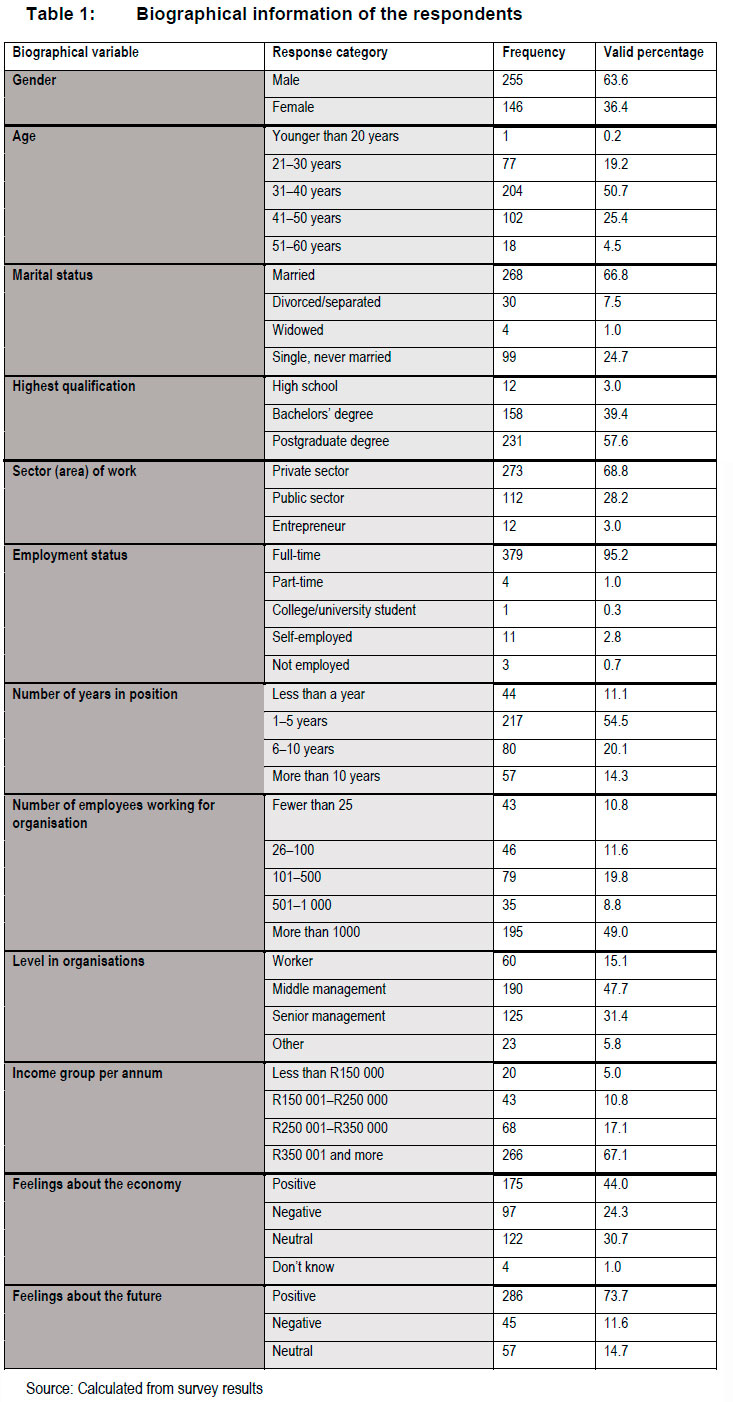
This study applied a qualitative design approach. The methodology utilised in this study is presented in Table 1.
This study used a qualitative interpretivist design. Non-probability, purposive sampling was employed, and data saturation was achieved after six participants, and a seventh was included for confirmation. Primary data was gathered through semi-structured interviews. Creswell's model for data collection and analysis (Creswell, 2012) served as a guide throughout the collection and analysis stages to ensure the study's trustworthiness. The use of a colour coding system in the thematic analysis proved highly fruitful in identifying emerged themes (see Williams, 2008).
4. FINDINGS AND DISCUSSION
This section is presented in two subdivisions, namely 4.1 Findings and 4.2 Discussion. The discussion section elaborates on the emerged themes and provides corresponding recommendations.
4.1 Findings
The interview guide was divided into four sections, including: (1) a background section, (2) specific questions relating to transition preparation, (3) an assessment of the transition process, and (4) an open-ended section where each participant was asked to elaborate freely on their own transition process as well as their views surrounding the process. This article focuses on section 4, which refers to the transitional process into the industry.
4.1.1 Participant profile
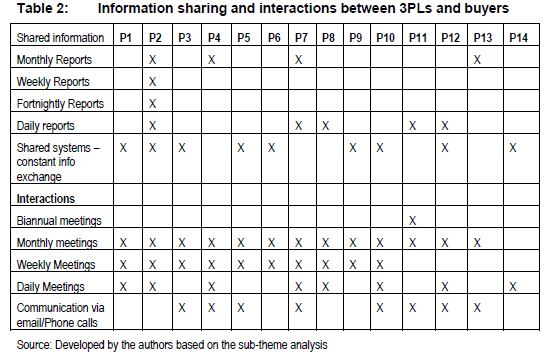
The participant profile is presented in Table 2. There were seven participants, all of whom were male and competed at the highest level of the selected sporting code. All participants played for the South African national (rugby union) side, known as the Springboks. All the participants are perceived to have had successful professional sporting careers and have perceivably transitioned successfully into a post-sporting career. Therefore, the opportunity to derive valuable information from the participants' experiences to guide future generations is enhanced. All participants willingly allowed the disclosure of their names to contribute to the study, which, in their opinion, centres on a crucial topic of discussion.
All but one participant were professional rugby players for between 10 and 20 years. The outlier is Participant 7, who enjoyed a 23-year career; this is an exceptionally long time compared to the playing time of the average professional rugby playing career. The years as a professional rugby player are based on the time everyone received monetary compensation for playing professional rugby.
The data reduction and the identified themes (see Williams & Moser, 2019:49) are based on thematic analysis, using colour coding, contributing to identifying patterns in the collected data, then data is grouped into "researcher-generated themes" (Lochmiller, 2021:2031).
4.1.2 Transitional process to industry analysis
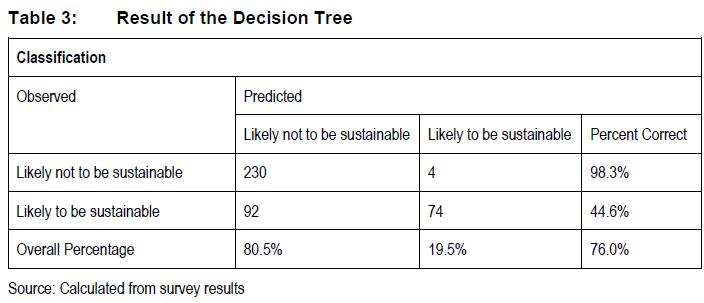
The analysis of the transitional process of professional athletes (rugby players) findings contributes to the development of a typical structure for future consideration by relevant rugby unions. The reduction of data is based on full transcripts. Transcripts are reduced into manageable categories, which are then grouped into emerged themes. The themes that emerged are then consolidated into a structural contribution towards industry application. The open-ended question that was posed to selected participants is as follows: Please elaborate on the overall experience of your own transition from professional sport and express your views on potential challenges and opportunities to prepare sufficiently for this process that is part of every athlete's future. Tables 3 and 4 reflect the data reduction analysis process.
Table 4 reflects the identified categories that have been further reduced into a list of consolidated emerged themes. These themes on their own are in isolation; however, once these themes are consolidated, a practical, applicable contribution towards sustainability can be derived.
4.1.3 Brief discussion and conclusion
The overall transition experience and its tenets described by the participants' answers to the open-ended question are structured in Figure 1. Author1 was a professional rugby player and has experienced a similar transition to the participants. Author1 also served as the captain of the Springboks and his provincial team(s). As such, the reflections are based on the primary themes that emerged from the participants' feedback in the relevant open-ended question, based on empirical evidence.
4.2 Discussion and recommendations
This section comprises the discussion of the emerged themes that were identified after the thematic analysis with colour-coding. Four main themes, namely (1) time out of the market, (2) emotional transition, (3) skills development, and (4) general consideration (internal and external, respectively), are explored, and recommendations are made based on the empirical study's evidence.
4.2.1 Theme 1: Time out of the market
No freebies: As many participants have emphasised, many rugby players believe that after retirement, they can solely rely on their name or brand as a rugby player to generate sufficient income to maintain their lifestyles. It is true that having been a professional rugby player, especially at the highest level, can open doors and provide many opportunities for retired professionals. However, this is insufficient to attain a sustainable income, and no one in the corporate or business world will indefinitely provide you with a free handout. It is, therefore, critical for players to develop themselves to add value to the opportunities they are afforded and be able to contribute to a new working environment. The participants are great examples of ex-professional rugby players who competed at the highest level and are all considered household names in South Africa. Even with their brand equity, they have stressed the challenges they have gone through and the hard work they must put in to maintain their brand and capitalise financially on their rugby careers.
Manage lifestyle: Players must manage their lifestyles while playing rugby to cope with the transition process when they retire and position themselves for future opportunities and investments. It is not unusual for young rugby players to earn higher salaries compared to their peers. This often leads to players overspending on unnecessary luxurious items and lavish lifestyles. All participants agreed that they could have and should have done some things differently when they looked back. Players in South Africa often retire, and they cannot service the debts and liabilities incurred during their tenure as professional athletes. It often leads to lifestyle shock, whereby the players and their families are impacted.
Rugby income not sufficient: Rugby players, especially those with longer careers, should consider that they have fallen behind their peers, who often become specialists in their various fields within a 15- to 20-year span. Sponsorships and endorsement deals also diminish in value except when the players can remain visible and relevant through either a social media following or televised media. Some brands and companies remain loyal to players after their retirement; however, this is usually accompanied by a decreased income for the retired athlete.
The average professional rugby career generally ends when players are younger than 40, meaning that they generate most of their income at a fairly young age (Moolman, 2022). Young players who do not receive guidance and help may not have a high degree of financial literacy (Van Heerden, 2018). Professional rugby players are not safeguarded from financial hardships or bankruptcy after retirement from sport, despite the enormous salaries that some players earn (Carlson et al., 2015).
Very few players become household names and even those who have expressed their challenges in pursuing income from their previous rugby careers. Rugby is becoming a globalised sport, with a few select players earning much more money. This creates a large payment gap between local or provincial players and international or overseas contracted players. All participants had highly successful careers and stressed that their rugby income was insufficient for them to retire. As referenced earlier, this is not only a challenge for retired rugby players but is a global trend for professional athletes throughout various sporting codes during the cessation of their careers. Some sporting codes offer better income opportunities than others, but even at the highest end, a lot of retired athletes still struggle financially after transitioning out of the sport that they competed in.
Good relationships built on trust and authenticity: The author agrees with the participants that it is critical to build good relationships built on trust and authenticity to establish mentorship, opportunities after rugby, and effective support. Players should be able to identify sustainable relationships that are not merely built on the fact that they play rugby and are often abused and terminated when the perceived utility of the player diminishes after retirement. A lot of the participants emphasised their gratitude toward the people with whom they have formed meaningful relations, as well as the brands they are associated with. Some people can assist and support rugby players after retirement, especially if they continue their life after rugby with the same virtues and ethics that they needed and developed throughout their rugby careers.
4.2.2 Theme 2: Emotional transition
Proper preparation: Not all players have the luxury of preparing and planning for an extended period. Career-ending injuries and not being selected are some of the reasons why players should always be prepared, even if their careers come to an end abruptly. The preparation process and planning for life after rugby will vary for every individual. Every player's background and outlook are different. However, failing to plan is planning to fail.
Emotional structure: Every professional athlete must erect an emotional support structure around themselves to assist them in times of need. Players are often saddened by the loss of their careers and experience extreme emotional distress during and after the transitioning phase, which many players refer to as a mini death. This emotional stability and support can be from family members, friends, business associates, structural support programs, rugby peers, and formal or professional emotional guidance practitioners. In a sense, rugby becomes an addiction, a 'drug', and the sensory experiences that rugby provides are tricky to substitute.
Manage lifestyle: Players must manage their lifestyles sustainably or conservatively to ensure they can withstand the financial pressures of the transitioning phase and position themselves after retirement. Even though players are often exposed to proper guidance and advice, they should be able to listen and implement the pearls of wisdom they receive from ex-players, peers, mentors, or professionals.
Mental challenges: The mental aspects and mental challenges that retired athletes need to face are some of the biggest challenges they will have, and these mental challenges often have extreme consequences for retired rugby players. Many players experience a sense of fall from grace. When you are at your peak as a professional rugby player, you are knowledgeable, able, and essentially a specialist in your field of expertise. However, players often lose their sense of self-worth and self-identity after retirement. This is more prominent for players associated highly with their athletic identity. Players often feel lost and don't know what to do or where to gain or regain their perceived status and self-worth. The psychological challenges of transitioning lead to mental health issues (see Wylleman, 2019; Wylleman & Lavallee, 2004) that players struggle with for years to come, and some never overcome these challenges and succumb to their devastating effects. Research by Crook et al. (2025:6) underlines the notion that elite athletes lose social support due to changes in identity after retirement.
Reaching the same performance level in the industry: Rugby at a professional level is very competitive, and so are the players who are constantly competing to be selected for a team, to improve their performance, and to win. While this could lead to the development of excellent attributes, it could also be detrimental that post-rugby players initially struggle to attain the same levels of achievement. Players' competitive nature does not disappear instantly, and they often feel they are failures because of the lack of a sense of winning.
Authority issues: Players must adhere to a hierarchical structure within a rugby environment. There must be respect and a sense of authority for coaches, management, leadership, and senior players. However, when players retire, they are treated disrespectfully and disregarded in the new working environments, often leading to authority issues.
Overcome imposter syndrome - Vulnerable: As expressed by some participants, overcoming the imposter syndrome in a new working environment is challenging yet critical. Retired athletes often feel vulnerable because they lack the technical skills and substance to function at the same level they did in a high-performance environment within the rugby structures. They need to find a sense of self-worth and purpose. When they can contribute to the new environment, it is accompanied by a sense of achievement. Retired athletes don't often emphasise their strengths but focus on their inadequacies and shortcomings, repeatedly pointed out in their new environment, leaving the players feeling exposed, vulnerable and incapable.
Create ecosystem - Relationships: All the participants have addressed the topic of relationships. These relationships include affairs with their family, business associates, mentors, peers, friends, and others.
Prepare for the 'end': All rugby players' careers will inevitably end. Even though all players know this, they often disregard proper advice and guidance, either to delay what is to come or because of ignorance and feeling untouchable, because they operate within a bubble, which is the rugby environment.
Difficult for all, irrespective: One thing is sure: even though some players prepare more than others and some players reach the highest level and earn big salaries, all retired athletes will face significant challenges in some way or another. All retired athletes experience the transitioning phase differently.
Dream big: Although many retired athletes are often discouraged, they should be able to approach the next phase of their lives enthusiastically, hoping to achieve their new goals and attain their level of perceived success. Players are equipped with many good attributes that have been developed throughout their competitive careers, and they should not underestimate their ability to achieve greatness in their post-sporting lives.
Take responsibility: Players and retired athletes often debate where the responsibility lies in assisting athletes through transitioning. The ultimate responsibility resides with the player. Rugby players must be responsible and accountable for their careers and retirement. This responsibility cannot be delegated, and it should be consistent with the personal responsibility of people in a working or corporate environment. Fourie du Preez stated that the system in South African rugby is not up to standard. Some overseas clubs have taken the initiative to support their players while competing and after retirement sufficiently. Rugby unions should develop and implement proper support programmes for players that can be used as a unique selling point. They could potentially provide additional services to players that are not directly correlated with player compensation and, therefore, lure players to their union and even retain players better with these additional value-added services. Hong and Fraser (2023) similarly conclude that a lack of pre-retirement planning is a major challenge to retiring elite athletes, and that Corporate Social Responsibility (CSR) initiatives are central in providing the required care and support from sport unions and governing bodies.
4.2.3 Theme 3: Skills development
Mentoring: Mentorship is integral to a player's development and preparation for their post-rugby lives. SA Rugby can do more to facilitate mentorship programs and provide players with access to industry leaders. It is also the responsibility of the senior players and leadership groups to assist young rugby players and lead by example in creating a culture where advice and guidance are prioritised and accepted.
Guidance: Young rugby players need guidance to plan for and manage their careers, but the older and senior players are often neglected because they have achieved success and have their lives under control. However, the biggest challenge of their professional careers still lies ahead: the cessation of their professional rugby careers. Navigating these trying times is complex; guidance from people who have been through this process or professionals' advice should not be undervalued.
Balance: Balance includes a balanced approach to your social life, family matters, rugby career, friends, and self-development for the individual to experience all aspects of life and also better equip themselves for the day of retirement. Many players believe that balance is not an attainable goal while playing rugby and that rugby should be the sole and highest priority to achieve greatness. Many professional athletes are so set on being successful in their sports careers that they do not leave enough room for other facets of their lives (Baillie, 1992). The balance between work and life outside of work will differ from person to person as people's priorities differ, and their work-life balance may change from one day to the next (Meenakshi et al., 2013). Self-management is a key factor in maintaining a healthy work-life balance (Dhas, 2015).
Financial stability: As some participants suggested, financial stability, especially after retirement, is critical for the retiring athlete and their households. Financial instability could be detrimental and seriously impact individuals' mental health. Rugby players must receive proper financial advice to manage their earnings while saving or creating wealth for themselves and their families. Many rugby players lose hard-earned savings on stupid investments, sometimes because charlatans view them as easy targets. As reiterated by the participants, players often receive good advice but do not take it to heart and do not implement it. Therefore, it remains the athlete's responsibility to manage their earnings effectively.
Skillset development: Studying and furthering one's intellectual ability or capacity through tertiary institutions or completing courses or other modules to improve oneself continuously is possible. Rugby unions must allow and enable players to develop themselves outside of the game of rugby.
Create an ecosystem: Relationships are critical, and players must foster relationships outside their rugby environment. In maintaining healthy relationships, the players can create an ecosystem wherein they can flourish and develop a bit of safety and comfort for themselves.
Use rugby skills as a base: Many participants fell back on the skills they developed and learned in their rugby playing days. This gives them a sense of comfort, plays to their strengths, and gives them confidence in their new environment. A lot of skills are developed throughout a player's rugby career; this could be a valuable tool to embrace and accept the challenges of a new world that retired athletes enter.
Brand equity: The opportunity to derive monetary compensation from brand equity has increased drastically in the professional era. Players can leverage their rugby brand and earn an income either by remaining in the sport and being involved with it or by generating income through marketing activities. These attributes and competencies are valued in a corporate and business environment.
Playing is not the only skill attained through rugby: The resilience and commitment that players should have to reach the highest level of the sporting code is often remarkable when considering the number of challenges these players face when subjected to injuries, team selection, and daily performance standards.
Research /Study/ Learn/ Upskill: As discussed, players should be afforded and act on the opportunity to upskill themselves in ways that are potentially financially beneficial and stimulating for the individual. This depends on high levels of trust and support from the relevant company where the players are involved. Working full-time with proper diligence and commitment is not necessarily attainable, but the player can learn invaluable skills in a working environment.
Leadership traits: Rugby players are often spoon-fed, and they get told what to do and when. They get handed a daily and weekly programme, and most, if not all, administrative issues are handled on their behalf. When athletes retire, they need to have the capacity to structure their diaries and lives and take concise control in executing their future goals. Therefore, developing leadership traits (not merely in the capacity as a captain) is a critical skill for players.
4.2.4 Theme 4a: General consideration (Internal)
Commitment: Professional rugby players' level of commitment during their careers is a great example of a transferable attribute that could benefit them in their new working environments post rugby.
Honesty: Professional rugby players are often in the limelight, or at least most of their games are televised, and the level of the performance, whether good or bad, cannot be hidden from public scrutiny. Therefore, a level of honesty to perform and work diligently arises because players cannot hide their efforts and commitment for extended periods.
Self-discipline: The level of self-discipline required for players to show up daily and weekly emphasises the level of self-discipline these players must have. Players should act diligently and professionally to be at their best and peak throughout the year. This requires a lot of hard work, preparation, and diligence.
Determination: In the professional era, players cannot compete at the highest level for extended periods if they do not have a lot of determination to overcome numerous field challenges.
Show consistency: Players had to show a lot of consistency in preparation and performance. Players will inevitably peak in some stages of their careers while dealing with below-par performances. Therefore, players must remain consistent in their work ethic to deal with all the passages of their professional careers, whether highs or lows.
Find a passion: The passion for the game can act as fuel when challenges arise, and retired rugby players must set new goals and find a new passion that will motivate them in new ventures.
Authenticity: Players can create a foundation for post-sporting lives by being authentic. The brand they create should be true to who they are as a person, and it should coincide with who and what they associate with. A reputable and authentic brand often leads to more sustainable relationships and opportunities after the cessation of the athletes' sporting careers.
Willingness to learn again: Retired athletes and rugby players often lack technical abilities in their new work environments. They are often years behind their peers, creating a sense of feeling invaluable or incapable. Players should emphasise their strengths after retirement, actively identify weaknesses, and be willing to learn new skills. Negotiation capabilities and the concept of leverage were not adequately developed throughout their careers. Although players must navigate some instances where they are exposed to these topics, they usually have representatives who negotiate on their behalf. Negotiating tricky situations, understanding the impact of leverage that a stronger party might hold, and finding a 'best solution' outcome form part of the participants' daily tasks.
4.2.5 Theme 4b: General consideration (External)
Financial investment: Financial instability and mental health challenges are two of the most significant issues that retiring professional rugby players face. The participants suggest that players should be exposed to better financial guidance and advice while also accepting the responsibility of managing their income and wealth more diligently. As John Smit stated, 'financial instability can also contribute to psychological challenges after retirement'.
Prepare family: It is not only players who grow accustomed to being a professional athlete. The families must adjust to their retirement as well. Although many retired athletes emphasise the positives for their families, for example, being able to spend more time at home and not travelling as much, there are also a lot of consequential impacts on their family dynamics. Retired athletes' families can also be a great source of support for them through the transitioning phase. However, the impact of retirement on the athletes' families should not be underestimated.
Diversify: Players should be balanced and diversified while they are playing rugby. Each athlete is different, with their backgrounds varying and their outlook for the future not the same. Not all aspiring rugby players will become highly successful and play competitive rugby at the highest level for an extended period. Therefore, whether players upskill themselves through courses, tertiary education, in-job training, corporate shadowing or mentorship programs, rugby players must realise that their careers as professional athletes will inevitably come to an end.
5. MANAGERIAL IMPLICATIONS
Despite four decades of research on retirement from professional sport, it is evident that a gap still exists between the research findings and policy-making, in other words, the practical application of the insights gained through academic research. This absence of the implementation of suggestions in the form of workable policies is still evident in professional athletes' struggles and challenges during and after retirement, both on a local and international level.
In this regard, proper policies should be formulated and implemented. This process can be aided by a synergy between academia, sport institutions, mentors, ex-professional athletes' input, current player expectations, player unions, player agents, and reputable advisors. This synergistic approach will prove to be mutually beneficial to players, retiring players, and formal sport structures. In this way, players receive the necessary holistic support while the sport institution (such as unions, et cetera) has a motivated and content employee who wants to stay on board until retirement. This approach enables the retired athlete to then give back to a system they received support from. This study hopes to assist in closing the gap between academic research and tangible changes in the practical implementation thereof in the professional rugby environment.
6. CONCLUSION
This article aimed to explore the transitioning phase for professional athletes (rugby union players) in South Africa. It aimed to contribute to South African sport research in general and sport management research. The primary focus was on identifying specific characteristics and facets (through semi-structured interviews with a sample of seven participants selected by purposive sampling) that could potentially assist future generations of players if addressed earlier in a player's career. Some limitations include that all participants competed at the highest level and received the highest honours in South African rugby, namely playing for the Springboks. Most participants also captained the national side, and their brand equity is not necessarily comparable to the whole demographic of South African rugby players. Furthermore, the participants' gender is also not representative of the entire demographic of local players. The study intended to focus on successful athletes who perceivably transitioned successfully. By doing so, the study aimed to derive the tools and skills required to assist athletes in transitioning. However, an athlete's career and transitioning process are unique, and every athlete's experience will be different. Not all rugby players will possess the same opportunities and abilities that the participants have/had. The study's findings may aid in formulating and implementing policies in terms of institutional support that could assist young players in preparing for their ultimate retirement from professional sport.
Conflict of interest: The authors declare no conflict of interest with respect to the research, authorship, and publication of the article.
Data availability: The data used for this article can be found in Strauss, J.A. 2023. Exploring the effective transitioning of South African athletes into a post-sport career. Master's Thesis. North-West University.
Ethical clearance and informed consent statement: The researchers obtained ethical clearance (NWU-00630-23-A4; North-West University) prior to data collection and informed consent from all the participants in this study.
Funding: The authors received financial support for the article processing fees from the Business School, North-West University.
REFERENCES
2. LITERATURE REVIEW
-
Autor, D. H. (2019). Work of the past and future. AEA Papers and Proceedings of the American Economic Association, 109, 1-32. https://doi.org/10.1257/pandp.20191110
» https://doi.org/10.1257/pandp.20191110 - Baillie, P. H. F. (1992). Career transition in elite and professional athletes: A study of individuals in their preparation for and adjustment to retirement from competitive sports [Doctoral thesis, Virginia Commonwealth University].
-
Baillie, P. H. F., & Danish, S. J. (1992). Understanding the career transition of athletes. Sport Psychologist, 6(1), 77-98. https://doi.org/10.1123/tsp.6.1.77
» https://doi.org/10.1123/tsp.6.1.77 -
Barnes, A. C., & Larcus, J. (2015). Positive psychology as a framework for leadership development in recreation and sport. New directions for student leadership, 2015(147), 77-87. https://doi.org/10.1002/yd.20145
» https://doi.org/10.1002/yd.20145 -
Barriopedro, M., López de Subijana, C., Muniesa, C., Ramos, J., Guidotti, F., & Lupo, C. (2019). Retirement difficulties in Spanish athletes: The importance of the career path. Sport, Exercise, and Performance Psychology, 8(4), 387-400. https://doi.org/10.1037/spy0000136
» https://doi.org/10.1037/spy0000136 -
Bassett, K. (2023, March 7). My journey from rugby union star to business success. Sage. https://www.sage.com/en-za/blog/sound-advice-from-rugby-union-star-to-business-success-bryan-habana/
» https://www.sage.com/en-za/blog/sound-advice-from-rugby-union-star-to-business-success-bryan-habana/ - Brady, E. M. (1988). Retirement: The challenge of change. University of Southern Maine.
-
Brown, C. J., Webb, T. L., Robinson, M. A., & Cotgreave, R. (2018). Athletes' experiences of social support during their transition out of elite sport: An interpretive phenomenological analysis. Psychology of Sport and Exercise, 36, 71-80. https://doi.org/10.1016/j.psychsport.2018.01.003
» https://doi.org/10.1016/j.psychsport.2018.01.003 -
Carlson, K., Kim, J., Lusardi, A., & Camerer, C. F. (2015). Bankruptcy rates among NFL players with short-lived income spikes. The American Economic Review,105(5), 381-384 https://doi.org/10.1257/aer.p20151038
» https://doi.org/10.1257/aer.p20151038 -
Chen, Y-Y., Shek, D. T., & Bu, F-F. (2011) Applications of interpretive and constructionist research methods in adolescent research: Philosophy, principles and examples. International Journal of Adolescent Medical Health, 23(2), 129-139. https://doi.org/10.1515/ijamh.2011.022
» https://doi.org/10.1515/ijamh.2011.022 -
Claassen, C. (2022, October 1). Bulle-trust by finansiële kruispad. Netwerk24. https://www.netwerk24.com/netwerk24/sport/rugby/bulle-trust-by-finansiele-kruispad-20220930
» https://www.netwerk24.com/netwerk24/sport/rugby/bulle-trust-by-finansiele-kruispad-20220930 -
Crook, R., Coffee, P., Bank, C., Neely, K. C., Hartley, C., Haslam, C., & Tamminen, K. A. (2025). Transitioning out of elite sport: The central role of groups in support experiences. Psychology of Sport and Exercise, 80, 1-8. https://doi.org/10.1016/j.psychsport.2025.102873
» https://doi.org/10.1016/j.psychsport.2025.102873 -
Cosh, S., Crabb, S., & LeCouteur, A. (2021). Elite athletes and retirement: Identity, choice, and agency. Australian Journal of Psychology, 65(2), 89-97. https://doi.org/10.1111/j.1742-9536.2012.00060.x
» https://doi.org/10.1111/j.1742-9536.2012.00060.x - Creswell, J. W. (2012). Educational research: Planning, conducting and evaluating quantitative and qualitative research (4th ed.). Pearson Education, Inc.
- Dhas, B. (2015). A report on the importance of work-life balance. International Journal of Applied Engineering Research, 10(9), 21659-21665.
-
Filbay, S. R., Bishop, F., Peirce, N., Jones, M. E., & Arden, N. K. (2017). Common attributes in retired professional cricketers that may enhance or hinder quality of life after retirement: A qualitative study. BMJ open, 7(7), 016541. https://doi.org/10.1136/bmjopen-2017-016541
» https://doi.org/10.1136/bmjopen-2017-016541 -
Frederick, E., Lim, C. H., Clavio, G., Pedersen, P. M., & Burch, L. (2014). Choosing between the one-way or two-way street: An exploration of relationship promotion by professional athletes on Twitter. Communication and Sport, 2(1), 80-99. https://doi.org/10.1177/2167479512466387
» https://doi.org/10.1177/2167479512466387 -
Galletta, S. (2022, February 2). Why do professional athletes go broke? Fox Business. https://www.foxbusiness.com/personal-finance/why-do-professional-athletes-go-broke
» https://www.foxbusiness.com/personal-finance/why-do-professional-athletes-go-broke -
Gladden, J. M., Irwin, R. L., & Sutton, W. A. (2001). Managing North American major professional sport teams in the new millennium: A focus on building brand equity. Journal of Sport Management, 15(4), 297-317. https://doi.org/10.1123/jsm.15.4.297
» https://doi.org/10.1123/jsm.15.4.297 -
Green, M. (2016). The impact of social networks in developing a personal sports brand. Sport, Business and Management, 6(3), 274-294. https://doi.org/10.1108/SBM-09-2015-0032
» https://doi.org/10.1108/SBM-09-2015-0032 - Hatamleh, M. R. (2013). The life transitions of high performance athletes retirement from sport. European Scientific Journal, 9(11), 336-353.
- Hayes, M. (2019). Social media usage among elite athletes: An exploration of athlete usage during major events. [Doctoral thesis, Griffith University].
-
Hind, K. (2020, July 16). Rugby: Retired players more likely than other athletes to suffer long-term injuries. The Conversation. https://theconversation.com/rugby-retired-players-more-likely-than-other-athletes-to-suffer-long-term-injuries-142761
» https://theconversation.com/rugby-retired-players-more-likely-than-other-athletes-to-suffer-long-term-injuries-142761 -
Hong, H. J., & Fraser, I. (2023). High-performance athletes' transition out of sport: Developing corporate social responsibility. International Journal of Sport Policy and Politics, 15(4), 725-741. https://doi.org/10.1080/19406940.2023.2242877
» https://doi.org/10.1080/19406940.2023.2242877 - Huttunen, H. (2021). Personal branding of athletes: Examining the factors influencing the personal brand equity of an athlete on social media. [Thesis, Aalto University].
-
Jewett, R., Kerr, G., & Tamminen, K. (2019). University sport retirement and athlete mental health: A narrative analysis. Qualitative Research in Sport, Exercise and Health, 11(3), 416-433. https://doi.org/10.1080/2159676X.2018.1506497
» https://doi.org/10.1080/2159676X.2018.1506497 -
Keller, K. L. (2013). Brand equity and integrated communication. In E. Thorson, & J. Moore (Eds.), Integrated communication: Synergy of persuasive voices (pp. 113-142). Psychology Press. https://doi.org/10.4324/9780203773475-13
» https://doi.org/10.4324/9780203773475-13 -
Kenny, B. (2015). Meeting the entrepreneurial learning needs of professional athletes in career transition. International Journal of Entrepreneurial Behavior & Research, 21(2), 175-196. https://doi.org/10.1108/IJEBR-07-2013-0113
» https://doi.org/10.1108/IJEBR-07-2013-0113 -
Kerr, G., & Dacyshyn, A. (2000). The retirement experiences of elite, female gymnasts. Journal of Applied Sport Psychology, 12(2), 115-133. https://doi.org/10.1080/10413200008404218
» https://doi.org/10.1080/10413200008404218 -
Knights, S., Sherry, E., Ruddock-Hudson, M., & O'Halloran, P. (2019). The end of a professional sport career: Ensuring a positive transition. Journal of Sport Management, 33(6), 518-529. https://doi.org/10.1123/jsm.2019-0023
» https://doi.org/10.1123/jsm.2019-0023 -
Kuettel, A., Boyle, E., & Schmid, J. (2017). Factors contributing to the quality of the transition out of elite sports in Swiss, Danish, and Polish athletes. Psychology of Sport and Exercise, 29, 27-39. https://doi.org/10.1016/j.psychsport.2016.11.008
» https://doi.org/10.1016/j.psychsport.2016.11.008 -
Lamont-Mills, A., & Christensen, S. A. (2006). Athletic identity and its relationship to sport participation levels. Journal of Science and Medicine in Sport, 9(6), 472-478. https://doi.org/10.1016/j.jsams.2006.04.004
» https://doi.org/10.1016/j.jsams.2006.04.004 -
LAPS (Life After Professional Sport). (2022). Business. LAPS: Life After Professional Sport. https://www.laps.careers/business/
» https://www.laps.careers/business/ -
Lavallee, D., Gordon, S., & Grove, J. R. (1997). Retirement from sport and the loss of athletic identity. Journal of Personal & Interpersonal Loss, 2(2), 129-147. https://doi.org/10.1080/10811449708414411
» https://doi.org/10.1080/10811449708414411 -
Lavallee, D. (2019). Engagement in sport career transition planning enhances performance. Journal of Loss and Trauma, 24(1), 1-8. https://doi.org/10.1080/15325024.2018.1516916.
» https://doi.org/10.1080/15325024.2018.1516916 -
Liu, Z., Venkatesh, S., Murphy, S. E., & Riggio, R. E. (2021). Leader development across the lifespan: A dynamic experiences-grounded approach. The Leadership Quarterly, 32(5), 2-21. https://doi.org/10.1016/j.leaqua.2020.101382
» https://doi.org/10.1016/j.leaqua.2020.101382 -
Lochmiller, C. R. (2021). Conducting thematic analysis with qualitative data. The Qualitative Report, 26(6), 2029-2044. https://doi.org/10.46743/2160-3715/2021.5008
» https://doi.org/10.46743/2160-3715/2021.5008 -
McGannon, K. R., Staden, T. G., & McMahon, J. (2022). From superhero to human: A narrative analysis of digital news stories of retirement from the NFL due to injury. Journal of Applied Sport Psychology, 34(5), 938-957. https://doi.org/10.1080/10413200.2021.1987351
» https://doi.org/10.1080/10413200.2021.1987351 -
Meenakshi, S. P., Subrahmanyam, V., & Ravichandran, K. (2013). The importance of work-life-balance. IOSR Journal of Business and Management, 14(3), 31-35. https://doi.org/10.9790/487x-1433135
» https://doi.org/10.9790/487x-1433135 -
Mockford, S. (2019, August 8). Life after rugby - A rugby world special report. Rugby World. https://www.rugbyworld.com/in-the-mag/life-rugby-rugby-world-special-report-101403
» https://www.rugbyworld.com/in-the-mag/life-rugby-rugby-world-special-report-101403 -
Moolman, J. (2022). Proposing a network of advisors that could guide a professional athlete's financial decisions in pursuit of sustainable financial well-being. Managing Sport and Leisure, 27(6), 577-592. https://doi.org/10.1080/23750472.2020.1842791
» https://doi.org/10.1080/23750472.2020.1842791 -
O'Riordan, A. (2012, June 24). Life after rugby. Irish Independent. https://www.independent.ie/lifestyle/life-after-rugby/a/146319820.html
» https://www.independent.ie/lifestyle/life-after-rugby/a/146319820.html -
Pegoraro, A. (2010). Look who's talking: Athletes on Twitter: A case study. International Journal of Sport Communication, 3(4), 501-514. https://doi.org/10.1123/ijsc.3.4.501
» https://doi.org/10.1123/ijsc.3.4.501 -
Poucher, Z. A., Tamminen, K. A., Kerr, G., & Cairney, J. (2021). A commentary on mental health research in elite sport. Journal of Applied Sport Psychology, 33(1), 60-82. https://doi.org/10.1080/10413200.2019.1668496
» https://doi.org/10.1080/10413200.2019.1668496 -
Ratten, V. (2015). Athletes as entrepreneurs: The role of social capital and leadership ability. International Journal of Entrepreneurship and Small Business, 25(4), 442-455. https://doi.org/10.1504/IJESB.2015.070217
» https://doi.org/10.1504/IJESB.2015.070217 -
RBN (Rugby Business Network), (n.d.). The Rugby Business Network overview. Slideshare. https://www.slideshare.net/slideshow/the-rugby-businessnetwork-information/17068527
» https://www.slideshare.net/slideshow/the-rugby-businessnetwork-information/17068527 -
Reinboth, M., & Duda, J. L. (2006). Perceived motivational climate, need satisfaction and indices of well-being in team sports: A longitudinal perspective. Psychology of Sport and Exercise, 7(3), 269-286. https://doi.org/10.1016/j.psychsport.2005.06.002
» https://doi.org/10.1016/j.psychsport.2005.06.002 - Saunders, M., Lewis, P., & Thornhill, A. (2019) Research methods for business students (8th ed.). Pearson Education.
-
Schenk, H. (2020, July 21). SA players' life after rugby riddled with contradictions. News24. https://www.news24.com/sport/sa-players-life-after-rugby-riddled-with-contradictions-20200721
» https://www.news24.com/sport/sa-players-life-after-rugby-riddled-with-contradictions-20200721 -
Stankovich, C. E., Meeker, D. J., & Henderson, J. L. (2001). The positive transitions model for sport retirement. Journal of College Counseling, 4(1), 81-84. https://doi.org/10.1002/j.2161-1882.2001.tb00186.x
» https://doi.org/10.1002/j.2161-1882.2001.tb00186.x -
Steinbrink, K.M., Berger, E. S., & Kuckertz, A. (2020). Top athletes' psychological characteristics and their potential for entrepreneurship. International Entrepreneurship and Management Journal, 16(3), 859-878. https://doi.org/10.1007/s11365-019-00612-6
» https://doi.org/10.1007/s11365-019-00612-6 - Strauss, J. A. (2023). Exploring the effective transitioning of South African athletes into a post-sport career. [MBA thesis, North-West University].
-
Utkarsh, A. (2021, July 19). The right way to make a big career transition. Harvard Business Review. https://hbr.org/2021/07/the-right-way-to-make-a-big-career-transition
» https://hbr.org/2021/07/the-right-way-to-make-a-big-career-transition - Van Heerden, K. (2018). Waking from the dream: Stories of transition out of elite sport. Viking.
-
Vehovar, V., Toepoel, V., & Steinmetz, S. (2016). Non-probability sampling. In C. Wolf, D. Joye, T. W. Smith, & Y.-C. Fu (Eds.), The SAGE handbook of survey methodology (pp. 329-345). Sage. https://doi.org/10.4135/9781473957893.n22
» https://doi.org/10.4135/9781473957893.n22 - Vishnevsky, T., & Beanlands, H. (2004). Interpreting research in nephrology nursing. Nephrology Nursing Journal, 31(2), 234-238.
-
Vizcarguenaga-Aguirre, I. & López-Robles, J.-R. (2020). Mono, mixed or multiple strategy approach: A descriptive study of the latest published articles in the International Journal of Project Management. 3rd International Conference on Research and Education in Project Management, REPM 2020. chrome-extension://efaidnbmnnnibpcajpcglclefindmkaj/http://eprints.rclis.org/40506/1/2020_Vizcarguenaga_Aguirre_et_al_Researches_REPM2020.pdf
» chrome-extension://efaidnbmnnnibpcajpcglclefindmkaj/http://eprints.rclis.org/40506/1/2020_Vizcarguenaga_Aguirre_et_al_Researches_REPM2020.pdf - Williams, J. P. (2008). Emergent themes. In L.M. Given (Ed.), The SAGE encyclopedia of qualitative research methods, Vol. 1 (pp. 248-249). Sage. M., ed. The SAGE encyclopedia of qualitative research methods, Vol. 1.
- Williams, M., & Moser, T. (2019). The art of coding and thematic exploration in qualitative research. International Management Review, 15(1), 45-55.
-
Winter, J. (2021, December 18). When do professional rugby players retire? (Statistics). Rugby Dome. https://rugbydome.com/when-do-pro-rugby-players-retire/
» https://rugbydome.com/when-do-pro-rugby-players-retire/ -
Wylleman, P. (2019). An organizational perspective on applied sport psychology in elite sport. Psychology of Sport and Exercise, 42, 89-99. https://doi.org/10.1016/j.psychsport.2019.01.008
» https://doi.org/10.1016/j.psychsport.2019.01.008 - Wylleman, P., & Lavallee, D. (2004). A developmental perspective on transitions faced by athletes. In M. R. Weiss (Ed.), Developmental Sport and Exercise Psychology: A lifespan perspective (pp. 507-527). Fitness Information Technology:
-
Yao, P.-L., Laurencelle, L., & Trudeau, F. (2020). Former athletes' lifestyle and self-definition changes after retirement from sports. Journal of Sport and Health Science, 9(4), 376-383. https://doi.org/10.1016/j.jshs.2018.08.006
» https://doi.org/10.1016/j.jshs.2018.08.006 -
Yashodhra, A. (2021, December 20). Career planning process. LinkedIn. https://www.linkedin.com/pulse/career-planning-process-yashodhra-arora
» https://www.linkedin.com/pulse/career-planning-process-yashodhra-arora