Land Use Change Detection as a Decolonial Pedagogy for Food Sovereignty in South African Vocational Education
Abstract
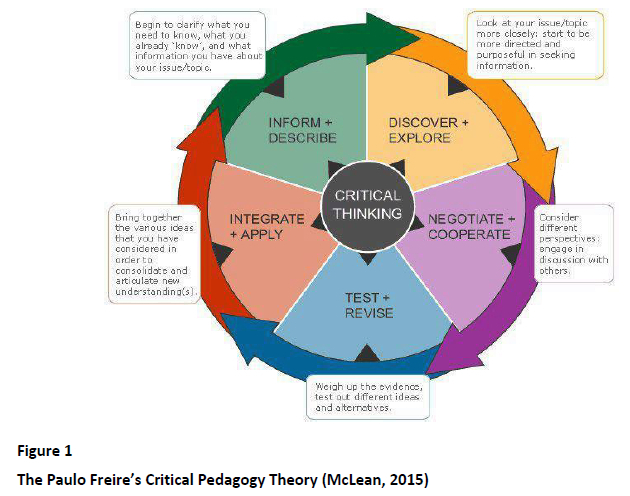
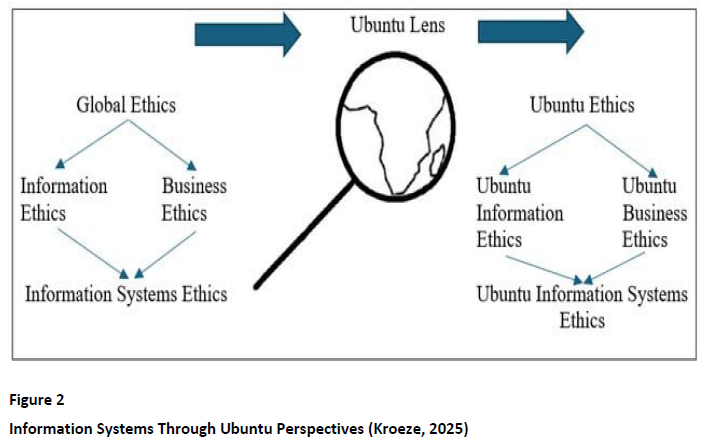
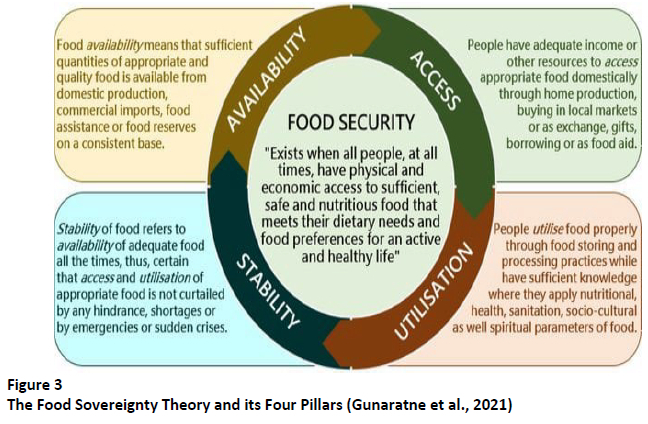
This study investigates a critical paradox in South African vocational education. While food sovereignty depends on community control of land, prevailing technical and vocational education and training (TVET) curricula depoliticise agricultural land use, reducing it to a technical input and thereby reinforcing historical dispossession. There is also a profound disconnect between technical land use and land cover (LULC) skills and critical land justice frameworks in TVET. It is posited that vocational education must become a site of epistemic struggle to counteract this. Hence, this study confronts the technicist dominance in geospatial education by investigating LULC change detection as a decolonial pedagogy for food sovereignty within TVET. This research examines LULC potential to depoliticise vocational training and align it directly with food sovereignty. Further, the study is addressed through theoretically synthesising Freirean conscientisation, Ubuntu ethics, and food sovereignty theory. In South African TVET colleges, students employ LULC analysis as co-researchers interrogating historical land alienation and contemporary threats to communal food systems. The study findings reveal that students evolved from passive skill-recipients into agents of counter-cartography, producing "sovereignty maps" that visualise land loss, thus advocating for agroecological reclamation and community tenure. This process fostered critical consciousness, challenged neoliberal and colonial logics, and reshaped professional identity towards ecological stewardship. The study recommends that TVET systems urgently pivot to pedagogies framing agricultural land as the foundational territory for food sovereignty. This necessitates curricula integrating geospatial technology with critical agrarian studies, lecturer development focused on epistemic justice, training in facilitating land-rights dialogues, and partnerships with social movements to ensure vocational skills serve the democratic reclamation of food systems.
Counter-Cartography; Decolonial Pedagogy; Epistemic Justice; Food Sovereignty; Land Use Change Detection; TVET Curriculum
 Thumbnail
 Thumbnail
 Thumbnail
 Thumbnail