Virtual reality in health science education: Critical reflections on designing effective procedural skill training
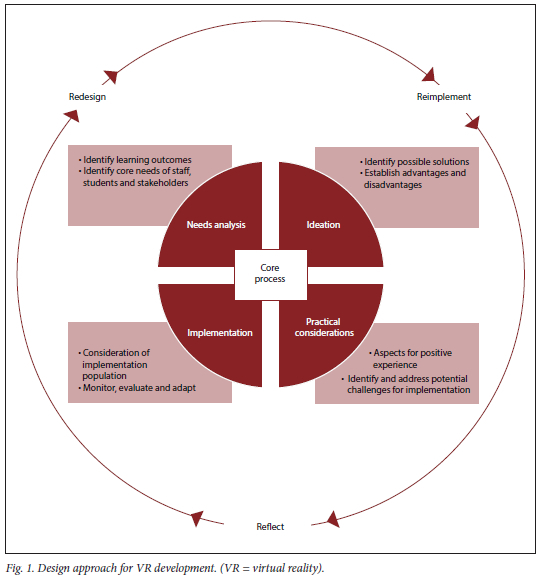
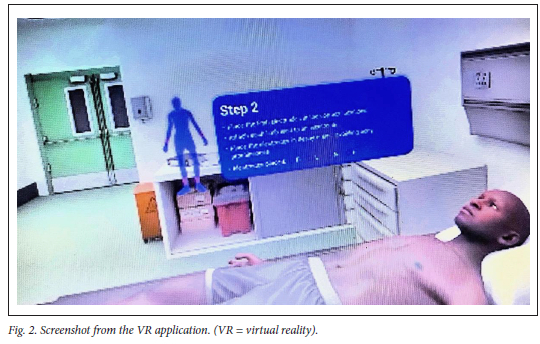
BACKGROUND: Virtual reality (VR) offers a novel solution to overcoming traditional barriers in procedural skills training among medical students. Correct ECG lead placement is a critical yet undertrained skill owing to resource limitations. The design process underpinning VR-based training platforms, especially in low- and middle-income countries, is not yet fully described in the literature. OBJECTIVES: To describe and reflect on the process of developing a VR-based training platform aimed at improving ECG lead placement skills among medical students. METHODS: A design-based thinking approach was employed, involving needs analysis, ideation, development, implementation and reflection. Critical reflection was performed at each step to guide the development of VR-based training platforms for health science education. RESULTS: Critical elements of VR design were identified, including enhancing student engagement, providing monitoring and feedback, managing side-effects and deployment considerations of VR systems. CONCLUSION: The VR-based training platform shows promise in addressing resource constraints, enhancing procedural skill acquisition and offering broader implications for medical education in low-resource settings. However, careful consideration of VR platform design is critical to ensure the successful application of such a system.
Virtual reality; health science education; design thinking; critical reflection
 Thumbnail
 Thumbnail