Olfactory identification of attractants for foraging Vespula germanica and Polistes dominula (Hymenoptera: Vespidae)
Abstract
To maintain population numbers of pestiferous social wasps below threshold levels, repeated annual toxic baiting remains the most effective management strategy. However, a critical prerequisite for successful management and potential eradication is the development of reliable attractants for monitoring the occurrence and distribution of invasive populations. This study aimed to identify effective attractants for monitoring and controlling populations of the invasive Vespula germanica and Polistes dominula (Hymenoptera: Vespidae), which are currently confined to the Western Cape province of South Africa. The attractiveness of various carbohydrate- and protein-based attractants was evaluated using in a Y-tube olfactometer to assess the behavioural responses of field-collected foraging wasps. Vespula germanica exhibited the strongest attraction to cooked ham and weakest response to fruit juice (Minute Maid®), whereas P. dominula foragers showed a preference for odour cues originating from their own nest. However, the effectiveness of the tested attractants did not directly correlate with wasps' response time in the olfactometer. In addition, significant differences in preferences were observed between females with developed ovaries and those with undeveloped ovaries in both species. These findings highlight the complexity of foraging behaviour in invasive social wasps. Future research should prioritise the development of novel attractants, new combinations of existing attractants and the identification of specific chemical cues to enhance monitoring and control strategies.
Attractant; Ovary; Wasp; Y-tube olfactory bioassay
INTRODUCTION
The Vespidae comprise of more than 5 000 species worldwide, of which 34 have been introduced outside their native range (Pickett & Carpenter 2010). Two invasive wasps, Vespula germanica (Fabricius) and Polistes dominula (Christ) (Hymenoptera: Vespidae), were first recorded in the Western Cape province of South Africa in 1972 (Whitehead & Prins 1975). Currently, P. dominula has spread to Stellenbosch, Jonkershoek, Paarl, Somerset West, Strand and Grabouw (Veldtman et al. 2012; Benadé et al. 2014; Benadé 2016; Davies et al. 2020). Population genetic studies indicated multiple introductions of V. germanica into South Africa (Eloff et al. 2020; Van Asch et al. 2022).
Vespula germanica populations have been recorded in both undisturbed natural vegetation (Richardson et al. 1992) and human-modified environments, where they are generally more prevalent (Veldtman et al. 2021). Monitoring the distribution and spread of these two invasive species in South Africa, require systematic trapping as it provides standardised, long-term data that enable reliable detection, trend analysis, and informed management decisions (Veldtman et al. 2021; Van Asch et al. 2022). Highly effective attractants (attractants) are essential under South African conditions, because population density of the invasive V. germanica is relatively low (Haupt 2014). Obtaining representative monitoring data therefore requires either the deployment of a large number of traps or the use of highly effective attractants.
Toxic attractants have, to date, been the most successful method for controlling a range of Vespidae species (Landolt et al. 2016; Van Zyl et al. 2018). Vespula germanica is attracted to both protein-based and carbohydrate-based toxic attractants (Toft & Harris 2004; Beggs 2011). However, the field longevity of fresh protein-based attractants is limited, resulting in reduced volatility and palatability to wasps (Spurr 1995; Landolt 1998). Alternative control methods, including entomopathogenic nematodes and fungi, have also been investigated for the control of V. germanica and P. dominula. Although both species appear susceptible, the requirement for application rates were substantially higher than recommended concentrations and warrants further investigation (Van Zyl et al. 2023), particularly given that these agents would be applied directly to wasp nests.
Synthetic lures generally exhibit greater longevity under field conditions than fresh food attractants and are often more host-specific, thereby eliciting a stronger attraction in the target organisms (Lester et al. 2013; Unelius et al. 2014). Research regarding the development of synthetic attractant for social wasps is ongoing, with particular emphasis on fermentation breakdown products (Spradbery & Dvorak 2010; Babcock et al. 2017; Omarini et al. 2020). Novel synthetic compounds attractive to both V. germanica and P. dominula continue to be identified (Brown et al. 2014). However, the most powerful species-specific attractants for insects remain pheromones, which are used for pest insect management across multiple sectors (El-Sayed 2013).
To maintain pestiferous wasp populations below a threshold within a defined area, repeated annual toxic baiting is therefore required (Whitehead & Prins 1975; Beggs et al. 1996). Field-tested synthetic attractants have been registered for use in the United States, particularly for the control of V. germanica (Haupt 2014). In addition, novel lure formulations comprising of selected compounds attractive to both V. germanica and P. dominula have been identified in other parts of the world.
Commercial products, containing either slow- or rapid-acting insecticides are available on the international market, and are designed to attract social vespids to attracts or traps, however no such products are currently available on the South African market (Sackmann et al. 2001; Sackmann & Corley 2007). Invaded regions differ in climate, faunal and floral diversity, wasp density, feeding preferences, and behavioural traits. Consequently, the efficacy of these products, under South African conditions, may not reflect outcomes observed elsewhere and attractant formulations should be specifically tailored to, and tested within, the local environment (Haupt et al. 2019).
The attractiveness of attractants to a given wasp population is further influenced by season, prevailing weather conditions, and the developmental stage ofthe colony (Sackmann & Corley 2007). Effective attractants are central to many monitoring and control strategies, and the lack of efficient attractants remains a major constraint in managing pestiferous wasps globally (Landolt et al. 2000). Given the high sensitivity, advanced development and specificity of the wasps' olfactory system (Field et al. 2000) this sensory capability should be exploited to improve lure design and efficacy.
Field trials conducted by Haupt et al. (2019), evaluated a range of fresh attractants and artificial lures for their attractiveness to V. germanica. Fresh meat-based products, such as beef mince and smoked ham, were identified as the most attractive attractants over two seasons in the Western Cape area, consistently outperforming artificial attractant (commercial formulated lures that imitate odours) (Haupt 2014). In contrast, no local studies have investigated attractants preferences for P. dominula and information on its response to specific olfactory cues remains limited (Landolt et al. 2000, 2014). However, P. dominula is generally not attracted to protein attractants from animal origin (Toft & Harris 2004). By comparison, V. germanica exhibit scavenger behaviour, readily consumes carrion and responds to both protein- and carbohydrate-based resources, particularly during the early and late summer periods (Spurr 1996; Sackmann & Corley 2007). Although a wide range of potential attractants exists for V. germanica, the practical limitations associated with certain fresh attractants restrict their field application.
In this study, a range of attractants that had previously been effective for foragers of V. germanica and P. dominula were evaluated under controlled laboratory conditions. Locally available attractants that had not been used for wasp control were selected, tested, and ranked based on the time taken for foragers of both species to respond to the olfactory cues emitted by each attractant. In addition, this study also assessed whether ovary developmental status influenced attraction to attractants in foragers of both species.
MATERIALS AND METHODS
Collection of wasps
Wasps of V. germanica and P. dominula used in this study were all workers (females) and were collected by netting individuals in flight during the afternoon (14:00-17:00), either directly from or near their nests in and around the Stellenbosch area, South Africa. Wasps were collected during the spring, summer and early autumn, and tested for their preference for various attractants within that period. Wasps were collected one day before experimentation and were housed individually in 15 cm3 screened cages. Most foraging wasps during this time of the year are workers (females) and all wasps were dissected afterwards, to confirm the developmental status of ovaries by the presence or absence of oocytes in the ovaries (Shukla et al. 2013).
Olfactometer set-up
The Y-tube olfactometer was used to evaluate the attractiveness of attractants, which consisted of transparent glass tubing with an inner diameter of 3.5 cm (Figure 1). The stem measured 19 cm from the base to the junction, with each arm extending 16 cm. A decision line was marked 5 cm from the junction. Components were connected with 30-cm PVC tubing (6 mm diam.) and sealed with Parafilm to prevent leakage. The apparatus was suspended horizontally above white cardboard and positioned 70 cm below three 1.2 m, red 36 W fluorescent tubes (Osram GmbH) to ensure uniform lighting. Experiments were conducted under controlled conditions (25 °C, 50% RH). Visual cues were minimised using white cardboard shields placed around the apparatus. Incoming air was purified through activated charcoal (12-20 mesh, DARCO®, Merck) and humidified via a 500 ml Erlenmeyer flask containing 200 ml deionised water at 35 °C, producing ~65% RH. Environmental conditions were monitored using two data loggers (Escort iMini, MX-HE-S-8-L). Airflow was generated using a Schuco-Vac 230 aspirator pump connected to the base of the Y-tube. The test attractant was placed in one 500 ml Erlenmeyer flask, with the control (Whatman No. 1 filter paper moistened with distilled water) in the other. Attractants were used within 1 h of preparation. Airflow was regulated at 100 ml min-1 using Aalborg* Model P flow meters fitted to each arm. After each run (33 replications per attractant, alternated between arms), all components in contact with wasps or odours were cleaned with odourless detergent (Extran* MA05, Merck), rinsed with hot water, and dried overnight. The same attractant was switched to the other arm the following day, to compensate for a potential position bias in the Y-tube. Therefore, in each series, a maximum of 66 wasps were tested (unless otherwise indicated): 33 wasps with the attractants on the right side of the Y-tube, and 33 wasps with the attractant positioned on the left side.
Attractants
Seven attractants (Table 1) were tested for V. germanica and fifteen for P. dominula (Table 2) using the Y-tube olfactometer. Commercially available synthetic lures, commonly used in the field to control codling moth, false codling moth and fruit flies, were included in the present study for their potential as convenient alternatives. Because P. dominula was more readily available, it was selected for evaluation using synthetic lures.
To ferment the fruit juice (Minute Maid* and Mountain Dew*) and sweet molasses, 0.04 g wine yeast (Saccharomyces cerevisiae, Anchor VIN 7*) was added to 200 ml of each of the respective liquid lure. For the sweet molasses treatment, 50 ml molasses was diluted with 250 ml distilled water, before yeast was added. The yeast-inoculated liquid lures were fermented in 500 ml Erlenmeyer flasks at 15 °C for seven days, with the neck of the flask being sealed with Parafilm. Following the fermentation period, the lures were immediately used in the olfactory trials.
Brown sugar was fermented following the method described by Brown et al. (2014). Briefly, 300 g of sugar was dissolved in 700 ml of distilled water, in a 500-ml Erlenmeyer flask. Anchor Bakers Yeast* (0.5 g) was added, and the cylindrical neck of the flask was sealed with a strip of Parafilm. The flask was then placed at 20 °C for 48 h. Fermentation was evident, by the formation of bubbles along the inner wall of the flask. The fermented content was used immediately in experimental trials.
Olfactometer used for behavioural bioassay
Dual-choice olfactometer assays were conducted daily between 08:00-13:30 (Edwards 1980; Richter 2000). The complete olfactory system, containing the selected attractants and the control, was assembled, and the airflow was initiated 10 min before testing.
Chemical components in the headspace of V. germanica
The headspace is the space above the sample of interest in a chromatography vial where volatile components in the gas phase are present. Gas chromatography-mass spectrometry (GC-MS) was used to identify volatile and semi-volatile compounds present in the headspace.
Development of ovaries
Most foraging wasps during the specified time of year are female workers. Following the olfactory experiments, all individuals were dissected to assess ovarian development by determining the presence or absence of oocytes (Shukla et al. 2013). However, as foundresses of P. dominula cannot be reliably distinguished from foragers based solely on morphological traits, individuals were classified as 'developed' or 'undeveloped' ovaries.
Individual wasp species were introduced into the base of the Y-tube using forceps and their behaviour was observed for 5 min.
A choice was recorded when a wasp moved upwind, crossed the decision-line either into the attractant or control arm, and remained beyond that line for 30 sec. Additionally, the time taken to 'make a decision', was also recorded. Wasps that remained in the common arm without making a choice within 5 min, were classified as non-responders and excluded from further analysis. Each day, 33 wasps were tested sequentially and used only once. To control for side bias, the position of the attractant was alternated between the left and right arms on consecutive days. Each experimental series involved a maximum of 66 wasps: 33 tested with the attractant on the right side, and 33 on the left. Fresh wasps and cleaned equipment were used for each attractant assay and for each positional switch.
Chemical components in the headspace of V. germanica The headspace is the space above the sample of interest in a chromatography vial where volatile components in the gas phase are present. Gas chromatography-mass spectrometry (GC-MS) was used to identify volatile and semi-volatile compounds present in the headspace.
Development of ovaries
Most foraging wasps during the specified time of year are female workers. Following the olfactory experiments, all individuals were dissected to assess ovarian development by determining the presence or absence of oocytes (Shukla et al. 2013). However, as foundresses of P. dominula cannot be reliably distinguished from foragers based solely on morphological traits, individuals were classified as 'developed' or 'undeveloped' ovaries.
Identification of chemical components
The headspace refers to the air space above the sample in a chromatography vial, where volatile components are present in the gas phase. A sample of the attractant that elicited the highest significant positive response in V. germanica was sent to the Central Analytical Facility at Stellenbosch University for analysis. Gas chromatography mass spectrometry (GC-MS) was used to identify all volatile and semi-volatile components in the headspace.
Data analyses
To compare the responses of V. germanica and P. dominula to the various attractants, the probability of a wasp choosing the arm containing the attractant was denoted by π. The null hypothesis (H0) stated that the probability of choosing either arm was equal (π = 0.5), indicating no preference, whereas the alternative hypothesis (Hi) proposed that π > 0.5, indicating a significant preference for the attractant. Choice frequencies were analysed using a binomial test with a continuity correction (Kaspi 2000). Response times of wasps that made a choice were analysed separately using one-way analysis of variance (ANOVA). Residuals were assessed for normality, and when the assumptions of ANOVA were not met, the non-parametric Kruskal-Wallis test was used. Adjusted p-values accounted for multiple comparisons, and reaction times were ranked from fastest to slowest for both wasp species. To assess whether ovarian development (presence or absence of developed ovaries) influenced attractant preference, a Chi-square goodness-of-fit test was performed at a significance level ofp < 0.05 (MacKenzie et al. 2006a,b). Wasps that did not make a choice and remained in the common arm were excluded from analyses and graphical representation (De Kogel et al. 1999). Although multiple hypothesis tests were conducted, each comparison represented a predefined biological question. All statistical analyses were performed using STATISTICA, version 12 (StatSoft Inc. 2013).
RESULTS
Attractant preference of V. germanica
The highest response from V. germanica was observed for cooked ham, which attracted more wasps than any other attractant tested. In this case, 21.8% of the wasps tested moved towards the attractant (p = 0.014), compared to only 8.1% moving toward the control arm. Similar attraction was observed for beer and molasses, with 18.2% of wasps responding to these attractants. The lowest attraction was toward Minute Maid®, which appeared to act as a repellent, since 18.9% wasps (p = 0.008) moved towards the control arm, and none were attracted to the attractant. Vespula germanica appeared to be slightly repelled by agitated conspecifics with 18.9% moving into the clean control airstream, away from the arm connected to the flask containing the agitated wasps (Appendix A). However, this response was not significantly different (p = 0.196), indicating that the wasps were equally likely to approach or avoid agitated conspecifics (Figure 2). Although some differences in attractant preferences were observed, most wasps remained indecisive, staying in the common arm of the olfactometer for the entire 5-min observation period (Appendix Aa and Ab).
Appendix
Response time of V. germanica
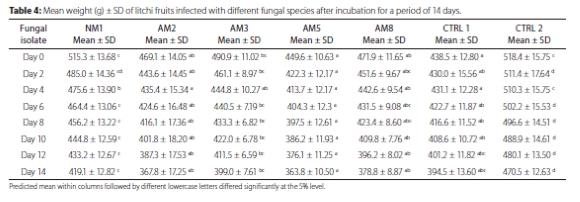
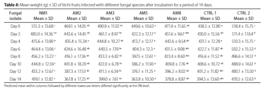
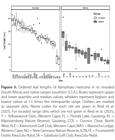
Significant differences were observed in the reaction times of V. germanica towards the various attractants tested (H(5,55) = 17.447, p = 0.0037) (Figure 3). A greater number of wasps were attracted to the agitated wasps however the fastest positive responses were recorded for the vinegar mix (0.55 ± 0.65 min ± 1.33). The wasps exhibited significantly longer decision-making time in the presence of agitated wasps, compared to in the vinegar mix (p = 0.004) and molasses (p = 0.01), as shown in Table 3. No significant differences were detected in the response times between the vinegar mixture and the other attractants, namely molasses, beer, cooked ham and mashed wasps (Appendix B).
Appendix


Chemical compounds in the headspace of V. germanica
Cooked sandwich ham evoked the strongest response in Vespula germanica foragers, prompting its analysis using gas chromatography-mass spectrometry (GC-MS). The compound present at the highest concentration was 3-methyl-1-butanol, which has an alcoholic odour (Budavari 1989), followed by 3-hydroxy-2-butanone (acetoin), which has a buttery odour (Toldrá et al. 2015).
Ovarium development V. germanica
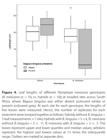
The results showed a significant difference (p = 0.029) in preference of V. germanica with developed and undeveloped ovaries for specific attractants. Where 26.09 % of all wasps with undeveloped ovaries preferred cooked ham, none of the wasps with developed ovaries did. Instead, among all wasps with developed ovaries that responded positively to an attractant, 44.4% moved toward the arm connected to the flask containing agitated wasps, representing the highest positive response recorded across all attractants tested. The lowest percentage wasps with undeveloped ovaries (8.7%) reacted positively toward the agitated wasps (Figure 4).
Attractant preference of P. dominula
Polistes dominula foragers showed the strongest response toward conspecific nests, with 13.1% of individuals moving toward the arm connected to the nest flask (π = 0.013), leading to the rejection of the null hypothesis of equal probability of movement toward the control. Molasses elicited the second-highest positive response, with 9.0% (p = 0.053), while 4.8% entered the control arm, however this difference was not significantly different (p > 0.05) (Appendix C). False codling moth (FCM) lure elicited the strongest negative response from P. dominula, with only 3.2% (p = 0.004) moving towards the lure flask. Similarly, the Biolure fruit fly (FF) repelled 10.0% (p = 0.005) of responding wasps, indicating a significantly greater likelihood of movement toward the control arm. Mountain Dew® also had a repellent effect, with only 4.5% (p = 0.009) of wasps moving toward the attractant (Figure 5).
Appendix

Response time of P. dominula
No significant differences were observed in the response time of female P. dominula to the various attractants tested (H(14,221) = 15.553, p = 0.341) (Appendix D). The fastest response occurred in the presence of beer, with wasps moving towards the arm emitting beer volatiles after 0.60 ± 0.86 min. The quickest avoidance response, defined as movement toward the control arm was fermented sweet molasses (0.68 ± 1.52 min ± 1.90). In contrast, the slowest decision time was observed in response to fermented brown sugar, where wasps moved away from the attractant toward the control arm after 1.95 ± 2.62 min ± 3.90 (Figure 6).
Appendix

Even though the P. dominula wasps preferred the olfactory characteristics of a Polistes nest significantly more than they did any of the other attractants tested, the amount of time that it took the wasps to decide to move towards the arm connected to the flask containing the nest was quite slow, ranking second slowest (0.70 ± 2.40 min ± 3.28) of all the attractants used (Figure 6; Appendix D).
Development of P. dominula ovaries
Similar to the attractant preference observed in V. germanica with developed (Figure 7) and undeveloped ovaries, preferences of P. dominula with developed ovaries (n = 734) and undeveloped ovaries (n = 185) also differed (Figure 8 and 9). Most (18.6 %) wasps with undeveloped ovaries preferred molasses above any other attractants, whereas most wasps with developed ovaries reacted favourably toward Polistes nests (13.6 %). The vinegar mix proved to be the second-most attractive (16.3 %) for wasps with undeveloped ovaries. However, for wasps with developed ovaries, it was one of the least attractive lures (4 %), together with the FF and FCM lures. Loquat and beer, both attractants that wasps with developed ovaries reacted to favourably (8 % and 10.2 %, respectively), did not elicit the same response in wasps with undeveloped ovaries. In fact, none were attracted to it.
The null hypothesis which is the proportion of wasp attraction to attractants is equal and independent of ovarian development (developed vs. undeveloped) is rejected (π = 0.004). Consistent with observations for V. germanica, attractant preferences differed between P. dominula females with developed ovaries (n = 734) (Figure 2) and those with undeveloped ovaries (n = 185) (Figures 8 and 9).
DISCUSSION
Although multiple hypothesis tests were conducted across the study, each attractant was evaluated independently against its respective control as part of a predefined biological hypothesis. Nevertheless, the cumulative probability of Type I error across experiments should be considered when interpreting the results, and independent validation of the observed responses is warranted.
Significant differences were observed in the attractant preference of P. dominula and V. germanica. Cooked ham elicited the strongest positive response from V. germanica, likely reflecting its scavenging behaviour and attraction to protein- and sugar-based attractants. Such attractants have been used with varying success to trap V. germanica and Vespula pensylvanica (Spurr 1996; Landolt 1998). Protein-based volatiles are particularly effective for V. germanica (Unelius 2014; Haupt et al. 2019), with local studies demonstrating smoked ham effectively attracts V. germanica foragers to traps (Haupt et al. 2019).
In the UK, Edwards (1980) observed that wasps readily preferred protein containing natural food sources such as flies and carrion but showed little interest in such attractants when placed near sweet factories and bakeries. In the present study, all the wasps were collected from a relatively small area in and around Stellenbosch, suggesting that local populations may be accustomed to protein-based resources. This may be particularly relevant given that V. germanica in South Africa seems to be in lower densities than in other regions such as New Zealand and Australia (Barlow et al. 1996; Haupt 2014).
An abundance of natural protein sources in the field may have conditioned these wasps to respond more strongly to associate volatiles. However, V. germanica populations in and around Cape Town may not exhibit the same attraction preferences as those in Stellenbosch, as local environmental conditions are likely to influence food choice. The experiment should therefore be repeated during the same time of year to confirm the observed preferences of V. germanica populations in the Stellenbosch area. Furthermore, various meat-based attractants, like minced beef, should be evaluated in a Y-tube olfactometer, as these have previously been shown to be attractive to V. germanica populations from Stellenbosch (Haupt 2014).
Fresh meat-based attractants present several challenges for field application. They require frequent replacement to remain attractive (Spurr 1995; Wood et al. 2006), thereby increasing operational costs (Landolt 1998). Their relatively low specificity also results in the attraction of non-target organisms, such as birds and ants (D'Adamo et al. 2001). Additionally, wasps in urban environments may prefer foraging on carbohydrates rather than proteins (Edwards 1980; Spurr 1996), further complicating attractant selection. Future research should therefore explore alternative attractants beyond meat-based attractants. Given the limited research on V. germanica attractant preferences in South Africa, the use of humectants or synthetic food-based attractants may help to maintain attractants longevity without reducing effectiveness (Spurr 1995; Landolt 1998).
Minute Maid* fruit juice was the only one to show no attraction and a significant repellent effect on V. germanica. This contrasts with the findings Ohio, USA, where citrus-based sodas, including Minute Maid*, attracted Vespula, Polistes and Dolichovespula species more effectively than a synthetic lure (Landolt et al. 2000; Wegner & Jordan 2005). This discrepancy may reflect a local preference for protein-rich food or differences in colony developmental stages (Sackmann and Corley 2007). However, the strong avoidance observed in this study, evidenced by wasps remaining in the Y-tube's common arm, suggests the presence of a repellent compound in Minute Maid*. Identifying this compound could have potential for wasp deterrence in public or residential areas.
The time taken by V. germanica females to respond to olfactory cues did not align with attractant preference. Wasps responded most rapidly to the vinegar mixture, despite cooked ham being the most preferred attractant, likely due to the high volatility of vinegar components such as acetic acid and ethanol (Landolt et al. 2014). Similarly, Polistes metricus (Say) and Polistes bellicosus (Cresson) were attracted to vinegar alone, but were more effectively trapped in wine, highlighting differences between laboratory and field responses (Landolt et al. 2014). The rapid response to vinegar may therefore reflect enhanced odour detection, suggesting that combining highly volatile compounds with less volatile protein-based attractants like ham, could improve field efficacy.
The slow response of V. germanica to certain stimuli may be attributed to agitation-induced confusion. As noted earlier, pheromones play a key role in wasp communication, and agitated individuals are known to release alarm pheromones (Moritz & Bürgin 1987; Mashaly et al. 2012). Within the confined space of the Y-tube olfactometer, these pheromones may have accumulated and saturated the air, potentially disrupting the wasps' ability to respond appropriately to the presented olfactory cues.
In testing various attractants for P. dominula, wasps showed the strongest response to odours from their own nest in a Y-tube olfactometer. Wasps are known to mark their nests with chemical cues used for recruitment, nestmate recognition, and navigation (Field et al. 2000; Bruschini et al. 2010). This nest odour was the only cue for which fewer wasps remained indecisive, with most individuals making a clear directional choice. Although wasps from other colonies were less attracted, the results highlight the potency of pheromones in social wasp communication.
Given their success in the management of other pests, particularly moths, pheromones hold promise for wasp control (El-Sayed 2013; Lester et al. 2013). However, research into pheromone-based control of social wasps remains limited (Welter et al. 2005; El-Sayed et al. 2006, 2009; Ward 2013).
This is especially relevant in South Africa, where V. germanica populations remain at low to moderate levels (Haupt 2014), a stage at which pheromone-based control is likely to be most effective (Ward 2013). Queen and nest mate recognition pheromones show potential (Bruschini et al. 2010), and their species specificity reduces the risk to non-target organisms. Moreover, synthetic pheromones offer practical advantages, including extended field longevity compared to fresh attractants (Landolt 1998).
Unfermented molasses was more attractive to P. dominula than fermented molasses. Foragers also preferred fresh Minute Maid® over its fermented counterpart, and more individuals were repelled than attracted by olfactory cues from fermented brown sugar. These findings are notable, as chemical lure development for wasps has largely focused on mimicking the scent of fermenting or decaying fruit (Landolt et al. 2000; Dvorak & Landolt 2006; Dvorak 2007). The results suggest that local P. dominula populations may prefer volatiles associated with fresh substrates. However, this conclusion should be treated with caution, as the specific compounds present in the tested fermented products were not analysed (Landolt et al. 2000). Factors such as temperature and chemical synergy may also influence wasp attraction (Landolt et al. 2007).
The FCM lure, Biolure* FF and Mountain Dew* elicited the highest levels of significant repellence of P. dominula. These findings contradict those of Wegner and Jordan (2005), who identified Mountain Dew* as highly attractive to Vespula, Polistes and Dolichovespula species. Mountain Dew* contains 10%, sugar and various compounds (e.g. orange juice concentrate, citric and erythorbic acid, sodium citrate, Arabic gum). The current results suggest that one or more of the compounds may deter P. dominula foragers. Future studies should identify the specific deterrent compound, as responses may also reflect regional differences in foraging preferences of the local P. dominula.
Biolure* FF, used to monitor Ceratitis spp. in local orchards, was included in this trial due to previous reports of wasp attraction to similar compounds, such as heptyl and octyl butanoate (Richter & Jeanne 1985; El-Sayed et al. 2009). It was evaluated to assess any positive or negative response by P. dominula. Of all the commercial lures tested (FCM, CM, and FF), most wasps selected the control arm over the arm containing the lure. The FCM lure was the least attractive to P. dominula, suggesting that such lures may inadvertently repel these wasps. However, field-based validation is required to confirm this effect.
As with V. germanica, the response time of P. dominula to specific attractants did not correspond with their preference ranking. Wasps moved most rapidly towards the beer-containing arm of the Y-tube. This aligns with Landolt et al. (2014), who found that P. bellicosus was attracted to ethanol in both field and Y-tube experiments. The beer used in this study contained 3.8% alcohol, suggesting that ethanol or other beer-related volatiles may contribute to its attractiveness. Beer has previously been used in wasp traps (Dvorak 2007) and ranked among the more preferred attractants, along with Minute Maid*, for P. dominula in this trial.
Polistes nests were the most attractive stimulus for P. dominula in Y-tube assays, although wasps responded more slowly than to other attractants. The delayed response may be attributed to low pheromone volatility, the presence of few live larvae, and the small nest size (6.47 g). Despite this, the nest attracted most wasps, highlighting its potential for lure development. Future studies should focus on identifying the key nest-associated compounds for synthetic pheromone production. Unlike V. germanica, P. dominula showed no significant differences in response time across attractants.
The trial was conducted over six months, during which both reproductively developed and undeveloped female wasps were collected. Because reproductive state may influence olfactory responses, individuals were grouped accordingly to assess potential differences in attractant preference. Only females were studied, as they are the primary foragers. The aim was to identify effective attractants for targeting foragers, which could subsequently be combined with toxins to reduce wasp populations (Ward 2013).
This study found significant differences in attractant preferences between V. germanica females with developed and undeveloped ovaries. However, further comparisons were limited by the low number of females with developed ovaries (n = 41) relative to those with undeveloped ovaries (n = 417). Sampling occurred from January to April, when foundresses typically remain on nests and workers conduct foraging. Future studies should aim to use balanced numbers of both groups in Y-tube assays to more accurately assess preference differences.
For P. dominula, more females with developed ovaries were captured than those with undeveloped ovaries, although the imbalance was less pronounced than in V. germanica. Wasps were collected from October 2014 to February 2015 (spring to summer), when undeveloped females are typically more abundant, making the high number of developed females unexpected. This suggests that the life cycle of P. dominula under local conditions may differ from that in its native range, warranting further investigation. As with V. germanica, the skewed numbers should be considered when interpreting attractant preferences. Both reproductive groups responded positively to odours from their own nest.
Indecisive wasps and those selecting the control arm were excluded from the analysis to facilitate clearer interpretation of the results. However, a high proportion of individuals from both species remained indecisive in the Y-tube olfactometer, thereby limiting the number of replicates available for statistical analysis, particularly in the final assay examining preferences based on ovarian development. As ovarian state can only be confirmed through destructive sampling, it was not possible to pre-determine the number of reproductively active and inactive females included in the assays.
The results highlight the attractant preferences of P. dominula and V. germanica females under controlled conditions, providing data that have not previously been reported for invasive wasp populations in South Africa, except for V. germanica in Haupt et al. (2019). These findings may not fully reflect field responses, particularly as many wasps were unresponsive in Y-tube assays. This underscores the need to broaden the range of attractants before selecting the most effective ones identified in this study. Future research should consider additional factors influencing wasp foraging behaviour and test new attractants or new combinations of attractants and host-specific compounds. Overall, this study provides valuable baseline data for the development of monitoring and management tools against invasive wasps in South Africa.
DISCULOSURENo potential conflict of interest was reported by the authors.
AUTHORS CONTRIBUTIONSRuan Veldtman; Carolien van Zyl: Conceptualization, Methodology, Investigation, Carolien van Zyl: Formal analysis, Writing - original draft; Ruan Veldtman: Funding acquisition, Supervision; Pia Addison: Conceptualization; Supervision; Carolien van Zyl; Ruan Veldtman; Antoinette P. Malan; Pia Addison: Writing - review & editing.
ORCIDS IDSCarolien van Zyl: https://orcid.org/0009-0003-7793-6501
Antoinette P. Malan: https://orcid.org/0000-0002-9257-0312
Pia Addison: https://orcid.org/0000-0002-8227-339X
Ruan Veldtman: https://orcid.org/0000-0002-2258-6108
Babcock T, Gries R, Borden J, Palmero L, Mattiacci A, Masciocchi M, Corley J, Gries G. 2017 Brewer's yeast, Saccharomyces cerevisiae, enhances attraction of two invasive yellowjackets (Hymenoptera: Vespidae) to dried fruit and fruit powder. Journal of Insect Science. 1:17(5):91. https://doi.org/10.1093/jisesa/iex065
ACKNOWLEDGEMENTS
This research was funded by The South African Department of Forestry, Fisheries and the Environment (DFFE), noting that this publication does not necessarily represent the views or opinions of the DFFE or its employees. We thank Prof D Nel of the Centre for Statistical Consultation (CSC) of Stellenbosch University.
REFERENCES
- Barlow ND, Moller H, Beggs JR. 1996. A model for the effect of Sphecophaga vesparum vesparum as a biological control agent of the common wasp in New Zealand. Journal of Applied Ecology. 33(1):31-44. https://www.jstor.org/stable/2405013
- Beggs JR. 2011. Wasps. In: Simberloff D, Rejmanek M (editors), Encyclopaedia of Biological Invasions, Encyclopedias of the Natural World, Vol. 3. Berkeley: University of California Press. pp. 685-688.
- Benadé PC, Veldtman R, Samways MJ, Roets F. 2014. Rapid range expansion of the invasive wasp Polistes dominula (Hymenoptera: Vespidae: Polistinae) and first record of parasitoids on this species and the native Polistes marginalis in the Western Cape Province of South Africa. African Entomology. 22(1):220-225. https://doi.org/10.4001/003.022.0104
- Benadé PC. 2016. Invaded range and competitive ability of the newly invasive Polistes dominula compared to that of its native congener species in the Western Cape, South Africa. MSc thesis, Stellenbosch University, South Africa.
- Brown RL, El-Sayed AM, Unelius CR, Suckling DM. 2014. Attraction of the invasive social wasp, Vespula vulgaris, by volatiles from fermented brown sugar. Entomologia Experimentalis et Applicata. 151(2):182-190. https://doi.org/10.1111/eea.12183
- Budavari S. 1989. Retrospective and prospectives-a brief look at the evolution of the Merck Index over 100 years and a preview of future plans. Abstracts of Papers of the American Chemical Society. 198:35-CINF.
- Brushini C, Cervo R, Turillazzi, S. 2010 Pheromones in social wasps. Vitamins and Hormones. 83:447-492. https://doi.org/10.1016/S0083-6729(10)83019-5
- D'Adamo P, Corley JC, Lozada M. 2001. Attraction of Vespula germanica (Hymenoptera: Vespidae) foragers by conspecific heads. Journal of Economic Entomology. 94(4):850-852. https://doi.org/10.1603/0022-0493-94.4.850
- D'Adamo P, Lozada M. Corley, J.C. 2004 An attraction pheromone from heads ofworker Vespula germanica wasps. Journal ofInsect Behaviour. 17(6):809-821. https://doi.org/10.1023/B:JOIR.0000048990.22170.96
- Davies SJ, Jordaan M, Karsten M, Terblanche JS, Turner AA, Van Wilgen NJ, Veldtman R, Zengeya, TA, Measey J. 2020. Experience and Lessons from Alien and Invasive Animal Control Projects in South Africa. In: Van Wilgen B, Measey J, Richardson D, Wilson J, Zengeya T (eds), Biological Invasions in South Africa. Invading Nature - Springer Series in Invasion Ecology, vol 14. Cham: Springer. https://doi.org/10.1007/978-3-030-32394-3_22
- De Kogel WJ, Koschier EH, Visser JH. 1999. Y-tube olfactometer to determine the attractiveness of plant volatiles to Western flower thrips. Proceedings of the Section Experimental and Applied Entomology of the Netherlands Entomological Society. 10:131-135.
- Dvorak L. 2007. Social wasps (Hymenoptera: Vespidae) trapped with beer in European forest ecosystems. Acta Musei Moraviae Scientiae Biologicae. 92:181-204.
- Dvorak L, Landolt PJ. 2006. Social wasps trapped in the Czech Republic with syrup and fermented fruit and comparison with similar studies (Hymenoptera: Vespidae). Bulletin of Insectology. 59(2):115-120.
- Edwards R. 1980. Social Wasps: Their Biology and Control. East Grinstead: Rentokil Ltd. pp. 120-145.
- El-Sayed AM, Suckling DM, Wearing, CH Byers, JA. 2006. Potential of mass trapping for long-term pest management and eradication of invasive species. Journal of Economic Entomology. 99(5):1550-1564. https://doi.org/10.1093/jee/99.5.1550
- El-Sayed AM, Manning LA, Unelius CR Park KC, Stringer LD, White N, Bunn B, Twidle A, Suckling, DM. 2009. Attraction and antennal response of the common wasp, Vespula vulgaris (L.), to selected synthetic chemicals in New Zealand beech forests. Pest Management Science. 65(9):975-981. https://doi.org/10.1017/S0007485317000918
- El-Sayed AM. 2013. The Pherobase: database of insect pheromones and semiochemicals [Online]. Available: http://www.pherobase.com [accessed 24 March 2025].
- Eloff J, Veldtman R, Bulgarella M, Lester PJ. 2020. Population genetics of the invasive wasp Vespula germanica in South Africa. Insectes Sociaux. 67:229-238. https://doi.org/10.1007/s00040-020-00752-x
- Field LM, Pickett JA, Wadhams LJ. 2000. Molecular studies in insect olfaction. Insect Molecular Biology. 9(6):545-551. https://doi.org/10.1046/j.1365-2583.2000.00221.x
- Haupt K. 2014. Assessment of the invasive German wasp, Vespula germanica, in South Africa. MSc thesis, Stellenbosch University, South Africa.
- Haupt K, Addison P, Veldtman, R. 2019. Fresh meat baits are currently the only available effective option to detect low-density Vespula germanica populations in South Africa. Austral Entomology. 58(4):783-791. https://doi.org/10.1111/aen.12393
- Landolt P. 1998. A chemical attractant for the golden paper wasp, Polistes aurifer Saussure (Hymenoptera: Vespidae). Journal of the Kansas Entomological Society. 71(1):69-73.
- Landolt PJ, Heath, RR, Reed HC, Manning K. 1995. Pheromonal mediation of alarm in the Eastern Yellowjacket (Hymenoptera: Vespidae). Florida Entomologist Online. 78(1):101-108.
- Landolt PJ, Smithhisler CS, Reed HC, McDonough LM. 2000. Trapping social wasps (Hymenoptera: Vespidae) with acetic acid and saturated short chain alcohols. Journal of Economic Entomology. 93(6):1613-1618. https://doi.org/10.1603/0022-0493-93.6.1613
- Landolt PJ, Cha DH, Werle CT, Adamczyk JJ, Meagher RL, Gilbride RL, Clepper TS, Reed HC, Teal PEA, Sampson BJ. 2014. Polistes spp. (Hymenoptera: Vespidae) orientation to wine and vinegar. Florida Entomologist. 97(4):1620-1630. https://doi.org/10.1653/024.097.0436
- Landolt P, Zhang QH. 2016. Discovery and development of chemical attractants used to trap pestiferous social wasps (Hymenoptera: Vespidae). Journal of Chemical Ecology. 42(7):655-665. https://doi.org/10.1007/s10886-016-0721-z
- Lester PJ, Beggs, JR, Brown RL, Edwards ED, Groenteman R, Toft RJ, Twidle AM, Ward DF. 2013. The outlook for control of New Zealand's most abundant, widespread and damaging invertebrate pests: social wasps. New Zealand Science Review. 70(4):56-62. https://doi.org/10.26686/nzsr.v70.8698
- MacKenzie JK, Landolt PJ, Zack RS. 2006a. Attraction to ornamental peony (Paeonia lactiflora, Paeoniaceae) by Polistes dominulus Christ (Hymenoptera: Vespidae) demonstrated using olfactometers. Journal of the Kansas Entomological Society. 79(3):31-38. https://doi.org/10.2317/601.23.1
- MacKenzie JK, Landolt PJ, Zack RS. 2006b. Sex attraction in Polistes dominulus (Christ) demonstrated using olfactometers and morphological source extracts. Journal of the Entomological Society of British Columbia. 105:35-44.
- Mashaly AMA, Ali MF, Al-Khalifa MS. 2012. Trail pheromones in pest control. In: Bandani AT (editor), New Perspectives in Plant Protection. Rijeka: Intech. pp. 121-138.
- Moritz RFA. Bürgin H. 1987. Group response to alarm pheromones in social wasps and the honeybee. Ethology. 76(1):15-26. https://doi.org/10.1111/j.1439-0310.1987.tb00668.x
- Omarini AB, Achimen F, Brito VD, Zygadlo JA. 2020. Fermentation as an Alternative Process for the Development of Bioinsecticides. Fermentation. 6(4):120. https://doi.org/10.3390/fermentation6040120
- Pickett KM, Carpenter JM 2010. Simultaneous analysis and the origin of eusociality in the Vespidae (Insecta: Hymenoptera). Arthropod Systematics and Phylogeny. 68(1):3-33. https://doi.org/10.3897/asp.68.e31707
- Richter MAR, Jeanne RL. 1985. Predatory behavior of Polybia sericea (Olivier), a tropical social wasp (Hymenoptera, Vespidae). Behavioural Ecology and Sociobiology. 16(2):165-170. https://doi.org/10.1007/BF00295151
- Richter MR. 2000. Social wasp (Hymenoptera: Vespidae) foraging behavior. Annual Review of Entomology. 45:121-150. https://doi.org/10.1146/annurev.ento.45.1.121
- Richardson DM, Macdonald IAW, Holmes PM, Cowling RM. 1992. The ecology of fynbos: nutrients, fire and diversity. In: Cowling RM (editor), Plant and Animal Invasions. Cape Town: Oxford University Press. pp. 271-308.
- Ross DR, Shukle RH, MacDonald JF. 1984. Meat extracts attractive to scavenger Vespula in Eastern North-America (Hymenoptera, Vespidae). Journal of Economic Entomology. 77(3):637-642. https://doi.org/10.1093/jee/77.3.637
- Sackmann P, Rabinovich M, Corley JC. 2001. Successful removal of German yellowjackets (Hymenoptera: Vespidae) by toxic baiting. Journal of Economic Entomology. 94(4):811-816. https://doi.org/10.1603/0022-0493-94.4.811
- Sackmann P, Corley JC. 2007. Control of Vespula germanica (Hym. Vespidae) populations using toxic baits: bait attractiveness and pesticide efficacy. Journal of Applied Entomology. 131(9):630-636. https://doi.org/10.1111/j.1439-0418.2007.01132.x
- Shukla S, Chandran S, Gadagkar R. 2013. Ovarian developmental variation in the primitively eusocial wasp Ropalidia marginata suggests a gateway to worker ontogeny and the evolution of sociality. Journal of Experimental Biology. 216(2):181-187. https://doi.org/10.1242/jeb.073148
- Sorvari J. 2013. Social wasp (Hymenoptera: Vespidae) beer trapping in Finland 2008-2012: a German surprise. Entomologica Fennica. 24:156-164. https://doi.org/10.33338/ef.8983
- Spradbery P, Dvorak L. 2010. Datasheet on Vespula germanica. CABI Compendium. Article 56667. https://doi.org/10.1079/cabicompendium.56667
- Spurr EB. 1995. Protein bait preferences of wasps (Vespula vulgaris and Vespula germanica) at Mt Thomas, Canterbury, New Zealand. New Zealand Journal of Zoology. 22(3):281-289. https://doi.org/10.1080/0014223.1995.9518043
- Spurr EB. 1996. Carbohydrate bait preferences of wasps (Vespula vulgaris and V. germanica) (Hymenoptera: Vespidae) in New Zealand. New Zealand Journal of Zoology. 2023(4):315-324. https://doi.org/10.1080/03014223.1996.9518090
- StatSoft Inc. 2013. Statistica Data Analysis Software System, version 12. http://www.statsoft.com.
- Thomas, C.R. 1960. The European wasp (Vespula germanica Fab.) in New Zealand. New Zealand Department of Scientific and Industrial Research Information Series. 27:1-74.
- Toft R, Harris R. 2004. Can trapping control Asian paper wasp (Polistes chinensis Antennalis) populations? New Zealand Journal of Ecology. 28(2):279-282.
- Unelius CR, El-Sayed, AM, Twidle, AM, Stringer LD, Manning LM, Sullivan TES, Brown RL, Noble ADL. 2014. Volatiles from green-lipped mussel as a lead to vespid wasp attractants. Journal of Applied Entomology. 138(1-2):87-95. https://doi.org/10.1111/jen.12103
- Van Asch B, Wolf M, Marais I, Daly D, Veldtman R. 2022. Mitogenomics and the global dispersion of Vespula germanica: A case study from South Africa shows evidence for two separate invasion events. Diversity. 14(3):154. https://doi.org/10.3390/d14030154
- Van Zyl C, Addison P, Veldtman R. 2018. The invasive Vespidae in South Africa: potential management strategies and current status. African Entomology. 26(2):267-285. https://doi.org/10.4001/003.026.0267
- Van Zyl A, Malan, AP, Addison P Veldtman R. 2023. Potential control of Vespula germanica and Polistes dominula (Hymenoptera: Vespidae) using entomopathogens. Biocontrol Science and Technology. 25(2):267-285. https://doi.org/10.1080/09583157.2023.2297165
- Veldtman R, Addison P, Tribe GD. 2012. Current status and potential future impact of invasive vespid wasps (Vespula germanica and Polistes dominula) in South Africa. IOBC/WPRS Bulletin. 75:217-221.
- Ward DF. 2013. Status ofcontrol options for Vespula wasps in New Zealand. Available at: http://www.envirolink.govt.nz/PageFiles/1032/1226-TSDC88%20Status%20of%20control%20of%20Vespula%20wasps%20in%20New%20Zealand.pdf [accessed 24 March 2025].
- Wegner GS, Jordan KK. 2005. Comparison of three liquid lures for trapping social wasps (Hymenoptera: Vespidae). Journal of Economic Entomology. 98(3):664-666.https://doi.org/0.1603/0022-0493-98.3.664
- Welter SC, Pickel C, Millar J, Cave F, Van Steenwyk, RA, Dunley J. 2005. Pheromone mating disruption offers selective management options for key pests. California Agriculture. 59(1):16-22.
- Whitehead VB, Prins AJ. 1975. The European Wasp, Vespula germanica (F.), in the Cape Peninsula. Journal of the Entomological. Society of Southern Africa. 38:39-42. https://hdl.handle.net/10520/AJA00128789_3335
- Wood G, Hopkins, D, Schellhorn, N. 2006. Preference by Vespula germanica (Hymenoptera: Vespidae) for processed meats: implications for toxic baiting. Journal of Economic Entomology. 99(2):263-267. https://doi.org/10.1603/0022-0493-99.2.263

Accepted: 12 August 2026