Insect conservation in the age of biodiversity declines: an overview of South African research over the last 25 years and future considerations
Abstract
Arthropods are crucial to ecosystems, yet face multiple threats, with recent studies indicating global declines and many species at risk of extinction. The primary threats include land use change, climate change, invasive species, pesticides, pollution, and overexploitation, all of which can interact to compound this vulnerability. Although most insect conservation research comes from the Global North, South Africa has a long history of insect (and other arthropod) conservation, including comprehensive IUCN Red List assessments. We systematically assessed South African insect conservation in the peer reviewed literature (2000-2024) to identify research patterns, gaps, and implementation priorities. The Grasslands and Fynbos biomes are the most sampled, with the Succulent Karoo the least. Most work focused on beetles, dragonflies, butterflies, ants, grasshoppers, and spiders. Few studies provide publicly available data (< 2%) or indicate where reference collections were housed (31°%). The main threats identified in South Africa are habitat loss and fragmentation through agriculture, pesticides, timber plantations, and invasive species. Most studies highlighted solutions, including greening of urban and agricultural landscapes, reduced pesticide use, and establishing conservation corridors. Research output has increased fourfold between 2000-2004 and 2020-2024, but the lack of long-term monitoring and data accessibility challenges means we cannot confidently assess population trends across most of South Africa's insect diversity. South Africa's extensive conservation entomology research should inform policy changes and public education. South Africa has demonstrated the capacity for large-scale insect conservation, yet we need to build on these achievements by establishing monitoring networks which are essential for sustaining ecological function and human well-being.
biodiversity loss; biodiversity monitoring; conservation assessments; global south; insect declines; long-term monitoring; systematic review
INTRODUCTION
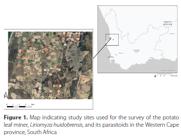
Globally there are concerns that insects and other arthropods are in decline (Hallmann et al. 2017; Cardoso et al. 2020). Many species are declining in biomass and species diversity (Harvey et al. 2020), and several face the risk of extinction within decades (van Klink et al. 2020). Although these "insect declines" refer to insects, spiders, scorpions, springtails, millipedes and centipedes and other near relatives, hence here we refer to it as insect declines but it does include other arthropod groups. However, relatively little is known on global arthropod distributions, vast regions remain underexplored, and it is estimated that we have only described about 20% of species (Stork 2018). For instance, Borovec and Skuhrovec (2019) recently described 37 new species of South African 'short-nosed' weevils from one genus alone. The evidence base for insect declines also suffers from taxonomic, spatial, and temporal biases (Dicks et al. 2024), and most data come from Lepidoptera and Hymenoptera in Europe and North America (Rocha-Ortega et al. 2021; Wagner et al. 2021; Cooke et al. 2025). Long-term data are scarce, and many monitoring schemes began only in the 1980s, lacking historical baselines (Forister et al. 2023). Avoiding biased claims about insect declines is essential, as they can undermine scientific credibility, fuel denial of biodiversity loss, or exaggerate estimates of decline (Dicks et al. 2024; Saunders et al. 2025). Information to counteract denial and support effective conservation policies is essential (Mecenero et al. 2013, 2020; Lees et al. 2020; Samways 2024). It is essential to communicate accurate, evidence-based findings to better support management of present and future declines. The main threats to insects are land use change, climate change (causing more intense fires), invasive species, pollution, and overexploitation (Halsch et al. 2025; Vidal et al. 2025). Loss of natural areas through habitat conversion for agriculture and urban development is the greatest threat to insect biodiversity (Raven & Wagner 2021). This impact is intensified by fragmentation that creates smaller, isolated habitats that disrupt species interactions and movement, while also increasing vulnerability to other threats (Haddad et al. 2015a). Climate change exacerbates habitat loss by reducing the quality of remnant habitats and hinders movement in fragmented landscapes (Samways et al. 2020). Species with limited dispersal capabilities are particularly vulnerable, as seen by some of South Africa's most localised insects such as the Brenton blue (Orachrysops niobe), Karkloof blue (Orachrysops ariadne), Pennington's protea (Capys penningtoni) butterflies, Ceres streamjack (Spesbona angusta), Amatola malachite (Chlorolestes apricans) damselflies, and Colophon beetle species (see Figure 1; Armstrong & Louw 2013; Roets et al. 2013; Deacon & Samways 2017; Armstrong 2020; Edge 2024). "Green" technologies, such as solar panels, although addressing climate change threats, can introduce hazards for invertebrates (Jeal et al. 2019; Barley et al. 2025). Habitat degradation through water diversion, inappropriate fire regimes and overgrazing severely impact arthropod populations by altering habitat quality and removing critical resources (Dole et al. 2023; Latty & Forster 2025). Additionally, intensified agricultural practices, such as increased pesticide use and monoculture farming, exacerbate impacts on arthropod populations (Seibold et al. 2019; Warren et al. 2021).
Insect declines represent far more than lost species (Cardoso et al. 2020), they degrade key ecological functions, including control of plant and animal populations, decomposition and nutrient cycling, pollination, seed dispersal, soil structure and fertility, with consequences for food web integrity and ecosystem resilience (Losey & Vaughan 2006; Nichols et al. 2008; Armstrong & Blackmore 2017). For example, most (ca. 87.5%) flowering plant species are animal pollinated (Ollerton et al. 2011), primarily by insects. Studies across Europe and the USA show declines in pollinators leading to the decline of the plant species they pollinate (Biesmeijer et al. 2006; Conrad et al. 2006; Burkle et al. 2013; Habel et al. 2019). As key food web components, arthropod losses cause losses of insectivorous birds (Moller 2019), given that 90% of terrestrial bird biomass in temperate, boreal and arctic zones, and 60% in the tropics primarily consume arthropods (Nyffeler et al. 2018). Despite their importance, arthropods are often overlooked and underappreciated, yet their declines impact biodiversity and humans through lost ecosystem services (Cardoso et al. 2020). For example, Mopane worms (Gonimbrasia belina) are a critical source of income and protein for many rural communities (Ndlovu et al. 2024), yet there is evidence that populations are in decline (Nethavhani et al. 2025). This highlights the importance of insect conservation in biodiversity-rich countries, such as South Africa.
Long-term research gives insights into the drivers of ecosystem change at scales relevant to management (Lindenmayer et al. 2012). It enables assessment of trends in species distributions and population dynamics, and identifies underlying drivers, particularly where environmental factors, especially climate, are variable. Yet, South Africa is ecologically diverse, containing ten biomes ranging from hyper-arid desert to the incredibly diverse Fynbos and Succulent Karoo, and the structurally complex mesic forest (Mucina & Rutherford 2006; SANBI 2025). South Africa contains three biodiversity hotspots with high endemism but retain only 30% or less of their original undisturbed land in pristine condition (Myers et al. 2000). The Cape Floristic Region, the Succulent Karoo and the Maputaland-Pondoland-Albany Hotspots (Mittermeier et al. 2004) all face land transformation through agriculture, mining, timber plantations, and alien species (Mittermeier et al. 2004; Proches et al. 2009; Jewitt et al. 2015; Jewitt 2018; Samways et al. 2024a). These points emphasise that long-term monitoring in South Africa needs to reflect the biodiversity at the national scale.
South Africa has a long and successful history of insect conservation (Edge & Mecenero 2015). McGeoch (2002) highlighted its rapidly growing status despite challenges from socio-economic pressures, urbanisation, agricultural conversion and alien species invasions, while emphasising arthropods' value for conservation monitoring. Since then, arthropods have been used to inform conservation planning, especially for monitoring within protected areas (McGeoch et al. 2011), and in the development of freshwater assessment tools, for example, the dragonfly biotic index, now used globally (Simaika & Samways 2012; Samways & Simaika 2016). South African entomology leads many fields within arthropod conservation, evident in the numerous reviews, including using arthropods in regional planning (Armstrong 2002), butterfly conservation assessments (Mecenero et al. 2013, 2020), value of artificial water bodies (Samways et al. 2020), conservation corridor design and implementation (Samways et al. 2025), and biosphere reserve instigation in the Western Cape (Samways et al. 2024a). However, most studies encompass relatively short time scales. Other research highlights trends in monitoring, patterns in species' distributions, and the urgent need for surveys and monitoring to assess species richness and population changes over time, e.g. for dung beetles (Davis & Scholtz 2020), bees (Melin & Colville 2019) and butterflies and moths (Mecenero et al. 2020).
South Africa is not unique in lacking long-term arthropod data, with many other countries, particularly in the global south, also needing to find ways to source verified historical data to enable long term monitoring. The International Union for Conservation of Nature (IUCN) Red Data Lists provide one source of information, with assessments completed for South African butterflies (Henning et al. 2009; Mecenero et al. 2013, 2020; Edge & Mecenero 2015), dragonflies and damselflies (Samways 2006), dung beetles (Davis et al. 2021), spiders (Foord et al. 2020), grasshoppers (Couldridge & Bazelet 2018), katydids (Bazelet et al. 2016), freshwater crabs (Cumberlidge & Daniels 2008) and more recently, for oil-collecting bees (Melin et al. 2026a) and long-proboscid flies (Melin et al. 2026b). These assessments provide essential baselines for conservation prioritisation and identify species of concern. However, they capture snapshots in time, while temporal trends from long-term monitoring are still needed.
Three elevational transects are South Africa's closest equivalent to long-term study sites. They were established in the Cederberg, Western Cape (2002), Maloti-Drakensberg, KwaZulu-Natal (2006), and Soutpansberg, Limpopo (2009) and have been resurveyed over time, providing valuable temporal data on ecological change. These transects have distinct elevation and vegetation profiles: the Cederberg transect extends from the coast to the top of Sneeuberg (0-1 926 m.a.s.l.), and includes Karoo and Fynbos vegetation (Botes et al. 2006, 2007; Foord & Dippenaar-Schoeman 2016); the Maloti-Drakensberg transect follows Sani's Pass (900-3 000 m.a.s.l.) within alpine grasslands (Bishop et al. 2014, 2016); and the Soutpansberg transect runs from the valley bottom to the highest point (700-1 748 m.a.s.l.) in savanna bushveld (Munyai & Foord 2015; Foord et al. 2015). These transects enable investigation of arthropod diversity shifts along the elevational transects, highlighting the richness and complexity of arthropod diversity in this megadiverse country. Additional options for long-term monitoring range from direct resampling of previous study sites to novel options, such as pollen transfer on herbarium specimens (Pauw & Hawkins 2011).
South Africa has a rich entomofauna, a long history of arthropod research, and extensive museum collections (Hamer 2012; Melin & Colville 2019; van Noort 2025), but lacks comprehensive assessment of whether current research efforts detect arthropod population trends. Here we ask three questions: (1) Where in the country, in terms of province and biome, has research effort concentrated over the past 25 years? (2) Which taxa have received the most research attention? (3) What are the main threats that have been assessed? This information allows us to assess what critical monitoring gaps prevent us from detecting population trends. Furthermore, it enables us to determine which approaches could enable standardised, long-term tracking of South African arthropod assemblages. Answering these questions is essential for assessing South Africa's patterns of arthropod change. Although this study focuses on insects because this is the largest class of arthropods, many of the papers on insects included other arthropod taxa and papers on arthropods other than insects were included for the following reasons: (1) studies that combined insects and other arthropods was beneficial to increase the sample size of this analysis; (2) Other classes of arthropods are likely to show declines similar to that of insects, and; (3) The inclusion of studies on other arthropod classes was beneficial for gaining additional insight into the conservation needs of insects and allied taxa. Therefore, the term "insect conservation" includes other arthropod taxa as well.
METHODS
We reviewed English language literature by analysing primary research in peer-reviewed journals (i.e. excluding grey literature, reports, conference proceedings and student theses) on terrestrial and freshwater insect conservation (including Arachnida, Chilopoda, Collembola, Diplopoda and Malacostraca) in South Africa from the 1st of January 2000 to 31st December 2024. Papers prior to 2000 are covered by the McGeoch (2000) review. Articles were sourced using a combination of carefully chosen keywords (see Supplementary Material Table 1). These search terms were entered into Web of Science (https://www.webofscience.com) which is a platform for databases (Grames & Elphick 2020) and we searched Web of Science using the the following databases specifically: Web of Science Core Collection (1970-present), KCI-Korean Journal Database (1980-present), MEDLINE (1950-present), ProQuest™ Dissertations & Theses Citation Index, Research Commons (2015-present) and SciELO Citation Index (2002-present), with a total of 3 210 articles obtained. Search terms used fell into three categories, (1) focal taxa, (2) topic search, and (3) region. To qualify for inclusion in this study, one search word from each category had to appear in the title, keywords, affiliation, or abstract of the article.
These 3 210 articles were then imported into the Rayyan.ai online program (https://www.rayyan.ai/) for manual screening to ensure relevance. Articles were included if they met three criteria: (1) primary research on insect conservation or biodiversity research (excluding species lists, methods papers, and reviews), (2) focused on terrestrial and freshwater arthropods (but excluding marine), (3) conducted in South Africa. This left 331 articles for the study (Supplementary Material Table 2).
Data synthesis and visualization
We read each article to extract study year, location, biome, focal taxa, threats assessed, habitat type, and whether a reference collection or institutional specimen depository was disclosed. South Africa has 10 terrestrial biomes (Mucina & Rutherford 2006); here the desert biome was added to the Nama Karoo biome as there were so few studies, the Indian Ocean coastal belt was separated into Savanna and Forest depending on the study. Caves were added as an extra "biome" as they do not fit in any individual biome. Studies on multiple arthropod taxa were allocated to the taxonomic grouping of "arthropods", unless it was specifically stated that they were macroinvertebrates, then they were classed as "macroinvertebrates". Each paper was checked in Dimensions (https://app.dimensions.ai/) to see whether it had a linked dataset in an online repository. Data were visualised using bargraphs and scatterplots in base R (version 4.4.2; R Core Team 2024) and bipartite diagrams using the package bipartite (Dormann et al. 2008)). For linear trends, Spearman's rank correlations were calculated.
Evidence synthesis was performed using the revtools package, which uses machine learning to visualise patterns in the data library (Westgate 2019). The topic model identifies co-occurring words and groups them into a specified number of topics. Articles containing these words are then clustered together in the visualisation based on their thematic similarity (Westgate 2019). This model was calculated using Latent Dirichlet Allocation and segregated into eight topics and was run with 30 000 iterations based on words and phrases from titles, keywords and abstracts.
RESULTS
Overall trends
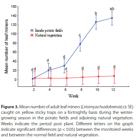
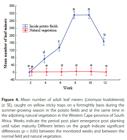
Insect conservation publications in South Africa increased steadily from 2000 to 2019, peaking at 28 articles in 2019, with a similar number (27) in 2020, before a small decrease in articles per year (Figure 2, R2 = 0.752, Spearman's rho = 0.879, p < 0.001). The first five years of the investigated period (2000-2004) averaged 5.4 articles annually, whereas the final five (2020-2024) averaged 21.4 per year. This upward trend was consistent across all provinces, except the Free State (Supplementary material Figure 1), in the freshwater, Fynbos, grassland, and savanna biomes (Figure 3), and in natural areas or across most threats (Supplementary Material Figure 2). No articles were published on deserts over the assessment period.
Studies were conducted in all nine provinces, with the most in the Western Cape and KwaZulu-Natal, and fewest in Gauteng (Figure 4). Given their size, the Northern Cape, North West, and Free State appear under sampled relative to their area (Figure 4; the area of South Africa is approximately 1 221 million square kilometres). Fynbos and Grassland were the most studied biomes, whereas the Nama Karoo, Succulent Karoo, and cave ecosystems received least attention (Figure 5a). Threats from agriculture, timber plantations, and alien species were three of the four main themes, with natural heterogeneity the other (Figure 5b). Climate change, pollution, and urbanisation were also commonly studied threats (Supplementary material Figure 2).
Many articles simply stated that they studied arthropods or insects (here collated into a single group called arthropods) (Figure 5c); these represent multitaxon studies measuring biodiversity without discriminating between groups. Among single-taxon studies, beetles, dragonflies, ants, grasshoppers, and butterflies had the highest representation, in descending order of frequency (Figure 5c). Pitfall traps and visual sampling were the predominant assessment methods, with sweep netting, soil sampling, and vacuum sampling also common (Figure 5d).
All biomes had multitaxon studies as the most common "taxa" category (Figure 6a). Freshwater studies primarily used dragonflies and other macroinvertebrates, with impacts from agriculture, alien invasive species, and pollution as major threats. Fynbos studies predominantly focused on multispecies assemblages, although focused studies on wasps, beetles, dragonflies, and spiders were also common (Figure 6a), with agriculture and alien species as primary threats, and fewer on fire and timber plantations (Figure 6b). The Nama and Succulent Karoo only had few studies, mostly multitaxon, but also beetle-and grasshopper-focused studies. These studies were assessments of natural heterogeneity, with some examining impacts of livestock grazing and mining. Grassland and savanna studies mainly focused on butterflies, ants, termites, grasshoppers, beetles, dragonflies, and spiders (Figure 6a). Timber plantations were the most studied threat in grasslands, while agriculture, alien invasive species, climate change, fire, and grazing were common across both grasslands and savannas (Figure 6b). Grassland was the only biome where bush encroachment was studied as a threat. Thicket studies predominantly assessed the impacts of agriculture, alien species, pollution, and climate change. Forest studies examined butterflies, ants, beetles, grasshoppers, wasps, and spiders, focusing on timber plantations, agriculture, alien species, and urbanisation as threats.
Publications using multitaxon assessments predominantly focused on timber plantations, fire, mining, alien species, and agricultural threats, with a high proportion investigating natural heterogeneity (Figure 7a). Most taxa were investigated relative to all threat categories. However, studies on some taxa leaned towards investigation of certain threats, e.g. ants were frequently used to assess alien species impacts, and spiders were often the subjects of agricultural studies (Figure 7a).
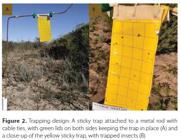
Multitaxon sampling employed nearly all available methods, although pitfall traps and vacuum samples were most commonly used. Pitfall traps were the primary sampling method for spiders, beetles, and ants (Figure 7b). Visual surveys were used for most groups, but were particularly important for butterflies, wasps, and dragonflies. Sweep netting was used predominantly for grasshopper sampling, although it was used in some studies on spiders and beetles. Acoustic sampling was restricted to grasshoppers (bush crickets), and kick sampling was used only for freshwater macroinvertebrates (Figure 7b). Only 102 of the 331 papers examined here (31%) stated where the voucher collection was located and only six papers (1.81%) had their data in an online repository.
An ordination grouped studies into eight topics based on the similarity of words used in the papers: dung beetle patterns (Topic 1), freshwater sampling (Topic 2), fire and arthropod responses (Topic 3), patch conservation (Topic 4), landscape conservation, especially around timber plantations (Topic 5), soils and agriculture (Topic 6), pollination and interactions (Topic 7), and forest ecology (Topic 8; Figure 8). The four topics that separate out the most are Topic 2: freshwater ecology, Topic 3: fire ecology, Topic 5: landscape ecology, and Topic 7: pollination, suggesting that these represent unique research areas.
DISCUSSION
South African insect conservation research has flourished in the past 25 years, with over 330 peer-reviewed papers and a fourfold increase in output from the early 2000s to the 2020s. Insect conservation has become a mainstream field in South African entomology. Research expanded across all provinces, although the Western Cape and KwaZulu-Natal lead in study numbers and growth, driven by research on the impact of agriculture in the Western Cape (Samways et al. 2024a) and timber plantations in KwaZulu-Natal (Samways et al. 2025). Fynbos and grasslands were the most studied biomes, while caves received minimal attention, with only a single publication on arthropod diversity in Table Mountain caves (Sharratt et al. 2000). This might partly reflect the literature search approach. For example, we know of two other cave papers, one was in a journal not ISI indexed (Ferreira et al. 2020) and the other was a review paper (Dippenaar-Schoeman & Myburgh 2009). Nonetheless caves remain poorly studied and need attention in South Africa. Thus, despite increases, vast areas remain understudied. More critically, for detection of trends, most studies were short-term (<3 years), with just under a third (31%) indicating voucher collection locations, few had publicly available data (<2%), and beyond three elevational transects, long-term monitoring programmes are virtually absent.
Despite considerable research documenting threats (primarily agriculture, timber plantations, and alien invasive species, plus climate change, altered fire regimes, and urbanisation), and demonstrating solutions (wildlife corridors, organic farming, biosphere reserves), we do not currently have available data to assess whether South African arthropod populations are changing (van Noort 2024, 2025). South Africa has, however, completed comprehensive IUCN Red List assessments for multiple arthropod groups, providing spatial baselines for conservation prioritisation. The Red List Index is now calculated for the following arthropod taxa: butterflies, dragonflies and damselflies, and freshwater crabs, with other arthropod taxa to be included in the future (SANBI 2025). The challenge now is to build on these foundations with systematic monitoring that can detect whether species are declining, stable or recovering.
The Fynbos biome
Fynbos was the most researched of all biomes in South Africa, possibly reflecting its biodiversity hotspot status and many universities and research units within the Western Cape.
Specialist herbivores (Wright & Samways 1996; Kemp et al. 2017), spoon-winged lacewings (Sole et al. 2013), and Collembola (Janion-Scheepers et al. 2020) have similar levels of high species turnover to plants, but pollinators have higher turnover (Simaika et al. 2018). Fynbos arthropods are dynamic and highly responsive to environmental drivers (Proches & Cowling 2006; Pryke & Samways 2010; Pronk et al. 2017). The apparent plant-arthropod congruence in Fynbos stems from shared abiotic factors rather than the plant communities themselves (van Schalkwyk et al. 2019). Despite their conservation significance, there were far fewer studies in South Africa's other two hotspots, the Maputaland-Pondoland-Albany and especially the Succulent Karoo hotspots (Mittermeier et al. 2004).
Elevation and fire received substantial attention. The long-term Cederberg transect shows species turnover in ants, beetles, and spiders along elevational gradients, highlighting mountains as climate refuges where species face intensifying competition and harsh environmental conditions (Botes et al. 2006, 2007; Foord & Dippenaar-Schoeman 2016). Similarly, pollination networks tend to simplify with increasing elevation (Adedoja et al. 2020). Fire is integral to Fynbos ecology and can occur too frequently in some parts and too infrequently in others. Fynbos arthropods have evolved differential responses to fires: pollinators recover quickly, but terrestrial amphipods and some Collembola respond relatively slowly (Pryke & Samways 2012a; Janion-Scheepers et al. 2016; Adedoja et al. 2019a). This highlights that fire research in this region requires multitaxon approaches (Pryke & Samways 2012b; Yekwayo et al. 2018). Insects also offer insights into climate fluctuations. For example, Robben Island's current arthropod assemblages resemble those of strandveld 100 km north, rather than adjacent mainland sites, suggesting that the strandveld in and around Cape Town was more similar to these dry and hot sites ca. 15 000 years ago when the land bridge closed (Cooper et al. 2017). Fynbos species appear resilient to natural disturbances, likely due to many refuges within the landscape (Adedoja et al. 2019b).
Agriculture is the most studied Fynbos threat. The major concerns are landscape fragmentation (Donaldson et al. 2002; Hauber et al. 2022; Gaigher et al. 2024a), high input farming (Gaigher & Samways 2010; Kehinde & Samways 2014) and soil compaction (Magoba et al. 2015). Within Fynbos landscapes, remnant natural patches are critical for arthropod conservation, supporting much of the biodiversity in the landscape mosaic (Topp & Loos 2019; Theron et al. 2020a; Geldenhuys et al. 2022). Even abandoned crop fields conserve arthropods in this biome (Gaigher et al. 2016; Theron et al. 2020b). Spillover of beneficial arthropods between native vegetation and crops appears limited (Gaigher et al. 2015; van Schalkwyk et al. 2020b), contrasting with European case studies and highlighting the need for targeted on-farm interventions. Promising results from research in vineyards and deciduous fruit orchards shows diversification and cover crop promotion having significant positive impacts on arthropod diversity and beneficial arthropod abundance (Birkhofer et al. 2019; Eckert et al. 2020; Geldenhuys et al.
2021). Despite the extensive presence of vineyards within Fynbos landscapes, their ecological footprint is relatively modest compared to alien plant species (Magoba & Samways 2012). Little work addresses ecosystem services provided by native arthropods. Only one study in apple orchards showed pollinators supported by nearby native vegetation, and higher apple quality with increased insect visitation (Ratto et al. 2021).
Invasive alien plants constitute a major threat to Fynbos arthropod assemblages, particularly herbivorous insects (Proches et al. 2008). They shade water bodies, reducing dragonfly populations (Samways et al. 2011) and disrupting pollination networks (Gibson et al. 2013). They can also alter the soil chemistry influencing belowground invertebrate composition (Keet et al. 2021, De Almeida et al. 2022), while thick litter layers from alien plants modify microclimates, favouring other invasive plant and animal species, which may have further indirect impacts on arthropods (Simberloff 2006). The removal of invasive alien plants facilitates rapid recovery of terrestrial (Pryke & Samways 2009; Roets & Pryke 2013) and aquatic (Samways & Sharratt 2010) arthropod assemblages. Invasive alien arthropods are also problematic, often associated with alien plants (Schoeman & Samways 2011) and urban areas (Mukwevho et al. 2017). Invasive insects are more of a concern within the Fynbos compared to other biomes, especially the Argentine ant (Linepithema humile), European wasps (Vespula germanica and Polistes dominula), and the harlequin ladybeetle (Harmonia axyridis) (Mothapo & Wossler 2011; Mukwevho et al. 2017; Addison et al. 2018). These species are aggressive and displace local species, yet these are currently mostly associated with urban environments.
Research from Fynbos regions has provided substantial support for biosphere reserve development. The Kogelberg Biosphere Reserve is one example, effectively protecting dragonfly species of conservation concern, particularly within montane habitats (Grant & Samways 2007, 2011). Integrating this reserve with surrounding agricultural landscapes is critical for biodiversity conservation (van Schalkwyk et al. 2019), although multiple edge effects between agriculture and the natural areas require management (van Schalkwyk et al. 2020a). The Fynbos system seems well-suited for biosphere reserve implementation, requiring protection of remnant land and ecologically sensitive practices (Samways et al. 2024a).
The Nama and Succulent Karoo
The Nama and Succulent Karoo have few studies relative to other biomes, focusing on biodiversity patterns, such as along rainfall gradients (Davis et al. 2008; Simba et al. 2022), heuweltjies (Davids et al. 2023) and associated vegetation types (Proches & Cowling 2006; Benade et al. 2016). Refuges within these biomes, especially around rocky areas (van der Westhuizen et al. 2021) and from grazing (Gebeyehu & Samways 2006), have also received some attention. Mining impacts and post-mining recovery have been documented (Buschke et al. 2012; Steed et al. 2018). Grazing, primarily by livestock, is the main Karoo land use, with heavy grazing a major conservation concern. Studies investigated impacts of grazing (Gebeyehu & Samways 2003, Henschel & Lubin 2018) and its abandonment (Steed et al. 2022) on arthropod diversity. Recent research has also addressed the impacts of solar facilities on invertebrates (Jeal et al. 2019) and shale gas fracking (SANBI 2019) through the Karoo BioGap project. In this project, fourteen taxon groups were included and studied the area's biodiversity through a drought period. Overall, these biomes require more scientific attention, particularly regarding arthropod conservation. This is especially urgent for endemic taxa, such as monkey beetles, trapdoor spiders and spoon-winged lacewings, which have undergone rapid radiation in the Karoo (Colville et al. 2002; Sole et al. 2013; Brandt et al. 2023).
Grassland and savanna
The grassland and savanna biomes have attracted substantial insect conservation research. These biomes support major agriculture and timber plantations, yet are critical for arthropod conservation, owing to their high levels of species diversity. This diversity arises from heterogeneity in vegetation, soil, topography and variation in grazing and fire regimes. Fine scale variation in vegetation generates distinct arthropod assemblages in both grasslands (Foord et al. 2003) and savannas (Muluvhahothe et al. 2021; Parker et al. 2023). Ants in savannas function as keystone species, due to the extent that they influence arthropod assemblages (Parr 2008; Parr et al. 2016) and ecosystem functions, such as decomposition (Walker et al. 2022). Fire and grazing are vital natural disturbances in these systems and are responsible for maintaining grasslands and savannas (Jansen et al. 2013; Thoresen et al. 2021). Grazing by native large mammals alters vegetation structure and composition and this in turn affects arthropod diversity (Purdon et al. 2019; Mukwevho et al. 2023). Fire has a similar effect, overriding grazing effects and altering burned area assemblages (Uys et al. 2006; Little et al. 2013), although these are well-adapted to fire and recover quickly (Haddad et al. 2015b; Mukwevho et al. 2024). These patterns are complicated by pronounced interannual variation in arthropod assemblages (Buschke et al. 2011) and seasonal activity patterns (Davis et al. 2015) that change across rainfall gradients (Davis et al. 2014; Leitner et al. 2020). Topographic features contribute additional complexity, with individual Drakensberg peaks maintaining unique grassland invertebrate assemblages (Armstrong & Brand 2012; Otte & Armstrong 2017; Otte et al. 2023), and grasshopper assemblages in southern Kalahari savannas (van der Mescht & Codron 2023). Elevation drives grassland arthropod diversity, e.g. ant assemblage composition, functional form and beta diversity in the Drakensberg (Bishop et al. 2014, 2015, 2016; Taylor et al. 2025).
Agriculture poses major threats to grassland and savanna arthropod assemblages, altering species composition between cropped and natural areas (Jankielsohn et al. 2001). Annual cropping studies showed the value of the crop margins for promoting predators while also reducing herbivores (Botha et al. 2017, 2018), especially within push-pull systems (Midega et al. 2008). Genetically modified maize with Bacillus thuringiensis proteins (Bt maize) showed minimal impact on non-target invertebrates compared to traditional non-Bt crops in South Africa (Truter et al. 2014). No-till agriculture promoted infield arthropod diversity (Mwabvu et al. 2023; Mamabolo et al. 2024a), and enhanced litter decomposition and soil function (Mamabolo et al. 2024b). In perennial cropping systems, such as mango and banana plantations, pollination services decline with distance from natural vegetation, affecting crop yield (Carvalheiro et al. 2010; Simba et al. 2018, 2023). Landscape enhancements, like patches of natural flowering species within orchards, enhance pollination (Carvalheiro et al. 2011), possibly because these promote high levels of in-field biodiversity (Simba et al. 2023). Spillover can take place in both directions (i.e. from crop to natural vegetation), and pest species (fruit flies, Ceratitis spp.) have been found to spillover from mango into wild host plants in neighbouring vegetation (Moxley et al. 2017). Mountains and rocky outcrops can act as ecological refuges in these landscapes, protecting butterfly assemblages from the impacts of agriculture (Buschke et al. 2020).
Timber plantations are concentrated in the grassland biome. Most research in these areas has focused on establishing effective conservation corridors (Samways et al. 2025), which maintain arthropod diversity equivalent to nearby protected areas in both terrestrial and aquatic ecosystems (Pryke & Samways 2012b,c; Pryke et al. 2015; Kietzka et al. 2021a). Successful corridors must contain high natural heterogeneity (Pryke & Samways 2015), especially elevational variation and rockiness (Crous et al. 2013, 2014a,b), flowering plants (Pryke & Samways 2003; Bullock & Samways 2005; van der Merwe et al. 2019), small natural features (such as rocky outcrops, gullies and wetlands) (Deacon et al. 2023a) and the natural edges with natural forest patches (Kotze & Samways 2001; Pryke et al. 2013). Edges between natural forest and grassland are disproportionally valuable in timber plantation landscapes, particularly for butterflies (Gaigher et al. 2024b), bush crickets (van der Mescht et al. 2022) and epigaeic arthropods (Yekwayo et al. 2016a, 2017).
Conserving stream and pond heterogeneity in timber plantation landscapes (Kietzka et al. 2015; Deacon et al. 2024) is important, because freshwater systems add heterogeneity and terrestrial arthropods use freshwater ecotones (Cawood et al. 2025). Alien plant invasions can undermine corridor effectiveness, with pollination networks more susceptible to deterioration from alien plant species in conservation corridors than in the nearby protected areas (Hansen et al. 2016). Corridors need to be as wide as possible to overcome edge effects (van Schalkwyk et al. 2017, 2020a) and maintain appropriate fire and grazing regimes (Bazelet & Samways 2011; Gaigher et al. 2019). Wild grazing is preferable (Pryke et al. 2016, 2022), but moderate cattle grazing can replicate natural systems and maintain arthropod diversity (Joubert et al. 2016). Plantation compartments have received much less attention, but seem to have high, but compositionally altered, soil arthropod diversity, with rapid post-harvest recovery (Eckert et al. 2019, 2022). Patchwork mosaics of newly harvested and mature timber blocks optimises arthropod diversity (van Schalkwyk et al. 2021; Yekwayo & Mwabvu 2024).
Other threats to the grasslands and savanna include alien tree invasions, woody plant encroachment and mining activities. Alien invasive plant patches, like in other biomes, change arthropod assemblages in nearby surroundings (Mgobozi et al. 2008; Robertson et al. 2011) by disrupting microclimates (Chikowore et al. 2021) and shading streams (Remsburg et al. 2008), necessitating restoration (Modiba et al. 2017). Woody plant encroachment disrupts decomposition rates, herbivory and fire regimes, and requires active removal (Leitner et al. 2018; Marquart et al. 2023). No alien faunal species were recorded as a threat to grasslands or savannas. Mining can be detrimental for arthropod diversity in grasslands (Yekwayo & Mngeni 2024), yet post-mining restoration has shown some positive results for dung beetles (Davis et al. 2002, 2003).
More protected areas for the conservation of endemic insect species in grassland and savanna have been proclaimed recently in an attempt to prevent the extinction of these species (e.g. the proclamation of the Uvemvane Nature Reserve, Solomon Gijima Dindikazi Nature Reserve and Nkonyane Nature Reserve in KwaZulu-Natal; KwaZulu-Natal Gazette No. 2306, Provincial Notice 72 of2021, pp. 7-8, and KwaZulu-Natal Gazette No. 2779, Provincial Notice 850 of 2025, p. 3, respectively). The Uvemvane Nature Reserve was the first to protect one of the four known Karkloof blue butterfly Orachrysops ariadne breeding areas (Figure 1), and two others are in the process of being proclaimed as protected areas. The fourth is being managed as a conservation area and has been monitored for 23 consecutive years via egg counts. The Inkonjane Nature Reserve was proclaimed to protect the Critically Endangered Pennington's protea butterfly Capys penningtoni and other aspects of the ecosystem (Figure 1). The success of such protected areas in conserving these insect species depends on the proper implementation of the management plans, the amelioration of internal and external threats, and the linking of protected areas wherever possible. When appropriate management fails or external threats cannot be mitigated, the result can be the local extirpation of the species and eventually its global extinction (Armstrong & Louw 2013; Armstrong 2020; Armstrong & Ehlers-Smith 2024).
Thicket and forest
Natural forests and thickets have unique, highly diverse arthropod fauna (Foord et al. 2008; Hlongwane et al. 2024). Individual forest patches maintain distinct ground dwelling arthropod assemblages (Uys et al. 2009; Yekwayo et al. 2016b). Many forest arthropods also need high-quality natural edges, making appropriate management of forest patches and the surrounding natural matrix critical to conservation success (Kotze & Samways 2001; Yekwayo et al. 2016a; Swart et al. 2018). Individual trees can dictate some fine-scale diversity patterns of ground dwelling arthropods and decomposition communities (via abscised leaves - Swart et al. 2020b), and that of canopy insects (Swart et al. 2020a). Despite generalist insect visitations, tree species showed unique assemblages of flower visitors in the forest canopy, possibly driven by subtle differences in flower size, colour, rewards and variation in phenology (Swart et al. 2024). Insect diversity turnover in forests is thus closely linked to turnover in tree species. Thickets similarly exhibit high heterogeneity which drives arthropod diversity (Foord et al. 2008; Muluvhahothe et al. 2021), especially along elevational gradients (Munyai & Foord 2012).
Natural forests are impacted by adjacent commercial timber plantations (Yekwayo et al. 2017), with minimal species overlap between commercial plantations and natural forests (Ratsirarson et al. 2002; Pryke & Samways 2009, 2012) and pronounced edge effects penetrating natural forests (Yekwayo et al. 2016a; Swart et al. 2018). In timber plantation landscapes, natural forests represent irreplaceable biodiversity reservoirs (Eckert et al. 2019) and are essential for mitigating the impacts of alien timber trees on biodiversity (Gaigher et al. 2021) by increasing habitat complexity and providing refuge areas (Pryke et al. 2013; Gaigher et al. 2024a). Thickets provide refuges for specialist arthropods in agricultural landscapes (Fabricius et al. 2003), with organic agriculture more effective at promoting arthropod predators when near thickets (Galloway et al. 2021).
Other impacts on arthropods associated with natural forests and thickets include the invasion of alien species, mining, roads and urbanisation. Alien plant species obstruct Charaxes butterfly access to host plants in the southern Western Cape forests (Crous et al. 2015), although they might host some herbivorous arthropods by facilitating landscape-level movement (van der Colff et al. 2015). Post-invasion clearing enhances functional diversity of dragonflies (Modiba et al. 2017) and increases taxonomic diversity across multiple groups in urban landscapes (Pryke & Samways 2009). Furthermore, the restoration of mining areas in coastal forests leads to the regeneration of soil microarthropod and millipede communities (Kumssa et al. 2004; Redi et al. 2005). Roads traversing natural forests can create substantial edge effects, although impacts vary with road width (Swart et al. 2019).
Freshwater ecosystems
South African freshwater systems are highly complex in both water body type and contextual setting, ranging from perennial pans to large river systems. These are divided into the lentic (still water) and lotic (running water) systems, both unique and vital natural resources within South Africa. Lentic systems are heterogenous (Ferreira et al. 2012; Cawood et al. 2025), and resilient to droughts (MacKay et al. 2010), floods (Khumalo et al. 2021) and in some cases high salinity (Necker et al. 2021). Rivers and streams similarly display heterogeneity, with variation both among nearby waterways and from headwaters to floodplains (Kietzka et al. 2017; Ramulifho et al. 2020; Akamagwuna & Odume 2020).
Agriculture and timber plantations are major impacts for freshwater systems, especially ponds. Agriculture creates additional artificial ponds that support native aquatic species (Deacon et al. 2019). Provided these ponds have well-established macrophyte communities (Briggs et al. 2019a), they can harbour much of the regional lentic diversity (Briggs et al. 2019b) and even protect some lotic species during periods of drought (Deacon et al. 2019). Timber plantation forestry has implemented strategic withdrawal from hydromorphic soils, creating extensive networks of corridors around rivers, streams and wetlands. This has produced well-protected and diverse lentic and lotic systems, comparable to nearby natural ones (Pryke et al. 2015; Kietzka et al. 2021a; van Schalkwyk et al. 2023). Freshwater arthropods have benefited greatly from terrestrial conservation measures, while a variety of natural conditions in and around streams (Kietzka et al. 2015), as well as a variety of pond sizes and water body types remains central to conservation (Deacon et al. 2023b, 2024).
Freshwater systems are susceptible to alien invasive species and pollution, particularly in urban contexts (Deacon et al. 2021). Alien plants often dominate the riparian zones, shading out native arthropods (Remsburg et al. 2008), yet these seem to recover quickly after alien removal (Magoba & Samways et al. 2010; Maoela et al. 2016). Invasive fish pose additional challenges, changing aquatic faunal assemblage structure in both the Cape Floristic Region and Drakensberg (Rivers-Moore et al. 2013; Shelton et al. 2015). No alien non-insect arthropods were the focus of studies during the review period, although alien snails were studied (Blackenberg et al. 2019; de Necker et al. 2024). Urbanisation and pollution compound these impacts on riverine assemblages and are often difficult to disentangle (Odume et al. 2016; Lesch & Bouwman 2018; Lebepe et al. 2022). Urban and agricultural ponds fluctuate greatly from water extraction and climate variability (Jooste et al. 2020) and require long-term management, as shown by a 32-year study of an urban pond (Kietzka et al. 2021b) and work addressing seasonal variation (Suh & Samways 2005). Urban freshwater systems are globally used to attract people to nature, and this is no different in South Africa where a dragonfly awareness trail has been established (Suh & Samways 2001).
Taxonomic coverage and methods
South African insect conservation studies cover diverse taxonomic groups, with ants, beetles, butterflies, grasshoppers, dragonflies, and spiders the most frequently studied. These taxa tend to be large, charismatic and the best known taxonomically as well as being functionally important (Gerlach et al. 2013). Multi-taxon studies are prominent, reflecting the recognition that single taxon approaches rarely capture the full spectrum of taxonomic responses to ecological pressures (Mavasa et al. 2023). One concern about the multitaxon approach is that many species are only identified as "morphospecies", meaning there is low taxonomic resolution, making it more difficult to compare data with those from follow-up sampling. Research in grassland ponds finds little congruence between taxa, suggesting multiple taxa should be sampled to understand the complete ecological response (Cawood et al. 2024). Fynbos studies find pollinators and large flying arthropods returning to burned patches within a year of fire, yet small terrestrial crustaceans and detritivores do not fully recover after three years (Pryke & Samways 2012a). Aquatic sampling frequently adopts multitaxon approaches, particularly for river health assessment and early warning of threats (Mmako et al. 2021) and can use arthropods to detect specific threats, such as metallic pollutants (Lesch & Bouwman 2018).
Visual sampling and pitfall traps were the most used sampling techniques. Both are well established and relatively straightforward to use, although pitfall traps require time-intensive sorting and curation, whereas visual surveys require field identification skills. Other techniques were biome- or taxon-specific, with sweep netting being suitable for sampling in grasslands and vacuum sampling for shrubby biomes.
Developing taxonomic expertise in South Africa is therefore essential for ensuring data quality and comparability in long-term monitoring.
Globally, several emerging technologies might benefit arthropod conservation, including detector dogs for rare species monitoring (Rutter et al. 2021), remote sensing (satellite and drone imagery) for habitat identification, automated visual systems, acoustic sampling, and environmental DNA (eDNA) analysis (van Klink et al. 2020). Remarkably little eDNA work of any kind has been used in South African insect conservation studies, with some exceptions (e.g. Govender & Willows-Munro 2019). This is likely due to high costs, the technical skills needed to get meaningful data, and bottlenecks around the processing of samples that are limited to species that were recently present in the environment (Ritter et al. 2019). Acoustic sampling has been used for bush crickets in South Africa (Grant & Samways 2016; van der Mescht et al. 2021), although challenges persist owing to limited acoustic repositories and autonomous song classification capabilities. Citizen science programmes could help populate these acoustic databases, and artificial intelligence (AI) technologies may facilitate automated species identification (van Klink et al. 2022).
Species distribution modelling using AI to identify landscapes for suitability for arthropod habitat and movement shows great promise for understanding how historical land management practices continue to influence current arthropod assemblages and movement patterns across agricultural and timber plantation landscapes (Theron et al. 2022 a,b). Automated camera systems that observe or record arthropods without contact and provide behaviour, activity time, and density data are developing rapidly (Hoye et al. 2021). Machine learning has the potential to accelerate assessment, particularly for monitoring the environment, and giving prompt warning of potential issues. By rapidly processing satellite, drone, and camera data, machine learning enables early detection of habitat disturbances and real-time monitoring of arthropods (Hoye et al. 2021). Although useful, oversight of artificial intelligence workflows remains essential to ensure their accuracy and conservation relevance, preventing overload with irrelevant data (Murdoch et al. 2019).
Beyond three elevational transects and some single species monitoring (e.g. Karkloof blue butterfly, Brenton blue butterfly (Edge, 2024)), South Africa largely lacks long-term monitoring programmes (but see van Noort (2025) for a summary of his long-term inventory survey effort over the last 33 years). This limits understanding of whether insect declines match global patterns (Dicks et al. 2024) and limits assessment of climate change impacts on South African entomofauna. Establishing and maintaining new long-term monitoring areas is crucial, alongside reviewing historical studies for potential resurvey and conversion to long-term datasets. Long-term studies are limited by the funding and willingness to fund such studies, as these do not fit the three year post graduate cycles, and it is difficult to maintain funding through multiple funding cycles. The Succulent and Nama Karoo, with so little data, would be ideal for establishing new long-term monitoring plots, especially as we know relatively little about them, with the SAEON sites at Tierberg showing much promise. The Cape Peninsula, Cape Winelands, the KwaZulu-Natal grasslands and forests, and Knysna forests are well-positioned for historical resampling, due to their extensive arthropod collection history. This further highlights the critical need for arthropod reference collections to be deposited in museums and for data to be made publicly available (van Noort 2024, 2025). In addition to existing and new monitoring sites, the mobilization of existing museum collections will be crucial to obtain historical biodiversity data to compare to future collections (van Noort 2025). Studies such as Mecenero (2015) and Melin et al. (2026b) demonstrate how these data can be leveraged through species distribution models (SDMs) to better understand regional patterns of species richness and endemism and to inform IUCN Red List assessments.
Themes within South African arthropod conservation
Several distinct themes emerge from the literature, encompassing terrestrial and freshwater studies at both patch and landscape scales. Soils and agriculture seemed to group together quite strongly as a major theme for insect conservation in South Africa. Other prominent themes are fire and pollination, forest ecology and dung beetle ecology. Notably sparse compared to international literature are studies on insect declines, restoration of arthropod habitats, urban conservation (and associated light pollution) or climate change impacts. This disparity may reflect conservation priorities and/or funding constraints within the South African context.
Limitations of the study
Given that our literature search focused on publications in the peer-reviewed literature, some important contributions to South African insect conservation knowledge fall outside our scope. Primarily amongst these are the peer-reviewed IUCN Red List assessments and atlas projects involving citizen scientists (see, e.g. Mecenero et al. 2020), museum inventory exercises (van Noort 2025), university theses and grey literature reports. Therefore, our analysis does not include the extensive spatial baseline data and rather represents primary research. Yet to include the other sources for the whole country would be near impossible. We encourage the collection of this grey and nonindex literature into a single platform, allowing researchers to access information from a wide range of sources. More biome specific reviews would be useful, especially ones that target species lists and the grey literature. This would in turn allow more comprehensive analyses per biome and enable the identification of research gaps per biome.
Future directions: priorities for South African arthropod conservation
Agriculture and similarly timber plantations were the most studied threat to insect diversity across all provinces and biomes, whether through perennial or annual crops, or grazing. Agriculture is therefore a useful context for studying changes in arthropod populations because the pressures are clear and measurable, while also offering opportunities for conservation interventions and monitoring of improvements. Furthermore, co-occurrence of natural vegetation with farmland in many South African biomes may enable us to disentangle natural variation and agriculturally driven changes. Notably, little work has addressed pesticide impacts on arthropods in terrestrial ecosystems, despite their widespread use and negative impacts on biodiversity shown elsewhere (Köninger et al. 2026). As we expand agricultural research, we must be cautious about adopting principles from the Global North without validation, as the biodiversity and environmental contexts exhibit different patterns and processes. For example, European and North American studies emphasise regional conservation impact from small-scale interventions around crops (i.e. flower strips, hedgerows). Yet, in South African studies we do not always see spillover from neighbouring natural areas into croplands. For example, spillover was not detected for Fynbos to vineyard (Gaigher et al. 2015), to apple orchard (van Schalkwyk et al. 2020c), or pine plantations (Pryke & Samways 2009; Yekwayo et al. 2017), natural forest to pine plantations (Swart et al. 2018), or grassland to pine plantations (Pryke & Samways 2012a). However, pollinators (Carvalheiro et al. 2010) and natural enemies (Henri et al. 2015; Morgan et al. 2017) were provided from neighbouring vegetation in savanna contexts. Clearly, we need more studies on the importance of remnant natural areas in agricultural landscapes, and more research into the value of all low impact agriculture and structural changes on field margins. Current interest in sustainable agriculture, including organic, regenerative and conservation agriculture presents valuable opportunities for research on promoting beneficial arthropods (e.g. pollinators, natural enemies, soil fauna), central to entomology and arthropod conservation.
Additional threats requiring attention include alien plants and arthropods, which are entering the country at alarming rates, transforming and homogenising ecosystems and threatening native arthropod habitats (Giliomee 2011; Janion-Scheepers & Griffiths 2020; Richardson et al. 2020). For example, the polyphagous shot hole borer beetle (Euwallacea fornicatus) is creating much concern for native, commercial and garden trees (van Rooyen et al. 2021). More emphasis is needed on biosecurity, pathways of introduction, the interaction of invasive species and climate change, integrated governance and a clear management framework (Liebhold et al. 2016; van Wilgen et al. 2023; Richardson et al. 2026). Many of these species are found in urban areas, brought in through ports and other transportation hubs. Urban areas, expanding in Africa at unprecedented rates, also demand research on conserving existing biodiversity and promoting ecosystem services that support human wellbeing. This also leads to more artificial light which has been shown to be detrimental in the global North but remains understudied in the Global South and requires more attention in the South African context (Davies & Smyth 2018; Sanders et al. 2021).
Another topic requiring more attention is climate change. We do not observe the extensive poleward or upward elevational shifts of species that are so evident in the Northern Hemisphere (Parmesan et al. 1999), although see Perissinotto et al. (2011). This could reflect insufficient data, but extensive spatial datasets from butterfly, dragonfly and dung beetle atlases (Mecenero et al. 2013; Davis et al. 2021; Deacon et al. 2021) show no apparent range shifts. This pattern could result from preadaptation to El Niño-Southern Oscillation (ENSO) cycles, which generate substantial interannual climatic variability in Southern Hemisphere systems (Samways et al. 2024b), making short-term studies insufficient for detecting gradual climate change signals, or limitations in our current monitoring approaches. High elevation species, such as the highly range restricted and endemic Colophon beetles and other flightless alpine-endemic insects might be at the highest risk from climate deviations (Samways et al. 2024b; Taylor et al. 2025). Dragonflies for example show considerable turnover across elevation gradients (Samways 1989) and as such are expected to be negatively impacted by most climate change scenarios (Simaika & Samways 2015), with these considerations being critical for long-term conservation planning. Ideally, long-term data spanning multiple ENSO cycles would be needed to separate the effects of natural climatic variability from directional climate change impacts. However, waiting decades to accumulate sufficient ENSO cycles risks delaying conservation interventions until impacts are irreversible. Immediate action requires resurveying historical sites to establish baselines, expanding elevational monitoring to detect range shifts, and using predictive modelling and space-for-time approaches to anticipate climate impacts.
Beyond documenting change, climate adaptation strategies will become increasingly important for insect conservation. Maintaining elevational gradients, ecological corridors, and heterogeneous landscapes may facilitate dispersal and provide climate refuge for range-restricted species. Predictive approaches, including species distribution models and climate suitability modelling, can help identify future refuge, prioritise monitoring locations, and guide protected area expansion before major population declines occur. Given the limited availability of long-term datasets in South Africa, these modelling approaches provide an important complement to empirical monitoring and offer a proactive means of evaluating potential climate impacts on threatened taxa.
While the literature reviewed here focused predominantly on ecological patterns and management interventions, long-term conservation outcomes are also shaped by socio-economic factors. Conservation financing, land tenure arrangements, governance frameworks, community participation, and indigenous and local ecological knowledge influence the ability to implement and sustain biodiversity conservation measures. The relative absence of these themes in the South African insect conservation literature highlights an important research gap. Future work should increasingly integrate ecological and socio-economic approaches to evaluate how conservation actions can be implemented effectively within working landscapes and local communities.
CONCLUSIONS
This 25-year synthesis finds that South African insect conservation research has expanded fourfold in publication output, successfully identifying major threats (habitat loss, invasive species, altered fire, and grazing regimes) and demonstrating effective conservation solutions (corridors, sustainable farming, biosphere reserves). Comprehensive IUCN Red List assessments and contributions from citizen science listing efforts have established considerable spatial baseline data. Yet for most of South Africa's arthropod diversity, we still cannot say with confidence whether arthropod populations are declining, stable or recovering. Research has concentrated in Fynbos and Grasslands, with the Succulent Karoo, Nama Karoo and northern Savannas receiving far less attention. Three critical gaps remain: long-term monitoring is virtually absent beyond three elevational transects, data accessibility is poor (only 31% of studies report voucher collection locations and few make data publicly available), and geographic coverage is uneven. Together, these gaps mean that the country lacks the temporal baselines needed for detecting population trends, although this limitation is not unique to South Africa.
South Africa has demonstrated capacity for large-scale insect conservation assessment through numerous Red Listing and citizen science collaborations, with activities linking to the National Biodiversity Assessments managed by SANBI (SANBI 2025). However, the linked and assessed groups show how much work is still needed. Building on these achievements we need to establish long-term monitoring networks, including in under-sampled regions (Succulent and Nama Karoo, and the northern part of the country), ensure the deposition of voucher specimens and public data archiving, and systematically resurveying historical study sites to create temporal baselines. These efforts should incorporate emerging technologies (e.g. eDNA, AI-assisted monitoring, acoustic sampling), and be supported by policy changes and public education (Samways et al. 2020). The establishment of more protected areas for arthropods is a step in the right direction, but management and funding challenges need to be addressed. Success requires more than the will and expertise of entomologists, but strategic funding and commitment from national and provincial bodies to address environmental challenges and lobbying by citizens to ensure funding is adequate for the tasks ahead. Decreased governmental funding for conservation activities implies that the private sector is needed to fund conservation initiatives and long-term monitoring.
Insects are, as Wilson (1987) put it, "the little things that run the world" (Wilson 1987), and the case for protecting them is both practical and ethical. S.H. Skaife (1979) captured this well: "Although we may have great powers of life and death over other living creatures, our domination should be benign and humane. Tolerance and understanding of other forms of life is the first step towards similar relationships with our fellow humans."
ORCID IDSJames S Pryke: https://orcid.org/0000-0003-3148-5744
René Gaigher: https://orcid.org/0000-0003-4100-8634
Charlene Janion-Scheepers: https://orcid.org/0000-0001-5942-7912
Megan Crowhurst: https://orcid.org/0009-0008-0123-1210
Adrian J Armstrong: https://orcid.org/0000-0002-6015-9019
Charl Deacon: https://orcid.org/0000-0003-4601-2739
Dave Edge: https://orcid.org/0000-0003-2670-3428
Robin Lyle: https://orcid.org/0000-0002-5279-5306
Charles R Haddad: https://orcid.org/0000-0002-2317-7760
T Caswell Munyai: https://orcid.org/0000-0002-1562-2385
Mark Robertson: https://orcid.org/0000-0003-3225-6302
Francois Roets: https://orcid.org/0000-0003-3849-9057
Michael J Samways: https://orcid.org/0000-0003-4237-6025
Colin Schoeman: https://orcid.org/0000-0001-8585-5857
Lavhelesani D Simba: https://orcid.org/0000-0002-7259-0498
Rudi Swart: https://orcid.org/0000-0001-8629-1299
Simon van Noort: https://orcid.org/0000-0001-6930-9741
Inam Yekwayo: https://orcid.org/0000-0002-9722-6545
Colleen L Seymour: https://orcid.org/0000-0002-6729-2576
CREDIT STATEMENTJSP, RG, CJS, CLS: conceptualised the project; MC, JSP: responsible for data curation and investigation; JSP did the formal analyses, visualisation, wrote the first draft; All authors: contributed to writing the original draft, reviewed and edited later versions.
REFERENCES
ACKNOWLEDGEMENTS
We are grateful for support from the Foundational Biodiversity Information Programme (FBIL250821357762) grant on "Arthropod diversity at neglected agricultural-natural interfaces: Baselines for conservation and Monitoring" and (FBIL250724347694) grant on "SAMBAR: South African Mountain Biodiversity and Resilience".
Published literature
- Addison P, Veldtman R, Van Zyl C. 2018. The invasive Vespidae in South Africa: potential management strategies and current status. African Entomology. 26:267-285. https://hdl.handle.net/10520/EJC-112bb94f47
- Adedoja O, Dormann CF, Kehinde T, Samways MJ. 2019. Refuges from fire maintain pollinator-plant interaction networks. Ecology and Evolution. 9:5777-5786. https://doi.org/10.1002/ece3.5161
- Adedoja O, Kehinde T, Samways MJ. 2019. Time since fire strongly and variously influences anthophilous insects in a fire-prone landscape. Ecosphere. 10:e02849. https://doi.org/10.1002/ecs2.2849
- Adedoja O, Kehinde T, Samways MJ. 2020. Asynchrony among insect pollinator groups and flowering plants with elevation. Scientific Reports. 10:e13268. https://doi.org/10.1038/s41598-020-70055-5
- Akamagwuna FC, Odume ON. 2020. Ephemeroptera, Plecoptera and Trichoptera functional feeding group responses to fine-grain sediment stress in a river in the Eastern Cape, South Africa. Environmental Monitoring and Assessment. 192:e214. https://doi.org/10.1007/s10661-020-8187-4
- Armstrong AJ. 2002. Insects and the determination of priority areas for biodiversity conservation in KwaZulu-Natal Province, South Africa. African Entomology. 10:11-27. https://hdl.handle.net/10520/EJC31897
- Armstrong AJ. 2020. The status and distribution of Pennington's protea butterfly Capys penningtoni (Lycaenidae). Metamorphosis. 31:139-147.
- Armstrong AJ, Blackmore A. 2017. Tsetse flies should remain in protected areas in KwaZulu-Natal. Koedoe. 59:a1432. https://doi.org/10.4102/koedoe.v59i1.1432
- Armstrong AJ, Brand RF. 2012. Invertebrates on isolated peaks in the uKhahlamba-Drakensberg Park World Heritage Site, South Africa. Koedoe. 54:a1082. https://doi.org/10.4102/koedoe.v54i1.1082
- Armstrong AJ, Louw SL. 2013. Monitoring of the eggs of the Karkloof blue butterfly Orachrysops ariadne for its conservation management. Koedoe. 55:a1150. https://doi.org/10.4102/koedoe.v55i1.1150
- Armstrong AJ, Ehlers Smith Y. 2024. Endangered white-spotted ketsi blue butterfly Lepidochrysops ketsi leucomacula in KwaZulu-Natal. Bothalia. 54:a3. https://hdl.handle.net/10520/ejc-bothalia_v54_n1_a4
- Barley TA, Blaydes H, Dolezal AG. 2025. A stitch in time: integrating energy infrastructure into the fabric of conservation habitats. Current Opinion in Insect Science. 69:101358. https://doi.org/10.1016/j.cois.2025.101358
- Bazelet CS, Samways MJ. 2011. Relative importance of management vs. design for implementation of large-scale ecological networks. Landscape Ecology. 26:341-353. https://doi.org/10.1007/s10980-010-9557-z
- Bazelet CS, Thompson AC, Naskrecki P. 2016. Testing the efficacy of global biodiversity hotspots for insect conservation: the case of South African katydids. PLoS ONE. 11:e0160630. https://doi.org/10.1371/journal.pone.0160630
- Benadé PC, Dreyer LL, Roets F. 2016. The importance of maintaining a mosaic of different plant communities for arthropod biodiversity conservation at the Vaalputs radioactive waste-disposal site, Bushmanland, South Africa. African Entomology. 24:1-15. https://doi.org/10.4001/003.024.0001
- Biesmeijer JC, Roberts SPM, Reemer M, Ohlemüller R, Edwards M, Peeters T, Schaffers AP, Potts SG, Kleukers R, Thomas CD, et al. 2006. Parallel declines in pollinators and insect-pollinated plants in Britain and the Netherlands. Science. 313:351-354. https://doi.org/10.1126/science.1127863
- Birkhofer K, Addison MF, Arvidsson F, Bazelet C, Bengtsson J, Booysen R, Conlong D, Haddad C, Janion-Scheepers C, Kapp C, et al. 2019. Effects of ground cover management on biotic communities, ecosystem services and disservices in organic deciduous fruit orchards in South Africa. Frontiers in Sustainable Food Systems. 3:e107. https://doi.org/10.3389/fsufs.2019.00107
- Bishop TR, Robertson MP, Gibb H, van Rensburg BJ, Braschler B, Chown SL, Foord SH, Munyai TC, Okey I, Tshivhandekano PG, et al. 2016. Ant assemblages have darker and larger members in cold environments. Global Ecology and Biogeography. 25:1489-1499. https://doi.org/10.1111/geb.12516
- Bishop TR, Robertson MP, van Rensburg BJ, Parr CL. 2014. Elevation-diversity patterns through space and time: ant communities of the Maloti-Drakensberg Mountains of southern Africa. Journal of Biogeography. 41:2256-2268. https://doi.org/10.1111/jbi.12368
- Bishop TR, Robertson MP, van Rensburg BJ, Parr CL. 2015. Contrasting species and functional beta diversity in montane ant assemblages. Journal ofBiogeography. 42:1776-1786. https://doi.org/10.1111/jbi.12537
- Blanckenberg M, Mlambo MC, Parker D, Reed C. 2019. The negative impacts of fire on the resurrection ecology of invertebrates from temporary wetlands in Cape Flats Sand Fynbos in the Western Cape, South Africa. Austral Ecology. 44:1225-1235. https://doi.org/10.1111/aec.12800
- Borovec R, Skuhrovec J. 2019. A taxonomic study of the South African terricolous weevil genus Pentatrachyphloeus Voss (Coleoptera: Curculionidae: Entiminae: Trachyphloeini). Zootaxa. 4574(1):1-93. https://doi.org/10.11646/zootaxa.4574.1.1
- Botes A, McGeoch MA, Chown SL. 2007. Ground-dwelling beetle assemblages in the northern Cape Floristic Region: patterns, correlates and implications. Austral Ecology. 32:210-224. https://doi.org/10.1111/j.1442-9993.2007.01681.x
- Botes A, McGeoch MA, Robertson HG, van Niekerk A, Davids HP, Chown SL. 2006. Ants, altitude and change in the northern Cape Floristic Region. Journal of Biogeography. 33:71-90. https://doi.org/10.1111/j.1365-2699.2005.01336.x
- Botha M, Siebert SJ, van den Berg J. 2017. Grass abundance maintains positive plant-arthropod diversity relationships in maize fields and margins in South Africa. Agricultural and Forest Entomology. 19:154-162. https://doi.org/10.1111/afe.12195
- Botha M, Siebert SJ, van den Berg J, Ellis S, Greyvenstein BM. 2018. Diversity patterns of selected predaceous arthropod groups in maize fields and margins in South African Highveld grassland. Agricultural and Forest Entomology. 20:461-475. https://doi.org/10.1111/afe.12277
- Brandt S, Sole C, Lyle R. 2023. The phylogenetic structure and coalescent species delimitation of an endemic trapdoor spider genus Stasimopus (Araneae: Mygalomorphae: Stasimopidae) in the Karoo region of South Africa. Molecular Phylogenetics and Evolution. 184:e107798. https://doi.org/10.1016/j.ympev.2023.107798
- Briggs AJ, Pryke JS, Samways MJ, Conlong DE. 2019. Complementarity among dragonflies across a pondscape in a rural landscape mosaic. Insect Conservation and Diversity. 12:241-250. https://doi.org/10.1111/icad.12339
- Briggs AJ, Pryke JS, Samways MJ, Conlong DE. 2019. Macrophytes promote aquatic insect conservation in artificial ponds. Aquatic Conservation: Marine and Freshwater Ecosystems. 29:1190-1200. http://dx.doi.org/10.1002/aqc.3157
- Bullock WL, Samways MJ. 2005. Conservation of flower-arthropod associations in remnant African grassland corridors in an afforested pine mosaic. Biodiversity and Conservation. 14:3093-3103. https://doi.org/10.1007/s10531-004-0379-7
- Burkle LA, Marlin JC, Knight TM. 2013. Plant-pollinator interactions over 120 years: loss of species, co-occurrence, and function. Science. 339:1611-1615. https://doi.org/10.1126/science.1232728
- Buschke FT, Adendorff J, Lamprechts J, Watson M, Seaman MT. 2012. Invertebrates or iron: does large-scale opencast mining impact invertebrate diversity in ephemeral wetlands? African Zoology. 47:245-254. https://doi.org/10.3377/004.047.0205
- Buschke FT, Coetzer C, Pinceel T, Mehlomakhulu Z, Moreels N, du Randt L, Vanschoenwinkel B. 2020. Mountains and rocky outcrops as ecological refuges in a high biodiversity working landscape. Biological Conservation. 250:e108759. http://dx.doi.org/10.1016/j.biocon.2020.108759
- Buschke F, Kemp M, Seaman M, Louw S. 2011. Intra-annual variation of arthropod-plant interactions and arthropod trophic structure in an endangered grassland in the Free State province, South Africa. African Journal of Range and Forage Science. 28:57-63. https://doi.org/10.2989/10220119.2011.608901
- Cardoso P, Barton PS, Birkhofer K, Chichorro F, Deacon C, Fartmann T, Fukushima CS, Gaigher R, Habel JC, Hallmann CA, et al. 2020. Scientists' warning to humanity on insect extinctions. Biological Conservation. 250:e108427. https://doi.org/10.1016/j.biocon.2020.108426
- Carvalheiro LG, Seymour CL, Veldtman R, Nicolson SW. 2010. Pollination services decline with distance from natural habitat even in biodiversity-rich areas. Journal of Applied Ecology. 47:810-820. https://doi.org/10.1111/j.1365-2664.2010.01829.x
- Carvalheiro LG, Veldtman R, Shenkute AG, Tesfay GB, Pirk CWW, Donaldson JS, Nicolson SW. 2011. Natural and within-farmland biodiversity enhances crop productivity. Ecology Letters. 14:251-259. https://doi.org/10.1111/j.1461-0248.2010.01579.x
- Cawood RA, Samways MJ, Pryke JS. 2024. Umbrella index as a conservation tool across pondscapes: a case study using frogs, aquatic insects, and plants in South Africa. Environmental and Sustainability Indicators. 24:e100478. https://doi.org/10.1016/j.indic.2024.100478
- Cawood RA, Samways MJ, Pryke JS. 2025. Viable conservation ofpondscapes includes the ecotones with dryland. Biological Conservation. 302:e110944. http://dx.doi.org/10.1016/j.biocon.2024.110944
- Chikowore G, Martin GD, Chidawanyika F. 2021. An assessment of the invasive alien tree Robinia pseudoacacia canopy traits and its effect on grassland microclimates and subsequent arthropod assemblages. Journal of Insect Conservation. 25:429-439. https://doi.org/10.1007/s10841-021-00311-0
- Cooke R, Outhwaite CL, Bladon AJ, Millard J, Rodger JG, Dong Z, Dyer EE, Edney S, Murphy JF, Dicks LV, et al. 2025. Integrating multiple evidence streams to understand insect biodiversity change. Science. 388:adq2110. https://doi.org/10.1126/science.adq2110
- Cooper TJG, du Toit J, Steenkamp E, Pryke JS, Roets F. 2017. Historical arthropod diversity patterns direct rehabilitation targets for Robben Island, South Africa, a continental island in a biodiversity hotspot. African Journal ofEcology. 55:316-327. https://doi.org/10.1111/aje.12356
- Conrad KF, Warren MS, Fox R, Parsons MS, Woiwod IP. 2006. Rapid declines of common, widespread British moths provide evidence of an insect biodiversity crisis. Biological Conservation. 132:279-291. https://doi.org/10.1016/j.biocon.2006.04.020
- Couldridge V, Bazelet C. 2018. Bullacris obliqua. The IUCN Red List of Threatened Species. https://www.iucnredlist.org/species/pdf/100947328
- Crous CJ, Pryke JS, Samways MJ. 2015. Conserving a geographically isolated Charaxes butterfly in response to habitat fragmentation and invasive alien plants. Koedoe. 57:e1297. http://dx.doi.org/10.4102/koedoe.v57i1.1297
- Crous CJ, Samways MJ, Pryke JS. 2014a. Grasshopper assemblage response to surface rockiness in Afro-montane grasslands. Insect Conservation and Diversity. 7:185-194. https://doi.org/10.1111/icad.12044
- Crous CJ, Samways MJ, Pryke JS. 2014b. Rockiness determines meso-scale conservation ofbutterflies in Afro-montane grassland. Journal ofInsect Conservation. 18:77-83. https://doi.org/10.1007/s10841-014-9616-x
- Cumberlidge N, Daniels SR. 2008. A conservation assessment of the freshwater crabs of southern Africa (Brachyura: Potamonautidae). African Journal of Ecology. 46:74-79. https://doi.org/10.1111/j.1365-2028.2007.00815.x
- Davids L, Pryke JS, Seymour CL. 2023. High species turnover of arthropod communities associated with distinct vegetation patches (heuweltjies) in an arid shrublaOrthoptera@1979nd. Journal of Arid Environments. 213:e104967. https://doi.org/10.1016/j.jaridenv.2023.104967
- Davies AB, Eggleton P, van Rensburg BJ, Parr CL. 2015. Seasonal activity patterns of African savanna termites vary across a rainfall gradient. Insectes Sociaux. 62:157-165. https://doi.org/10.1007/s00040-014-0386-y
- Davies AB, Robertson MP, Levick SR, Asner GP, van Rensburg BJ, Parr CL. 2014. Variable effects of termite mounds on African savanna grass communities across a rainfall gradient. Journal of Vegetation Science. 25:1405-1416. https://doi.org/10.1111/jvs.12200
- Davis ALV, Deschodt CM, Scholtz CH. 2021. Conservation assessment of Scarabaeine dung beetles of South Africa, Botswana and Namibia. SANBI Suricate Series. Pretoria, South Africa.
- Davis ALV, Scholtz CH. 2020. Dung beetle conservation biogeography in southern Africa: current challenges and potential effects of climatic change. Biodiversity and Conservation. 29:667-693. https://doi.org/10.1007/s10531-019-01904-7
- Davis ALV, Scholtz CH, Deschodt C. 2008. Multi-scale determinants of dung beetle assemblage structure across abiotic gradients of the Kalahari-Nama Karoo ecotone, South Africa. Journal of Biogeography. 35:1465-1480. https://doi.org/10.1111/j.1365-2699.2007.01872.x
- Davis ALV, van Aarde RJ, Scholtz CH, Delport JH. 2003. Convergence between dung beetle assemblages of a post-mining vegetational chronosequence and unmined dune forest. Restoration Ecology. 11:29-42. https://doi.org/10.1046/j.1526-100X.2003.00133.x
- Davies TW, Smyth T. 2018. Why artificial light at night should be a focus for global change research in the 21st century. Global Change Biology. 24:872-882. https://doi.org/10.1111/gcb.13927
- De Almeida T, Forey E, Chauvat M. 2022. Alien invasive plant effect on soil fauna is habitat dependent. Diversity. 14:61. https://doi.org/10.3390/d14020061
- de Necker L, van Rooyen D, Gerber R, Brendonck L, Wepener V, Smit NJ. 2024. Effects of river regulation on aquatic invertebrate community composition: A comparative analysis in two southern African rivers. Ecology and Evolution. 14:e10963. https://doi.org/10.1002/ece3.10963
- Deacon C, Fox BRS, Morland L, Samways MJ, Weaver S, Massey R, Hill MJ. 2021b. Patterns in macroinvertebrate taxonomic richness and community assembly among urban wetlands in Cape Town, South Africa. Urban Ecosystems. 24:1061-1072. https://doi.org/10.1007/s11252-021-01102-w
- Deacon C, Pryke JS, Samways MJ. 2023a. Variety among physical landscape features in natural grassland-plantation forestry mosaics promotes diverse butterfly assemblages. Biological Conservation. 282:e110076. https://doi.org/10.1016/j.biocon.2023.110076
- Deacon C, Samways MJ. 2017. Conservation planning for the extraordinary and endangered Spesbona damselfly. Journal of Insect Conservation. 21:121-128. https://doi.org/10.1007/s10841-017-9960-8
- Deacon C, Samways MJ, Pryke JS. 2019. Aquatic insects decline in abundance and occupy low-quality artificial habitats to survive hydrological droughts. Freshwater Biology. 64:1643-1654. https://doi.org/10.1111/fwb.13360
- Deacon C, Samways MJ, Pryke JS. 2021a. Relative importance of ecological versus biological traits in driving range sizes of African dragonflies. Journal of Biogeography. 48:1309-1321. https://doi.org/10.1111/jbi.14077
- Deacon C, Samways MJ, Pryke JS. 2023b. Interplay between pond size and matrix extent drives odonate diversity patterns in a fragmented landscape. Biodiversity and Conservation. 32:4767-4785. https://doi.org/10.1007/s10531-023-02726-4
- Deacon C, Samways MJ, Pryke JS. 2024. Conservation corridors with many small waterbodies support dragonfly functional diversity across a transformed landscape mosaic. Diversity and Distributions. 30:e13939. https://doi.org/10.1111/ddi.13939
- Dicks LV, Grames EM, Bowler DE, Isaac NJ. 2024. Insect declines- an overview of current knowledge on the status of the world's insects. In: Routledge Handbook of Insect Conservation, volume 7. London, UK: Taylor and Francis Group. Pp 77-91. https://doi.org/10.4324/9781003285793
- Dippenaar-Schoeman AS, Myburgh JG. 2009. A review of the cave spiders (Arachnida: Araneae) from South Africa. Transactions of the Royal Society of South Africa. 64:53-61. https://hdl.handle.net/10520/EJC91964
- Dole HE, Villamarin-Cortez S, Richards LA. 2023. Facing the flames: insect responses to megafires and changing fire regimes. Current Opinion in Insect Science. 60:101129. https://doi.org/10.1016/j.cois.2023.101129
- Donaldson J, Nänni I, Zachariades C, Kemper J, Thompson JD. 2002. Effects of habitat fragmentation on pollinator diversity and plant reproductive success in renosterveld shrublands of South Africa. Conservation Biology. 16:1267-1276. https://doi.org/10.1046/j.1523-1739.2002.99515.x
- Eckert M, Gaigher R, Pryke JS, Janion-Scheepers C, Samways MJ. 2022. Timber plantations do not homogenize soil arthropod diversity but do alter species composition. Geoderma. 428:e116190. https://doi.org/10.1016/j.geoderma.2022.116190
- Eckert M, Gaigher R, Pryke JS, Samways MJ. 2019. Rapid recovery of soil arthropod assemblages after exotic plantation tree removal from hydromorphic soils in a grassland-timber production mosaic. Restoration Ecology. 27:1357-1368. https://doi.org/10.1111/rec.12991
- Eckert M, Mathulwe LL, Gaigher R, van der Merwe L, Pryke JS. 2020. Native cover crops enhance arthropod diversity in vineyards of the Cape Floristic Region. Journal of Insect Conservation. 24:133-149. https://doi.org/10.1007/s10841-019-00196-0
- Edge D. 2024. The Brenton blue butterfly - a conservation odyssey. Metamorphosis. 35:47-56. https://doi.org/10.4314/met.v35i1.11
- Edge DA, Mecenero S. 2015. Butterfly conservation in southern Africa. Journal of Insect Conservation. 19:325-339. https://doi.org/10.1007/s10841-015-9758-5
- Fabricius C, Burger M, Hockey PAR. 2003. Comparing biodiversity between protected areas and adjacent rangeland in xeric succulent thicket, South Africa: arthropods and reptiles. Journal of Applied Ecology. 40:392-403. https://doi.org/10.1046/j.1365-2664.2003.00793.x
- Ferreira M, Wepener V, van Vuren JHJ. 2012. Aquatic invertebrate communities of perennial pans in Mpumalanga, South Africa: a diversity and functional approach. African Invertebrates. 53:751-768. https://doi.org/10.5733/afin.053.0212
- Ferreira RL, Giribet G, du Preez G, Ventouras O, Janion C, Silva MS. 2020. The Wynberg Cave System, the most important site for cave fauna in South Africa at risk. Subterranean Biology. 36:73-81.
- Foord SH, Dippenaar-Schoeman AS. 2016. The effect of elevation and time on mountain spider diversity: a view of two aspects in the Cederberg Mountains of South Africa. Journal of Biogeography. 43:2354-2365. https://doi.org/10.1111/jbi.12817
- Foord SH, Dippenaar-Schoeman AS, Haddad CR, Lyle R, Lotz LN, Sethusa T, Raimondo D. 2020. The South African national red list of spiders: patterns, threats and conservation. Journal of Arachnology. 48:110-118. https://doi.org/10.1636/0161-8202-48.2.110
- Foord SH, Ferguson JWH, Van Jaarsveld AS. 2003. Coleopteran assemblages in afromontane grasslands reflect fine-scale variation in vegetation. Environmental Entomology. 32:797-806. https://doi.org/10.1603/0046-225X-32.4.797
- Foord SH, Gelebe V, Prendini L. 2015. Effects of aspect and altitude on scorpion diversity along an environmental gradient in the Soutpansberg, South Africa. Journal of Arid Environments. 113:114-120. https://doi.org/10.1016/j.jaridenv.2014.10.006
- Foord SH, Mafadza MM, Dippenaar-Schoeman AS, Van Rensburg BJ. 2008. Micro-scale heterogeneity of spiders in the Soutpansberg, South Africa. African Zoology. 43:156-174. https://doi.org/10.3377/1562-7020-43.2.156
- Forister ML, Black SH, Elphick CS, Grames EM, Halsch CA, Schultz CB, Wagner DL. 2023. Missing the bigger picture: why insect monitoring programs are limited in their ability to document the effects of habitat loss. Conservation Letters. 16:e12951. https://doi.org/10.1111/conl.12951
- Gaigher R, Pryke JS, Kratschmer S, Zaller JG, Winter S, Samways MJ, Pachinger B, Geldenhuys M, van Schalkwyk J. 2024a. Area and configuration of both semi-natural habitats and vineyards influence arthropods in South African and central European agricultural landscapes. Insect Conservation and Diversity. 17:702-718. https://doi.org/10.1111/icad.12741
- Gaigher R, Pryke JS, Samways MJ. 2015. High parasitoid diversity in remnant natural vegetation, but limited spillover into the agricultural matrix in South African vineyard agroecosystems. Biological Conservation. 186:69-74. https://doi.org/10.1016/j.biocon.2015.03.003
- Gaigher R, Pryke JS, Samways MJ. 2016. Old fields increase habitat heterogeneity for arthropod natural enemies in an agricultural mosaic. Agriculture, Ecosystems and Environment. 230:242-250. https://doi.org/10.1016/j.agee.2016.06.014
- Gaigher R, Pryke JS, Samways MJ. 2019. Divergent fire management leads to multiple beneficial outcomes for butterfly conservation in a production mosaic. Journal of Applied Ecology. 56:1322-1332. http://dx.doi.org/10.1111/1365-2664.13357
- Gaigher R, Pryke JS, Samways MJ. 2021. Habitat complementarity and butterfly traits are essential considerations when mitigating the effects of exotic plantation forestry. Biodiversity and Conservation. 30:4089-4109. https://doi.org/10.1007/s10531-021-02293-6
- Gaigher R, Pryke JS, Samways MJ. 2024b. Indigenous forest edges increase habitat complexity and refuge opportunities for grassland butterflies. Journal of Insect Conservation. 28:27-41. https://doi.org/10.1007/s10841-023-00520-9
- Gaigher R, Samways MJ. 2010. Surface-active arthropods in organic vineyards, integrated vineyards and natural habitat in the Cape Floristic Region. Journal of Insect Conservation. 14:595-605. https://doi.org/10.1007/s10841-010-9286-2
- Galloway AD, Seymour CL, Gaigher R, Pryke JS. 2021. Organic farming promotes arthropod predators, but this depends on neighbouring patches of natural vegetation. Agriculture, Ecosystems and Environment. 310:e107295. https://doi.org/10.1016/j.agee.2020.107295
- Gebeyehu S, Samways MJ. 2003. Responses of grasshopper assemblages to long-term grazing management in a semi-arid African savanna. Agriculture, Ecosystems and Environment. 95:613-622. https://doi.org/10.1016/S0167-8809(02)00178-0
- Gebeyehu S, Samways MJ. 2006. Conservation refugium value of a large mesa for grasshoppers in South Africa. Biodiversity and Conservation. 15:717-734. https://doi.org/10.1007/s10531-004-1062-8
- Geldenhuys M, Gaigher R, Pryke JS, Samways MJ. 2021. Diverse herbaceous cover crops promote vineyard arthropod diversity across different management regimes. Agriculture, Ecosystems and Environment. 307:e107222. https://doi.org/10.1016/j.agee.2020.107222
- Geldenhuys M, Gaigher R, Pryke JS, Samways MJ. 2022. Maintaining remnant vegetation along with plant diversification in vineyards is optimal for conserving arthropods in an agricultural mosaic. Biodiversity and Conservation. 31:3237-3255. https://doi.org/10.1007/s10531-022-02486-7
- Gerlach J, Samways MJ, Pryke JS. 2013. Terrestrial invertebrates as bioindicators: an overview of available taxonomic groups. Journal of Insect Conservation. 17:831-850. https://doi.org/10.1007/s10841-013-9565-9
- Gibson MR, Pauw A, Richardson DM. 2013. Decreased insect visitation to a native species caused by an invasive tree in the Cape Floristic Region. Biological Conservation. 157:196-203. https://doi.org/10.1016/j.biocon.2012.07.011
- Giliomee JH. 2011. Recent establishment of many alien insects in South Africa - a cause for concern. African Entomology 19:151-155. https://doi.org/10.4001/003.019.0105
- Govender A, Willows-Munro S. 2019. The utility of DNA barcoding as a tool to assess the success of ecological restoration using Hemiptera as a biological indicator. Restoration Ecology. 27:1409-1419. https://doi.org/10.1111/rec.13020
- Grames EM, Elphick CS. 2020. Use of study design principles would increase the reproducibility of reviews in conservation biology. Biological Conservation. 241:108385. https://doi.org/10.1016/j.biocon.2019.108385
- Grant PBC, Samways MJ. 2007. Montane refugia for endemic and red-listed dragonflies in the Cape Floristic Region biodiversity hotspot. Biodiversity and Conservation. 16:787-805. https://doi.org/10.1007/s10531-005-6201-3
- Grant PBC, Samways MJ. 2011. Micro-hotspot determination and buffer zone value for Odonata in a globally significant biosphere reserve. Biological Conservation. 144:772-781. https://doi.org/10.1016/j.biocon.2010.11.008
- Grant PBC, Samways MJ. 2016. Use of ecoacoustics to determine biodiversity patterns across ecological gradients. Conservation Biology. 30:1320-1329. http://dx.doi.org/10.1111/cobi.12748
- Habel JC, Trusch R, Schmitt T, Ochse M, Ulrich W. 2019. Long-term large-scale decline in relative abundances of butterfly and burnet moth species across south-western Germany. Scientific Reports. 9:1-9. https://doi.org/10.1038/s41598-019-51424-1
- Haddad NM, Brudvig LA, Clobert J, Davies KF, Gonzalez A, Holt RD, Townshend JR. 2015a. Habitat fragmentation and its lasting impact on Earth's ecosystems. Science Advances. 1:e1500052. https://doi.org/10.1126/sciadv.1500052
- Haddad CR, Foord SH, Fourie R, Dippenaar-Schoeman AS. 2015b. Effects of a fast-burning spring fire on ground-dwelling spider assemblages in a central South African grassland habitat. African Zoology. 50:281-292. https://doi.org/10.1080/15627020.2015.1088400
- Hallmann CA, Sorg M, Jongejans E, Siepel H, Hofland N, Schwan H, Stenmans W, Müller A, Sumser H, Hörren T, et al. 2017. More than 75 percent decline over 27 years in total flying insect biomass in protected areas. PLoS ONE. 12:e0185809. https://doi.org/10.1371/journal.pone.0185809
- Halsch CA, Elphick CS, Bahlai CA, Forister ML, Wagner DL, Ware JL, Grames EM. 2025. Meta-synthesis reveals interconnections among apparent drivers of insect biodiversity loss. BioScience. 75:448-456. https://doi.org/10.1093/biosci/biaf034
- Hamer M. 2012. An assessment of zoological research collections in South Africa. South African Journal of Science. 108:e1090. https://hdl.handle.net/10520/EJC127514
- Hansen S, Roets F, Seymour CL, Thébault E, van Veen FJF, Pryke JS. 2018. Alien plants have greater impact than habitat fragmentation on native insect flower visitation networks. Diversity and Distributions. 24:58-68. https://doi.org/10.1111/ddi.12656
- Harvey JA, Heinen R, Armbrecht I, Basset Y, Baxter-Gilbert JH, Bezemer TM, Böhm M, Bommarco R, Borges PAV, Cardoso P, Clausnitzer V. 2020. International scientists formulate a roadmap for insect conservation and recovery. Nature Ecology and Evolution. 4:174-176. https://doi.org/10.1038/s41559-019-1079-8
- Hauber SJ, Maier SL, Adedoja O, Gaertner M, Geerts S. 2022. Mixed effect of habitat fragmentation on pollinator visitation rates but not on seed production in renosterveld of South Africa. South African Journal of Botany. 146:48-57. https://doi.org/10.1016/j.sajb.2021.09.027
- Henning GA, Terblanche RF, Ball JB. 2009. South African red data book: butterflies. SANBI Biodiversity Series. Pretoria, South Africa. https://www.sanbi.org/wp-content/uploads/2018/04/biodiversity13butterflies.pdf
- Henri DC, Jones O, Tsiattalos A, Thébault E, Seymour CL, van Veen FJF. 2015. Natural vegetation benefits synergistic control of the three main insect and pathogen pests of a fruit crop in southern Africa. Journal of Applied Ecology. 52:1092-1101. https://doi.org/10.1111/1365-2664.12465
- Henschel JR, Lubin Y. 2018. Web spider abundance is affected by sheep farming in the Karoo. African Journal of Range and Forage Science. 35:319-324. https://doi.org/10.2989/10220119.2018.1522514
- Hlongwane ZT, Munyai TC, Majola O, Dippenaar-Schoeman AS, Lagendijk DDG. 2024. Diversity, composition and distribution patterns of spiders in sand forest, South Africa. African Journal of Ecology. 62:e13334. https://doi.org/10.1111/aje.13334
- Hoye TT, Ärje J, Bjerge K, Hansen OLP, Iosifidis A, Leese F, Mann HMR, Meissner K, Melvad C, Raitoharju J. 2021. Deep learning and computer vision will transform entomology. Proceedings of the National Academy of Sciences of the United States of America. 118:e2002545117. https://doi.org/10.1073/pnas.2002545117
- Jamison SL, Robertson M, Engelbrecht I, Hawkes P. 2016. An assessment of rehabilitation success in an African grassland using ants as bioindicators. Koedoe. 58:a1383. https://doi.org/10.4102/koedoe.v58i1.1383
- Janion-Scheepers C, Griffiths CL. 2020. Alien terrestrial invertebrates in South Africa. In: van Wilgen BW, Measey J, Richardson DM, Wilson JR, Zengeya TA, editors. Biological invasions in South Africa. Cham: Springer. pp 185-205. https://doi.org/10.1007/978-3-030-32394-3_7
- Janion-Scheepers C, Bengtsson J, Duffy GA, Deharveng L, Leinaas HP, Chown SL. 2020. High spatial turnover in springtails of the Cape Floristic Region. Journal of Biogeography. 47:1007-1018. https://doi.org/10.1111/jbi.13801
- Jankielsohn A, Scholtz CH, Louw SV. 2001. Effect of habitat transformation on dung beetle assemblages: a comparison between a South African nature reserve and neighbouring farms. Environmental Entomology. 30:474-483. https://doi.org/10.1603/0046-225X-30.3.474
- Jansen R, Makaka L, Little IT, Dippenaar-Schoeman AS. 2013. Response of ground-dwelling spider assemblages to montane grassland management practices in South Africa. Insect Conservation and Diversity. 6:572-589. https://doi.org/10.1111/icad.12013
- Jeal C, Perold V, Seymour CL, Ralston-Paton S, Ryan PG. 2019. Utility-scale solar energy facilities: effects on invertebrates in an arid environment. Journal of Arid Environments. 168:1-8. https://doi.org/10.1016/j.jaridenv.2019.05.008
- Jewitt D. 2018. Vegetation type conservation targets, status and level of protection in KwaZulu-Natal in 2016. Bothalia. 48:a2294. https://doi.org/10.4102/abc.v48i1.2294
- Jewitt D, Goodman PS, Erasmus BFN, O'Connor TG, Witkowski ETF. 2015. Systematic land-cover change in KwaZulu-Natal, South Africa: Implications for biodiversity. South African Journal of Science 111:2015-0019. http://dx.doi.org/10.17159/sajs.2015/20150019
- Joubert L, Pryke JS, Samways MJ. 2016. Positive effects of burning and cattle grazing on grasshopper diversity. Insect Conservation and Diversity. 9:290-301. https://doi.org/10.1111/icad.12166
- Keet JH, Ellis AG, Hui C, Novoa A, le Roux JJ. 2021. Impacts of invasive Australian acacias on soil bacterial community composition, microbial enzymatic activities, and nutrient availability in fynbos soils. Microbial Ecology. 82:704-721. https://doi.org/10.1007/s00248-021-01683-1
- Kehinde T, Samways MJ. 2014. Insect-flower interactions: network structure in organic versus conventional vineyards. Animal Conservation. 17:401-409. https://doi.org/10.1111/acv.12118
- Kemp JE, Linder HP, Ellis AG. 2017. Beta diversity of herbivorous insects is coupled to high species and phylogenetic turnover of plant communities across short spatial scales in the Cape Floristic Region. Journal of Biogeography. 44:1813-1823. https://doi.org/10.1111/jbi.13030
- Khumalo N, Mdluli S, Lebepe J. 2021. Short-term recovery of macroinvertebrate communities following a flash flood in an urban river: a case study of the Palmiet River in Durban, South Africa. African Journal of Aquatic Science. 46:370-376. https://doi.org/10.2989/16085914.2021.1894085
- Kietzka GJ, Pryke JS, Gaigher R, Samways MJ. 2021a. Webs ofwell-designed conservation corridors maintain river ecosystem integrity and biodiversity in plantation mosaics. Biological Conservation. 254:e108965. https://doi.org/10.1016/j.biocon.2021.108965
- Kietzka GJ, Pryke JS, Gaigher R, Samways MJ. 2021b. Thirty-two years of essential management to retain value of an urban dragonfly awareness pond. Urban Ecosystems. 24:1295-1304. https://doi.org/10.1007/s11252-021-01115-5
- Kietzka GJ, Pryke JS, Samways MJ. 2015. Landscape ecological networks are successful in supporting a diverse dragonfly assemblage. Insect Conservation and Diversity. 8:229-237. https://doi.org/10.1111/icad.12099
- Köninger J, Labouyrie M, Ballabio C, Dulya O, Mikryukov V, Romero F, Franco A, Bahram M, Panagos P, Jones A, et al. 2026. Pesticide residues alter taxonomic and functional biodiversity in soils. Nature. 650:367-373. https://doi.org/10.1038/s41586-025-09991-z
- Kotze DJ, Samways MJ. 2001. No general edge effects for invertebrates at afromontane forest-grassland ecotones. Biodiversity and Conservation. 10:443-466. https://doi.org/10.1023/A:1016606209906
- Kumssa DB, van Aarde RJ, Wassenaar TD. 2004. The regeneration of soil micro-arthropod assemblages in a rehabilitating coastal dune forest at Richards Bay, South Africa. African Journal of Ecology. 42:346-354. https://doi.org/10.1111/j.1365-2028.2004.00537.x
- Latty T, Forster C. 2025. Like a moth to a flame: the effect of megafires on pollinators and pollination systems. Current Opinion in Insect Science. 68:101304. https://doi.org/10.1016/j.cois.2024.101304
- Lebepe J, Khumalo N, Mnguni A, Pillay S, Mdluli S. 2022. Macroinvertebrate assemblages along the longitudinal gradient of an urban Palmiet River in Durban, South Africa. Biology. 11:705. https://doi.org/10.3390/biology11050705
- Lees AC, Attwood S, Barlow J, Phalan B. 2020. Biodiversity scientists must fight the creeping rise of extinction denial. Nature Ecology and Evolution. 4:1440-1443. https://doi.org/10.1038/s41559-020-01285-z
- Leitner M, Davies AB, Parr CL, Eggleton P, Robertson MP. 2018. Woody encroachment slows decomposition and termite activity in an African savanna. Global Change Biology. 24:2597-2606. https://doi.org/10.1111/gcb.14118
- Leitner M, Davies AB, Robertson MP, Parr CL, van Rensburg BJ. 2020. Termite mounds create heterogeneity in invertebrate communities across a savanna rainfall gradient. Biodiversity and Conservation. 29:1427-1441. https://doi.org/10.1007/s10531-020-01943-5
- Lesch V, Bouwman H. 2018. Adult dragonflies are indicators of environmental metallic elements. Chemosphere. 209:654-665. https://doi.org/10.1016/j.chemosphere.2018.06.029
- Liebhold AM, Yamanaka T, Roques A, Augustin S, Chown SL, Brockerhoff EG, Pysek P. 2016. Global compositional variation among native and non-native regional insect assemblages emphasizes the importance of pathways. Biological Invasions. 18:893-905. https://doi.org/10.1007/s10530-016-1079-4
- Lindenmayer DB, Likens GE, Andersen A, Bowman D, Bull CM, Burns E, Dickman CR, Hoffmann AA, Keith DA, Liddell MJ, et al. 2012. Value of long-term ecological studies. Austral Ecology. 37:745-757. https://doi.org/10.1111/j.1442-9993.2011.02351.x
- Little IT, Hockey PAR, Jansen R. 2013. A burning issue: fire overrides grazing as a disturbance driver for South African grassland bird and arthropod assemblage structure and diversity. Biological Conservation. 158:258-270. https://doi.org/10.1016/j.biocon.2012.09.017
- Losey JE, Vaughan M. 2006. The economic value of ecological services provided by insects. BioScience. 56:311-323. https://doi.org/10.1641/0006-3568(2006)56[311:TEVOES]2.0.CO;2
- MacKay F, Cyrus D, Russell KL. 2010. Macrobenthic invertebrate responses to prolonged drought in South Africa's largest estuarine lake complex. Estuarine, Coastal and Shelf Science. 86:553-567. https://doi.org/10.1016/j.ecss.2009.11.011
- Magoba RN, Samways MJ. 2012. Comparative footprint of alien, agricultural and restored vegetation on surface-active arthropods. Biological Invasions. 14:165-177. https://doi.org/10.1007/s10530-011-9994-x
- Magoba RN, Samways MJ. 2010. Recovery of benthic macroinvertebrate and adult dragonfly assemblages in response to large-scale removal of riparian invasive alien trees. Journal of Insect Conservation. 14:627-636. https://doi.org/10.1007/s10841-010-9291-5
- Magoba RN, Samways MJ, Simaika JP. 2015. Soil compaction and surface-active arthropods in historic, agricultural, alien, and recovering vegetation. Journal of Insect Conservation. 19:501-508. https://doi.org/10.1007/s10841-015-9771-8
- Mamabolo E, Gaigher R, Pryke JS. 2024. Litter decomposition is positively related to soil fauna species richness, especially in livestock-integrated agricultural fields. Applied Soil Ecology. 200:e105461. https://doi.org/10.1016/j.apsoil.2024.105461
- Mamabolo E, Pryke JS, Gaigher R. 2024. Soil fauna diversity is enhanced by vegetation complexity and no-till planting in regenerative agroecosystems. Agriculture, Ecosystems and Environment. 367:e108973. https://doi.org/10.1016/j.agee.2024.108973
- Maoela MA, Roets F, Jacobs SM, Esler KJ. 2016. Restoration of invaded Cape Floristic Region riparian systems leads to a recovery in foliage-active arthropod alpha- and beta-diversity. Journal of Insect Conservation. 20:85-97. https://doi.org/10.1007/s10841-015-9842-x
- Marquart A, Sikwane OB, Kellner K. 2023. The diversity of epigeal insects after application of the brush-packing restoration method following bush-encroachment control in South Africa. African Journal of Range and Forage Science. 40:310-315. https://doi.org/10.2989/10220119.2022.2052962
- Mavasa R, Yekwayo I, Mwabvu T, Tsvuura Z. 2023. Response of ants, beetles and spiders to disturbance varies among taxa in a South African savanna biome. African Entomology. 31:e13244. https://doi.org/10.17159/2254-8854/2023/a13244
- McGeoch MA. 2002. Insect conservation in South Africa: an overview. African Entomology. 10:1-10. https://hdl.handle.net/10520/EJC31898
- Mecenero S, Ball JB, Edge DA, Hamer ML, Henning GA, Kruger M, Pringle EL, Terblanche RF, Williams MC. 2013. Conservation assessment of butterflies of South Africa, Lesotho and Swaziland: red list and atlas. Johannesburg: Saftronics (Pty) Ltd. and Cape Town: Animal Demography Unit.
- Mecenero S, Edge DA, Staude HS, Coetzer BH, Coetzer AJ, Raimondo DC, Williams MC, Armstrong AJ, Ball JB, Bode JD, et al. 2020. Outcomes of the Southern African Lepidoptera Conservation Assessment (SALCA). Metamorphosis. 31:1-160. https://doi.org/10.4314/met.v31i4.1
- Melin A, Barraclough D, Colville JF. 2026b. First conservation assessment of selected long-proboscid flies (Moegistorhynchus and Prosoeca, Diptera: Nemestrinidae) endemic to South Africa's Cape Region. African Entomology. 34:e24785. https://doi.org/10.17159/2254-8854/2026/a24785
- Melin A, Colville JF. 2019. A review of 250 years of South African bee taxonomy and exploration (Hymenoptera: Apoidea: Anthophila). Transactions of the Royal Society of South Africa. 74:86-96. https://doi.org/10.1080/0035919X.2019.1572670
- Melin A, Colville JF, Manning JC, Beale CM. 2026a. Estimating area of occupancy for specialist oil-collecting bees: integrating species distribution models and spatial overlays to assess extinction risk. Journal of Insect Conservation. 30:e8. https://doi.org/10.1007/s10841-025-00737-w
- Mgobozi MP, Somers MJ, Dippenaar-Schoeman AS. 2008. Spider responses to alien plant invasion: the effect of short- and long-term Chromolaena odorata invasion and management. Journal of Applied Ecology. 45:1189-1197. https://doi.org/10.1111/j.1365-2664.2008.01486.x
- Midega CAO, Khan ZR, van den Berg J, Ogol C, Dippenaar-Schoeman AS, Pickett JA, Wadhams LJ. 2008. Response of ground-dwelling arthropods to a "push-pull" habitat management system: spiders as an indicator group. Journal of Applied Entomology. 132:248-254. https://doi.org/10.1111/j.1439-0418.2007.01260.x
- Mittermeier R, Gil PR, Hoffman M, Pilgrim J, Brooks T, Mittermeier CG, Lamoreux J, da Fonseca GAB. 2004. Hotspots revisited: Earth's biologically richest and most endangered terrestrial ecoregions. Chicago: University of Chicago Press.
- Mmako TV, Addo-Bediako A, Luus-Powell WJ, Kekana M. 2021. Assessment of river health using benthic macroinvertebrates in the Dwars River, Olifants Water Management Area, Limpopo province, South Africa. African Journal of Aquatic Science. 46:441-451. https://doi.org/10.2989/16085914.2021.1922348
- Modiba RV, Joseph GS, Seymour CL, Fouché P, Foord SH. 2017. Restoration of riparian systems through clearing ofinvasive plant species improves functional diversity of odonate assemblages. Biological Conservation. 214:46-54. https://doi.org/10.1016/j.biocon.2017.07.031
- Morgan WH, Thébault E, Seymour CL, van Veen FJF. 2017. Density dependence and environmental factors affect population stability of an agricultural pest and its specialist parasitoid. BioControl. 62:175-184. https://doi.org/10.1007/s10526-016-9777-5
- Mothapo NP, Wossler TC. 2011. Behavioural and chemical evidence for multiple colonisation of the Argentine ant Linepithema humile in the Western Cape, South Africa. BMC Ecology. 11:e6. https://doi.org/10.1186/1472-6785-11-6
- Moxley C, Lammers W, van Veen FJF, Thébault E, Esler KJ, Seymour CL. 2017. A major subtropical fruit pest accumulates in crop fields and spills over to a wild host. Agriculture, Ecosystems and Environment. 242:102-109. https://doi.org/10.1016/j.agee.2017.03.024
- Moller AP. 2019. Parallel declines in abundance of insects and insectivorous birds in Denmark over 22 years. Ecology and Evolution. 9:6581-6587. https://doi.org/10.1002/ece3.5236
- Mucina L, Rutherford MC, editors. 2006 (reprint 2011). The vegetation of South Africa, Lesotho and Swaziland. Strelitzia 19. Pretoria, South Africa: South African National Biodiversity Institute.
- Mukwevho L, Dalu T, Chidawanyika F. 2023. Long-term mammal herbivory on arthropod assemblages at Kruger National Park, South Africa. PLoS ONE. 18:e0286396. https://doi.org/10.1371/journal.pone.0286396
- Mukwevho L, Ndlovu M, Chikowore G, Dalu T, Mutamiswa R, Chidawanyika F. 2024. Responses of ground-dwelling arthropods to long-term prescribed fire regimes in a savanna-protected area. Rangeland Ecology and Management. 95:46-55. https://doi.org/10.1016/j.rama.2024.04.008
- Mukwevho VO, Pryke JS, Roets F. 2017. Habitat preferences of the invasive harlequin ladybeetle Harmonia axyridis in the Western Cape Province, South Africa. African Entomology. 25:86-97. https://doi.org/10.4001/003.025.0086
- Muluvhahothe MM, Joseph GS, Seymour CL, Munyai TC, Foord SH. 2021. Repeated surveying over six years reveals that fine-scale habitat variables are key to tropical mountain ant assemblage composition and functional diversity. Scientific Reports. 11:e56. https://doi.org/10.1038/s41598-020-80077-8
- Munyai TC, Foord SH. 2012. Ants on a mountain: spatial, environmental and habitat associations along an altitudinal transect in a centre of endemism. Journal of Insect Conservation. 16:677-695. https://doi.org/10.1007/s10841-011-9449-9
- Munyai TC, Foord SH. 2015. An inventory of epigeal ants of the western Soutpansberg Mountain Range, South Africa. Koedoe. 57:1-12. https://hdl.handle.net/10520/EJC168548
- Murdoch WJ, Singh C, Kumbier K, Abbasi-Asl R, Yu B. 2019. Definitions, methods, and applications in interpretable machine learning. Proceedings of the National Academy of Sciences of the United States of America. 116:22071-22080. https://doi.org/10.1073/pnas.1900654116
- Mwabvu T, Nxele T, Yekwayo I. 2023. Does habitat type in no-tillage agroecosystems influence ground-dwelling macroarthropod community structure? African Journal of Ecology. 61:736-740. https://doi.org/10.1111/aje.13126
- Ndlovu J, Nyathi D, Moyo X, Ngwenya DM, Phiri K. 2024. Mopane worms (Imbrasia belina) value chain: experiences of rural women on the impact of climate change and environmental sustainability in Mangwe District. Gender and Behaviour. 22:22509-22521. https://hdl.handle.net/10520/ejc-genbeh_v22_n1_a32
- Necker L, Brendonck L, van Vuren J, Wepener V, Smit NJ. 2021. Aquatic invertebrate community resilience and recovery in response to a supra-seasonal drought in a naturally saline lake. Water. 13:e948. https://doi.org/10.3390/w13070948
- Nethavhani Z, Veldtman R, Nyamukondiwa C, Versfeld W, van Asch B. 2025. Multimarker genetic analyses of Gonimbrasia belina support concerns over sustainability. Conservation Genetics. 26:545-559. https://doi.org/10.1007/s10592-025-01687-1
- Nichols E, Spector S, Louzada J, Larsen T, Amezquita S, Favila ME. 2008. Ecological functions and ecosystem services provided by Scarabaeinae dung beetles. Biological Conservation. 141:1461-1474. https://doi.org/10.1016/j.biocon.2008.04.011
- Nyffeler M, Şekercioğlu ÇH, Whelan CJ. 2018. Insectivorous birds consume an estimated 400-500 million tons of prey annually. The Science of Nature. 105:e47. https://doi.org/10.1007/s00114-018-1571-z
- Odume ON, Palmer CG, Arimoro FO, Mensah PK. 2016. Chironomid assemblage structure and morphological response to pollution in an effluent-impacted river. Ecological Indicators. 67:391-402. https://doi.org/10.1016/j.ecolind.2016.03.001
- Ollerton J, Winfree R, Tarrant S. 2011. How many flowering plants are pollinated by animals? Oikos. 120:321-326. https://doi.org/10.1111/j.1600-0706.2010.18644.x
- Otte D, Armstrong A. 2017. Additional Eremidium species and a new genus Zulutettix. Transactions of the American Entomological Society. 143:305-433.
- Otte D, Cowper G, Armstrong A. 2023. Revision of Lentula, Nyassacris, Basutacris and Qachasia. Transactions ofthe American Entomological Society. 149:185-234. https://doi.org/10.3157/061.149.0205
- Parker DM, Stears K, Olckers T, Schmitt MH. 2023. Vegetation management shapes arthropod and bird communities in an African savanna. Ecology and Evolution. 13:e9880. https://doi.org/10.1002/ece3.9880
- Parmesan C, Ryrholm N, Stefanescu C, Hill JK, Thomas CD, Descimon H, Huntley B, Kaila L, Kullberg J, Tammaru T, Tennent WJ. 1999. Poleward shifts in geographical ranges of butterfly species associated with regional warming. Nature. 399:579-583. https://doi.org/10.1038/21181
- Parr CL. 2008. Dominant ants can control assemblage species richness in a South African savanna. Journal of Animal Ecology. 77:1191-1198. https://doi.org/10.1111/j.1365-2656.2008.01450.x
- Parr CL, Eggleton P, Davies AB, Evans TA, Holdsworth S. 2016. Suppression of savanna ants alters invertebrate composition and influences key ecosystem processes. Ecology. 97:1611-1617. https://doi.org/10.1890/15-1713.1
- Pauw A, Hawkins JA. 2011. Reconstruction of historical pollination rates reveals linked declines of pollinators and plants. Oikos. 120:344-349. https://doi.org/10.1111/j.1600-0706.2010.19039.x
- Perissinotto R, Pringle EL, Giliomee JH. 2011. Southward expansion in beetle and butterfly ranges in South Africa. African Entomology. 19:61-69. https://hdl.handle.net/10520/EJC32889
- Proches S, Cowling RM. 2006. Insect diversity in Cape fynbos and neighbouring South African vegetation. Global Ecology and Biogeography. 15:445-451. https://doi.org/10.1111/j.1466-822X.2006.00239.x
- Proches S, Wilson JRU, Richardson DM, Chown SL. 2008. Herbivores, but not other insects, are scarce on alien plants. Austral Ecology. 33:691-700. https://doi.org/10.1111/j.1442-9993.2008.01836.x
- Proches S, Forest F, Veldtman R, Chown SL, Cowling RM, Johnson SD, Richardson DM, Savolainen V. 2009. Dissecting the plant-insect diversity relationship in the Cape. Molecular Phylogenetics and Evolution. 51:94-99. https://doi.org/10.1016/j.ympev.2008.05.040
- Pronk BM, Pryke JS, Samways MJ, Bazelet CS. 2017. Range-restricted grasshoppers better conserved in a terrestrial zone than in a riparian zone. Journal of Insect Conservation. 21:97-109. https://doi.org/10.1007/s10841-017-9957-3
- Pryke JS, Roets F, Samways MJ. 2013. Importance of habitat heterogeneity in remnant patches for conserving dung beetles. Biodiversity Conservation 22: 2857-2873. https://doi.org/10.1007/s10531-013-0559-4
- Pryke JS, Roets F, Samways MJ. 2016. Wild herbivore grazing enhances insect diversity over livestock grazing in an African grassland system. PLoS ONE. 11:e0164198. http://dx.doi.org/10.1371/journal.pone.0164198
- Pryke SR, Samways MJ. 2003. Quality of remnant indigenous grassland linkages for adult butterflies in an afforested African landscape. Biodiversity and Conservation. 12:1985-2004. https://doi.org/10.1023/A:1024103527611
- Pryke JS, Samways MJ. 2009. Recovery of invertebrate diversity in a rehabilitated city landscape mosaic. Landscape and Urban Planning. 93:54-62. https://doi.org/10.1016/j.landurbplan.2009.06.003
- Pryke JS, Samways MJ. 2010. Significant variables for the conservation of mountain invertebrates. Journal of Insect Conservation. 14:247-256. https://doi.org/10.1007/s10841-009-9253-y
- Pryke JS, Samways MJ. 2012a. Conservation management of complex natural forest and plantation edge effects. Landscape Ecology. 27:73-85. https://doi.org/10.1007/s10980-011-9668-1
- Pryke JS, Samways MJ. 2012b. Differential resilience of invertebrates to fire. Austral Ecology. 37:460-469. https://doi.org/10.1111/j.1442-9993.2011.02307.x
- Pryke JS, Samways MJ. 2012c. Ecological networks act as extensions of protected areas for arthropod biodiversity conservation. Journal of Applied Ecology.49:591-600.https://doi.org/10.1111/j.1365-2664.2012.02142.x
- Pryke JS, Samways MJ. 2015. Conserving natural heterogeneity is crucial for designing effective ecological networks. Landscape Ecology. 30:595-607. https://doi.org/10.1371/journal.pone.0031818
- Pryke JS, Samways MJ, De Saedeleer K. 2015. An ecological network is as good as a major protected area for conserving dragonflies. Biological Conservation. 191:537-545. https://doi.org/10.1016/j.biocon.2015.07.036
- Purdon J, Parr CL, Somers MJ. 2019. Grazing by large savanna herbivores indirectly alters ant diversity and promotes resource monopolisation. PeerJ. 7:e6226. https://doi.org/10.7717/peerj.6226
- R Core Team. 2024. R: a language and environment for statistical computing. Vienna, Austria: R Foundation for Statistical Computing. https://www.R-project.org/
- Ramulifho PA, Foord SH, Rivers-Moore NA. 2020. The role of hydro-environmental factors in mayfly community structure: identifying threshold responses. Ecology and Evolution. 10:6919-6928. https://doi.org/10.1002/ece3.6333
- Ratsirarson H, Robertson HG, Picker MD, van Noort S. 2002. Indigenous forests versus exotic eucalypt and pine plantations: a comparison of leaf-litter invertebrate communities. African Entomology. 10:93-99. https://hdl.handle.net/10520/EJC31891
- Ratto F, Steward P, Sait SM, Pryke JS, Gaigher R, Samways MJ, Kunin W. 2021. Proximity to natural habitat and flower plantings increases insect populations and pollination services in South African apple orchards. Journal of Applied Ecology. 58:2540-2551. https://doi.org/10.1111/1365-2664.13984
- Raven PH, Wagner DL. 2021. Agricultural intensification and climate change are rapidly decreasing insect biodiversity. Proceedings of the National Academy of Sciences of the United States of America. 118:e2002548117. https://doi.org/10.1073/pnas.2002548117
- Redi BH, van Aarde RJ, Wassenaar TD. 2005. Coastal dune forest development and the regeneration of millipede communities. Restoration Ecology. 13:284-291. https://doi.org/10.1111/j.1526-100X.2005.00036.x
- Remsburg AJ, Olson AC, Samways MJ. 2008. Shade alone reduces adult dragonfly abundance. Journal of Insect Behavior. 21:460-468. https://doi.org/10.1007/s10905-008-9138-z
- Richardson DM, Bacher S, Hulme PE, Meyerson LA, Roy HE, Ryan-Colton E, Seebens H, Schwindt E, Vilà M, Wilson JRU, Pysek P. 2026. Biological invasions: trends, drivers, impacts, management, and governance. Annual Review of Environment and Resources 51:19.1-19.36. https://doi.org/10.1146/annurev-environ-121224-093418
- Richardson DM, Foxcroft LC, Latombe G, Le Maitre DC, Rouget M, Wilson JR. 2020. The biogeography of South African terrestrial plant invasions. In: van Wilgen BW, Measey J, Richardson DM, Wilson JR, Zengeya TA, editors. Biological invasions in South Africa. Cham: Springer. pp. 67-96. https://doi.org/10.1007/978-3-030-32394-3_3
- Ritter CD, Häggqvist S, Karlsson D, Sääksjärvi IE, Muasya AM, Nilsson RH, Antonelli A. 2018. Biodiversity assessments in the 21st century: the potential of insect traps to complement environmental samples for estimating eukaryotic and prokaryotic diversity. Genome. 61:147-159. https://doi.org/10.1139/gen-2018-0096
- Rivers-Moore NA, Fowles B, Karssing RJ. 2013. Impacts oftrout on aquatic macroinvertebrates in three Drakensberg rivers in KwaZulu-Natal, South Africa. African Journal of Aquatic Science. 38:93-99. https://doi.org/10.2989/16085914.2012.750592
- Robertson MP, Harris KR, Coetzee JA, Foxcroft LC, Dippenaar-Schoeman AS, van Rensburg BJ. 2011. Assessing local scale impacts of Opuntia stricta invasion on beetle and spider diversity in Kruger National Park, South Africa. African Zoology. 46:205-223. https://doi.org/10.3377/004.046.0202
- Rocha-Ortega M, Rodríguez P, Córdoba-Aguilar A. 2021. Geographical, temporal and taxonomic biases in insect GBIF data on biodiversity and extinction. Ecological Entomology. 46:718-728. https://doi.org/10.1111/een.13027
- Roets F, Pryke JS, McGeoch MA. 2013. Abiotic variables dictate the best monitoring times for the endangered Table Mountain stag beetle Colophon westwoodi. Journal of Insect Conservation. 17:279-285. https://doi.org/10.1007/s10841-012-9507-y
- Roets F, Pryke JS. 2013. The rehabilitation value of a small culturally significant island based on arthropod natural capital. Journal of Insect Conservation. 17:53-65. https://doi.org/10.1007/s10841-012-9485-0
- Samways MJ. 1989. Taxon turnover in Odonata across a 3000 m altitudinal gradient in southern Africa. Odonatologica. 18:263-274.
- Samways MJ. 2006. National red list of South African dragonflies (Odonata). Odonatologica. 35:341-368.
- Samways MJ. 2024. Insect conservation: a global synthesis. Wallingford: CABI.
- Samways MJ, Barton PS, Birkhofer K, Chichorro F, Deacon C, Fartmann T, Fukushima CS, Gaigher R, Habel JC, Hallmann CA, et al. 2020. Solutions for humanity on how to conserve insects. Biological Conservation. 242:108427. https://doi.org/10.1016/j.biocon.2020.108427
- Samways MJ, Gaigher R, Deacon C, Pryke JS. 2025. Heterogeneous conservation corridors of remnant vegetation protect biodiversity in South African timber mosaics. Biodiversity and Conservation. 34:357-379. https://doi.org/10.1007/s10531-024-02993-9
- Samways MJ, Pryke JS, Gaigher R, Deacon C. 2024a. Biosphere reserves in the megadiverse Cape Floristic Region are effective in conserving arthropod diversity. Integrative Conservation. 3:312-329. https://doi.org/10.1002/inc3.72
- Samways MJ, Pryke JS, Gaigher R, Deacon C. 2024b. Eco-evolutionary origins and diversification in a megadiverse hotspot: arthropods in the Greater Cape Floristic Region. Ecology and Evolution. 14:e70195. https://doi.org/10.1002/ece3.70195
- Samways MJ, Sharratt NJ, Simaika JP. 2011. Effect of alien riparian vegetation and its removal on a highly endemic river macroinvertebrate community. Biological Invasions. 13:1305-1324. https://doi.org/10.1007/s10530-010-9891-8
- Samways MJ, Simaika JP. 2016. Manual of freshwater assessment: dragonfly biotic index. Pretoria: South African National Biodiversity Institute.
- SANBI. 2019. Karoo BioGaps Project: final report. Pretoria: South African National Biodiversity Institute. https://coilink.org/20.500.12592/b0gvqv7
- SANBI. 2025. National biodiversity assessment 2025: summary of findings and key messages. Pretoria: South African National Biodiversity Institute. https://hdl.handle.net/20.500.12143/9467
- Sanders D, Frago E, Kehoe R, Patterson C, Gaston KJ. 2021. A meta-analysis ofbiological impacts of artificial light at night. Nature Ecology & Evolution. 5:74-81. https://doi.org/10.1038/s41559-020-01322-x
- Saunders ME, Lees AC, Grames EM. 2025. Understanding and counteracting the denial of insect biodiversity loss. Current Opinion in Insect Science. 68:101338. https://doi.org/10.1016/j.cois.2025.101338
- Schoeman CS, Samways MJ. 2011. Synergisms between alien trees and the Argentine ant on indigenous ant species in the Cape Floristic Region, South Africa. African Entomology. 19:96-105. https://doi.org/10.4001/003.019.0117
- Seibold S, Gossner MM, Simons NK, Blüthgen N, Müller J, Ambarlı D, et al. 2019. Arthropod decline in grasslands and forests is associated with landscape-level drivers. Nature. 574:671-674. https://doi.org/10.1038/s41586-019-1684-3
- Sharratt NJ, Picker MD, Samways MJ. 2000. The invertebrate fauna of the sandstone caves of the Cape Peninsula: patterns of endemism and conservation priorities. Biodiversity and Conservation. 9:107-143. https://doi.org/10.1023/A:1008968518058
- Shelton JM, Samways MJ, Day JA. 2015. Non-native rainbow trout change the structure of benthic communities in headwater streams of the Cape Floristic Region, South Africa. Hydrobiologia. 745:1-15. https://doi.org/10.1007/s10750-014-2067-2
- Simaika JP, Samways MJ. 2012. Using dragonflies to monitor and prioritize lotic systems: a South African perspective. Organisms Diversity and Evolution. 12:251-259. https://doi.org/10.1007/s13127-012-0104-4
- Simaika JP, Samways MJ, Vrdoljak SM. 2018. Species turnover in plants does not predict turnover in flower-visiting insects. PeerJ. 6:e6139. https://doi.org/10.7717/peerj.6139
- Simba LD, Foord SH, Thébault E, van Veen FJF, Joseph GS, Seymour CL. 2018. Indirect interactions between crops and natural vegetation through flower visitors: the importance of temporal as well as spatial spillover. Agriculture, Ecosystems and Environment. 253:148-156. https://doi.org/10.1016/j.agee.2017.11.002
- Simba LD, Pryke JS, Roets F, Seymour CL. 2022. Interactive effects of rangeland management and rainfall on dung beetle diversity. Biodiversity and Conservation. 31:2639-2656. https://doi.org/10.1007/s10531-022-02448-z
- Simba V, Yekwayo I, Mwabvu T. 2023. Commercial banana and macadamia plantations in a savanna matrix support high levels of arthropod diversity. African Entomology. 31:e14047. https://doi.org/10.17159/2254-8854/2023/a14047
- Simberloff D. 2006. Invasional meltdown six years later: important phenomenon, unfortunate metaphor, or both? Ecology Letters. 9:912-919. https://doi.org/10.1111/j.1461-0248.2006.00939.x
- Skaife SH. 1979. African insect life. 2nd ed. Cape Town: Struik.
- Sole CL, Scholtz CH, Ball JB, Mansell MW. 2013. Phylogeny and biogeography of southern African spoon-winged lacewings (Neuroptera: Nemopteridae: Nemopterinae). Molecular Phylogenetics and Evolution. 66:360-368. https://doi.org/10.1016/j.ympev.2012.10.005
- Steed A, Roets F, Kietzka GJ, Crous CJ. 2022. Positive impacts of rangeland abandonment on dung beetle functional diversity. Journal of Arid Environments. 201:e104738. https://doi.org/10.1016/j.jaridenv.2022.104738
- Steed A, Swart R, Pauw MJ, Roets F. 2018. Response of arthropod communities to plant-community rehabilitation efforts after strip mining on the semi-arid west coast of South Africa. African Journal of Range and Forage Science. 35:375-385. https://doi.org/10.2989/10220119.2018.1518486
- Stork NE. 2018. How many species of insects and other terrestrial arthropods are there on Earth? Annual Review of Entomology. 63:31-45. https://doi.org/10.1146/annurev-ento-020117-043348
- Suh AN, Samways MJ. 2001. Development of a dragonfly awareness trail in an African botanical garden. Biological Conservation. 100:345-353. https://doi.org/10.1016/S0006-3207(01)00038-6
- Suh AN, Samways MJ. 2005. Significance of temporal changes when designing a reservoir for conservation of dragonfly diversity. Biodiversity and Conservation. 14:165-178. https://doi.org/10.1007/s10531-005-3652-5
- Swart RC, Pryke JS, Roets F. 2019. The intermediate disturbance hypothesis explains arthropod beta diversity responses to roads through natural forests. Biological Conservation. 236:243-251. https://doi.org/10.1016/j.biocon.2019.03.045
- Swart RC, Samways MJ, Pryke JS, Roets F. 2020a. Overhead tree canopy species has limited effect on leaf litter decomposition and decomposer communities in a southern temperate rainforest. Applied Soil Ecology. 156:e103700. https://doi.org/10.1016/j.apsoil.2020.103700
- Swart RC, Samways MJ, Pryke JS, Roets F. 2020b. Individual tree context and contrast dictate tree physiological features and arthropod biodiversity patterns across multiple trophic levels. Ecological Entomology. 45:333-344. https://doi.org/10.1111/een.12804
- Taylor PJ, Bredenhand E, Monadjem A, Armstrong AJ, Rakotoarivelo AR, Mdluli VM, Howard A, Modise S, Motitsoe SN, Ntloko P, Kirkaldy AP. 2025. Endemic plants and animals are susceptible to extinction in an imperilled alpine hotspot in southern Africa. African Biodiversity & Conservation. 55: 1-28. https://doi.org/10.38201/abc.v55.13
- Theron KJ, Gaigher R, Pryke JS, Samways MJ. 2020a. High-quality remnant patches in a complex agricultural landscape sustain high spider diversity. Biological Conservation. 243:e108480. https://doi.org/10.1016/j.biocon.2020.108480
- Theron KJ, Gaigher R, Pryke JS, Samways MJ. 2020b. Abandoned fields and high plant diversity support high spider diversity within an agricultural mosaic in a biodiversity hotspot. Biodiversity and Conservation. 29:3757-3782. https://doi.org/10.1007/s10531-020-02048-9
- Theron KJ, Pryke JS, Samways MJ. 2022a. Identifying managerial legacies within conservation corridors using remote sensing and grasshoppers as bioindicators. Ecological Applications. 32:e02496. https://doi.org/10.1002/eap.2496
- Theron KJ, Pryke JS, Samways MJ. 2022b. Maintaining functional connectivity in grassland corridors between plantation forests promotes high-quality habitat and conserves range-restricted grasshoppers. Landscape Ecology. 37:2081-2097. https://doi.org/10.1007/s10980-022-01471-3
- Thoresen J, Vermeire ML, Venter Z, Wolfaard G, Krumins JA, Cramer M, Hawkins HJ. 2021. Fire and herbivory shape soil arthropod communities through habitat heterogeneity and nutrient cycling in savannas. Global Ecology and Conservation. 25:e01413. https://doi.org/10.1016/j.gecco.2020.e01413
- Topp EN, Loos J. 2019. Local- and landscape-level variables influence butterfly diversity in critically endangered South African renosterveld. Journal of Insect Conservation. 23:225-237. https://doi.org/10.1007/s10841-018-0104-6
- Truter J, Van Hamburg H, Van Den Berg J. 2014. Comparative diversity of arthropods on Bt maize and non-Bt maize in two different cropping systems in South Africa. Environmental Entomology. 43:197-208. https://doi.org/10.1603/EN12177
- Uys C, Hamer M, Slotow R. 2006. Effect of burn area on invertebrate recolonization in grasslands in the Drakensberg, South Africa. African Zoology. 41:51-65. https://doi.org/10.3377/1562-7020(2006)41[51:EOBAOI]2.0.CO;2
- Uys C, Hamer M, Slotow R. 2009. Turnover in flightless invertebrate species composition over different spatial scales in Afrotemperate forest in the Drakensberg. African Journal of Ecology. 47:341-351. https://doi.org/10.1111/j.1365-2028.2008.00968.x
- van der Colff D, Dreyer LL, Valentine A, Roets F. 2015. Invasive plant species may serve as a biological corridor for the invertebrate fauna of naturally isolated hosts. Journal of Insect Conservation. 19:863-875. https://doi.org/10.1007/s10841-015-9804-3
- van der Merwe L, Pryke JS, Samways MJ. 2019. Well-managed grassland heterogeneity promotes butterfly conservation in a corridor network. Journal of Environmental Management. 238:382-395. https://doi.org/10.1016/j.jenvman.2019.03.021
- van der Mescht AC, Codron D. 2023. Mountains and their ecotones increase landscape heterogeneity and maintain a unique assemblage of grasshoppers in the southern Kalahari. Ecological Entomology. 48:226-239. https://doi.org/10.1111/een.13217
- van der Mescht AC, Pryke JS, Gaigher R, Samways MJ. 2021. Ecological and acoustic responses of bush crickets to anthropogenic and natural ecotones. Biodiversity and Conservation. 30:3859-3878. https://doi.org/10.1007/s10531-021-02278-5
- van der Mescht A, Pryke JS, Gaigher R, Samways MJ. 2022. Sympatric bush cricket species coexist across a complex landscape by optimising both acoustic and ecological space. Bioacoustics. 31:241-260. https://doi.org/10.1080/09524622.2021.1925589
- van der Westhuizen T, Landman M, Kerley GIH. 2021. Hypolithic refuges: influence of habitat availability, microclimate and predation on hypolithic invertebrates in the eastern Karoo, South Africa. Journal of Arid Environments. 186:e104424. https://doi.org/10.1016/j.jaridenv.2020.104424
- van Klink R, Bowler DE, Gongalsky KB, Swengel AB, Gentile A, Chase JM. 2020. Meta-analysis reveals declines in terrestrial but increases in freshwater insect abundances. Science. 368:417-420. https://doi.org/10.1126/science.aax9931
- van Klink R, August T, Bas Y, Bodesheim P, Bonn A, Fossoy F, Hoye TT, Jongejans E, Menz MHM, Miraldo A. 2022. Emerging technologies revolutionise insect ecology and monitoring. Trends in Ecology and Evolution. 37:872-885. https://doi.org/10.1016/j.tree.2022.06.001
- van Noort S. 2024. The role of taxonomy and museums in insect conservation. In: Pryke JS, Samways MJ, New TR, Cardoso P, Gaigher R (editors), Routledge Handbook of Insect Conservation. London: Taylor and Francis Group. pp. 450-460. https://doi.org/10.4324/9781003285793
- van Noort S. 2025. The Iziko South African Museum entomology collection: a goldmine of biodiversity data with mobilisation challenges for more than 50 million specimens. Biological Journal of the Linnean Society. 145:blaf062. https://doi.org/10.1093/biolinnean/blaf062
- van Rooyen E, Paap T, De Beer W, Townsend G, Fell S, Nel WJ, Morgan S, Hill M, Gonzalez A, Roets F. 2021. The polyphagous shot hole borer beetle: current status of a perfect invader in South Africa. South African Journal of Science. 117:1-10. https://doi.org/10.17159/sajs.2021/9736
- van Schalkwyk J, Kietzka GJ, Pryke JS, Gaigher R, Samways MJ. 2023. Enhancing semi-aquatic species representativeness beyond protected areas: dragonflies in networks of conservation corridors. Biodiversity and Conservation. 32:3991-4005. https://doi.org/10.1007/s10531-023-02678-9
- van Schalkwyk J, Pryke JS, Samways MJ. 2017. Wide corridors with much environmental heterogeneity best conserve high dung beetle and ant diversity. Biodiversity and Conservation. 26:1243-1256. https://doi.org/10.1007/s10531-017-1299-7
- van Schalkwyk J, Pryke JS, Samways MJ, Gaigher R. 2019. Congruence between arthropod and plant diversity in a biodiversity hotspot largely driven by underlying abiotic factors. Ecological Applications. 29:e01883. https://doi.org/10.1002/eap.1883
- van Schalkwyk J, Pryke JS, Samways MJ, Gaigher R. 2020a. Corridor width determines strength of edge influence on arthropods in conservation corridors. Landscape Ecology. 35:1175-1185. https://doi.org/10.1007/s10980-020-01008-6
- van Schalkwyk J, Pryke JS, Samways MJ, Gaigher R. 2020b. Spillover of terrestrial arthropod species and beta diversity in perennial crops relative to spatial scale of land-use intensity. Journal of Applied Ecology. 57:1469-1481. https://doi.org/10.1111/1365-2664.13638
- van Schalkwyk J, Pryke JS, Samways MJ, Gaigher R. 2020c. Environmental filtering and spillover explain multi-species edge responses across agricultural boundaries in a biosphere reserve. Scientific Reports. 10:e14800. https://doi.org/10.1038/s41598-020-71724-1
- van Schalkwyk J, Pryke JS, Samways MJ, Gaigher R. 2021. Maintaining high vegetation structural diversity in the landscape promotes arthropod diversity in dynamic production areas. Landscape Ecology. 36:1773-1785. https://doi.org/10.1007/s10980-021-01253-3
- van Wilgen NJ, Faulkner KT, Robinson TB, South J, Beckett H, Janion-Scheepers C, Measey J, Midgley GF, Richardson DM. 2022. Climate change and biological invasions in South Africa. In: Ziska LH, editor. Invasive species and global climate change. 2nd ed. Boston: CABI. pp. 158-187. https://doi.org/10.1079/9781800621459.0009
- Vidal MC, Abarca M, Backe K, Curé AE, Finke DL, Koltz AM, Lackey ACR, Mitchell JC, Prather RM, Welti EAR, et al. 2025. What do we know about insect responses to global change? A review of meta-analyses on global change drivers. Insect Conservation and Diversity. 18:900-916. https://doi.org/10.1111/icad.12845
- Wagner DL, Grames EM, Forister ML, Berenbaum MR, Stopak D. 2021. Insect decline in the Anthropocene: Death by a thousand cuts. Proceedings of the National Academy of Sciences of the United States of America. 118:1-10. https://doi.org/10.1073/PNAS.2023989118
- Warren MS, Maes D, van Swaay CAM, Goffart P, Van Dyck H, Bourn NAD, Wynhoff I, Hoare D, Ellis S. 2021. The decline of butterflies in Europe: problems, significance, and possible solutions. Proceedings of the National Academy of Sciences of the United States of America. 118:e2002551117. https://doi.org/10.1073/pnas.2002551117
- Westgate MJ. 2019. revtools: an R package to support article screening for evidence synthesis. Research Synthesis Methods. 10:606-614. https://doi.org/10.1002/jrsm.1374
- Wilson EO. 1987. The little things that run the world. Conservation Biology. 1:344-346. https://www.jstor.org/stable/2386020
- Wright MG, Samways MJ. 1996. Gall-insect species richness in African fynbos and karoo vegetation: the importance of plant species richness. Biodiversity Letters. 3:151-155. https://doi.org/10.2307/2999733
- Yekwayo I, Mngeni A. 2024. The influence of distance from crushed-stone mining on surface-active arthropods and soil chemical properties. Bothalia. 54:a1. https://doi.org/10.38201/btha.abc.v54.1
- Yekwayo I, Mwabvu T. 2024. Age of Eucalyptus plantations differentially affects assemblages of surface-active arthropods. African Journal of Ecology. 62:e13180. https://doi.org/10.1111/aje.13180
- Yekwayo I, Pryke JS, Roets F, Samways MJ. 2016a. Surrounding vegetation matters for arthropods of small, natural patches of indigenous forest. Insect Conservation and Diversity. 9:224-235. https://doi.org/10.1111/icad.12160
- Yekwayo I, Pryke JS, Roets F, Samways MJ. 2016b. Conserving a variety of ancient forest patches maintains historic arthropod diversity. Biodiversity and Conservation. 25:887-903. https://doi.org/10.1007/s10531-016-1096-8
- Yekwayo I, Pryke JS, Roets F, Samways MJ. 2017. Responses of ground-living arthropods to landscape contrast and context in a forest-grassland mosaic. Biodiversity and Conservation. 26:631-651. https://doi.org/10.1007/s10531-016-1262-z
- Yekwayo I, Pryke JS, Gaigher R, Samways MJ. 2018. Only multi-taxon studies show the full range of arthropod responses to fire. PLoS ONE. 13:e0195414. https://doi.org/10.1371/journal.pone.0195414

Accepted: 12 August 2026
SUPPLEMENTARY MATERIAL
Available as a separate downloadable pdf at https://doi.org/10.17159/2254-8854/2026/a26856