Law, poetry and lack in Kandinsky, Rothko and Kentridge
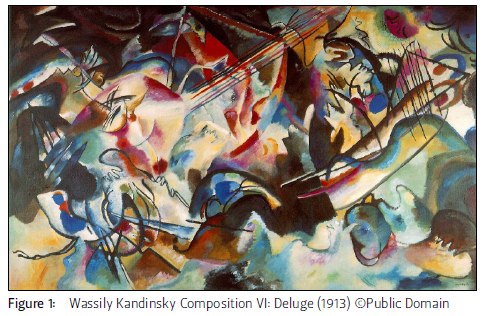
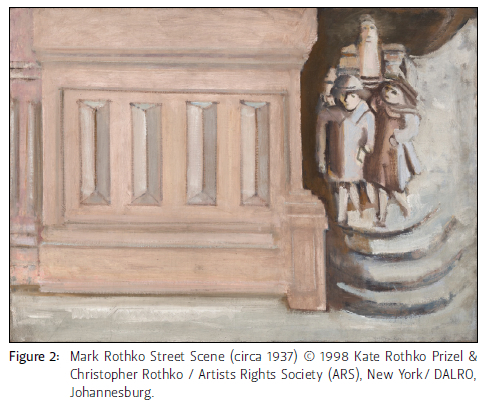
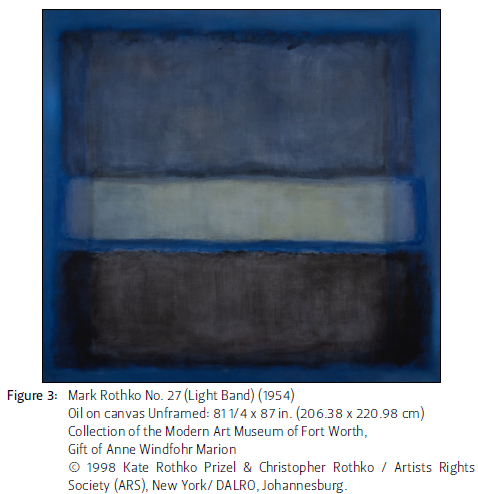
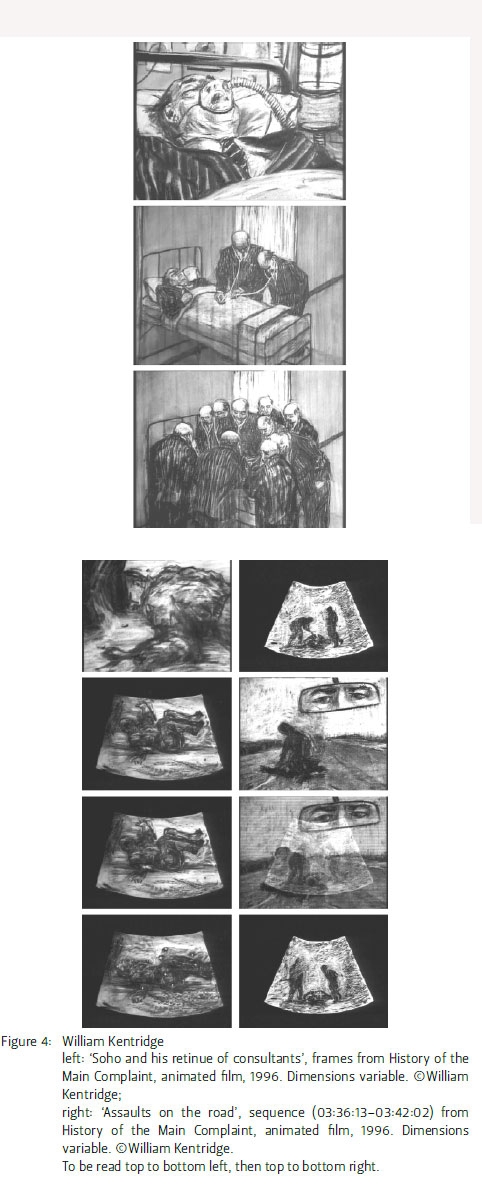
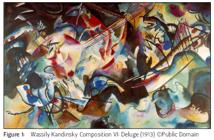
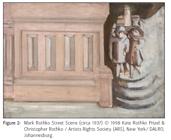
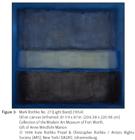
Following the work of Maria Aristodemou, while subtly departing from it, the article proposes a (novel) understanding of the relationship between law and "poetry" (instead of the more familiar "literature") in the terms of the literary devices of metaphor and metonymy. I propose as the operative inoperative metaphor and metonymy at stake for a more nuanced understanding of the relationship between law and poetry, the relationship between the Lacanian analyst and their analysand (in which lack is the central analytic category). From this vantage point, I investigate the visual poetry of three artists - Wassily Kandinsky, Mark Rothko and William Kentridge - who all had one or the other highly specific formative encounter with the law and, so the argument goes, went on transgressively to articulate that encounter with law in (at least some of) their poetry. I contend that each of these artists do not stop at the mere exposure of the lack in law that their poetry exposes, but are, rather also at pains to both proceed from and state the lack in poetry itself, thereby pointing up the existential lack of every subjective constitution. The analysis yields a critical divergence of law and literature, a necessary separation which nonetheless relates intimately, or extimately, in the form of the function of an analytics of law that leaves it in, or brings it to, a state of subjective destitution in which it may at last be able truly to apprehend for itself, the lack that makes it what it is.
Kandinsky; Kentridge; Lacan; lack; law; literature; metaphor; metonymy; modernism; poetry; Rothko
 Thumbnail
 Thumbnail
 Thumbnail
 Thumbnail