




Services on Demand
Journal

Article
 English (pdf)
 Article in xml format
 Article references

 Automatic translation
 Send this article by e-mail
Indicators
Related links
-
 Cited by Google
-
 Similars in Google
Share

 Permalink

Southern African Journal of Environmental Education
On-line version ISSN 2411-5959Print version ISSN 1810-0333
SAJEE vol.41 n.2 Makhanda 2025
https://doi.org/10.4314/sajee.v42si1.02
ARTICLES
'The land has become empty': The climate crisis, Somali nomadic pastoralists and livestock enclosures
Eric HerringI; Jama AdamII; Amal AliIII
IUniversity of Bristol
IITransparency Solutions, Somalia
IIITransparency Solutions, Somaliland
ABSTRACT
This article contributes to scholarship on climate change education and action, sustainability, knowledge co-production, nomadic pastoralism, livestock enclosures and Somalia. It does so by examining the nomadic pastoralist practice in Somalia of cutting down bushes and trees to create livestock enclosures. It shows that the climate crisis is making this practice unsustainable. The qualitative research methods used were literature reviews, engaging situated knowledges and lived experiences, knowledge co-production, survey interviews and focus group discussions. The project was designed as an exercise in climate change education and action which integrates scientific and indigenous and local knowledge. The approach used enables an understanding of why enclosures are used and therefore what factors have to be considered in moving towards more sustainable practices that contribute to effective climate action. The article reports a potentially valuable reforestation climate action generated from the nomadic pastoralist community: livestock enclosures made from living trees.
Keywords: knowledge co-creation methodology, climate crisis, sustainability, nomadic pastoralists, livestock enclosures, Somalia
Introduction
Sinujiif, which translates as 'livestock sleeping next to each other', thrived because of the pasture in that land. Now our livestock live on human food, which is also costly for us because we have to share our food.
Nomadic pastoralist co-investigator, Puntland, Somalia
Somali nomads are suffering due to a climate crisis mostly not of their making. Somalia produces only a tiny fraction of the emissions that are causing the climate crisis - 0.08% (GRICCE, 2023). The richest 10% of the world's population have generated 48% of those emissions since 1990 (Chancel, 2022). At the same time, Somalia is among the most vulnerable to climate impacts and among the least able to adapt (ND-GAIN, 2021), mainly due to being the fourth poorest country in the world (WPR, 2022). It is already being impacted severely by the climate crisis in terms of increased temperatures, droughts, floods and cyclones plus increased unpredictability of weather patterns. These impacts are putting severe strains on livelihoods and social structures, resulting in forced migration, food insecurity, malnutrition and risk of famine. As the climate heats up, these impacts will become more severe (Broek & Hodder, 2022). Among Somalis, nomads are the poorest group in society in comparison with urban and rural populations. 78% of Somali nomads live in poverty and 47% in extreme poverty (SNBS FRS 2023, pp. 2-3). Somali nomads are pastoralists, relying on livestock (sheep, goats, cattle and camels) for their livelihoods. The Somali nomadic population has been declining as a proportion of the country's population since the 1970s from around 60% to around 25% due to drought, armed conflict, resettlement programmes and loss of livestock and pasturelands (SNBS FRS, 2023; Unruh, 1995).
A crucial aspect of the nomadic pastoralist way of life is the use of enclosures to prevent livestock from straying and for protection from predators and the weather. The Somali word for the enclosures is 'xero'; in other languages they are known by terms such as 'kraal' and 'boma'. ''xero dhigasho' (livestock enclosures) are constructed by cutting down bushes and trees (especially thorny ones) and assembling them in a roughly circular shape. Families may build as many as five enclosures at a time, using particular thorny trees which the Somalis call Qansah, Qudac and Bileal. The new extremes of climate are undermining the regrowth of bushes and trees used for enclosures and the pasture used by livestock. At the same time, creating enclosures accelerates deforestation through the loss of bushes and trees faster than they can regrow or due to the loss of topsoil. This results in even more environmental degradation and feeds back into the climate crisis. No-one owns the xero: if nomads come upon one that is not being used, they can use it. When nomads move to other areas, they cut down bushes and trees to make or repair xero if they have deteriorated or are the wrong size. When families are unable to reach their destination in a single day, they must cut down bushes and trees for xero for only one night's stay. The deforestation resulting from the practice of xero has contributed to sustained low rainfall which has also led to decreases in the number, quality and productivity of livestock and increases in livestock diseases. The decrease of the number of livestock has forced many nomadic pastoralists to migrate to cities where they have few prospects for making a living due to lack of jobs.
This article contributes to scholarly literature by being the first study that combines academic knowledge with the indigenous and local knowledge (McElwee et al., 2020) of Somali nomadic pastoralists on the relationships between xero and the environment (in particular deforestation) and the first to do so as a means of co-producing mutual climate change education aimed at enhancing sustainability and climate action. There are papers which document the large-scale deforestation of Somalia in general and arid Somaliland and Puntland in the north in particular; they focus largely on the role of charcoal production (e.g. Oduori et al. 2011). There is some scholarly literature on the impact of climate change on nomadic pastoralism in general (e.g. Tugjamaba et al., 2023), a handful of scholarly papers on current and projected climate impacts on Somalia (e.g. Warsame et al., 2023) and one recent paper that uses modeling and geospatial data to explore how environmental change and conflict influence movement patterns of nomadic pastoralists in Somaliland and Puntland (Nelson et al., 2020). There is also extensive scholarly literature on the use of enclosures in countries other than Somalia, some of which includes reference to their use by nomads (e.g. Nyberg et al., 2015). The only mention of xero in scholarly literature is a passing mention in a 1996 paper on ethnoveterinary knowledge in the Sanaag region of Somaliland claimed by Puntland: the nomads would regularly clear dung from them so that they would not attract ticks (Catley & Mohamed, 1996, p. 139). There is no scholarly literature that connects science-based knowledge of climate change with the knowledge of Somali nomadic pastoralists about their experiences of and responses to climate change; none on the use of xero by Somali nomadic pastoralists; none that analyse the impact of xero on deforestation or other aspects of environmental degradation and the climate crisis; and none that involve knowledge co-production, indigenous and local knowledge or CCE with Somali nomadic pastoralist co-investigators. The one paper on climate change education relating to Somalia is a more general survey on East Africa that points out the lack of climate change education research and educational practice in Somalia (Apollo & Mbah, 2021). The paper that resonates most with ours is one from 1992 by Gufa Oba, which analysed environmental education for Kenyan nomads: we compare that paper's findings with ours in the 'Results and Discussion' section below.
Methods
In this section of the article we discuss the use in the research of situated knowledges, lived experiences and knowledge co-production.
Situated knowledges and lived experiences
This article has at the heart of its methods engaging situated knowledges and lived experiences. It has its origins in combined academic knowledge and indigenous and local knowledge of Jama Adam. As a scholar he is well informed about climate crisis research, education and action and is skilled in the use of co-production of knowledge by academics and non-academics working together. He is a Somali who has always lived in Puntland. He comes from a primarily rural pastoralist family that continues to engage in nomadic practices such as moving livestock up to 300 km if required during the dry season. He has also participated in the building of enclosures. He has seen first-hand how the climate crisis has exacerbated the environmental impact of enclosures and realised that examining their use could be an important and original entry point for climate change education and action. His strong connections to the local nomadic pastoralist community enabled the creation of an effective research co-production partnership. Amal Ali is a Somali scholar who comes from a rural family in Somaliland which also engages in nomadic activities: she has observed the building of enclosures and the increasing environmental and climate degradation locally.
Both have brought to bear their understanding that the nuclear family is alien to Somali culture. The extended family is the norm, which also means that households and individuals do not fit neatly into nomadic, rural or urban categories. While the lifestyle of an individual is often primarily of one kind, the household often includes relatives from other categories, and this generates sharing of lived experiences and knowledges. For example, Ali currently has two teenage girls living with her from a nomadic pastoralist family so that they can go to school. Eric Herring is an academic from the UK who has been to Somaliland many times and has more than a decade of experience in knowledge co-production of research and practical action with Somali government, private sector, educational and civil society actors. He also has a well-developed appreciation of the local context and its relationships with climate change education and climate action. All three academic members of the research team have recent experience of research projects on COVID-19 and education and COVID-19 and sustainable development which involved nomadic pastoralists in knowledge co-production (see article by Herring and Hussein in SAJEE Special Issue on Transforming Education for Sustainable Futures). In combination, the situated knowledges and lived experiences outlined above enabled the authors to elicit and enter into dialogue with the situated knowledges and lived experiences of the nomadic pastoralists who participated in the co-production of the research, as we now explain.
Co-production
The research co-produced mutual climate change education focused on the purposes and impacts of enclosures and related this to improved sustainability as part of climate action. It is well established that co-production involving scientific and indigenous knowledge has potential to generate pathways to sustainability, as indigenous communities are familiar with their environment and have lived experience of the impacts of the climate crisis as they relate to their own way of life (Hill et al., 2020). The foundation of our approach to co-production is the notion of 'with, not for' (Herring et al., 2020, p. 15). In other words, we did not adopt a unidirectional approach of academics using scientific knowledge about the climate crisis to inform the local community and conduct research about and for that community to recommend climate action measures to it. Instead, we constructed opportunities for active partnership and mutual learning.
Within our overall approach of knowledge co-production, we worked with the related themes of aspirations, poverty reduction and context.
Regarding aspirations, we wanted to understand what Somali nomadic pastoralists desired so that they could live the lives they value in ways that allow nature to flourish (McGrath et al., 2020; Tikly et al., 2020). This requires capabilities and opportunities to understand and improve the sustainability of their practices around the use of enclosures.
Regarding poverty reduction, the research examined how enclosures related to the livelihoods of Somali nomadic pastoralists and how those livelihoods might be enhanced in ways that would be in harmony with environmental sustainability and climate action. It was also vital that the research process paid for the time of the nomadic co-investigators to avoid exclusion due to poverty, to demonstrate (as one way among others) that we valued the time and knowledge of the participants, and simply to pay people for their labour. As indicated earlier, Somali nomadic pastoralists tend to be those most affected by poverty in what is one of the poorest countries of the world. At the same time, degrees of poverty and prosperity vary across families and over time due to circumstances (mainly drought, other climate extremes and armed conflict). Every nomadic co-investigator was paid 55 USD per session for their participation. We also paid for their transportation costs, refreshments and food.
Regarding context, we took this into account at three levels. First, by articulating the fact that the climate crisis is primarily driven by the consumption of the wealthy with severe costs for the Somali nomadic community. We documented the costs inflicted on the Somali nomadic pastoralist community. Second, the research enabled the identification of the cultural meaning as well as economic roles of enclosures. Third, in Somalia around 78% of nomadic males and 84% of nomadic women have had no formal education, and few speak any English (DNS, 2020, p. 24). Somalis have a rich oral culture, and knowledge creation and knowledge exchange traditionally occur within their communities in that fashion. At all stages, the academic co-investigators interacted with the nomadic co-investigators in oral, non-technical Somali, summarising and simplifying or mediating as needed. Fourth, hospitality is a central tenet of the Somali culture, and to accommodate this a goat was slaughtered, cooked and shared at every session. The academic and nomadic co-investigators bonded during these meals and rapport was built.
Consistent with the co-production principles we have outlined, the project had the following five phases once we had secured research funding.
Phase One involved securing research ethics approval from the University of Bristol, which included standard requirements around consent, anonymisation and secure data storage. This occurred once the ethics committee was persuaded that obtaining and recording oral consent for participation was appropriate in the Somali nomadic pastoralist context of a mainly oral culture and a predominance of illiteracy.
Phase Two was the recruitment phase. We contacted the relevant gatekeepers i.e. the clan elders, the mayor and locally elected representatives in three environmentally distinct areas of north-eastern Somalia where enclosures are used - Sinujiif village in Nugaal region (only bushes and small trees), Burtinle district in Nugaal region (mainly mature trees in some areas dense enough to be forests) and Balibusle village in Mudug region (a mix of bushes and trees of all sizes). We explained the project in Somali to the gatekeepers who consulted with their relevant communities and identified individuals willing to participate. The nomadic co-investigators consisted of 21 community members - seven from each district. In total the group was composed of nine women and 12 men over the age of 35, some of whom were over 70 years-old: all had extensive experience and knowledge concerning nomadic livestock herding and how the environment has changed over the years. The sample size of nomadic co-investigators was large enough for the gathering of sufficient qualitative data and small enough to facilitate the development of trust and productive working relations. All participants were informed of the project title, project objectives, the methods being used in the research and the planned outputs and outcomes. It was made clear to all participants what they were consenting to and that they could withdraw their consent at any time without giving a reason. It was explained that outputs would be made freely available online and that their contributions would be anonymised unless they provided express consent to be identified personally.
In Phase Three the nomadic co-investigators worked with us as the academic co-investigators to co-create the project design. One of the academic co-investigators spent two days in each of the three regions to improve their understanding of the nature of the enclosures and create a rapport with the nomadic co-investigators. During this period, the team took photos of the sites, including the enclosures. The team co-developed a survey questionnaire comprising open-ended and closed questions to gauge the level of community awareness of environmental issues, attitudes towards enclosure use and community ideas around more sustainable alternative enclosures.
Phase Four - the implementation phase - began with individual interviews with the nomadic co-investigators centred on survey questionnaires. We then used the data from the questionnaires as the basis of focus group discussions (FGDs) with the nomadic co-investigators. The meetings were held under trees locally, and we shared meals of goat to accommodate the local culture of gatherings. We used audio recording equipment with our co-investigators' consent. Using recording equipment freed us from taking notes and helped us to focus on and fully immerse ourselves in the discussions.
In Phase Five - the analysis phase - we returned to the three areas and shared the draft findings and analysis with the nomadic co-investigators orally in plain Somali. They suggested additions and amendments which shaped the final report and this paper.
During all phases we used a 'values-centred' approach to Monitoring, Evaluation and Learning (MEL) (Brockwell et al., 2022, pp. 8-9). This rests on the view that MEL should create indicators based on the viewpoints of participants rather than imposing them from outside based on prior assumptions, and that these should be ascertained through dialogue as part of a co-produced project. We implemented this approach to MEL by focusing on five areas: people and relationships; capacities; knowledge; outputs and sharing; and outcomes and legacies. In terms of people and relationships, we connected nomads from the three districts to their local administration, clan elders, researchers and university academics. In terms of capacities, we trained the nomadic co-investigators by agreeing with them processes for presenting and discussing ideas through interviews, FGDs and informal discussions over meals. The academic co-investigators were respectful of the time of the nomadic co-investigators, which meant meeting at times suitable to them. Traditionally, sites of learning have been in the community, and under trees in rural areas, where participants are able to enjoy the shade of the tree: we replicated this during FGDs by meeting under trees.
We were respectful of the fact that everyone has a voice and ensured that they could speak for as long as they wanted, in line with their cultural values. This is similar to the Somali cultural practice of 'shir', where communities sit together and co-create knowledge, or resolve disputes, through a process of consultation and consensus building. While women are traditionally excluded from these spaces, we secured consent for women to participate. We justified the request on the grounds that they are central to the nomadic way of life and often create enclosures, and women's voices are a major component of Somali culture. The respectful approach we had taken in our engagement with the nomads was vital to securing this consent. Through these processes the nomadic co-investigators were fully involved in shaping Phases Two to Five of the project. We carried out methods and MEL workshops and trainings repeatedly throughout the research process, all in Somali and framed in everyday rather than academic language. The academic co-investigators then wrote a final report which came out of discussions which were recorded, transcribed, written up in Somali, read out to the nomadic pastoralists for validation and then translated into English by the academic principal investigator. Finally, in terms of legacy, we generated knowledge for climate change education and action informing community elders, nomadic co-investigators, as well as the wider public, about the environmental impacts of cutting down bushes and trees and links to climate change. In addition, we co-produced climate change education knowledge about potential alternative livestock enclosures that can be used to inform climate action. We intend to translate this article into Somali and to edit it as appropriate to take into account the north-eastern Somali dialect of our participants. We will share the article online and through our contacts and also return to the three districts to present it. We have also produced a video that features the voices of the nomadic co-investigators throughout: this is in Somali with English sub-titles and captions. We are exploring the potential for a follow-on co-produced project focused on options for more sustainable enclosures.
Results and discussion
In this section, we set out the results of our interviews and FGDs with the nomadic co-investigators and combine it with the indigenous, local and academic knowledge of our two co-authors with Somali nomadic heritage as well as the local and academic knowledge of the third co-author. We also discuss the results in each sub-section. The material below is organised thematically to draw out the connections to our research focus. We conclude this section with a comparative analysis.
An alternative form of livestock enclosure is required due to increasing environmental problems
Nomadic co-investigators over the age of 40 recalled experiencing a time when their environment was beautiful, and life was self-sufficient and satisfying because there were many trees, good rainfall and lush pastures: livestock had plentiful food during the wet and dry seasons. In the 1970s and before, they were able to support people in the cities, even providing free milk, butter, and meat. As there was so much pasture, water supply was a minor consideration. Since then, the nomadic lifestyle has become subject to severe pressures generated mainly by the climate crisis - drought, disappearance of trees and pastures, death of livestock, falling production from livestock which are smaller and less healthy, increased poverty due to the need to purchase feed for livestock, and increasing competition and even violent conflict between clans and sub-clans over water and pasture. Previously, a nomadic family of around twelve people with three camels would be capable of supporting itself. Now that same family cannot survive because it is unable to afford the medicines and supplementary foods such as cereals that the livestock need, it struggles to find sufficient water and pasture, and livestock produce much less milk and meat.
On the basics of their indigenous and local knowledge, the nomadic co-investigators strongly perceived worsening rainfall shortages in recent decades and connected these shortages to the changing climate and deforestation. They reported the view that trees encouraged rain by promoting the formation of clouds and helped the land store rainwater when it fell. They were of the view that, without trees, the wind disperses the clouds and blows soil away, turning semi-arid land into a desert wasteland. As one nomadic co-investigator, put it vividly: "The land has become empty". They reported major changes in their lives due to reduced and unreliable rainfall. They said that they tended to move on and built new livestock enclosures every month, depending on the severity of the drought, whereas, in previous decades, they could sometimes remain in the same place using the same livestock enclosures for six months. Hence there is a vicious negative cycle of climate-driven environmental degradation creating pressure for more enclosures that in turn exacerbate environmental degradation and the climate crisis. As a result, the participants expressed strong interest in exploring the possibility of alternative portable or fixed enclosures that would be long lasting and more environmentally friendly. However, they also said that they do not at present have any resources for improving their environmental practices and receive no external support to do so.
The requirements that must be met by livestock enclosures
There are numerous requirements for livestock enclosures, as specified by the nomadic co-investigators. They should not have livestock parasites such as ticks and mites. To prevent this, nomads must be willing to keep enclosures clean and dry, instead of building another enclosure nearby and using that. They should be in open space rather than dense vegetation, as this can harbour parasites and predators (primarily hyenas and occasionally foxes) and is limited in pasture and water. They should also be near good pasture and a reliable water supply: this is a major challenge in the dry season. In the case of camels, they need specific bushes that have salt in their leaves. They should be enough distance from other enclosures so that there is sufficient pasture. Competition for food and water stresses livestock and makes them more susceptible to disease. They should also be in places where they are not likely to trigger conflict between clans or sub-clans over water and pasture.
Further complicating factors in addressing the environmental impacts of creating livestock enclosures is that nomads cut down trees and bushes for important economic and cultural reasons beyond making enclosures. Hence, an alternative form of enclosure must also meet these economic and cultural requirements, unless there is reason to think that those requirements will be dropped or met in other ways. Nomads cut down bushes and trees to construct temporary homes. Usually, males tend the livestock and women build the temporary homes. These dome-shaped shelters may be big enough to also shelter some livestock from the wind, rain or sun. They have wooden pillars and walls made from animal skins, woven mats, roots, grass, branches, reeds and cloth and are designed so that they can be dismantled, packed onto the backs of their camels, and rebuilt in a new location. Wood is also used to make many household items, in particular plates, cups, water containers, milk containers, cutlery and brooms. Some of these practices are becoming less common as people accumulate items from materials such as plastic. Even so, nomads still use wood for the purposes indicated. Slates of wood are sometimes used to write on and for children to learn and memorise the holy Koran. Bells that are tied to camels' necks and walking sticks are made from wood, as are various home decorations, shoes and even pillows. Furthermore, many cultural events central to Somali culture take place around a wood fire, including poetry, singing and dancing. The drums used for dancing are also made of wood and animal skins. 'Dhaanto' is one of the most popular Somali dances across the region and among the diaspora and is inspired by the camel. Camels are central to the Somali way of life, and are respected in Somali folklore, poetry and songs as a symbol of status and prosperity. Camels are often exchanged as wedding dowries and as compensation between warring clans. The fires, and their smoke, were also often used as a form of communication, before telecommunication technology was introduced to the region.
Building enclosures by cutting bushes and trees is a tough, undesirable task for the nomads: they need to own and sharpen axes and they run the risk of injuring themselves seriously without access to medical care. Furthermore, the thorns make handling the materials difficult, they may have to drag the bushes a long distance to the location of water and pasture, and the strong winds can blow the branches away or blow the thorny branches into the nomads, scratching them severely. The nomadic co-investigators expressed some interest in potential alternative construction materials, such as wire and lightweight metal aluminium portable enclosures, flattened barrels or drums, panels made from bamboo or recycled plastic, fixed roofed structures or permanent stone and concrete structures. However, there is an indispensable requirement, which is that they must not add a financial burden. Nomads mostly live in poverty, and trees and bushes are free. Enclosures that require spending would have to be paid for by external agencies unless nomads became wealthier. Another consideration is that enclosures made from alternative construction materials may not last long if the materials are taken away and repurposed or sold. Resources would also be needed to replace the wooden elements of temporary shelters and household items, and the cultural aspects of practices associated with the various uses of wood would have to be considered. Furthermore, there must be agreement that no-one should claim ownership of permanent structures, as this could generate violent conflict.
Above all, there is the fundamental and tragic problem of the mainly climate-driven and self-reinforcing decline in the availability to Somali nomads of bushes and trees for any purpose. As a nomadic pastoralist co-investigator from Sinujiif explained:
The recent clouds passed us by without bringing much-needed rain, and we suspect that the absence of old trees has contributed to the scarcity of rainfall. When there is a shortage of rain and it only falls in specific areas, nomads gather their animals and flocks in those locations [where there has been abundant rain]. ... This results in approximately 200 families constructing enclosures, leading to the loss of around 1 000 trees [which devastates that area].
A creative idea for changing livestock enclosures from a deforestation climate problem to a reforestation climate solution was proposed by a nomadic pastoralist from Balibusle:
Livestock enclosures can achieve long-term durability by strategically planting Geed-Kuwaah [Myrrh] trees in their vicinity. These trees have the unique capability to thrive and expand when exposed to rain, gradually enveloping the enclosures and creating a robust, natural barrier that stands the test of time.
This intriguing proposal of a new form of living livestock enclosure has the merit of coming from within the nomadic community, and ought to be explored further in a co-produced manner with the nomads, with full consideration of all aspects of the proposal, both economic and cultural.
Comparative analysis
Our analysis reaffirms and elaborates upon three findings from research with nomads elsewhere - that engagement with communities on environmental and climate action needs to be persuasive about their environmental arguments, compatible with community cultural traditions (which may evolve) and compatible with their short-term economic needs (Oba, 1996). In the 1970s and 80s, UNESCO programmes aimed to provide environmental education for the Rendille nomads in northern Kenya in ways that would combine with or, where appropriate, correct their indigenous knowledge to try to reverse environmental degradation caused by pastoralist practices such as cutting down trees and bushes to construct boma. Scientifically based knowledge was deployed by the UN to try to correct false beliefs that cutting down trees did not lead to loss of topsoil, or that trees were an infinite resource (Oba, 1996). A UNESCO project trialled unsuccessfully two alternative means of constructing boma to reduce deforestation and environmental degradation -bamboo and stone (Oba, 1996). The nomads rejected bamboo as it had to be purchased whereas trees were free and widely available. They rejected stone due to the labour and amount of time needed to construct enclosures, the tendency of stone to accumulate dung that attracted fleas and ticks (something the nomads avoided normally by simply moving to a new location) and their fixed nature not accommodating the culture of ceremonies to bless newly constructed sites. While the Somali nomadic pastoralists in our project were open to the use of alternative construction materials, questions around funding, cultural requirements and avoiding triggering conflict over ownership remain.
Conclusion
Climate change education is a vital element of assisting people to live the lives they value in harmony with nature (Tikly et al., 2020). This research explored the ways that the climate crisis is making the Somali nomadic pastoralist practice of cutting down bushes and trees to make livestock enclosures increasingly unsustainable in ways that in turn are adding to the climate crisis. Nomadic pastoralists are among the most disadvantaged and under-served groups of people in Somalia, with few being literate or having access to health care. Extreme poverty is widespread, as is particularly high vulnerability to the impacts of the climate crisis through loss of pasture, deforestation and extremes of weather. The research made nomadic pastoralist co-investigators central to co-production in ways that enabled full voice and agency regardless of illiteracy and poverty and through payment of honoraria to enable participation. The project mobilised indigenous and local knowledge as part of the process of working with this community to research how to become more sustainable. The research was facilitated by the fact that nomadic pastoralists are not an exotic, unfamiliar group of people on one side and the project team urban people with a totally different life and outlook on the other. More generally, nomadic connections are central to Somali identity and continuing lived experiences, with many routinely visiting their nomadic relatives on days off and during holidays. The research generated from the community a possible alternative of livestock enclosures made from living trees as a potentially valuable climate action, while keeping in sight the fact that the climate crisis is mainly driven by factors external to this community. While Somali nomadic pastoralists have some distinctive cultural and contextual characteristics, nomadic pastoralists around the world have many challenges in common that are being exacerbated by the climate crisis. Indeed, the climate crisis is piling on such additional pressure that the way of life of nomads around the world is becoming increasingly impossible to sustain. In calculations of the current and anticipated impacts of accelerating climate breakdown, one measure that attracts wide attention is impact on the size of the global economy, calculated as the total of the monetary market value of goods and services (e.g. Kotz et al., 2024). While this tells us something important, it misses the fact that the collapse of the nomadic way of life worldwide would be a catastrophe for these communities and yet, as a drop in the financial ocean, it would barely register. Climate education must not be silent about the plight of nomads.
Acknowledgements
This research was carried out as part of the Transforming Education for Sustainable Futures (TESF) project. The support of the UK Research and Innovation Global Challenges Research Fund for TESF is gratefully acknowledged: award title 'Transforming Education Systems for Sustainable Development (TES4SD) Network Plus', award reference ES/T002646/1. We would also like to acknowledge gratefully our nomadic pastoralist co-investigators for their commitment and insights.
Data Access Statement
At the time the research was carried out, participants consented to the data of this study being used for this research and for no other purpose than this research. Furthermore, the small number of participants, the nature of their participation and the socio-cultural context poses a significant risk of de-anonymisation should the data be made open access. Therefore, open access to the data would contravene consent and ethics approval.
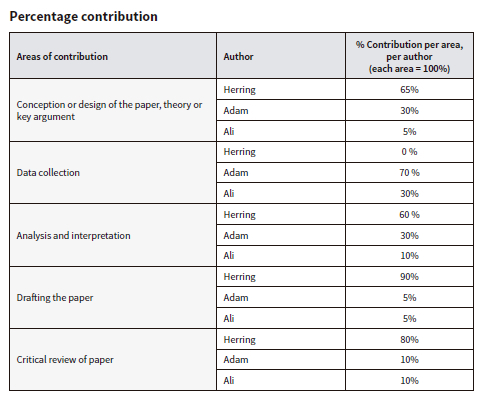
Notes on Contributors and their Contributions
Lead author
Herring, Eric
Eric Herring is Professor of World Politics in the School of Sociology, Politics and International Studies at the University of Bristol. His research focuses mainly on the co-creation of locally led sustainable development in Somalia/Somaliland.
Co-author
Adam, Jama
Jama Adam is a researcher at Transparency Solutions. The focus on nomadic livestock enclosures and the climate crisis is a product of his combination of academic knowledge and indigenous and local knowledge. His scholarly interests are in the co-creation of locally led development in Somalia.
Co-author
Ali, Amal
Amal Ali is a post doctoral researcher at Transparency Solutions. Her scholarly interests are in international law and justice.
References
Apollo, A., & Mbah, M.F. (2021). Challenges and opportunities for climate change education (CCE) in East Africa: A critical review. Climate, 9(93), 1-16. https://doi.org/10.3390/cli9060093 [ Links ]
Brockwell, A.J., Mochizuki, Y., & Sprague, T. (2022). Designing indicators and assessment tools for SDG Target 4.7: A critique of the current approach and a proposal for an 'Inside-Out' strategy. Compare: A Journal of Comparative and International Education, 54(5), 731-749. https://doi.org/10.1080/03057925.2022.2129957 [ Links ]
Broek, E., & Hodder, C.M. (2022). Towards an integrated approach to climate security and peacebuilding in Somalia. Stockholm International Peace Research Institute. https://www.sipri.org/sites/default/nles/2022-06/2206_towards_an_integrated_approach_to_climate_security_and_peacebuilding_in_somalia_0.pdf [ Links ]
Catley, A., & Mohammed, A.A. (1996). Ethnoveterinary knowledge in Sanaag region, Somaliland (Part II): Notes on local methods of treating and preventing livestock disease. Nomadic Peoples, 39, 135-145. [ Links ]
Chancel, L. (2022). Global carbon inequality over 1990-2019. Nature Sustainability, 5, 931-938. https://doi.org/10.1038/s41893-022-00955-z [ Links ]
CHC [Center for Humanitarian Change]. (2017). A brief comparison of the 2011 and 2017 drought displacement in Somalia. https://whatworks.co.ke/wp-content/uploads/2021/08/A-Brief-Comparison-of-the-2011-and-2017-Drought-Displacement-in-Somalia-1.pdf [ Links ]
DNS [Directorate of National Statistics, Ministry of Planning, Investment and Economic Development, Federal Republic of Somalia]. (2020). The Somali health and demographic survey 2020. https://tinyurl.com/y7czkh2k [ Links ]
GRICCE [Grantham Research Institute on Climate Change and the Environment]. (2023). Somalia - Climate change laws of the world. https://climate-laws.org/geographies/somalia [ Links ]
Herring, E., Ismail, L., Maydhane, Y., & McNeill, S. (2020). Decolonising development: Academics, practitioners and collaboration. Journal of Somali Studies, 7(2), 65-100 https://doi.org/10.31920/2056-5682/2020/7n2a4 [ Links ]
Hill, R., Walsh, F. J., Davies, J., Sparrow, A., Mooney, M., Wise, R. M., & Tengö, M. (2020). Knowledge co-production for Indigenous adaptation pathways: transform post-colonial articulation complexes to empower local decision-making. Global Environmental Change, 65, 102162. https://doi.org/10.1016/j.gloenvcha.2020.102161 [ Links ]
Kotz, M., Levermann, A., & Wenz, L. (2024). The economic commitment of climate change. Nature, 628, 551-557. [ Links ]
McElwee P., Fernández-Llamazares Á, Aumeeruddy-Thomas Y, Babai, D., Bates, P., Galvin, K., Guèze, Liu, J., Molnár, Z., Ngo, H.T., Reyes-García, V., Chowdhury, R.R., Samakov, A., Shrestha, U.B, Díaz, S., & Brondízio, E.S. (2020). Working with Indigenous and local knowledge (ILK) in large-scale ecological assessments: Reviewing the experience of the IPBES Global Assessment. Journal of Applied Ecology, 57, 1666-1676. https://doi.org/10.1111/1365-2664.13705 [ Links ]
McGrath, S., Powell, L., Alla-Mensah, J., Hilal, R., & Suart, R. (2020). New VET theories for new times: the critical capabilities approach to vocational education and training and its potential for theorising a transformed and transformational VET. Journal of Vocational Education & Training, 74(2). https://doi.org/10.1080/13636820.2020.1786440 [ Links ]
Nelson, E. L., Khan, S. A., Thorve, S. & Greenough, P. G. (2020). Modeling pastoralist movement in response to environmental variables and conflict in Somaliland: Combining agent-based modeling and geospatial data. PLoS ONE, 15(12), e0244185. https://doi.org/10.1371/journal.pone.0244185 [ Links ]
Oba, G. (1992). Environmental education for sustainable development among the nomadic peoples: The UNESCO-IPAL experience in Northern Kenya. Nomadic Peoples, 20, 53-73. [ Links ]
Oduori, S. M., Rembold, F., Abdulle, O. H. & Vargas, R. (2011). Assessment of charcoal driven deforestation rates in a fragile rangeland environment in North Eastern Somalia using very high resolution imagery. Journal of Arid Environments, 75, 1173-1181. https://doi.org/10.1016/j.jaridenv.2011.05.003 [ Links ]
ND-GAIN [Notre Dame Global Adaptation Initiative]. 2023. Somalia. https://gain-new.crc.nd.edu/country/somalia [ Links ]
Nyberg, G., Knuttson, P., Ostwald, M., Öborn, I., Wredle, E., Otieno, D. J., Muriethi, S., Mwangi, P., Said, M. Y., Jirström, Grönvall, M. A., Wernersson, J., Svanlund, S., Saxer, L. Geutjes, L., Karmebäck, V., Wairore, J. N., Wambui, R., De Leeuw, J., & Malmer, A. (2015). Enclosures in West Pokot, Kenya: Transforming land, livestock and livelihoods in drylands. Pastoralism: Research, Policy and Practice, 5(25), 1-12. https://doi.org/10.1186/s13570-015-0044-7 [ Links ]
SNBS FRS [Somalia National Bureau of Statistics, Federal Republic of Somalia]. 2023. Somalia poverty report (2023). https://nbs.gov.so/wp-content/uploads/2023/09/Somalia-Poverty-Report-2023.pdf [ Links ]
Tikly, L., Batra, P., Duporge, V., Facer, K., Herring, E., Lotz-Sisitka, H., McGrath, S., Mitchell, R., Sprague, T., & Wals, A. (2020). Transforming Education for Sustainable Futures Foundations Paper. Bristol, TESF. https://doi.org/10.5281/zenodo.4279935 [ Links ]
Tugjamba, N., Walkerden, G., & Miller, F. (2023). Adapting nomadic pastoralism to climate change. Climatic Change, 176(28). https://doi.org/10.1007/s10584-023-03509-0 [ Links ]
Unruh, J. D. (1995). Pastoralist resource use and access in Somalia: A changing context of development, environmental stress and conflict. In J. Sorensen (Ed.), Disaster and development in the Horn of Africa (pp. 126-150). Springer. [ Links ]
WPR [World Population Review] (2023). Poorest countries in the world 2023. https://worldpopulationreview.com/country-rankings/poorest-countries-in-the-world [ Links ]
Warsame, A. A., Sheik-Ali, I. A., Hassan, A. A., & Sarkodie, S. A. (2022). Extreme climatic effects hamper livestock production in Somalia. Environmental Science and Pollution Research, 29, 40755-40767. https://doi.org/10.1007/s11356-021-18114-w [ Links ]
