Poverty, inequality, and atmospheric colonisation: Pointers for the school history curriculum
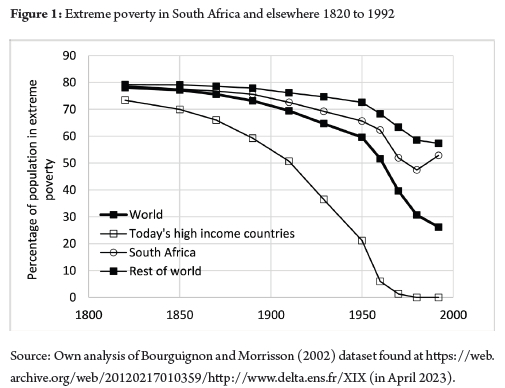
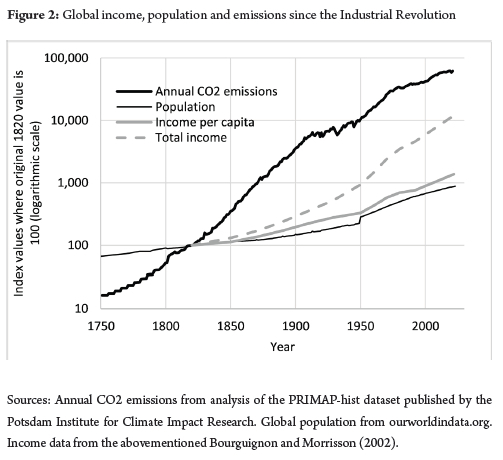
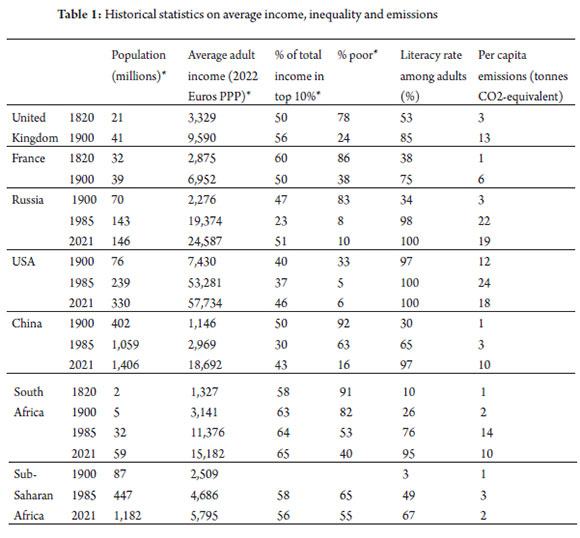
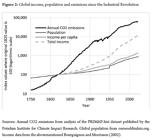
There is an interest in having the school history curriculum cover pressing and inter-related social issues: rising inequalities, even where there is a democracy, and the need to reduce poverty and confront climate change. These focus areas align with another interest among many history teachers: using statistics and data better to understand the past. Since around 1980 income inequalities have worsened after a couple of centuries of decline. This is a key reason why the Sustainable Development Goals of the United Nations prioritise greater equality. While measures of inequality warrant attention, quantitative and qualitative knowledge about the more normative concept of poverty is arguably easier for secondary school history students to grasp. Remarkable declines in poverty since the Industrial Revolution should be understood against the enormous environmental cost of industrialisation. Moreover, in terms of the increasingly used concept of "atmospheric colonisation", colonising countries have been inordinately large contributors to changes in the earth's atmosphere, changes that drive climate change and are likely to worsen poverty. Students need to understand these complexities, in part so they can form opinions around a fair sharing of the burdens of emissions reduction and adaptation to a changing climate. Such matters will become increasingly important when voters must choose between parties in national elections. There are clear implications for history curricula, which are only beginning to receive attention. While the article should be of interest to history teachers anywhere, specific content recommendations are made in terms of the South African secondary school curriculum.
Economic history; Secondary schools; Voter education; Inequality; Numeracy across the curriculum; Climate change education
 Thumbnail
 Thumbnail