Utilizing a Historically Imbedded Source-Based Analysis Model (HISBAM) in the History school classroom
Abstract
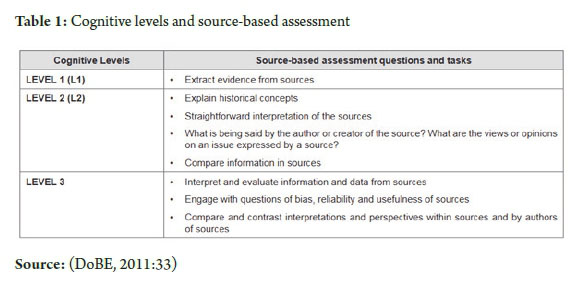
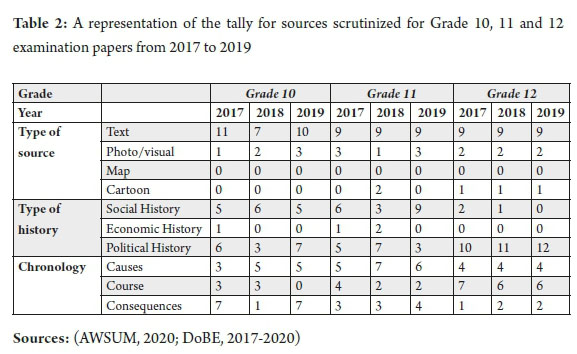
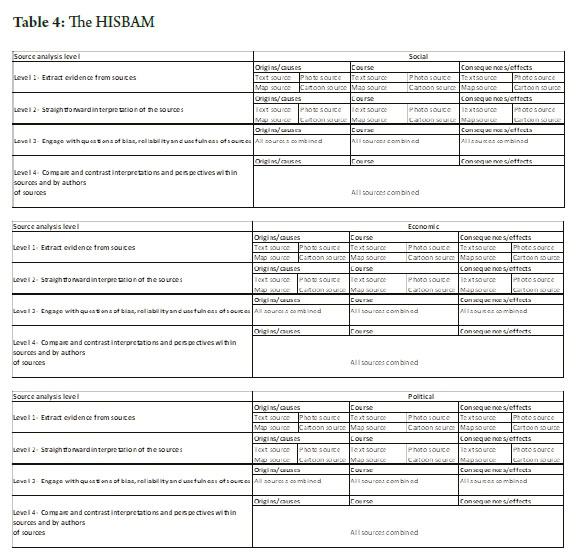
This paper aims to elucidate upon a model that imbeds historical skills, concepts and categorizations into a source-based analysis approach utilizing levels of cognitive complexity by combining different types of sources into a coherent system. This model will focus on the South African school context. In this paper, concepts such as cause and effect and chronology will be explored, as well as historical categorizations of social, economic and political history. The taxonomy of source-based questioning will also be highlighted, as well as the variety of sources that could be used in a history classroom. Various theories and perspectives have emerged in the field of History, and these will also be explored to better understand the model in question. The paper will conclude with an in-depth explanation as to how this Historically Imbedded Source-Based Analysis Model could be used in the history classroom and the potential benefits that this model holds.
Historiography; Levels of questioning; Cognitive complexity; Source-Based Analysis Model (HISBAM); History classroom; South Africa; Curriculum