A Comparative Analysis of the Zambian Senior Secondary History Examination between the Old and Revised Curriculum using Blooms Taxonomy
Abstract
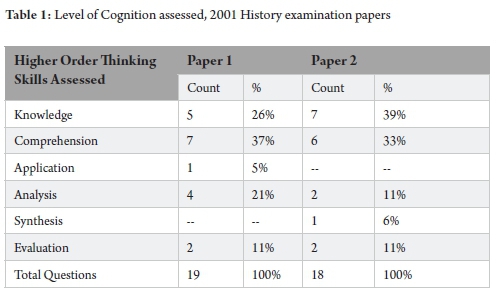
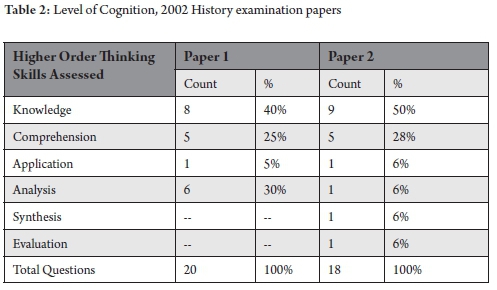
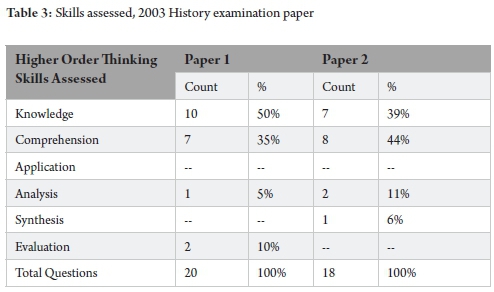
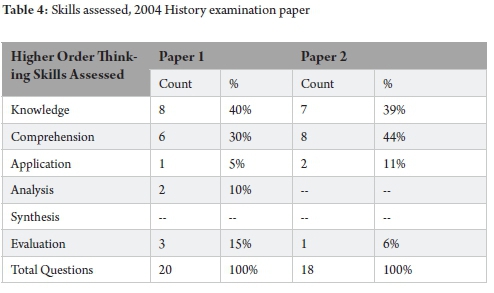
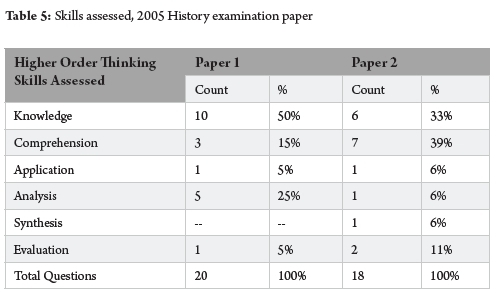
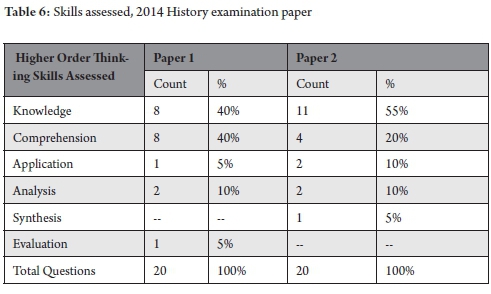
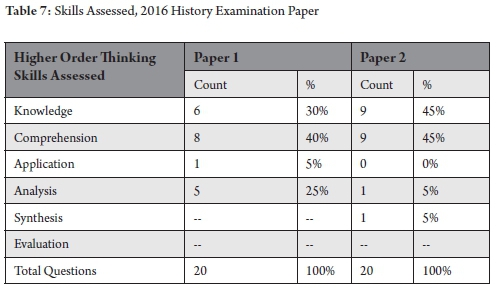
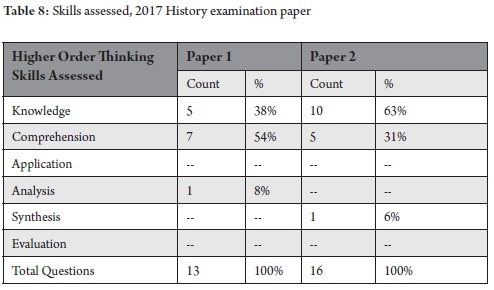
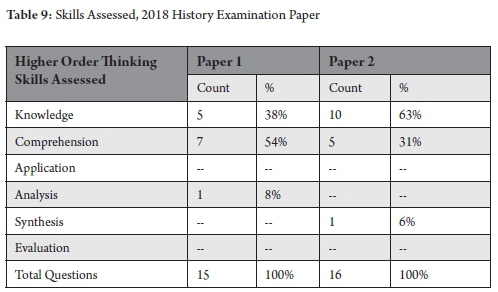
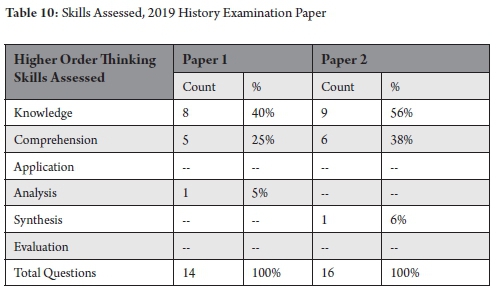
IThe 2013 Education reform in Zambia is one of the significant changes that brought about a shift in assessment. To understand the changes that have taken place in the 2013 revised curriculum, and to determine the claims by the Ministry of General Education that the revised curriculum is based on higher order thinking, this study evaluated the Examination Council of Zambia's Grade 12 History examination past papers. Qualitative content analysis was used as a research method and document study. A descriptive content analysis style was used to describe the occurrence of the coding categories of analysis precisely. Content analysis was used to make replicable and valid inferences by interpreting and coding textual material in the Grade 12 examination questions. The sample for this research comprised of 10 History examination papers from the new curriculum and old curriculum which were purposively selected. The findings of the study suggested that the analysed exam papers lacked the higher-level cognitive skills contained in Bloom's taxonomy. It is recommended that examiners follow the guidelines for setting an Outcome-Based Assessment so that they can achieve the intended goals of learning for learners.
Bloom's Taxonomy; History; exam questions; Assessment; Outcome Based Assessment and Outcome Based Curriculum/ Education