Leveraging historical infrastructure to teach economic geography in South Africa
Abstract
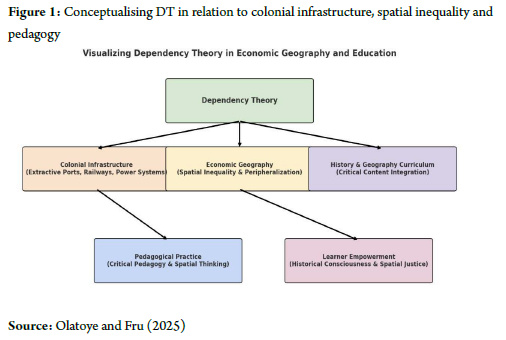
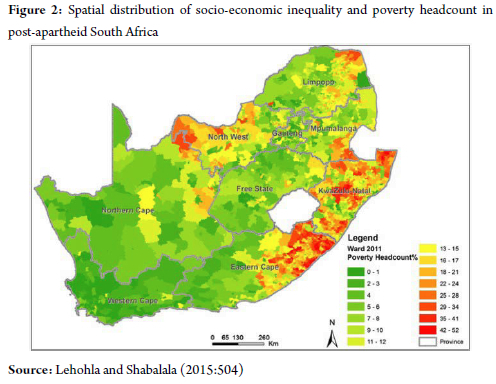
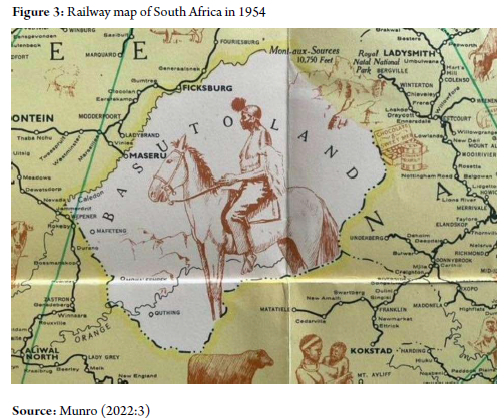
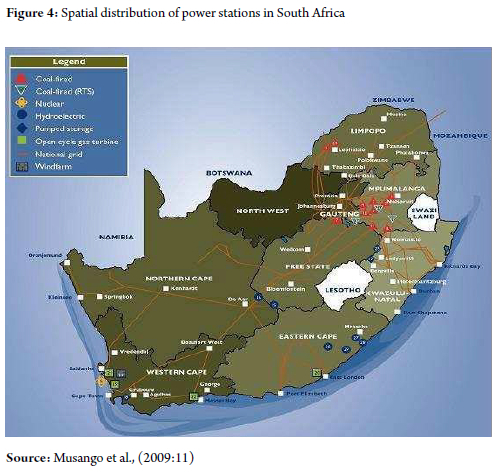
This study investigates the enduring spatio-economic legacies of colonial infrastructure, specifically ports, railways, power grids and leveraging history approaches employed in shaping the economic geography of modern South Africa. It posits that the country's contemporary economic geography is indelibly shaped by an intentionally engineered spatial logic, designed to facilitate resource extraction and imperial trade rather than foster integrated national development. The implication of this inherited landscape remains a significant gap in secondary and tertiary education, resulting in a pedagogical shortfall that limits the development of spatial literacy and historical consciousness among students and learners. Grounded in Dependency Theory, this research employs a systematic literature review methodology, synthesising evidence from archival records, colonial maps, policy documents and curriculum frameworks. The findings systematically demonstrate that colonial infrastructure was a pivotal instrument of spatial governance. It established a durable core-periphery hierarchy, strategically concentrating economic advantage in coastal urban enclaves like Durban and Cape Town to serve settler-colonial and imperial interests, while systematically dispossessing and excluding Black communities in the interior, thereby institutionalizing racialised spatial inequality. Hence, addressing this historical amnesia in the classroom is a scholarly and civic imperative. Thus, a transformative pedagogical framework is recommended, urging educators to integrate critical cartography, historical Geography Information System (GIS), and place-based inquiry in the teaching of economic geography. This approach aims to foster a critical spatial literacy by equipping students to deconstruct the political origins of their built environment, essential for dismantling and reimagining the persistent structures of spatial injustice in post-apartheid South Africa.
Colonialism; history pedagogy; economic geography; geoinformation technologies; spatial inequality; transport networks
 Thumbnail
 Thumbnail
 Thumbnail
 Thumbnail