Land Cover Change, Historical Memory and Resistance: GIS-Integrated Climate Adaptation Pedagogy from the 1976 Soweto Uprising
Abstract
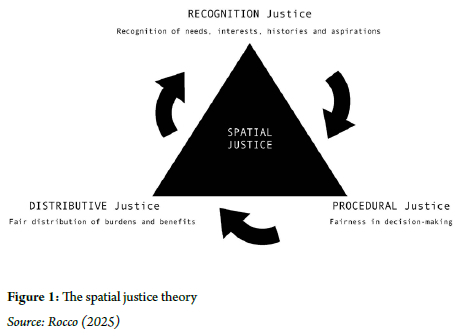
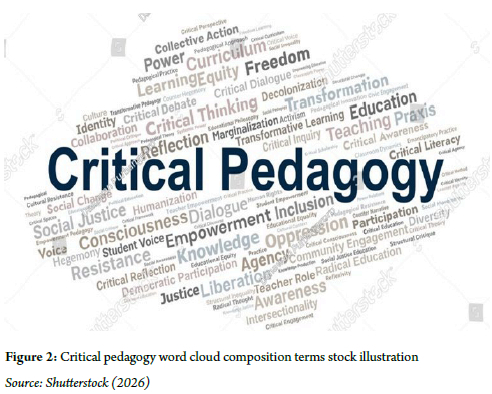
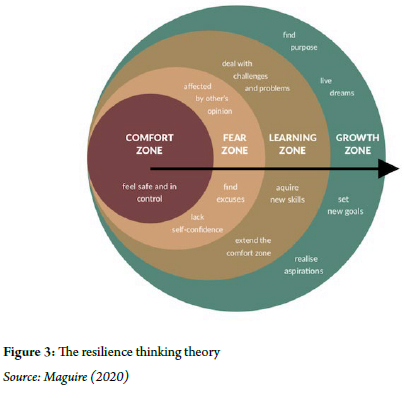
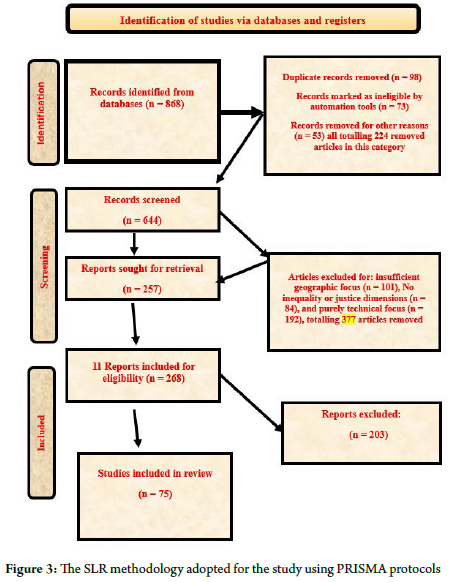
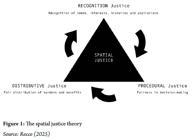
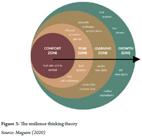
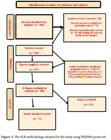
At a time when historical memory and environmental vulnerabilities overlap, rethinking how the 1976 Soweto Uprising is taught offers a pathway for cultivating critical engagement and climate-consciousness. This study addresses the pedagogical limitation wherein the 1976 Soweto Uprising is taught as a static historical event and disconnected from climate change adaptation and spatial inequality challenges. Employing a Systematic Literature Review (SLR) guided by the Preferred Reporting Items for Systematic Reviews and Meta-Analyses (PRISMA) protocols, the study integrates spatial justice theory, critical pedagogy, and resilience thinking, positioning learning as historically grounded, spatially situated, and future-oriented. The findings reveal that Geographic Information Systems (GIS)-based digital mapping of protest geographies, when linked with present-day climate vulnerability and adaptive strategies, deepens learners' historical consciousness, spatial literacy, and capacity to connect past resistance with present resilience. Such integrative approaches foster critical awareness of environmental injustice and empower learners to envision sustainable futures. The study recommends integrating geospatial technologies, climate change adaptation frameworks, and teacher professional development in geo-humanities to advance transformative pedagogy. This approach provides a compelling model for bridging historical memory and environmental action in South African classrooms.
Digital humanities; Geographic Information Systems (GIS); Spatial justice; Soweto Uprising; Transformative pedagogy
 Thumbnail
 Thumbnail
 Thumbnail
 Thumbnail