Silenced and Invisible Historical Figures in Zambia: An Analysis of the Visual Portrayal of Women in Senior Secondary School History Textbooks
Abstract
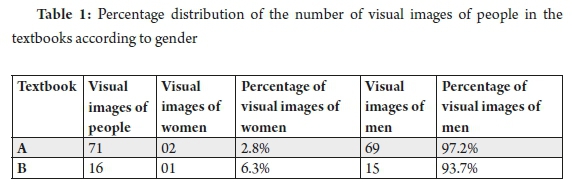
Despite their significant contribution to the country's historical development, women's influence is commonly underestimated and ignored in Zambian history literature. Subsequently, their role remains undocumented in secondary school textbooks to the extent that the sex blindness of traditional historiography, which sustains male dominance in history, remains unchallenged in the books. Through a qualitative approach and purposive sampling of two Zambian secondary school Grade 12 learners' history textbooks, the study examined the portrayal of women. Located within the decoloniality paradigm, it counters the coloniality of power manifested through the insularity of dominant patriarchal historical narratives entrenched in the secondary school history curriculum, largely reflecting the remnants of colonial epistemologies and historiographical traditions. The findings in both textbooks reveal that the female characters are silenced and invisible compared to their male counterparts, reflecting the patriarchy hegemony in the secondary school Zambian history curriculum. In decolonising colonial power manifested in the curriculum, the study recommends mainstreaming gender equality in the history curricula and teaching and learning materials, mainly the learners' textbooks, to reflect women's achievements.
Decoloniality; Visual images; Gender; History textbooks; Secondary school; Women; Zambia
 Thumbnail
 Thumbnail
 Thumbnail