Antibiotics in water bodies, cyanobacterial toxicity and odorous compounds release: a review
Abstract
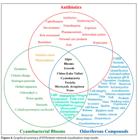
The present study aimed to propose a new cause of odorous compounds release, i.e., the presence of antibiotics in water bodies and its toxicity to cyanobacteria, known to be the main producer of geosmin (GEO) and 2-methylisoborneol (2-MIB). Therefore, a literature review was carried out regarding the problems caused by antibiotics in aquatic environment, including cyanobacterial blooms and GEO and 2-MIB release. In addition, a bibliometric analysis was performed using the VOSviewer software based on the results obtained from the Web of Science (WOS) database. This review aims to build a scientific understanding of the problem, presenting interesting points that converge with the proposed association. It is worth mentioning that no work has been found in the literature that has proposed this relationship. Thus, based on the bibliographic survey, observations and information acquired in recent years about cyanobacterial blooms and environmental contamination by pharmaceutical drugs, one of the main causes of an earthy and musty flavour and odour in a drinking water supply is the toxicity imposed by the presence of antibiotics in aquatic environments on cyanobacteria.
cyanobacterial blooms; antibiotics; toxicity; geosmin; 2-methylisoborneol
 Thumbnail
 Thumbnail
 Thumbnail
 Thumbnail