A comparison of oil and grease removal from automobile workshop stormwater runoff using gravel, granular activated carbon, rice husk and conventional oil and grease (O& G) trap
Abstract
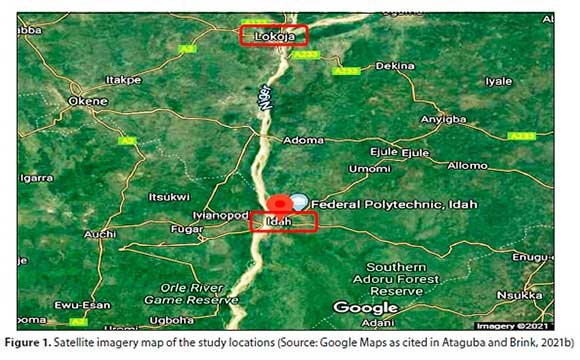
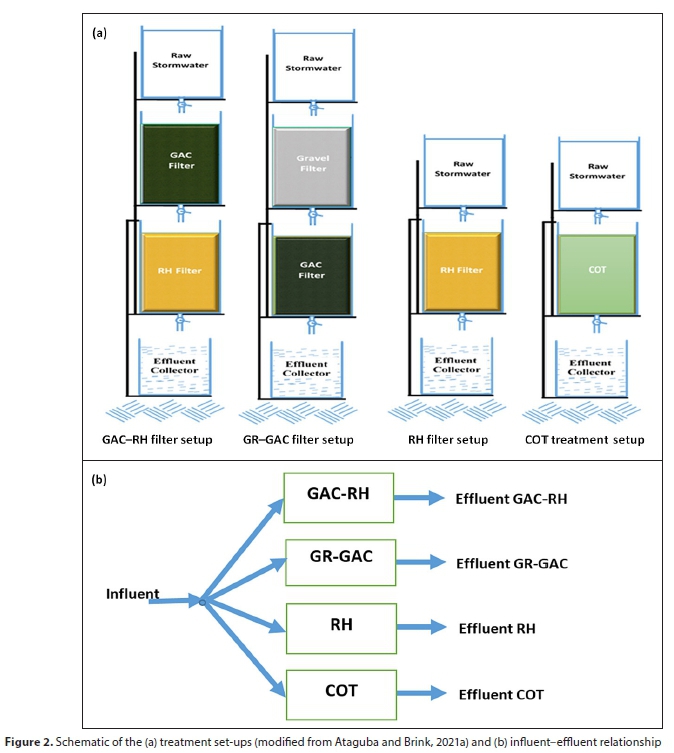
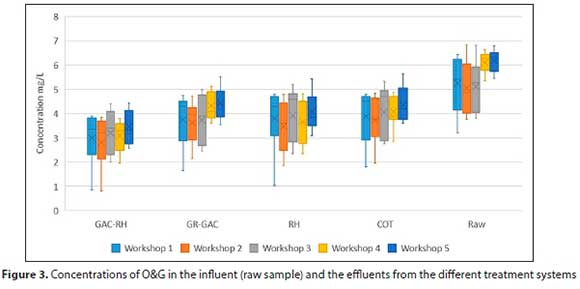
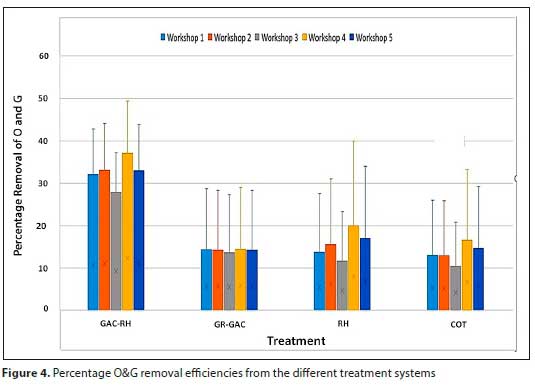
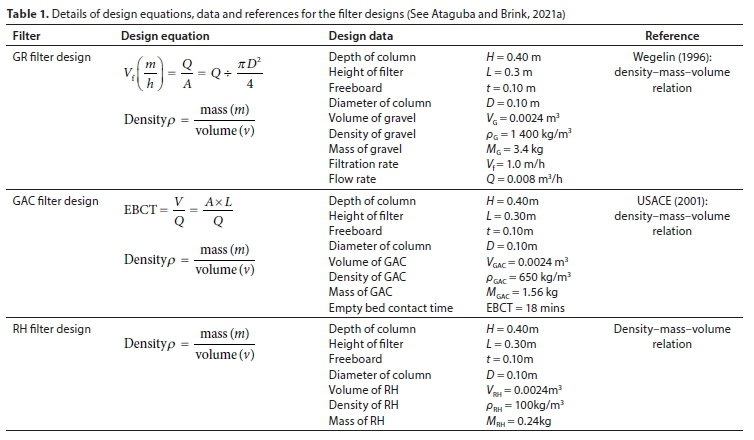
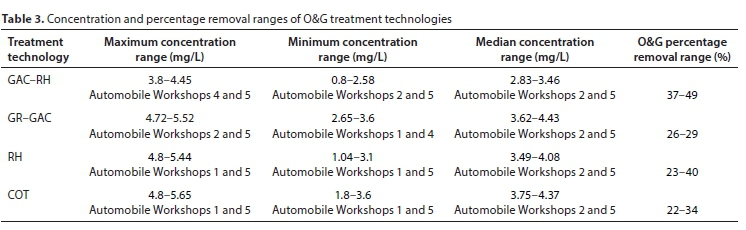
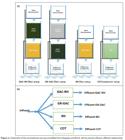
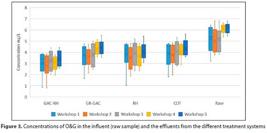
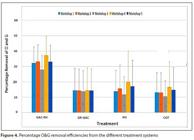
Oil and grease (O) removal efficiencies using 4 automobile stormwater treatment systems were investigated and compared. The treatment systems used were: low-cost granular activated carbon-rice husk (GAC-RH) filter system, river gravel-granular activated carbon (GR-GAC) filter system, rice husk only (RH) filter system and the conventional PVC O trap (COT). Sampling of automobile stormwater from the five selected automobile workshops was carried out using the manual grab sampling methods. The treatment involved filtration using the low-cost technologies and O separation from stormwater. GAC-RH exhibited the highest O removal with an average removal efficiency of 43.2% from all the automobile workshops, followed by RH with an average removal efficiency of 31%. O removal using GR-GAC and COT resulted in average removal efficiencies of 28.6% and 26.8%, respectively. Further studies need to be carried out to optimize the GAC and RH low-cost filter materials for the purpose of achieving the USEPA and Nigerian effluent standards of 0.1 mg/L, since all the treatment systems produced effluents with minimum concentrations ranging between 0.8 mg/L and 3.6 mg/L.
automobile workshop; effluent concentration; low-cost treatment technology; oil and grease removal; efficiency; stormwater treatment
 Thumbnail
 Thumbnail
 Thumbnail
 Thumbnail