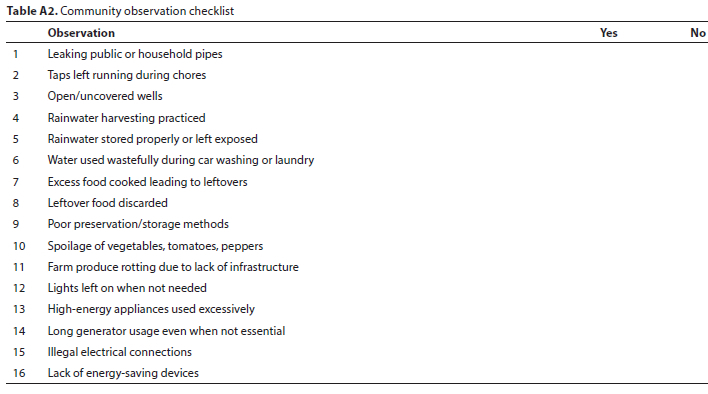
Integrating Alájobí principles into the conceptualization of the water-energy-food (WEF) nexus for sustainable resource management in Yoruba communities
Abstract
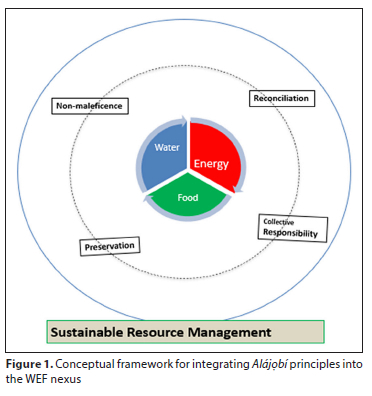
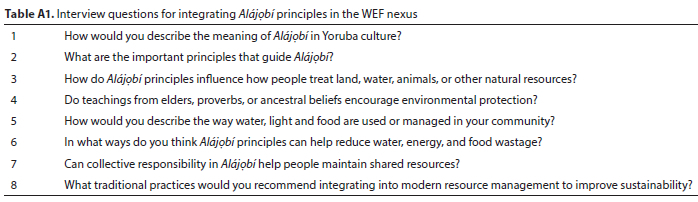
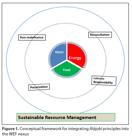
This study explores integrating traditional Alájobf principles into the water-energy-food (WEF) nexus framework for sustainable resource management in Yoruba communities. The study utilised a qualitative approach that involved interviews and community observations in Akure, Ibadan, and Ogbomosho. Participants included community leaders, elders, local farmers, and community residents. The study revealed that Alájobí principles, such as non-maleficence, reconciliation, preservation, and collective responsibility, significantly influence resource management. These principles can enhance the sustainability and resilience of WEF resources. This research analyses the potential of traditional practices in addressing modern sustainability challenges, contributing a unique perspective to WEF nexus research. Integrating Alájobí principles can foster community cohesion, respect for nature, and sustainable practices. The study recommends incorporating traditional practices into modern resource management frameworks and raising awareness about Alájobí principles to enhance the sustainability of WEF resources.
Alájobí; water-energy-food (WEF) nexus; sustainability; traditional principle; resource management
 Thumbnail