Control of hydrogen sulphide in full-scale anaerobic digesters using iron (III) chloride: performance, origin and effects
Abstract
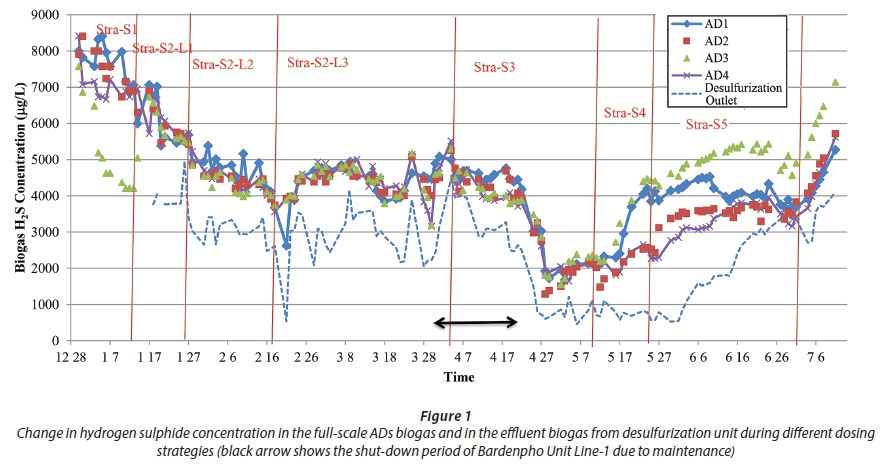
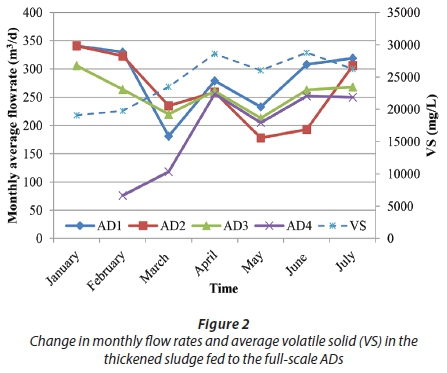
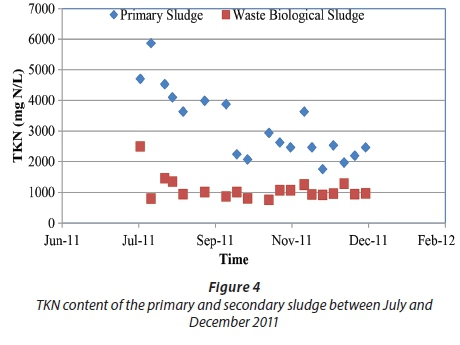
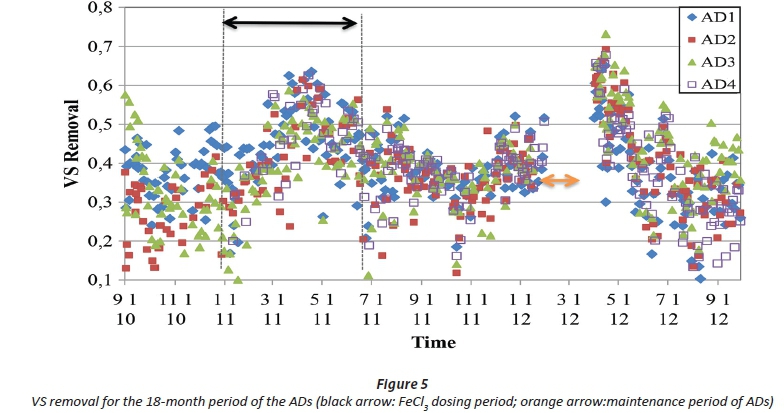
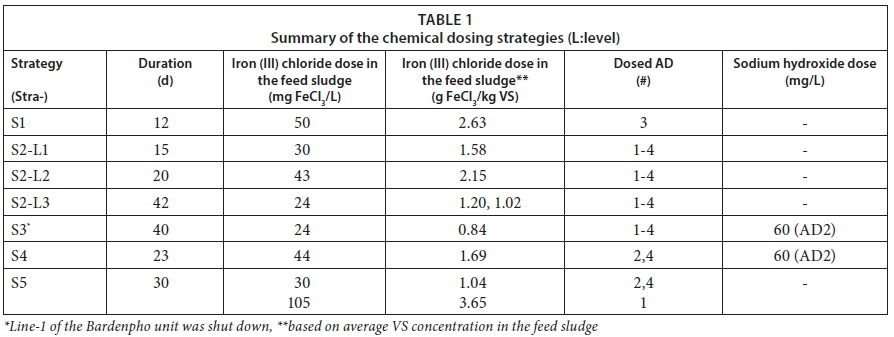
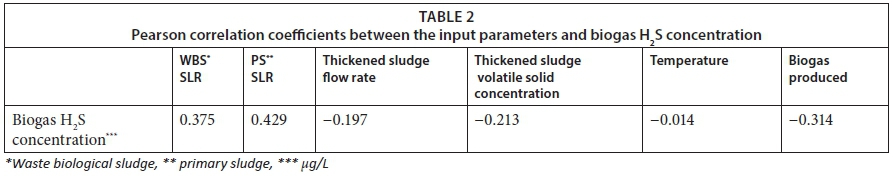
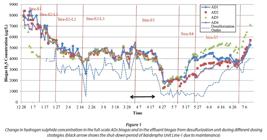
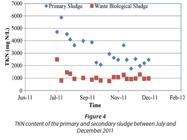
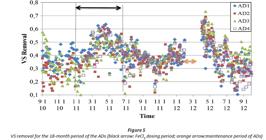
The study presents the results of sulphide control using iron (III) chloride in full-scale anaerobic digesters (ADs) at a large-scale municipal wastewater treatment plant (WWTP). Iron (III) ('ferric') chloride was applied at a range of 24-105 mg FeCl3/L with and without alkali solution using different strategies. Introduction points were implemented at the feeding line and the sludge thickener unit. Response of the ADs in terms of biogas H2S reduction over time, solid loading rates (SLR), feed sludge flow rate and pH level were investigated. Reduction of H2S in the biogas reached 4 035 μg/L in directly-dosed AD versus a 1 345 μg/L drop in non-dosed ADs, as a result of internal recirculation among the digesters, where actual values were possibly higher as volatile solid (VS) degradation increased in all ADs during the dosing period. No noticeable effect on biogas production and pH was observed. The degree of H2S production was found to be correlated to the volatile SLR, where primary sludge solids contributed mostly to the organic and proteinaceous content of the thickened sludge and presented a high variation and a strong relationship with H2S production. Correlation analysis based on data for the 17-month period that followed supported the significant role of primary SLR in H2S production.
biogas; hydrogen sulphide; anaerobic digester; control; solids; full-scale
 Thumbnail
 Thumbnail
 Thumbnail
 Thumbnail