Biological sulphate reduction with primary sewage sludge in an upflow anaerobic sludge bed (UASB) reactor - Part 1: Feasibility study
Abstract
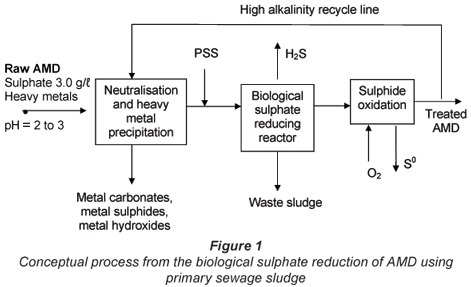
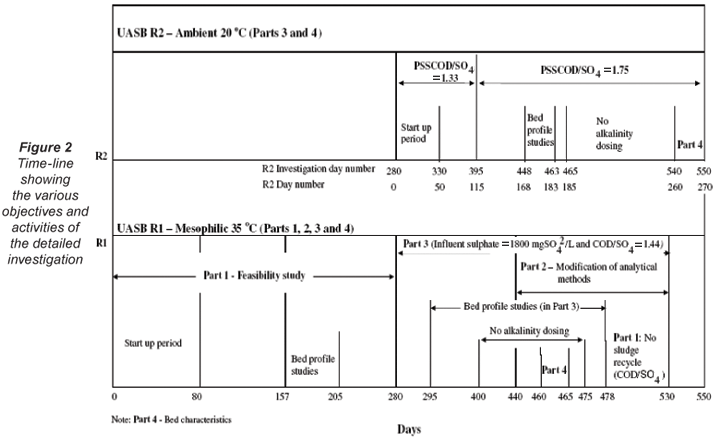
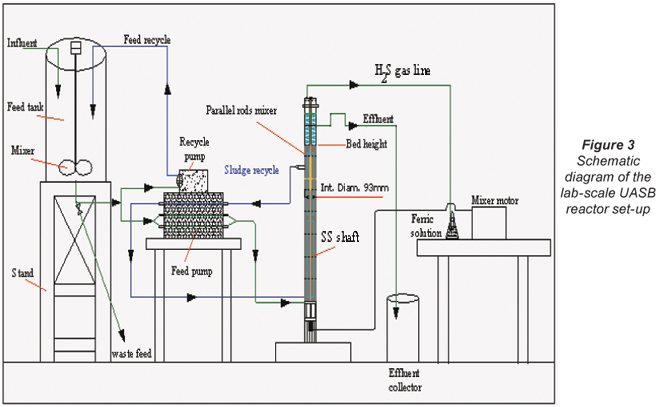
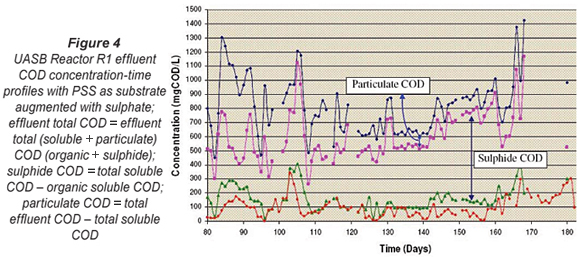
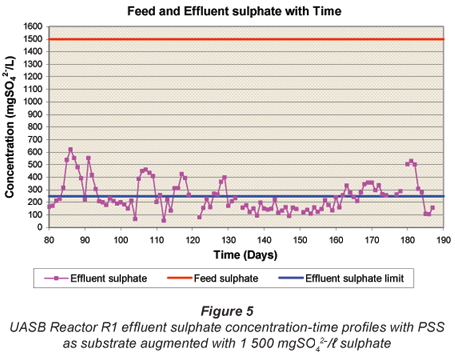
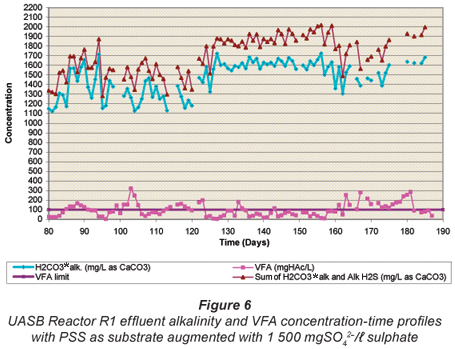
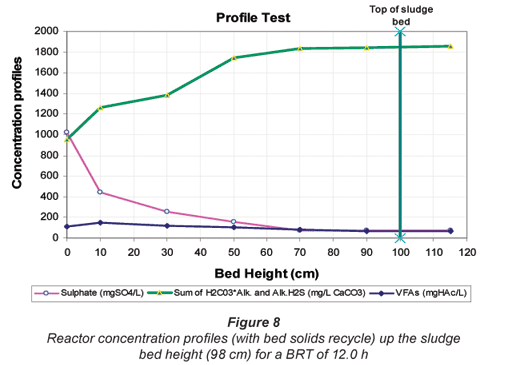
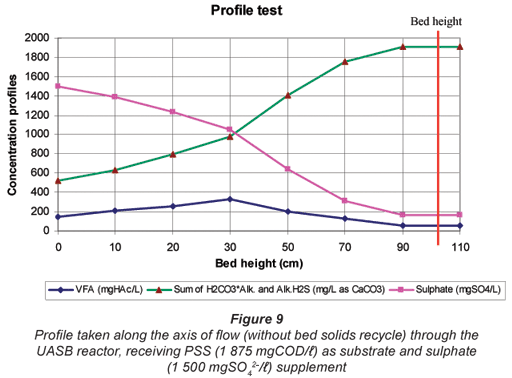
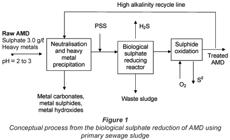
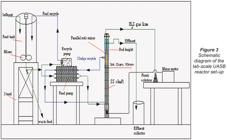
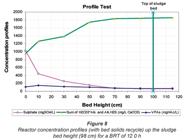
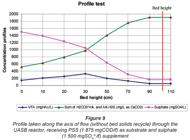
This paper describes a novel system for the biological sulphate reduction (BSR) of acid mine drainage (AMD) using primary sewage sludge (PSS) as carbon source in an upflow anaerobic sludge bed (UASB) reactor configuration. A UASB reactor was operated at a temperature of 35ºC and it received PSS (1 875 mgCOD/ℓ) augmented with sulphate (1 500 mgSO42-/ℓ). The experimental results indicate that high treatment efficiency was achieved at more than 90% sulphate reduction at a liquid hydraulic retention time (HRT) of 13.5 h. In this study, the effects of various operational parameters were also investigated. The effect of a biomass recycle stream from the top to the bottom of the sludge bed was found to initiate rapid BSR from the bottom of the bed. Profile tests showed that effective and immediate sulphate reduction was achieved as soon as the influent entered the reactor. From these results, it can be concluded that the UASB configuration using PSS as energy source would be a viable method for the BSR of AMD.
biological sulphate reduction; upflow unaerobic sludge bed reactor; minimum hydraulic retention time; bed concentration profiles; effluent quality
 Thumbnail
 Thumbnail
 Thumbnail
 Thumbnail
 Thumbnail
 Thumbnail
 Thumbnail
 Thumbnail
 Thumbnail