Influence of trenches and soil water detection instruments on EM38-MK2 sensor readings
Abstract
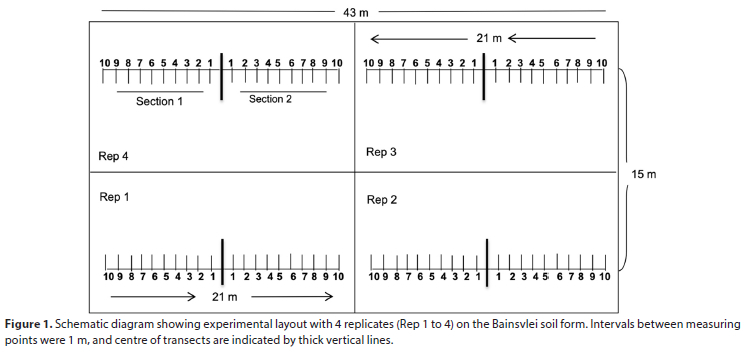
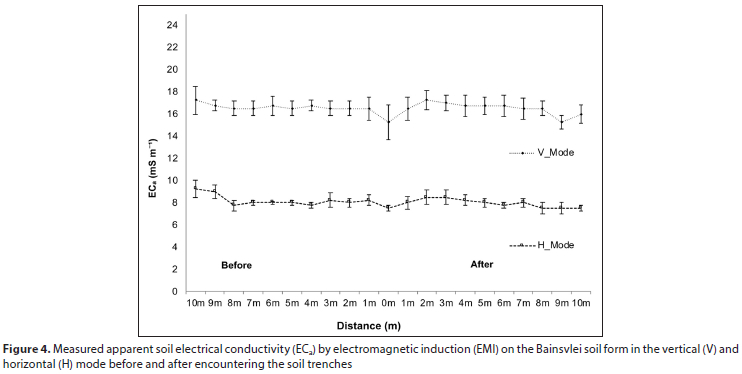
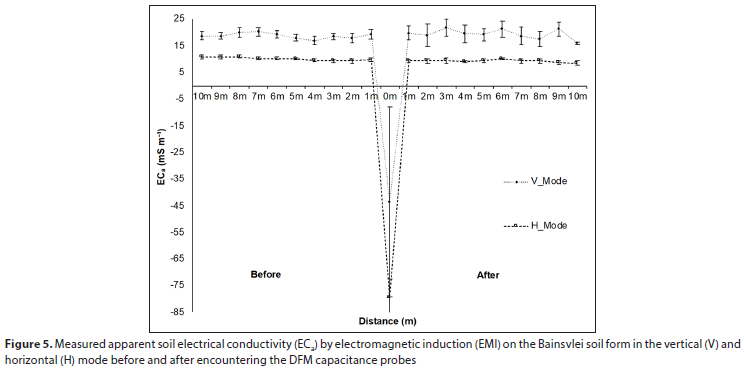
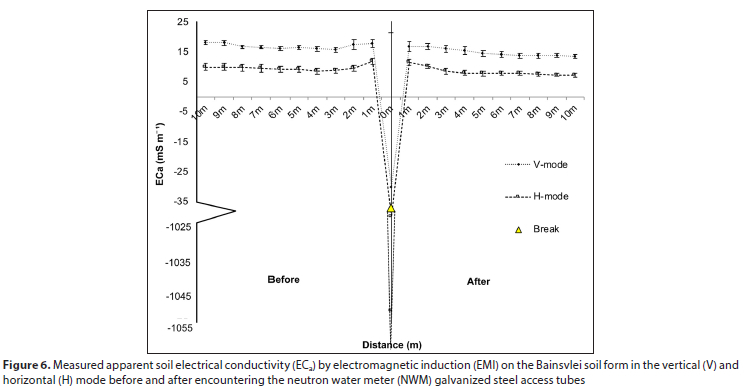
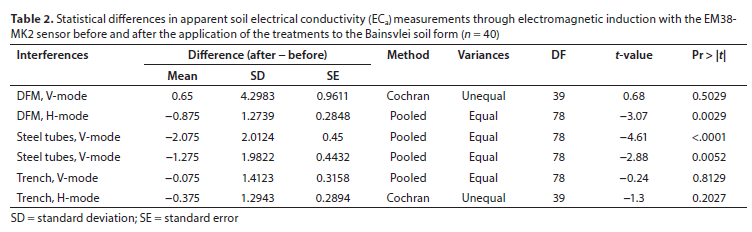
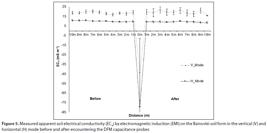
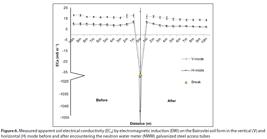
Electromagnetic induction (EMI) sensors, such as the EM38-MK2, measure soil apparent electrical conductivity (ECa). The ECa values are then calibrated with soil water content, often determined by metal-containing instruments. Such instruments and soil trenches may interfere with ECa measurements. This study established whether multi-sensor capacitance probes (small copper rings), neutron water meter access tubes (galvanized steel) and soil trenches interfere with ECa measurements by EM38-MK2 sensors. The EM38-MK2 sensor was moved towards and away from the potential interfering obstruction in a horizontal or vertical mode without re-zeroing the device. The soil trenches had no significant influence on the measurement of ECa. On the other hand, both the capacitance probes and the access tubes influenced the ECa measurement of the EM38-MK2 sensor when it was operated closer than 1 m from the two devices. Measurements of ECa were either less stable (only in the vertical mode) or lower. However, the magnitude of reduction in ECa was so small that it would likely not have any practical influence. Nevertheless, in field surveys with the EM38-MK2 sensor, a distance of at least 1 m should be kept from either the capacitance probes or galvanized-steel access tubes to avoid interferences. When encountering such devices during field surveys, it should be safe to continue measurements without additional re-zeroing of the sensor.
capacitance probes; metal-containing objects; soil water content; galvanized steel access tubes
 Thumbnail
 Thumbnail
 Thumbnail
 Thumbnail